Greece is so much more than Santorini sunsets and Mykonos beach clubs. The country has mountain villages, medieval fortresses, volcanic islands, and lakeside cities that most travelers completely overlook because they are too busy booking the same ferry routes as everyone else.
Some of these places are easier to reach than a crowded island, and a few of them offer scenery that is genuinely hard to find anywhere else in the world. Whether you are planning your first Greek trip or your fifth, this list covers 15 destinations that deserve a real spot on your itinerary.
Zagori, Epirus
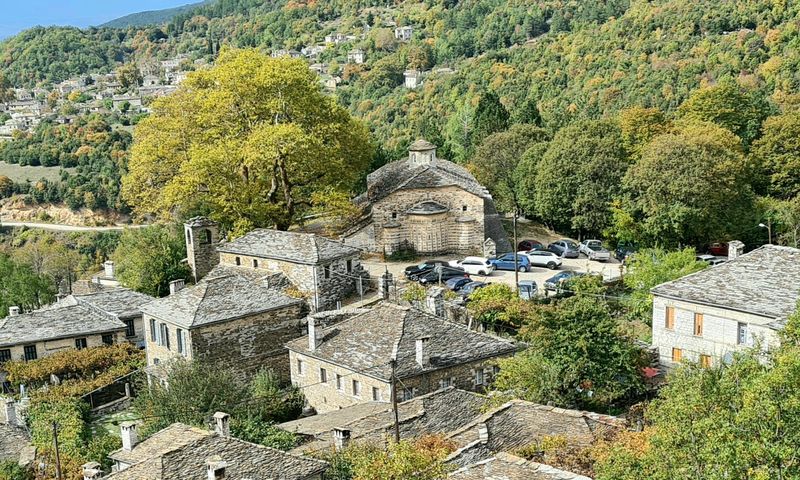
Northwestern Greece keeps a remarkable secret tucked into the Pindus Mountains, and most visitors fly right past it on the way to the coast. Zagori is a collection of traditional stone villages spread across forested ridges, connected by cobbled paths and ancient arched bridges that have stood for centuries.
Villages like Papingo and Monodendri are among the most photographed in the region, and for good reason. Stone houses blend almost naturally into the rocky hillsides, and the surrounding forests of pine and fir create a backdrop that feels completely unlike anything you would find near a beach resort.
Hikers have a serious reason to make the journey here. The Vikos Gorge, one of the deepest gorges in the world, cuts through the landscape and offers trail access for those willing to lace up their boots.
Zagori works beautifully as a road trip destination any time outside of peak summer heat.
Meteora, Thessaly
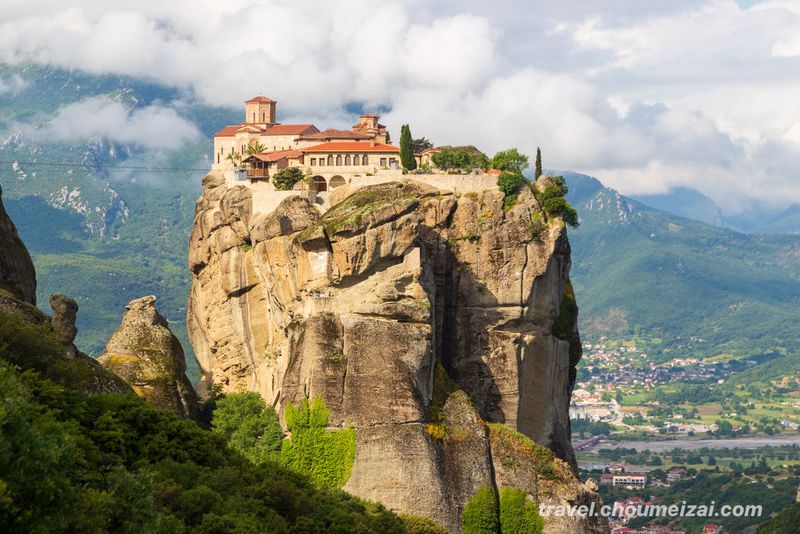
Few places anywhere in Europe produce the kind of jaw-dropping reaction that Meteora manages on first sight. Massive sandstone pillars shoot straight up from the Thessalian plain, and perched near their summits are historic Orthodox monasteries that seem to defy both gravity and common sense.
Six of those monasteries remain active and open to visitors today. Each one has its own history, its own collection of frescoes and religious artifacts, and its own dizzying position above the valley floor.
The complex has been a UNESCO World Heritage Site since 1988, recognized for both its natural landscape and its cultural significance.
Hiking trails wind among the rock formations, offering perspectives on the monasteries that no road viewpoint can match. Kalambaka, the town at the base of the formations, provides hotels, restaurants and easy access for day trips or longer stays.
Meteora has a way of becoming the most memorable stop of an entire Greek vacation.
Nafplio, Peloponnese
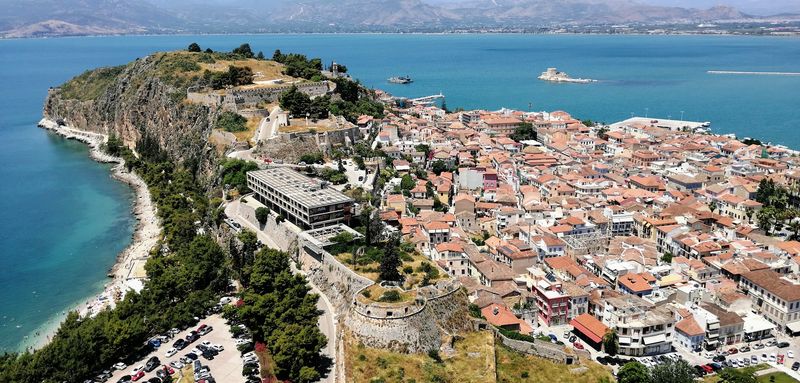
Nafplio pulls off something impressive: it delivers nearly everything travelers love about Greek island towns without requiring a single ferry ticket. The old town is a compact grid of neoclassical buildings, narrow lanes, and bougainvillea-covered balconies that spill color across every corner.
Palamidi Fortress dominates the hilltop above the city and rewards the climb with sweeping views over the Argolic Gulf. Down at sea level, the small Bourtzi fortress sits on a tiny island just offshore and has become one of Nafplio’s most recognized landmarks.
History runs deep here as well. Nafplio served as the first capital of the modern Greek state from 1827 to 1834, which gives the city a significance that goes beyond its good looks.
Day trips from Nafplio can reach the ancient theater at Epidaurus and the ruins of Mycenae, both within reasonable driving distance. As a base for exploring the northeastern Peloponnese, it is genuinely hard to beat.
Monemvasia, Peloponnese
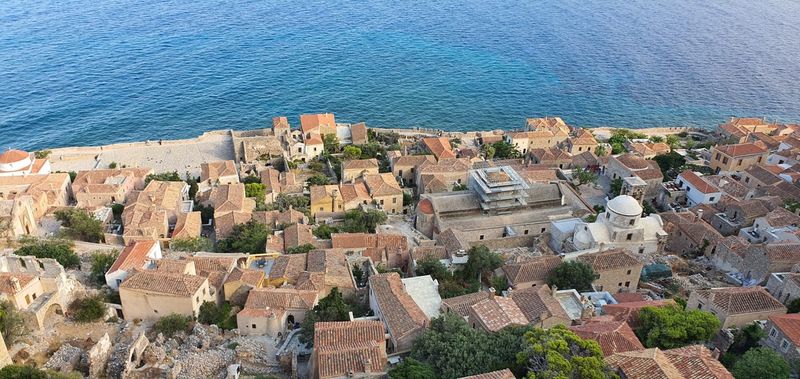
Imagine a medieval town built entirely on a giant rock, sealed off from the mainland by a narrow causeway, and somehow still functioning as a living, breathing place where people eat dinner and sleep in stone-walled rooms. That is Monemvasia, and it is one of the genuinely unusual experiences Greece has to offer.
The Lower Town is the heart of the settlement. Vaulted stone passages, Byzantine churches, and paved lanes wind between houses that have been carefully restored without losing their historic character.
Restaurants and small shops operate within the walls, so a visit does not have to be rushed.
Above the Lower Town, a steep climb leads to the largely ruined Upper Town, where old fortifications and open sky frame views over the Myrtoan Sea. Staying overnight inside the rock settlement is an option that changes the experience entirely.
The crowds thin out after the day-trippers leave, and what remains is something genuinely quiet and atmospheric.
Pelion, Thessaly
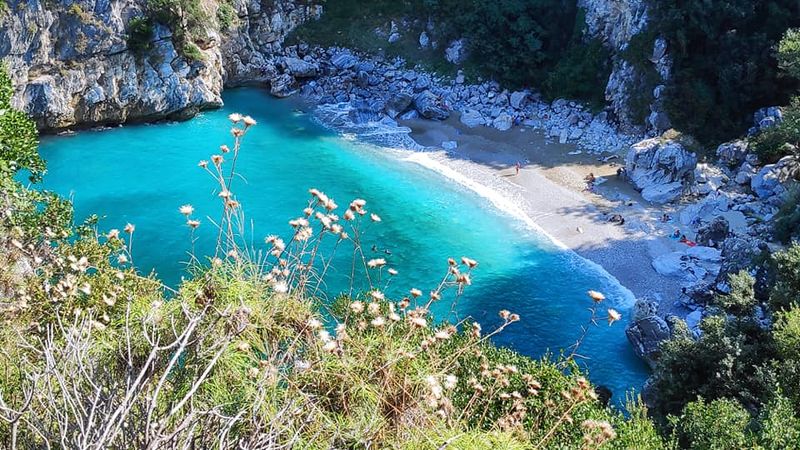
Pelion solves an argument that many travelers have with themselves every summer. If you cannot decide between mountains and beaches, the Pelion peninsula simply offers both, often within the same afternoon.
The Greek National Tourism Organisation recognizes 24 traditional villages across the peninsula, ranging from well-known spots like Makrinitsa and Tsagarada to quieter settlements that rarely appear in travel guides. Roads wind through forests of chestnut, plane and fir trees before descending toward beaches along both the Pagasetic Gulf and the Aegean Sea.
An extensive trail network connects these landscapes on foot, passing stone bridges, waterfalls and coastal viewpoints.
Pelion also has the advantage of working across multiple seasons. Summer brings beach visitors, but spring and autumn draw hikers and travelers interested in the villages without peak-season crowds.
The area around Portaria and Makrinitsa sits close enough to the city of Volos that road access is straightforward from several directions.
Parga, Epirus
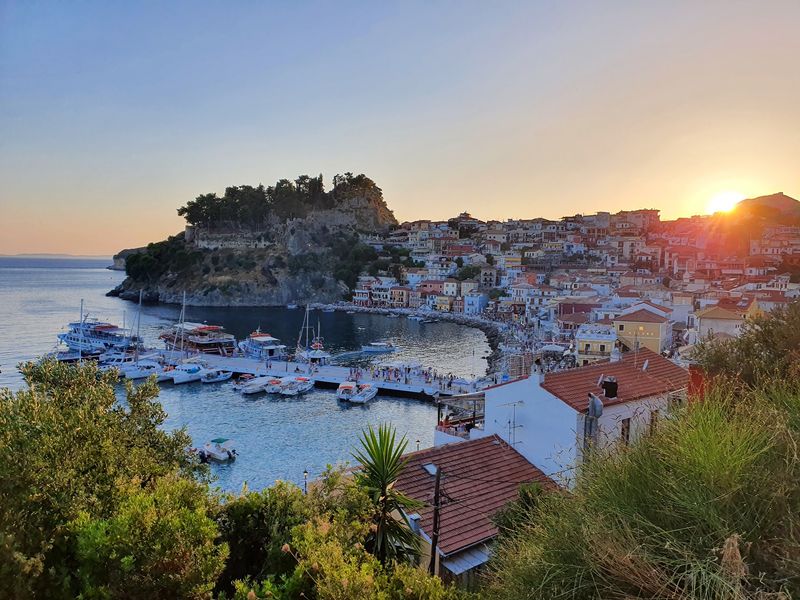
Standing on Parga’s waterfront, it is easy to forget you are looking at a mainland town. Colorful houses stack up the hillside, a Venetian-era castle watches over the settlement from above, and the view across the Ionian Sea has the kind of quality that usually requires a ferry to find.
Krioneri Beach sits directly beside town, making it genuinely convenient for travelers who want to swim without going far. Valtos and Lichnos beaches are nearby as well, both reachable by boat or road.
Hiking routes through the olive groves and surrounding hills give the destination another dimension beyond the waterfront.
Seasonal boat excursions leave from Parga’s harbor, offering time on the water without the commitment of an island trip. The town also sits within reasonable driving distance of the Necromanteion of Acheron and the river delta area, adding historical and natural interest for travelers who want more than a beach stop.
Parga earns its reputation as one of the Ionian coast’s most appealing mainland towns.
Areopoli And The Mani Peninsula, Peloponnese
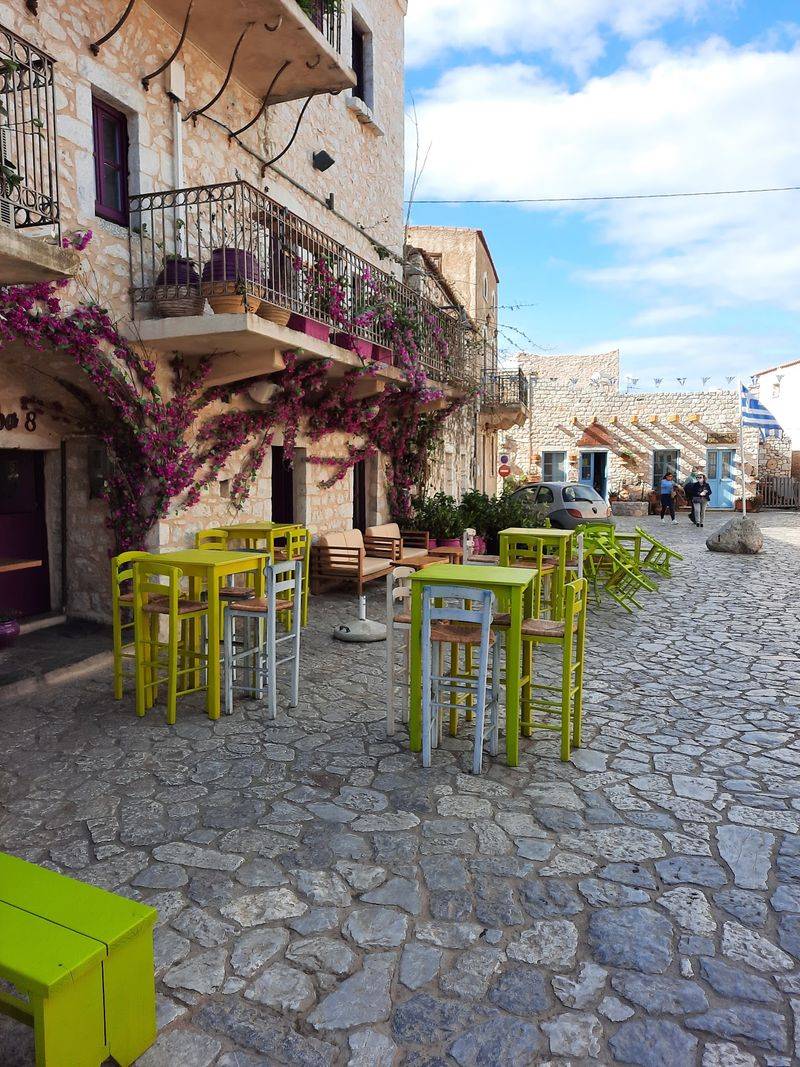
The Mani Peninsula does not look like the Greece most people have on their mood boards. Forget whitewashed walls and blue-domed churches.
Out here, the landscape is rocky and sparse, and the villages are built from the same gray stone as the hills they sit on.
Areopoli is one of the best entry points into the region. Its traditional streets and tower houses set the tone for what lies ahead on a drive through the peninsula.
The town also holds a specific place in Greek history: the first revolutionary flag of the Greek War of Independence was raised in Taxiarchon Square here on March 17, 1821.
Beyond Areopoli, the road leads through quiet coastal villages, hidden coves and landscapes that feel genuinely remote without being difficult to reach. The Diros Caves, one of Greece’s most impressive underground waterway systems, are also accessible from the area.
Mani rewards travelers who prefer exploring over lounging.
Kastoria, Western Macedonia
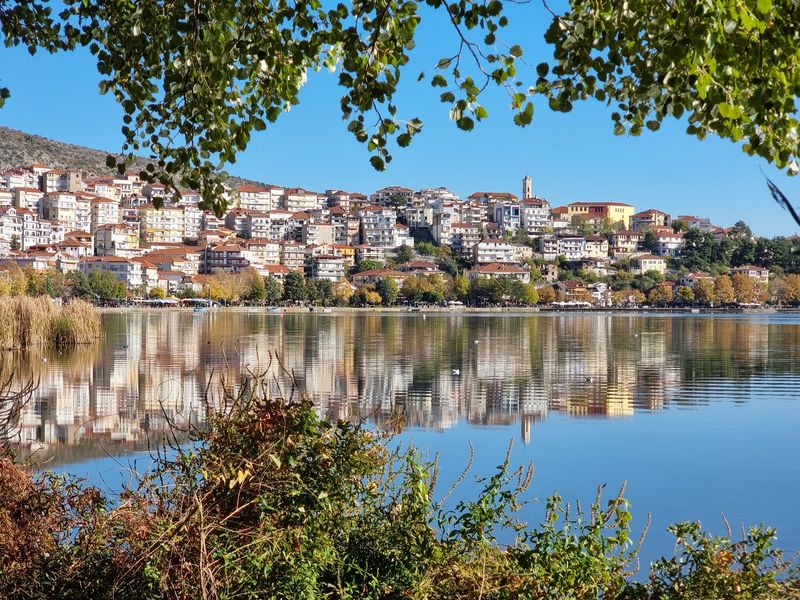
Most people picture coastlines when they think about Greek scenery, which is exactly why Kastoria catches visitors off guard. The city sits on a peninsula that extends into the calm waters of Lake Orestiada, and the combination of mountains, water and traditional architecture creates a setting that feels entirely its own.
Walking the lakeside path is one of the simplest and most rewarding things to do here. Historic neighborhoods like Doltso and Apozari contain old mansions and Byzantine churches that reflect centuries of Macedonian architectural tradition.
The lake itself supports a diverse bird population, making the surrounding area particularly interesting for wildlife observers.
Kastoria is especially well suited to spring, autumn and winter visits, when northern Greece offers cooler temperatures and far fewer tourists. The city is also known historically for its fur trade, which shaped much of its architecture and prosperity over the centuries.
For travelers building a northern Greece road trip, Kastoria is a logical and rewarding stop.
Nafpaktos, Central Greece
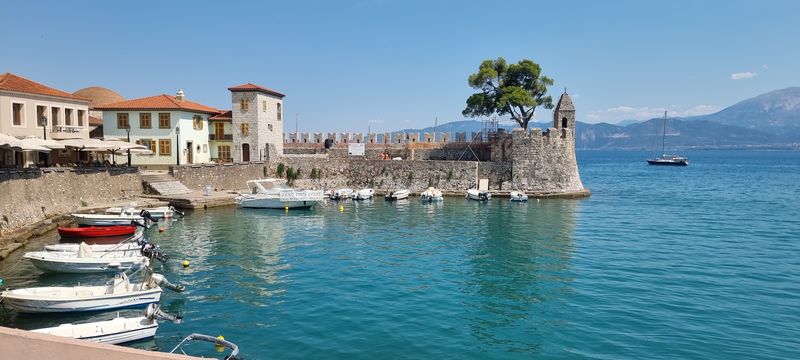
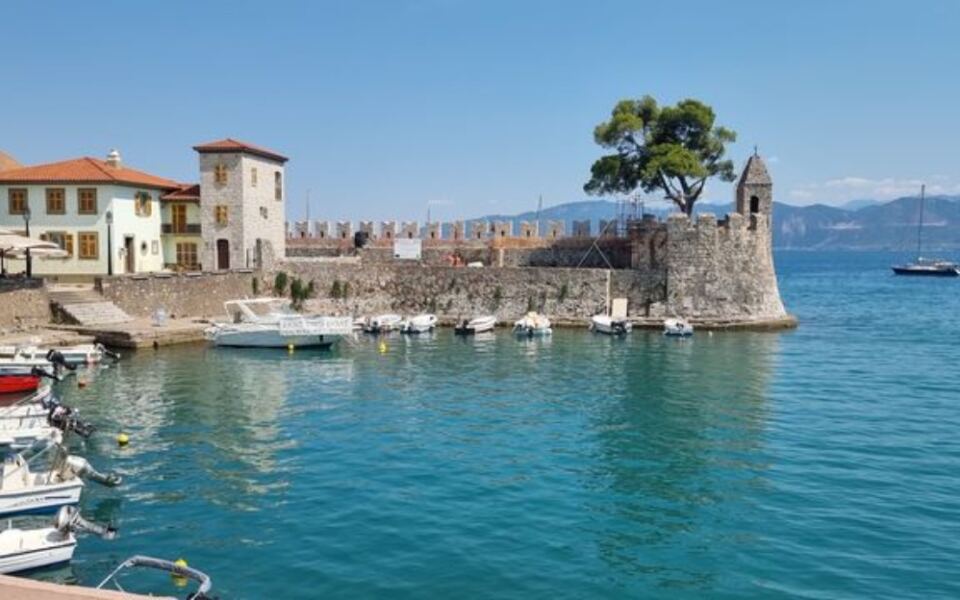
A tiny circular harbor wrapped in Venetian stone walls might be the last thing you expect to find on the Gulf of Corinth, but Nafpaktos has one of the most photogenic waterfronts on mainland Greece. The old harbor is compact enough to walk around in minutes, but distinctive enough to stay in your memory considerably longer.
Above the harbor, a medieval fortress climbs across the hillside in a series of walls and towers, eventually reaching a summit that looks out over the gulf and surrounding coastline. The fortress is free to explore and offers a completely different view of the town from above.
Nafpaktos also carries genuine historical weight. The 1571 Battle of Lepanto, one of the most significant naval engagements of the 16th century, took place just offshore, and the city commemorates it each October.
Beaches line the coast nearby, and mountain villages sit inland, giving the area enough variety to justify more than a passing visit.
Tinos, Cyclades
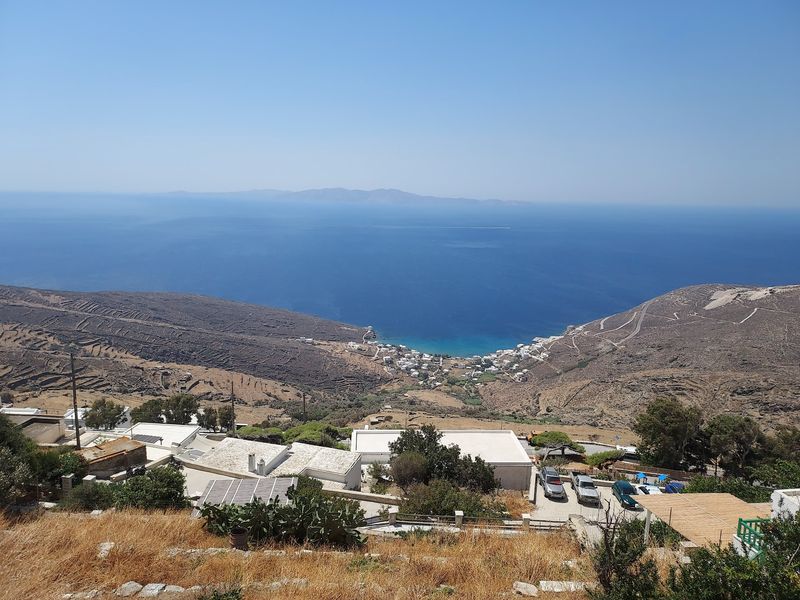
Tinos gives you the Cyclades without the noise. The island has the whitewashed architecture, blue skies and clear water that define the island group, but it trades nightlife and international party crowds for marble craftsmanship, pilgrimage culture and roughly 40 traditional villages connected by walking trails.
The Church of Panagia Evangelistria in Tinos Town is one of the most important pilgrimage sites in Greece, drawing visitors year-round and particularly on the Feast of the Dormition each August. Beyond the church, the island’s landscape is dotted with more than 600 ornate dovecotes, a distinctive feature that sets Tinos apart visually from other Cycladic islands.
Beaches are scattered around the coastline, and local tavernas serve fresh seafood and regional specialties in a setting that feels genuinely unhurried. Tinos is also an established center for marble sculpting, with a Fine Arts School that has shaped generations of Greek artists.
The island works well for travelers who want cultural depth alongside their Cycladic scenery.
Ithaca, Ionian Islands
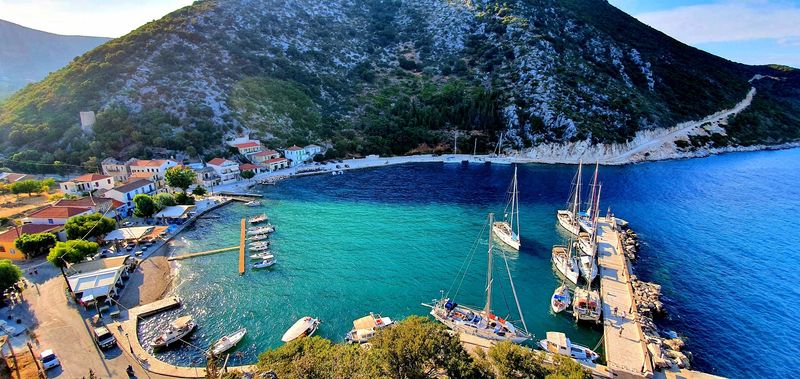
Ithaca carries one of the most famous names in all of world literature and somehow remains one of Greece’s quieter island destinations. Traditionally identified as the home of Odysseus from Homer’s Odyssey, the island pairs its mythological reputation with a relaxed pace that feels like a genuine contrast to busier Ionian neighbors.
Vathy, the island’s capital, wraps around a sheltered harbor that is among the most picturesque in the Ionian Sea. Beyond the capital, small fishing villages, mountain settlements and pebble coves are scattered across an island covered in cypress trees and hillside vegetation.
Walking trails connect many of these spots, making exploration on foot genuinely rewarding.
Ferry connections link Ithaca with Kefalonia, Lefkada and mainland ports, which makes it a practical addition to a broader Ionian itinerary rather than a standalone commitment. The island suits travelers who want mythology, scenery and calm water in roughly equal measure, without fighting crowds for a sunbed.
Kythera, Attica Region
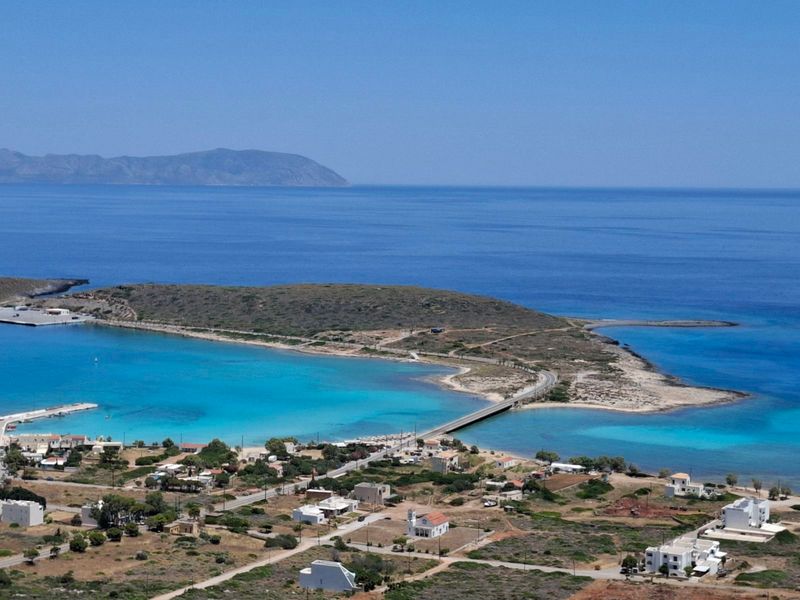
Getting to Kythera takes a bit more planning than hopping on a ferry to a mainstream Cycladic island, and that extra effort is exactly what keeps the island feeling the way it does. Positioned south of the Peloponnese, Kythera has ravines, waterfalls, caves, rocky coves and traditional villages that feel genuinely off the beaten path.
Active travelers have a specific reason to seek it out. The Kythera Trails network covers the island with signposted walking routes that range from short two-hour outings to full-day hikes crossing mountains, valleys and coastlines.
Cycling, kayaking, diving and boat excursions add further options for travelers who prefer moving to sitting still.
The island’s villages, including Chora and Mylopotamos, have their own character and historical layers worth exploring between outdoor activities. Kythera suits independent travelers who plan their own days rather than following a packaged resort schedule.
The landscape rewards curiosity, and the relative quiet makes it easier to actually pay attention to it.
Amorgos, Cyclades
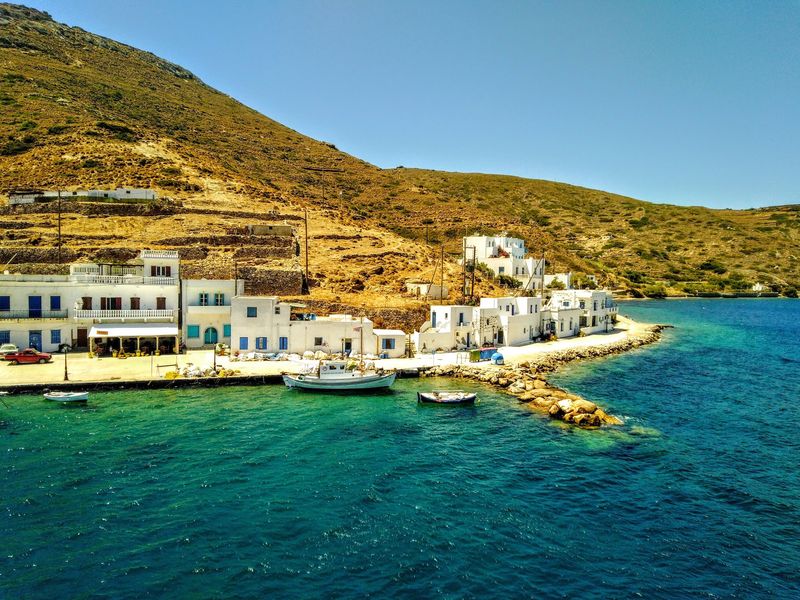
Amorgos is the kind of Cycladic island that appeals to people who want more from their days than a beach chair. The terrain is steep, the trails are long, and the scenery is dramatic in a way that rewards effort rather than simply showing up.
The Hozoviotissa Monastery is one of the most striking sights in all of Greece. Built directly into a vertical white cliff face above the Aegean Sea, it looks less like a building and more like something that grew out of the rock.
The monastery is active and open to respectful visitors during set hours.
The Palia Strata, an 11.5-kilometer trail beginning in Hora, passes the monastery and continues toward the village of Aegiali, crossing a landscape that alternates between ancient ruins, stone walls and coastal views. Other marked routes branch across the island.
Travelers who enjoy hiking will find Amorgos far more engaging than a standard beach-focused Cycladic itinerary.
Nisyros, Dodecanese
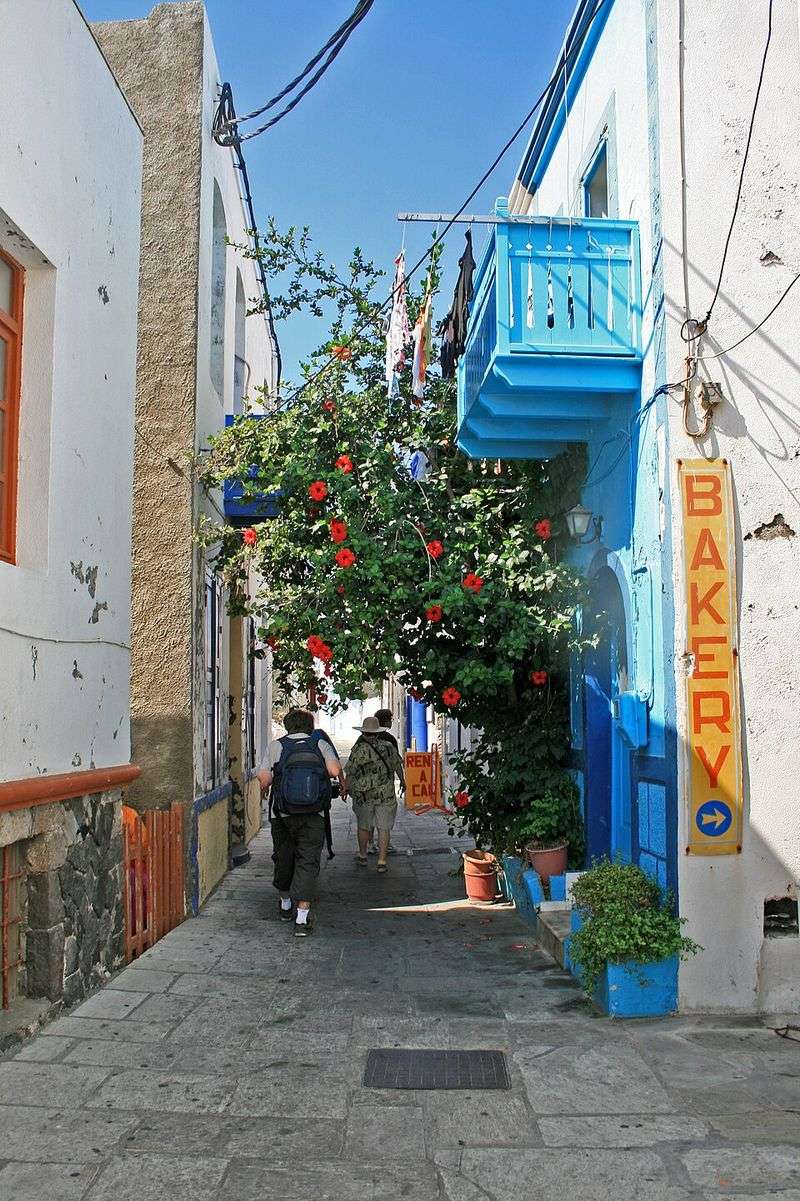
Not many Greek islands can offer a walk across a volcanic caldera as part of the day’s itinerary, but Nisyros can. The island sits on an active volcano, and its interior features a caldera with steaming geothermal vents, sulfur deposits and a landscape that looks genuinely unlike anything else in the Aegean.
The contrast between the volcanic interior and the rest of the island is striking. Mandraki, the main settlement, is a traditional whitewashed village with a Venetian castle, Byzantine monastery and narrow lanes that feel entirely separate from the lunar landscape a short drive away.
Small tavernas serve local food, and the pace of the village is calm.
Ferry connections to Nisyros include services from Rhodes and Piraeus, though schedules vary by season and should be confirmed before planning. The island suits travelers who want a genuinely different experience from a standard Dodecanese island hop.
Volcanic geology combined with traditional village life creates a combination that is rare anywhere in the Mediterranean.
Kastellorizo, Dodecanese
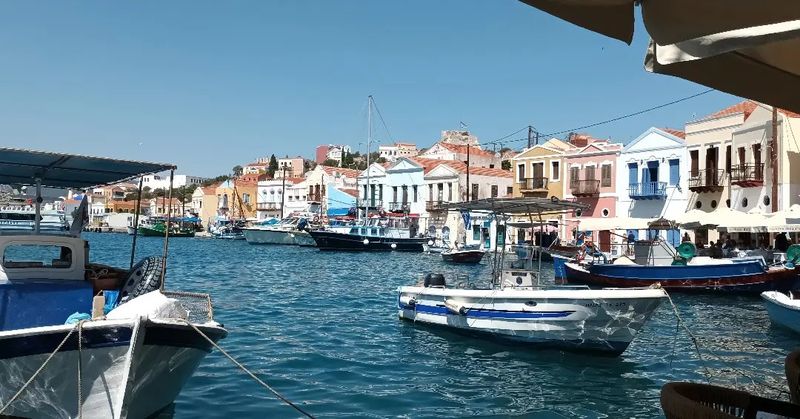
Kastellorizo sits at the far southeastern edge of Greece, closer to the Turkish coast than to Rhodes, and it has the kind of quiet that only comes from being genuinely far from the main tourist routes. Colorful neoclassical houses line the harbor, and their reflections in the remarkably clear water below have made this one of the most photographed small harbors in the Dodecanese.
The island covers roughly nine square kilometers in total, which means it takes very little time to get oriented and a surprising amount of time to feel done with it. Swimming here is typically from rocks and small platforms rather than sandy beaches, which filters out a certain type of tourist and keeps the atmosphere relaxed.
The Blue Cave, accessible by small boat from the harbor, is one of the island’s most distinctive natural features. Light enters through an underwater opening and reflects across the cave interior in a way that justifies the trip on its own.
Kastellorizo rewards travelers who genuinely enjoy slowing down.
Share this story