Big-name ski resorts get all the fame, but quiet mountain towns often steal the show. Some have stone lanes, glowing lakes, or wild valleys that few visitors ever see.
Others offer great hiking and snow fun without the crowds or the high prices. Here are fifteen under-the-radar places that deserve a spot on your travel list.
Pietracamela, Abruzzo, Italy
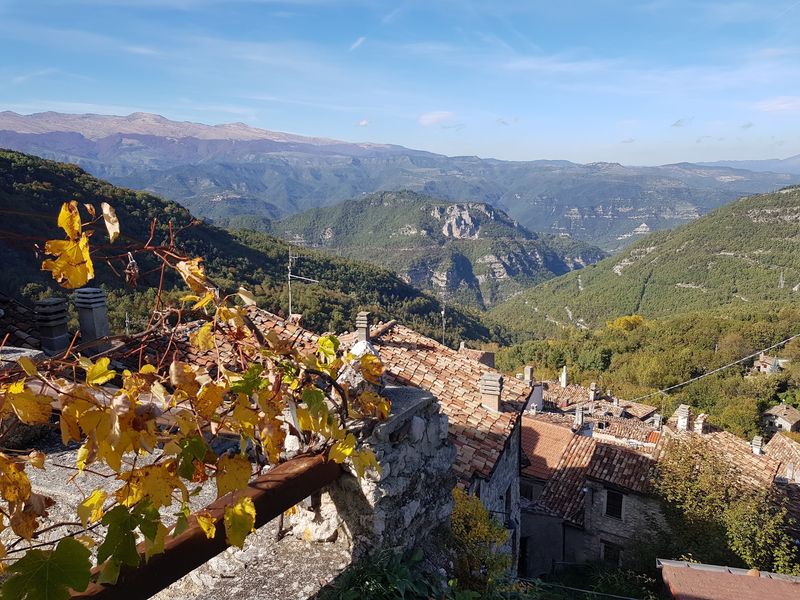
Stone smoke, cold mountain air, and church bells: that is how Pietracamela greets you. The village sits beneath the Gran Sasso massif, one of the most dramatic mountain settings in Italy.
Some houses here date back to the 15th century. Wander the narrow lanes and you will spot old churches, small religious shrines, and even Spanish inscriptions carved into stone.
Each one hints at a long and layered past.
The real star waits just past the last house. In warm months, trails climb toward Corno Piccolo, a peak with serious alpine drama.
When winter arrives, skiing is close by, so snow lovers have plenty to enjoy.
Pietracamela is far less famous than the Dolomite resorts, and that is part of its charm. There are no glossy lobbies or crowded promenades.
Pack sturdy boots, bring a sweater even in summer, and plan to slow down.
It suits travelers who prefer a real stone village with mountain traditions over a polished resort. Grab a local snack, sit on a quiet bench, and let the cliffs do the talking.
You may find yourself staying longer than planned.
Plav, Montenegro
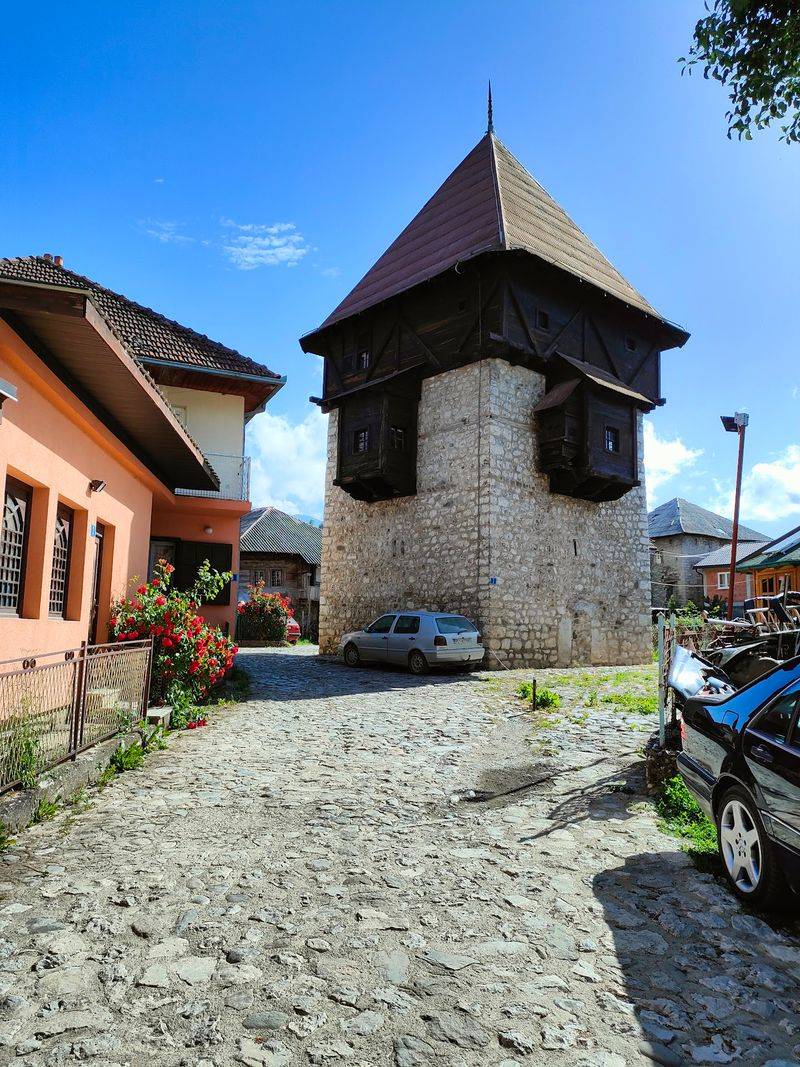
Montenegro has beaches, sure, but Plav says, “Come see the other side.” The town rests between Lake Plav and the headwaters of the Lim River, ringed by the high peaks of the north.
Look across the water and you can spot Visitor Mountain and the rugged Prokletije range. In town, the Redžepagić Tower and centuries-old religious buildings add a dose of history.
The mix of cultures here shows up in the buildings, the food, and the friendly chatter.
Outdoor fun comes in every flavor. You can hike, cycle, fish, or go rafting when the weather is warm.
Winter brings snowshoeing and skiing for anyone who likes crisp air and quiet slopes.
Plav also works nicely as a base for Prokletije National Park. Day trips lead to wild valleys and sharp ridgelines that feel a world away from the Adriatic coast.
Most visitors rush past on the way to Kotor. Slow down instead.
A lakeside walk at sunset might become the best part of your trip.
Mestia, Georgia
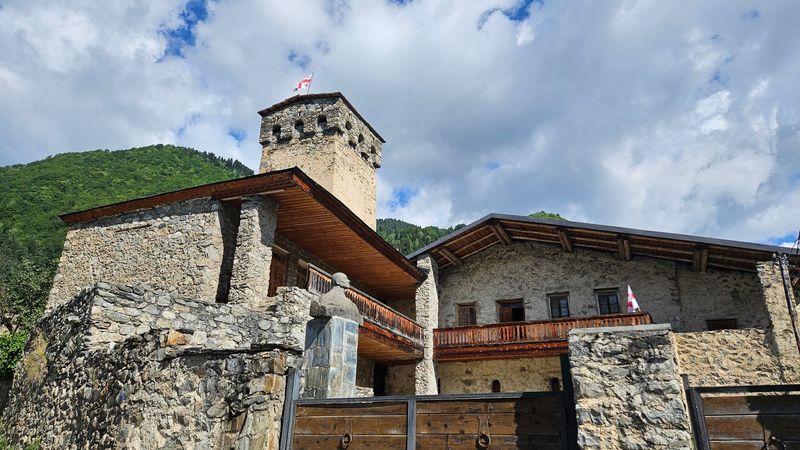
Around 45 stone towers still poke into the sky over Mestia, and some stand about 24 meters tall. Locals built them long ago to defend families in the Svaneti region.
Today they make the town look like a fantasy movie set.
The Caucasus rises all around, with peaks like Ushba and Tetnuldi watching over the rooftops. From here you can reach ski slopes, glaciers, waterfalls, and alpine lakes.
Remote villages such as Ushguli are also within reach for the adventurous.
Svaneti stayed isolated for centuries, and that helped protect its own language, food, and building style. Try the local cheesy breads and hearty dishes, then ask your host about old family traditions.
More visitors are discovering Georgia, yet Mestia still feels wonderfully remote compared with the famous Alps. The feeling grows stronger once you leave the center.
Follow a valley road, stop at a tiny village, and enjoy the quiet.
Bring layers, since mountain weather loves surprises.
Cachi, Salta, Argentina
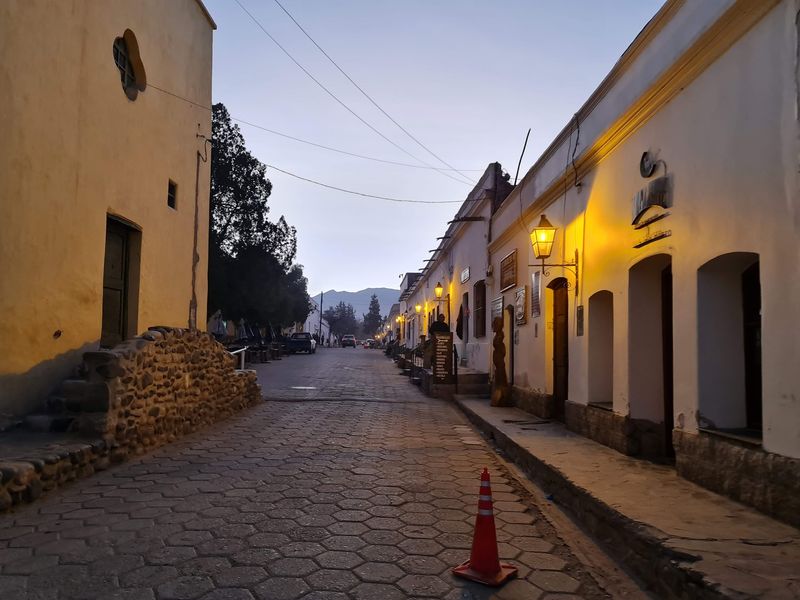
At 2,531 meters above sea level, even a short stroll in Cachi can leave you a little breathless. Walk slowly and enjoy it.
Giant cardón cacti and snowy peaks frame the whole scene.
The town is a tidy maze of cobbled streets and colonial houses. There is an archaeological museum worth a visit, plus an old church whose construction began in the 16th century.
Nearby, Nevado de Cachi dominates the skyline.
Los Cardones National Park protects more than 60,000 hectares of high desert. Rocky hills, cactus forests, and wide skies make it a photographer’s dream.
Getting here is half the fun. The road climbs through Cuesta del Obispo and winds into the Calchaquí Valleys, with big views at every bend.
Take your time and stop for pictures.
Patagonia gets most of the headlines in Argentina, but Cachi deserves its own fan club. Andean scenery, ancient history, and colonial charm all meet in one peaceful spot.
Kolašin, Montenegro
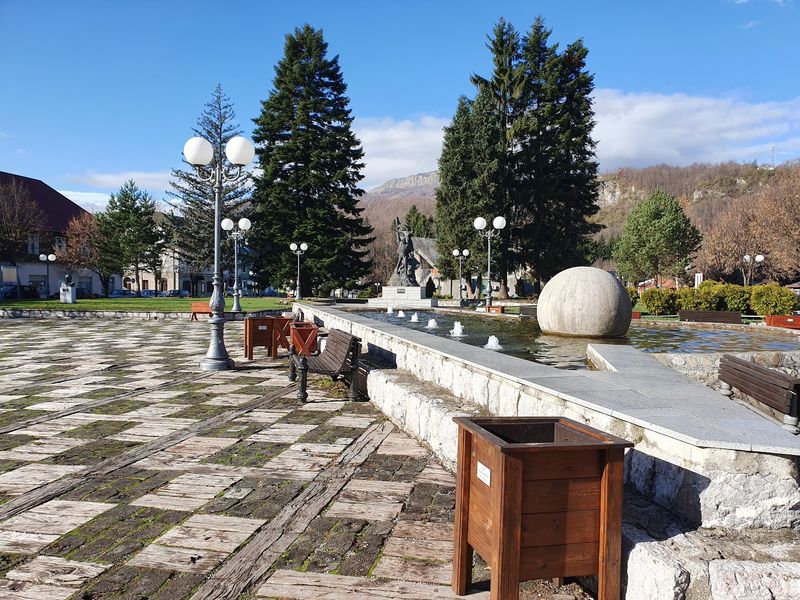
Here is a fun twist: Kolašin is a real town where people shop, eat, and go to work, and it also happens to sit in the mountains. At about 954 meters, it rests beside the Tara River beneath the Bjelasica and Sinjajevina ranges.
Ski areas are only about nine kilometers away. In summer, hiking routes lead to glacial lakes, katun huts, and green pastures.
Every season has something to offer.
Nearby Biogradska Gora National Park protects one of the last primeval forests in Europe. Walk beneath towering trees and listen for birdsong echoing through the quiet.
Back in town, restaurants serve traditional dishes, and the train station makes arrival easy. Because it is not a purpose-built resort, daily life carries on all around you.
That gives the place a warm, lived-in feel.
Regional travelers already love Kolašin, but many visitors heading to Montenegro’s coast skip it. Give it a night or two and see why locals smile when they mention it.
Torrey, Utah, USA
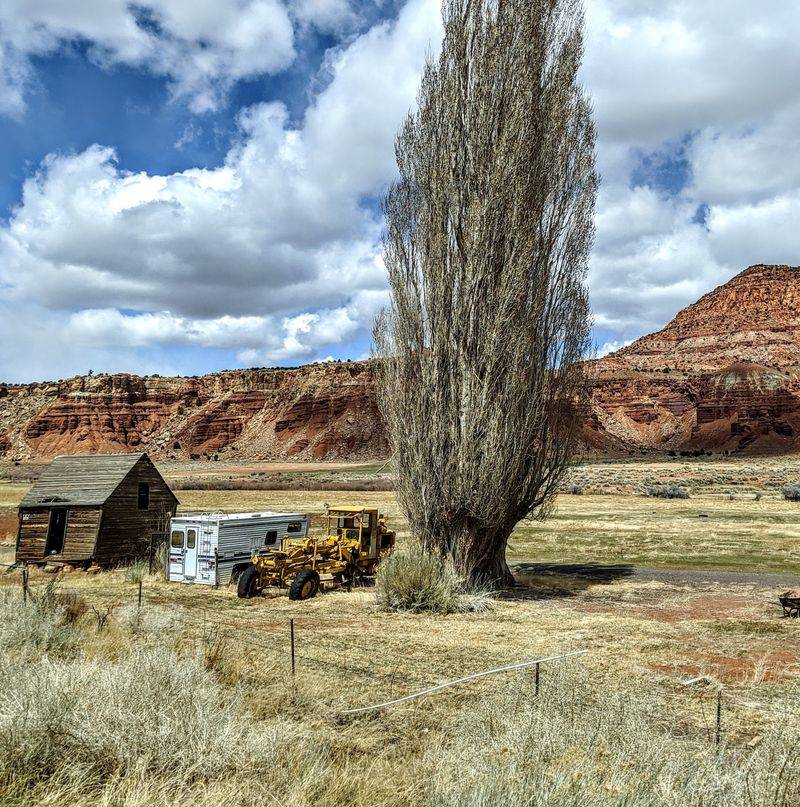
Blink and you might miss Torrey, home to roughly 182 residents. That tiny size hides a huge location.
The town sits at 6,830 feet and only eight miles from Capitol Reef National Park.
Green meadows, rose-colored cliffs, and mountain views surround the main road. After sunset, the sky fills with so many stars that it almost looks fake.
Bring a blanket and look up.
Scenic Byway 12 begins nearby, offering one of Utah’s most memorable drives. Fishlake and Dixie National Forests add alpine lakes, quiet trails, and winter fun.
Many travelers rush through on the way to the big national parks. Visit Utah calls Torrey a hidden gem worth several days, and that advice is sound.
Treat it as a destination, not a gas stop.
Spend a morning in the red rock canyons, an afternoon in cool forest shade, and an evening stargazing. Few places let you mix desert and mountains so easily.
Manteigas, Portugal
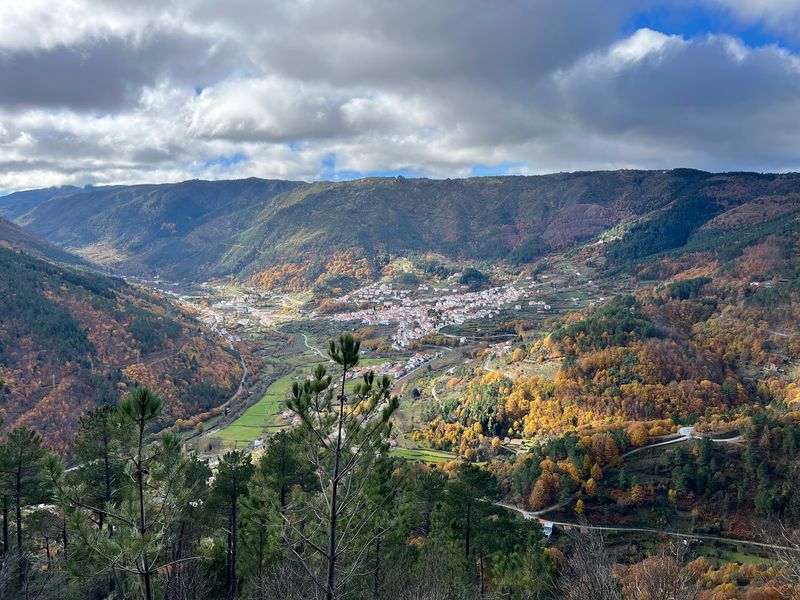
Portugal’s highest mainland peak looms right above Manteigas, and the town wears its mountain crown proudly. Torre reaches 1,993 meters, making it the top point on the mainland.
The town fills a steep glacial valley, with granite cliffs, forests, streams, and green pastures all around. It lies inside the 2,216-square-kilometer UNESCO Global Estrela Geopark.
Some of Portugal’s best glacial landforms are found here.
Hikers will love the trails that range from easy riverside strolls to tougher climbs. Prefer to stay in the car?
Scenic drives offer wide views with barely any effort. In winter, snow trips draw local families.
Do not leave without tasting mountain products. Local cheese, cured meats, and bread make an excellent picnic.
Most international visitors stick to Lisbon, Porto, and the coast, so this central region stays calm. Arrive with comfy shoes, an empty stomach, and a camera, and the valley will take care of the rest.
Talkeetna, Alaska, USA
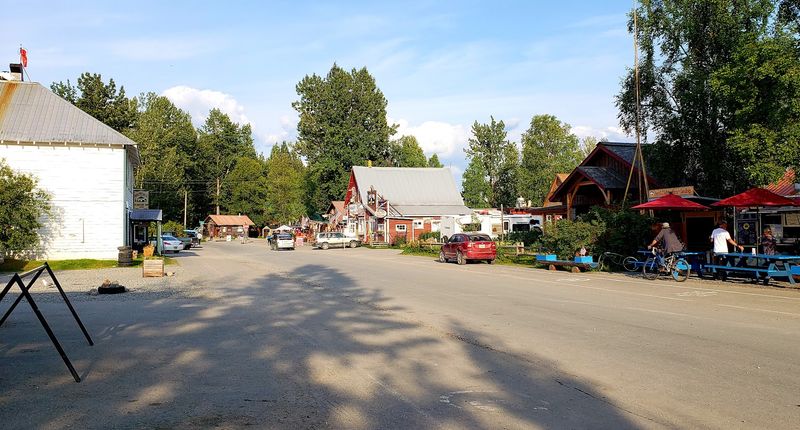
Climbers from around the world gather in Talkeetna before heading up toward Denali. The town served as a staging point for expeditions to Denali, Mount Foraker, Moose’s Tooth, and other giants.
Main Street is short but full of character. Early 20th-century buildings include Talkeetna Roadhouse, Nagley’s Store, and Fairview Inn.
Step inside one and you may overhear plans for a daring summit attempt.
Head to the riverfront on a clear day. If luck is on your side, Denali will appear far off in the distance, huge and white against the sky.
You do not need to climb to have fun. Flightseeing tours, rafting, fishing, and hiking are all on the menu.
The town’s mountaineering culture gives every conversation a bit of adventure.
Many Alaska visitors zip between Anchorage and Denali National Park without stopping. Stay at least one night instead.
Talkeetna rewards you with small-town warmth and big-mountain wonder.
Futaleufú, Chile
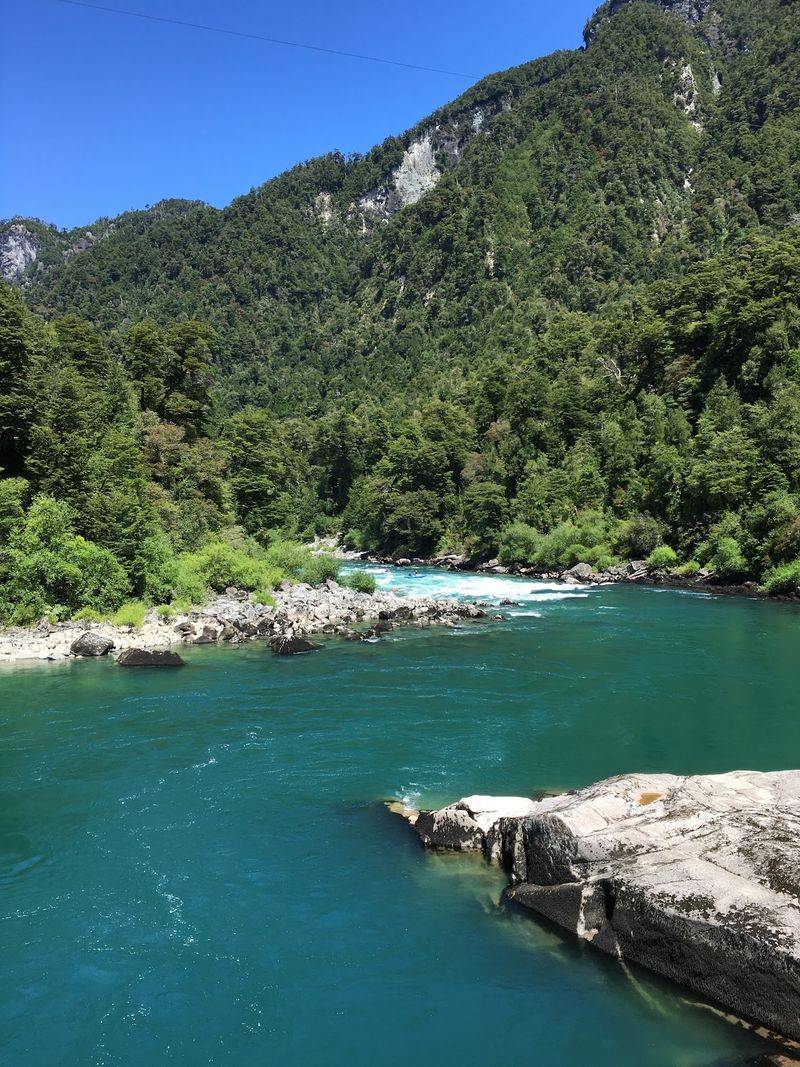
Turquoise water roars past the town of Futaleufú, and rafters travel across the globe to ride it. Chile’s tourism authority calls the place an international center for rafting and kayaking.
The river’s rapids are powerful and the color is unreal.
Beyond the water, forests and mountain valleys fill the landscape. You can visit Lake Lonconao, Laguna Espejo, and hanging bridges.
Viewpoints reveal the Tres Monjas peaks.
Wildlife may appear too. The wider area can host huemul deer and even pumas, though sightings are rare.
Keep your eyes open and your voice low.
Getting here takes a long journey, which explains why it is far less famous than Torres del Paine or Bariloche. Yet that distance keeps crowds small and the adventure spirit strong.
Pack a waterproof jacket, a patient attitude, and a sense of fun. Whether you paddle or simply watch, Futaleufú feels like a secret corner of Patagonia.
Filandia, Colombia
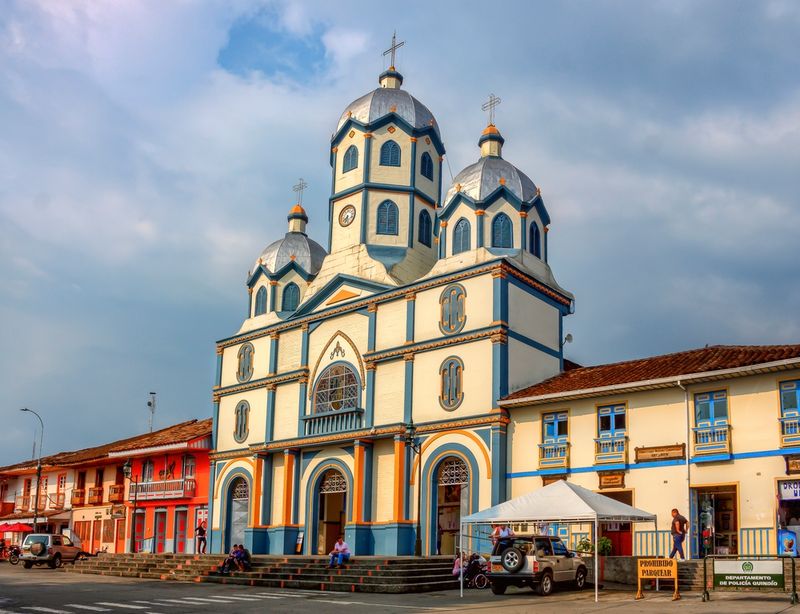
Bright paint, wooden balconies, and flower pots: Filandia is a color explosion. The town lies in Colombia’s Coffee Cultural Landscape and draws fewer visitors than neighboring Salento.
Traditional architecture and artisan shops line the streets. Stop to watch craftspeople weave baskets or shape wood.
The pace feels slower here, which is a gift.
Coffee farms spread across the hills below town. Book a farm tour to see how beans travel from branch to cup, then sip a fresh brew.
La Colina Iluminada lookout offers sweeping views, and on clear days, distant snowy peaks may appear.
Filandia has the same eye-catching charm as the region’s more famous towns. The difference is the calmer rhythm and the extra elbow room on the sidewalks.
It is a smart choice if you love coffee culture but do not want to center your trip on Cocora Valley. Wander, snack, and let the afternoon drift by.
Gaucín, Andalusia, Spain
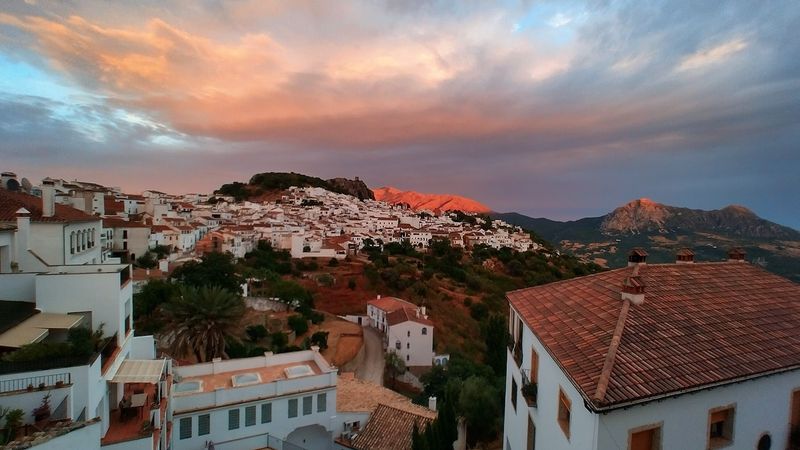
High above the olive groves, white houses tumble down a ridge toward Gaucín. Above them, the ruins of Castillo del Águila keep watch.
The castle stands at almost 700 meters, and Spain’s tourism organization lists the town among the region’s scenic white villages. Climb up for views that stretch toward the Mediterranean on a clear day.
The surrounding Serranía de Ronda is a patchwork of olive trees, cork oak forests, and walking routes. Paths range from gentle village strolls to longer countryside hikes.
Bring water and a hat, because the Andalusian sun is bold.
Most international travelers in this corner of Spain stop in Ronda. That leaves smaller communities in the nearby ranges much calmer.
Here you can stroll without dodging tour groups.
Gaucín delivers the classic white-village look with a true mountain setting. Order a coffee on a sunny terrace, and the day will take care of itself.
Khaishi, Georgia
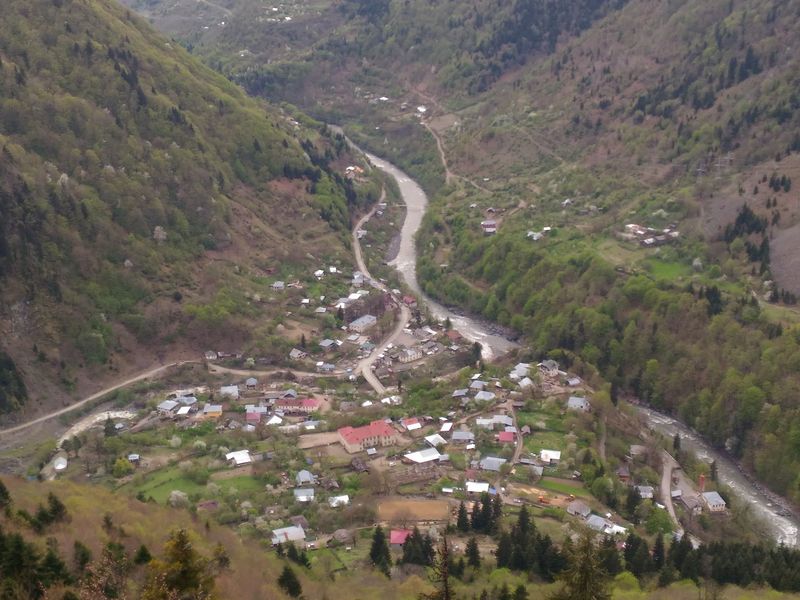
Count the villages and you will lose track: Khaishi is a collection of more than 20 mountain communities. They are scattered along river valleys and slopes on the road toward Mestia.
Georgia Travel calls it one of Svaneti’s remote settlements. Medieval fortifications and churches stand beside the powerful Enguri and Khaishura rivers.
Emerald slopes, cliffs, and forests make every turn photogenic.
Food is a big part of the experience. Try kubdari, a meat-filled bread, and chvishtari, a cheesy cornbread.
Both remain central to local life, and hosts are proud to share them.
Many travelers simply drive through on the way to better-known Mestia. A quick glance out the window is not enough.
Park the car, stretch your legs, and walk a few lanes.
Exploring slowly is the secret here. Chat with villagers, snap a few photos of old towers, and enjoy the sound of rushing water.
This is the overlooked mountain stop that rewards patience.
Žabljak, Montenegro
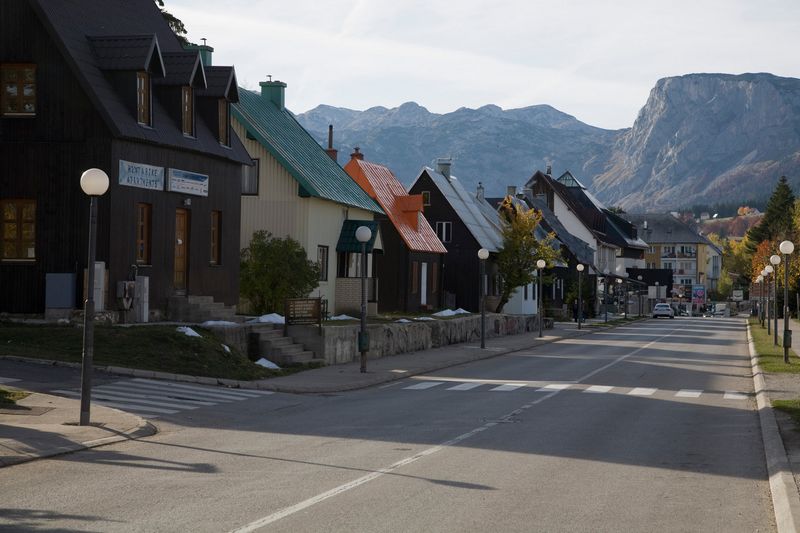
Standing at 1,453 meters, Žabljak is the highest town in the Balkans, according to Montenegro’s tourism authority. Summer evenings here are pleasantly cool, and winters bring plenty of snow.
The town is the main gateway to Durmitor National Park. Huge limestone peaks, forests, glacial lakes, and the Tara River Canyon fill the landscape.
Black Lake lies close to town and makes an easy first outing.
Activities change with the seasons. Hike, cycle, or raft in warm months.
When snow arrives, ski, snowboard, or try snowshoeing.
International travelers often know Montenegro only for Kotor and the Adriatic coast. Žabljak shows a very different face. Mountain lodges, crisp air, and quiet trails replace beach umbrellas.
It also gives you easy access to some of the wildest terrain in the Balkans. Pack layers, sturdy shoes, and a taste for adventure.
You may leave wondering why more people have not heard of it.
Takayama, Japan
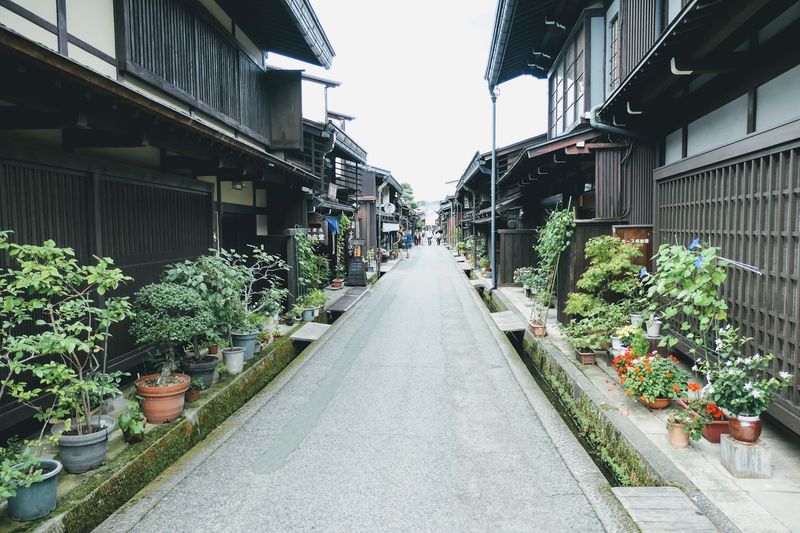
Dark wooden houses, the scent of fresh sake, and not a skyscraper in sight: Takayama is calm and classic. It is better known inside Japan than abroad, especially next to Kyoto or Tokyo.
The Japanese Alps surround the town. In the old districts, merchant houses, sake breweries, and craft shops recall the Edo period.
Stroll early in the morning and you may have the lanes almost to yourself.
Takayama also makes a great base for mountain trips. Mount Norikura, Kamikochi, and the Shinhotaka Ropeway are all within reach.
Hot springs wait nearby for tired legs.
The busiest times are the spring and autumn festivals, when decorated floats parade through town. Outside those dates, the pace is much gentler.
It is an easy way to enjoy traditional Japanese architecture in a mountain setting.
Nearby Hida villages stretch the cultural journey even further. Bring comfortable shoes and an appetite for local specialties.
Špindlerův Mlýn, Czechia
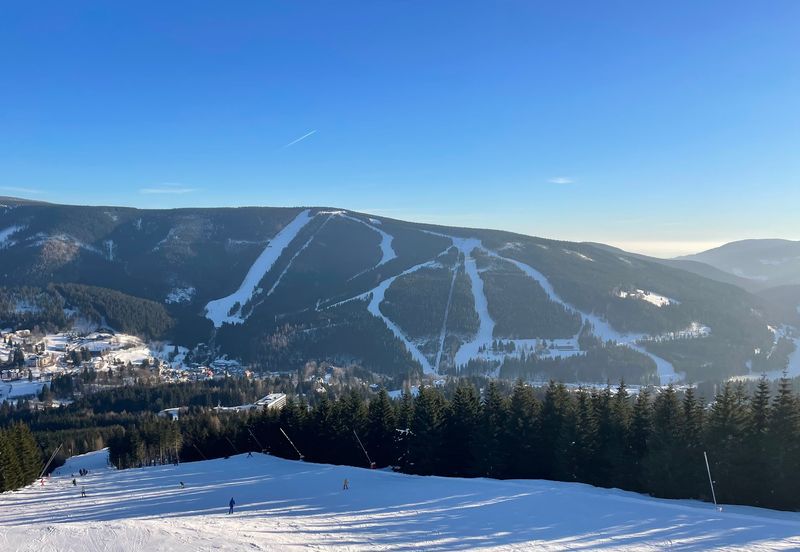
Czech families already know and love Špindlerův Mlýn, but outside visitors rarely hear its name. The town sits in the Krkonoše, the country’s highest mountain range.
Glacial valleys, forests, and waterfalls surround it, and the source region of the Elbe River is close. Winter brings more than 90 kilometers of cross-country routes, according to VisitCzechia.
Summer swaps skis for hiking boots.
Trails lead to Pančava Falls, alpine meadows, and high mountain lodges where you can rest with a warm meal. Lifts make panoramic terrain easier to reach, so you do not need to be a marathon hiker to enjoy the views.
The town works as a major year-round mountain center, yet it feels friendly and relaxed. You can ski in January and hike in July without changing your base.
For travelers who want Central European mountain scenery without Alpine fame or pricing, it is a strong alternative. Pack layers and bring your appetite.
Share this story