Most visitors see Budapest and Lake Balaton, then head home. But Hungary hides volcanic hills, giant caves, fairy-tale castles and villages that time forgot.
The country has eight UNESCO World Heritage properties, and many of them sit far from the capital. Here are 15 places that show a side of Hungary few travelers ever meet.
Tihany Peninsula
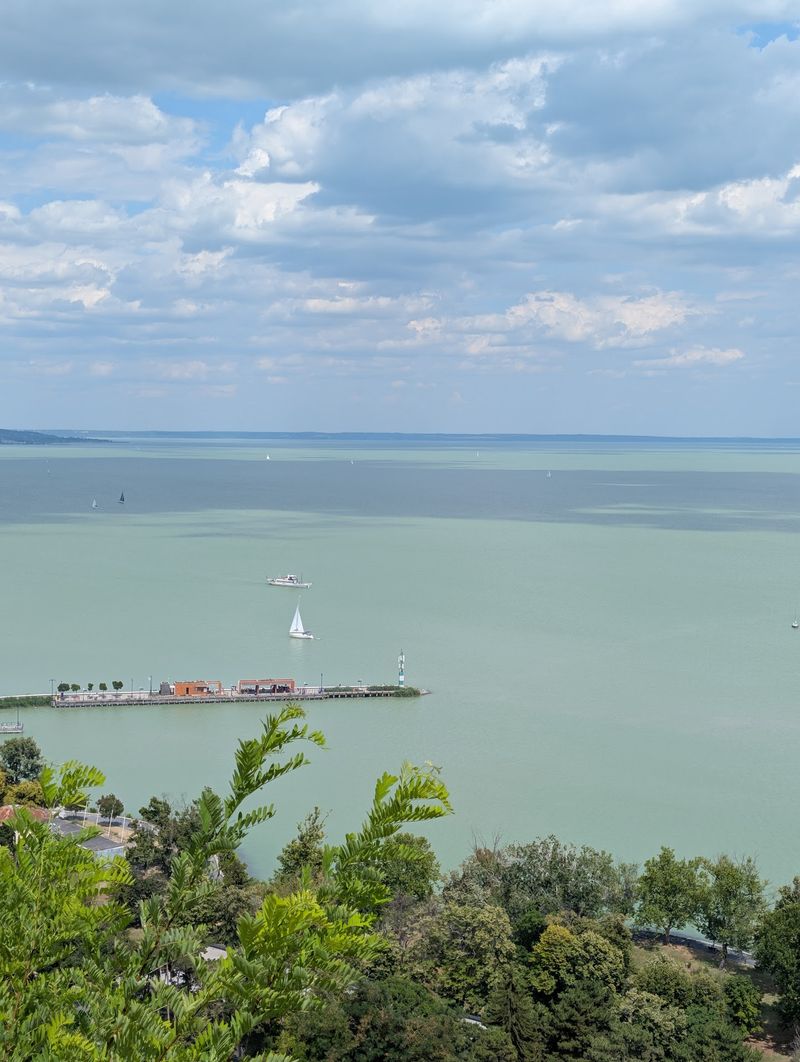
Lavender is the first thing you smell when you step onto Tihany. The peninsula pokes deep into Lake Balaton, and its purple fields make every path feel like a perfume shop with a view.
The village is topped by a Benedictine abbey founded in 1055. From the terrace nearby, you can look across a huge stretch of the lake.
Cafes and small shops line the streets, and many sell lavender soap, honey and sweets.
Tihany is also part of Balaton Uplands National Park. Its volcanic geology gives the hills their odd shapes.
Walking trails lead down toward the Inner Lake, a quiet spot where you can often hear birds more than people.
Timing matters here. Summer weekends bring crowds, so try spring or early autumn if you want peace.
Early mornings are lovely too, when the light turns the water silver and the streets feel almost private.
Wear comfortable shoes, because the lanes are cobbled and sloped. Bring a hat for the sunny viewpoints, and save time for a slow lunch with a lake panorama.
Tihany rewards visitors who wander without a strict plan.
Aggtelek National Park
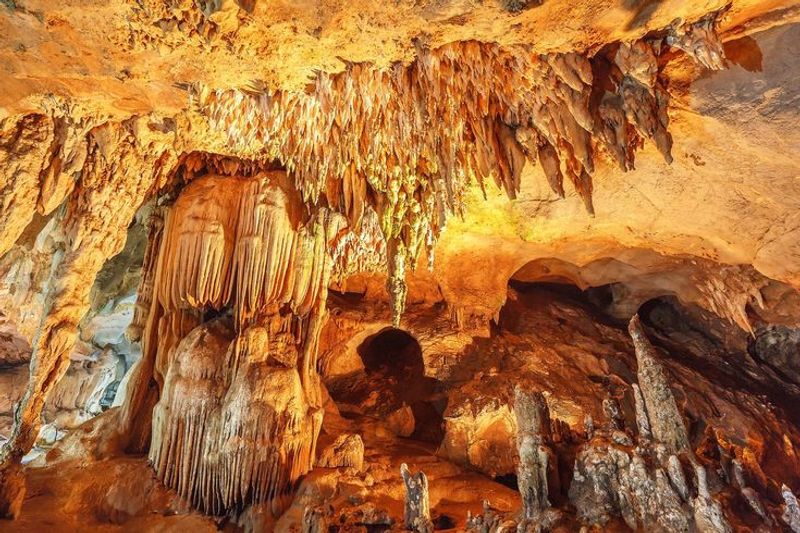
Drip, drip, drip. That sound follows you through the Baradla-Domica cave system, where water has been sculpting stone for tens of millions of years.
The caves are part of a UNESCO World Heritage property shared with Slovakia. More than 1,000 caves are known across the wider protected area.
Some chambers are so large they feel like underground cathedrals, with towering stalagmites and quiet streams.
Guided tours run through the main passages, and the cave stays cool all year. A jacket is smart even on a hot day.
Good shoes help too, since the floor can be damp and slippery.
Above ground, the park offers wooded karst hills and hiking trails. Paths connect villages such as Aggtelek and Jósvafő, so you can combine a cave visit with a long walk.
Pack water and snacks, because shops are limited on the trails.
Many visitors plan only a quick stop, then wish they had stayed longer. Give this region at least a full day, and you will see why UNESCO calls it a museum under the hills.
Hollókő
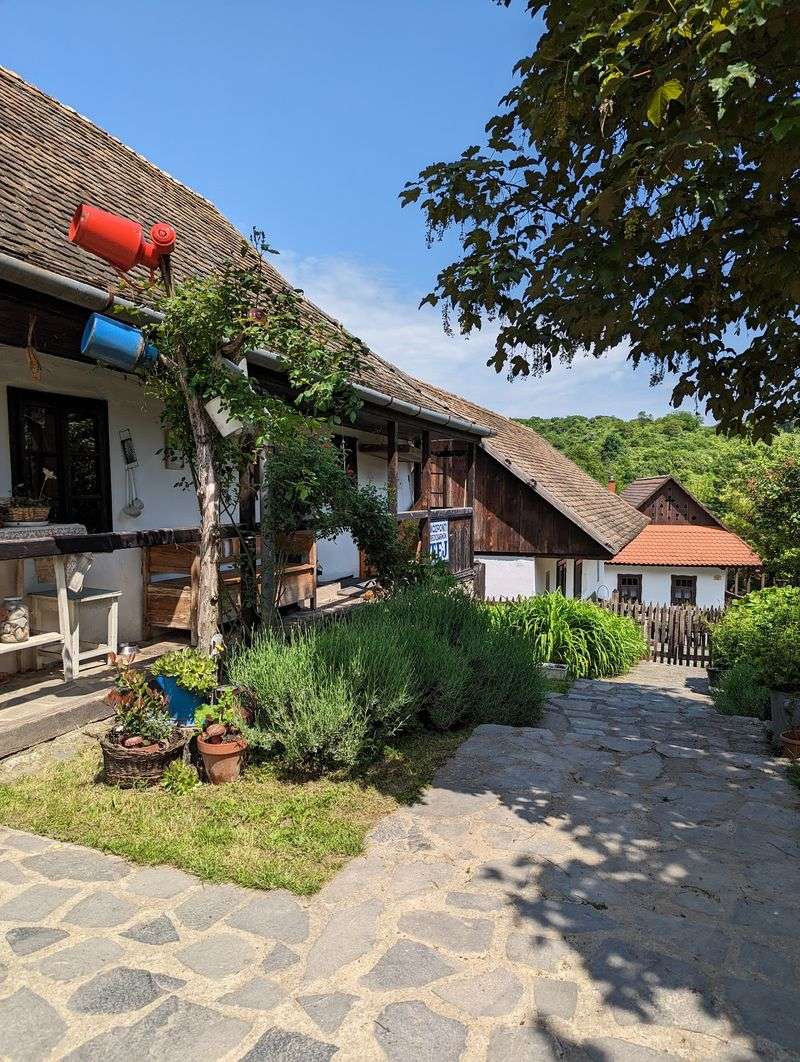
Only about 100 kilometers from Budapest, Hollókő feels like it missed a few centuries of news. Whitewashed houses, carved wooden balconies and a small church huddle beneath a medieval castle ruin.
UNESCO honors the village as a living picture of rural life before farming changed in the 20th century. Fifty-five traditional homes survive, along with farms, orchards, meadows and woods.
The whole setting looks like one calm, connected painting.
Here is the twist: people still live in these houses. Hollókő is not a museum behind ropes.
You may spot neighbors chatting, laundry drying or someone heading to church in traditional dress during festivals.
Be respectful when taking photos, since these are real homes. Visit the small museums to learn about Palóc customs, from embroidery to Easter traditions.
Then climb to the castle for a view over the rolling hills.
Staying overnight is the best plan. Once day visitors leave, the lanes grow quiet, and the village glows in the evening.
Bring a little cash, because some small shops prefer it.
Tokaj Wine Region
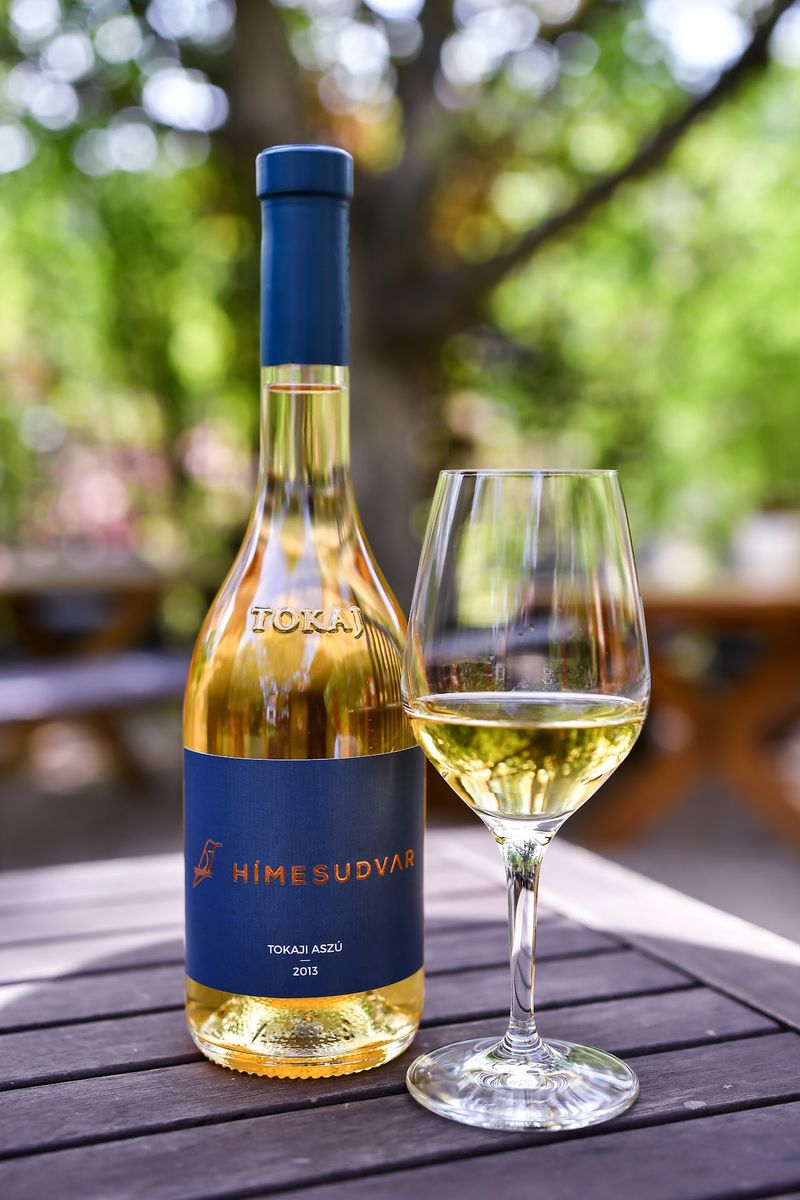
Cellars carved into volcanic rock hold some of Hungary’s sweetest secrets. In Tokaj, wine has been part of life for centuries, and written records of local vineyards go back to at least 1251.
In 1737, Tokaj became one of the world’s earliest formally classified wine regions. That means locals were thinking about wine quality long before many countries had even started.
The famous sweet Tokaji is only part of the story, and dry whites are excellent too.
The landscape is the real bonus. Vineyards climb the foothills of the Zemplén Mountains, while rivers and forests frame the villages.
UNESCO recognizes the area as a cultural landscape shaped by generations of growers.
Plan a cellar visit in advance, since many small producers need bookings. Cool cellars can be chilly, so bring a light layer.
If you taste wine, pick a designated driver or use a local taxi.
Between tastings, walk the village lanes or hike nearby ridges. Autumn is especially pretty, when vine leaves turn gold and the harvest season fills the air with activity.
Lillafüred
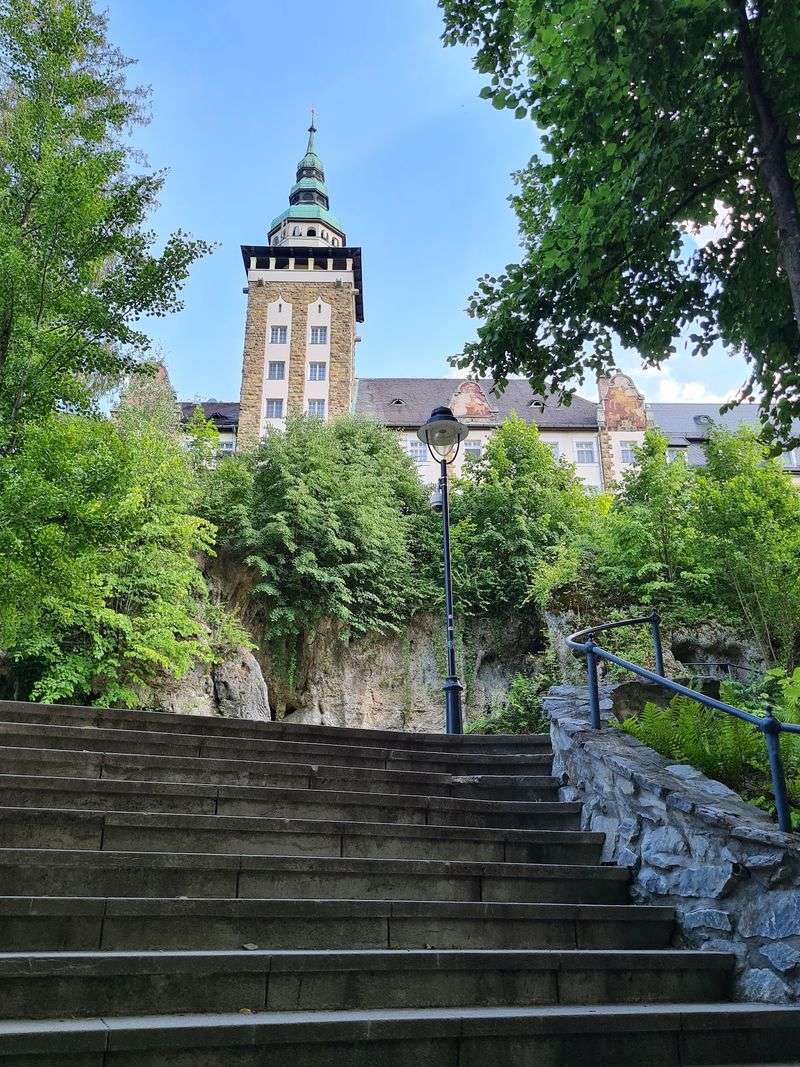
A castle-like hotel floats above a quiet lake, and somehow it is real. Lillafüred is a mountain retreat tucked into the Bükk Mountains, with forested slopes all around Lake Hámori.
The Neo-Renaissance Hotel Palota is the star. Below it, hanging gardens step down toward a waterfall about 20 meters tall.
Visitors often stop here for photos before they even check the map.
Caves are close by, too. Anna Cave formed in limestone deposited around ancient plants.
St. Stephen’s Cave shows off impressive stalactites, and both are easy to reach on foot.
A narrow-gauge forest railway winds through the hills, which makes the trip fun for kids and adults. Check the timetable before you go, since runs can change by season.
Trails around the lake are gentle, so sneakers are enough.
Hungary’s tourism authority calls Lillafüred a fairy-tale destination. After a morning here, the label makes sense.
Come on a weekday if you want fewer crowds and calmer water for reflections.
Visegrád and the Danube Bend
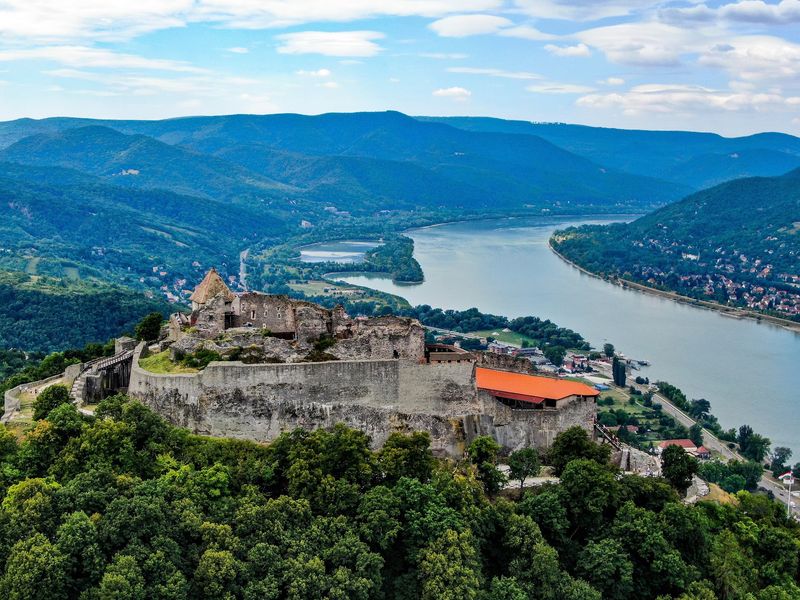
Stand on the Citadel wall and the Danube does something dramatic: it turns. This is the Danube Bend, where the river swings wide between the Börzsöny and Pilis Mountains.
The medieval Citadel sits high on a wooded hill. Its walls give a sweeping view across the water to forest-covered slopes that fade into the distance.
Hungary’s tourism authority ranks it among the country’s most spectacular panoramas.
Down below, Visegrád once served as a royal center. Remains of the Royal Palace survive beneath the fortress, and they show how important the town was in the Middle Ages.
Kings held grand gatherings here.
You can reach the Citadel by a steady uphill walk, though a taxi or bus saves energy. Bring water, since the climb is steeper than it looks.
Sunset is a favorite time because the river catches the color.
Pair Visegrád with a riverside stroll or a boat ride. The area is an easy day trip from Budapest, but staying overnight gives you quiet evenings and a slower pace.
Esztergom
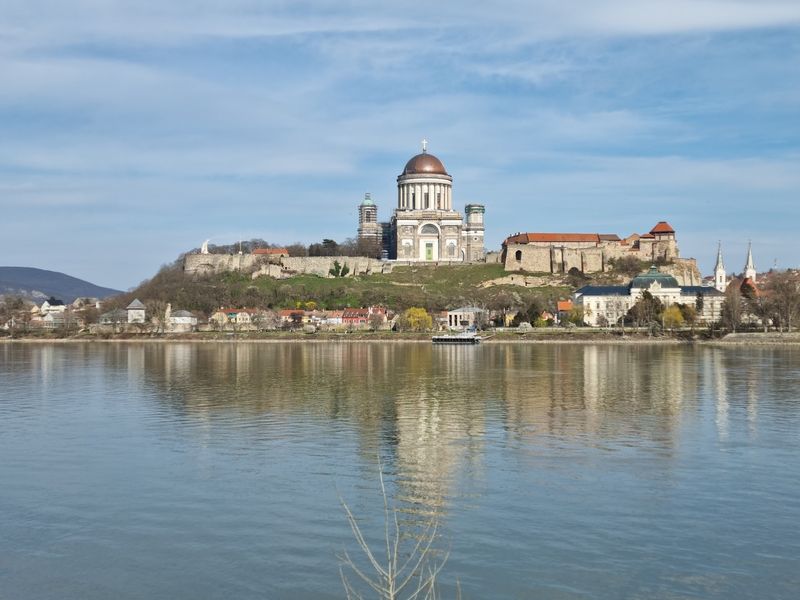
The dome of Esztergom Basilica is so big that it seems to rule the whole skyline. It belongs to Hungary’s largest church, perched on a hill above the Danube near the Slovak border.
People have linked this hilltop with Hungarian royalty and Christianity for over a thousand years. Esztergom is tied to Saint Stephen, the country’s first king, as a birthplace and coronation center.
History fans will find plenty to explore in the castle district.
The views are just as rewarding. From the high complex, you can see the river, the countryside and Slovakia beyond.
Right below, the Maria Valeria Bridge links the two countries.
Climb the basilica’s dome if your legs are ready, since the stairs are narrow. Wear shoes with grip and go early to avoid lines.
Inside, the cool, echoing hall feels huge even when it is busy.
After sightseeing, walk down to the river promenade for a snack. You can even stroll across the bridge to Slovakia and back.
Few places let you add a second country to your day this easily.
Pécs
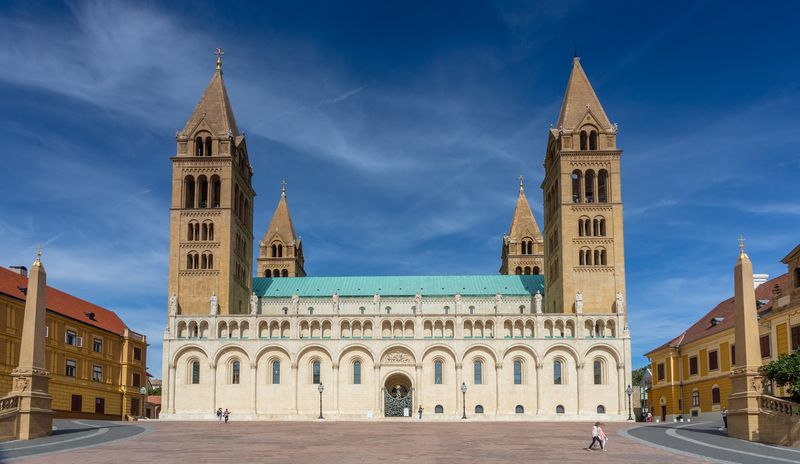
Visitors often say Pécs feels like the Mediterranean took a wrong turn into Central Europe. Sunny cafes, bright tiles and the Mecsek Hills behind the town create a warm, relaxed mood.
History is stacked in layers here. Roman remains sit near Ottoman buildings, and the Early Christian Necropolis from the fourth century is a UNESCO World Heritage Site.
The old mosque of Pasha Gazi Kassim now works as a Catholic church, which tells a lot about the city’s past.
Look for Zsolnay ceramics, famous for their glowing colors. You will spot them on roofs, fountains and in museums.
They make excellent souvenirs if you want something small but special.
For a bigger view, head up Misina Hill. The television tower offers sweeping scenery, and on clear days you may see all the way to Croatia.
Bring a jacket, because it can be breezy up high.
Pécs is also a handy base for caves, forests and vineyards across southern Hungary. Give it two days so you can mix sightseeing with long, lazy coffee breaks.
Eger
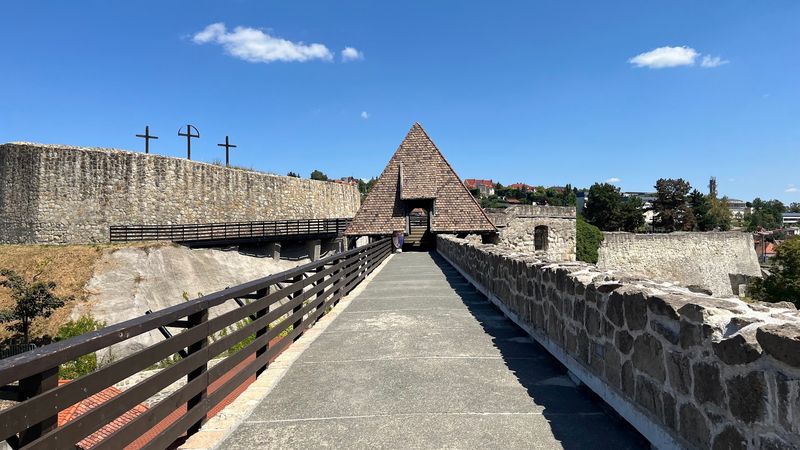
In 1552, a small group of defenders held Eger Castle against a huge Ottoman army. Locals still tell the story proudly, and the fortress remains the city’s defining landmark.
Below the walls, Baroque streets glow in pastel colors. Churches line the squares, and a surviving minaret reminds visitors of the Ottoman era.
A centuries-old Turkish bath is nearby, ready for a relaxing soak.
Wine is the other big draw. Just outside town, Szépasszony Valley holds nearly 200 cellars, each with its own barrels and tasting table.
Try the local reds, then ask the cellar owner for tips on what to pair them with.
Wear sturdy shoes for the castle, since its stone paths can be uneven. Tour the tunnels if you like dark passages and old stories.
Evenings are lively, with cafes and music filling the center.
The Bükk Mountains begin close by, so a hike fits easily into the trip. Eger blends history, flavor and forest in one compact, friendly package.
Egerszalók Salt Hill
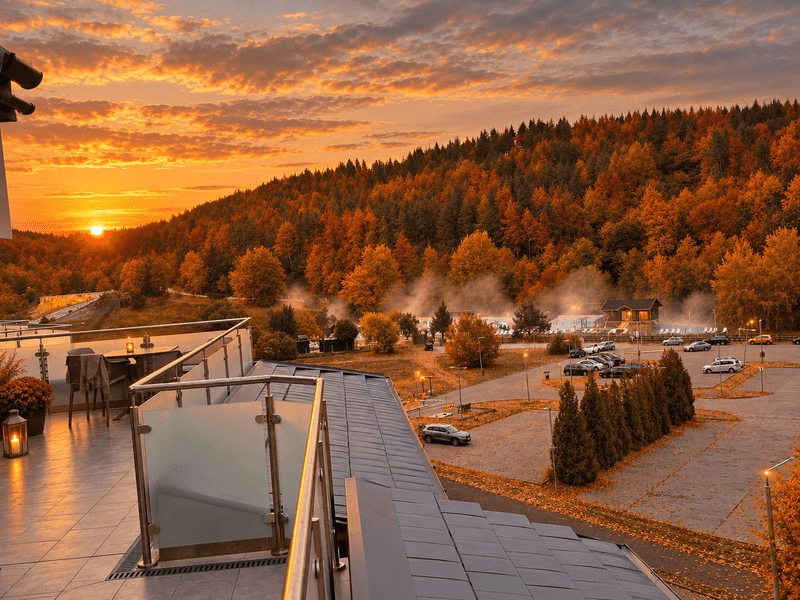
A bright white hillside steams in the middle of the Hungarian countryside. That is Egerszalók Salt Hill, one of the strangest sights in the country.
Warm, mineral-rich water flows down the slope and leaves behind limestone terraces. The deposits keep growing, so the formation changes slowly over time.
Hungary’s tourism authority notes that similar formations exist in only a few places worldwide, and locals often compare it with Pamukkale in Türkiye.
The water rises from deep underground at high temperatures. As it spreads over the hill, minerals harden into smooth, pale shapes.
The result looks like frozen waterfalls made of stone.
You can view the formation next to a modern spa complex. That makes it an easy stop for anyone who loves thermal baths.
Bring a swimsuit and a towel, then soak after you finish taking photos.
Visit near sunset for softer light and fewer people. The white terraces turn pink and gold, and the steam adds a little mystery.
Remember to stay on marked paths, because the formation is delicate.
Káli Basin
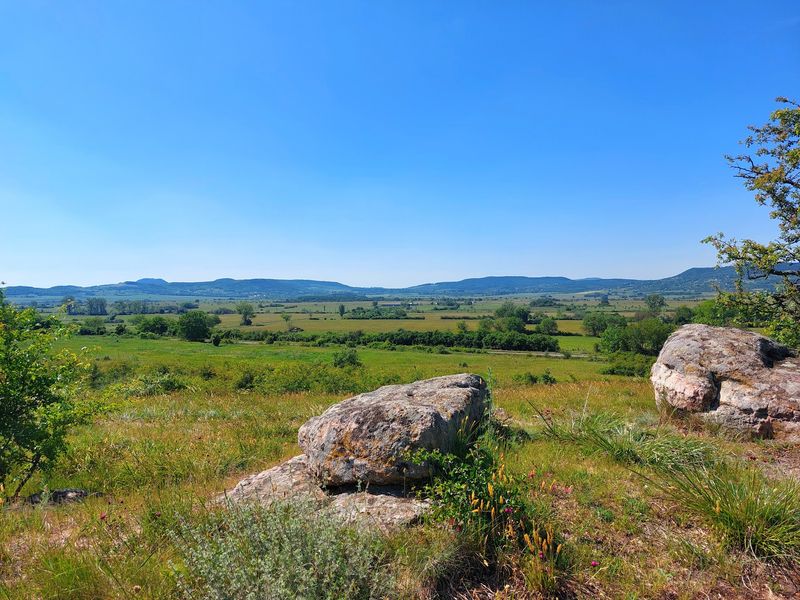
Sheep, silence and strange rocks: that is the Káli Basin on a good day. It shows a calmer side of the Lake Balaton region, far from busy beach towns.
Volcanic hills circle vineyards and stone villages. Scattered across the meadows are stone seas, fields of weathered rocks that look as if giants dropped them.
Kids love climbing around them, and photographers love the odd shapes.
Villages like Köveskál and Mindszentkálla keep their traditional architecture. Small restaurants, wineries and guesthouses have settled in, so you can eat well without leaving the countryside.
Many serve local dishes made with seasonal ingredients.
The basin lies inside Balaton Uplands National Park, where volcanic remnants shape the land. Hungary’s tourism authority lists the area and its rock formations among the country’s hidden treasures.
Walking or cycling is the best way to see it.
Rent a bike and follow quiet roads between villages. Pack a picnic and stop wherever the view looks good.
A slow day here can feel like the perfect reset.
Lake Fertő and Sopron
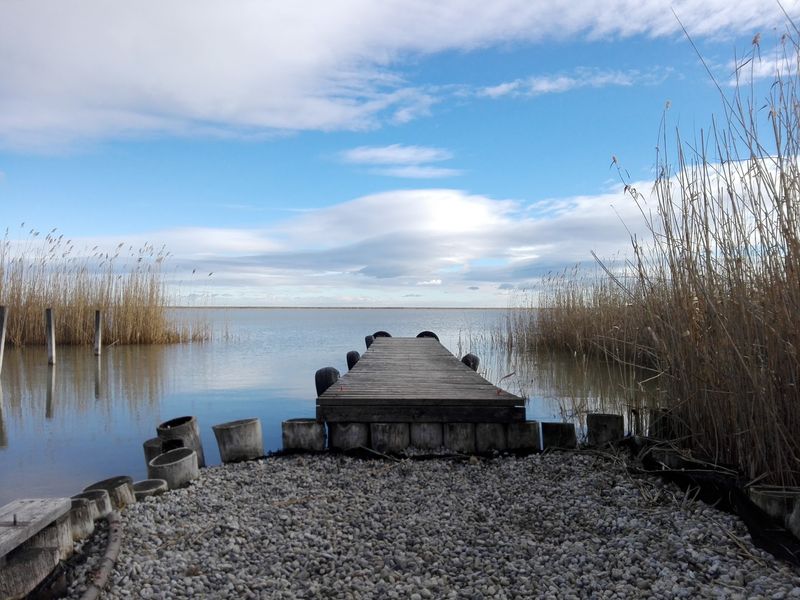
Reeds sway, birds call and a border runs right through the lake. Lake Fertő sits near Austria and forms a UNESCO-listed cultural landscape shared by two countries.
The shallow lake is around 20,000 years old. Wetlands and reed beds attract many birds, so bring binoculars if you have them.
Vineyards and historic settlements surround the shore, adding color to the view.
Nearby Sopron has one of Hungary’s loveliest old towns. Baroque and medieval buildings crowd narrow streets beneath the Fire Tower.
Climb the tower for rooftop views over the town and hills.
Wine has been made here since Roman times. The region is linked especially with Kékfrankos, a red grape with a spicy character.
Cellars in the area welcome visitors for tastings, often with local snacks on the side.
Cycling around the lake is popular, with flat paths and plenty of rest stops. Spring and autumn are comfortable seasons.
Sopron and Fertő together offer architecture, nature and wine in one easy trip.
Pannonhalma Archabbey
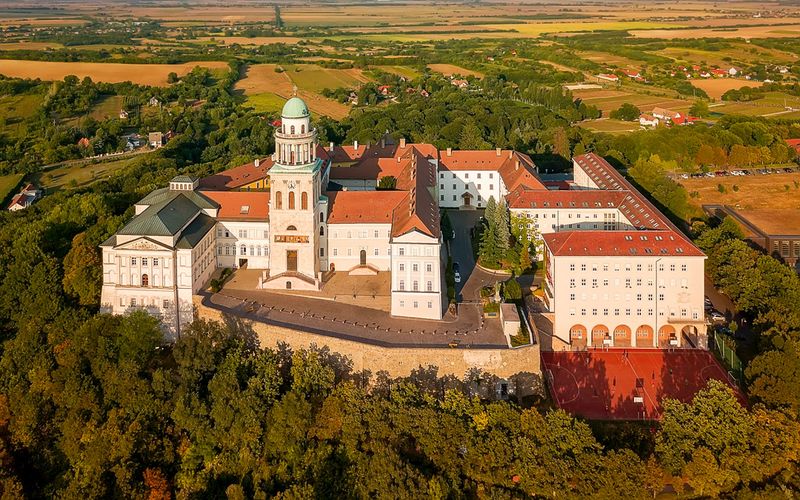
Founded in 996, Pannonhalma Archabbey has been watching over the countryside for more than a thousand years. It crowns a hill and can be spotted from far away.
The Benedictine monastery became one of Hungary’s most important religious and cultural centers. Inside the complex you will find a basilica, cloisters, a historic library and monastic buildings.
Vineyards and botanical gardens wrap around them.
UNESCO lists the abbey and its natural setting as a World Heritage Site. The reason is its long continuity and its influence on Central European culture.
Monks still live and work here, so the place feels active rather than frozen.
The library is a highlight for book lovers, and it holds treasures that date back centuries. Guided tours explain the history in simple, friendly detail.
Check opening times before you arrive, since some areas close for services.
Step outside for the view. Rolling Transdanubian hills spread in every direction, and the vineyards add neat green stripes.
Try the abbey’s wine in the on-site restaurant for a fitting finish.
Füzér Castle
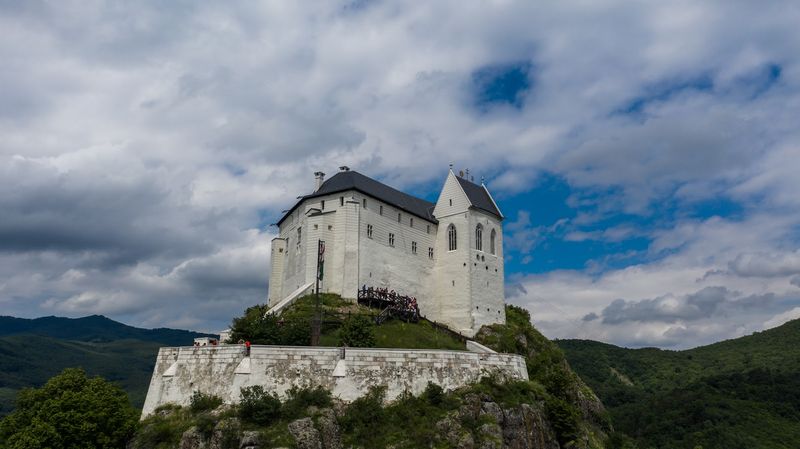
Legend says a royal crown once hid behind these walls. Füzér Castle sits on a steep volcanic hill near Hungary’s northeastern border, and it looks every bit like a storybook fortress.
White walls and pointed roofs rise above thick forest. The Zemplén Mountains stretch in all directions, so the views are huge.
The castle’s location made it important in the Middle Ages.
After the Battle of Mohács in the 16th century, the Hungarian royal crown was reportedly kept here for a time. Whether you believe every detail or not, the tale adds fun to a visit.
Extensive restoration has brought much of the complex back to a recognizable shape.
Wear good shoes for the climb, and bring a jacket since the hilltop can be windy. Exhibitions inside explain the castle’s story, and the towers reward you with panoramic scenes.
Hungary’s tourism authority highlights Füzér among historic fortresses of the Zemplén region. Nearby trails cross scenic mountain forests, so plan extra time for a hike before or after your visit.
Megyer-hegy Tarn
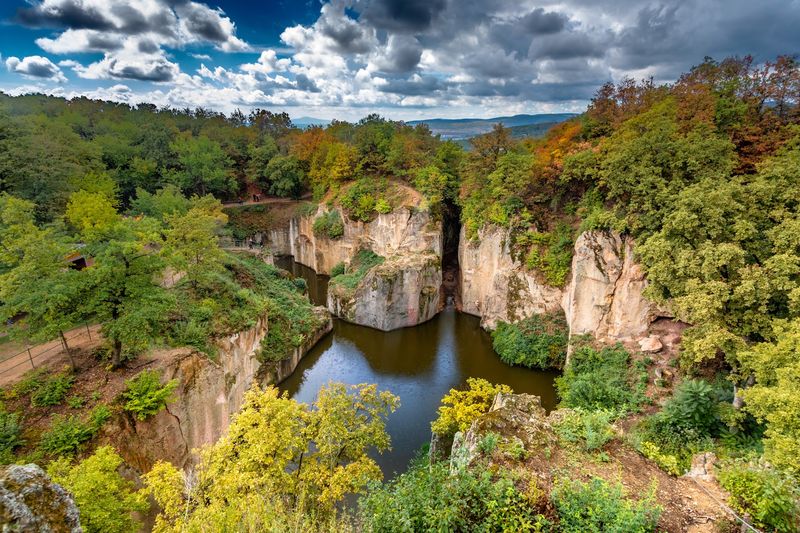
A hole in the hill turned into a jewel. Megyer-hegy Tarn began as a deep millstone quarry near Sárospatak, and nature quietly took it back.
Generations of workers cut stone here. When operations stopped, water filled the pit.
Today steep rock walls surround an intensely colored lake, hidden inside forested hills.
Walking routes lead to viewing points above the former quarry. From there, the scene looks wild and dramatic, even though people created the hollow.
Hungary’s tourism authority lists the tarn among the country’s hidden natural treasures.
It is a great stop for anyone who likes places with a story. Look closely at the rock faces and you can imagine the work that shaped them.
Bring a camera, since the water color changes with the light and the weather.
Stay behind safety barriers, because the edges are steep. Wear shoes with grip on the forest paths.
Combine the visit with nearby Sárospatak and the Zemplén hills for a full day out.
Share this story