Most people assume that celebrities, athletes, and entertainers spent their college years studying whatever seems most obvious for their career. A future actor studied theater.
A future journalist studied communications. But the real story is often much more surprising.
A remarkable number of well-known figures chose to spend their university years wrestling with some of the biggest questions humans have ever asked, exploring theology, comparative religion, and religious philosophy in formal academic settings. Some went on to use that background directly in their work.
Others pivoted completely into entertainment, sports, or media. Either way, their academic choices reveal something genuinely interesting about who they were before the world knew their names.
This list covers 15 famous people whose college religious studies might catch you completely off guard.
John Green
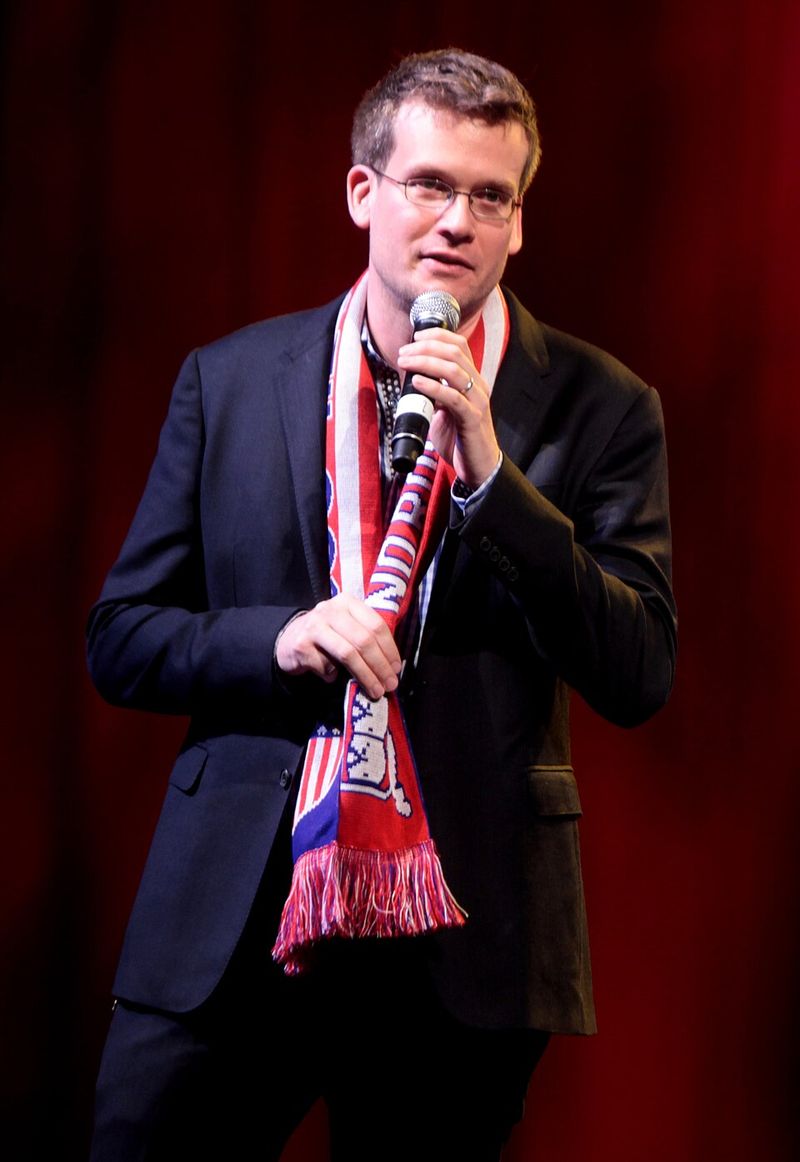
John Green is best known for writing emotionally powerful young adult novels, but his academic path at Kenyon College in Ohio pointed somewhere else entirely. Green graduated in 2000 with a double major in English and religious studies, and the combination was not accidental.
He once seriously considered becoming an Episcopal minister before his writing career took over.
Questions about belief, mortality, and the search for meaning run through nearly everything Green has written. Those themes did not appear by accident.
Kenyon College itself has confirmed his double major, and Green has spoken openly about how his religious studies shaped the way he thinks about storytelling and human experience.
For readers who love The Fault in Our Stars or Looking for Alaska, knowing this background adds a new layer to his work. The big philosophical questions in his books are not just literary devices.
They reflect genuine academic curiosity he developed long before he became famous.
Rashida Jones
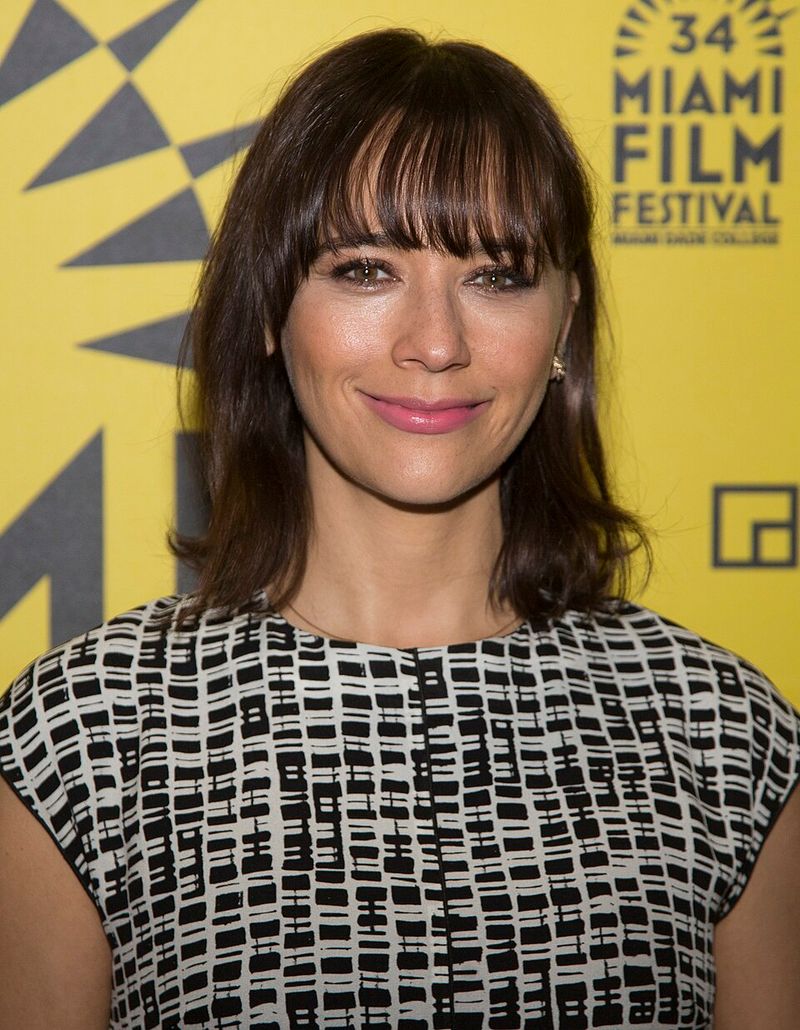
Rashida Jones is widely recognized for her sharp comedic timing on The Office and Parks and Recreation, but her Harvard College education took a completely different shape than most fans would expect. Jones studied comparative religion as an undergraduate, drawn to the academic side of spirituality and the way different traditions approach questions about existence and meaning.
She has explained in interviews that she wanted to understand religious traditions from a scholarly perspective rather than a personal devotional one. Harvard has highlighted her comparative religion studies in profiles of notable alumni, confirming the academic focus she brought to her time there.
What makes her choice particularly interesting is the contrast between the sharp, observational comedy she became known for and the deeply philosophical subject she chose to study. Comparative religion requires patience, careful reading, and a genuine interest in how human beings have tried to make sense of the world across centuries and cultures.
Shane Battier
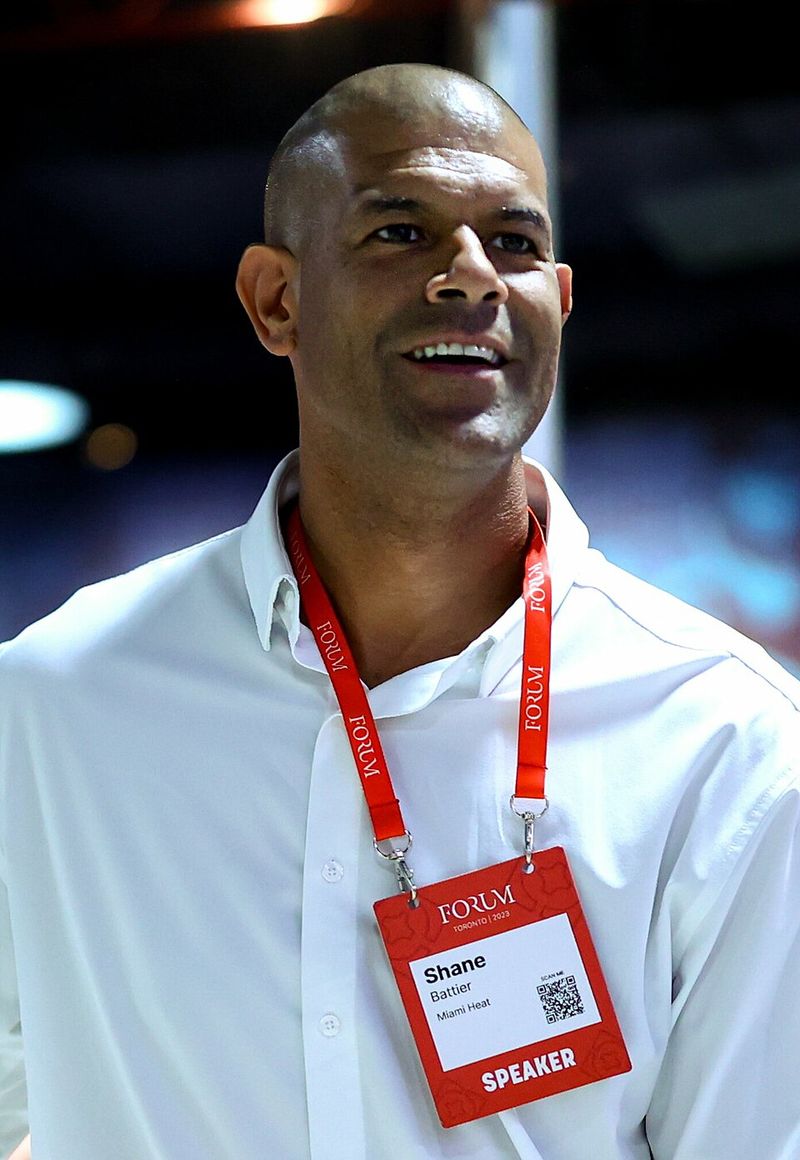
Shane Battier was one of the most celebrated college basketball players of his era at Duke University, winning the Naismith Award as the nation’s best player in 2001. What most basketball fans do not know is that he was also completing a religion major at the same time.
Duke confirmed that Battier graduated with a 3.5 GPA while balancing one of the most demanding athletic schedules in college sports.
His religion degree is one of the more unexpected academic credentials among professional athletes. After Duke, Battier went on to a long NBA career and won championships with the Miami Heat, becoming known as a highly intelligent, team-first player whose contributions were not always captured by traditional statistics.
His academic background fits the picture people who followed his career closely already had of him. Battier was consistently described as thoughtful, analytical, and curious, qualities that align well with serious academic study of religious texts and traditions.
Christy Turlington
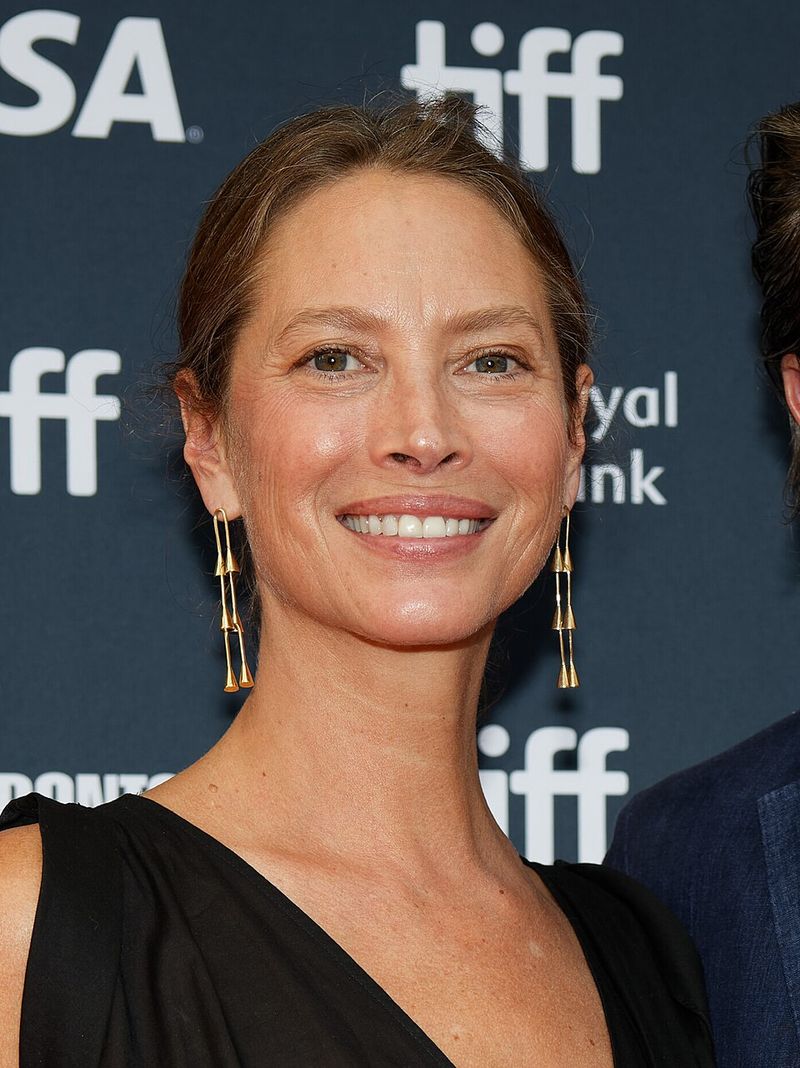
Christy Turlington was already one of the most recognized faces in the fashion world when she decided to pursue a university degree. She enrolled at New York University’s Gallatin School of Individualized Study and graduated cum laude in 1999 with a bachelor’s degree that concentrated on Comparative Religion and Eastern Philosophy.
The Gallatin School is known for letting students design their own academic programs, and Turlington used that flexibility to build a serious course of study around religious and philosophical traditions. Her academic path was notably different from what her modeling career might have suggested she would pursue.
Turlington has since become well known for her global health advocacy work, particularly around maternal health. Looking back at her education, the combination of religious philosophy and a commitment to humanitarian causes makes a kind of sense, even if the connection was not obvious at the time.
Her NYU degree stands as a genuine academic achievement earned while she was already famous.
Amy Brenneman
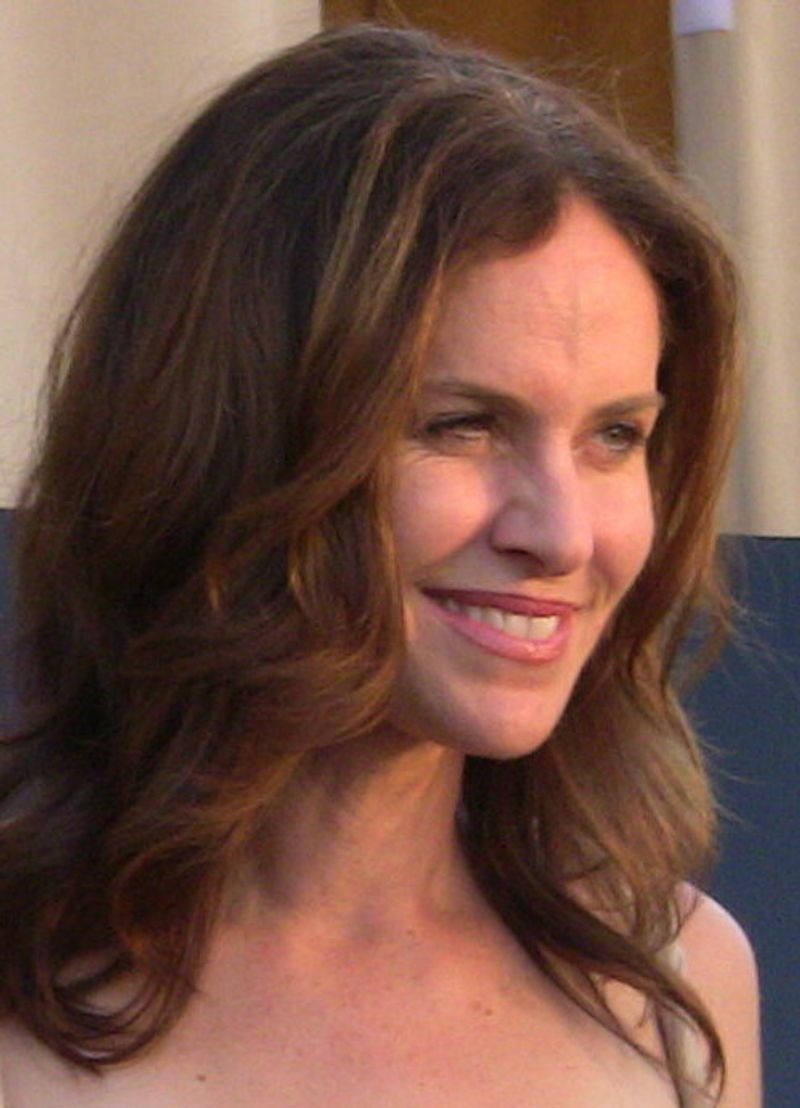
Amy Brenneman built a respected television career through roles in NYPD Blue, Judging Amy, and The Leftovers, and that last show in particular dealt heavily with themes of grief, faith, and the absence of meaning. It turns out those themes were not new territory for her.
Brenneman majored in comparative religion at Harvard as an undergraduate, where she studied Buddhist texts among other traditions.
What makes her story particularly unusual is what happened decades later. Brenneman returned to Harvard Divinity School as an adult and completed a master’s degree in Religion and Public Life in 2026, creating an academic connection to the study of religion that stretches across most of her professional life.
Very few public figures can claim both an undergraduate and a graduate degree in religion-related fields from one of the world’s most respected universities. For Brenneman, the subject was clearly not just a college phase but a genuine and lasting intellectual interest that kept pulling her back.
Maggie Gyllenhaal
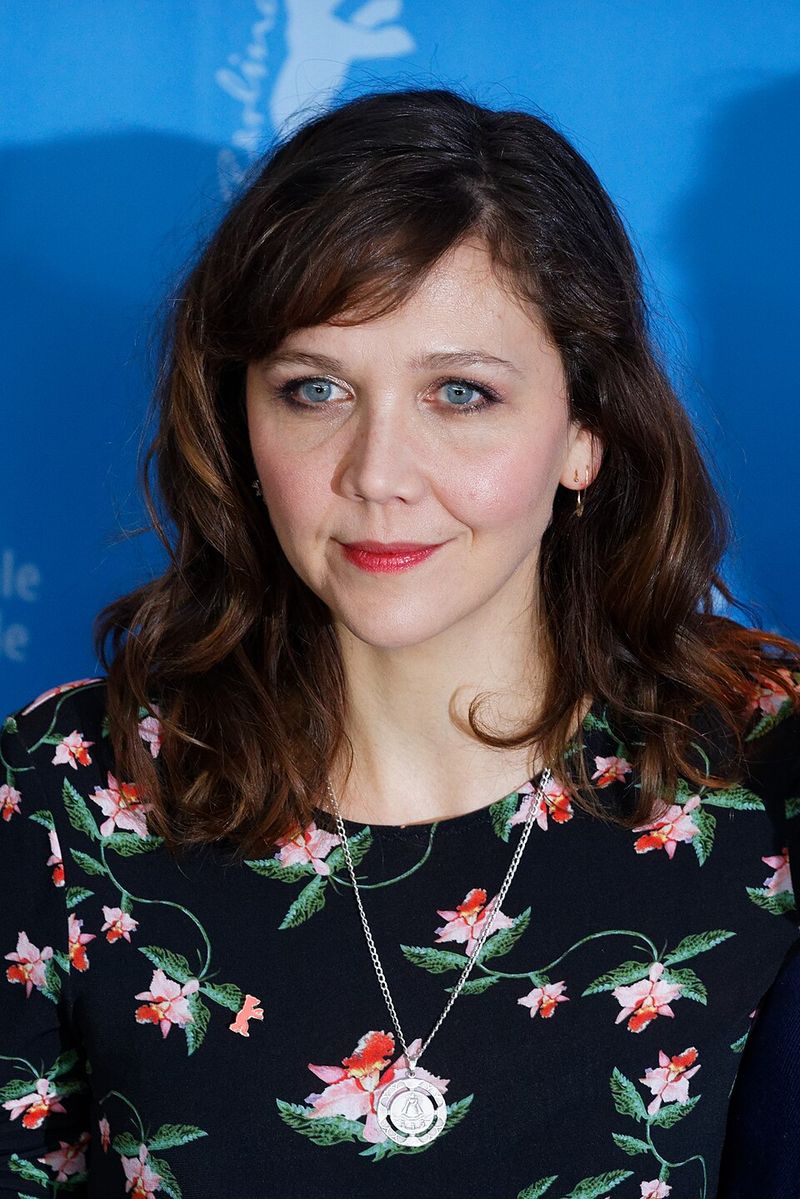
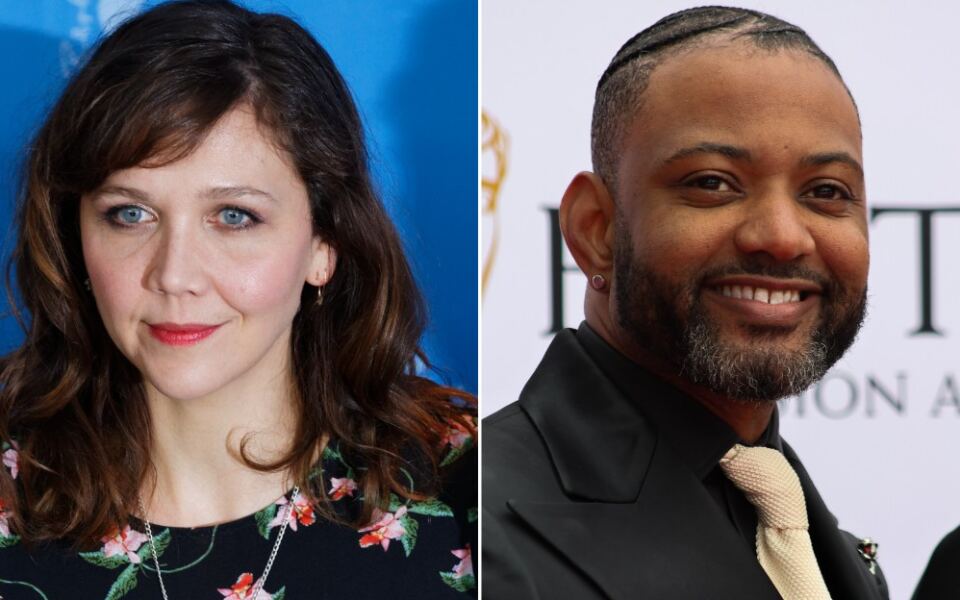
Maggie Gyllenhaal was already appearing in films before she finished her undergraduate degree, but she followed through and graduated from Columbia University in 1999. Her field of study combined literature and Eastern religions, a pairing that reflects genuine intellectual breadth rather than a casual academic choice.
Columbia is known for its rigorous core curriculum, and adding Eastern religious traditions to a literature focus would have required serious engagement with texts and philosophical frameworks that most people never encounter. Gyllenhaal later became known for demanding roles in films like Secretary and Crazy Heart, and more recently for writing and directing The Lost Daughter.
Her academic background is worth noting because Eastern religious philosophy tends to show up in creative work in subtle ways, shaping how a writer or director thinks about character, suffering, and transformation. Whether or not her Columbia studies directly influenced her filmmaking, the fact that she chose those subjects says something interesting about her intellectual curiosity from an early age.
Hugh Bonneville
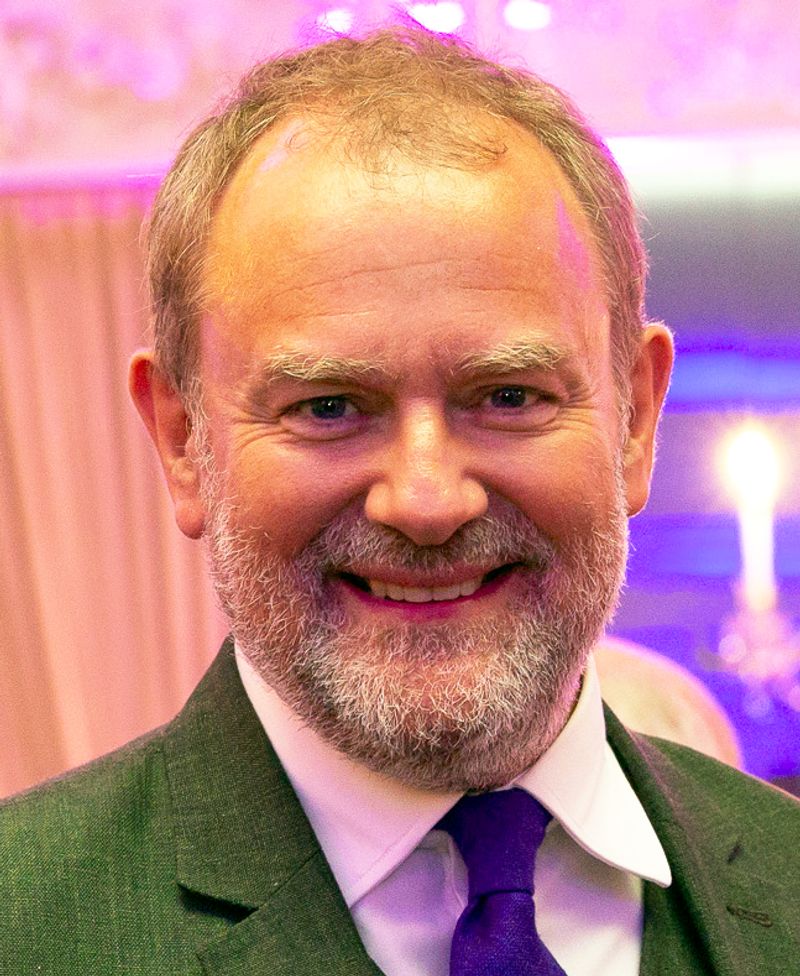
Before Hugh Bonneville became the dignified face of Downton Abbey for audiences around the world, he spent his university years at Corpus Christi College, Cambridge, studying theology. He read theology during the 1980s, engaging with a subject that has a long and serious academic tradition at Cambridge going back centuries.
Bonneville has spoken warmly about his time at Cambridge, noting that he genuinely enjoyed the subject while also throwing himself into university theater productions. The combination of theology and drama during those years gave him an academic foundation that might seem distant from period television drama but actually fits well with the moral and philosophical weight that Downton Abbey often carried.
After Cambridge, he trained professionally as an actor and built a career across television, film, and the stage. His theology background is a reminder that some of the most compelling performers bring a depth of intellectual engagement to their work that started long before their first professional role.
Jonah Hauer-King
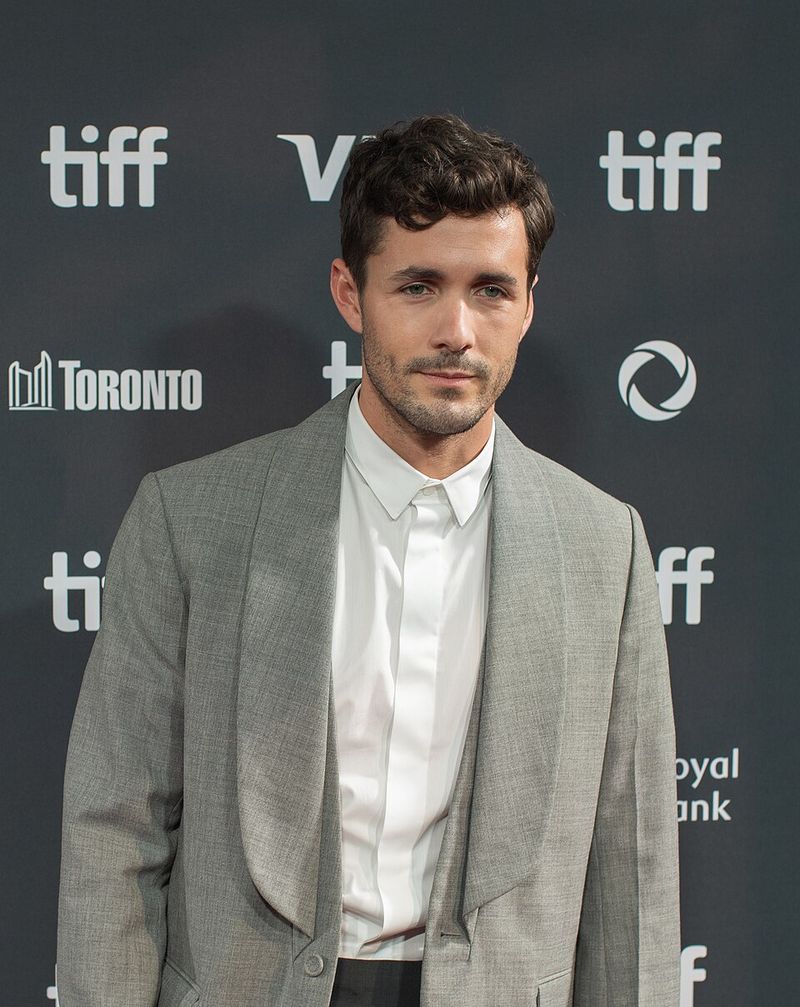
Jonah Hauer-King managed to balance the early stages of a professional acting career with serious academic study at one of the world’s most respected universities. He attended St John’s College at the University of Cambridge, where he studied Theology and Religious Studies while continuing to pursue performance work.
He has spoken about valuing the experience of studying something entirely separate from acting, treating his time at Cambridge as an opportunity to engage with ideas that had nothing to do with auditions or productions. That kind of intellectual independence is not always easy to maintain when a professional career is already pulling in a different direction.
Hauer-King later became widely recognized for playing Prince Eric in Disney’s live-action remake of The Little Mermaid. His Cambridge theology degree sits in interesting contrast to the blockbuster entertainment world he now inhabits.
The combination of formal religious studies and major studio film work makes him one of the more academically surprising names in his generation of British actors.
Katy Brand

British comedian and writer Katy Brand is known for sharp satirical performances and sketch comedy, which makes her Oxford theology degree one of the more entertaining academic surprises on this list. Brand attended Keble College beginning in 1997 and earned a theology degree while also becoming heavily involved in drama and comedy, including the Oxford Revue.
The Oxford Revue has produced a long line of notable British comedians and performers, and Brand’s involvement there while simultaneously studying theology paints a picture of someone pulling in two genuinely different intellectual directions at once. She has said that she found theology fascinating even as her interests increasingly moved toward performance.
There is actually a tradition of comedians engaging seriously with religious philosophy, since both comedy and theology deal with fundamental questions about meaning, suffering, and what it means to be human. Brand’s Oxford education gave her a formal grounding in those questions before she turned them into material for a career that would make audiences across Britain laugh.
Miles Jupp
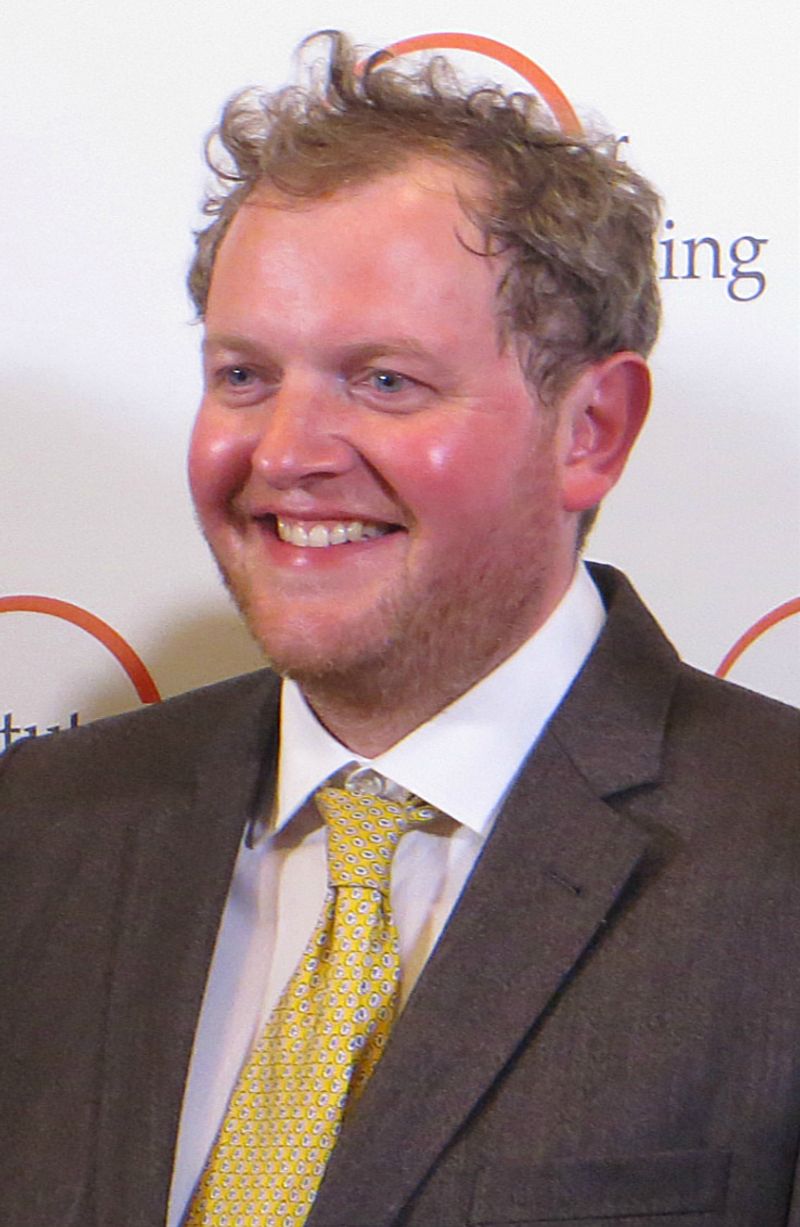
Miles Jupp is a British comedian and actor with a dry, understated style that fits nicely with the image of someone who spent university studying divinity. He graduated from the University of Edinburgh with an MA in Divinity in 2005, a degree that Edinburgh’s School of Divinity later highlighted when listing notable graduates.
What makes Jupp’s story particularly interesting is the timing. His entertainment career was already beginning while he was still a student.
He was performing comedy and landing television work before finishing his degree, meaning he was essentially running two very different tracks at the same time.
Edinburgh noted that Jupp viewed his Divinity degree as a broad humanities education rather than preparation for ordained ministry, which reflects how many students approach theology at university level. The subject rewards curiosity, careful reading, and a willingness to sit with difficult questions, all of which seem to have served Jupp well in a career built around careful observation and precise language.
JB Gill
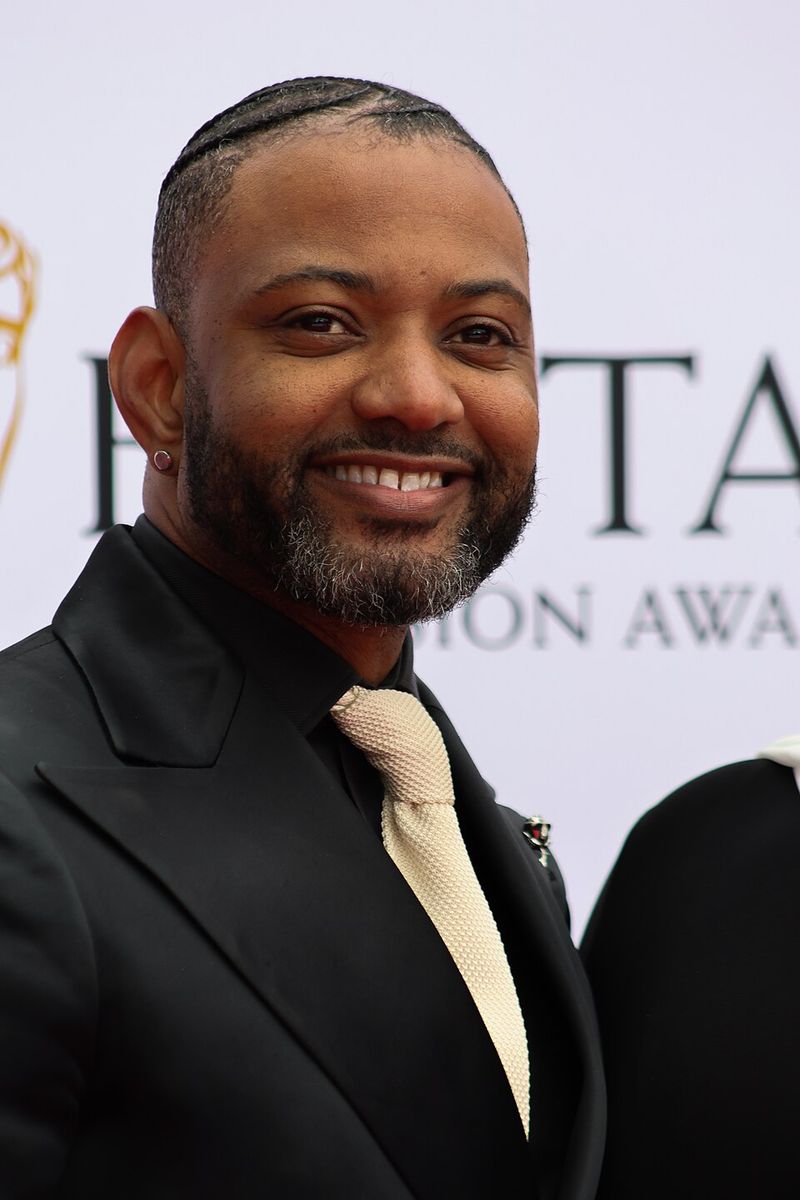
JB Gill became famous as a member of JLS, the British pop group that rose to prominence through The X Factor. Before any of that happened, he was a theology student at King’s College London, one of the UK’s most respected institutions for the academic study of religion.
King’s has identified Gill as a former theology student and includes him among its musical alumni. His shift from theology student to chart-topping pop star is one of the more dramatic career pivots on this list, and it happened relatively quickly once JLS found success after their X Factor run.
Since then, Gill has expanded well beyond pop music into television presenting, farming, and other ventures, giving him a career that covers an unusually wide range of activities. Theology sits at the beginning of that story as a reminder that the path people end up on rarely looks like the one they started.
His King’s degree is an unexpected footnote in a career full of surprising turns.
Win Butler
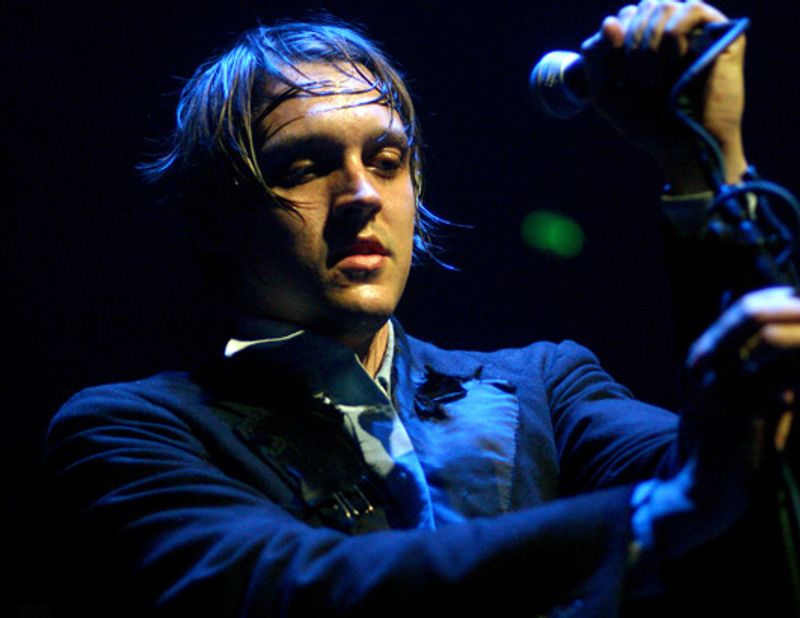
Win Butler co-founded Arcade Fire, one of the most critically acclaimed rock bands of the 2000s, and his music frequently wrestles with themes of faith, community, mortality, and spiritual longing. It turns out those themes had an academic foundation.
Butler studied religious studies at McGill University in Montreal, arriving in 2000 and graduating in 2004 with a BA in the subject.
McGill has pointed to Butler as part of a broader tradition of musicians who studied religion at the university, which suggests his academic choice was not entirely unusual in that environment. The early development of Arcade Fire overlapped directly with his university years, meaning the band and the degree grew up together in some sense.
Listening to Arcade Fire albums like Funeral or Neon Bible with Butler’s religious studies background in mind adds a different dimension to the lyrics and arrangements. The band’s music has always felt like it was reaching for something larger than entertainment, and now there is an academic reason to understand why.
Justin Vernon
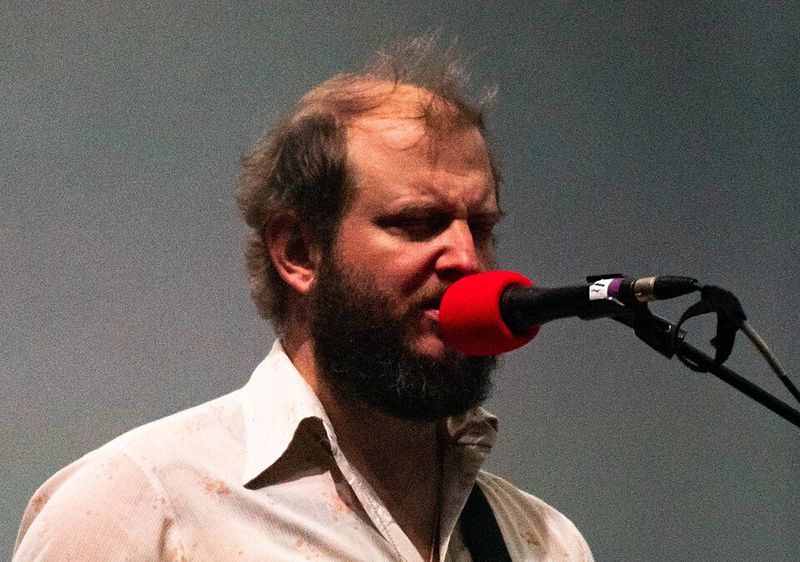
Justin Vernon is the creative force behind Bon Iver, a project that has won Grammy Awards and built a reputation for emotionally intense, carefully crafted music. Most people who know his work would assume he studied music in college.
He did not. Vernon attended the University of Wisconsin-Eau Claire, where he studied philosophy and religious studies.
University records identify religion as a significant part of his undergraduate education, placing him in an academic tradition that encourages deep thinking about meaning, existence, and the nature of human experience. Those are also, not coincidentally, the central concerns of most Bon Iver albums.
Vernon’s case is particularly striking because his public identity is so thoroughly connected to music that the idea of him sitting in a religious studies seminar feels almost impossible to picture. Yet the intellectual seriousness that defines his approach to songwriting makes more sense when you know he spent his college years with philosophy and religious texts rather than music theory textbooks.
George Stephanopoulos
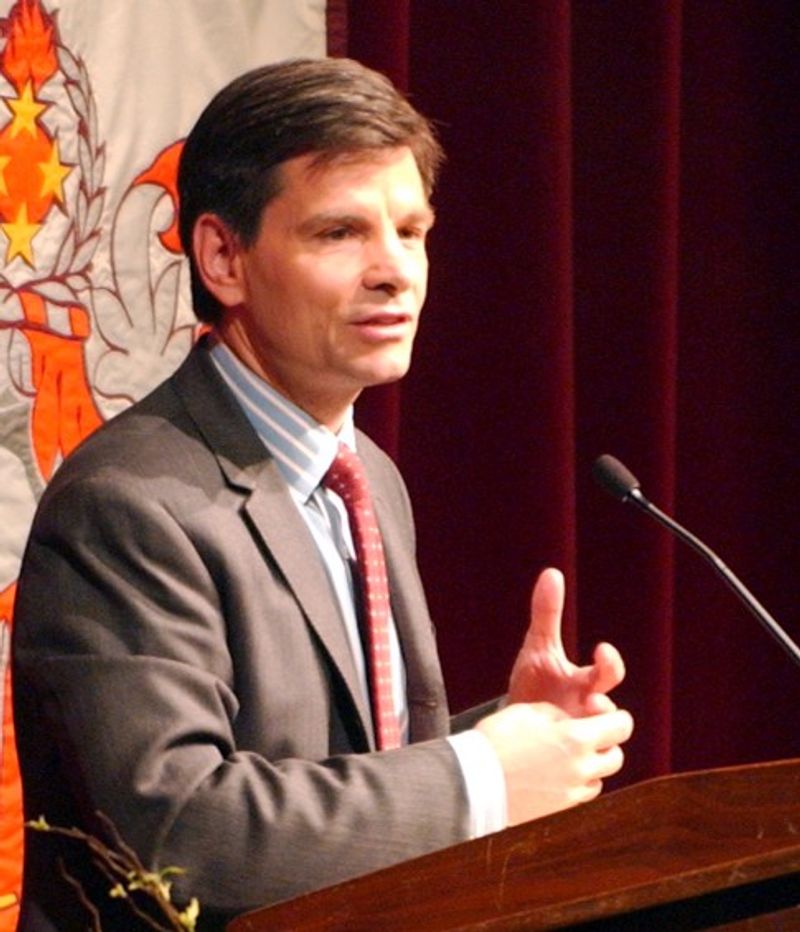
George Stephanopoulos is one of the most familiar faces in American television news, known for decades of anchoring and political commentary. Before any of that, he pursued graduate study in theology at Oxford University.
After completing his undergraduate education at Columbia, Stephanopoulos went to Balliol College as a Rhodes Scholar.
The Rhodes Trust confirms that he earned a master’s degree in theology at Oxford before beginning a career that would take him through senior government roles and eventually to network television journalism. Theology at Oxford is a serious and demanding academic discipline, and completing a graduate degree there is a notable achievement by any standard.
What makes his story particularly interesting is how far his career eventually moved from that academic foundation. Government service and television journalism are both worlds where the practical and the immediate tend to dominate.
The fact that Stephanopoulos spent a formative period of his education thinking carefully about theology and its deepest questions is a side of his biography that rarely comes up in his broadcasting work.
Reza Aslan
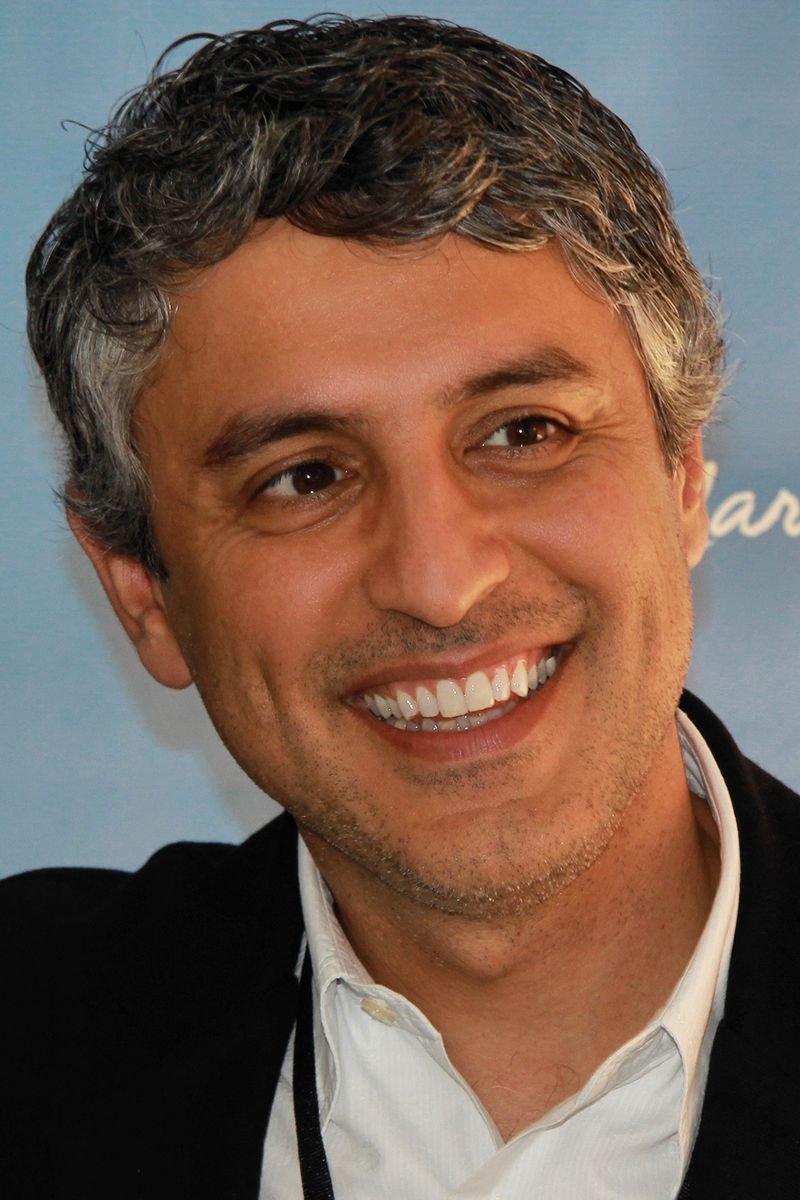
Reza Aslan has one of the most extensive religion-related academic backgrounds of anyone on this list, and unlike most others here, that background stayed directly connected to his professional life. He earned a bachelor’s degree in Religious Studies from Santa Clara University, then a Master of Theological Studies from Harvard, and later completed additional graduate work in writing and sociology.
His books on religious history and the life of Jesus generated significant public attention and debate, placing him at the center of conversations about how religion is studied, interpreted, and communicated to general audiences. Television appearances and documentary work have extended that reach further.
Aslan represents the path less traveled on this list. Most of the other figures here used their religious studies education as a foundation before moving into entertainment, sports, or media.
Aslan essentially made the subject itself his career, building a public profile around the very academic questions he started pursuing as an undergraduate. His trajectory shows just how many directions a religion degree can lead.
Share this story