Travel is booming again, and some places are growing so fast they are practically sprinting past the competition. While global tourism crept up by about 2% in early 2026, a handful of destinations posted gains of 35% or higher, turning heads at travel agencies and airports worldwide.
From landlocked South American gems to Pacific island paradises, the world’s hottest new spots are more diverse and surprising than ever. Whether you are planning your next adventure or just love discovering what makes a place suddenly irresistible, this list is your passport to the planet’s most exciting destinations right now.
Paraguay
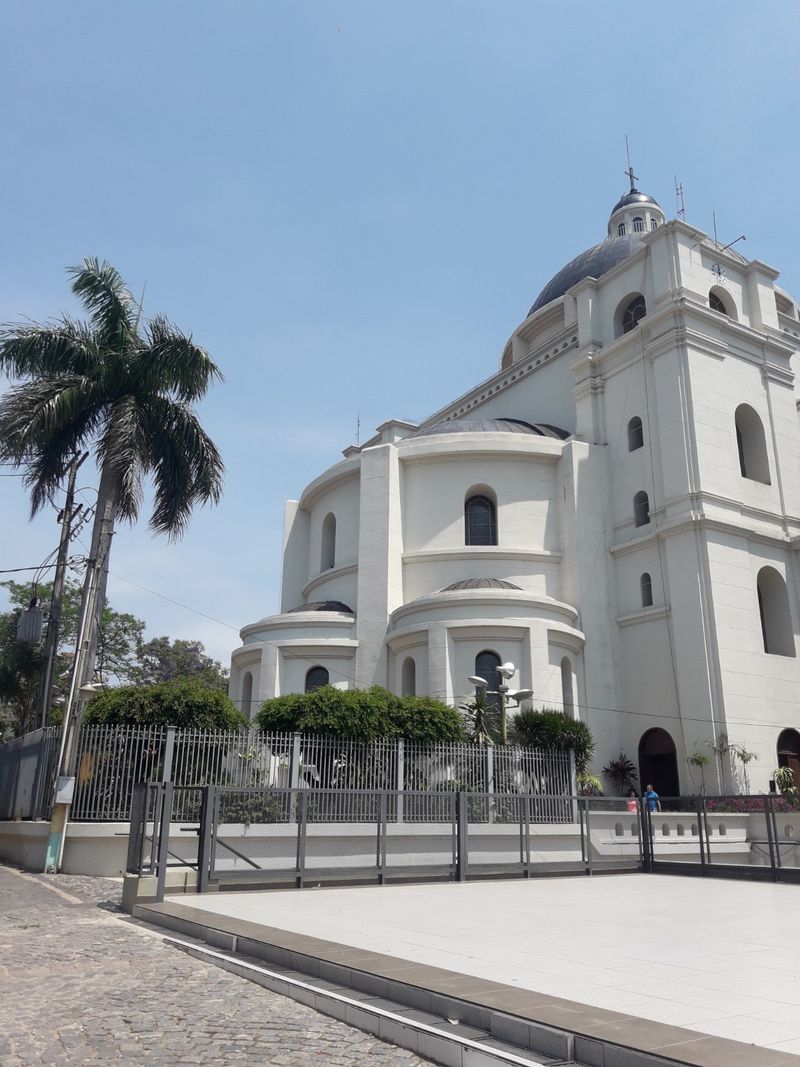
Nobody saw Paraguay coming, but here it is, sitting at the very top of the world’s fastest-growing travel charts. International arrivals jumped a jaw-dropping 46% in the first quarter of 2026 compared to the same time in 2025, making it the single strongest performer highlighted by UN Tourism.
That kind of number does not happen by accident.
Paraguay offers a South American experience that feels genuinely off the beaten path. Asuncion, the capital, rewards curious visitors with colonial and republican-era landmarks that are completely free of tourist crowds.
Farther east, the massive Itaipu hydroelectric dam stretches across the border with Brazil, and it is one of the largest power plants ever built by humans.
Scattered across the countryside, Jesuit mission ruins add a fascinating historical layer that most travelers never even knew existed. The country’s compact size makes it easy to combine multiple experiences in a single trip.
Paraguay is the kind of destination that rewards travelers who love discovering something before everyone else does.
New Caledonia
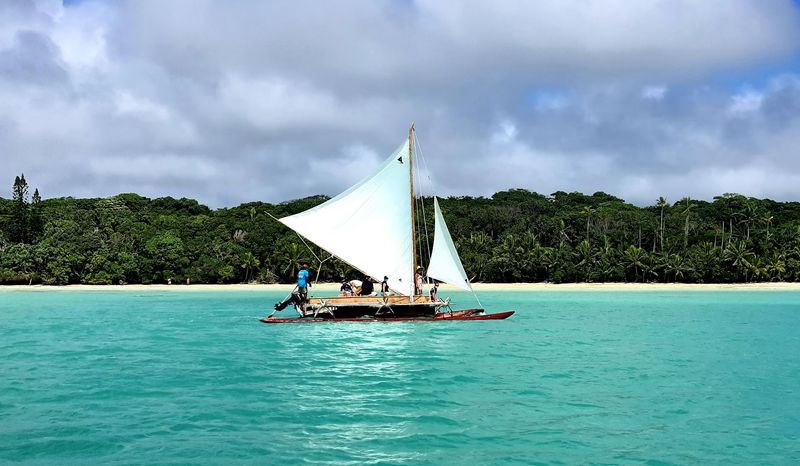
Picture a lagoon so enormous and so impossibly blue that six separate sections of it have earned UNESCO World Heritage status. That is New Caledonia in a nutshell, and the rest of the world is finally catching on.
International arrivals surged 45% in the first quarter of 2026, placing this French Pacific territory just one step behind Paraguay on the global growth chart.
The barrier reef stretching around the islands runs for roughly 1,600 kilometers, making it one of the longest in the world. Snorkelers and divers find conditions that rival anywhere in the Pacific, often with far fewer visitors crowding the water.
The capital, Noumea, blends French cafe culture with Melanesian traditions in a way that feels genuinely unique.
Beyond Noumea, the Isle of Pines and the Loyalty Islands of Lifou and Ouvéa offer beaches and reefs alongside living Kanak communities and cultural traditions. Getting here takes effort, but that is precisely the point.
Travelers who make the journey find a Pacific destination that feels wonderfully unspoiled and refreshingly authentic.
El Salvador
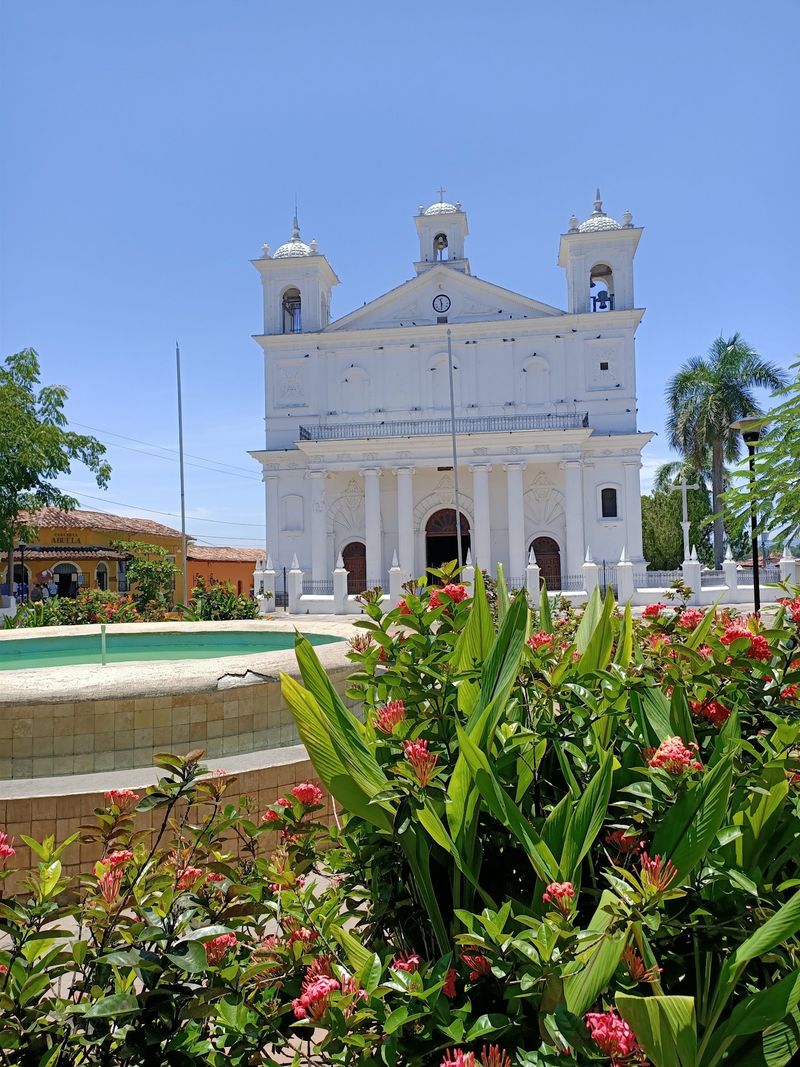
Surf culture put El Salvador on the map, but a 43% surge in international arrivals during early 2026 proves the country has grown into something much bigger than a one-trick destination. Breaks at El Tunco, El Zonte, and the eastern coast around Las Flores attract serious surfers from around the globe, and the waves genuinely deliver.
Still, stopping at the beach would mean missing most of what El Salvador has to offer.
Inland, the country surprises visitors with volcanoes, crater lakes, and ancient archaeological sites that most travelers have never heard of. Santa Ana Volcano rewards hikers with views of a turquoise crater lake that looks almost too vivid to be real.
Mountain towns like Juayua host weekend food festivals that draw locals and visitors together in the most delicious way imaginable.
El Salvador’s compact geography is one of its biggest advantages. You can combine Pacific surf, volcanic hikes, and colonial architecture without spending half your trip in transit.
What started as a niche surf destination is rapidly becoming a well-rounded Central American adventure that punches well above its weight.
Mongolia

Mongolia is about as far from a typical beach holiday as you can get, and that is exactly why travelers are flocking there in growing numbers. International arrivals climbed 39% in the first quarter of 2026, a figure that reflects a genuine hunger for wide-open landscapes and nomadic culture.
The Gobi Desert alone is worth the long-haul flight.
Horseback journeys across the steppe, nights in traditional ger camps, and encounters with nomadic herding families offer experiences that simply cannot be replicated anywhere else on Earth. Gorkhi-Terelj National Park sits just outside Ulaanbaatar and introduces travelers to granite formations and river valleys that feel prehistoric and peaceful at the same time.
The capital city itself mixes Soviet-era architecture with modern energy and surprisingly good food.
Logistics have historically made Mongolia challenging to visit independently, but improved infrastructure and more international tour operators are making the country far more accessible than it once was. Distances are enormous, skies are genuinely dark enough to see the Milky Way clearly, and the silence of the steppe is something that stays with you long after you return home.
Palau
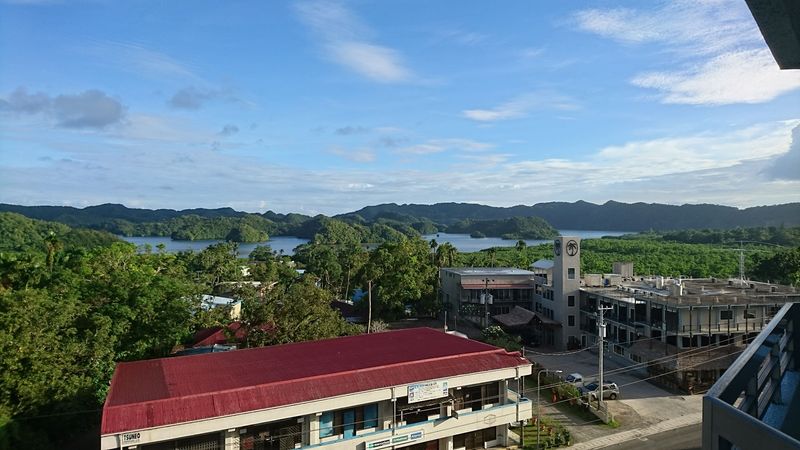
Jellyfish Lake on Palau’s Eil Malk Island contains a population of golden jellyfish that evolved in isolation for thousands of years, losing their sting in the process. Swimming among them is one of the most surreal experiences in the entire Pacific, and it is just one reason why this tiny island nation recorded 37% growth in international arrivals during early 2026.
For a small country, Palau makes an enormous impression.
The Rock Islands, a cluster of mushroom-shaped limestone formations rising from impossibly clear water, have UNESCO World Heritage status. Coral reefs surrounding the islands rank among the healthiest and most biodiverse in the region, drawing divers who talk about their Palau trips for years afterward.
The famous Blue Corner dive site is considered one of the best wall dives on the planet.
Palau’s government has taken a notably thoughtful approach to tourism, requiring visitors to sign an environmental pledge in their passports before entry. That commitment to protecting marine ecosystems gives travelers confidence that the reefs they are visiting today will still be spectacular for future generations.
Small in size but enormous in natural wonder, Palau is a Pacific bucket-list destination that earns every bit of its growing reputation.
Uzbekistan
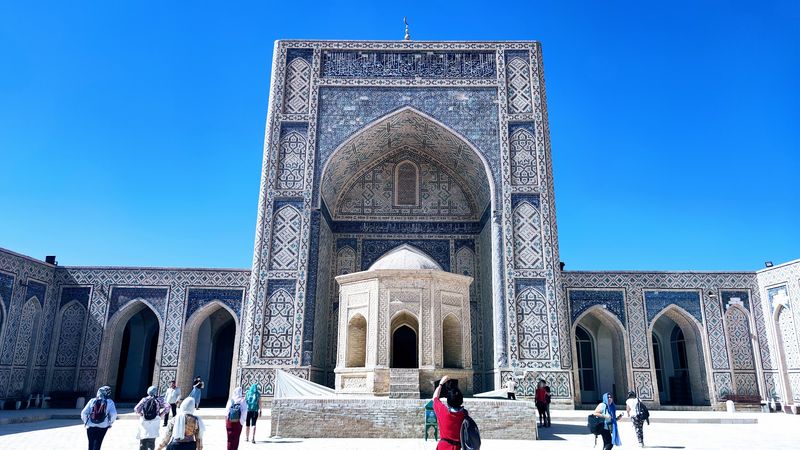
Stand in Samarkand’s Registan Square and you are surrounded by some of the most breathtaking tilework on Earth, the product of centuries when this city sat at the heart of the ancient Silk Road. Uzbekistan’s international visitor numbers were already 73% above 2019 levels through most of 2025, and the momentum continued into 2026 with 37% first-quarter growth.
The world has clearly discovered this Central Asian gem.
Beyond Samarkand, Bukhara and Khiva preserve medieval old towns so intact they feel like living museums. The city of Shakhrisabz, birthplace of the conqueror Timur, adds another layer of imperial history to any itinerary.
All four historic centers carry UNESCO World Heritage status, and each one offers a distinctly different architectural personality.
Uzbekistan’s government has worked hard to make the country easier to visit, introducing visa-free access for dozens of nationalities, expanding international flight routes, and investing in new hotels across major cities. The food is another revelation: plov, samsa, and lagman are hearty, flavorful dishes that reflect centuries of cultural crossroads.
Uzbekistan rewards travelers who love history, architecture, and food in equal measure, and right now it is doing so at a price point that still feels remarkably reasonable.
Brazil
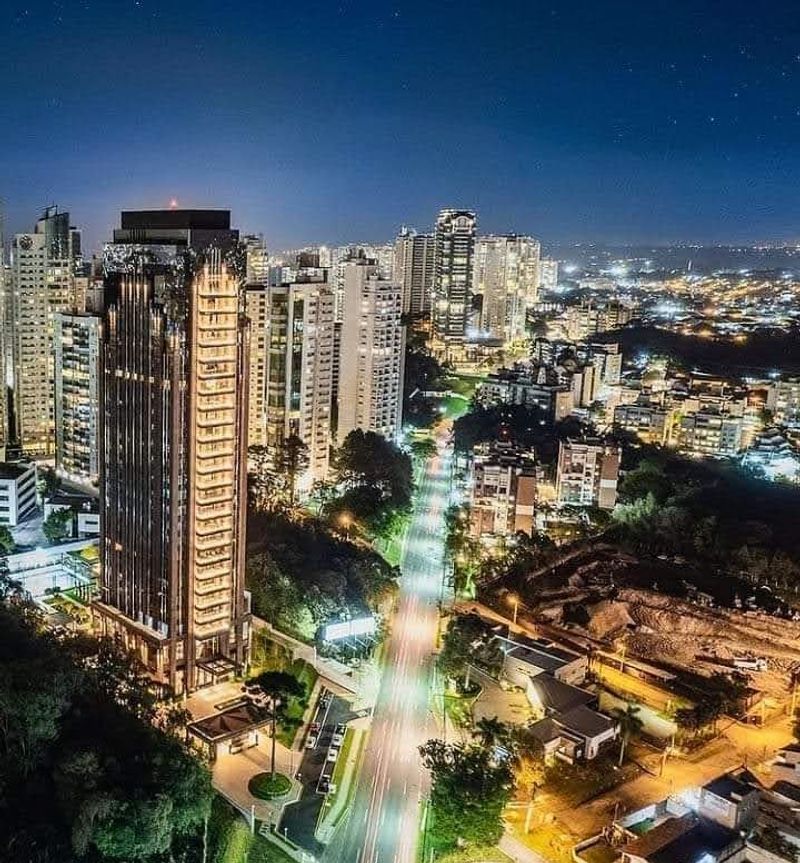
Brazil welcomed 9.3 million international visitors in 2025, a 37.1% jump from the previous year, and what makes that number truly remarkable is the sheer scale. This is not a tiny country moving from 50,000 visitors to 70,000.
Brazil was already a major destination, and it still grew by millions of additional travelers. That is a genuinely impressive performance for one of the world’s largest countries.
Rio de Janeiro remains the iconic entry point, with its combination of beaches, mountains, and carnival energy that needs no introduction. But Brazil’s real strength is variety.
The Amazon basin covers roughly 40% of the country and offers wildlife encounters found nowhere else on the planet. Iguacu Falls, Pantanal wetlands, Salvador’s Afro-Brazilian culture, and the Atlantic beaches of the northeast all sit within the same national borders.
Improved air connectivity and a growing international profile have helped Brazil convert its enormous natural and cultural potential into actual visitor numbers. São Paulo has also emerged as a serious culinary destination, with a restaurant scene that regularly appears on global best-of lists.
Brazil is finally getting the international attention it has deserved for a very long time.
Egypt
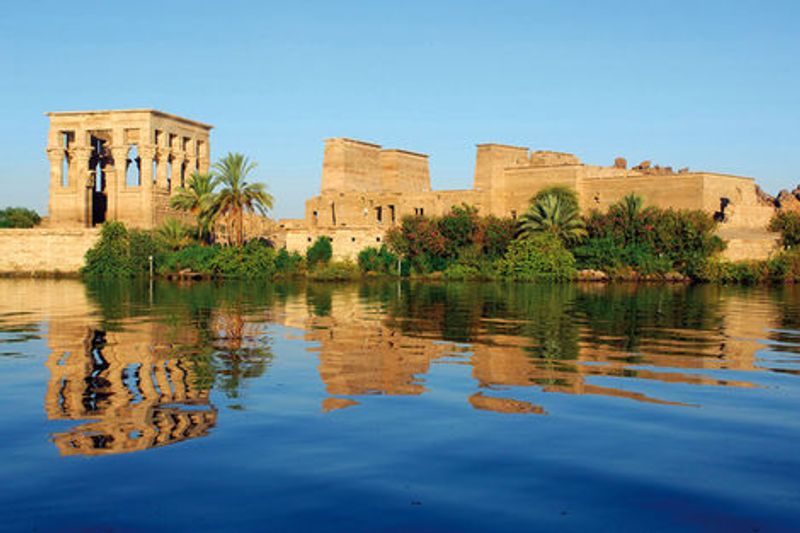
Nineteen million tourists visited Egypt in 2025, a 21% increase from the previous year, and charter-flight traffic to Egyptian airports grew by an even stronger 32%. Those are extraordinary numbers for a country that already had one of the world’s most recognizable tourism identities.
Egypt is not growing because travelers suddenly discovered it; it is growing because demand for what it offers is simply enormous.
The pyramids of Giza remain among the most awe-inspiring structures ever built, and standing at their base in person is a completely different experience from seeing them in photographs. Luxor’s concentration of temples and tombs along the Nile Valley is arguably the greatest open-air museum anywhere on Earth.
A Nile cruise between Luxor and Aswan remains one of travel’s great slow journeys.
Beyond the ancient sites, Egypt offers the Red Sea coast with world-class diving around Hurghada and Sharm el-Sheikh, the cosmopolitan energy of Cairo, and the Mediterranean atmosphere of Alexandria. Continued investment in tourism infrastructure, improved airport facilities, and expanded hotel capacity are all helping the country absorb and attract more visitors each year.
Egypt proves that a destination with deep history never really goes out of fashion.
Vietnam

Nearly 21.2 million international visitors arrived in Vietnam during 2025, smashing every previous record the country had ever set and pushing annual growth to 20.4%. More than 17.8 million of those travelers came by air, and land-border arrivals also climbed strongly.
Vietnam is not just recovering from the pandemic years; it is genuinely expanding its global tourism footprint into new territory.
The country’s geographic variety is one of its most compelling selling points. A single trip can take you from the chaotic, delicious energy of Hanoi through the limestone karsts of Ha Long Bay, south through the royal history of Hue and the lantern-lit streets of Hoi An, and onward to Ho Chi Minh City’s relentless modern buzz.
The Mekong Delta and the island of Phu Quoc add yet more dimensions to an already rich itinerary.
Expanded visa exemptions for dozens of nationalities have made planning a Vietnam trip considerably simpler than it used to be. Long-haul markets from Europe and North America have grown particularly strongly, suggesting Vietnam is winning over travelers who might previously have chosen other Southeast Asian destinations.
The food alone, from pho to banh mi to fresh spring rolls, is worth the flight.
Japan
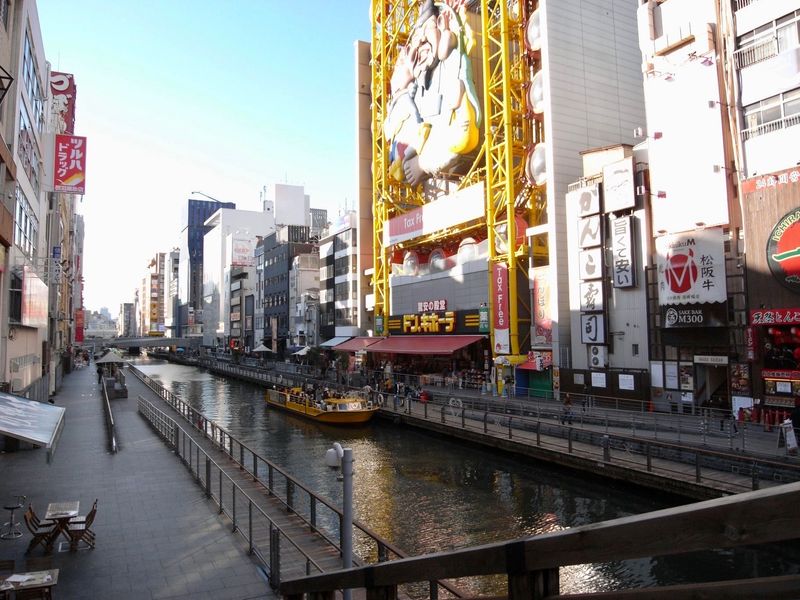
Japan welcomed 42.7 million international visitors in 2025, nearly 11 million more than the previous record set back in 2019. Growth of 15.8% over 2024 is impressive enough on its own, but achieving that rate on top of an already enormous visitor base makes Japan’s performance genuinely extraordinary.
No other country in this article is doing what Japan is doing at this scale.
Tokyo, Kyoto, and Osaka remain the cornerstone destinations for most first-time visitors, and they deliver everything their reputations promise. But a notable shift is happening: international travelers are increasingly venturing beyond the big three cities into regional areas that have historically seen far fewer foreign visitors.
Tohoku in the north, Kyushu in the south, and rural Hokkaido are all appearing more regularly on international itineraries.
A favorable exchange rate during 2025 made Japan particularly attractive to overseas visitors, effectively offering a discount on an already extraordinary destination. Japanese food culture, from ramen to kaiseki to convenience store snacks, continues to fascinate and delight travelers from every background.
Whether you come for ancient temples, high-speed trains, cherry blossoms, or anime culture, Japan has a way of exceeding even the highest expectations.
Morocco
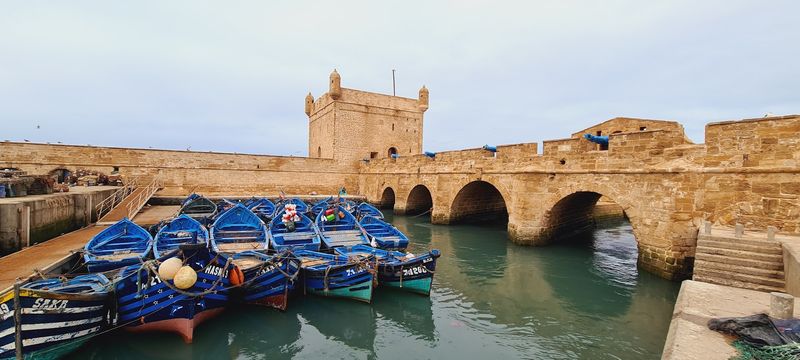
Morocco came within a whisker of 20 million tourists in 2025, recording 19.8 million arrivals at a growth rate of 14% over 2024. Compared to 2019, that figure represents a 53% increase, which means Morocco has not just recovered from the pandemic years but has fundamentally transformed its position in global tourism.
Tourism receipts also hit a record 138 billion dirhams, showing that visitors are spending more as well as arriving in greater numbers.
Marrakech’s medina remains irresistibly chaotic and colorful, a sensory experience that first-time visitors find completely overwhelming in the best possible way. Fez offers a more ancient and meditative atmosphere, with its medieval tanneries and labyrinthine streets.
Chefchaouen, painted in dozens of shades of blue, has become one of North Africa’s most photographed destinations, and the photos never quite capture how beautiful it actually is in person.
Beyond the cities, Morocco’s landscapes add serious variety. The Atlas Mountains reward hikers and adventurers, while Saharan dunes around Merzouga deliver one of the most cinematic sunsets imaginable.
Atlantic coastal towns like Essaouira and Taghazout attract surfers and artists drawn by the light, the wind, and the relaxed pace of life. Morocco is, quite simply, a destination that has something for almost everyone.
Sri Lanka
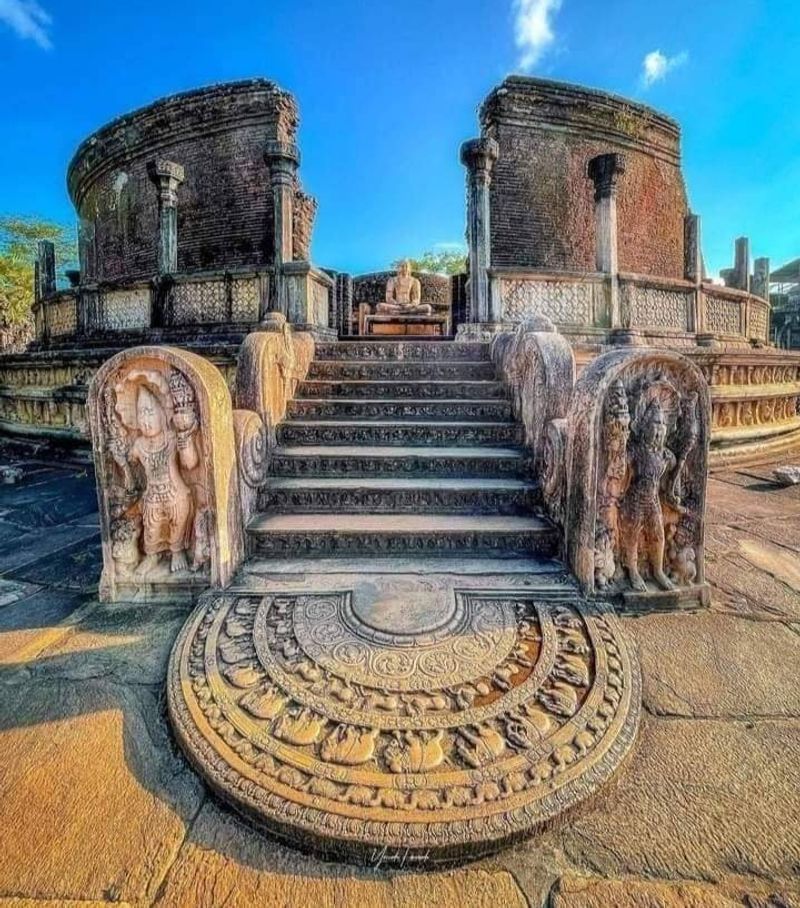
Sri Lanka crossed a milestone in 2025 that the country had been chasing for years: more than 2.33 million international arrivals, officially surpassing the previous national record set back in 2018. After years of economic difficulties, pandemic disruptions, and political turbulence, this record feels genuinely hard-earned and deeply meaningful.
The island’s tourism industry fought for this comeback, and the numbers show it succeeded.
Sigiriya, an ancient rock fortress rising nearly 200 meters above the surrounding jungle, is the kind of sight that makes travelers stop mid-climb and just stare. The Cultural Triangle in the interior connects Sigiriya with the ancient cities of Anuradhapura and Polonnaruwa, offering a history lesson that is far more exciting than any classroom.
Tea country around Nuwara Eliya and Ella provides cooler highland scenery, misty mornings, and train journeys that routinely appear on lists of the world’s most scenic rail routes.
Yala National Park supports one of the world’s highest densities of leopards, alongside elephants, crocodiles, and hundreds of bird species. Southern beaches like Mirissa and Unawatuna attract sun-seekers and whale-watchers alike.
Sri Lanka packs more distinct travel experiences into a relatively small island than almost any other destination on this list.
Georgia
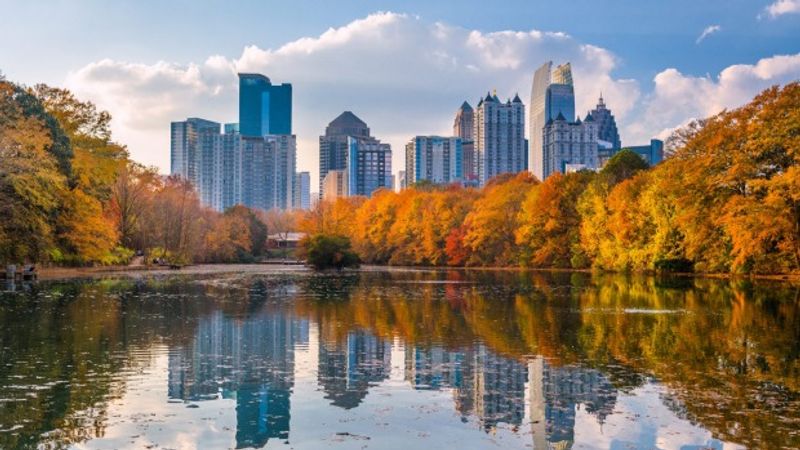
Georgia is the kind of country that makes travelers feel like they have stumbled onto a secret, even though 5.5 million tourists visited in 2025 and international traveler visits reached 7.8 million for the year. Growth of 8.4% over 2024 was driven partly by a 14% jump in arrivals from EU countries and the United Kingdom, suggesting that Western European travelers are increasingly treating Georgia as a serious destination rather than an adventurous detour.
Tbilisi is the beating heart of Georgian tourism, a city where ancient sulfur bath districts sit alongside natural wine bars and rooftop restaurants serving food that deserves far more international attention than it currently receives. Georgian cuisine, built around walnut sauces, cheese-filled bread called khachapuri, and slow-cooked stews, is one of the most distinctive and satisfying culinary traditions in the entire region.
Outside the capital, Kakheti’s wine country stretches through valleys that have been producing wine in clay vessels called qvevri for roughly 8,000 years, making Georgia one of the oldest wine-producing cultures on the planet. The Greater Caucasus mountains around Kazbegi and Svaneti provide dramatic hiking and some of the most photogenic church-and-mountain combinations anywhere in Europe.
Georgia rewards repeat visitors as generously as first-timers.
Tanzania
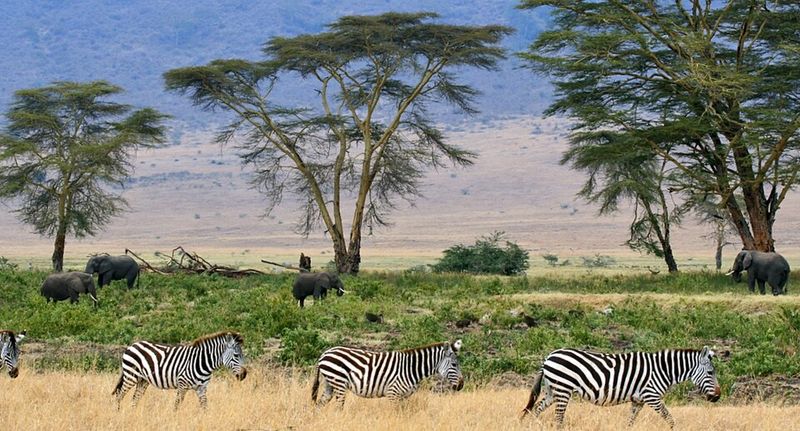
Tanzania’s 2025 tourism numbers tell a story of a destination operating at its absolute peak. Approximately 2.29 million international arrivals represented a 7.1% increase over 2024, but the earnings figure tells an even better story: tourism revenues climbed 13% to roughly 4.41 billion dollars, meaning visitors are staying longer and spending more.
That combination of growing arrivals and rising revenue is the signature of a destination hitting its stride.
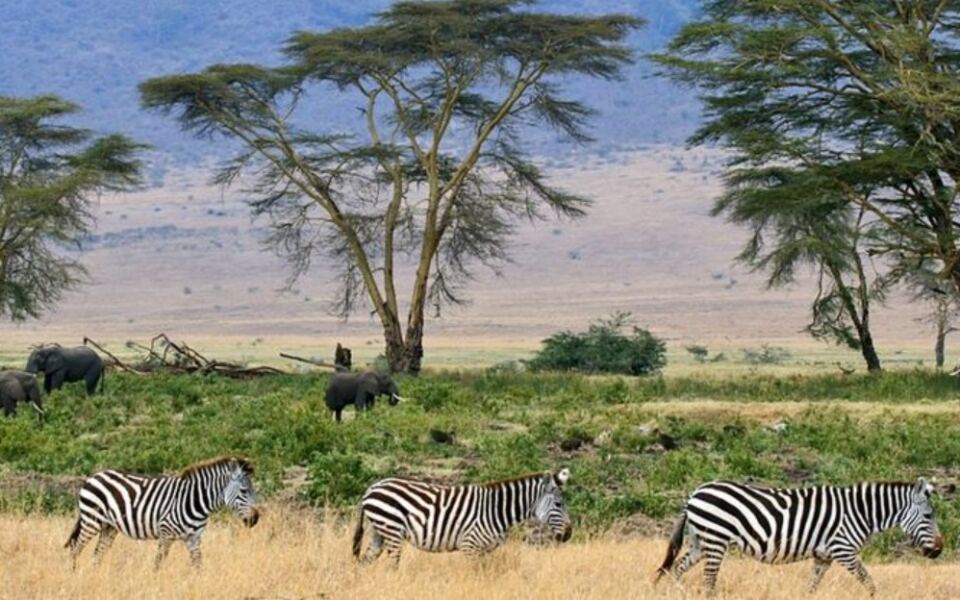
The Serengeti is one of those places where the wildlife spectacle is so overwhelming that even seasoned travelers go quiet. The annual wildebeest migration, involving roughly 1.5 million animals moving across the plains, is considered one of the greatest natural events on Earth.
Ngorongoro Crater, a collapsed volcanic caldera teeming with lions, elephants, and flamingos, adds another layer of staggering natural drama to any northern circuit safari.
Mount Kilimanjaro draws thousands of trekkers each year who want to stand on Africa’s highest point without technical climbing equipment. Zanzibar, meanwhile, offers a completely different experience: turquoise water, white sand beaches, and Stone Town’s Swahili and Arab architectural heritage.
Tanzania’s ability to combine safari, mountain adventure, and beach relaxation within one trip is genuinely hard to match anywhere else in Africa.
Albania
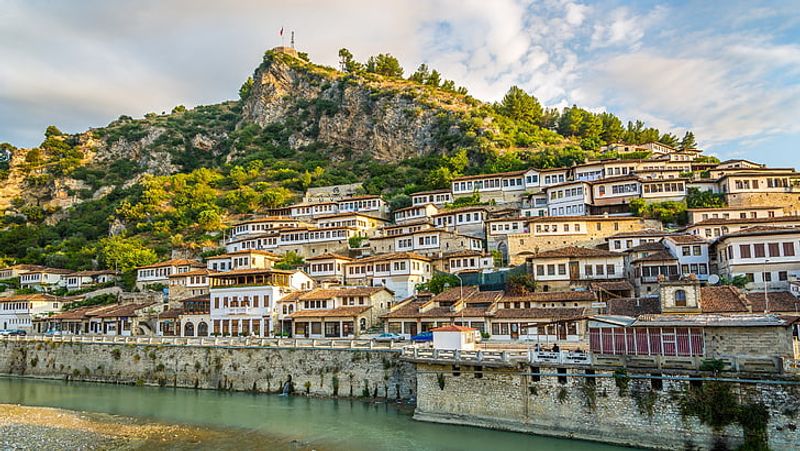
Albania’s transformation from Europe’s best-kept secret into a legitimate mainstream destination has happened at a speed that surprises even the Albanians themselves. Foreign entries reached about 12.46 million in 2025, up 6.3% from a year earlier, and December 2025 showed accommodation guests jumping 47.6% year over year.
That December number suggests travelers are no longer treating Albania purely as a summer beach destination, which is a significant shift for the country’s tourism economy.
The Albanian Riviera stretches along the Ionian Sea with beaches that genuinely rival anything in Croatia or Greece, often at a fraction of the price. Towns like Himara and Dhermi have developed quickly without losing the relaxed charm that made them appealing in the first place.
The water clarity along this coastline is the kind that makes you want to photograph it every five minutes, even though no photo ever quite does it justice.
Inland, the UNESCO-listed cities of Berat and Gjirokaster preserve Ottoman-era architecture in settings that feel completely cinematic. The Albanian Alps around Theth and Valbona offer serious hiking through landscapes that European trekkers are only beginning to discover.
Tirana has also reinvented itself as a lively, colorful capital with a cafe culture and street art scene that rewards an extra day or two of exploration.
Share this story