Elephants are the largest land animals on Earth, and they play a big role in keeping their habitats healthy. Most of the world’s wild elephants live in just a handful of countries across Africa and Asia.
Looking at where they live shows which places are leading in conservation and where protection matters most. Here are ten countries with some of the biggest elephant populations, based on estimates from wildlife groups.
1. Botswana: 131,900 Elephants
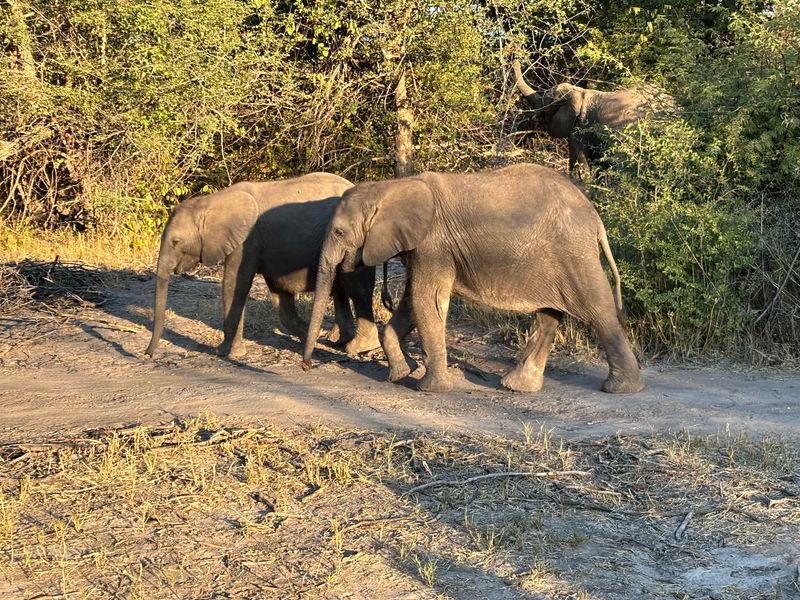
Picture a river at sunset with hundreds of gray giants wading through the water. That scene is common in Botswana, which holds the largest elephant population on the planet at about 131,900.
Much of the herd gathers in the north, around the Chobe River and the Okavango Delta. Water is scarce in the dry season, so elephants travel long distances to reach these reliable sources.
Botswana’s strong anti-poaching efforts and large protected areas have helped numbers stay high. Tourism also brings in money that supports wildlife care and local jobs.
Having so many elephants is not always easy, though. Herds sometimes trample crops or compete with villagers for water, so the country keeps working on ways for people and elephants to share space safely.
2. Gabon: 95,000 Elephants
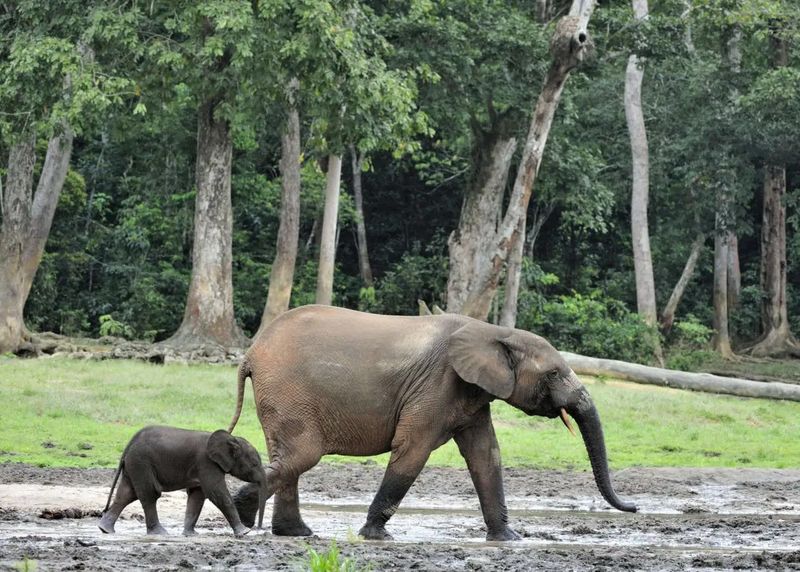
Few sights are stranger than an elephant strolling on a beach, yet Gabon makes it possible. Around 95,000 elephants live here, and many are the smaller forest elephants.
About 88 percent of the country is covered by rainforest, giving these animals plenty of shelter and fruit to eat. As they travel, they spread seeds across the forest floor, acting like gardeners for the trees.
Gabon has set aside thirteen national parks to protect its wildlife. Forest elephants elsewhere in Central Africa have declined sharply, so this country is seen as a key refuge for the species.
Rangers still face challenges from illegal ivory trade. Steady patrols and international support help keep the forest herds safe.
3. Zimbabwe: 65,000 Elephants
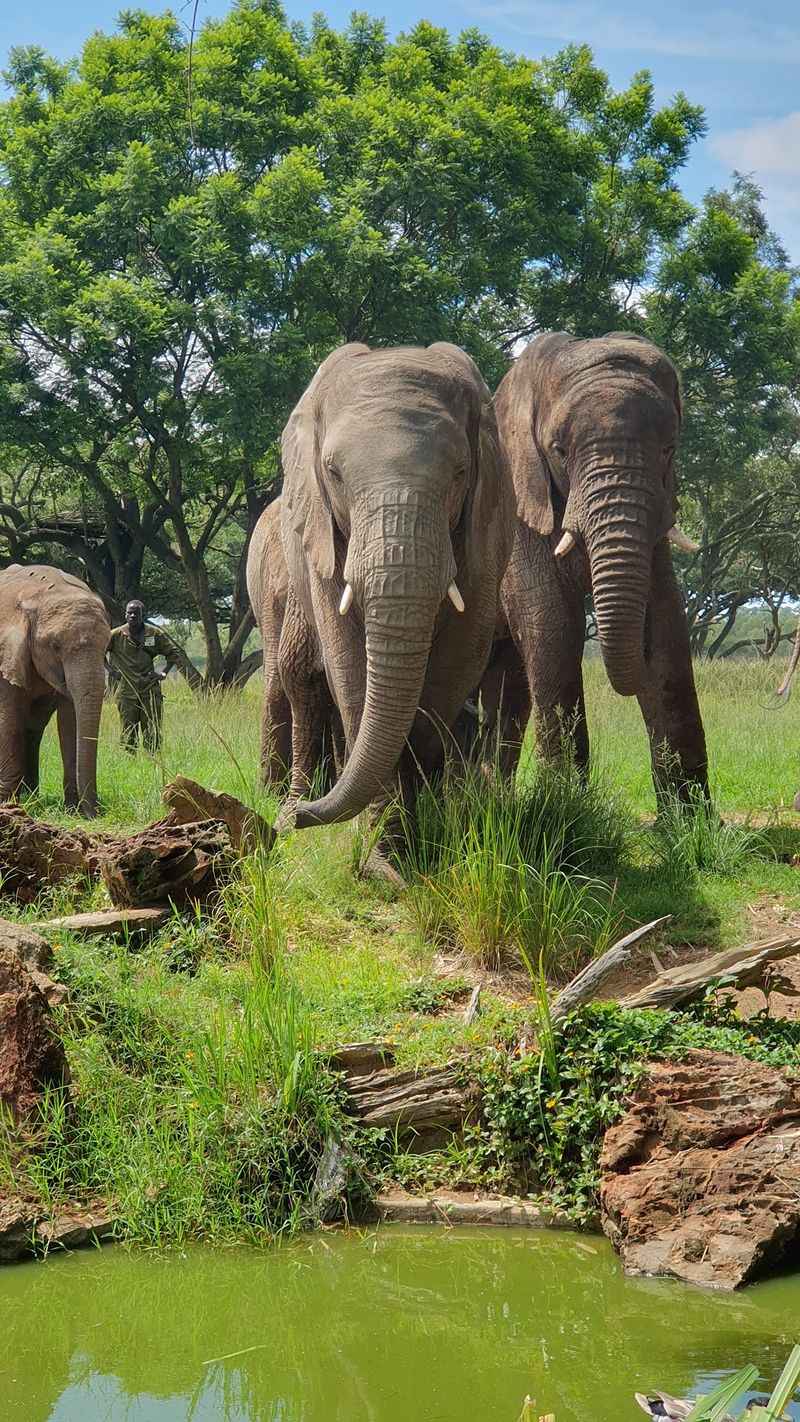
Zimbabwe’s Hwange National Park is a place where elephants outnumber almost everything else. The country is home to roughly 65,000 of them, and Hwange alone shelters tens of thousands.
The land here is dry for much of the year. Park managers pump water into artificial waterholes so elephants and other animals can drink during long dry spells.
Zimbabwe has more elephants than its parks can comfortably support, which puts pressure on trees and grasslands. Officials have debated how to manage the herds without harming them.
Visitors often watch elephants gather at dusk, sipping and spraying water over their backs. These moments are a big draw for safari travelers.
4. Tanzania: 60,000 Elephants
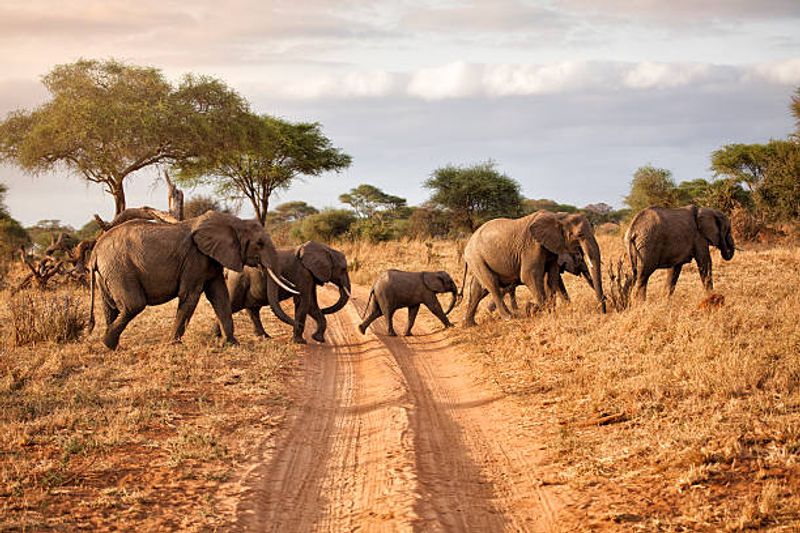
Baobab trees tower over the dry plains of Tarangire National Park, and elephants wander beneath them in family groups. Tanzania counts about 60,000 elephants across its parks and reserves.
The country once suffered a severe drop in numbers because of poaching in the 2000s and early 2010s. Stronger law enforcement since then has helped many herds recover.
Big areas such as the Serengeti, Ruaha, and the Selous ecosystem give elephants room to roam. Some herds travel hundreds of miles in a single year.
Tourism is a major source of income here, so protecting elephants also supports local communities. Guides often say a calm morning watching a herd is the highlight of any trip.
5. Kenya: 36,280 Elephants
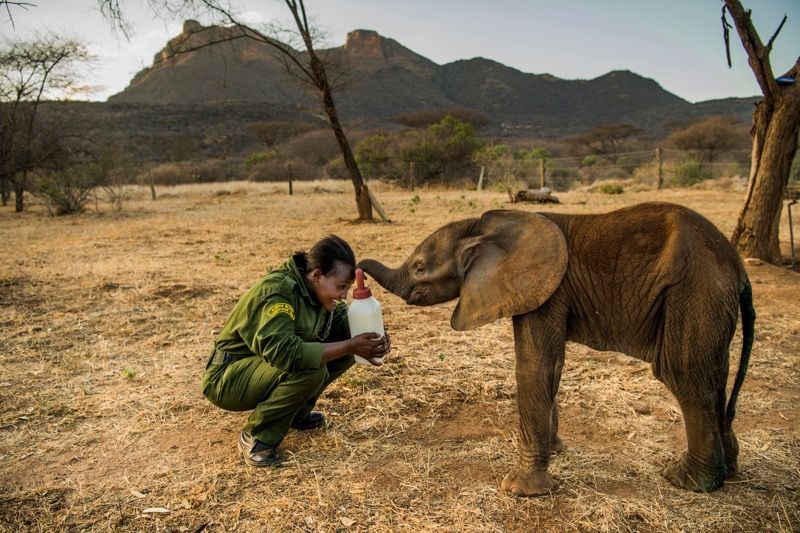
Kenya offers one of the most famous elephant views in the world: a herd crossing the plains of Amboseli with Mount Kilimanjaro behind them. The country has about 36,280 elephants.
Numbers here have been climbing in recent years. A national count reported steady growth, which wildlife officials credit to better security and community involvement.
Tsavo is the largest protected area for elephants in Kenya, and Samburu and the Maasai Mara also host sizable herds. Researchers at Amboseli have studied families there for decades, learning how older females lead and teach the young.
Kenya burned stockpiles of ivory in 2016 to send a clear message against the trade. That event is still remembered as a turning point for conservation.
6. South Africa: 43,681 Elephants
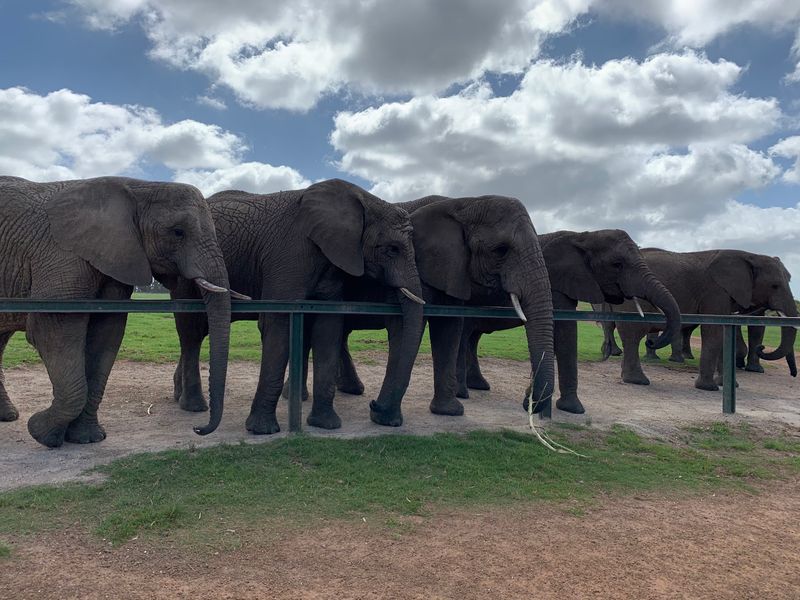
Kruger National Park is roughly the size of a small country, and elephants are among its most visible residents. South Africa as a whole has about 43,681 elephants.
Most live in Kruger, though others are found in reserves such as Addo Elephant National Park in the Eastern Cape. Addo was created in 1931 to save just eleven surviving elephants in the area, and today it protects hundreds.
Many reserves are fenced, so managers must watch population size closely. Too many elephants can strip vegetation and affect other species.
Methods such as moving herds to new reserves and using birth control have been tried. South Africa is often studied as an example of careful, science-based management.
7. Zambia: 21,758 Elephants
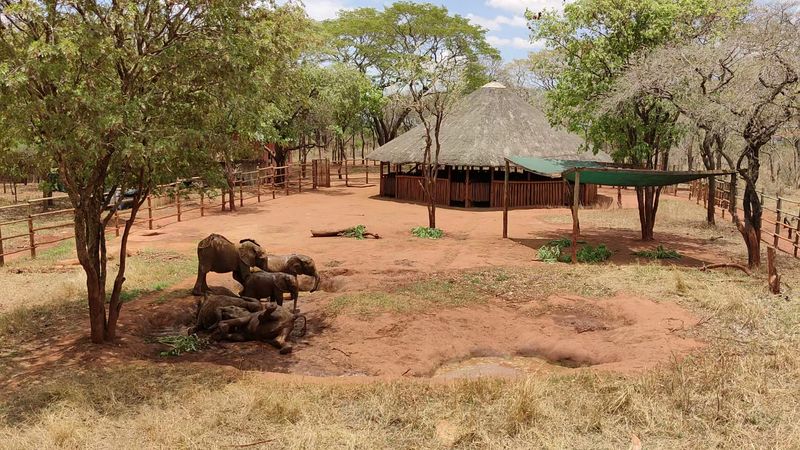
Along the Luangwa River, elephants often stroll past hippos and crocodiles as if they own the place. Zambia is home to about 21,758 of them.
South Luangwa and Kafue National Parks are the main strongholds. Kafue is one of the largest parks in Africa, with wide open woodlands and wetlands.
Zambia lost many elephants to poaching in the twentieth century, and recovery has been gradual. Community programs now train local people as scouts and guides, giving them a stake in protecting wildlife.
Walking safaris are popular here, a rare way to see elephants at a respectful distance. Guides teach visitors how to read the animals’ moods before getting too close.
8. Namibia: 21,090 Elephants
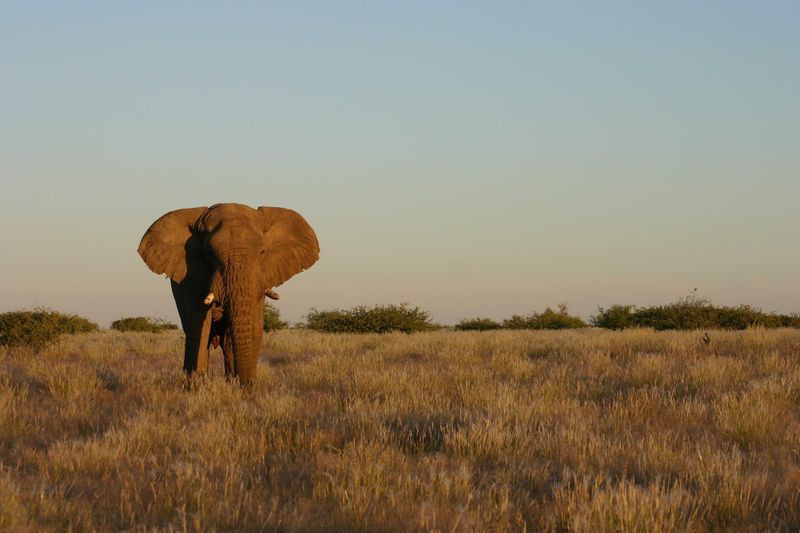
Some elephants in Namibia have learned to survive in a desert. Overall, the country counts around 21,090 elephants, including special groups in the northwest.
The desert-adapted herds in Kunene and Damaraland have longer legs and wider feet than most elephants, helping them cover rough ground. They can go several days without a drink and know where hidden water lies.
Farther east, Etosha National Park and the Zambezi Region hold larger herds. Etosha’s waterholes are floodlit at night, so visitors can watch elephants arrive under the stars.
Namibia gives local communities the right to manage wildlife in conservancies. This approach has helped numbers grow while people benefit from tourism.
9. India: 22,446 Elephants
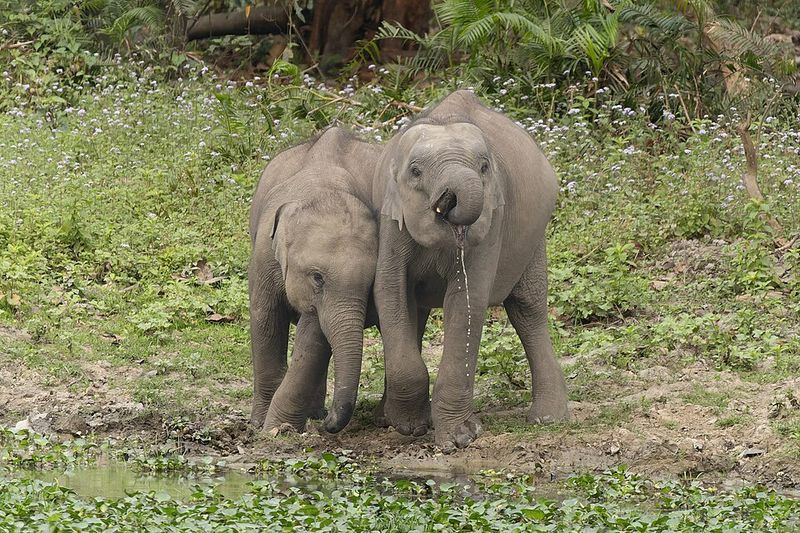
India is the stronghold for Asian elephants, with about 22,446 of them, the most of any Asian country. They are smaller than African elephants and have smaller ears.
Many live in the northeast, including Assam’s Kaziranga National Park, and in southern forests such as those of Karnataka and Kerala. Elephants hold deep cultural meaning here and appear in festivals, art, and religion.
Habitat loss is the biggest threat. Roads, railways, and farms cut across old migration routes, leading to conflicts with villagers.
To help, India has created elephant corridors that link forests. Some areas also use early warning systems, so people know when herds are nearby.
10. Mozambique: Large Remaining Herds
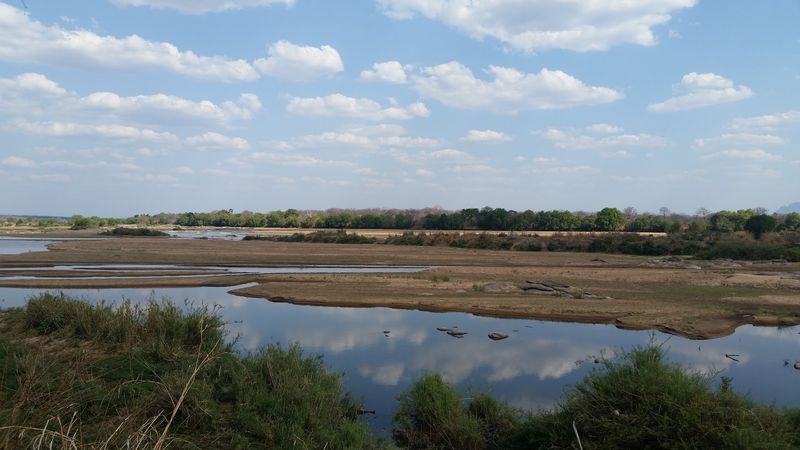
Mozambique’s elephants have a story of loss and comeback. A long civil war from 1977 to 1992 devastated wildlife, and many herds were killed for food and ivory.
Today, the country still has roughly 10,000 elephants, with major groups in Niassa National Reserve and Gorongosa National Park. Niassa is one of the largest protected areas in Africa and holds the biggest herd.
Gorongosa has been rebuilt through a long partnership between the government and conservation groups. Its elephant numbers have risen steadily as the park regained safety.
Poaching remains a concern, especially in remote northern areas. Even so, the recovery in Gorongosa shows how patient work can bring wildlife back.
Share this story