Food customs change a lot from one country to the next. Some toppings and pairings that feel normal in the United States can make European visitors raise an eyebrow.
Here are 15 American food habits that often spark curiosity across the Atlantic, along with the stories behind them.
1. Ranch Dressing on Pizza
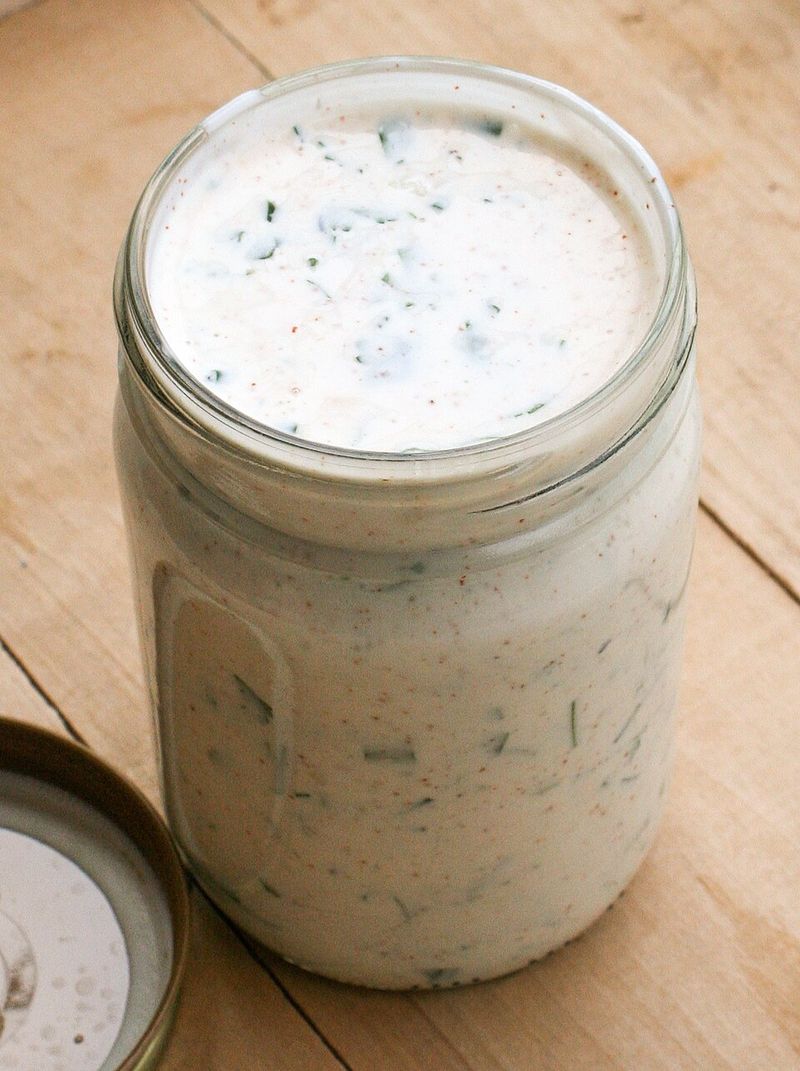
Picture a slice of pepperoni pizza making a quick trip into a cup of creamy white dressing. In many American homes and pizza shops, that is a normal move.
Ranch dressing, made with buttermilk, herbs, and garlic, was created in the 1950s and soon became the top-selling salad dressing in the country.
Europeans, especially Italians, tend to see pizza as a complete dish. The crust, sauce, and cheese are balanced on purpose, so adding another sauce can feel unnecessary.
Many pizzerias in Naples serve pizza with nothing on the side except perhaps a little chili oil.
In the United States, dipping sauces are part of the fun. Pizza chains often hand out little cups of ranch with every order.
Crust dipping is especially popular, since it turns the last bite into a tasty treat. If you visit, try it once and decide for yourself.
2. Peanut Butter and Jelly Sandwiches
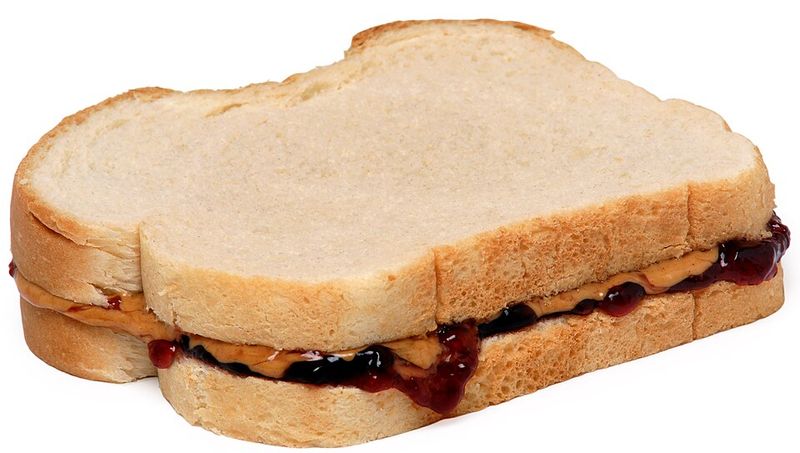
For generations of American kids, lunchtime meant a brown paper bag and a sandwich that was sticky, sweet, and salty all at once. The peanut butter and jelly sandwich became a household staple in the early 1900s and spread even further when soldiers ate it during World War II.
Peanut butter is sold in Europe, but pairing it with fruit jelly is not a long-standing tradition there. Many Europeans think of jam as something for breakfast toast or pastries, and they often keep it away from savory spreads.
The sandwich lasts because it is cheap, filling, and easy to make. It also keeps well without a fridge, which makes it handy for school trips and picnics.
Grape jelly is the classic choice, though strawberry is a close second.
Some visitors try it and quickly become fans.
3. Marshmallows on Sweet Potatoes
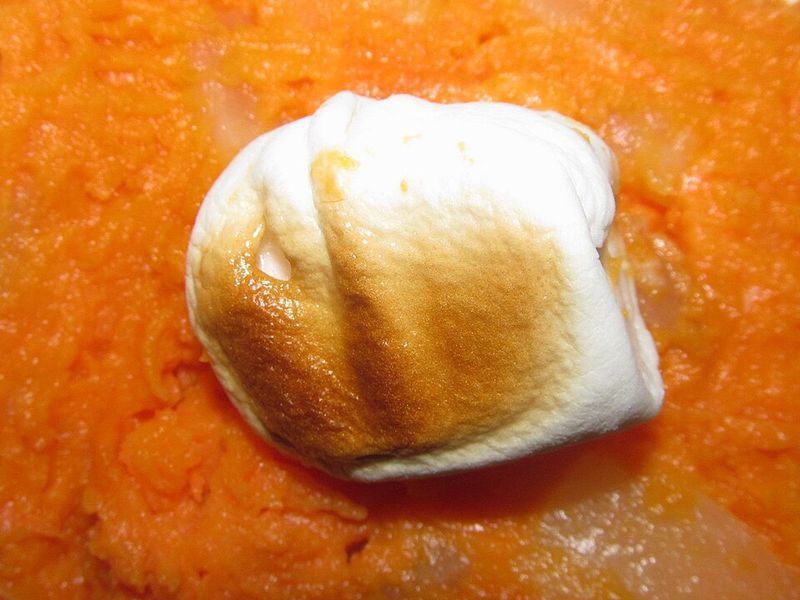
At many Thanksgiving tables, a bubbling dish of mashed sweet potatoes sits under a blanket of toasted marshmallows. It looks like dessert, yet it is served right next to the turkey.
That mix of sweet and savory is what catches many European guests off guard.
The idea dates back to the early 1900s, when a marshmallow company printed the recipe in cookbooks and magazines to sell more of its product. The marketing worked, and the dish became a holiday tradition for countless families.
In much of Europe, sweet potatoes are usually roasted, baked, or turned into fries, with a savory seasoning. Sugary toppings on a vegetable side dish are rare.
Some American cooks now skip the marshmallows and use pecans or butter instead, but the classic version remains a favorite in many homes every November.
4. Maple Syrup on Bacon
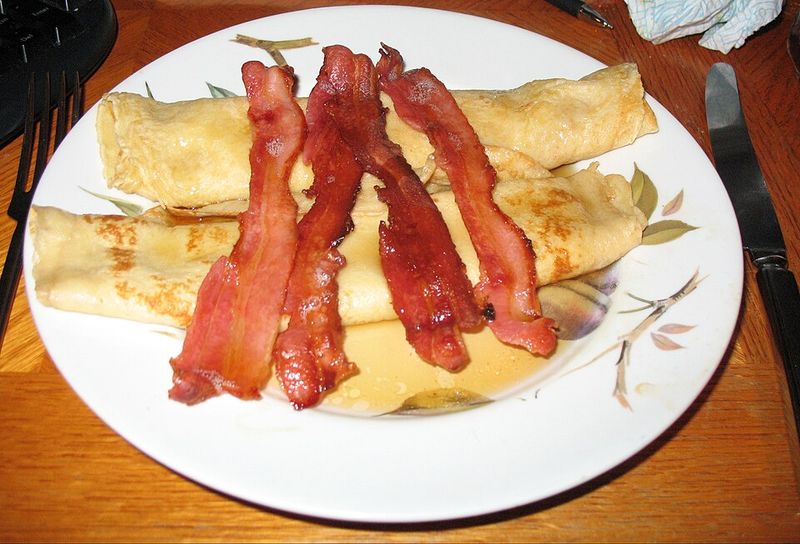
Salt meets sugar in one of the most familiar breakfast combos in North America. When bacon slides across a plate and touches a puddle of maple syrup from the pancakes, many Americans simply let it happen.
Some even bake bacon with a maple glaze on purpose.
Europeans often enjoy bacon in sandwiches, pasta dishes, or a full cooked breakfast, usually alongside eggs, beans, and tomatoes. Sweet syrup is not normally part of that picture, so the pairing can seem odd at first bite.
Food writers point out that the idea works because sweetness softens the sharp saltiness of cured meat. Many cuisines use the same trick, such as honey with ham or fruit with prosciutto.
Maple syrup itself is a point of pride, especially in Vermont and Canada, where sap is collected from sugar maple trees every spring.
5. Cheese Sauce on French Fries
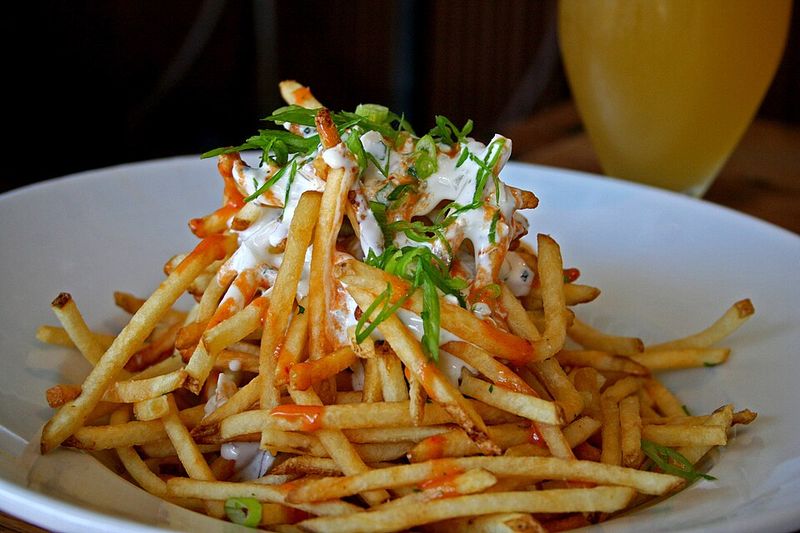
Ask for cheese fries at an American diner and a tray arrives drowning in warm, smooth, orange sauce. Bacon bits and jalapeño slices are common extras.
It is a messy, fork-required snack that many people love at ballparks and fast-food counters.
Europeans know cheesy fries too. Poutine-style dishes and fries with grated cheese appear in many countries.
What stands out about the American version is the processed, nacho-style sauce, which pours easily and stays silky for a long time.
That texture comes from emulsifying salts that help the cheese melt evenly without separating. It makes the sauce easy to serve from a pump at concession stands.
For a lighter twist, some restaurants use real shredded cheddar and bake the fries briefly. Either way, a napkin or two is a smart idea.
6. Ketchup on Scrambled Eggs
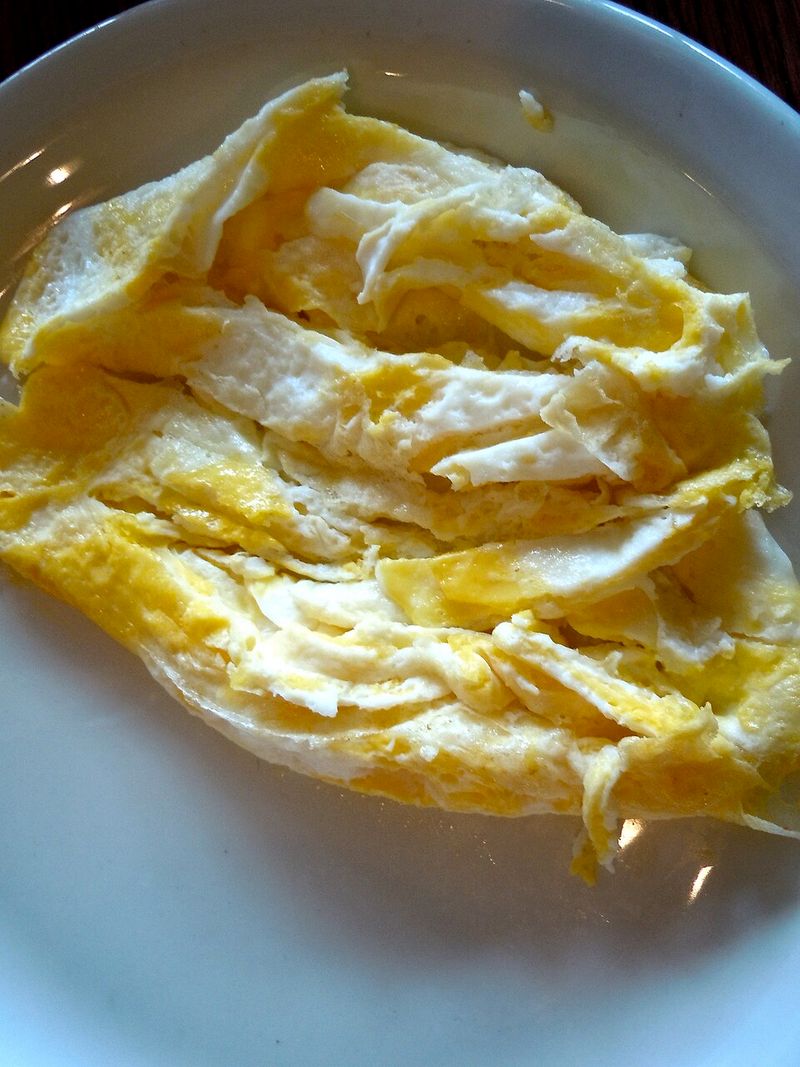
Few condiment debates start as quickly as this one. In many American households, a bottle of ketchup comes out the moment scrambled eggs hit the table.
The tangy tomato flavor adds a bit of sweetness and acidity to a mild breakfast food.
In many parts of Europe, eggs are usually served simply, perhaps with salt, pepper, herbs, or a little cheese. Tomato sauce on eggs is seen as unusual, even though a tomato-based dish like shakshuka is popular in the Mediterranean region.
Surveys in the United States often show that ketchup is the most popular condiment overall, so it is no shock that it finds its way onto eggs. Children tend to be the biggest fans, though plenty of adults still squeeze some on.
Hot sauce is another common American choice for people who prefer a spicy kick.
7. Ranch Seasoning on Popcorn

Snack aisles in the United States are packed with ranch-flavored everything. Chips, crackers, nuts, and even roasted chickpeas come coated in the tangy herb powder.
Home cooks also shake it over popcorn, baked potatoes, and oven-roasted vegetables.
The seasoning mixes dried buttermilk, garlic, onion, dill, and parsley. Because it brings a creamy taste without any liquid, it sticks well to crunchy foods and keeps them from getting soggy.
Visitors from Europe often expect popcorn to be sweet or lightly salted. In the United Kingdom and Germany, for instance, sweet popcorn is a very common cinema snack.
Savory dairy-style flavors are much less common.
Ranch powder is also sold in small packets, so it is simple to try at home. A little goes a long way, so start with a teaspoon and taste as you go.
8. Cinnamon Rolls With Chili
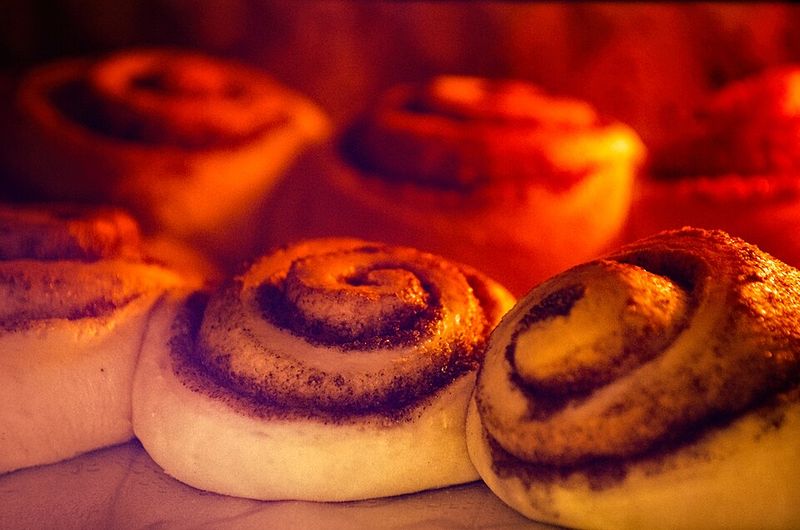
Walk into a school lunchroom in Nebraska or Kansas and you may spot a tray holding a bowl of chili and a large cinnamon roll. For many Midwesterners, it is a comfort meal that feels like home.
Fans say the sweet, soft pastry balances the smoky, spicy stew. Some people dunk pieces of the roll right into the chili, while others alternate bites.
Local diners and restaurants have served the pairing for decades.
Europeans may find it surprising because pastries are typically saved for breakfast or an afternoon coffee break. A dessert-like roll alongside a meaty main dish breaks the usual order of a meal.
The combination is a regional tradition, not a nationwide habit, so many Americans from other states are just as curious about it as visitors from abroad.
9. Grape Jelly in Meatballs
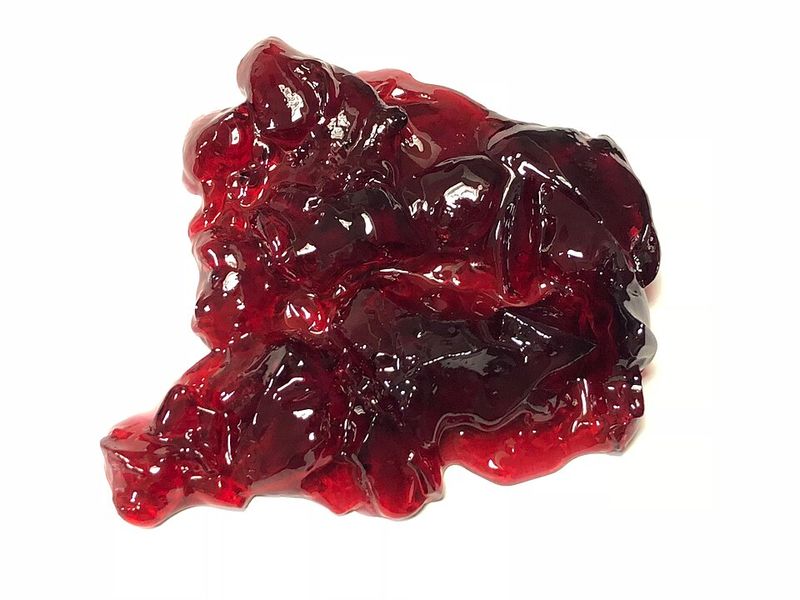
Party hosts across the United States rely on a slow cooker and just three ingredients: frozen meatballs, a jar of grape jelly, and a bottle of chili sauce. After a few hours, the meatballs are coated in a shiny, sweet, tangy glaze.
The recipe spread through church potlucks, holiday parties, and game-day gatherings from the 1950s onward. It remains popular because it takes almost no effort and feeds a crowd.
Europeans may be surprised by fruit jelly in a meat dish, but the idea is not entirely foreign. Swedish meatballs come with lingonberry jam, and many European roasts are served with cranberry or redcurrant sauces.
Barbecue sauce can replace the chili sauce for a smokier flavor. Either way, the result is a sticky appetizer that disappears fast from the buffet table.
10. Cheddar Cheese on Apple Pie
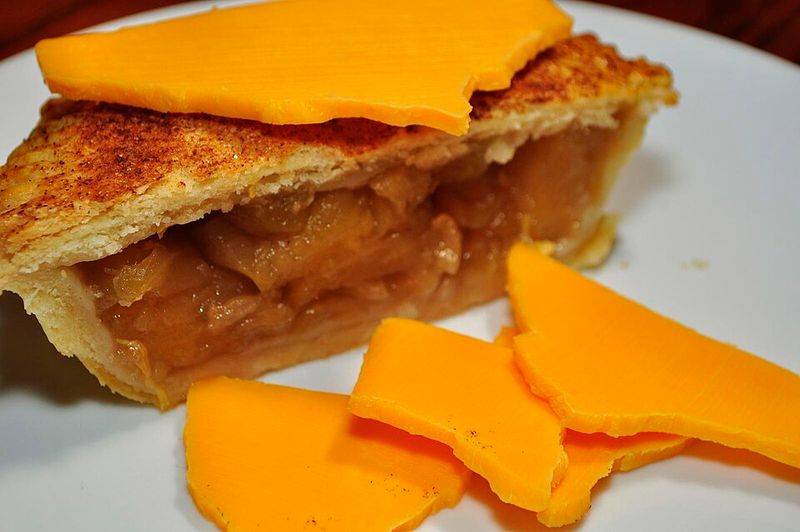
“An apple pie without the cheese is like a kiss without the squeeze.” That old saying has been popular in parts of New England and the Midwest for generations. A slice of sharp cheddar on top of warm pie is the classic move.
The tradition is thought to have English roots, where fruit pies and cheese were eaten together long ago. Settlers carried the habit to America, and it stuck in regions with strong dairy farming.
Today, many Europeans think of cheese as a separate course served after dinner, so putting it on dessert can seem strange. Americans who love the pairing say the salty, tangy bite brings out the sweetness of the apples.
If you want to try it, use a firm cheddar and melt it slightly on the pie in the oven for a few minutes.
11. Butter in Coffee
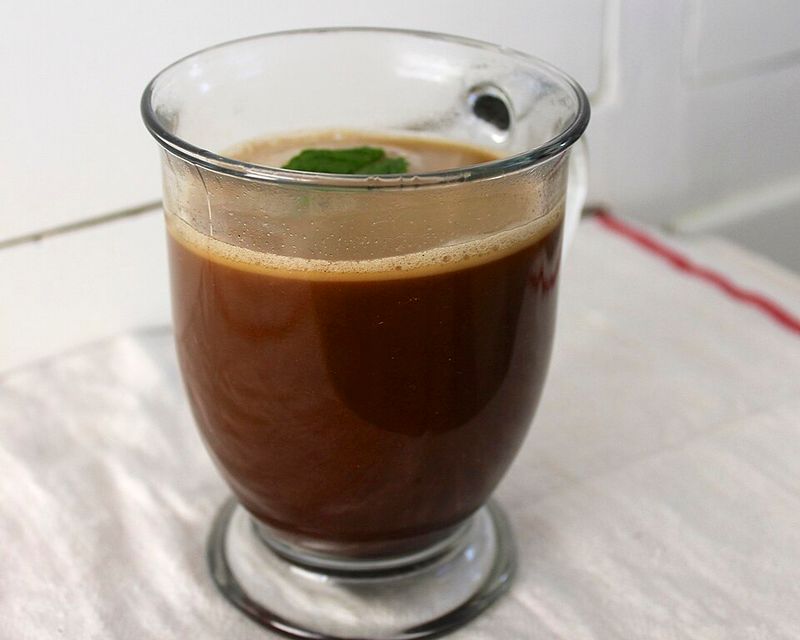
Stirring a spoonful of butter into your morning cup sounds like a dare, yet it became a real trend. Often called bulletproof coffee, the drink blends brewed coffee with butter and sometimes oil, producing a creamy, latte-like texture.
The idea gained attention in the 2010s among people following low-carb and high-fat diets. Its creator was inspired by yak butter tea, a traditional drink in Tibet and the Himalayan region.
It is important to say this is not a common daily habit for most Americans. Most still reach for milk, cream, or flavored creamer.
Nutrition experts also note that the drink contains a lot of saturated fat and should not be treated as a health cure.
Europeans tend to prefer espresso, cappuccino, or filter coffee, so the buttery version often raises eyebrows at cafe tables.
12. Mayonnaise on Corn on the Cob
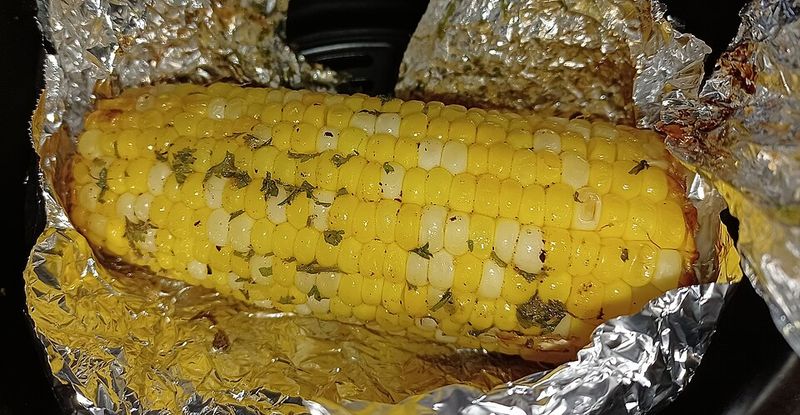
Summer street fairs and backyard cookouts across the United States often feature elote, a Mexican-style grilled corn. The cob is brushed with mayonnaise, rolled in cheese, and finished with chili powder and a squeeze of lime.
For many Europeans, corn on the cob is a plain side dish with butter and salt, if it is eaten at all. In several countries, sweet corn mostly appears in salads or on pizza.
A creamy, spicy coating is a big change.
The mayonnaise acts like butter, helping the cheese and spices cling to each kernel. Its slight tang also keeps the flavor from feeling heavy.
Elote grew popular in American cities with large Mexican communities and then spread nationwide. Many grocery stores now sell ready-made elote seasoning, so home cooks can recreate it with ease.
13. Potato Chips Inside Sandwiches

Crunch is the whole point here. Many Americans slide a handful of potato chips between slices of bread, right next to the turkey, ham, or tuna salad.
Biting into the sandwich then gives a satisfying snap.
Lunch counters and school cafeterias have long served chips as a side, so tucking them inside is simply the next step. It saves a bit of time, and some people say it keeps the sandwich from tasting soft or dull.
Europeans do enjoy chips with sandwiches, particularly in the United Kingdom, where a crisp sandwich is a known treat. Still, other countries tend to keep the snack on the side or skip it entirely.
Plain salted or kettle-cooked chips work best, since strong flavors can overpower the filling. Crush them lightly first to make the sandwich easier to bite.
14. Chocolate Chips in Pancakes
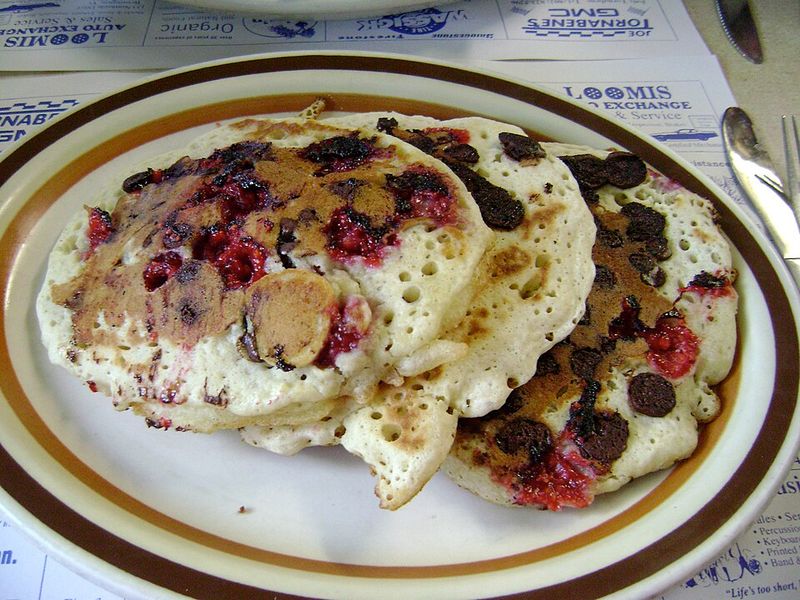
Weekend brunch in the United States can look a lot like dessert. Tall pancakes, studded with melting chocolate chips, arrive piled with whipped cream, syrup, and sometimes sprinkles.
Diners and chain restaurants serve them all day long.
American pancakes are thick and fluffy, raised with baking powder. They differ from thin European versions such as French crepes or Dutch pannenkoeken, which are often rolled and served with lemon, sugar, or fruit.
Because the American style soaks up toppings so well, cooks feel free to add whatever sweet extras they like. Blueberries, bananas, and peanut butter chips are also common choices.
For a lighter plate, many families keep the chocolate chips for special occasions and use fresh fruit on regular mornings. Either way, a big stack is meant to be shared at the table.
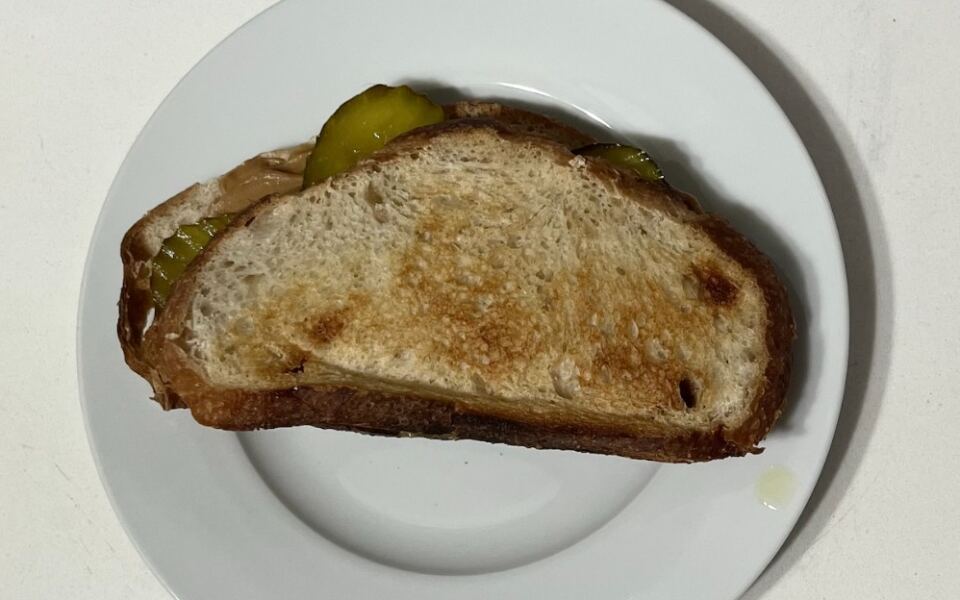
15. Pickles on Peanut Butter Sandwiches
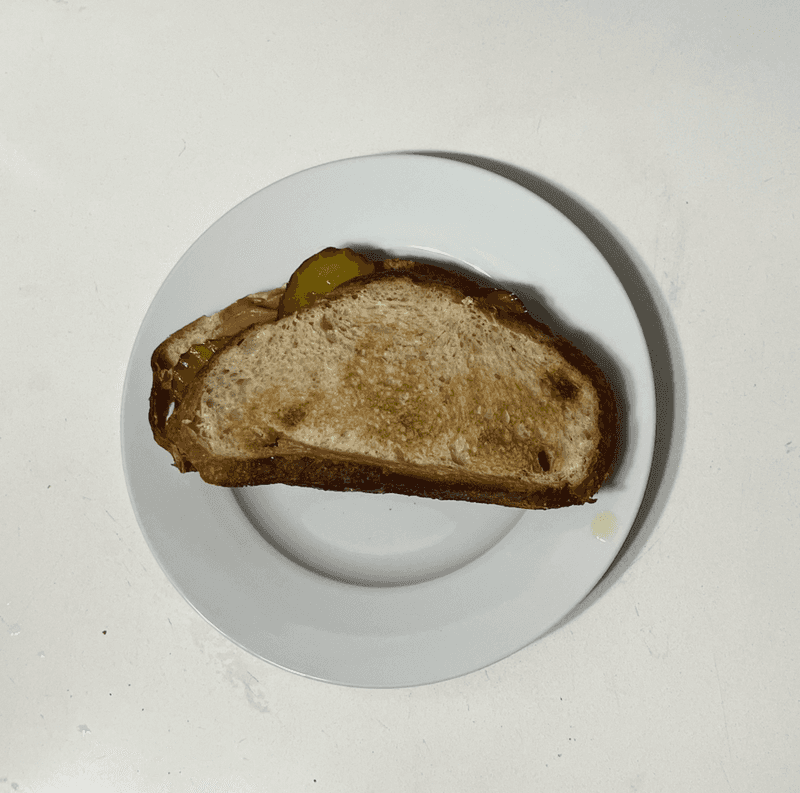
Creamy, salty, and sour all in one bite: that is the appeal of a peanut butter and pickle sandwich. It sounds like a prank, yet recipes for it have appeared in American cookbooks and newspapers since the early 1900s.
The pickles add crunch and a sharp tang that cuts through the sticky richness of peanut butter. Fans often use dill or bread-and-butter pickles, depending on whether they like a sour or slightly sweet flavor.
Europeans, who may already be puzzled by peanut butter and jelly, usually respond with even more doubt. Pickles are more often served with cold meats, cheese, or sausages in many European countries.
Not every American eats this sandwich, and it remains a niche favorite. Still, it shows how creative home cooks can be with simple pantry ingredients when they feel like trying something new.
Share this story