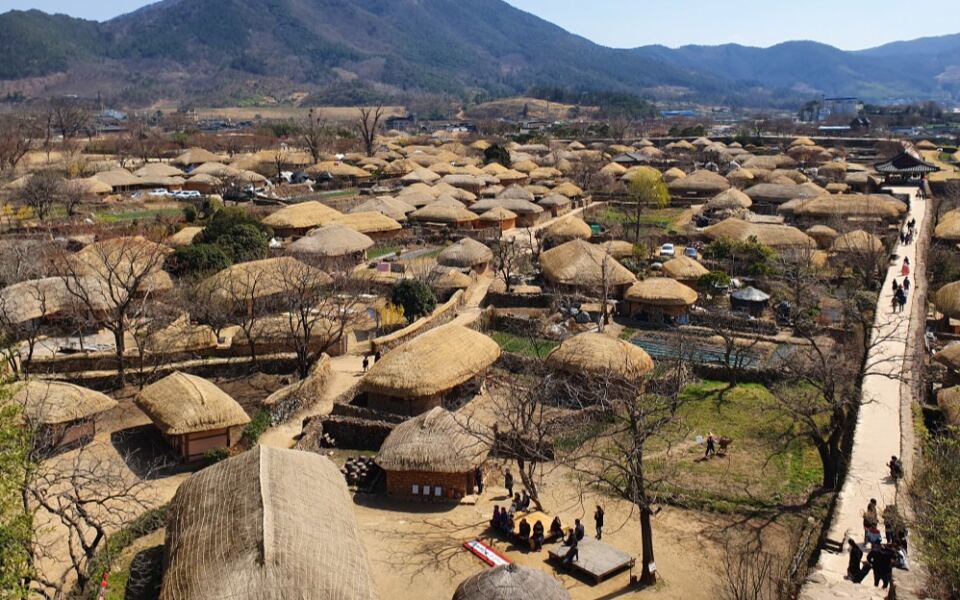
South Korea gets a lot of attention for Seoul, Jeju Island, and Gyeongju, but the country holds far more than its famous highlights. Beyond the well-worn tourist routes, there are bamboo forests, ancient walled villages, coastal islands, and limestone caves that most international travelers never find on their first visit.
These are the kinds of places that reward a little extra planning and a willingness to go slightly off the beaten path. Whether you are road-tripping through Gangwon-do, island-hopping along the western coast, or exploring the quieter corners of Jeollanam-do, this list covers 17 places worth adding to your South Korea itinerary.
Each one offers something genuinely different, and most see only a fraction of the crowds that flock to Korea’s biggest landmarks.
Seondol Cliff, Yeongwol, Gangwon-do
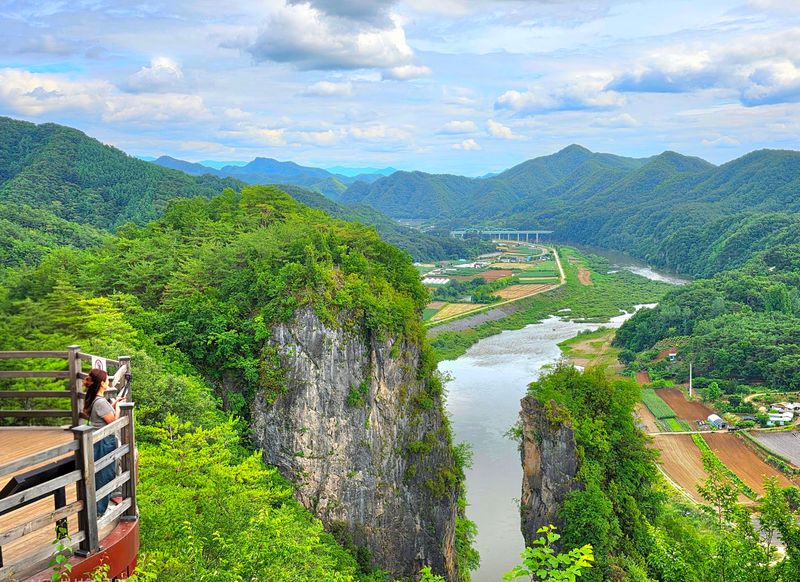
Few geological formations in South Korea look quite as striking as Seondol Cliff in Yeongwol. The limestone rock appears to have been cleanly separated from the surrounding mountainside, leaving a massive pale formation standing above a river that curves through densely forested hills below.
The view from the lookout point is genuinely dramatic, even though this spot rarely appears on international travel lists.
Getting here is straightforward for anyone already driving through Gangwon-do. No ticket booth, no timed entry, and no reservation required.
VISITKOREA lists it as open 24 hours a day year-round, with parking available on-site.
Autumn is probably the best season to visit, when the surrounding hillsides turn orange and red around the pale rock. Summer offers a lush green contrast against the limestone.
Either way, this is a road trip stop that delivers a real landscape payoff without asking much in return from the traveler.
Hwaam Cave, Jeongseon, Gangwon-do
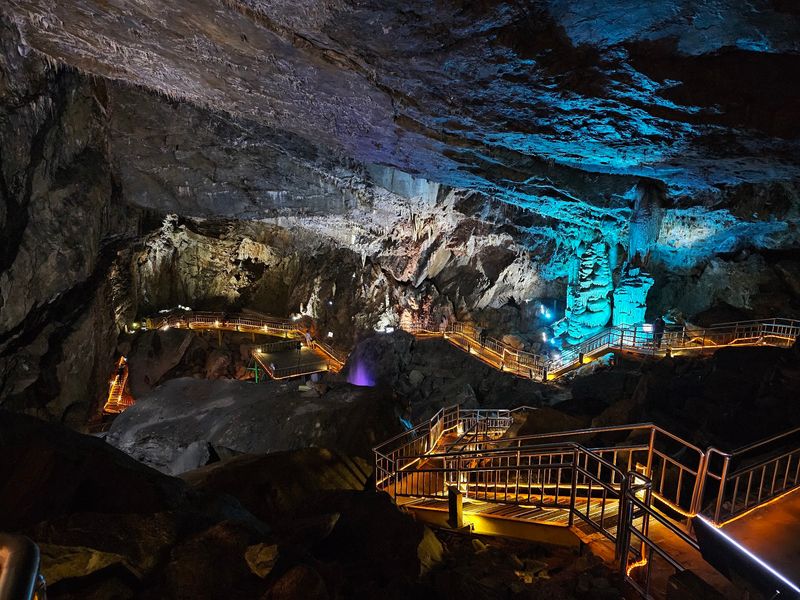
Hwaam Cave is not your average cave tour. Beneath the mountains of Jeongseon, this 1.8-kilometer underground route combines a former gold mine with a natural limestone cave system, making it one of the more unusual attractions in all of Gangwon-do.
Sections of the old Cheonpo Mine show how gold was discovered and extracted, while deeper areas reveal natural formations including stalagmites, stalactites, flowstones, cave coral, and helictites.
The combination of industrial history and geological wonder keeps the experience moving. There is always something different around the next corner, whether it is a mining exhibit or an unexpected rock formation lit from below.
Hwaam Cave remains open as a visitor attraction in 2026. General hours run from 9:30 a.m. to 6 p.m., though admission cutoffs and monorail service end earlier.
Wednesdays are typically the closing day outside peak season, so plan accordingly before making the drive.
Oeam Folk Village, Asan, Chungcheongnam-do
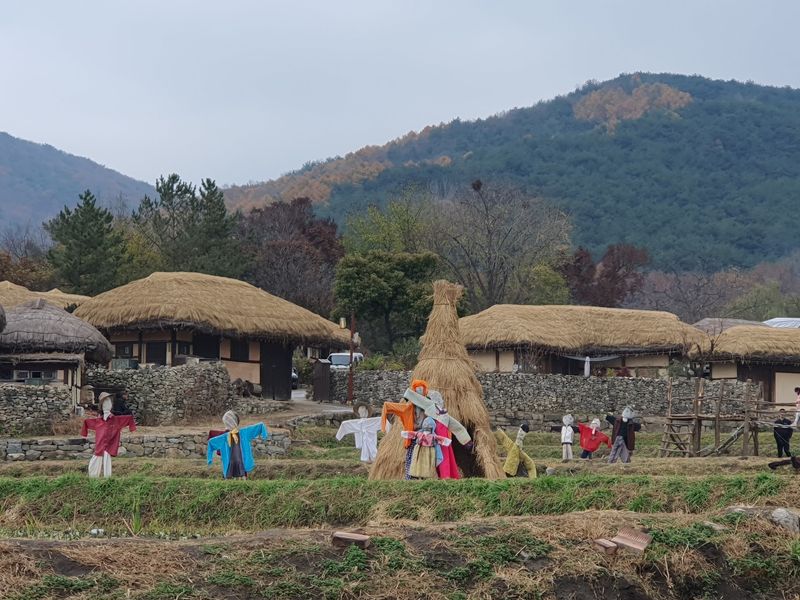
More than 500 years of agricultural history are preserved inside Oeam Folk Village in Asan. Stone walls, narrow lanes, traditional homes, and a genuinely unhurried atmosphere make this one of the most peaceful heritage stops between Seoul and central Korea.
Unlike some heritage districts that can feel staged or overcrowded, Oeam holds onto a quieter, more authentic character.
The village is not just a walk-through attraction. Visitors can participate in traditional experiences and even stay overnight in hanok accommodation, which makes it possible to see the settlement in early morning light before day visitors arrive.
Oeam has also appeared in Korean television productions, including Missing: The Other Side 2, which may add a layer of interest for Korean drama fans. Current hours are 9 a.m. to 6 p.m. in summer and 9 a.m. to 5 p.m. in winter.
The village is open year-round.
Sosuseowon Confucian Academy, Yeongju, Gyeongsangbuk-do
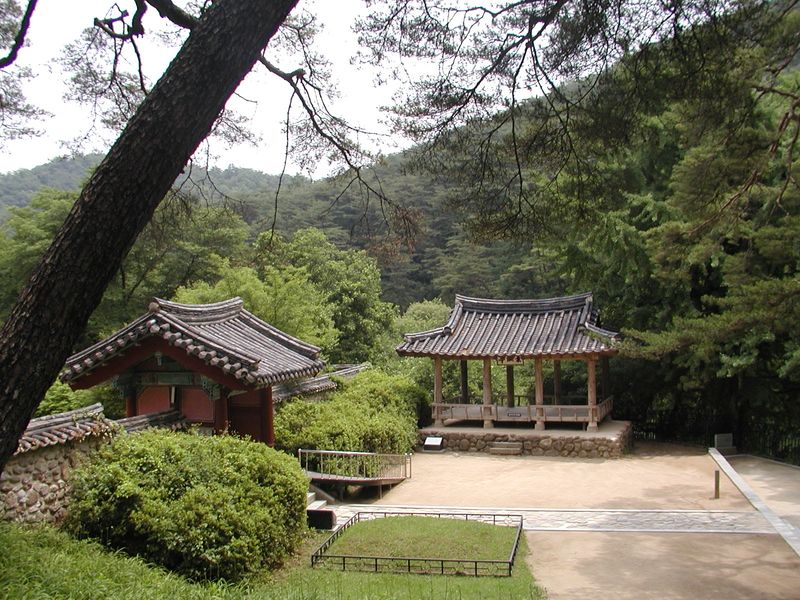
Founded in 1542 by scholar Ju Se-bung, Sosuseowon holds the distinction of being the first private Confucian academy in Korea to receive a royal charter. That history alone makes it worth seeking out, but the setting near Sobaeksan Mountain seals the deal.
Traditional buildings sit among mature trees beside a flowing stream, creating an environment that feels genuinely removed from the pace of modern Korean cities.
The academy is not just a relic. Visitors can walk the grounds, learn about Korea’s Confucian educational traditions, and appreciate architecture that has endured for centuries.
Sosuseowon is also part of a UNESCO-inscribed group of Korean Seowon academies, which adds important context to the visit.
Year-round access is available, with seasonal hour adjustments. During September and October, current hours run from 9 a.m. to 5 p.m.
Admission is inexpensive, parking is available, and the grounds are compact enough to explore comfortably in a couple of hours.
Guryongpo Japanese House Street, Pohang, Gyeongsangbuk-do
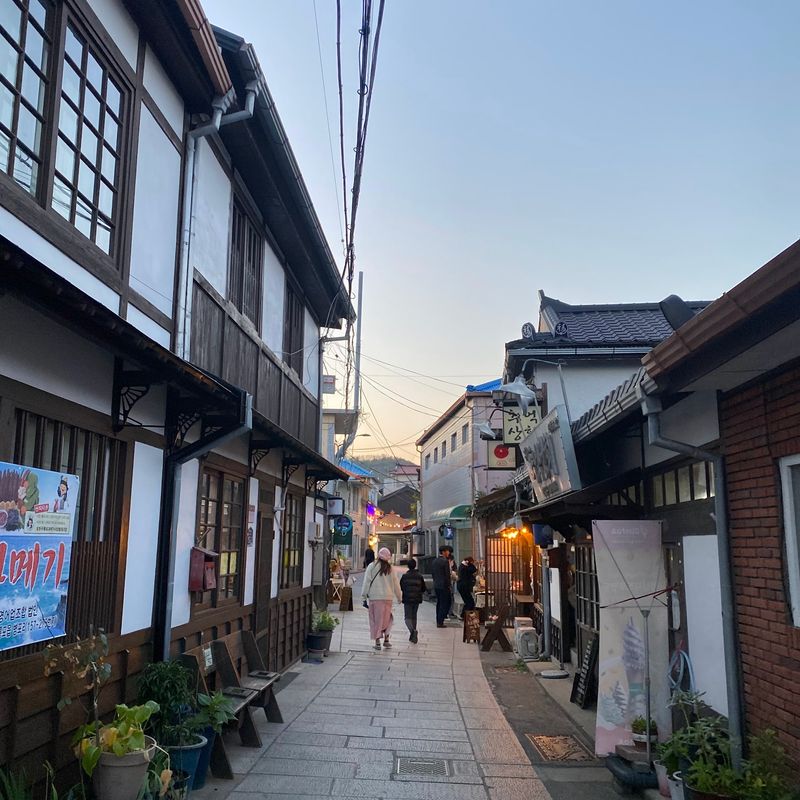
Guryongpo is a small coastal neighborhood in Pohang that preserves a complicated chapter of Korean history. During the period when Japanese settlers became involved in the East Sea fishing industry, dozens of Japanese-style wooden houses were built along these streets.
Rather than erasing that history, Pohang preserved 47 of the structures and turned the district into a place where visitors can learn about that era directly.
Walking the street is free and accessible year-round. Visitors can climb the staircase overlooking the fishing village for a wider view of the neighborhood, or enter the Guryongpo Modern History Museum to understand more about daily life during the period.
The museum currently operates from 10 a.m. to 5:30 p.m. and closes on Mondays.
Fans of Korean television may recognize several locations here from When the Camellia Blooms. Whether you come for the history or the drama connection, Guryongpo rewards a slow, on-foot exploration.
Yangdong Village, Gyeongju, Gyeongsangbuk-do
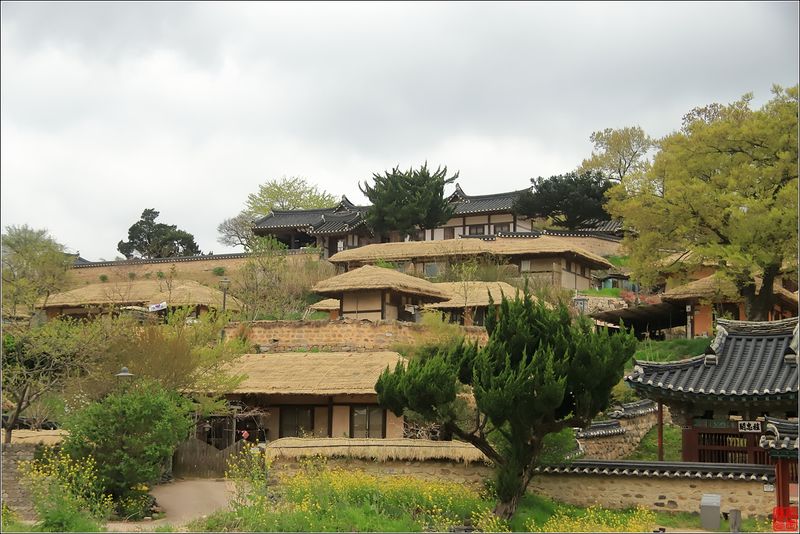
Gyeongju is known for its royal tombs and Silla-era monuments, but Yangdong Village sits outside the city center and operates on an entirely different scale of history. This UNESCO World Heritage-listed clan village contains around 160 historic houses, including dozens that are more than 200 years old.
Tiled-roof aristocratic residences and simpler thatched cottages coexist within the valley, giving visitors a sense of how different social classes lived within the same traditional community.
Because Yangdong is still a living village, a few rules apply. Visitors are expected to respect private residences and avoid entering homes without permission.
That boundary is worth honoring, because it is precisely what keeps the village feeling real rather than performative.
The site is open year-round. Current visitor hours run until 7 p.m. from April through September and until 6 p.m. from October through March.
No major entrance fee is required to walk the village paths.
Seonyudo Island, Gunsan, Jeonbuk-do
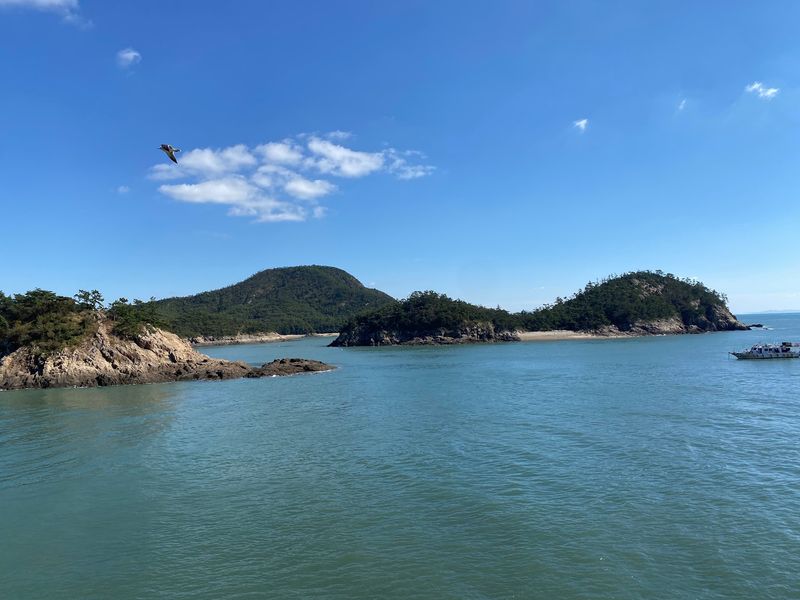
Seonyudo is part of the Gogunsan Archipelago off Korea’s western coast, and it rewards travelers who prefer exploring at their own pace rather than following a strict tour schedule. Bridges connect Seonyudo with Munyeodo, Jangjado, and Daejangdo, making it possible to move between several islands by bicycle or on foot without constantly relying on boat connections.
Myeongsasimni Shore is one of the best-known stretches of coastline on the island, while Mangjubong Peak provides wide views across the surrounding archipelago. Fishing village scenery and tidal landscapes add variety beyond the beach.
The island has a solid tourism infrastructure, with accommodations, restaurants, bicycle rentals, stores, and campgrounds all available. Summer brings more visitors to the main beach area, but moving even a short distance from the main attractions reveals noticeably quieter stretches of coastline and countryside.
For a western coast island experience, Seonyudo is a strong and practical choice.
Wido Island, Buan, Jeonbuk-do
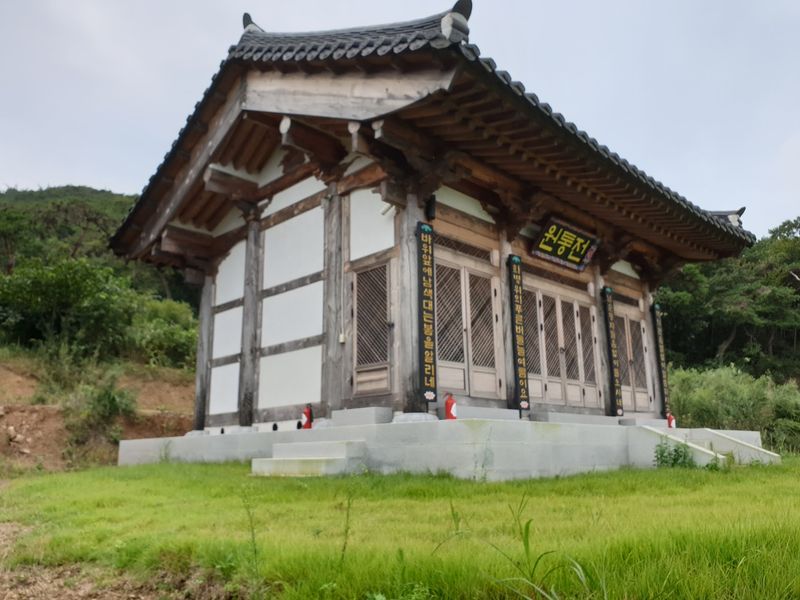
About 13 kilometers off the coast of Buan, Wido offers a different kind of island experience than the more visited Seonyudo. Part of the Jeonbuk West Coast National Geopark, the island is characterized by rugged shoreline scenery, unusual rock formations, open sea views, and small fishing settlements rather than developed resort facilities.
Wido Beach provides a proper sandy destination, with restrooms, showers, and bicycle rentals available. Beyond the beach, coastal viewpoints and tidal-flat scenery make for a slower, more contemplative visit.
The island is listed as accessible from sunrise to sunset.
Getting to Wido requires taking a ferry from the mainland, which means checking schedules and weather conditions before departure. Marine transportation operates according to timetables that can shift, so building some flexibility into your plans is practical rather than optional.
For travelers who enjoy quiet, geopark-quality coastal scenery without heavy crowds, Wido is worth the extra planning it takes to reach.
Seonamsa Temple, Suncheon, Jeollanam-do
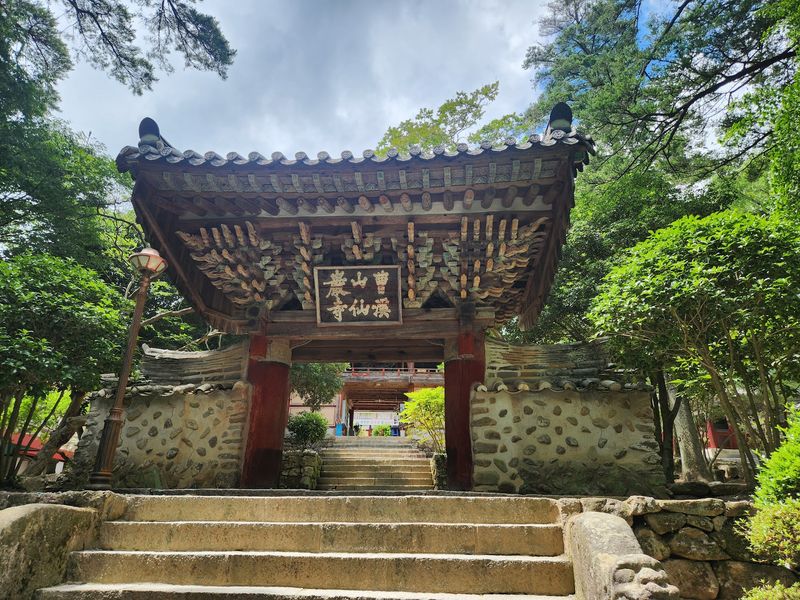
Reaching Seonamsa involves a roughly one-kilometer walk through forest on the eastern side of Jogyesan Mountain, which already sets the tone before the temple comes into view. The approach itself is part of the experience, and arriving on foot after that tree-lined path makes the complex feel genuinely earned.
The most photographed feature is Seungseongyo, an elegant stone arch bridge spanning a clear stream near the temple entrance. Beyond it, centuries-old trees, stone pagodas, temple halls, and courtyards fill the grounds.
Seonamsa is also part of UNESCO’s recognition of Korea’s traditional Buddhist mountain monasteries, placing it among the country’s most historically significant religious sites.
Despite that designation, the atmosphere here stays noticeably calmer than at many of Korea’s well-known temples. Admission is free, parking is available, and the site is open year-round.
Spring blossoms and autumn foliage make the surrounding forest particularly appealing during those seasons.
Naganeupseong Walled Town, Suncheon, Jeollanam-do
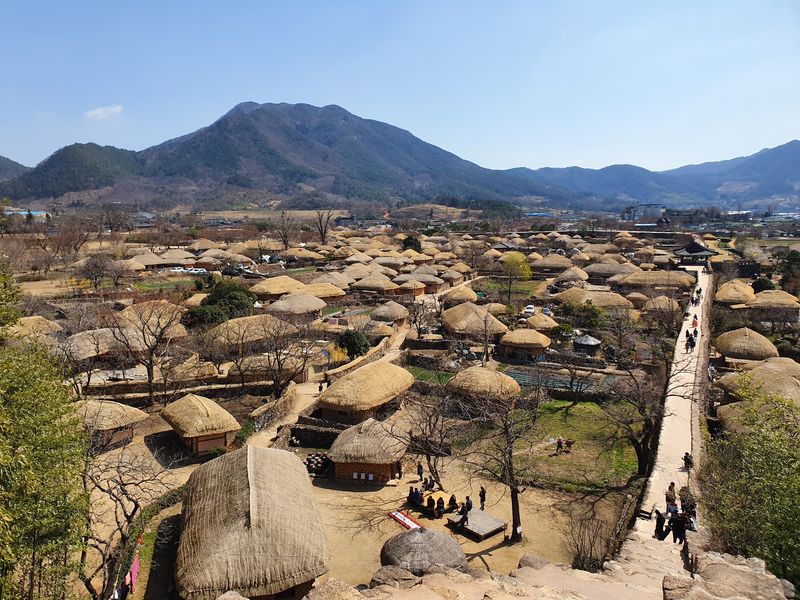
What makes Naganeupseong stand apart from Korea’s other heritage villages is the fortress wall itself. Stretching more than a kilometer around the settlement, the stone defensive wall is intact enough for visitors to climb and walk portions of it, looking down over a landscape of traditional thatched-roof houses below.
That elevated perspective gives a genuine sense of how the town was organized and protected centuries ago.
Inside the walls, the lanes and homes reflect everyday village life rather than aristocratic architecture. Cultural programs may include music, crafts, dyeing, weaving, and calligraphy, though specific activities vary by date and season.
The combination of a preserved fortress and a functioning community within it makes Naganeupseong genuinely unusual among Korean heritage sites.
The village continues operating as a major attraction in 2026. From May through September, hours run from 8:30 a.m. to 6:30 p.m., with shorter schedules during other months.
Admission is charged and parking is available nearby.
Suncheonman Bay Wetland, Suncheon, Jeollanam-do
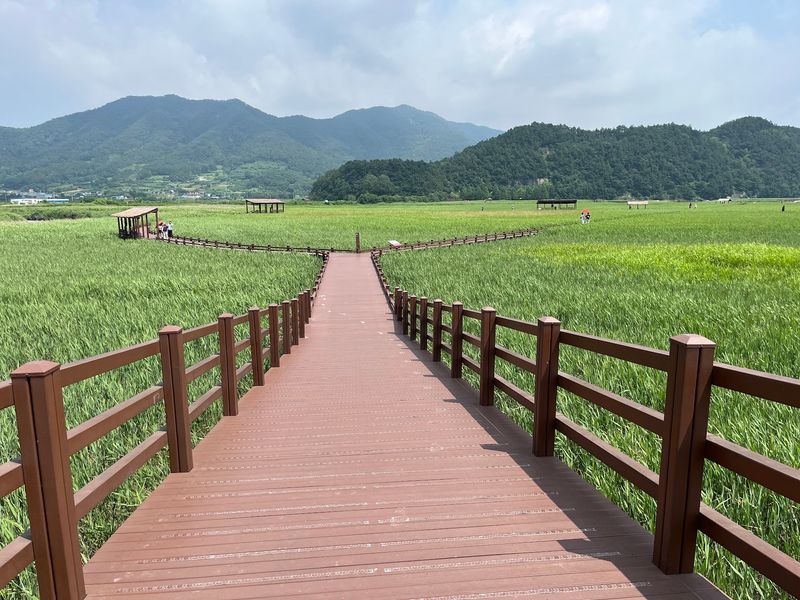
Suncheonman Bay presents a South Korea that looks nothing like the country’s urban or mountainous highlights. Vast reed beds, tidal flats, winding waterways, and open sky define the landscape here, making it one of the most ecologically significant wetlands on the Korean Peninsula.
Wooden paths allow visitors to cross sections of the reeds without disturbing the habitat. Following the route toward Yongsan Observatory eventually opens up a panoramic view of the bay’s distinctive S-shaped waterway, which is one of the most recognizable natural images associated with southern Korea.
Hooded cranes are among the bird species that make this wetland an important stop along migration routes.
The reserve is open to visitors with seasonal hour adjustments. During September and October, current hours are 8 a.m. to 6 p.m.
The site normally closes on the last Monday of each month, so that detail is worth confirming before visiting. Admission fees apply.
Cheongsando Island, Wando, Jeollanam-do
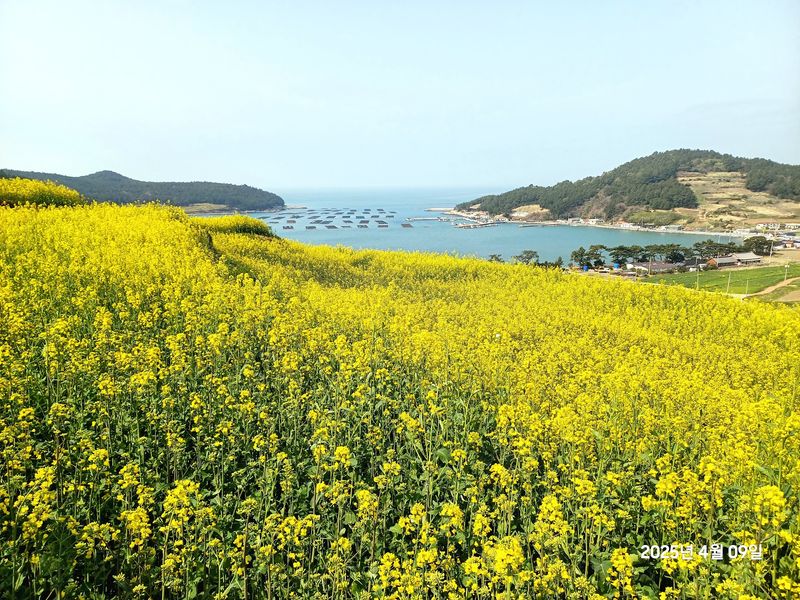
Cheongsando earned its association with the international Cittaslow movement for good reason. The island off the coast of Wando is designed for slowing down, with eleven designated Slow Paths encouraging visitors to explore on foot through preserved farming landscapes, low stone walls, and rolling green hills above the sea.
One of the island’s most distinctive agricultural sights is its traditional gudeuljang rice paddies, which use an unusual cultivation system adapted specifically to the island’s environment. That kind of site-specific farming tradition is increasingly rare and gives Cheongsando a character that goes well beyond scenic coastal views.
Passenger ferries connect the island with Wando in roughly 40 minutes under normal conditions. The island is listed as accessible year-round and 24 hours a day, though ferry departures naturally follow set schedules and depend on sea conditions.
Spring, when cherry blossoms and green fields overlap, is considered one of the most popular times to visit.
Juknokwon Bamboo Garden, Damyang, Jeollanam-do
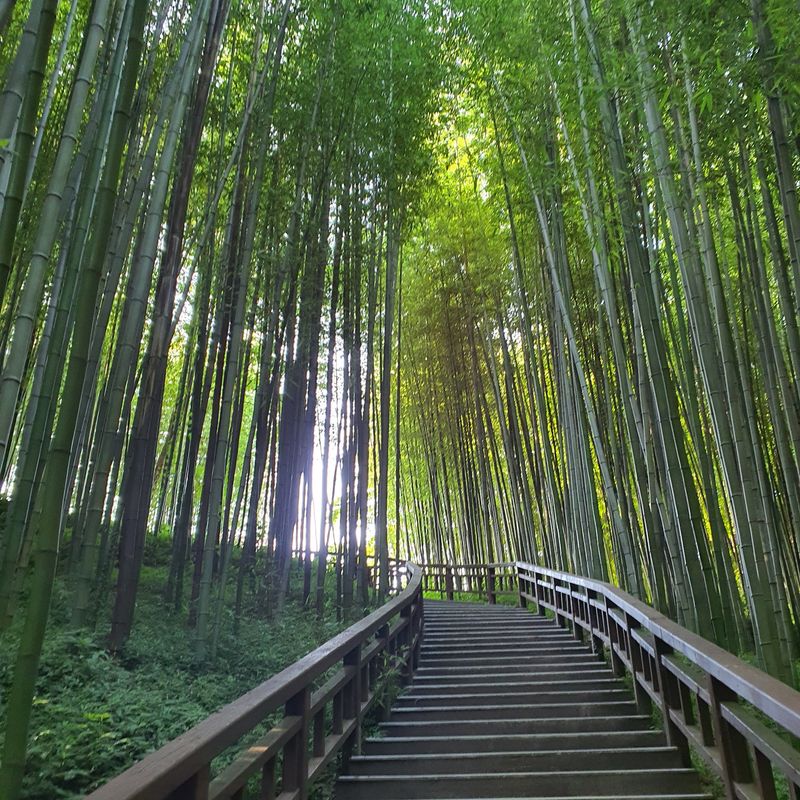
Damyang created Juknokwon in 2003, and the approximately 160,000-square-meter bamboo garden has since become one of the most distinctive nature attractions in southern Korea. Stepping into the grove means walking beneath a dense canopy of towering bamboo that shades winding stone paths and filters the light into something noticeably cooler and greener than the surrounding landscape.
Even a light breeze sends a distinctive rustling sound through thousands of bamboo leaves overhead, which is one of those details that makes the experience feel genuinely different from any other garden walk in Korea. Traditional buildings and cultural spaces around the grounds add variety for visitors who want more than just the forest itself.
Juknokwon is open every day of the year. From March through October, current hours are 9 a.m. to 7 p.m., with last admission at 6 p.m.
Winter hours are slightly shorter. Damyang is also known for its local food scene, making the town worth a longer stop.
Oedo-Botania, Geoje, Gyeongsangnam-do
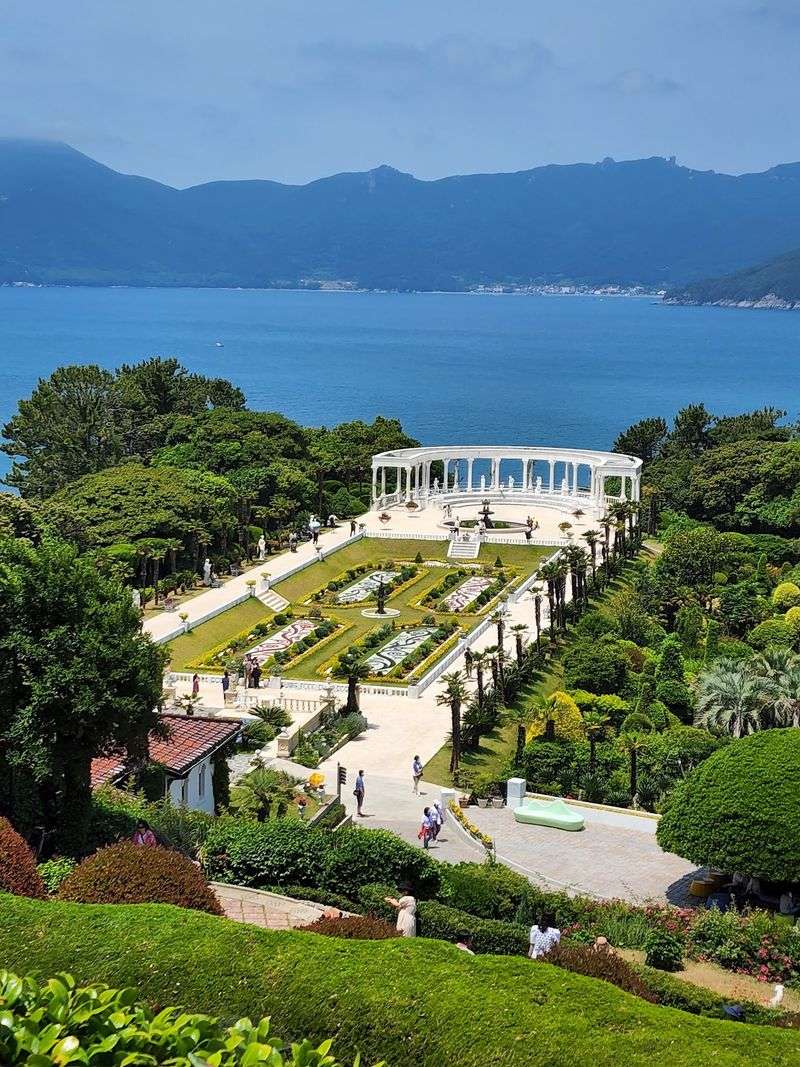
A subtropical botanical garden covering most of a small island off the coast of Geoje is not what most travelers expect to find in South Korea. Oedo-Botania contains more than 1,000 rare subtropical plants alongside sculpted terraces, viewpoints, and Mediterranean-inspired architecture that gives the island a visual character quite unlike anything else in the region.
The best-known section is Venus Garden, where statues stand among manicured plantings with open sea views in the background. The overall scale of the landscaping across such a small island is what makes the visit so surprising, particularly for first-time visitors who arrive without expectations.
Getting to Oedo-Botania requires taking an authorized sightseeing ferry from Geoje. Current listed hours are approximately 8 a.m. to 7 p.m. in summer and 8:30 a.m. to 5 p.m. in winter.
Ferry schedules and closures can change with weather conditions, so checking in advance before making travel arrangements is always a practical step.
Upo Wetland, Changnyeong, Gyeongsangnam-do
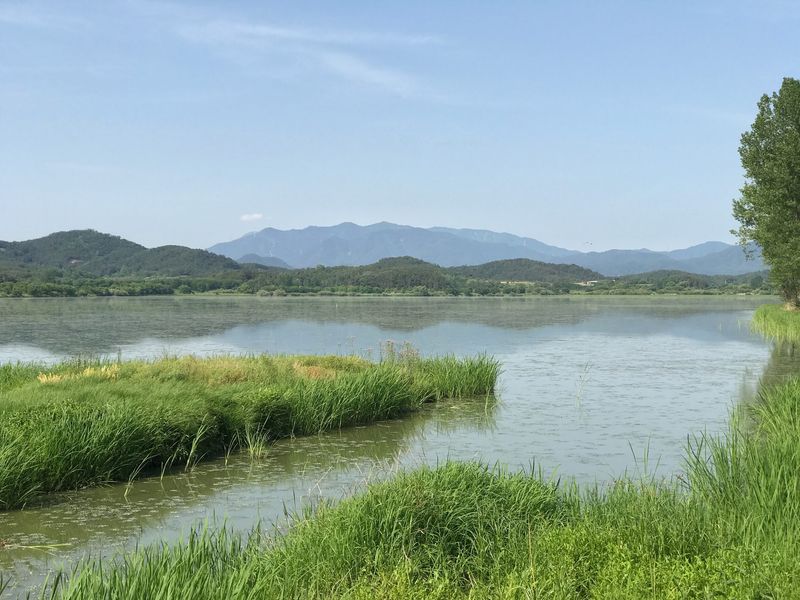
Korea’s largest natural inland wetland sits in Changnyeong, and most international travelers have never heard of it. Upo Wetland supports an impressive range of wildlife, including birds, fish, amphibians, reptiles, mammals, and extensive aquatic vegetation across a landscape that shifts noticeably with water levels, weather, and season.
Walking and cycling routes allow visitors to explore different sections of the marsh at their own pace. Early morning is particularly atmospheric when mist settles over the water, creating a stillness that feels completely separate from Korea’s more visited destinations.
The scenery here is subtle rather than dramatic, which is exactly the point for travelers seeking genuine natural quiet.
The Upo Wetland Eco Center generally operates from 9 a.m. to 6 p.m. and closes on Mondays and New Year’s Day, subject to schedule changes. The wetland itself remains accessible to visitors in 2026.
Cycling equipment can be rented nearby, making a full loop of the marsh a very manageable half-day outing.
Daewonsa Temple and Valley, Sancheong, Gyeongsangnam-do
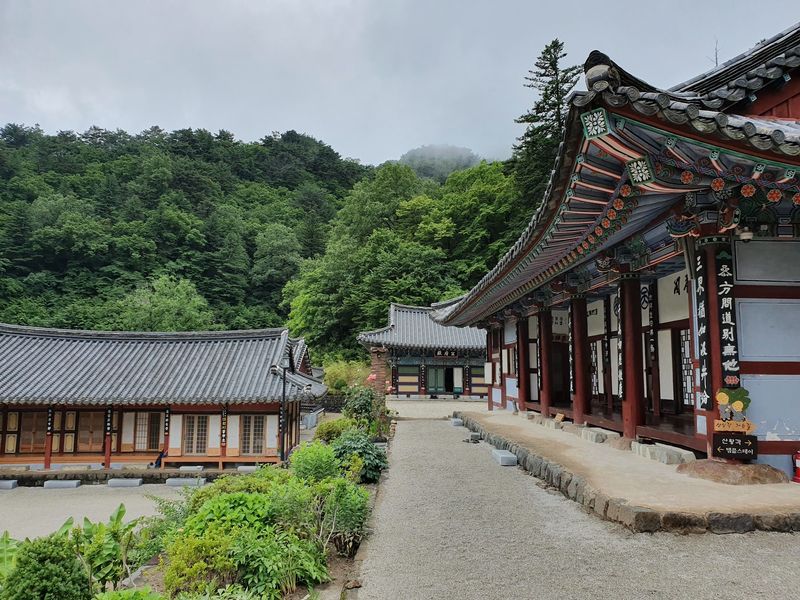
The valley leading to Daewonsa Temple is a strong argument for arriving on foot rather than rushing straight to the complex. A roughly two-kilometer route from the parking area follows clear water flowing between rocks beneath densely wooded hills, with the scenery improving steadily as the temple comes closer into view.
Daewonsa carries an unusually layered history. Its buildings were destroyed in a major fire in 1914, rebuilt, then damaged again during the Korean War before being restored to their current form.
That cycle of loss and rebuilding is woven into the character of the place in a way that makes the visit feel more meaningful than a simple temple stop.
VISITKOREA currently lists Daewonsa as open throughout the year, with parking available at the trailhead. Individual program times can vary, so checking the temple’s current information before planning around specific events is a practical step.
The Jirisan setting adds considerable natural appeal to the overall experience.
Bijarim Forest, Jeju Island
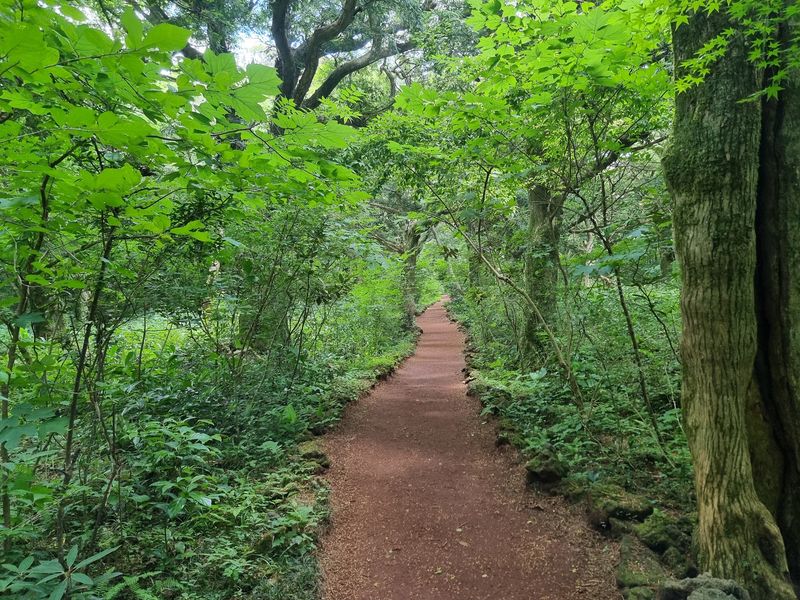
Jeju Island has no shortage of famous attractions, but Bijarim Forest offers something that waterfalls and volcanic peaks cannot. This ancient grove contains roughly 2,800 bija trees, many of them estimated to be between 500 and 800 years old.
The forest covers more than 448,000 square meters and is protected as a Natural Monument, which gives it a level of preservation that keeps the atmosphere genuinely undisturbed.
Well-maintained trails wind beneath the thick canopy, making the forest accessible for a calm woodland walk even for travelers who have no interest in strenuous hiking. The scale of the trees is what strikes most visitors, particularly the older specimens with wide trunks and deeply shaded crowns overhead.
Bijarim is open year-round with current operating hours of 9 a.m. to 6 p.m. and last admission one hour before closing. For anyone spending multiple days on Jeju and looking for a quieter alternative to the island’s busier coastal attractions, this grove is one of the better choices available.
Share this story