Some years drift by quietly, and some years refuse to sit still. In 1963, a gallon of gas cost about 29 cents, most families owned a single television, and the rotary phone was still the standard way to call a friend.
Yet in just twelve months, the United States and the wider world saw changes in civil rights, space travel, music, technology, and politics that still shape daily life today. A recording session finished in a single day helped launch a musical shift.
A famous island prison handed back its keys. A young woman from a textile mill orbited Earth.
Huge crowds gathered for justice, and a new kind of telephone arrived in two small Pennsylvania towns. Some moments were full of hope, while others brought the whole country to a standstill.
What makes this year special is how fast each headline followed the last. Keep reading for a month-by-month tour of 1963, packed with real dates, surprising facts, and the stories behind the moments people still talk about decades later.
1. January: George Wallace Makes a Defiant Promise in Alabama
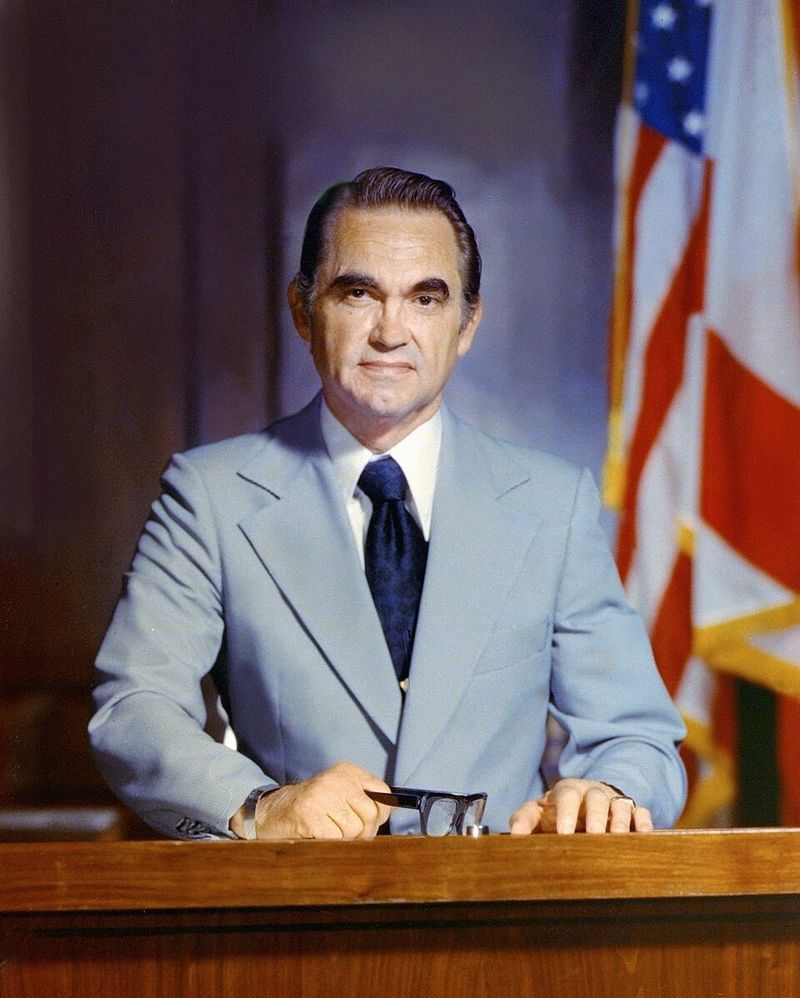
Inauguration speeches usually promise roads, jobs, and better schools. On January 14, 1963, Alabama’s new governor promised something very different.
George Wallace stood on the steps of the State Capitol in Montgomery and vowed to keep racial segregation in place. His line about segregation lasting forever became one of the most quoted statements of the civil rights era.
The timing mattered. Back in 1954, the Supreme Court had ruled in Brown v.
Board of Education that separate public schools were unconstitutional.
Many Southern officials still resisted that ruling nearly a decade later. Wallace’s speech made national headlines in The New York Times, Time, and Newsweek.
Here is a twist few people remember. In 1958, Wallace had run as a moderate and even earned NAACP support.
By 1963, his message had changed completely, setting up a showdown that arrived just five months later.
2. February: The Beatles Record Their First Album in a Single Day
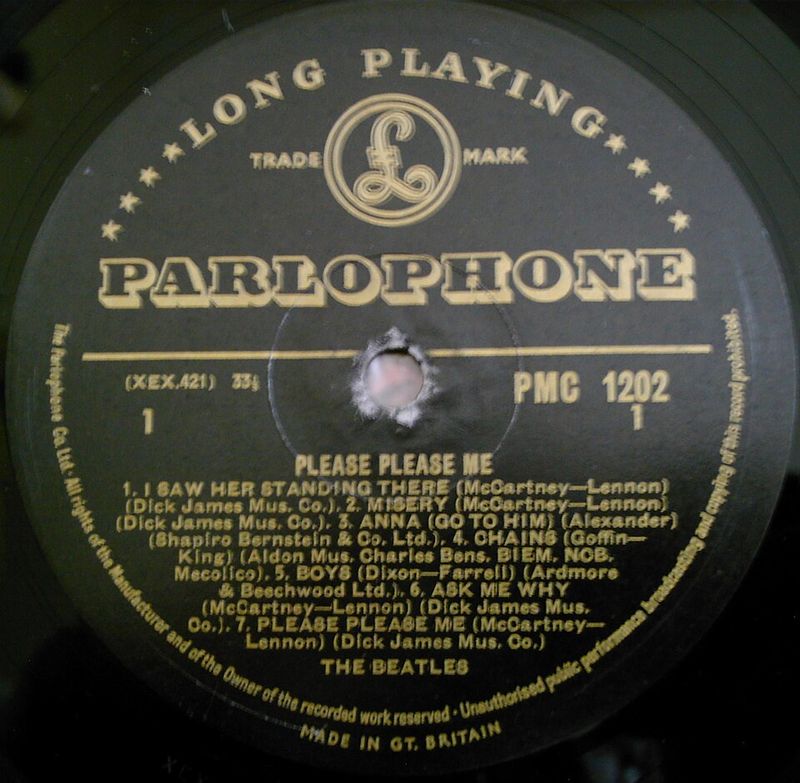
Modern pop albums can take years to finish. The Beatles needed about thirteen hours.
On February 11, 1963, John, Paul, George, and Ringo walked into EMI Studios on Abbey Road around 10 in the morning. By 10:45 that night, they had recorded ten songs for their debut album, Please Please Me.
Producer George Martin kept things simple. The band played the songs they had polished in Liverpool’s Cavern Club and in Hamburg, so most tracks needed only a few takes.
John Lennon had a bad cold all day and kept going with throat lozenges. His raspy final vocal on Twist and Shout was captured in one take.
Released on March 22, the album hit No. 1 in Britain and stayed there for 30 weeks. Not bad for a single long workday.
3. March: Alcatraz Closes After Nearly Three Decades
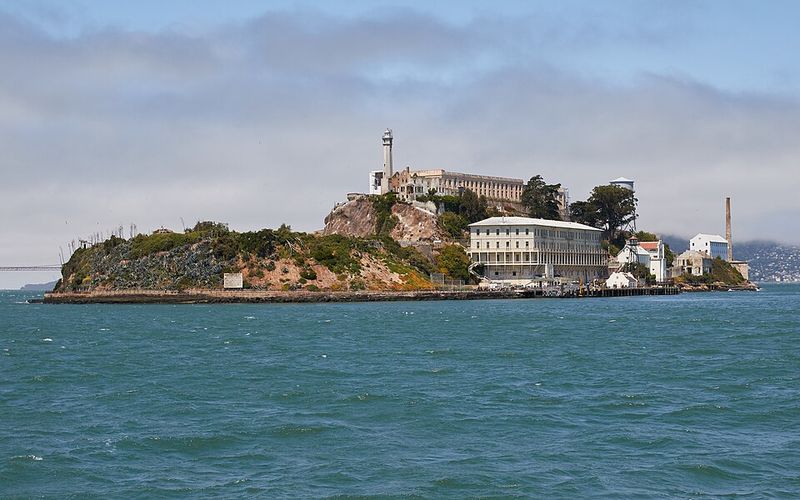
Running a prison on a rock in the middle of San Francisco Bay turned out to be very expensive. By 1959, Alcatraz cost about $10.10 per prisoner each day, roughly three times more than other federal prisons.
Everything had to come by boat. That included food, fuel, and nearly one million gallons of fresh water every week.
Salt air had also worn down the buildings. Engineers estimated repairs would cost $3 million to $5 million, so Attorney General Robert F.
Kennedy ordered the prison closed.
On March 21, 1963, the last 27 inmates left the island. Over the years, Alcatraz had held famous names like Al Capone and Robert Stroud, the Birdman of Alcatraz.
The 1962 disappearance of Frank Morris and the Anglin brothers still sparks debate today. Now the island welcomes over a million tourists each year instead.
4. April: Martin Luther King Jr. Writes From a Birmingham Jail
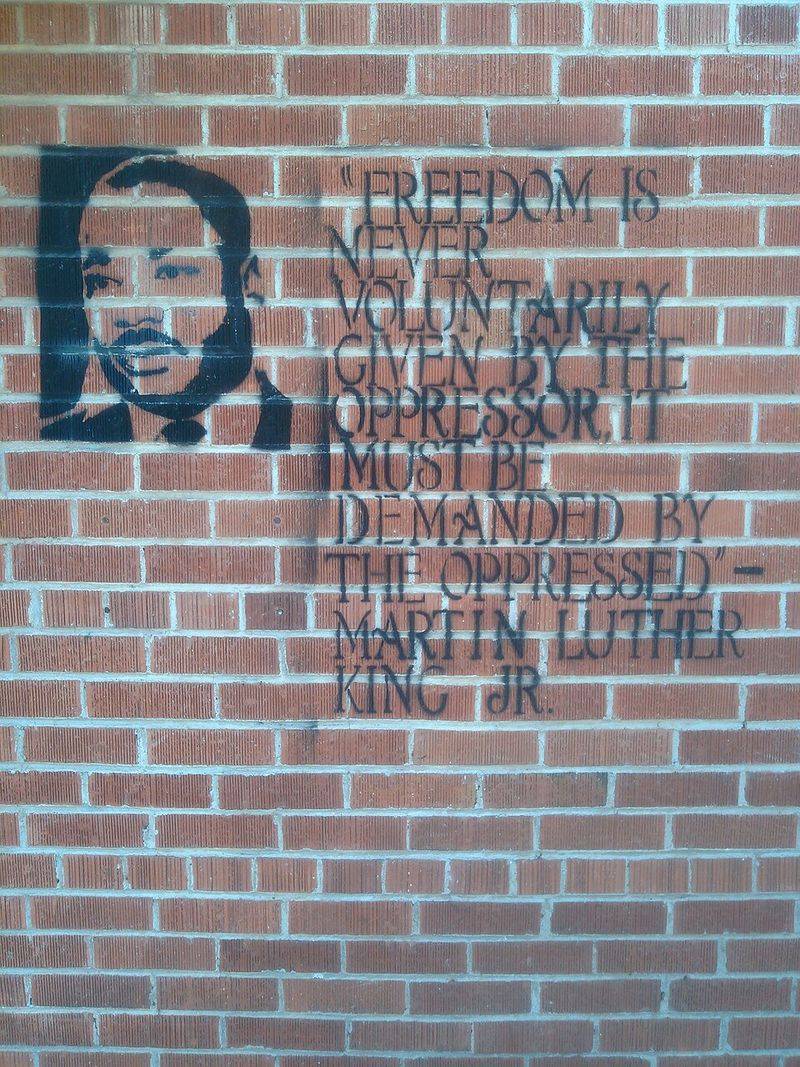
Some of history’s most important words were first scribbled in the margins of a newspaper.
Martin Luther King Jr. was arrested in Birmingham, Alabama, on Good Friday, April 12, 1963. He had joined a peaceful march that defied a court order against protests.
While in jail, King read a public statement from eight white clergymen. They called the demonstrations unwise and untimely and suggested waiting for the courts.
King answered with a long letter, written on newspaper edges and scraps of paper that were carried out of his cell. He explained why peaceful protest was needed and why waiting was not fair to people facing daily unfairness.
One line became famous everywhere: injustice anywhere is a threat to justice everywhere. The Letter from Birmingham Jail is still read in classrooms today, proof that a pencil can move a nation.
5. May: Birmingham’s Civil Rights Demonstrations Shock the Nation
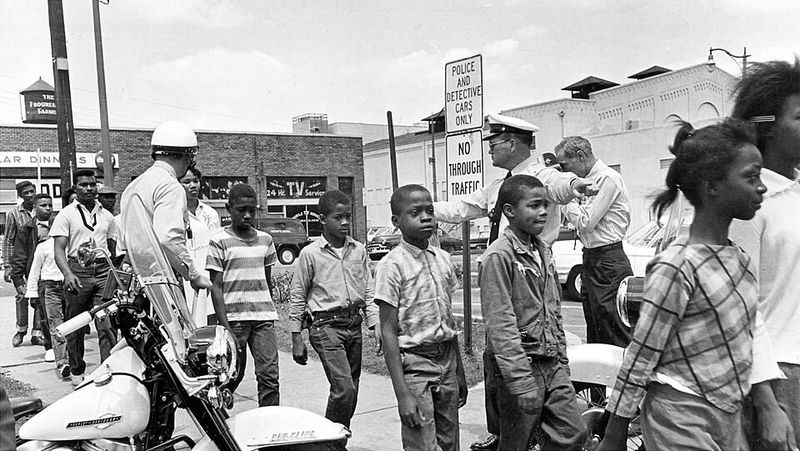
Teenagers changed the course of American history in May 1963, and some of them skipped school to do it.
Starting on May 2, thousands of Black students marched from the 16th Street Baptist Church toward downtown Birmingham. The event became known as the Children’s Crusade.
More than 1,000 young marchers were arrested on the first day alone. City official Bull Connor then ordered police dogs and powerful fire hoses turned on the crowds.
Television news and newspaper photographers recorded it all. Families across the country saw the images at dinnertime, and many people who had ignored the issue started paying attention.
On May 10, local business leaders agreed to desegregate lunch counters, restrooms, and fitting rooms and to hire more Black workers. Tensions did not vanish overnight, but the campaign built real momentum toward the Civil Rights Act of 1964.
6. June: A Governor Blocks a University Door
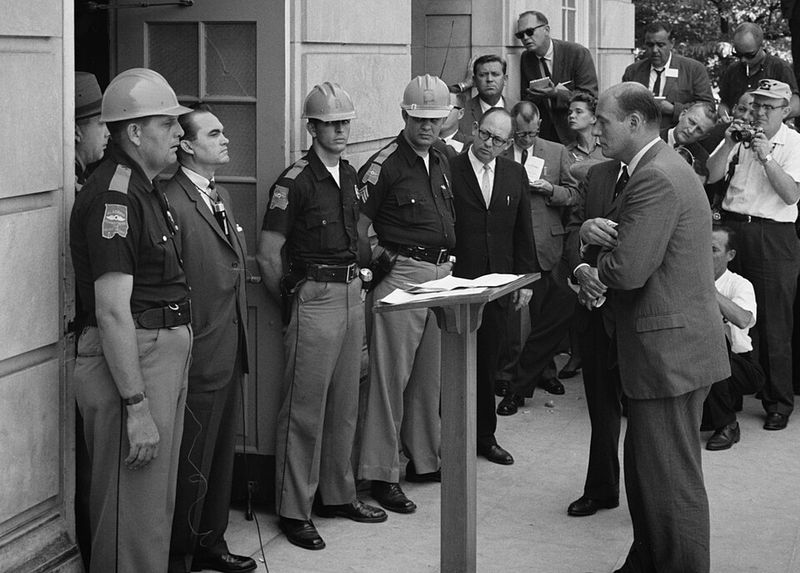
A doorway at the University of Alabama became one of the most watched spots in America on June 11, 1963.
Governor George Wallace planted himself at the entrance of Foster Auditorium. His goal was to stop two Black students, Vivian Malone and James Hood, from registering for classes.
Deputy Attorney General Nicholas Katzenbach arrived with federal marshals and a court order. Wallace gave a speech about states’ rights and refused to budge.
President Kennedy then placed the Alabama National Guard under federal command. Guard General Henry Graham asked Wallace to step aside, and he finally did.
Malone and Hood registered that afternoon. In 1965, Malone became the university’s first Black graduate.
That same evening, Kennedy spoke on television and called civil rights a moral issue. A week later, he sent a major civil rights bill to Congress.
7. June: The First Woman Travels Into Space
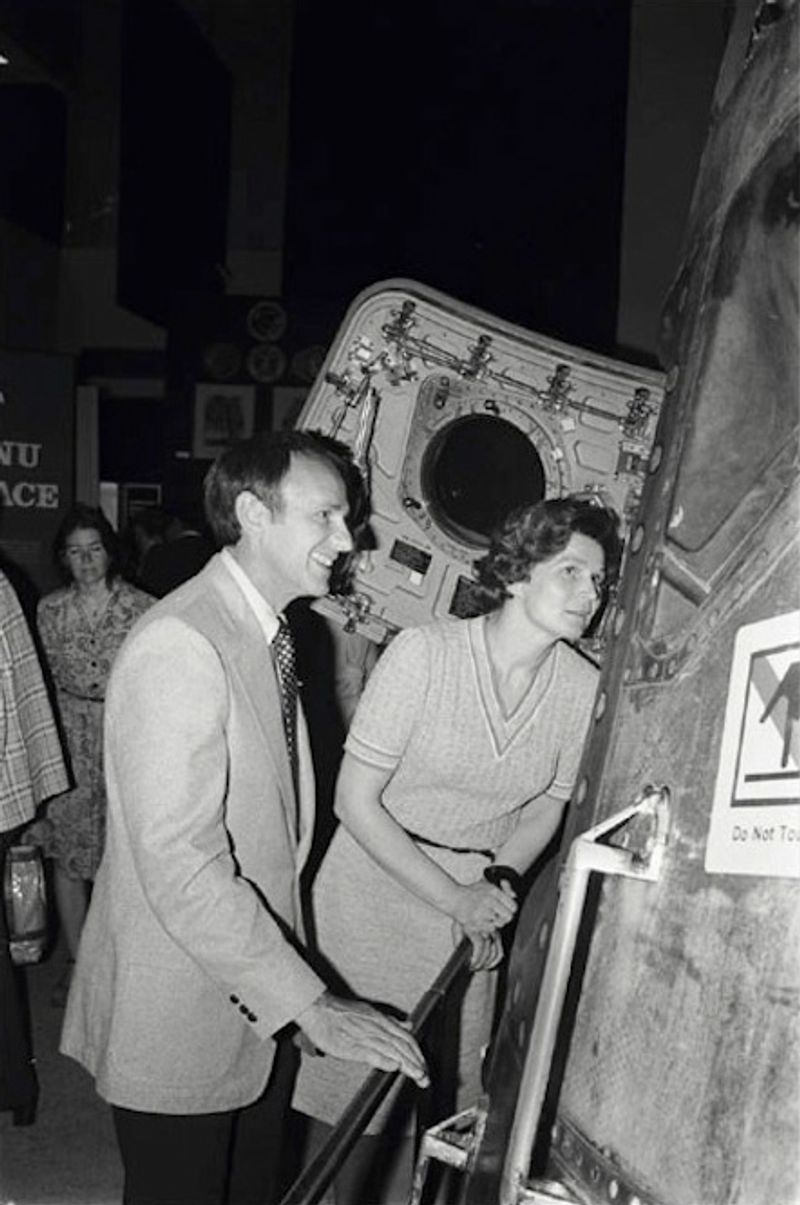
Before she reached orbit, Valentina Tereshkova worked in a textile mill and jumped out of airplanes for fun.
Her hobby of parachuting, with more than 90 jumps, helped her stand out among over 400 applicants. On June 16, 1963, the 26-year-old launched aboard Vostok 6 and became the first woman in space.
She circled Earth 48 times in about 71 hours. That is longer than all the American Mercury flights up to that point combined.
Her call sign was Chaika, which means seagull. During the flight, she took photos of the horizon, kept a flight log, and spoke by radio with Soviet leader Nikita Khrushchev.
She is still the only woman to fly a solo space mission. The United States sent its first woman, Sally Ride, into space exactly twenty years later in 1983.
8. June: President Kennedy Visits a Divided Berlin
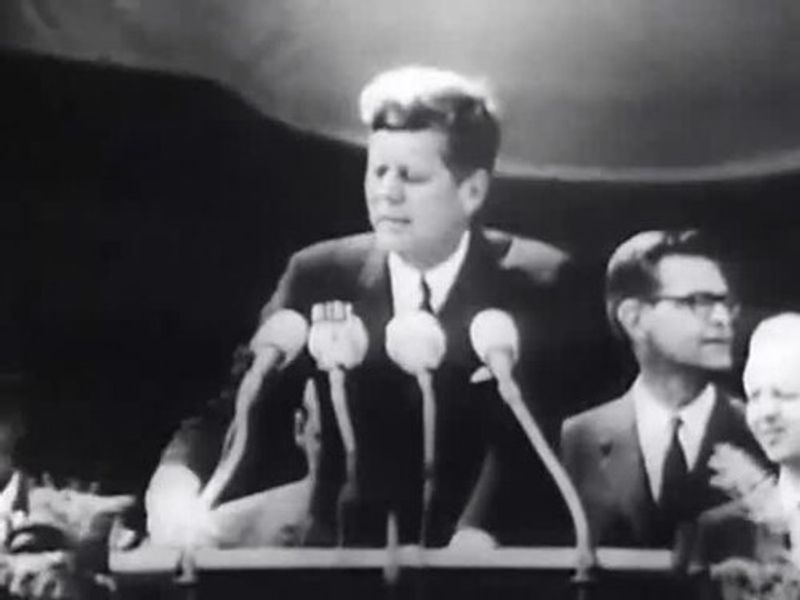
Four German words did more for one city’s spirits than any treaty that year.
On June 26, 1963, President Kennedy spoke to a massive crowd outside Rathaus Schoeneberg, West Berlin’s city hall. Estimates of the audience range from 120,000 to 450,000 people.
The Berlin Wall had gone up almost overnight on August 13, 1961. It split the city in two, and many West Berliners worried the West had forgotten them.
Kennedy practiced his key line with translator Robert Lochner. When he said Ich bin ein Berliner, meaning I am a Berliner, the crowd roared its approval.
A popular myth later claimed he called himself a jelly doughnut. Germans in the audience understood him perfectly, though.
The speech showed the United States would stand by West Berlin, a promise that lasted until the Wall came down in 1989.
9. August: The Great Train Robbery Captivates Britain and America
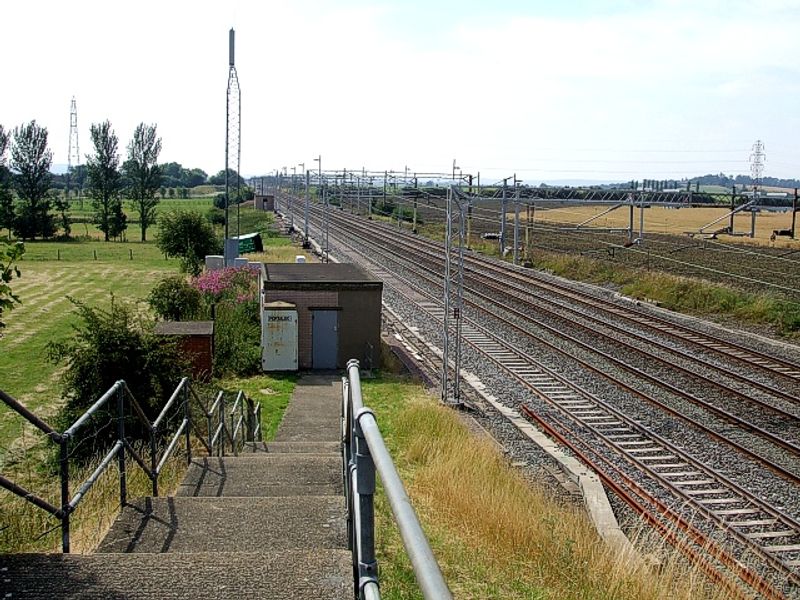
A glove and a six-volt battery were all it took to stop a Royal Mail train.
Early on August 8, 1963, a gang of about 15 men tampered with a railway signal near Cheddington in Buckinghamshire, England. They covered the green light with a glove and powered the red light with the battery.
The Glasgow to London mail train halted, and the gang unloaded 120 sacks of cash. The total came to about 2.6 million pounds, worth tens of millions today.
Their hideout, Leatherslade Farm, proved to be their undoing. The robbers had played Monopoly there, and police found fingerprints on the game.
Most of the gang, led by Bruce Reynolds, were caught within months. Ronnie Biggs later escaped prison and stayed on the run for decades.
Newspapers in Britain and America covered every twist, and films still retell the story.
10. August: More Than 200,000 People March on Washington
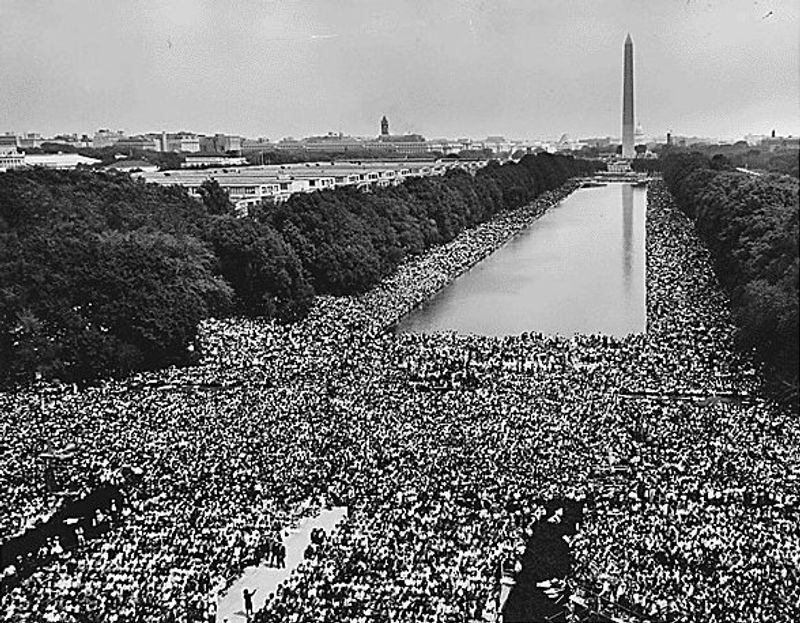
Organizing a quarter of a million people without cell phones sounds nearly impossible. Bayard Rustin pulled it off.
On August 28, 1963, around 250,000 people filled the National Mall for the March on Washington for Jobs and Freedom. They arrived on trains, planes, cars, and over 2,000 chartered buses.
Rustin’s team planned food, first aid, and restrooms for the giant crowd. Labor leader A.
Philip Randolph had first dreamed up the idea years earlier.
The program included performances by Marian Anderson, Joan Baez, and Bob Dylan. A young John Lewis, then 23, also spoke.
The final speaker was Martin Luther King Jr. Partway through, he left his notes behind and shared his dream of a nation where people are judged by their character.
The day stayed peaceful from start to finish, and it built strong support for civil rights laws.
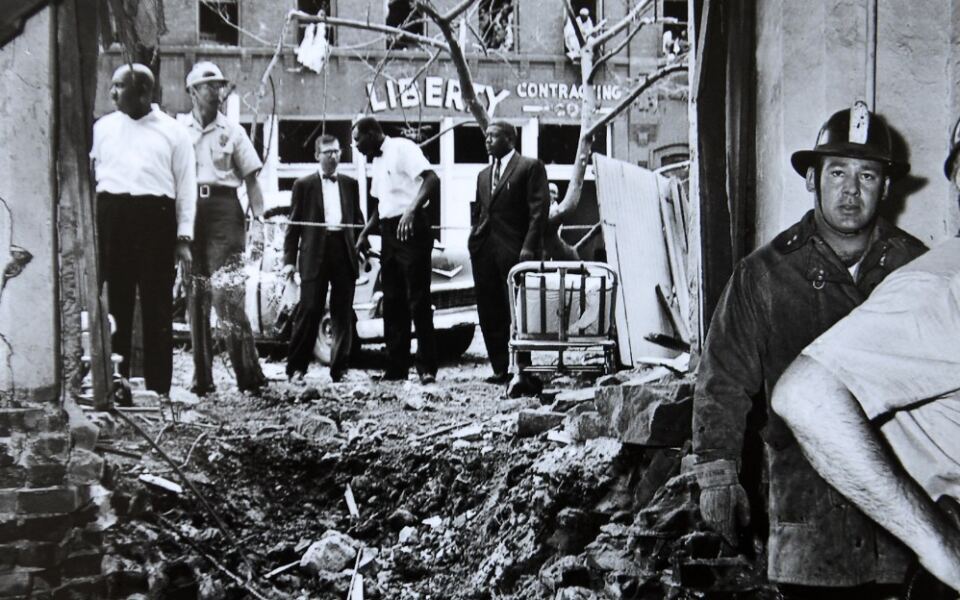
11. September: The Birmingham Church Bombing Kills Four Girls
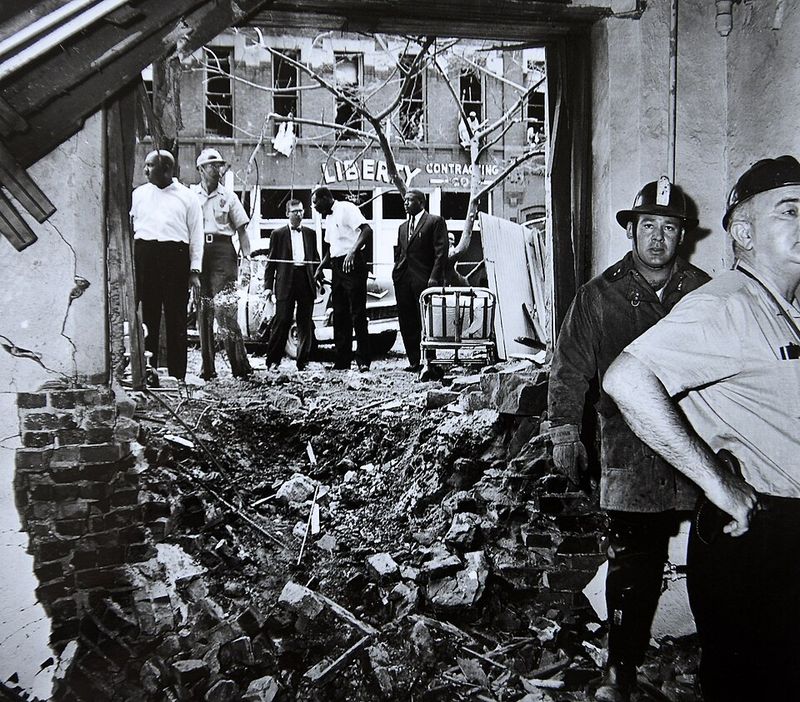
Sunday, September 15, 1963, was supposed to be Youth Day at Birmingham’s 16th Street Baptist Church.
The church had been a home base for the spring civil rights marches. That morning, members of the Ku Klux Klan planted a bomb near the back stairwell.
Four girls preparing for services were lost: Denise McNair, age 11, and Addie Mae Collins, Carole Robertson, and Cynthia Wesley, all 14. More than 20 others were hurt.
The attack came only 18 days after the March on Washington. People across the country responded with grief and new demands for federal protection.
Justice moved slowly. Robert Chambliss was convicted in 1977, and Thomas Blanton Jr. and Bobby Frank Cherry were convicted in 2001 and 2002.
The church still holds services today and became a National Historic Landmark in 2006, honoring the four girls by name.
12. October: The First Push-Button Telephones Begin Appearing
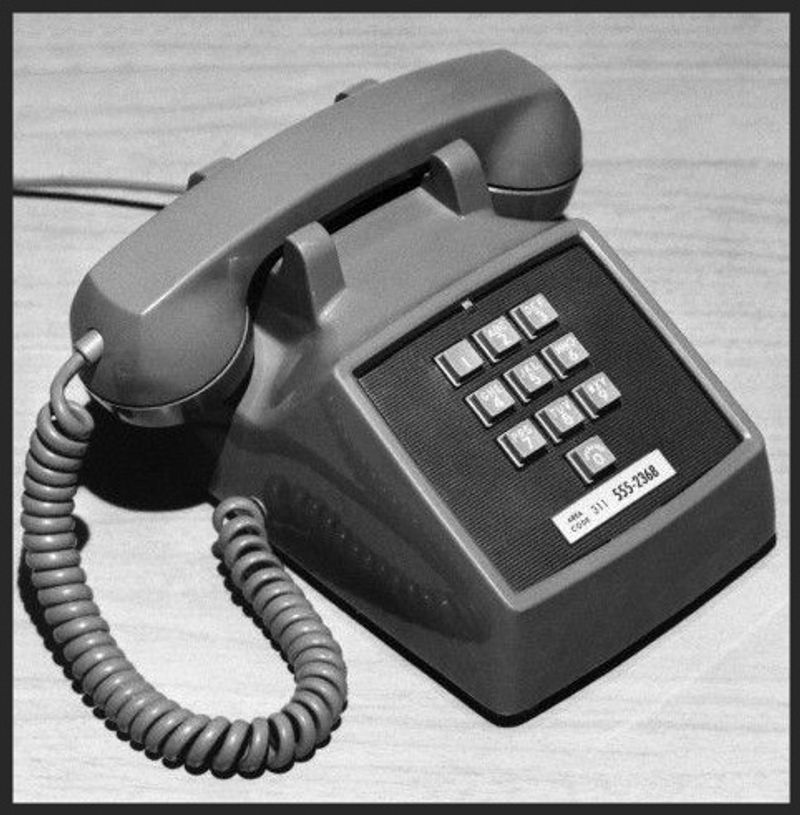
Dialing a phone number once meant spinning a wheel, waiting for it to roll back, and repeating that for every digit.
Bell Telephone had tested a faster idea for about three years. Trials ran in Findlay, Ohio, starting in 1960 and in Greensburg, Pennsylvania, in 1961.
Commercial Touch-Tone service officially launched on November 18, 1963, in Carnegie and Greensburg, Pennsylvania. The Western Electric 1500 phone had just ten buttons.
Each button sent a pair of tones, which made calls connect much faster. The star and pound keys did not arrive until 1968.
Fun fact: back in April 1963, President Kennedy had pressed 1964 on a Touch-Tone phone to start the World’s Fair countdown.
Families paid an extra monthly fee for the service, so rotary phones hung around for decades. Still, every keypad you tap today traces back here.
13. November: President Kennedy Is Assassinated in Dallas
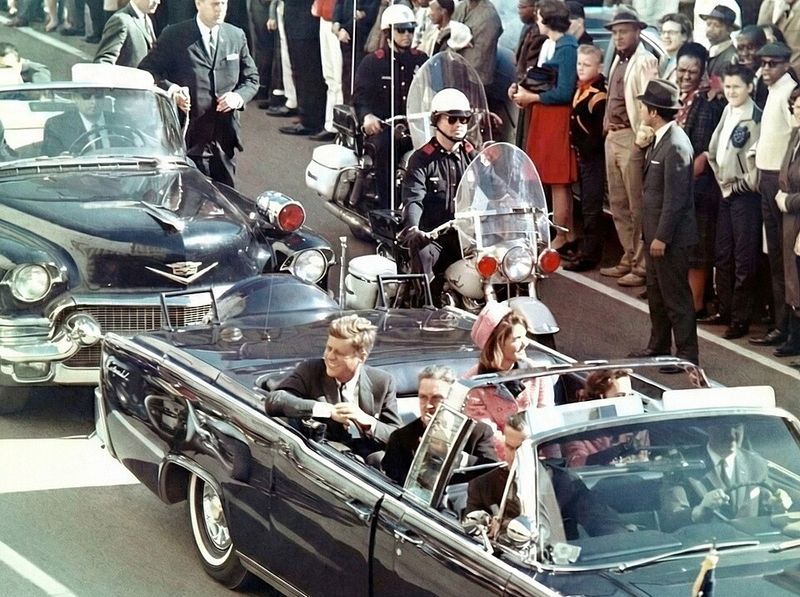
Ask almost anyone born before 1955 where they were on Friday, November 22, 1963, and they can usually tell you.
President John F. Kennedy, age 46, was riding in an open car through Dealey Plaza in Dallas when he was shot.
The news reached classrooms, offices, and living rooms within minutes.
Vice President Lyndon B. Johnson took the oath of office aboard Air Force One that afternoon.
Judge Sarah T. Hughes swore him in, the only woman ever to do so for a president.
Lee Harvey Oswald was arrested and charged. Two days later, on live television, he was shot by nightclub owner Jack Ruby.
Networks dropped commercials and covered the events for four straight days. Millions of letters poured in to Jacqueline Kennedy.
Johnson soon pushed Kennedy’s civil rights bill forward, and it became law in 1964.
14. December: The Beatles Begin Their American Breakthrough
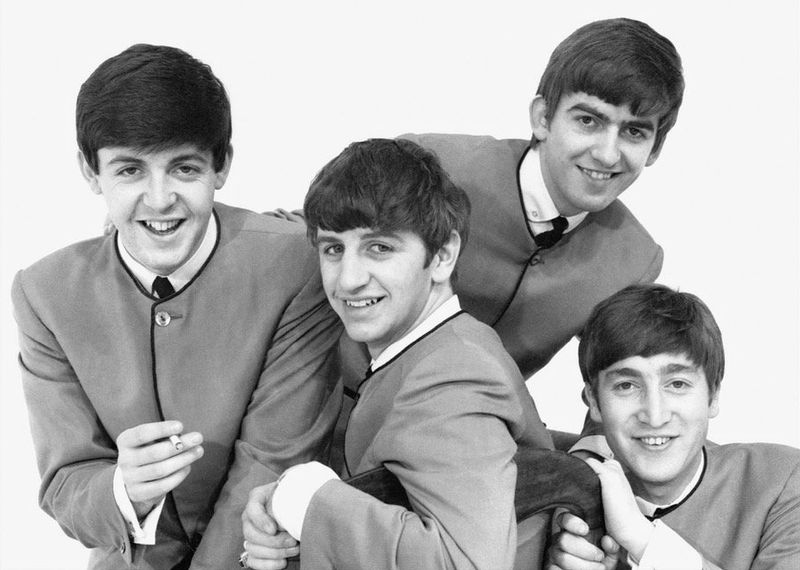
A 15-year-old girl with a pen helped bring the Beatles to America.
Capitol Records had turned down the band’s early singles, claiming Americans would not care about British rock. Then, on December 10, 1963, CBS Evening News aired a short report about Beatlemania in England.
Marsha Albert of Maryland saw it and wrote to Washington radio station WWDC asking to hear the band. DJ Carroll James got an imported copy of I Want to Hold Your Hand from a flight attendant and played it on December 17.
Phones lit up with requests. Capitol rushed the single out on December 26, weeks ahead of schedule.
It sold about a million copies by January 10, 1964, and hit No. 1 on February 1. Eight days later, the Beatles played The Ed Sullivan Show, and the British Invasion was officially underway.
Share this story