Remember spending whole class periods on skills that never showed up again? Plenty of us do.
From looping cursive letters to dissecting frogs, school packed our days with lessons that seemed important at the time. Some of them still matter in special fields, and a few have real value when you look closer.
Others mostly collect dust in the back of the brain. This list looks at fifteen classic school topics, explains why teachers once pushed them, and shows how everyday life changed once phones, calculators, and computers took over.
Get ready for a trip down memory lane, and maybe a few laughs along the way.
Cursive Writing
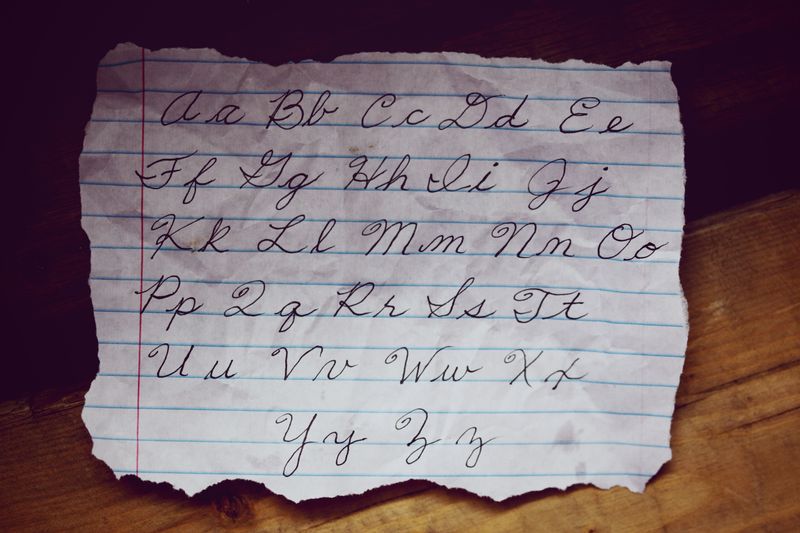
Page after page of loops, slants, and connected letters filled many a school day. Teachers often treated pretty cursive as a skill every adult would need.
Then emails, smartphones, laptops, and online forms took over most daily communication. Handwriting itself still has value, since research continues to link writing by hand with learning benefits.
The evidence that cursive in particular beats ordinary printed handwriting is much weaker.
For most adults today, cursive survives in a few places. It shows up in signatures, handwritten notes, and the occasional birthday card tucked into an envelope.
That is a pretty small job for a skill that once earned so many practice worksheets. If you can sign your name and read a grandparent’s letter, you have covered most of what adult life asks for.
The Pythagorean Theorem
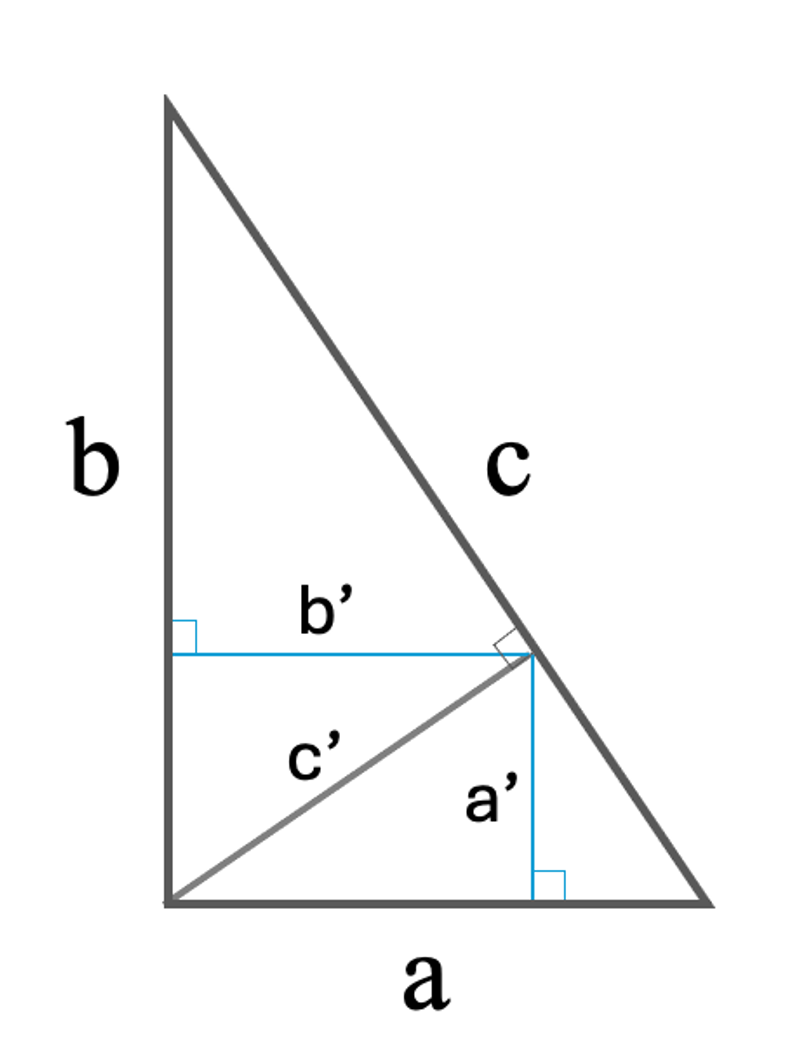
Few formulas stick in memory like a² + b² = c². Students were told everyone needed it, yet plenty of adults have not knowingly found the hypotenuse of anything since geometry class.
Calling the theorem useless would be unfair. It matters in construction, architecture, surveying, engineering, and computer graphics.
Even the familiar 3-4-5 triangle can be used to check whether a corner is square.
The catch is that most careers never touch those fields. For many people, the formula spends decades sitting quietly in the back of the brain.
Still, the idea behind it, that math can describe real shapes in the real world, is a good one to keep. Knowing the formula by heart is optional for most of us.
Knowing it exists when you hang a shelf may be enough.
Memorizing the Periodic Table
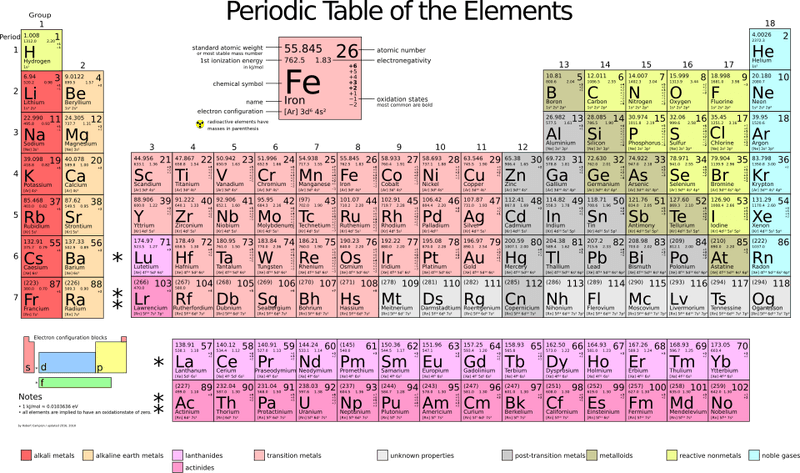
Understanding chemistry and memorizing symbols for a test are two very different things. Many students got plenty of the second and not nearly enough of the first.
The periodic table is fundamental to chemistry. Modern chemistry teaching, however, leans more toward understanding patterns and relationships among elements instead of treating the chart as one giant memory drill.
Unless you work in science, medicine, engineering, or another technical job, knowing that tungsten is W probably will not rescue your average Tuesday afternoon.
That does not mean the table deserves a shrug. It is a handy map, and looking things up when you need them is a perfectly good habit.
Learning why elements group together teaches far more than reciting atomic numbers in order ever did.
Roman Numerals
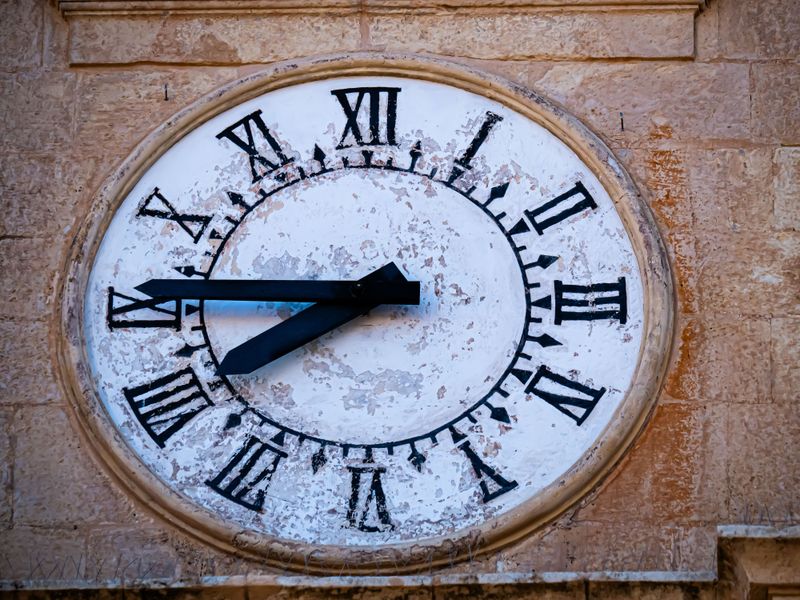
Turning 49 into XLIX took up surprising amounts of class time. Many students wrote out long lists of conversions without ever asking when they would need them.
Roman numerals have not disappeared completely. They appear on traditional clocks, monuments, book chapters, royal names, sporting events, and movie copyright screens.
But they are not the system anyone uses to plan a grocery budget. Adults reading a clock face or a Super Bowl logo rarely need to do much more than a quick decode.
Learning the basics gives helpful historical context. Memorizing complicated conversions, though, probably offered more practice for exams than preparation for adult life.
A short lesson would have covered nearly everything people actually run into.
Dissecting Frogs

One memorable school day involved a preserved frog, a tray, and a set of tiny tools. Generations of biology students remember it clearly, for better or worse.
Dissection was meant to help students see anatomy and biological structures up close. Hands-on anatomy still matters in some scientific and medical training.
Most students, though, were never headed for careers in biology or medicine.
Digital models and virtual dissections now offer other ways to study the same material. They can be repeated as often as needed and do not require a lab tray at all.
That makes the classic frog exercise feel far less necessary than it once did. For most adults, the lasting lesson was less about anatomy and more about how brave they felt that day.
Analyzing Every Detail of The Great Gatsby
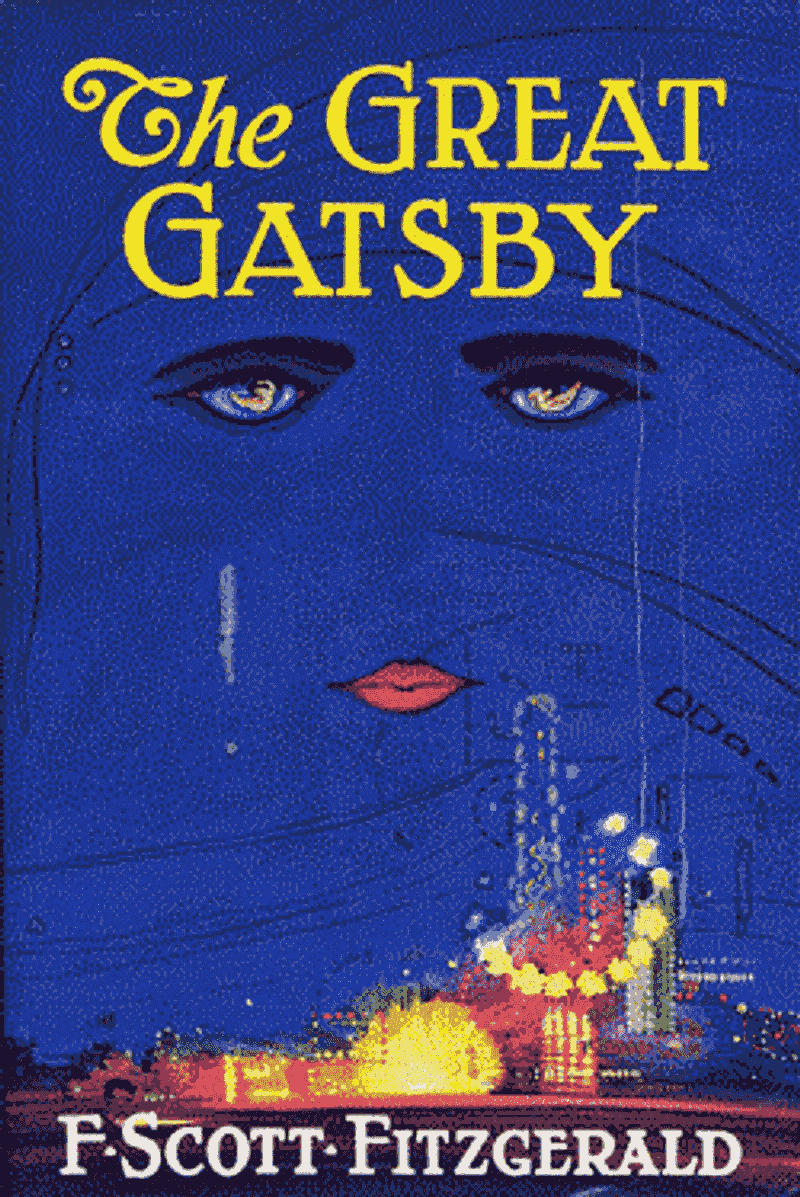
Did every color, light, object, and weather change in that novel really need paragraphs of analysis? Plenty of students wondered exactly that.
Understanding literature can strengthen reading comprehension, communication, and critical thinking. The Great Gatsby remains one of the most widely recognized works of American literature, and talking about its themes and symbolism has real educational value.
What gets harder to defend is treating one interpretation of every symbol as knowledge students will need outside school.
The big skill here is analyzing arguments and stories, and that one travels far. Remembering exactly what your teacher said the green light represented is much more specialized.
Keep the thinking habit and feel free to let the answer key go.
Learning to Use a Slide Rule
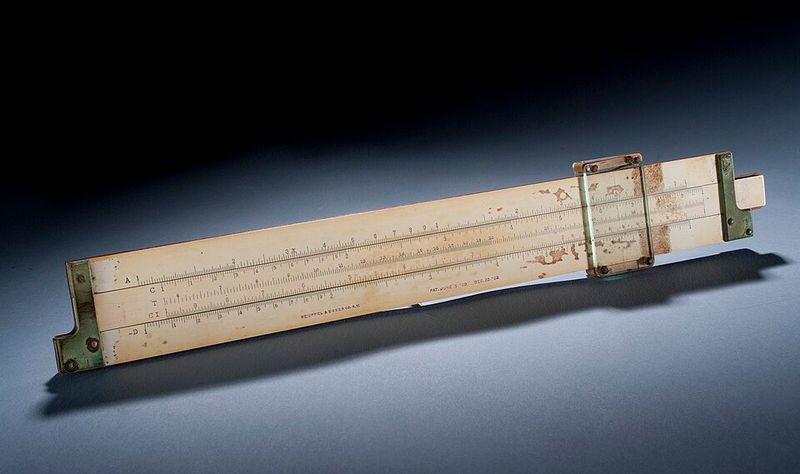
This one actually made perfect sense once. Before electronic calculators became common, slide rules were essential tools for engineers, scientists, students, navigators, and other professionals.
They could handle multiplication, division, roots, logarithms, and other calculations. The Smithsonian notes that they were major calculating instruments until around 1970.
Then pocket scientific calculators arrived. By the 1970s, electronic calculators were rapidly replacing slide rules for everyday work.
Anyone who learned one in school picked up an impressive skill that technology made unnecessary almost right away. It is a neat reminder that useful lessons can have short shelf lives.
Today the slide rule is a collector’s item and a fun conversation piece at museums.
Shakespearean Language
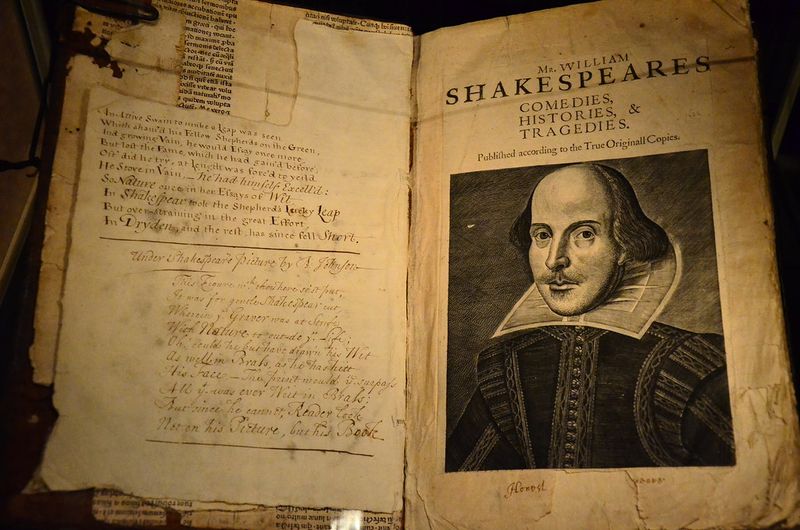
“Wherefore” does not mean “where,” no matter what many students first assumed. It actually means “why,” which changes Juliet’s famous line completely.
Reading Shakespeare introduces students to hugely influential works and shows how English literature and theater developed. But translating Early Modern English line by line is unlikely to become part of most people’s daily routine.
Students may gain more from discussing the plays’ ideas, characters, conflicts, and cultural influence. That is where the stories still feel alive.
Treating every unfamiliar expression like a code to crack can drain the fun from the plays. A good footnote and a good performance often teach more than hours of word hunting ever did.
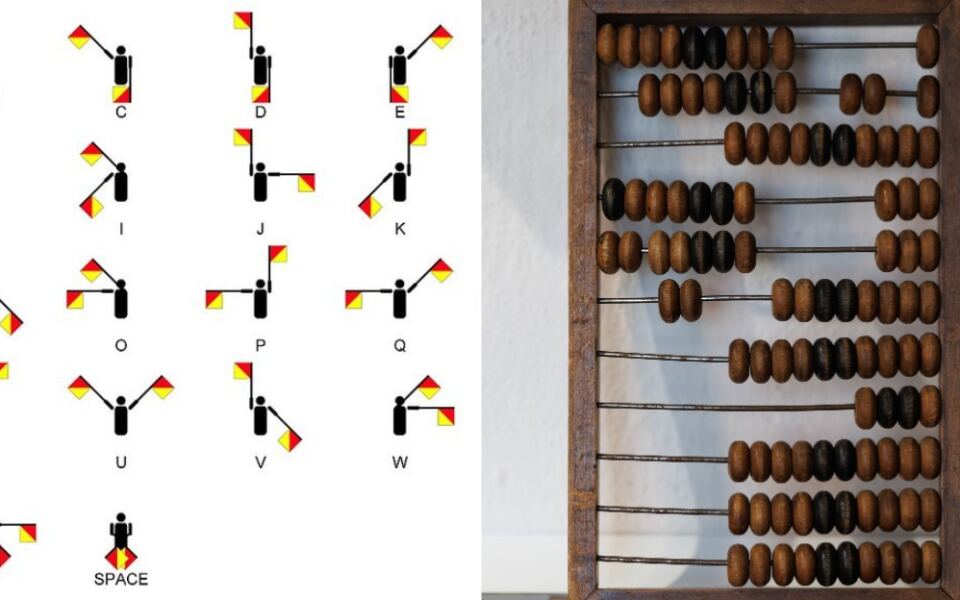
Semaphore Flags
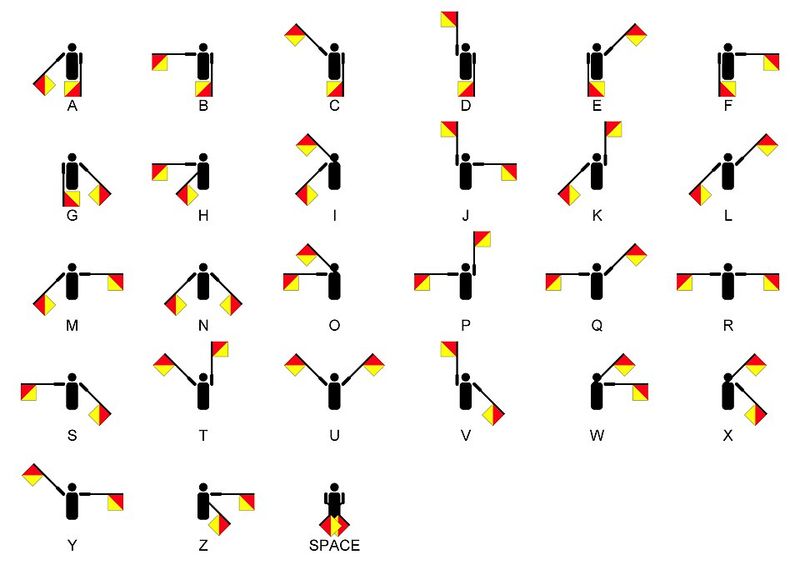
Long before instant messaging, radio, and smartphones, visual signaling was truly valuable. Semaphore systems were built to send information across long distances, and visual signals played important roles in military and maritime communication.
Today, fluency in semaphore is not exactly a requirement for adulthood. Phones and radios do the job faster and farther.
Unless you develop a special interest in maritime history or signaling, those carefully memorized flag positions probably will not see much action. They do make a great party trick, though.
Long Division by Hand
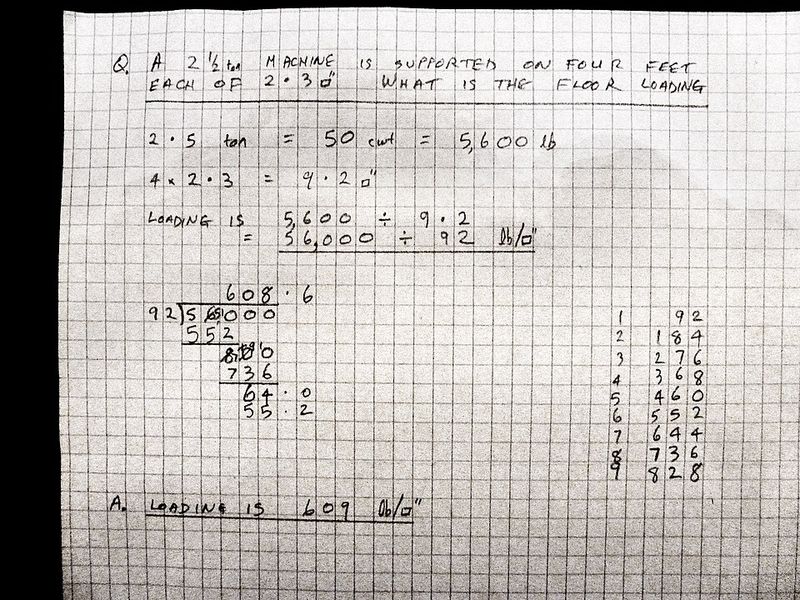
Few school exercises produced more eraser crumbs. One wrong step and the whole problem needed to start over.
Long division teaches what division actually means and trains students to work carefully through a process. That is valuable while learning arithmetic.
Once the concept clicks, adults usually reach for a calculator, phone, spreadsheet, or computer when big numbers appear.
The takeaway is simple. Understanding division matters, while repeating elaborate division by hand has become much less necessary in a world full of technology.
A few practice rounds can build the idea, and the machines can handle the rest.
Morse Code
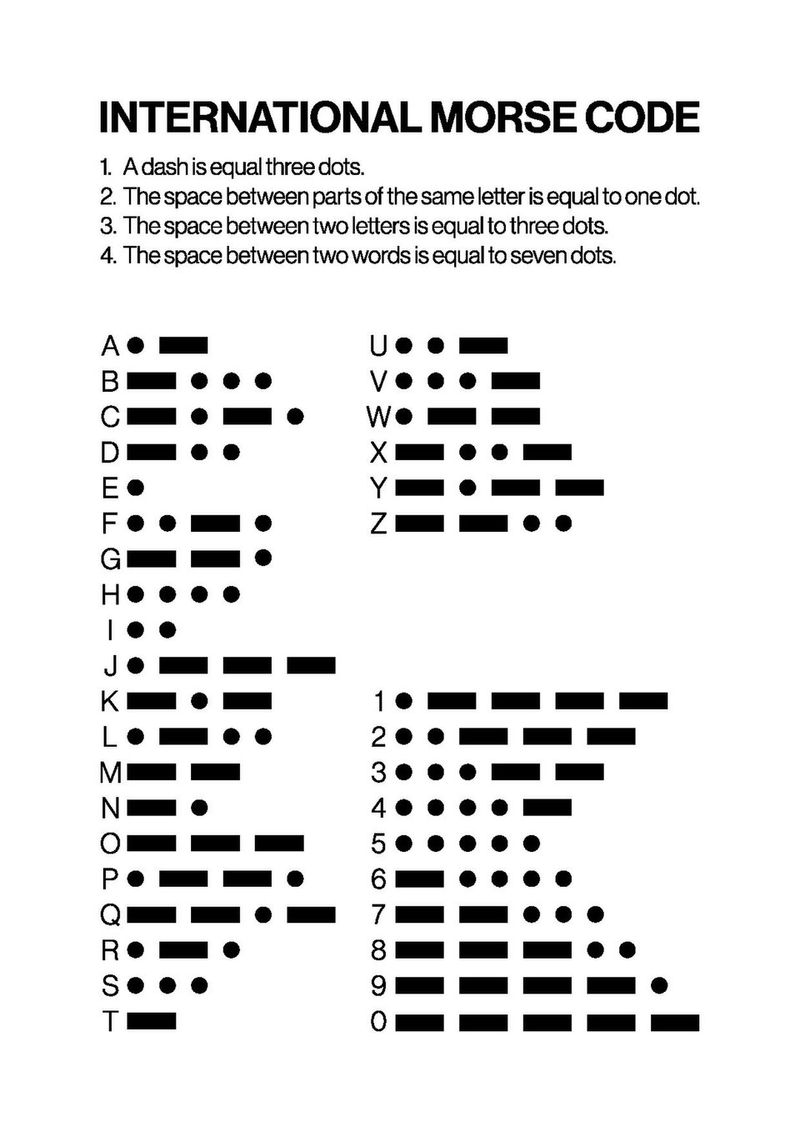
Dots. Dashes.
More dots. More dashes.
Morse code changed long-distance communication after its development in the 19th century. It stayed important in telegraphy, maritime communication, aviation, and the military for generations.
Commercial use has largely faded, but Morse is not gone. Amateur radio operators still use it, and it can help when equipment, power, or signal conditions are limited.
So this one is not completely useless. It is just very unlikely that the average adult will need to tap out a message in Morse before lunch.
Learning to Use an Abacus
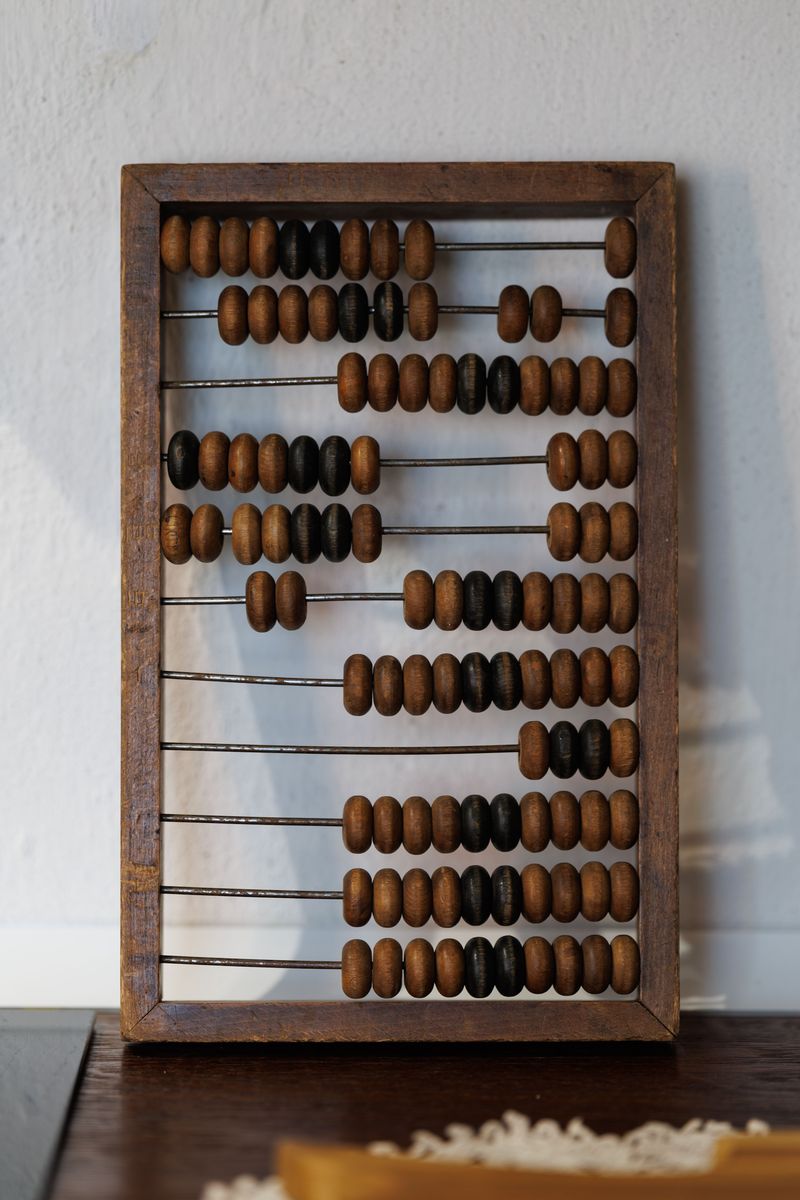
The abacus was a hugely important calculating device long before electronic calculators showed up.
Learning how it works can still help explain place value and arithmetic ideas, especially for younger students. The beads make numbers something you can see and touch.
As an everyday tool for modern adults, though, it faces tough competition from the calculator sitting inside nearly every smartphone.
That makes abacus training a fascinating skill whose practical need has dropped sharply. It still earns a place as a teaching aid, even if nobody is tallying their grocery bill on one anymore.
Home Economics Sewing

Calling sewing useless might stir up angry comments from anyone who has fixed a ripped shirt five minutes before leaving home.
Basic sewing can save money and extend the life of clothing. It can also grow into a hobby or a career.
Still, extensive sewing instruction became less essential once inexpensive ready-to-wear clothing was everywhere.
The bigger missed chance may not have been teaching sewing at all. It was teaching it without equal time for financial literacy, taxes, budgeting, basic cooking, and home maintenance, which nearly everyone eventually faces.
Learning to Navigate With a Compass
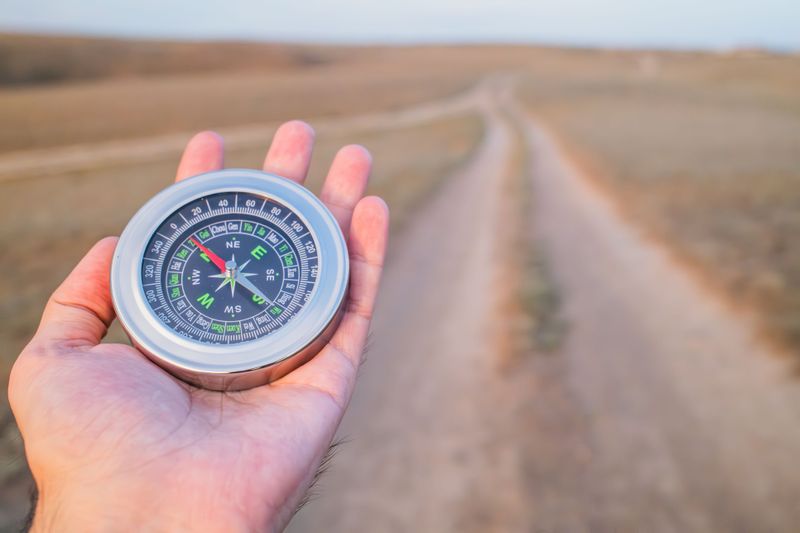
Before GPS, knowing how to use a compass could keep you from getting hopelessly lost.
Now most people open a navigation app and follow the blue line.
That does not make compass skills worthless. Hikers, sailors, explorers, military personnel, and outdoor fans can still gain a lot from traditional navigation, especially when batteries die or devices fail.
For a typical trip between home, work, and the supermarket, however, Google Maps has made it very unlikely anyone will pull out a compass. GPS is the main reason this once-essential skill matters less in daily life.
Learning Binary Code
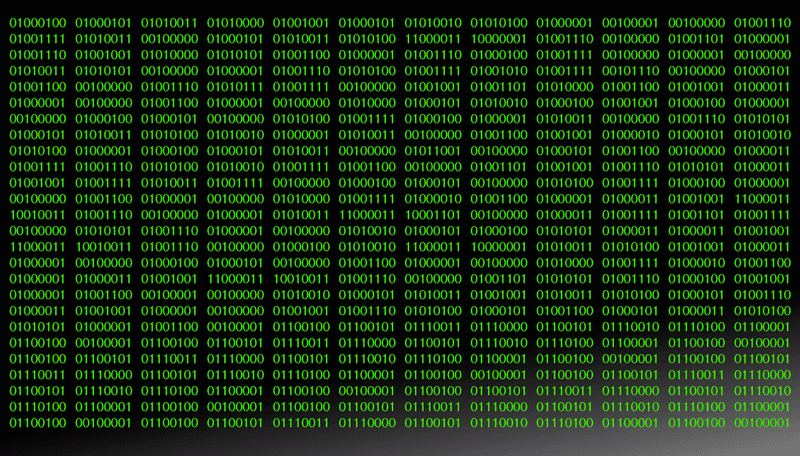
Computer class sometimes felt like entering a strange universe made only of ones and zeros.
Binary is not meaningless trivia. Computers represent and process information using binary states, so it is an important idea for understanding computing.
But everyday computer users rarely convert numbers into binary by hand. Even programmers spend most of their time in higher-level languages and tools instead of strings of raw zeros and ones.
Knowing what binary is can explain how computers work. Spending hours converting numbers manually matters far less unless you plan to study computing, electronics, networking, or a related technical field.
Share this story