Some cities do more than preserve history, they live it alongside bright, contemporary energy. Step onto ancient stones and see glass facades glittering nearby, hear timeless rituals echo through districts buzzing with modern culture. This list highlights places where tradition and innovation share the same streets in striking harmony.
Get ready for layered stories, evolving flavors, and cityscapes that feel both familiar and thrillingly new.
Rome, Italy — Eternal Layers of History and Modern Life
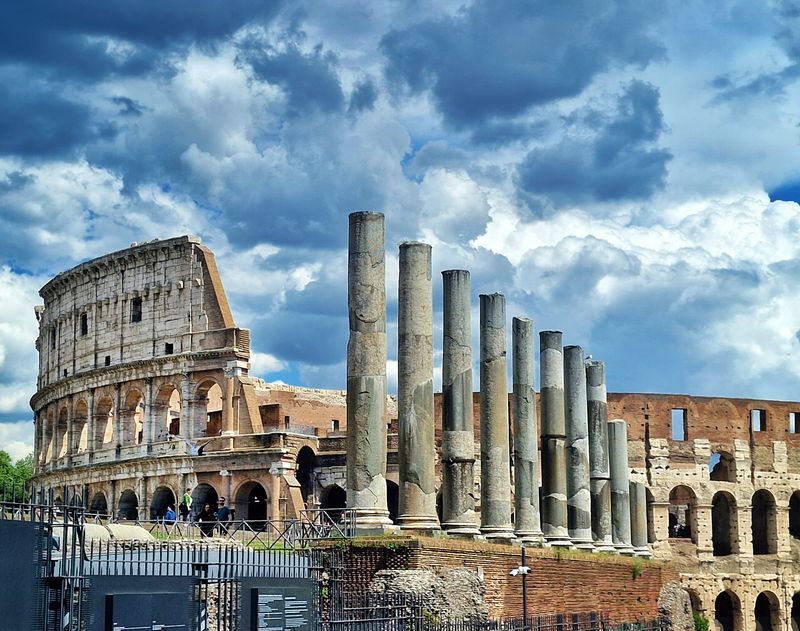
Rome feels like a living archive, where marble columns cast shadows on sleek scooter lines and espresso machines hum beside Renaissance courtyards. Ancient stones underfoot tell stories while modern boutiques display daring silhouettes in sunlit windows. Conversations drift past piazzas where centuries overlap, and the day progresses like chapters unfolding.
Morning light unveils the Colosseum and Forum, then detours toward galleries that stage contemporary visions in palazzi once meant for nobles. A metro rushes beneath cobblestones, stitching together basilicas, markets, and concept stores. Fountains sparkle near neon signage, and street musicians mix classical medleys with modern rhythms.
Menus negotiate old and new, pairing Cacio e Pepe with natural wines and seasonal twists. Designers reinterpret togas into tailored jackets, and artisans revive mosaics with minimalist geometry. Evenings settle in Monti and Trastevere, where terrace chatter rises above uneven lanes.
Museums experiment with digital installations near frescoed chapels, and libraries host debates on architecture’s next century. The Tiber mirrors bridges layered with ages, framing joggers and historians in the same view. Public transport eases access to ruins and stadiums without erasing their aura.
Markets brim with artichokes, pecorino, and daring gelato flavors, proving continuity thrives through reinvention. Street art blooms beside carved Latin inscriptions like parallel captions. Rome’s spell is not nostalgia but presence, a city that edits itself without deleting hard-won lines.
Kyoto, Japan — Tradition in Motion
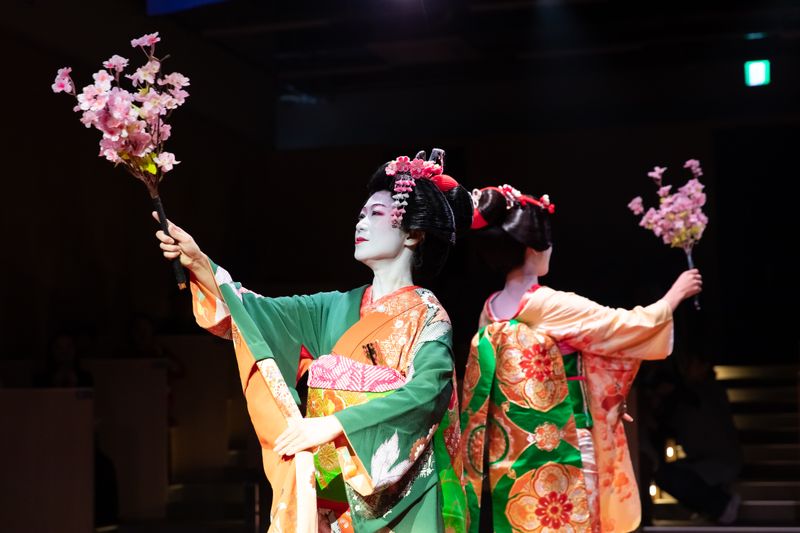
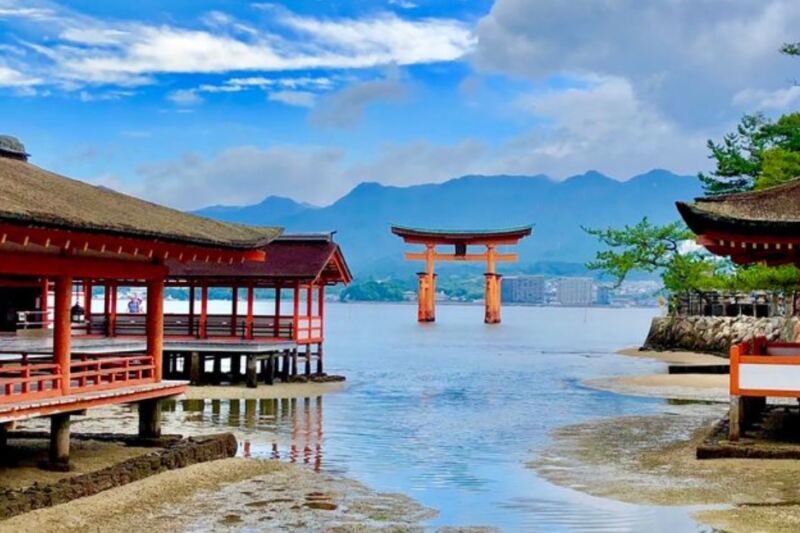
Kyoto balances reverence and reinvention with astounding grace, letting temple bells coexist with the gentle clatter of espresso cups. Wooden machiya lean toward lanes where quiet footfalls keep pace with efficient buses. Lantern light reveals patterns woven over centuries, yet the storefronts speak a calm, modern dialect.
Shrines and gardens hold steady while design studios polish new ideas rooted in restraint. Seasonal kaiseki shares space with inventive bakeries and bean-to-bar chocolate. In Nishiki Market, pickled traditions meet small-batch roasters, a conversation carried by aromas.
Art museums explore minimalism beside ceramics fired from ancestral knowledge. Kimono weavers collaborate with contemporary textile labs to revive forgotten dyes. Tea rooms teach focus, while clean-lined cafes echo that same patience with glass and cedar.
Walks through Higashiyama drift from stone steps to curated boutiques that honor craft over spectacle. A river glints beneath bridges that understand both poetry and practicality. Bicycles whisper past noren curtains, showing how movement can feel meditative.
Evenings fold into subdued neighborhoods where soft voices accompany raked gravel and subtle neon. The city reads like a palimpsest, each stroke intact yet newly legible. Kyoto does not stage a museum set, it hosts a conversation where etiquette and invention share a common bow.
Istanbul, Türkiye — Crossroads of Empires and Ideas
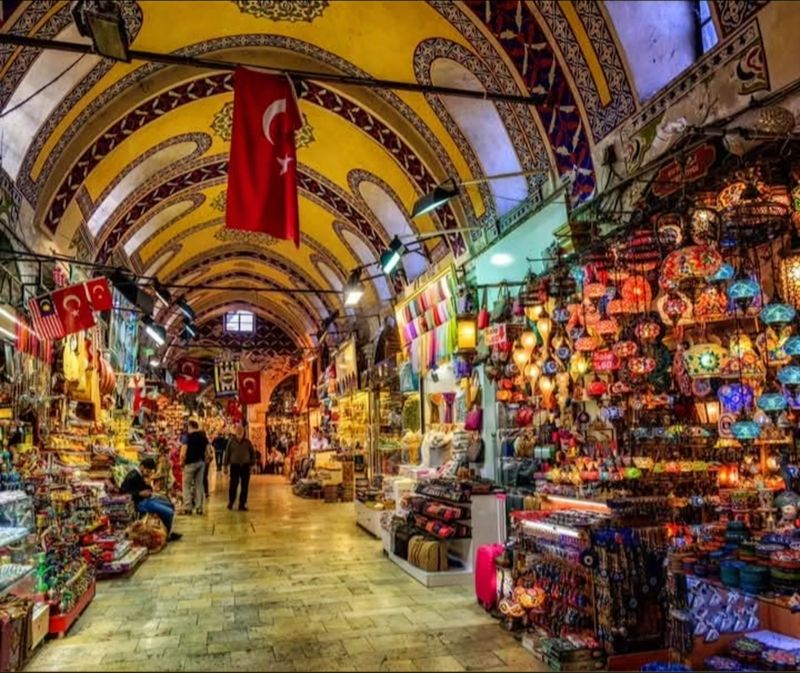
Istanbul’s rhythm spans continents, ferries sketching lines between memory and momentum. Domes rise above neighborhoods that taste like history, while glass towers glint with ambition. Street chatter braids Ottoman echoes with contemporary cadences.
In Sultanahmet, minarets frame skies that once guided caravans and now guide drones. Markets tumble with spices as designers curate galleries in Karaköy warehouses. The Grand Bazaar holds its ancient pulse while nearby roasteries tune in modern notes.
Hagia Sophia stands as layered testimony to shifting chapters, sacred and civic. Trams glide past aqueducts, proof that infrastructure can respect a skyline’s lineage. Waterfront promenades welcome fishermen next to startups mapping global routes.
Mezes arrive with updated textures, and baklava finds inventive companions. Musicians sample folk melodies into electronic sets that spill into backstreets. Bookstores stock poetry and zines, keeping intellectual wanderers in good company.
Even at midnight, tea glasses clink against views that link yesterday’s empire to today’s reinvention. Courtyards host art talks while prayer calls anchor time. Istanbul does not merely juxtapose eras, it lets them negotiate a shared, vibrant present.
Athens, Greece — Ancient Roots in a Modern Capital
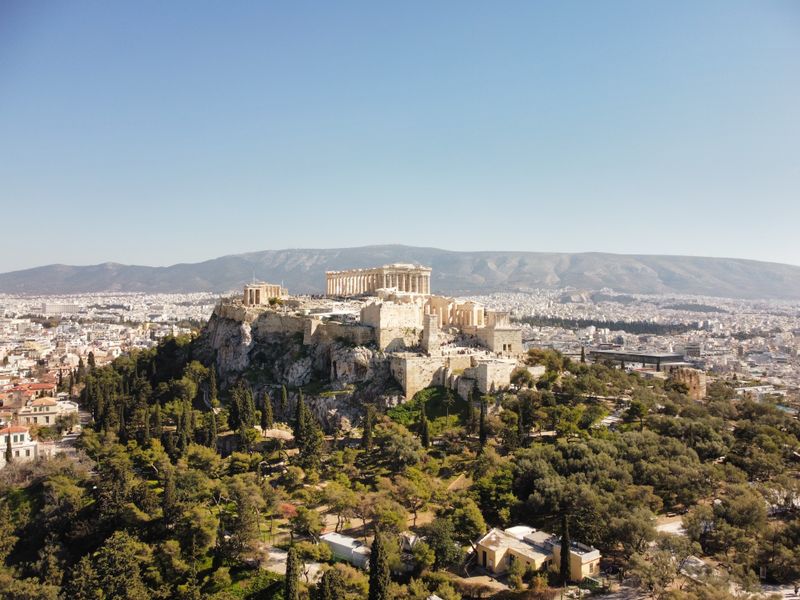
Athens wears philosophy on its hills and street art on its sleeves. The Acropolis crowns conversations that echo through lively squares. Below, scooters weave past bakeries where sesame rings pair with contemporary playlists.
Psyrri hums with workshops turned studios, while cafes pour freddos to artists and academics. Archaeological sites surface beside tram stops, inviting quick detours between errands. Museums stage artifacts with interactive context that makes centuries feel neighborly.
Markets stack olives near indie fashion and sustainable crafts. Murals bloom along alleys where columns cast thoughtful shadows. Fresh seafood shares menus with plant-forward riffs that feel both mindful and celebratory.
Evenings drift toward rooftop terraces aligned with the Parthenon’s glow. Conversations toggle between mythology and urban policy, myth meeting metro in casual cadence. The city’s grid is an open syllabus, encouraging curiosity at every turn.
Walk a few blocks and pass Byzantine churches, neoclassical mansions, and co-working lofts. The synthesis feels effortless, like a chorus of epochs singing the same chorus. Athens proves that inquiry thrives where history and daily life meet without ceremony.
Paris, France — Classic Elegance Meets Contemporary Flair
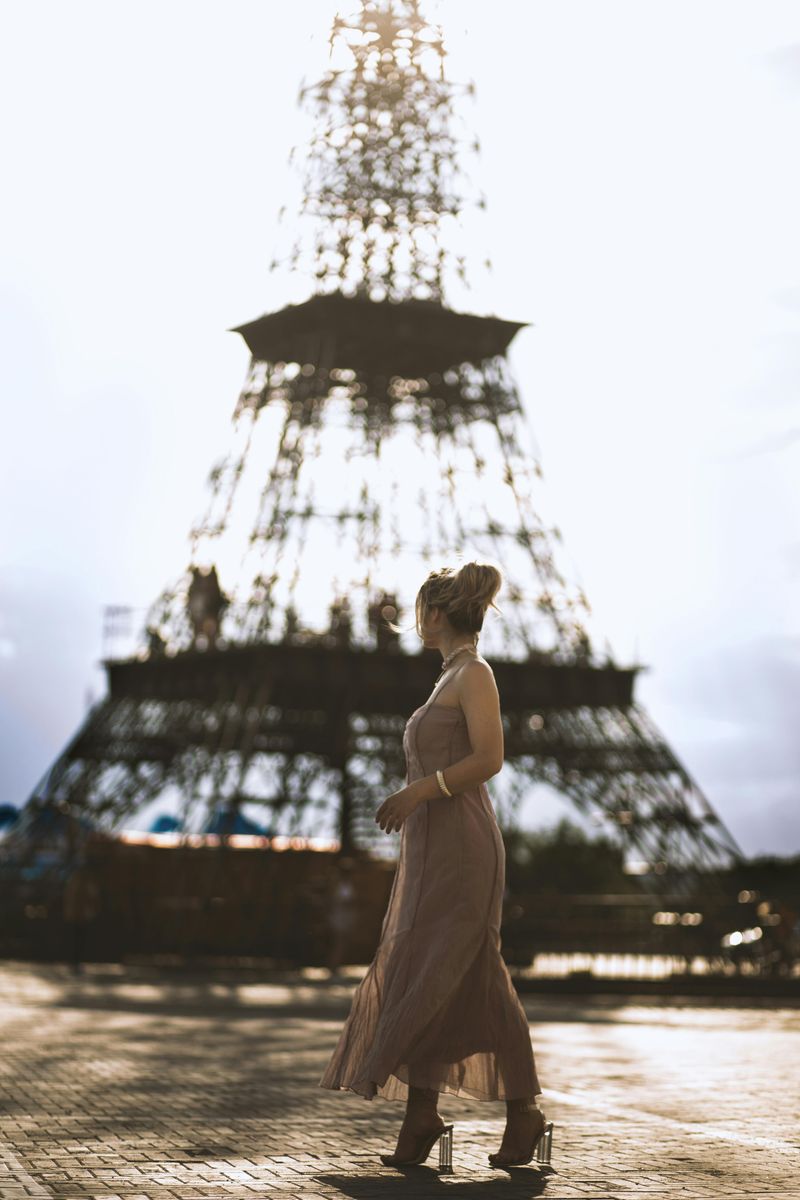
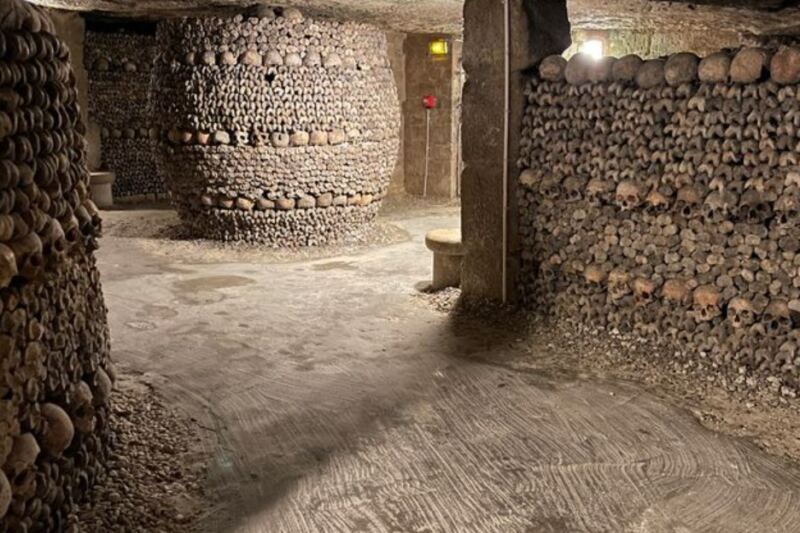
Paris edits time with a precise pen, letting Gothic arches converse with sleek glass. A stroll can pass from cathedral shadows to inventive ateliers in minutes. Patissiers safeguard tradition while chefs sketch new maps on porcelain.
The Louvre’s legacy dialogues with contemporary foundations on the city’s edges. Along Canal Saint-Martin, historic façades frame street life that feels freshly minted. Galleries thread neighborhoods where design studios and bookshops keep curiosity caffeinated.
Classic brasseries still polish brass, yet menus lean into global, seasonal riffs. Music spills from tiny venues, and cinephiles gather where old posters meet digital screens. On bridges, painters capture light that never quite repeats itself.
Fashion houses reinterpret heritage fabrics into modern silhouettes without losing poise. Courtyards hide co-working hubs and printmakers, quiet engines of culture. Metro lines braid quarters together, easing leaps between centuries.
Night falls and reflections double the city’s spark on the Seine. Conversations linger about exhibitions that bend the future toward elegance. Paris remains both classroom and playground, proving refinement and experimentation share a table.
Kyoto’s Quiet Contrasts — Ancient and Innovative
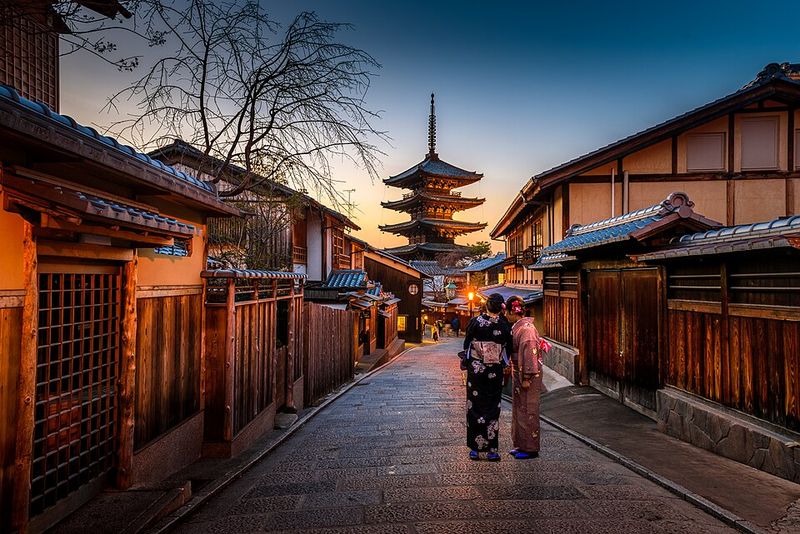
Quiet lanes in Kyoto reveal how restraint becomes vibrancy, each texture precisely placed. A mossy wall meets a gallery window trimmed in cedar and glass. The pause between footsteps feels intentional, like ink drying on handmade paper.
Temples offer space for breath, while exhibitions nearby explore digital craft. A tea bowl’s curve mirrors the line of a steel handrail with uncanny harmony. Minimalist cafes echo tea rooms with clarity rather than imitation.
Seasonality writes the menu, guiding wagashi and bright single-origin pours. Artisans restore tatami while designers prototype furniture that respects air and light. Bicycles glide past noren that sway like punctuation marks.
Workshops teach repair as a design principle, elevating patina to philosophy. Gardens frame negative space that modern architects translate into calm interiors. Transit arrives quietly, folding precision into everyday errands.
Evenings bring lanterns that do not shout yet hold steady warmth. This is how innovation listens, answering heritage without drowning it. Kyoto’s quieter corners show progress as a bow rather than a march.
Tokyo, Japan — Futuristic Today Anchored in Tradition
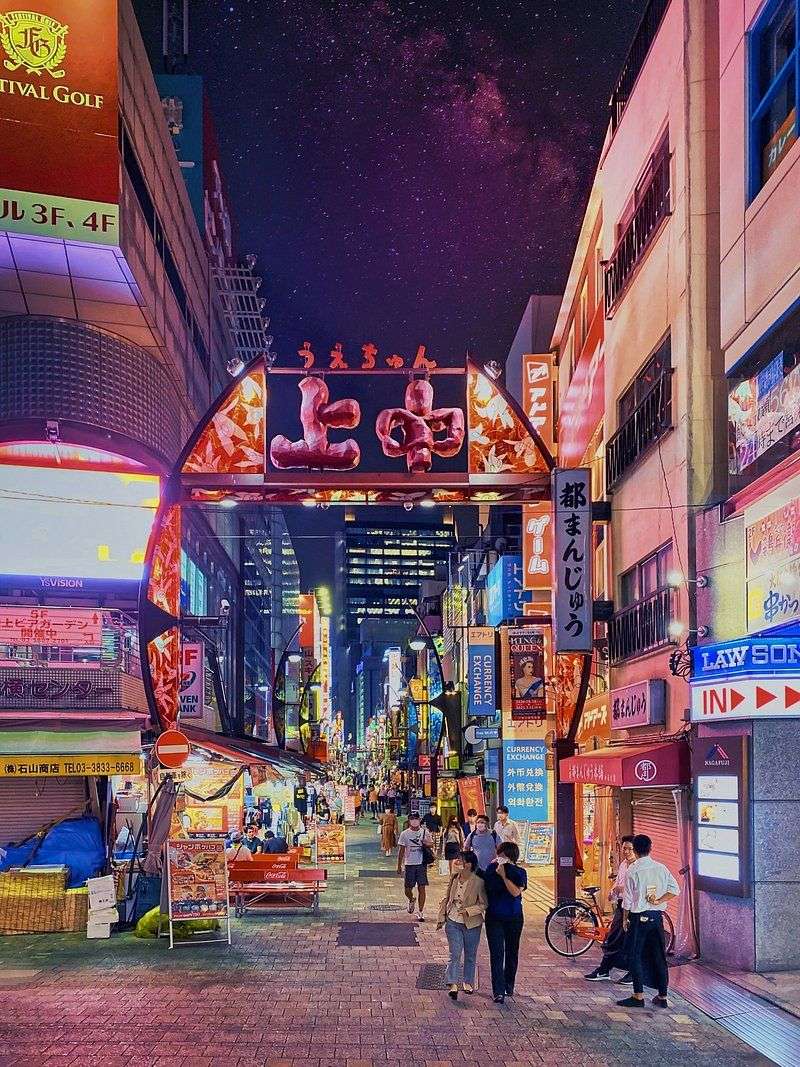
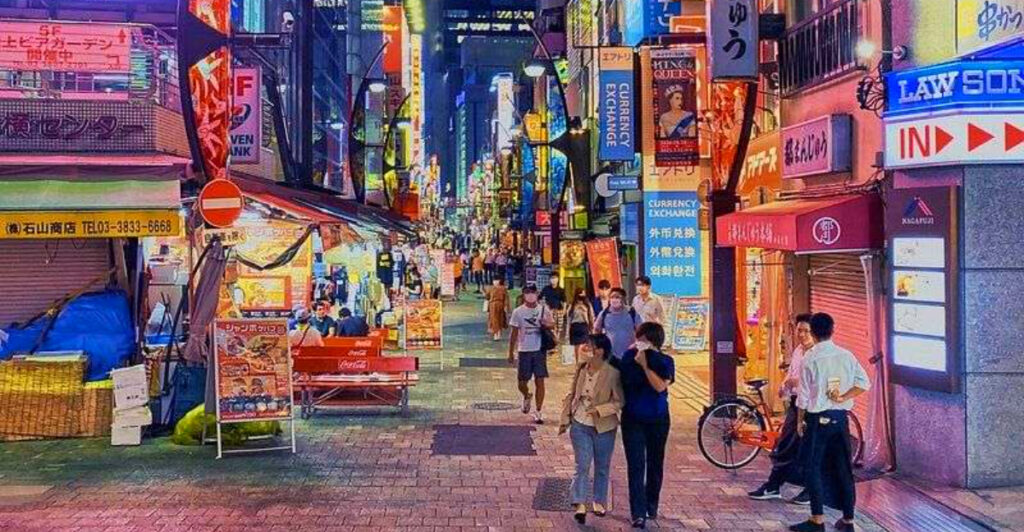
Tokyo runs fast then pauses on command, like a train arriving exactly on time. Neon cascades over crossings while a shrine forest breathes a slower cadence. Convenience stores glow with small wonders that feel almost ceremonial.
Meiji Shrine and Senso-ji carry steady rituals within an electrified metropolis. Tea houses teach patience before elevators whoosh toward observatories. Craft knives and robotics share shelf space, making technology feel handcrafted.
Neighborhoods specialize with confidence: Akihabara’s circuitry, Daikanyama’s quiet design, Asakusa’s timeless streets. Bento culture evolves with plant-forward twists and precise packaging. Music venues host jazz under LED constellations that wink at tradition.
Trains knit districts into a moving tapestry, where etiquette keeps speed humane. Retail displays read like micro museums, honoring objects with care. Public baths anchor routine, steam rising like urban incense.
Night reveals reflections on glass towers and river surfaces. City lights frame a space where heritage and innovation exchange bows. Tokyo proves futurism can be polite without losing momentum.
Luxor, Egypt — Ancient Majesty in Daily Life
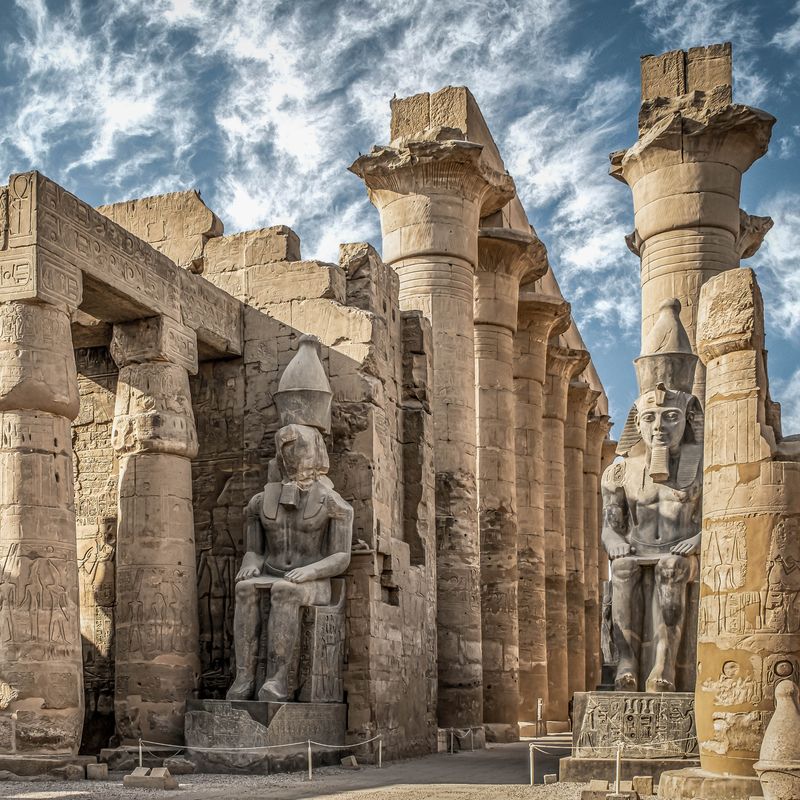
Luxor stretches time across the Nile, where daily errands pass under monumental gazes. Feluccas skate on copper water while columns drink the last light. Markets bustle with produce beneath a skyline crowned by antiquity.
Karnak and Luxor Temples read like open-air chapters, yet nearby neighborhoods hum with contemporary rhythms. Schoolkids cross plazas older than many languages, and vendors tally change with practiced grace. Modern hotels reflect pillars in their windows, acknowledging guardians next door.
On the West Bank, tombs carry pigments that still negotiate with sunlight. Guides share fresh research as conservation teams toggle between tradition and science. River cruises drift by farms where harvest cycles ignore the tourist calendar.
Evenings taste like hibiscus tea while boat lanterns string constellations across the current. Recipes blend spice routes with local staples, keeping memory edible. Craftspeople chisel and weave, their skills threaded through family lines.
Luxor’s power lies in how ordinary life keeps company with extraordinary stones. The present learns from carved narratives without becoming a pageant. Here, majesty is not staged, it is simply part of the neighborhood.
Mexico City, Mexico — Timeless Cultures in a Megacity
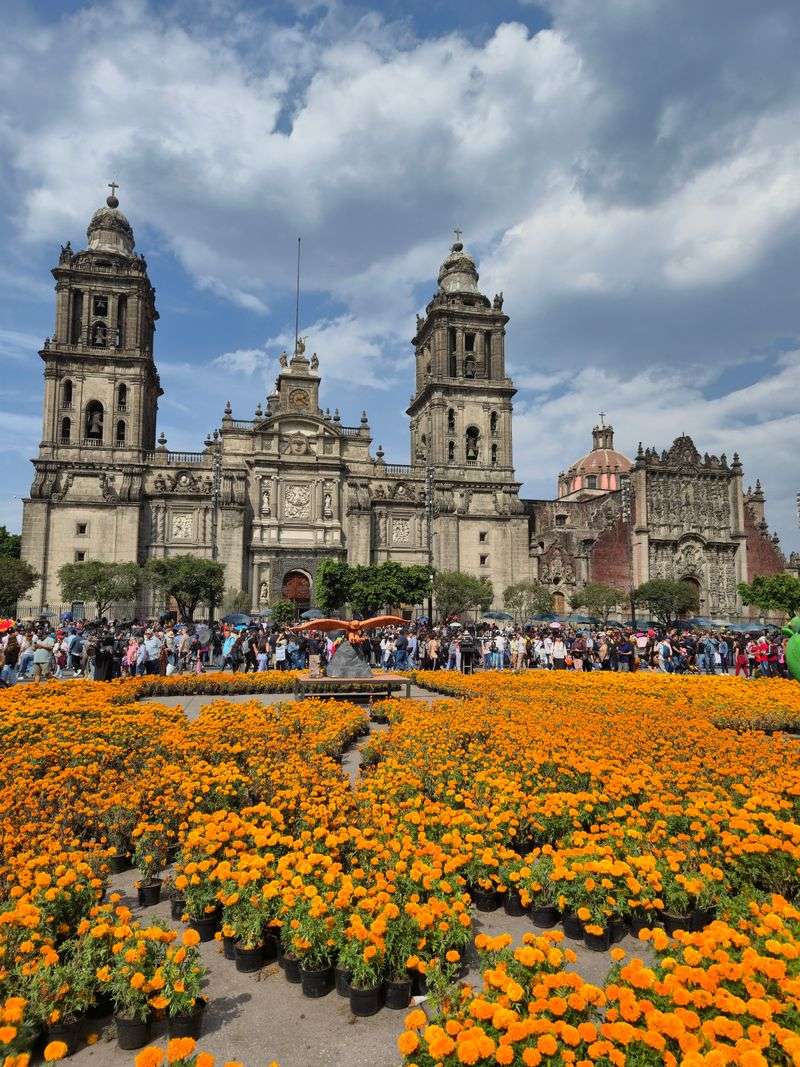
Mexico City layers pre-Columbian foundations beneath colonial avenues and contemporary momentum. In the Zocalo, cathedral bells answer whispers from Templo Mayor. Street art splashes color where history left outlines.
Museums shape world-class conversations, from anthropology to cutting-edge design. Food stalls deliver centuries-old flavors beside inventive tasting menus. Parks breathe shade into a metropolis that knows how to linger.
Neighborhoods carry distinct cadences: Coyoacan’s bohemian comfort, Roma’s creative edge, Polanco’s polished sheen. Cyclists join traffic with growing confidence as transit expands reach. Markets pile chilies beside micro roasters and mezcal specialists.
Modern galleries champion local voices that dialogue with global scenes. Murals turn corners into classrooms, and bookstores keep debate on the table. Music festivals animate plazas that remember other gatherings.
Evenings taste like blue corn and citrus as terrace lights rise. The city’s future feels anchored by craft and curiosity rather than spectacle. Mexico City turns density into a generous, ongoing exchange.
Alexandria, Egypt — Mediterranean Layers of Time
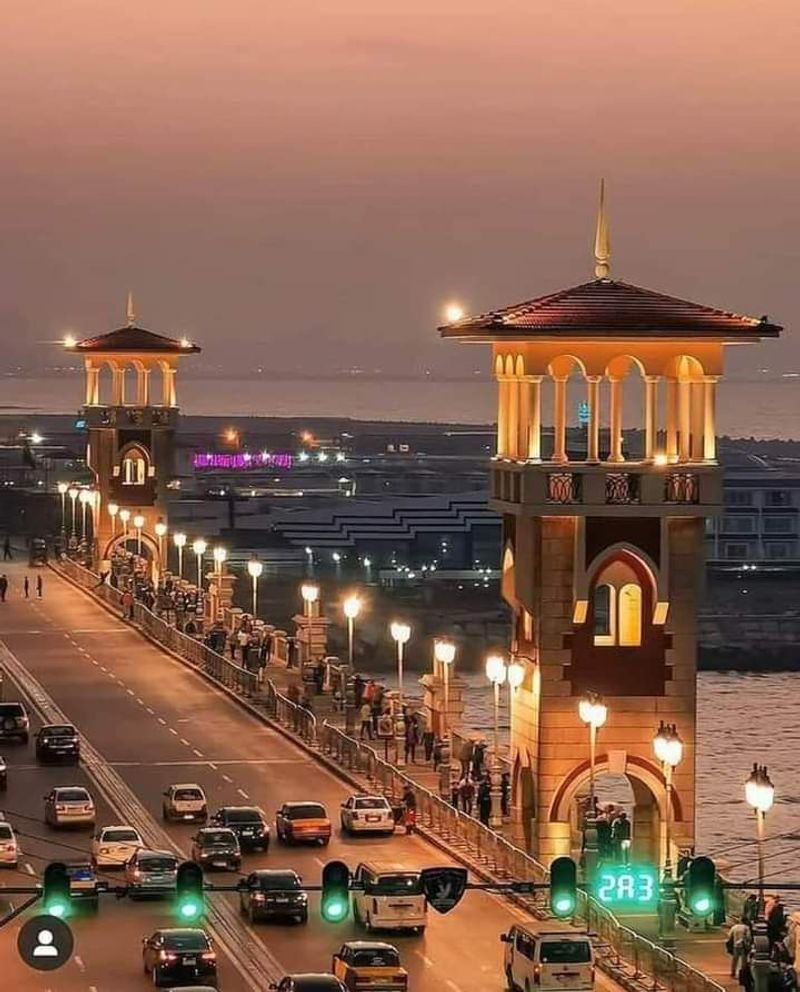
Alexandria faces the sea like a library of waves and memories. The Corniche arcs beside traffic that smells faintly of salt and cumin. Sunlight paints the Bibliotheca’s etched façade as gulls annotate the margins.
Pompey’s Pillar and the Roman Theatre hold their posts while cafes fill with chess and backgammon. Bookstores echo the city’s legendary scholarship in modern form. Fish markets stack silver and coral shades into quick auctions.
Contemporary venues host film series that spill into evening walks. Tramlines creak through districts where laundry, laughter, and history share balconies. Beach clubs and workshops tinker with the same horizon.
Dinners lean on lemon, garlic, and the sea, evolving traditions without fuss. Street art nods to cosmopolitan roots that stretch across languages. Libraries and labs anchor a forward gaze with coastal calm.
Night gathers as a clear lens, framing lighthouse silhouettes and passing ships. Alexandria treats time like tide, letting it return with gifts. The city’s genius is easy companionship between classical memory and modern life.
Genoa, Italy — Maritime Heritage Meets City Renewal

Genoa climbs steeply, a labyrinth of caruggi where salt and citrus linger. Palazzi dei Rolli reveal frescoed rooms while scooters echo through corridors of stone. The port keeps working as cranes share sightlines with sailboats.
Revitalized docks host aquariums, cultural centers, and breezy promenades. Startups occupy warehouses where spice once traded, stitching old routes to new ideas. Cafes pour ligurian charm beside contemporary design stores.
Pesto still anchors tables, yet chefs experiment with local herbs and grains. Street murals brighten underpasses, and music festivals vibrate in hidden courtyards. Funiculars carry residents from sea level to sky-scraping vistas.
Antique shops line narrow turns where daylight arrives like a spotlight. Maritime museums chart centuries while kids chase pigeons outside. The blend feels practical, born from trade winds and resilience.
Evening light gilds balconies as ships mark exits on the horizon. Genoa maintains momentum without glossing over texture. Renewal here respects weathered stone, letting history breathe with modern lungs.
Prague, Czech Republic — Cobblestone Stories, Urban Energy
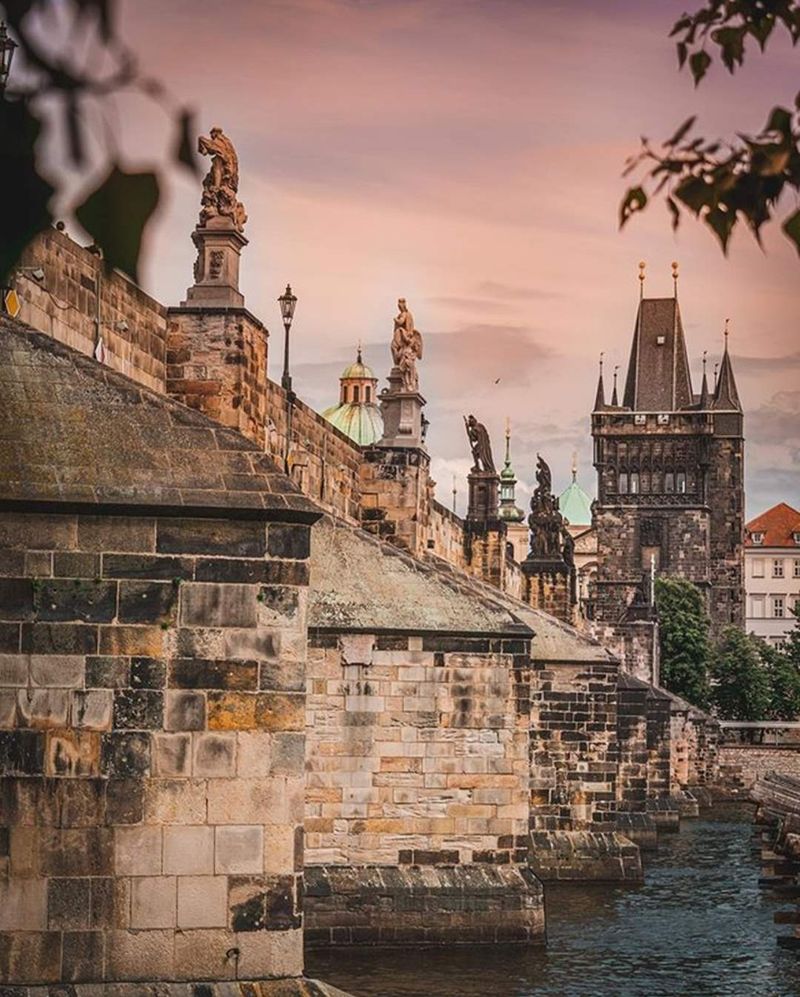
Prague reads like a fairy tale annotated by transit maps and gallery flyers. Spires pierce cloud light while trams hum across the river. Cobblestones amplify footsteps that feel part choreography, part chance.
Old Town Square stages the Astronomical Clock’s measured spectacle. Across the bridge, studios and cafes show how craft meets curiosity. Film and music festivals add a friendly thrum to medieval bones.
Menus lean into dumplings and bright, seasonal angles. Breweries respect tradition while experimenting with hops and barrel aging. Design shops tuck modern wit into Baroque wrappers.
Neighborhoods unfold like chapters, each with a distinct beat and accent. Parks soften the stone with lindens and long views. Libraries and coworking lofts make old buildings think in present tense.
Night draws reflections across the Vltava, doubling lamp-lit arches. The city thrives on contrasts that feel conversational, not combative. Prague proves romance can collaborate with modern pace.
Barcelona, Spain — Gothic Roots, Modern Pulse
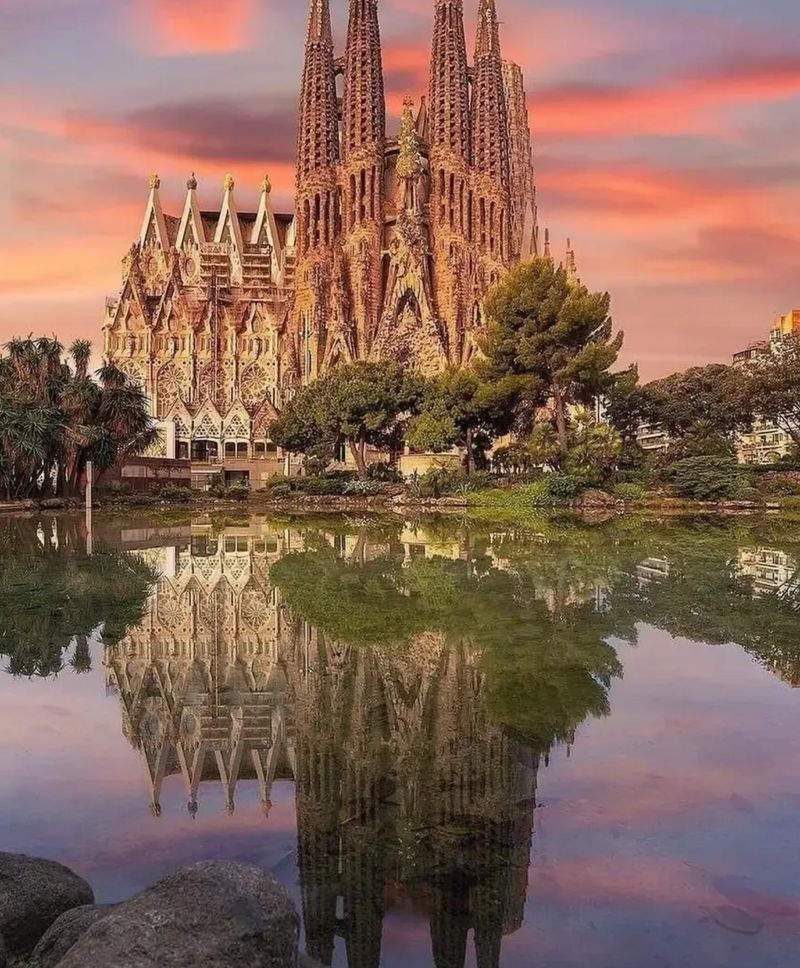
Barcelona steps lightly between Roman traces and modernist dreams. Stone lanes in the Barri Gotic open toward Gaudi’s rising geometry. The sea keeps time with a rhythm that suits both siesta and startup.
Markets burst with tomatoes, anchovies, and ideas plated with confidence. Galleries and skate spots share plazas edged by creative studios. Architecture schools sketch beside centuries of masonry.
Tapas traditions mingle with contemporary culinary labs exploring Catalan roots. Music drifts through courtyards as bikes cut clean lines along the shore. Street performers add improvisation to a city that loves play.
Neighborhoods each carry a distinct charge, from Gracia’s festivals to Poblenou’s loft revival. Beach paths frame sunrise runs and quiet winter walks. Metro links everything in reliable arcs beneath mosaic tiles.
Night releases a warm hum that smooths the spaces between eras. Barcelona embraces experimentation while keeping hospitality at the center. The result is a balanced tempo, equal parts craft and spontaneity.
Sofia, Bulgaria — Millennia of Layers, Emerging Modern Culture
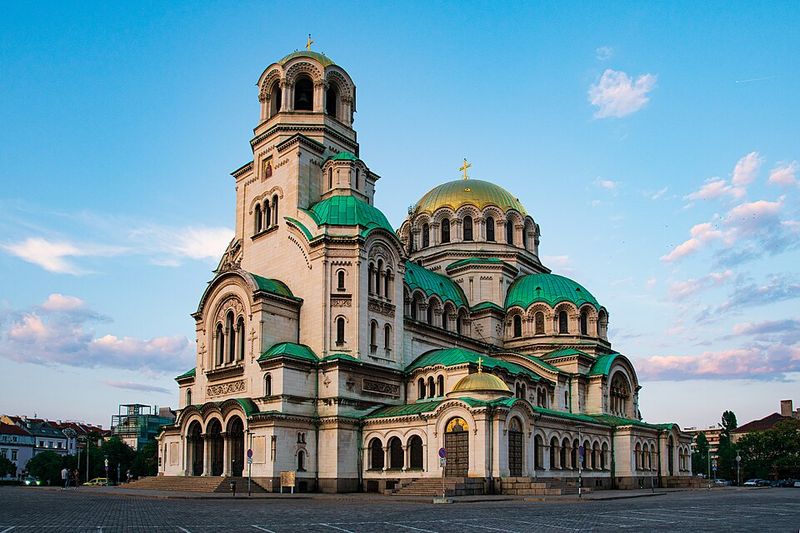
Sofia stacks epochs with unassuming clarity, Roman stones visible beside metro entries. The city moves at a thoughtful pace, with mountain air brushing busy streets. Cathedrals gleam while co-working spaces glow with laptops and laughter.
Serdica’s remains anchor a walkable core where history does not hide. Markets sell honey, herbs, and rose products near galleries testing new ideas. Cafes occupy corners that turn into evening salons without fuss.
Menus lean hearty yet curious, pairing grilled classics with seasonal twists. Street art speaks across languages on underpasses and brick facades. Tram bells mark time that feels both steady and optimistic.
Museums curate Thracian gold as tech meetups sketch prototypes after hours. Parks offer long benches and chessboards under mature trees. Views toward Vitosha remind the city to breathe between tasks.
Night brings soft lights to boulevards where stories cross with ease. Sofia’s identity expands without discarding its older garments. The result is a city comfortable in its layers, ready for what arrives next.
Share this story