History has a way of upending even the most carefully arranged plans, and royal succession is no exception. Many heirs spent years being groomed for a throne they would never sit on, their futures redirected by illness, revolution, war, or sudden political collapse. The gap between being born into a royal line and actually ruling a kingdom turned out to be enormous for these 12 individuals. Their stories reveal how fragile the idea of inherited power truly was, and how their absence often changed the course of entire nations in ways nobody could have predicted.
1. Arthur, Prince of Wales (1486–1502) – England
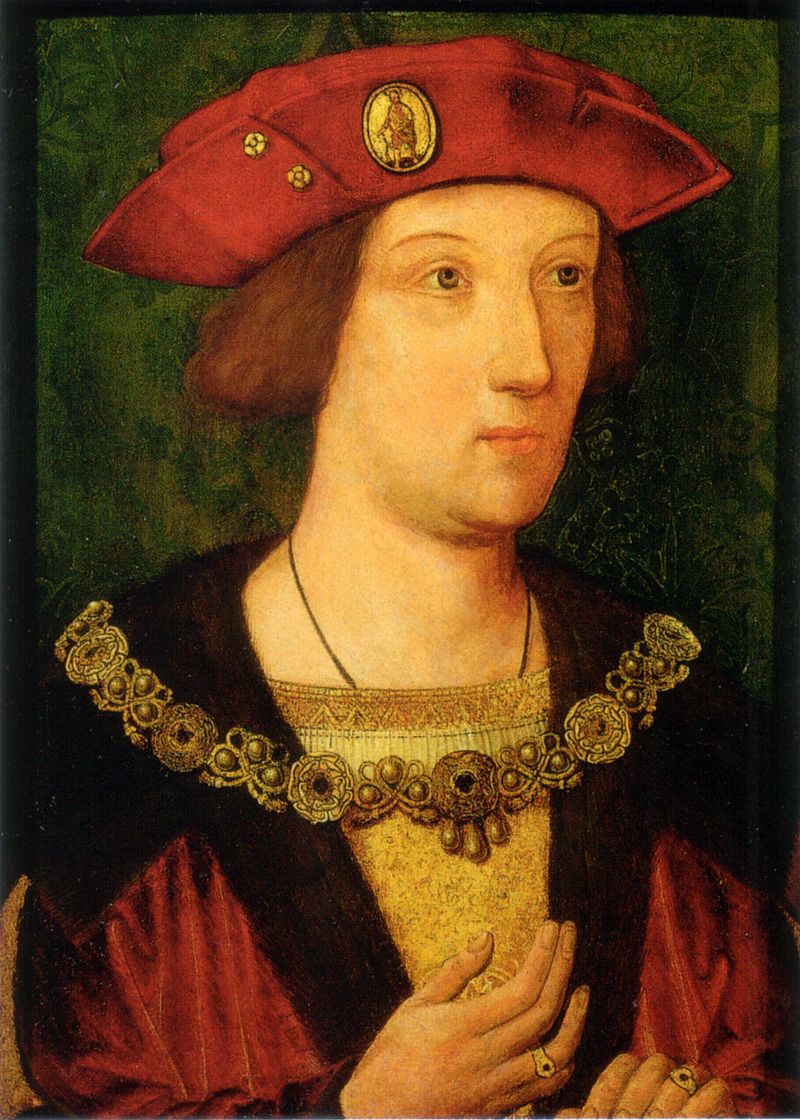
Born as the cornerstone of the Tudor dynasty, Arthur entered the world in 1486 with an entire kingdom waiting for him. His father, King Henry VII, had fought hard to establish the Tudor line after the Wars of the Roses, and Arthur represented that hard-won stability.
His marriage to Catherine of Aragon in November 1501 was a calculated political move, designed to cement England’s alliance with Spain. The ceremony was celebrated across London with considerable fanfare, signaling a promising future for both nations.
That future collapsed just months later. Arthur died suddenly in April 1502 at Ludlow Castle, likely from sweating sickness, at just 15 years old. His younger brother Henry inherited his place in the succession and eventually became King Henry VIII. Henry’s reign brought the English Reformation, a transformation that reshaped England’s religion, politics, and relationship with Rome for centuries.
2. Edward of Westminster, Prince of Wales (1453–1471) – England
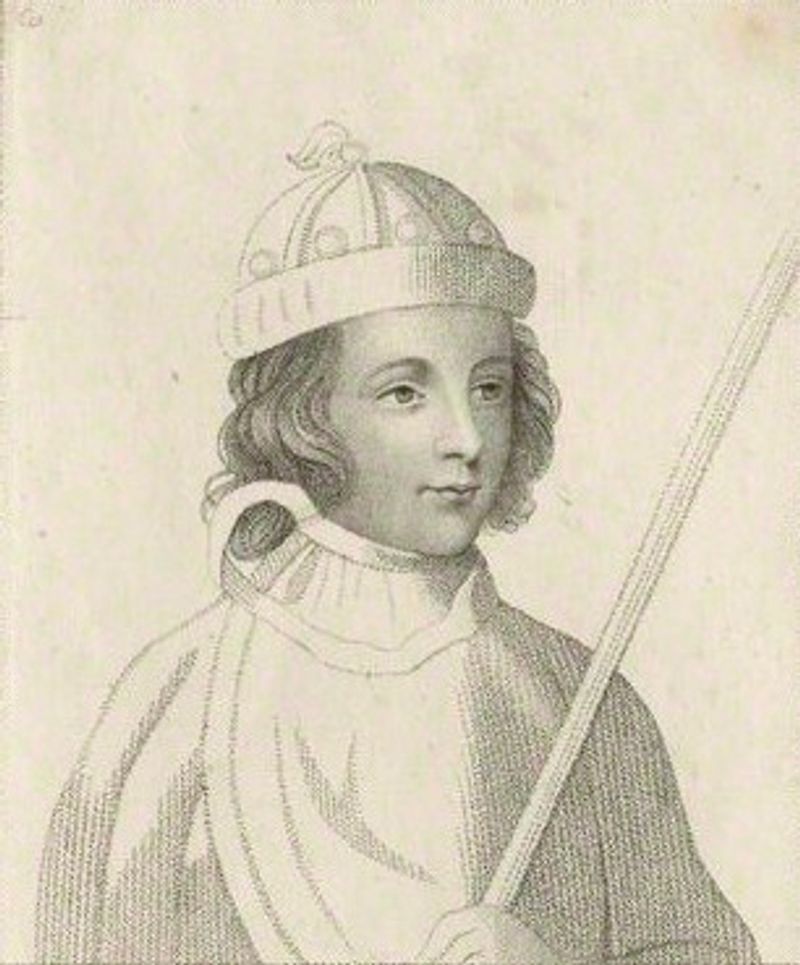
Few royal heirs spent their entire childhood inside a civil war, but Edward of Westminster had no other experience. Born in 1453 as the only son of King Henry VI and Queen Margaret of Anjou, he was the Lancastrian heir from his first breath, a living symbol of a contested crown.
His mother Margaret was a fierce political operator who kept the Lancastrian cause alive through years of setbacks. Edward’s engagement to Anne Neville, daughter of the powerful Earl of Warwick, was meant to shore up military support and tilt the balance back toward Lancaster.
The plan failed at the Battle of Tewkesbury on May 4, 1471. Edward was killed either during the fighting or shortly after capture, depending on the historical source consulted. His death ended the direct Lancastrian male line, allowing the Yorkist King Edward IV to consolidate power and setting the stage for the eventual rise of the Tudors.
3. Edward, the Black Prince (1330–1376) – England
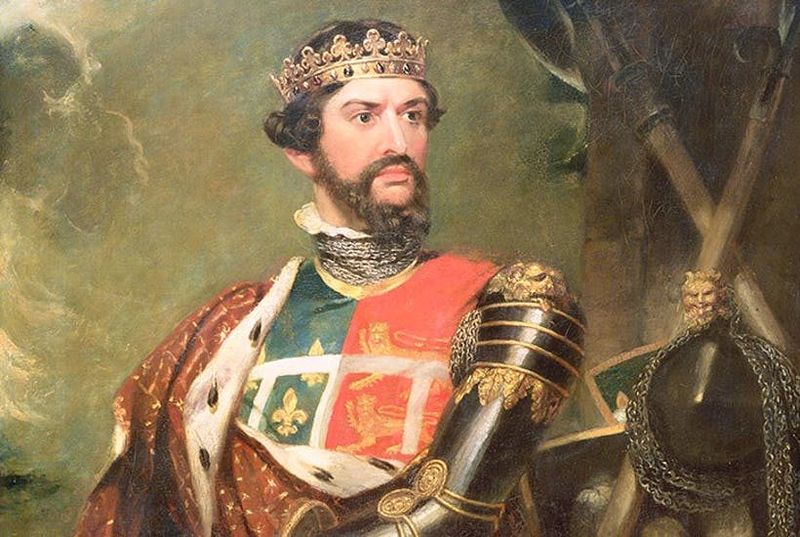
Edward of Woodstock earned a reputation that most kings never managed to build. As the eldest son of King Edward III, he became one of England’s most celebrated military commanders during the Hundred Years’ War, a conflict that defined 14th-century Europe.
His greatest moment came at the Battle of Poitiers in 1356, where his forces captured King John II of France. That single victory brought enormous prestige and a considerable ransom to England, cementing his status as the dominant military figure of his generation.
For decades, the throne seemed guaranteed. Then a prolonged illness, likely dysentery contracted during military campaigns in Iberia, steadily undermined his health through the early 1370s. He died in June 1376, a full year before his father. The crown passed not to him but to his young son, who became the troubled King Richard II, a reign that never quite matched the expectations set by the Black Prince himself.
4. Louis XVII (1785–1795) – France
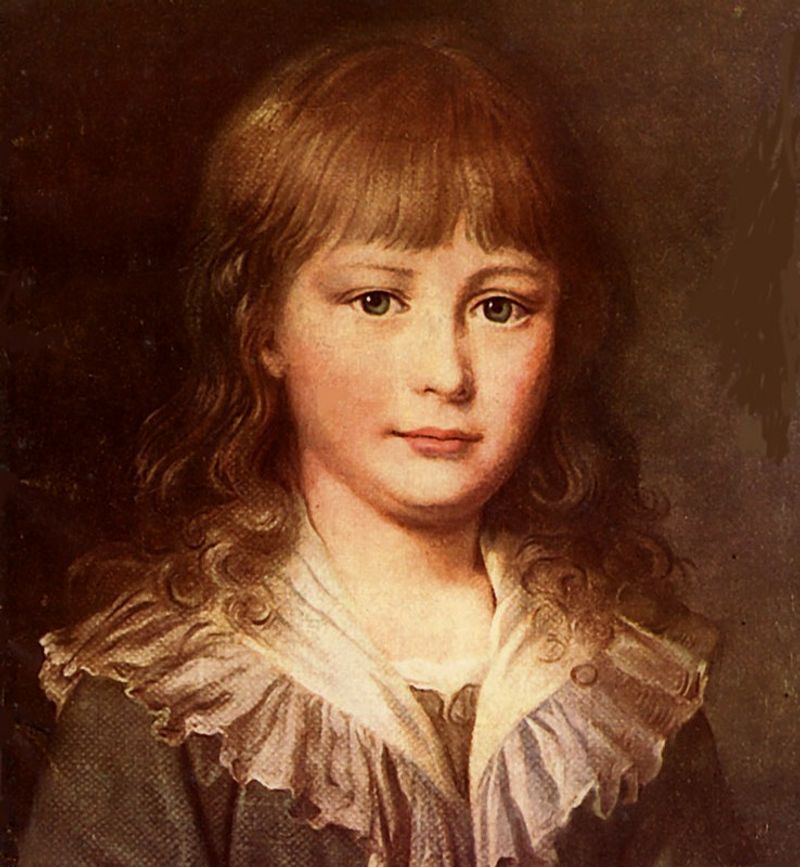
Louis-Charles was only four years old when the French Revolution began dismantling the world he was born into. As the second son of King Louis XVI and Queen Marie Antoinette, he became Dauphin in 1789 after his elder brother died, inheriting a title that was rapidly losing its meaning.
After the monarchy was overthrown in 1792, the royal family was imprisoned in the Temple fortress in Paris. When his father was executed in January 1793, French royalists across Europe declared the eight-year-old boy King Louis XVII, though he held no actual power and remained a prisoner.
In July 1793, he was separated from his mother and placed under increasingly harsh conditions. He died in his cell on June 8, 1795, at age 10, from tuberculosis. DNA testing conducted in 2000 on his preserved heart confirmed his identity, finally ending decades of rumors that he had somehow escaped and been replaced.
5. Rudolf, Crown Prince of Austria (1858–1889)
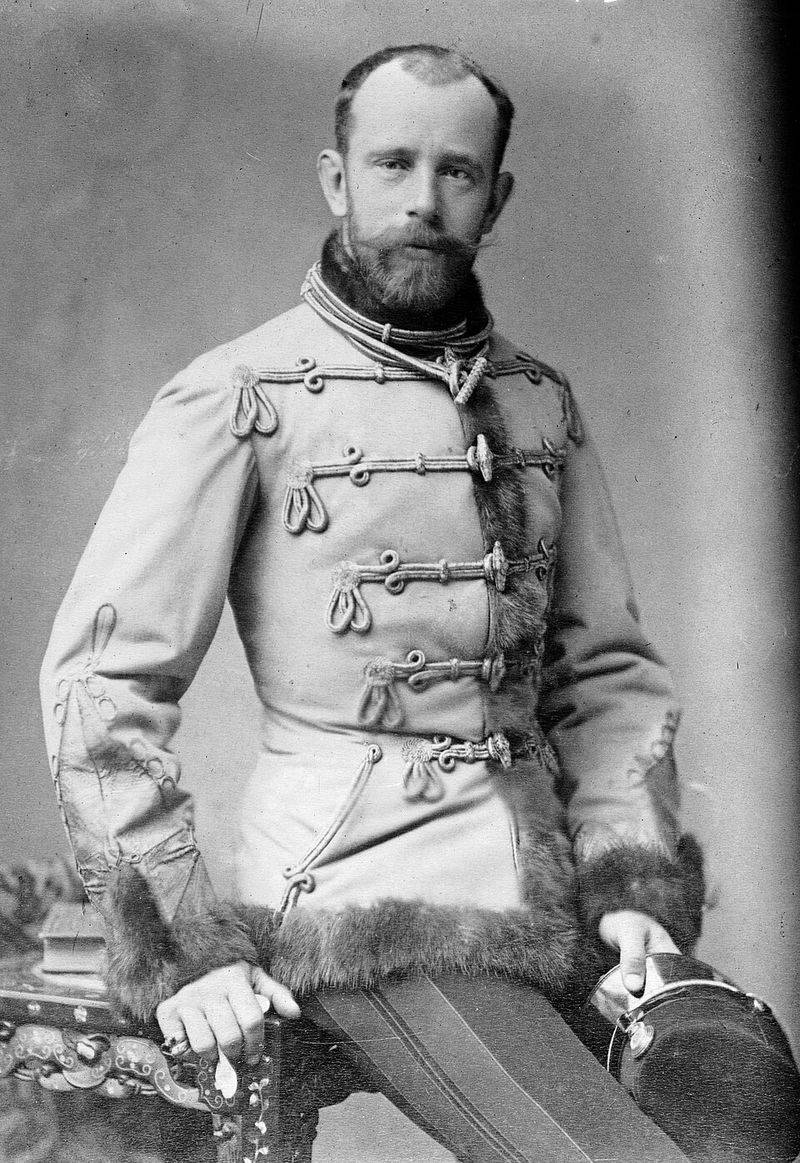
Rudolf stood at the center of the Habsburg Empire with a sharp intellect and political ideas that regularly clashed with his father’s conservative court. As the only son of Emperor Franz Joseph I and Empress Elisabeth, he was heir to one of Europe’s most powerful thrones and had been prepared for that role since birth.
His progressive views on governance and his sympathy for Hungarian autonomy made him a figure of genuine political interest, not just ceremonial importance. He corresponded with journalists and politicians, sometimes anonymously, pushing for reforms the imperial establishment resisted.
On January 30, 1889, Rudolf and Baroness Mary Vetsera were found dead at the imperial hunting lodge at Mayerling. The court initially attempted to obscure the details, but the official conclusion pointed to an apparent murder-suicide. His death left the Habsburg succession without a direct heir, eventually shifting the line to Archduke Franz Ferdinand, whose own fate would trigger consequences far beyond anything Rudolf’s reformist ambitions ever imagined.
6. Archduke Franz Ferdinand of Austria (1863–1914)
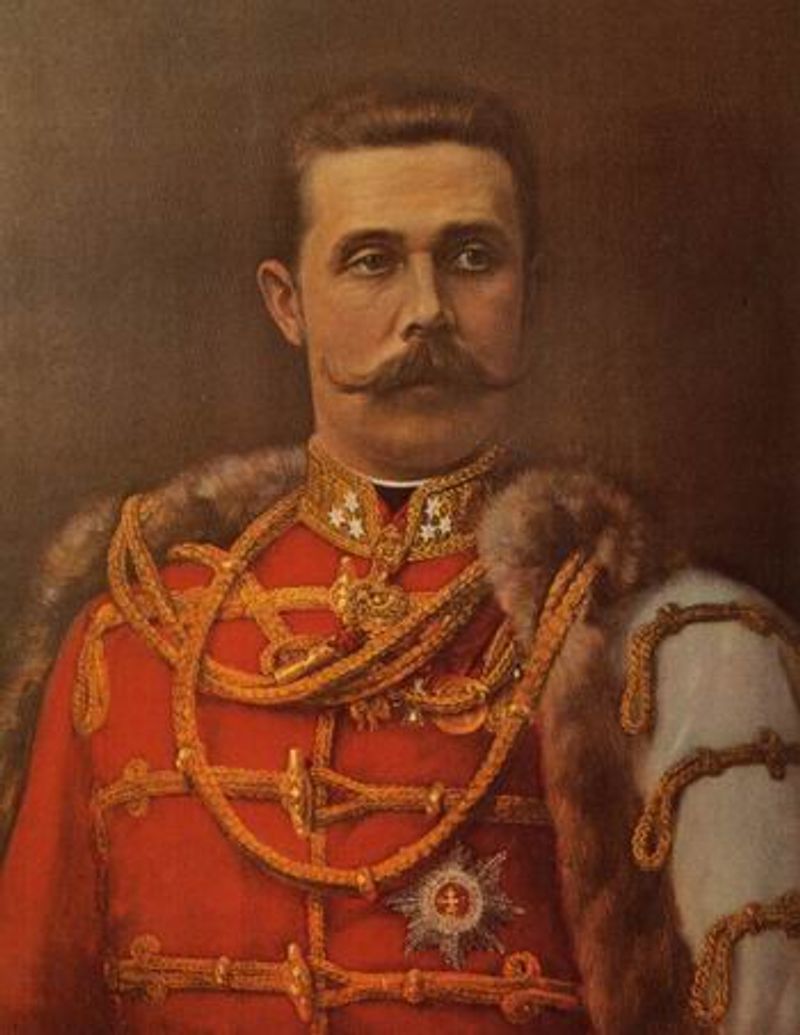
Franz Ferdinand did not start life as the heir to the Austro-Hungarian throne. Born in 1863 as a younger member of the Habsburg family, his path to succession opened only after Crown Prince Rudolf died in 1889 and his own father, Archduke Karl Ludwig, followed in 1896.
His marriage to Countess Sophie Chotek in 1900 was considered a morganatic union because she lacked sufficient royal rank. The imperial court required him to formally renounce succession rights for any children they might have. Despite the restrictions, he remained committed to the relationship and to his own vision of reforming the empire’s structure.
On June 28, 1914, he and Sophie were shot by Gavrilo Princip in Sarajevo during an official visit to Bosnia. The assassination triggered the July Crisis, a cascade of ultimatums and mobilizations that produced the First World War. Franz Ferdinand never became emperor, and the empire he would have inherited collapsed entirely by November 1918.
7. Tsarevich Nicholas Alexandrovich of Russia (1843–1865)
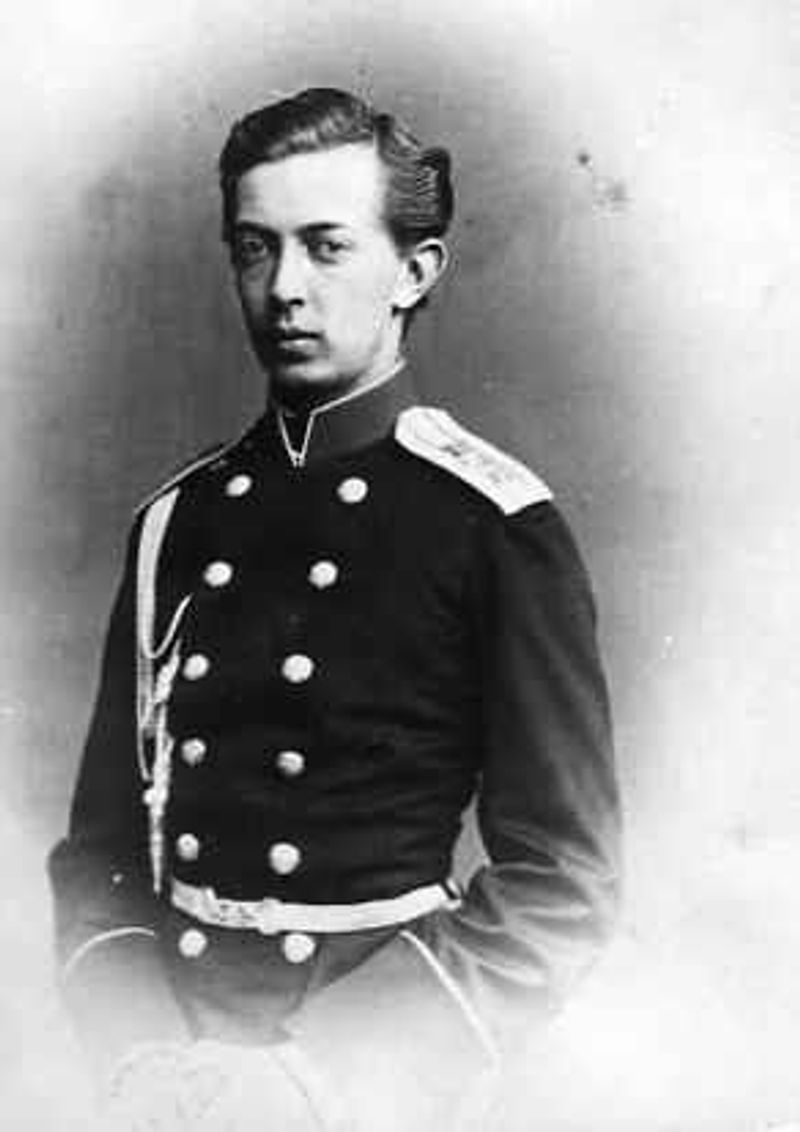
Nicholas Alexandrovich was everything the Romanov court hoped for in a future tsar. The eldest son of Alexander II, he was educated extensively, admired by diplomats and courtiers alike, and considered well-suited to lead Russia through a period of significant reform and modernization.
In 1864, he set out on a grand European tour, a standard element of royal preparation intended to build diplomatic relationships and broaden his understanding of other nations. The journey was proceeding smoothly until his health deteriorated sharply in the south of France.
Diagnosed with cerebrospinal meningitis, Nicholas died in Nice in April 1865, just 21 years old. The succession passed to his younger brother Alexander, who had not been prepared for the role with the same intensity. That brother eventually became Tsar Alexander III, whose reign took a markedly more conservative direction than observers had expected from Nicholas, steering Russia toward policies that would shape the next several turbulent decades.
8. Tsarevich Alexei Nikolaevich of Russia (1904–1918)
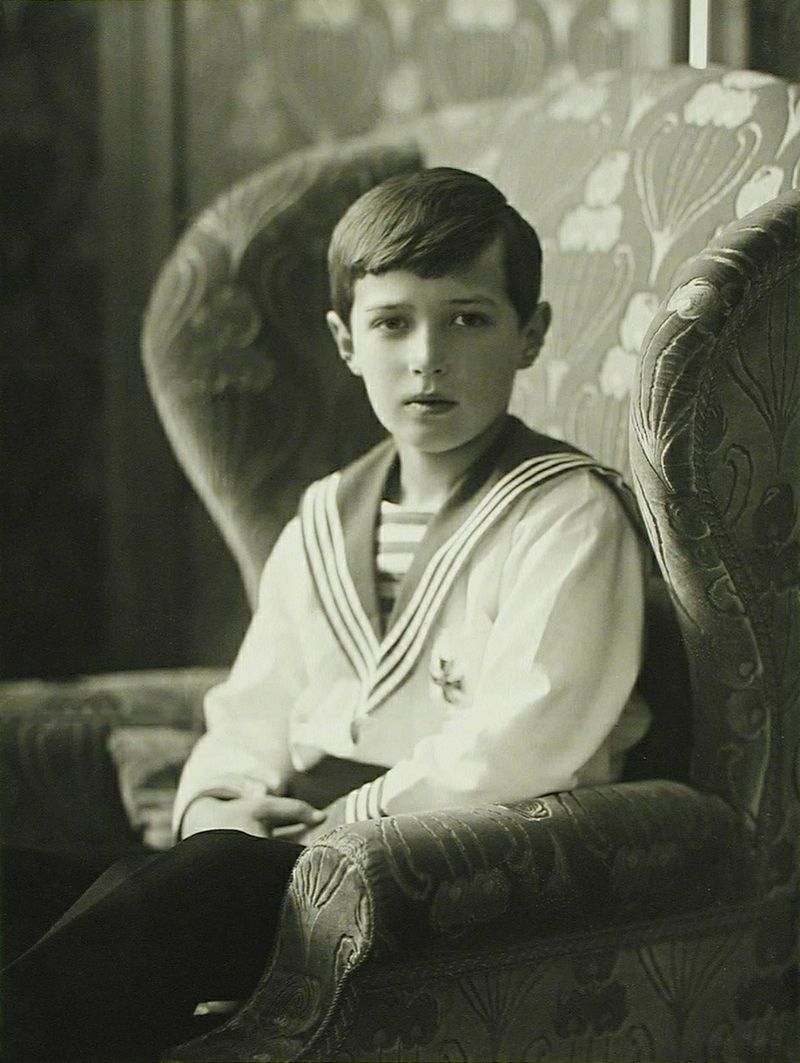
Alexei Nikolaevich was born in 1904 as the only son of Tsar Nicholas II, making him heir apparent to the Russian Empire. His birth was celebrated across the country, but within the imperial family, joy was quickly tempered by a serious medical reality: Alexei had inherited hemophilia B, a clotting disorder passed through his mother’s lineage from Queen Victoria.
The condition caused painful internal bleeding episodes and required constant monitoring. His parents kept the diagnosis largely secret, fearing it would project weakness onto the dynasty. Their search for relief led them to Grigori Rasputin, a faith healer whose apparent ability to calm Alexei gave him unusual influence over the imperial household.
When the February Revolution of 1917 toppled the Romanovs, Alexei and his family were sent into internal exile. In July 1918, Bolshevik forces executed the entire family in Yekaterinburg. Alexei was 13 years old. DNA analysis conducted decades later confirmed the identities of the family members and the presence of the hemophilia gene.
9. Crown Prince Dipendra of Nepal (1971–2001)
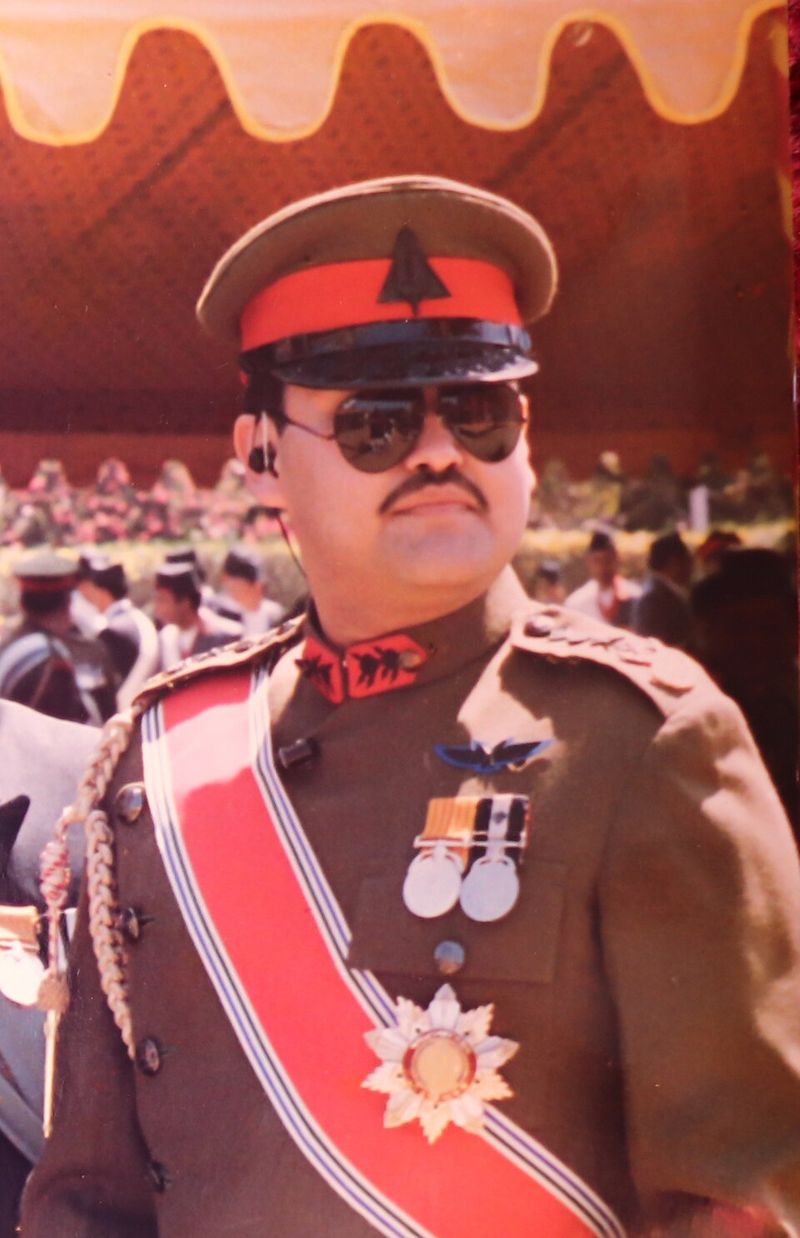
Dipendra spent nearly three decades preparing to lead Nepal. As the eldest son of King Birendra and Queen Aishwarya, he engaged in royal duties, represented the kingdom internationally, and was widely expected to continue the Shah dynasty’s centuries-long hold on the Nepalese throne.
On the evening of June 1, 2001, a devastating incident unfolded at the Narayanhity Royal Palace during a family gathering. Multiple members of the royal family were fatally shot, and Dipendra was identified as the perpetrator before he turned the weapon on himself. The precise motivations behind the event have been discussed and debated ever since.
While Dipendra lay in a coma, he was legally proclaimed King of Nepal under the rules of succession. That reign lasted three days. He died on June 4, 2001, without ever regaining consciousness. The massacre destabilized the monarchy so severely that Nepal abolished the institution entirely in 2008, becoming a federal democratic republic.
10. Prince George, Duke of Kent (1902–1942) – United Kingdom
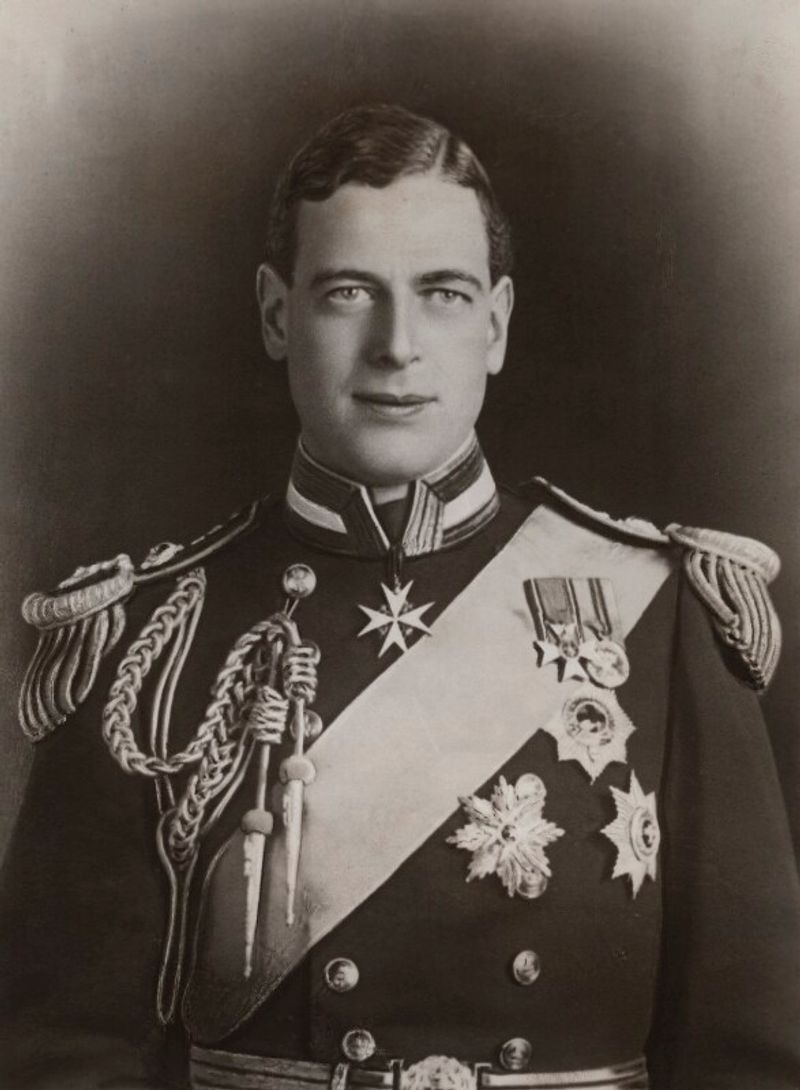
The fourth son of King George V was not born expecting to play a central role in British succession. Prince George built his early career through service in the Royal Navy during the 1920s before transitioning to the Royal Air Force. In 1934, he was created Duke of Kent and married Princess Marina of Greece and Denmark.
The abdication of his eldest brother, Edward VIII, in December 1936 reshuffled the line of succession considerably. George moved closer to the throne as his brother Bertie became King George VI and the royal family navigated the political fallout from the abdication crisis.
During the Second World War, George served actively within the Royal Air Force. On August 25, 1942, the flying boat he was traveling in crashed into a hillside in Caithness, Scotland, during a wartime mission to Iceland. He was 39 years old. His passing marked one of the rare instances of a senior British royal dying on active service in modern times.
11. Crown Prince Sado (1735–1762) – Joseon Korea
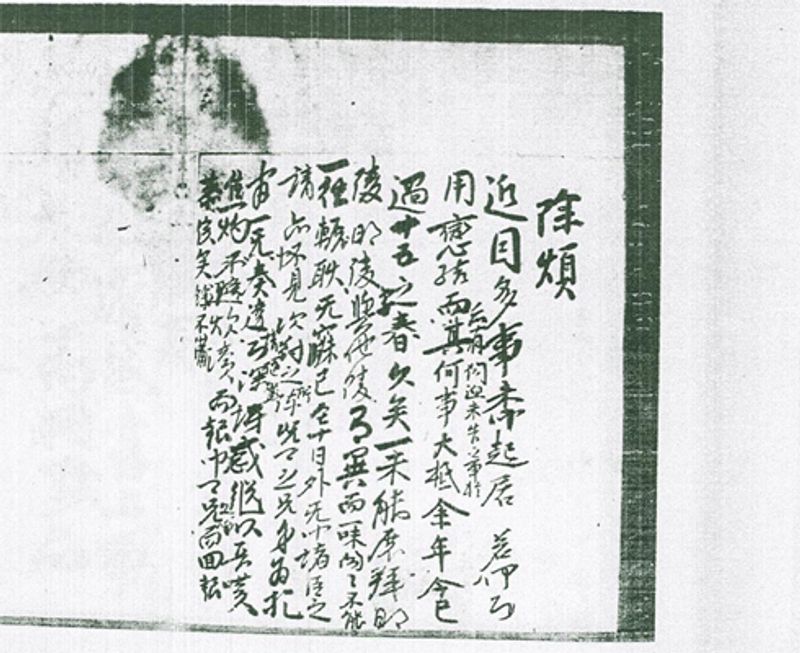
Crown Prince Sado was designated heir to the Joseon throne from an early age, the son of King Yeongjo, one of Korea’s longest-reigning monarchs. His position seemed secure for decades, and the expectation was a straightforward transfer of power when the time came.
That expectation collapsed as Sado’s behavior became increasingly erratic and violent through the late 1750s. Historical accounts document outbursts of rage, harm to palace attendants, and conduct that alarmed the royal court. King Yeongjo grew convinced that his son lacked the temperament and judgment required of a Joseon king.
In July 1762, Yeongjo ordered Sado confined inside a large wooden rice chest. The method was deliberately chosen to avoid shedding royal blood directly, which carried its own set of dynastic and ceremonial consequences. Sado died after eight days, likely from dehydration and the summer heat. His son later became King Jeongjo, a highly respected ruler who spent much of his reign working to rehabilitate his father’s damaged historical reputation.
12. Crown Prince Adalbert of Prussia (1884–1948)
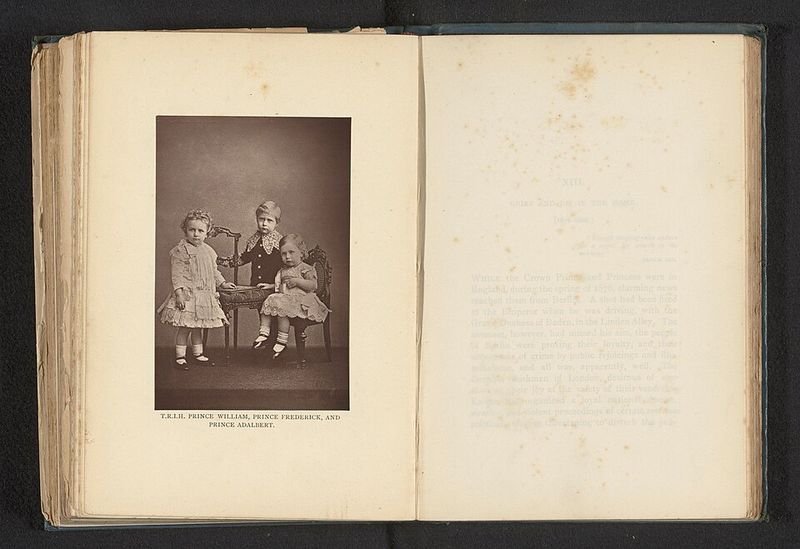
Adalbert of Prussia was the third son of Kaiser Wilhelm II, which placed him at a comfortable distance from the immediate line of succession. He pursued a naval career, serving as an officer in the Imperial German Navy and commanding the light cruiser SMS Dresden in 1917 during the First World War.
Various shifts in family circumstances moved him incrementally closer to the Hohenzollern succession, but none of that ultimately mattered. In November 1918, Germany’s defeat in the First World War triggered a political collapse that ended the imperial system entirely. Wilhelm II abdicated, and the throne Adalbert might one day have inherited simply ceased to exist.
After the monarchy fell, Adalbert relocated to Switzerland in 1928, adopting a pseudonym and living quietly outside the turbulent politics of Weimar Germany and what followed. He died in 1948. His story captures something broader: entire royal lines rendered obsolete not by personal failure but by the sweeping political transformations that redrew Europe’s map after 1918.
Share this story