Surrounded by the pine forests of New Hampshire’s Monadnock Region, Greenfield State Park is a favorite destination for camping, swimming, paddling, and relaxing by the water. Centered around peaceful Otter Lake, the park offers spacious campsites, scenic trails, and a quiet setting that keeps visitors coming back year after year.
Beyond the campground, you’ll find sandy beaches, calm waters for kayaking, abundant wildlife, and family-friendly recreation. Whether you’re planning a summer camping trip or a colorful fall escape, Greenfield State Park is one of New Hampshire’s best places to enjoy the outdoors.
Where Exactly You Will Find This Place
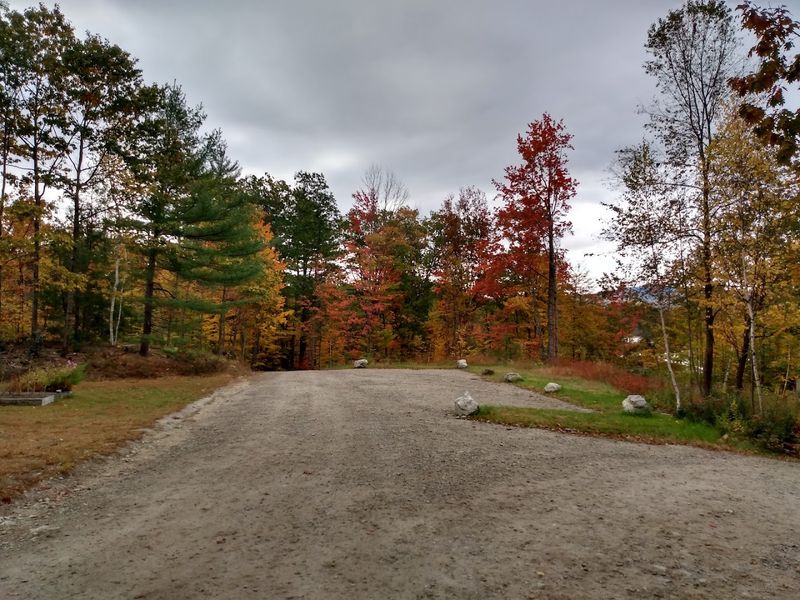
The address is 973 Forest Road, Greenfield, NH 03047, and the moment you turn off the main road and follow the tree-lined lane toward the park entrance, you already feel the pace of things shifting.
Greenfield State Park sits in the Monadnock Region of southwestern New Hampshire, a part of the state known for rolling hills, quiet towns, and landscapes that do not try too hard to impress but end up impressing you anyway.
The park covers about 400 acres and is managed by New Hampshire State Parks. It reopened in June 2025 after a full year of renovations, meaning the facilities visitors encounter now are fresher and more polished than they have been in years.
The phone number for the park is 603-547-3497, and the official website through New Hampshire State Parks is the best place to check current hours and reservation availability before you make the drive.
The Story Behind the Park
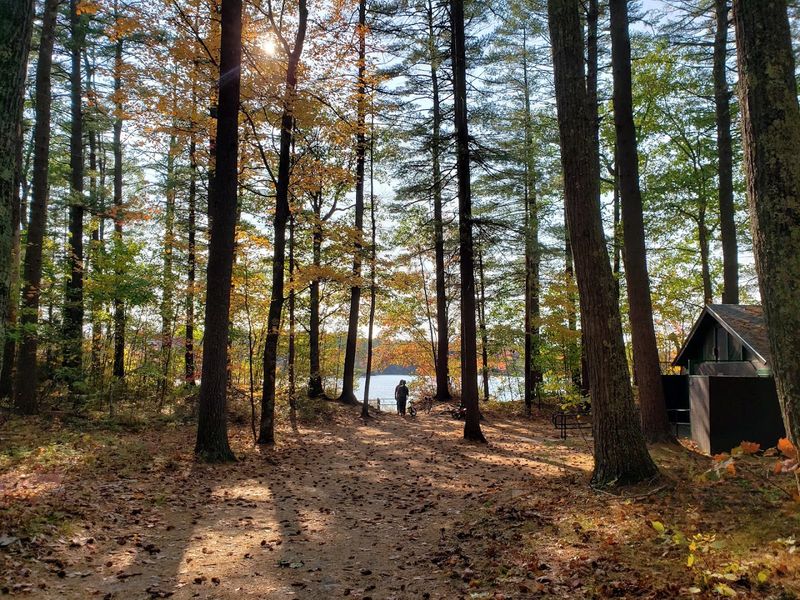
Greenfield State Park did not appear overnight. The land acquisition process began in 1959 when the state started purchasing town-owned property around Otter Lake, and the park was officially established in 1961.
It opened its gates to the public on June 25, 1964, as part of a broader expansion of the New Hampshire State Park system that was funded by a nine-million-dollar state bond. That investment reflected a genuine postwar enthusiasm for public outdoor spaces, a belief that people deserved places where they could camp, swim, and breathe.
The park grew into the largest campground in the entire New Hampshire State Park system, a title it still holds today. After more than six decades of welcoming visitors, it underwent a comprehensive infrastructure improvement project that kept it closed throughout all of 2024.
The reopening in June 2025 marked a new chapter, and the upgrades are noticeable in ways that matter most to campers.
Otter Lake: The Heart of Everything
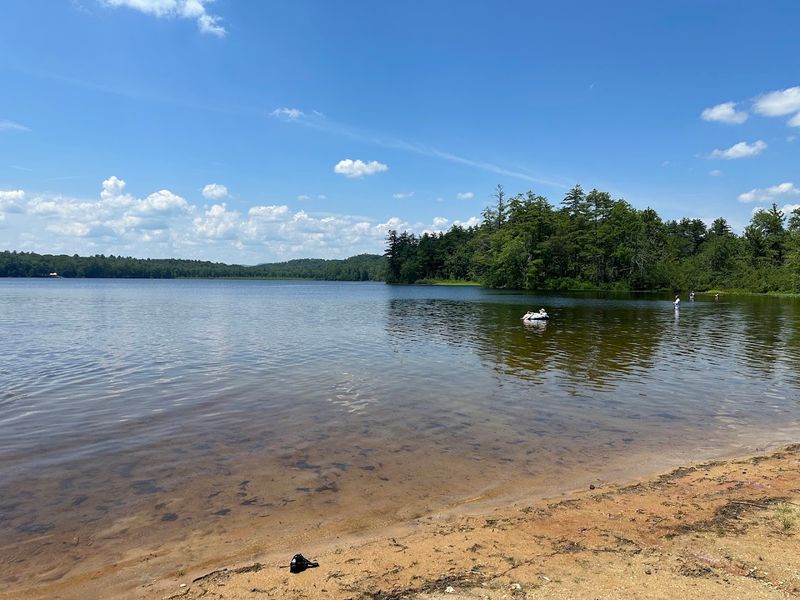
Otter Lake is the reason most people show up here, and it earns every bit of the attention it gets. The water is clear, the shoreline is undeveloped, and the no-motorized-boat rule keeps the surface smooth and quiet throughout the day.
That policy is not just a minor detail. It fundamentally changes the experience on the water, turning the lake into a place where you can actually hear birdsong from your kayak instead of engine noise.
The lake warms up enough for comfortable swimming from late June through early September, which aligns neatly with the peak camping season. Campers get access to a dedicated 900-foot beach, which offers a more relaxed alternative to the busier day-use area.
Otter Lake also sits within a larger network of ponds and bogs that adds ecological depth to the park, giving it a layered, wild feeling that a single body of water alone could not produce.
Camping at the Largest Campground in the State Park System
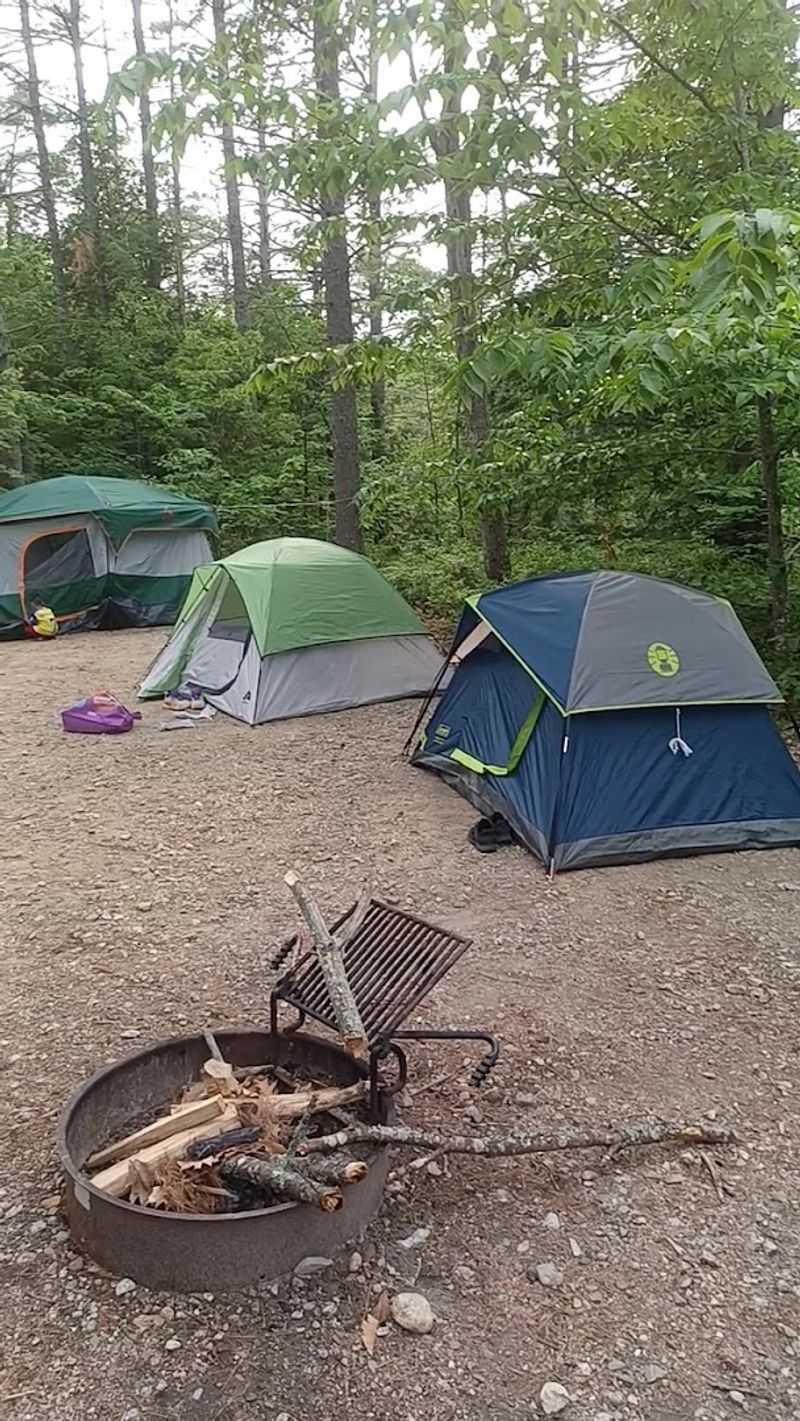
With somewhere between 255 and 256 individual campsites spread across 400 acres of mixed forest, Greenfield State Park holds the title of the largest campground in the New Hampshire State Park system, and the space shows.
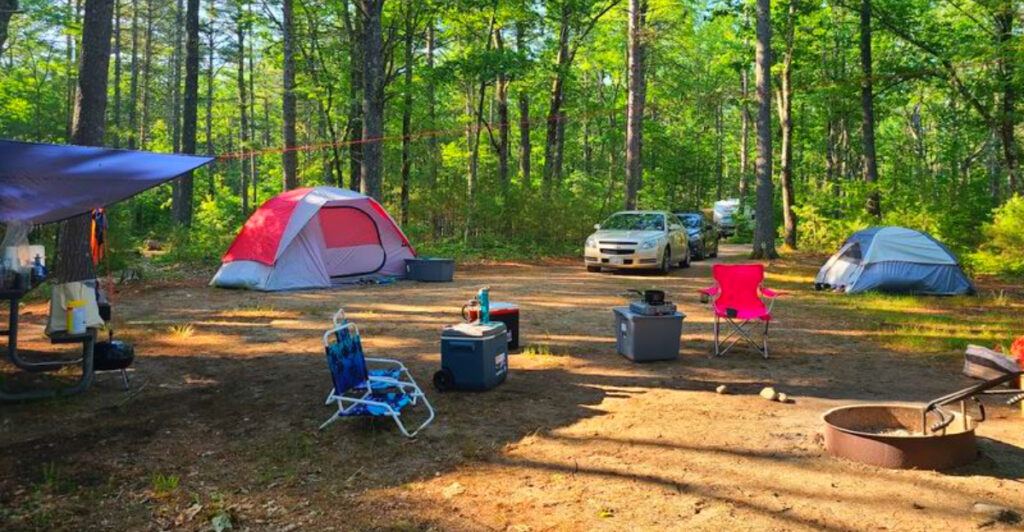
Campsites are private, well-shaded, and far enough apart that you rarely feel like you are camping on top of your neighbors. Each site comes with a picnic table and a fire pit with a grill grate, which covers the basics without any fuss.
There are no electric or water hookups at individual sites, so this is genuinely primitive-style camping even for RV visitors. A dump station is available for those who need it, and potable water spigots are spaced throughout the campground so you are never far from a tap.
Reservations can be made up to eleven months in advance, which tells you something about how popular this place gets during summer weekends and holiday stretches.
Paddling on Calm Water Without the Crowds
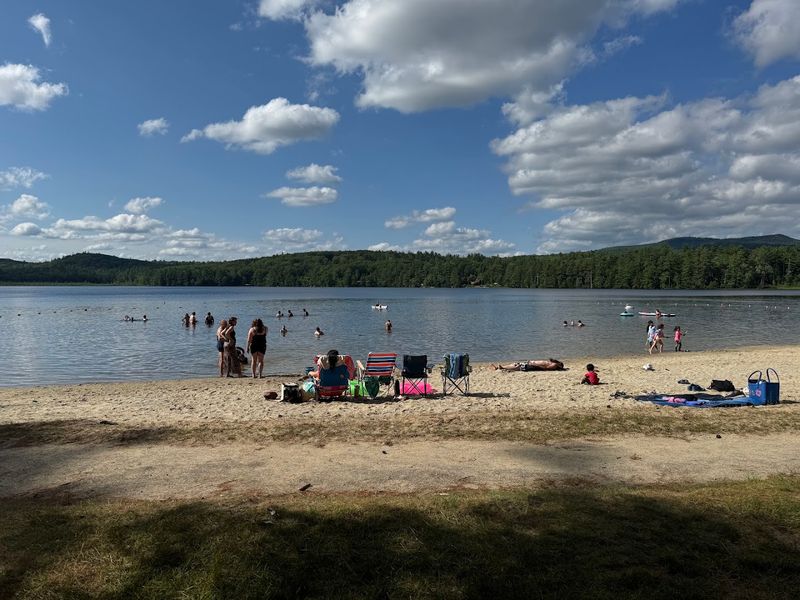
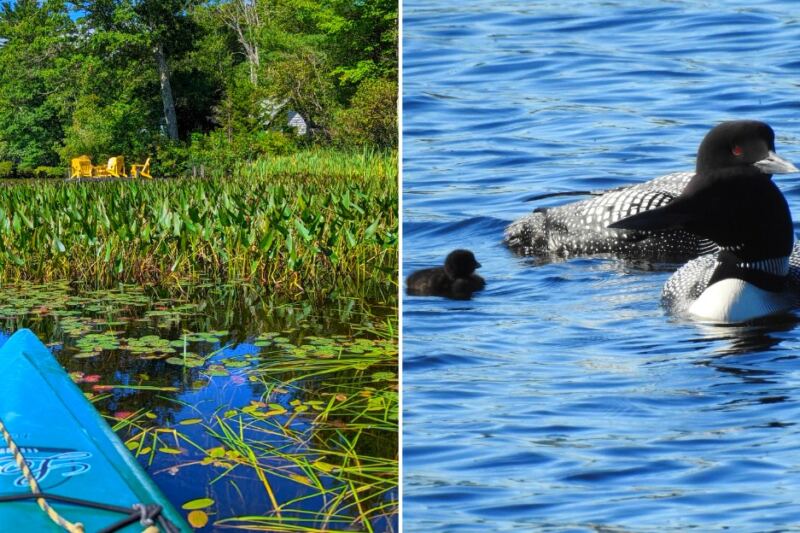
Kayaking on Otter Lake is one of those experiences that sounds simple but ends up being the highlight of the trip. The no-motorized-boat rule means the water stays calm, and you can paddle from one end of the lake to the other without dodging wakes or competing with noise.
The park offers kayak and canoe rentals on-site, so you do not need to haul your own equipment to enjoy the water. That convenience alone makes the park more accessible for families and first-time paddlers who want to try something new without a major gear investment.
The surrounding ponds and bogs within the park’s 400 acres add extra territory for exploration if you want to extend your time on the water. Loons, turtles, ducks, and frogs are regular sightings along the shoreline, turning every paddle into a quiet wildlife encounter.
Early mornings are the best time to go out, when the lake is at its calmest and the light is low and golden across the water.
Swimming, Beaches, and Sun-Soaked Afternoons
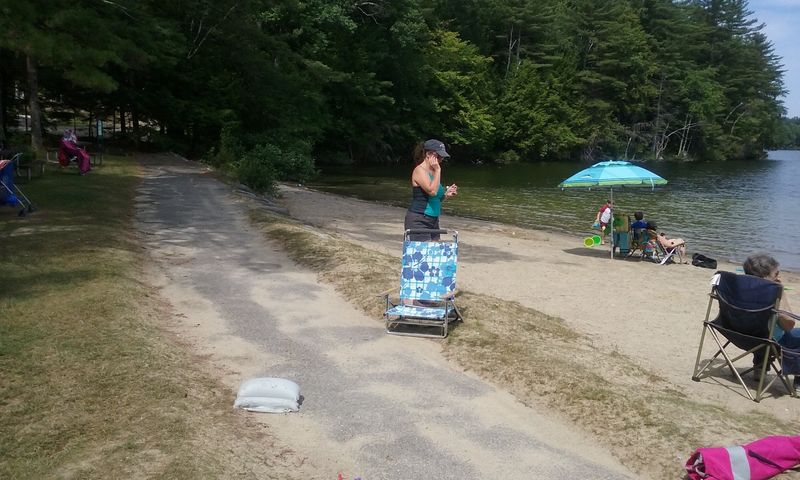
The beach situation at this park is actually better than many people expect. Day-use visitors head to Picnic Beach, which comes with picnic tables, a playground, and a bathhouse, making it a solid spot for a full family day out.
Campers have their own dedicated stretch of shoreline, a 900-foot beach that offers a calmer, less crowded alternative to the main day-use area. That separation between day visitors and overnight guests is a thoughtful design that keeps both experiences feeling comfortable.
The water temperature in Otter Lake hits its sweet spot from late June through early September. Outside of that window, swimming is technically possible but considerably less inviting, especially in the early season when the lake is still shaking off the cold.
Lifeguard availability can vary, so it is always worth checking with the park office before letting younger swimmers head in unsupervised. The sandy shoreline and clear water make this one of the more enjoyable swim spots in the region.
Trails That Wind Through 400 Acres of Mixed Forest
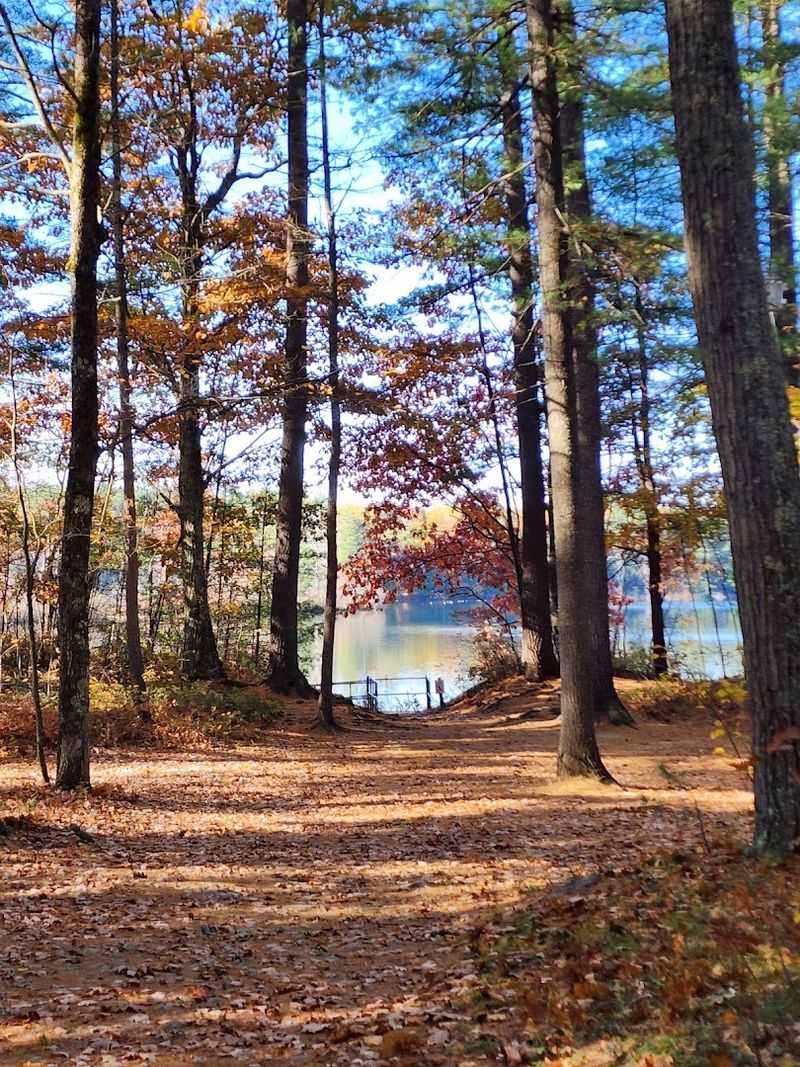
The trail system at Greenfield State Park is not built for peak-baggers or serious elevation seekers. What it offers instead is a genuinely pleasant network of paths through varied forest terrain, well-suited for families, casual hikers, and anyone who just wants to walk somewhere quiet.
The Hogback Pond Trail is the most popular option, a 1.2-mile loop around the small and scenic Hogback Pond. The walk typically takes about 45 minutes, stays relatively flat, and doubles as a self-guided nature hike with information about the local plant and animal life along the route.
Mountain bikers have the North Loop to look forward to, a 1.1-mile singletrack maintained by the Greenfield Trails Association that offers a bit more challenge than the walking paths. The forest itself is a mix of Eastern Hemlock, White Pine, Red Pine, and Pitch Pine, each identifiable by their needle clusters if you know what to look for.
North Pack Monadnock trailhead is just 12 minutes away for anyone wanting a bigger climb after camp.
Wildlife That Makes Every Walk an Event
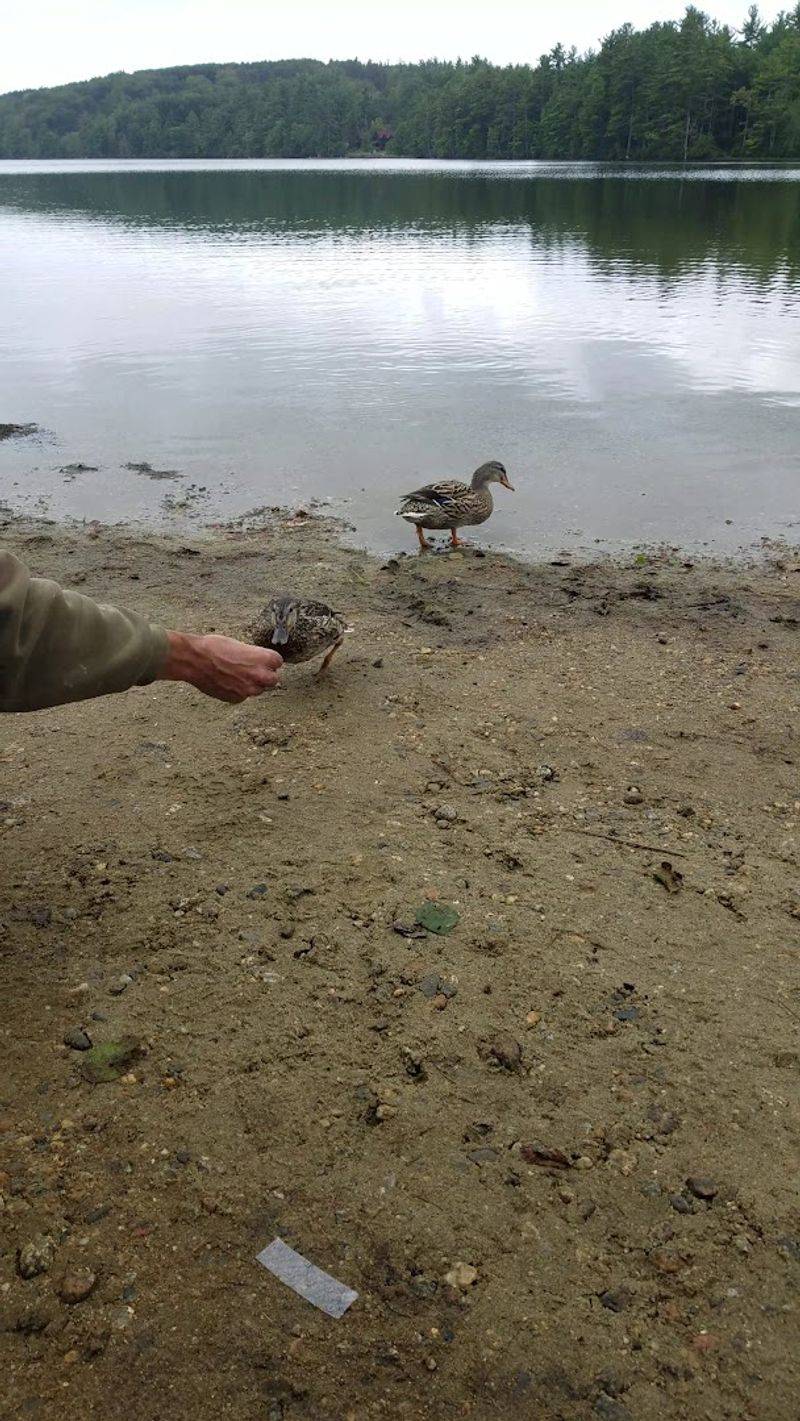
The combination of ponds, bogs, forest, and shoreline at Greenfield State Park creates a patchwork of habitats that supports a wide range of wildlife. Otter Lake is home to loons, and hearing one call across the water in the early morning is the kind of sound that stays with you.
Turtles sun themselves on logs along the quieter sections of shoreline, and various duck species move in and out throughout the season. The self-guided Hogback Pond Trail specifically highlights wildlife and plant species along the route, turning a short walk into something more educational than expected.
Blueberry bushes appear in both low-bush and high-bush varieties across the park, and in season, they are very much worth pausing for. Chipmunks, squirrels, and the occasional Ruffed Grouse add movement and noise to the forest floor, while hawks sometimes circle overhead.
Green Frogs are vocal near the water’s edge, and the variety of mushroom species that emerge after rainy stretches can be surprisingly striking for anyone paying close attention.
Park Amenities That Make the Stay Comfortable
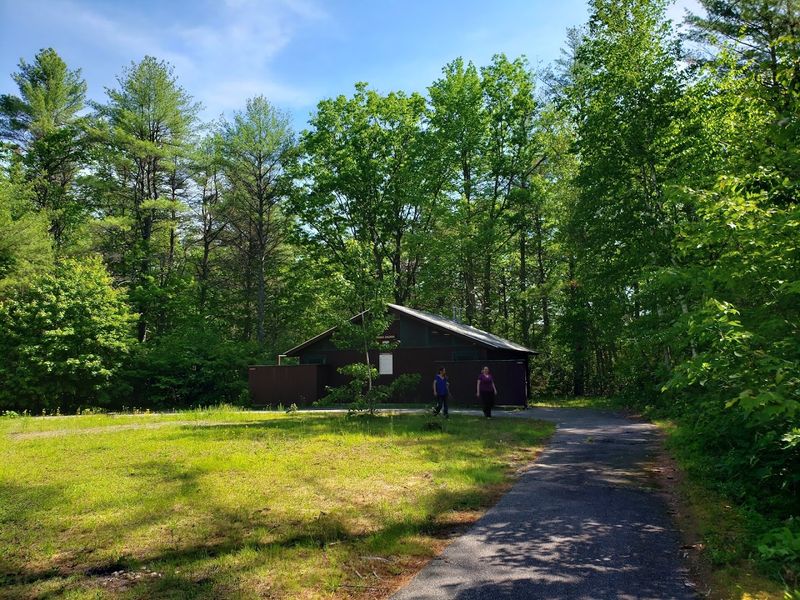
One thing that consistently surprises first-time visitors is how well-maintained the facilities are here. The bathrooms receive regular attention and show up in reviews far more often as a positive than a complaint, which is not always the case at campgrounds of this size.
Showers are available, though the single shower building is noted as being a distance from many of the campsites. It is one of the few practical drawbacks worth knowing about before you arrive, especially if you have young kids who need frequent rinse-offs after beach time.
A park store near the welcome center carries refreshments, firewood, and basic supplies at reasonable prices, which is genuinely useful when you realize you forgot something at home. Firewood is also available from a nearby fire station, which reportedly offers a solid deal worth taking advantage of.
Each campsite includes a fire pit with a grill grate, and the park office even has an electric hookup available for charging devices or inflating air mattresses.
The Best Time to Visit and How to Plan Ahead
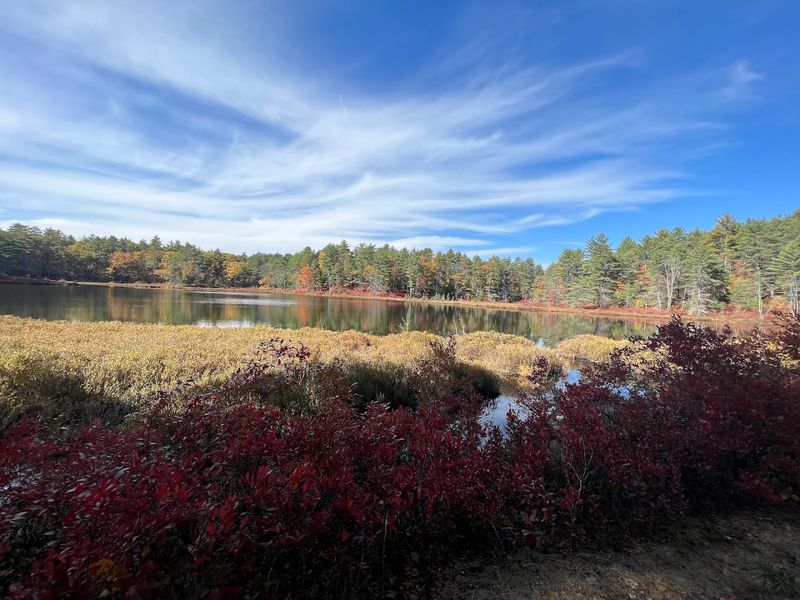
The peak season runs from late June through early September, which is when the lake is warm enough for swimming and the campground fills up fast. Summer weekends and holiday weekends book out well in advance, so waiting until the last minute is a reliable way to end up without a site.
Reservations can be made up to eleven months ahead of your arrival date, and that window is not just a formality. Families who return here every year often book their next trip before they even leave the park at the end of the current one.
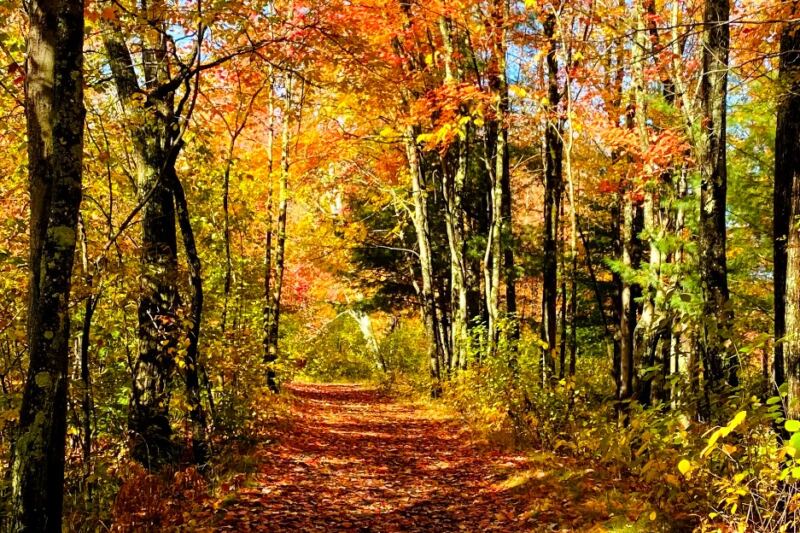
September is genuinely worth considering if you prefer fewer neighbors and more breathing room. The water is still warm enough for a swim early in the month, the foliage begins to shift colors by mid-September, and the campground takes on a quieter rhythm that feels like a different experience entirely.
Entrance fees are reasonable, with adults paying around four dollars and children between six and eleven paying two dollars. New Hampshire seniors 65 and older get in free.
Dog-Friendly Camping Done Right
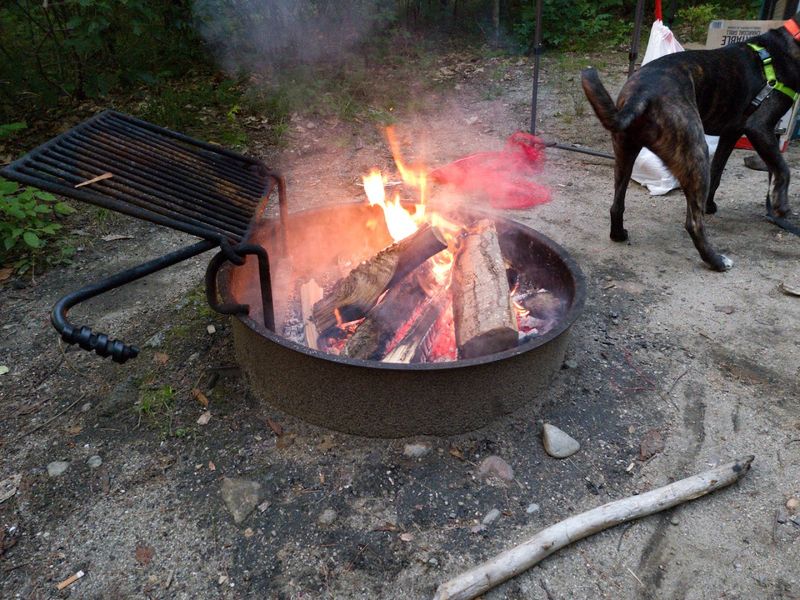
Greenfield State Park has a reputation among dog owners as one of the more welcoming campgrounds in the state park system. Pets are allowed throughout the campground, provided they are kept on a leash and supervised at all times, which is a fair arrangement that keeps the experience comfortable for everyone.
The spacious, well-separated campsites make traveling with a dog much less stressful than at tighter, more commercial-style campgrounds where noise and proximity can become friction points. With that much forest and so many paths to explore, dogs tend to have a very good time here.
The one firm rule to know is that pets are not permitted on the beaches. That boundary is enforced, so plan accordingly if your dog is the type who considers any body of water a personal invitation.
The trails, the campsite surroundings, and the general atmosphere of the park make it a natural fit for dog owners who want to bring the whole family without leaving anyone behind, fur included.
What Keeps People Coming Back Year After Year
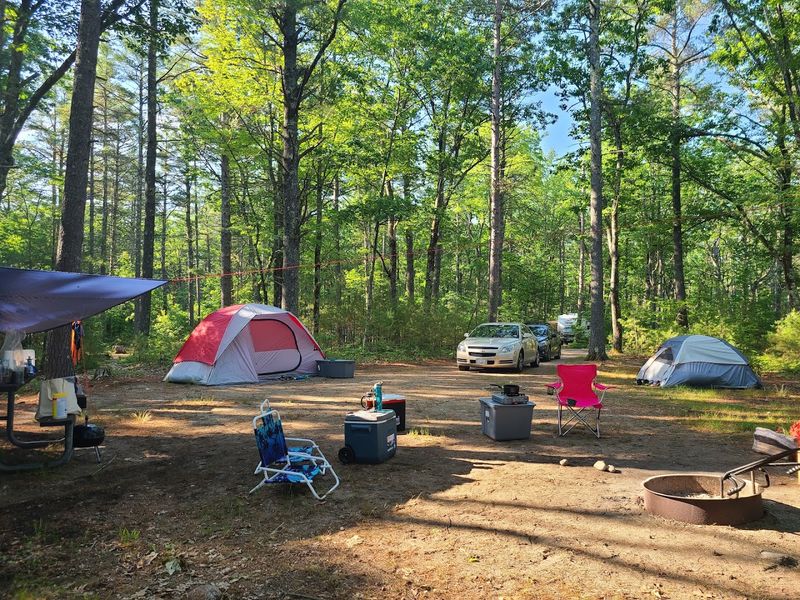
Some campgrounds get one visit and a polite review. Greenfield State Park gets generational loyalty. Families who came here as children return with their own kids, and the pattern repeats with a consistency that says more about the place than any single review ever could.
The combination of private campsites, a beautiful lake, clean facilities, friendly staff, and reasonable prices creates a package that is genuinely hard to replicate. None of those elements are flashy on their own, but together they add up to something that feels both reliable and special.
The surrounding Monadnock Region adds extra depth to any visit. The town of Peterborough is about 16 miles away for a change of scenery, and Mount Monadnock State Park sits roughly 22 miles out for anyone wanting a summit view after days of flat trails and calm water.
After a full renovation and a fresh reopening in 2025, this park enters its next chapter in better shape than it has been in years, ready for a new round of memories to be made around its quiet, pine-scented shores.
Share this story