History is filled with brilliant, talented people who left the world far too soon. Some were musicians, others were warriors, actors, or artists, but all of them shared one thing in common: they were just getting started.
Their stories remind us how fragile life can be and how much the world can lose when a great mind or talent is taken away early. Learning about these individuals helps us appreciate both their legacies and the work they left behind.
1. Wolfgang Amadeus Mozart (1756-1791)
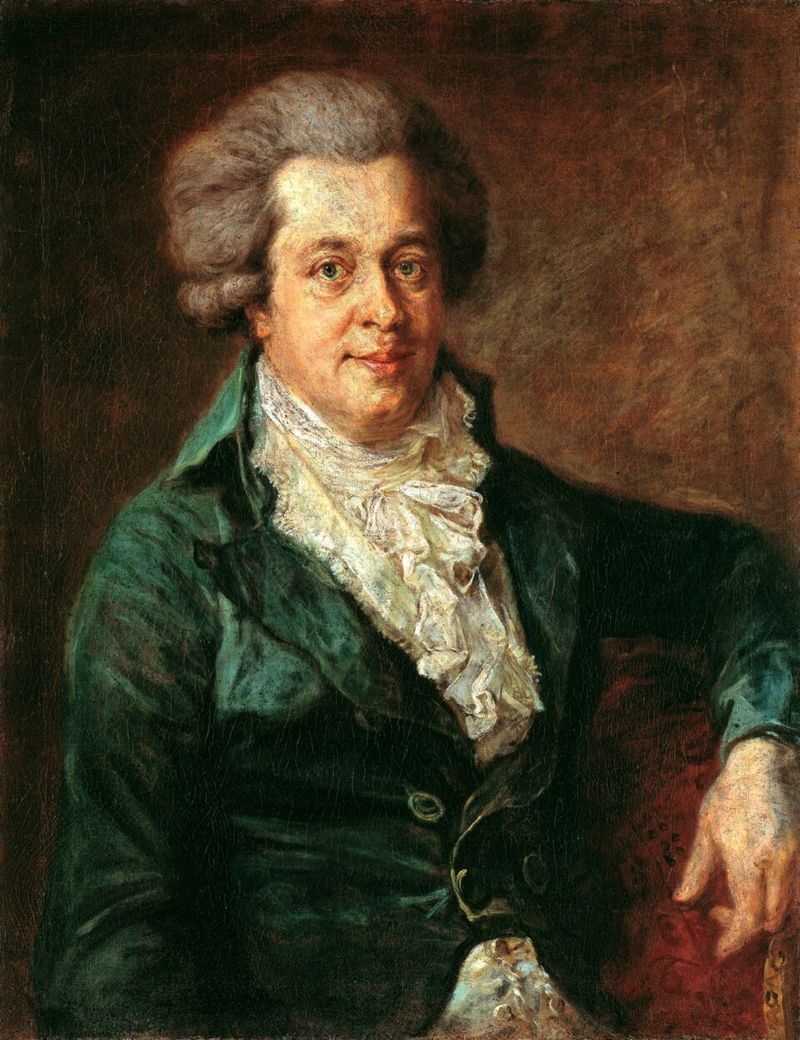
By the time most kids finish elementary school, Mozart had already performed for royalty across Europe. Born in Salzburg, Austria, he began composing music at age five and gave public performances at six.
His talent was so extraordinary that people believed he was touched by something beyond ordinary human ability.
Mozart produced over 800 works during his short life, including symphonies, operas, and chamber music that are still performed worldwide today. Pieces like “The Magic Flute” and “Symphony No. 40” remain beloved classics.
He was working on his famous Requiem when he died at just 35.
No one knows exactly what caused his death, and historians still debate it today. What is clear is that Mozart was hitting his creative peak when he passed.
Many musicologists believe his greatest compositions may have still been ahead of him.
2. Alexander the Great (356-323 BC)
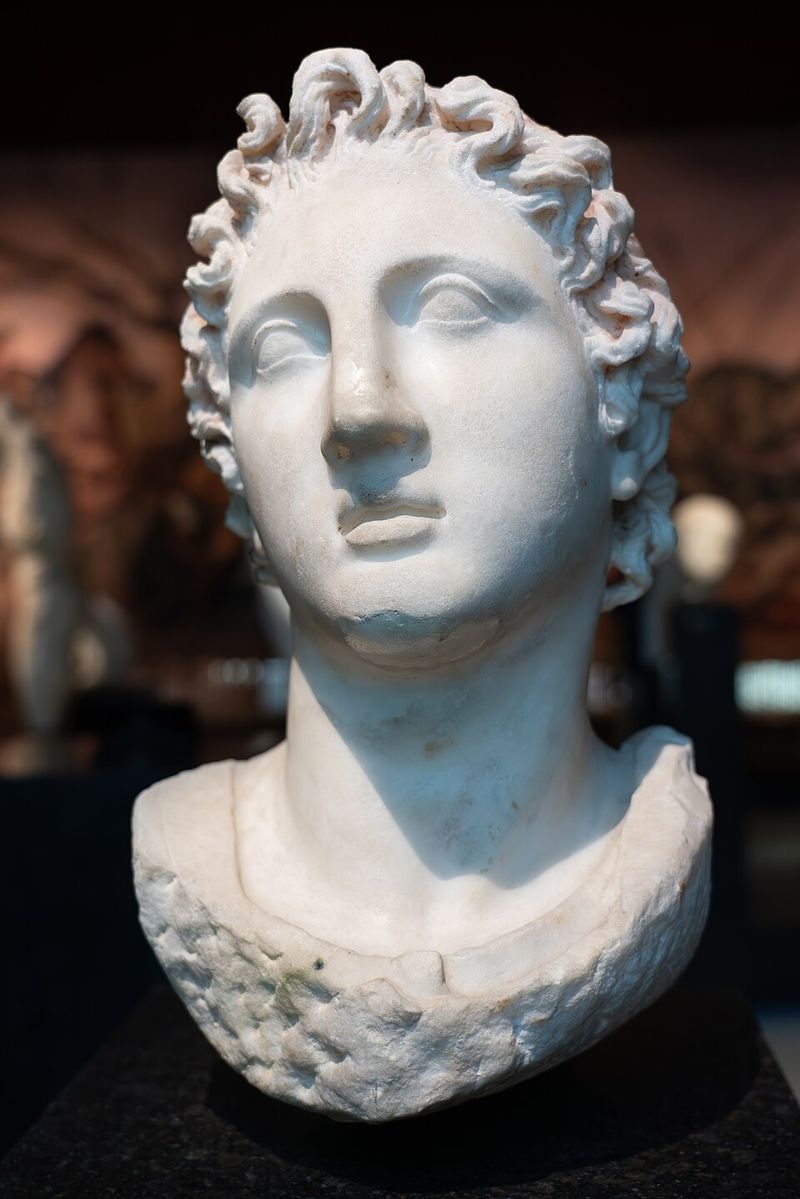
Alexander the Great had already conquered most of the known world by his early thirties. Born in Macedonia in 356 BC, he was tutored by the philosopher Aristotle and became king at just 20.
Within a decade, he had built one of the largest empires in ancient history, stretching from Greece all the way to northwestern India.
His military strategy was so advanced that it is still studied in military academies today. He never lost a single battle, which is a record few commanders in history can claim.
His campaigns spread Greek culture, language, and ideas across three continents.
Alexander died in Babylon at age 32, likely from illness, though some historians suspect poisoning. He had plans to conquer Arabia and possibly push further east.
His empire immediately began to crumble after his death, showing just how central he was to everything he built.
3. Joan of Arc (c. 1412-1431)
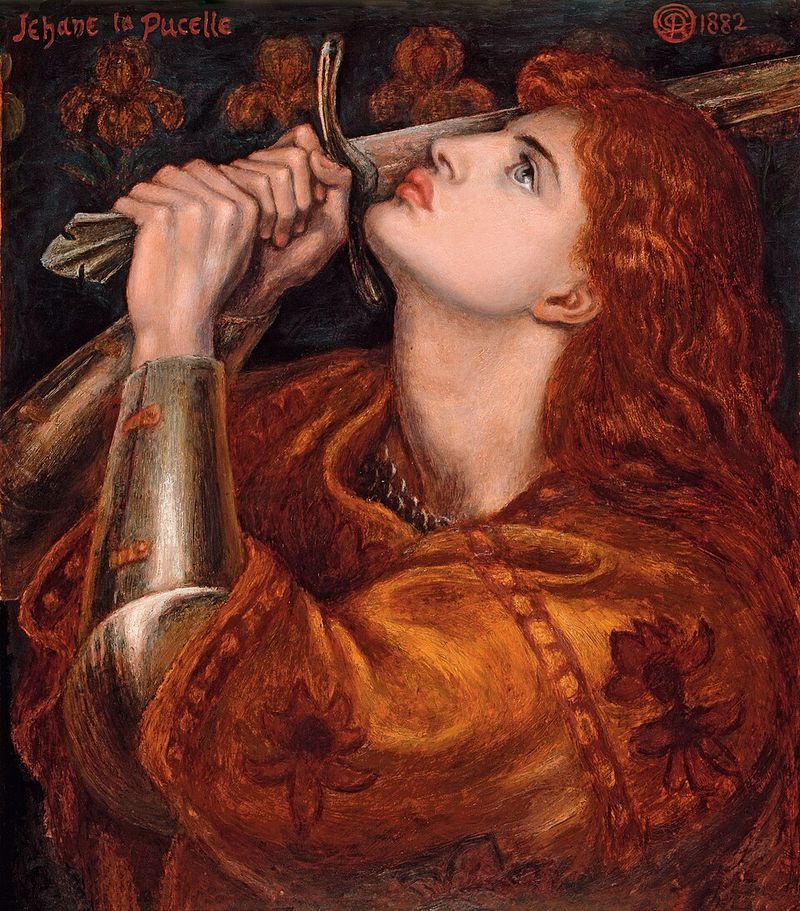
At an age when most teenagers are figuring out high school, Joan of Arc was leading armies into battle. Born in a small French village around 1412, she claimed to hear divine voices guiding her to help France drive out English forces during the Hundred Years War.
Remarkably, military commanders actually listened to her.
Under her leadership, French forces broke the siege of Orleans in 1429, a turning point in the war. She stood beside King Charles VII at his coronation, a moment she had fought fiercely to make possible.
Her courage on the battlefield was described by soldiers who fought alongside her as both fearless and inspiring.
Captured by Burgundian forces and handed to the English, Joan was tried for heresy and burned at the stake at just 19. She was later declared a saint by the Catholic Church.
Her story continues to inspire people around the world centuries later.
4. John Keats (1795-1821)
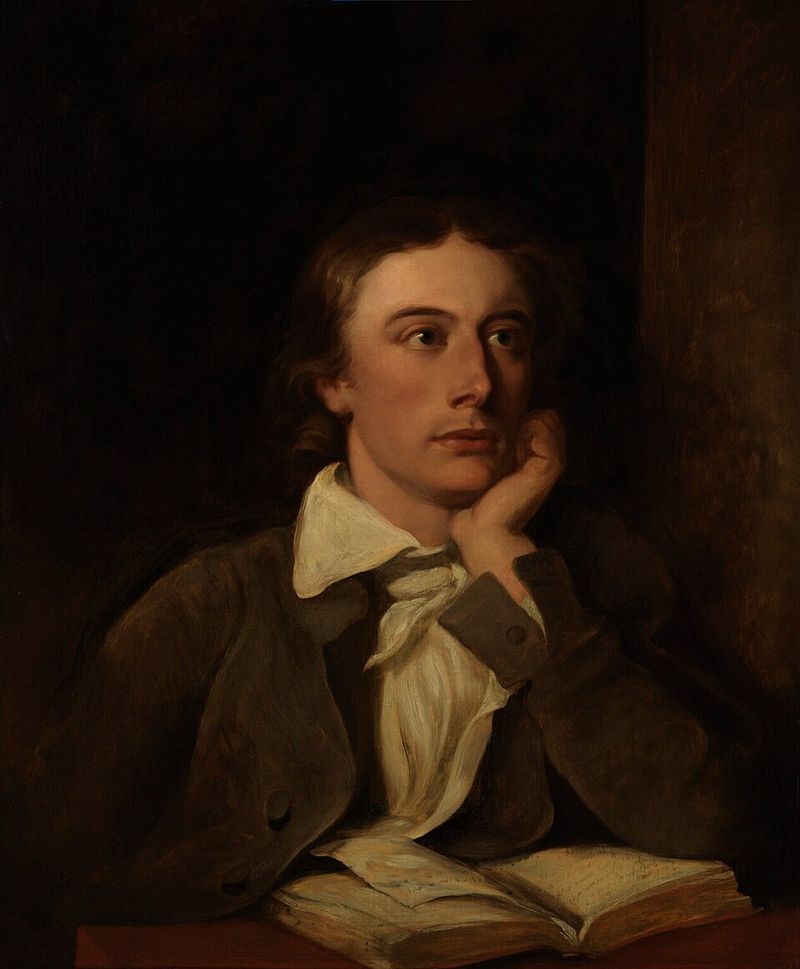
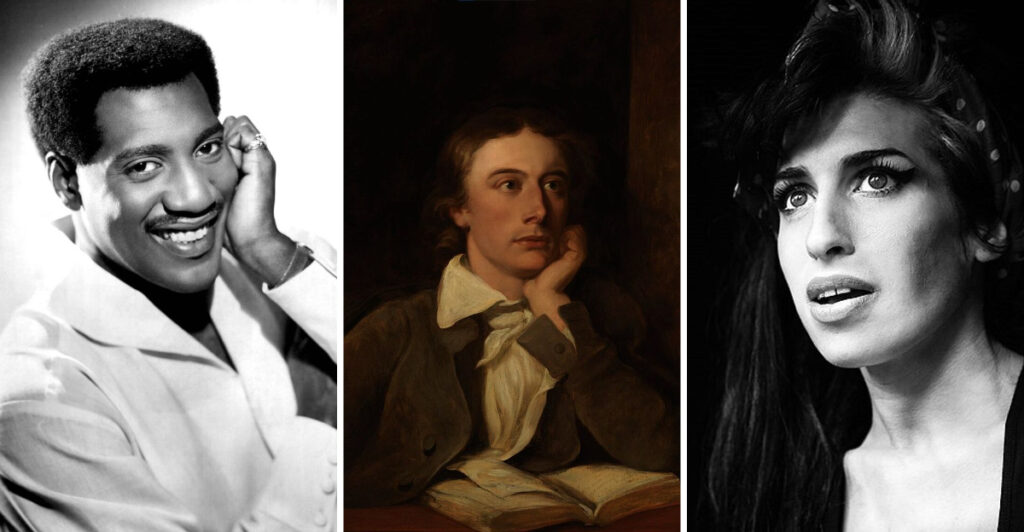
John Keats wrote some of the most beautiful poetry in the English language, and he did it all before turning 26. Born in London in 1795, he grew up surrounded by loss, losing his father, mother, and brother to illness before he was even a young adult.
Despite that grief, or perhaps because of it, his poetry overflowed with emotion and vivid imagery.
Poems like “Ode to a Nightingale” and “To Autumn” are studied in classrooms worldwide and praised for their rich sensory detail. Keats trained as a doctor before fully committing to poetry, and that medical knowledge gave him a unique understanding of pain and beauty.
He was diagnosed with tuberculosis at 25 and died in Rome just one year later. In a letter written near the end of his life, he described himself as someone “whose name was writ in water.” History proved him very wrong about that.
5. Ritchie Valens (1941-1959)
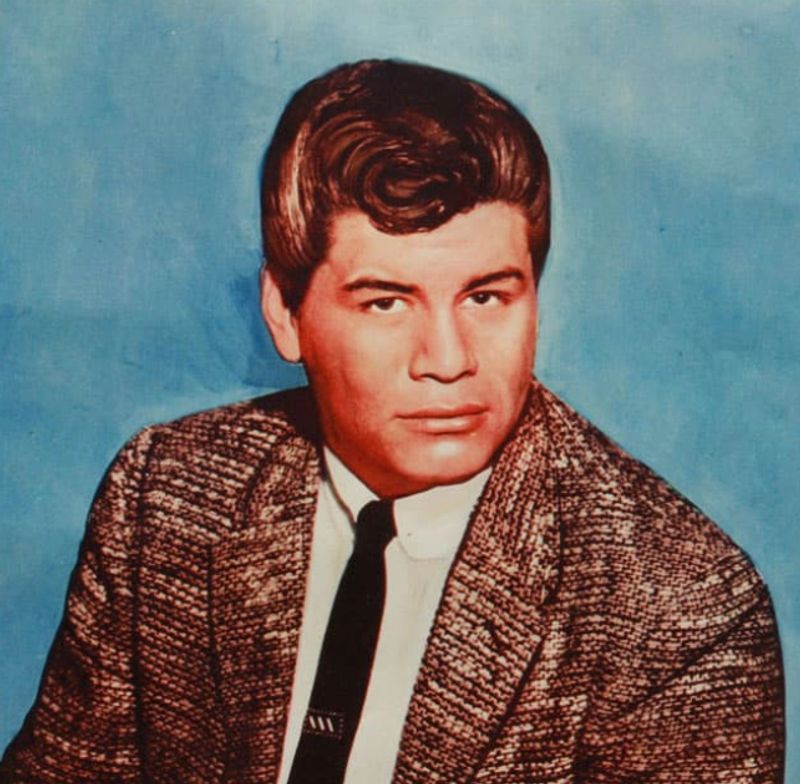
Ritchie Valens recorded “La Bamba” at 17 years old, and that song alone secured his place in rock and roll history. Born Richard Valenzuela in Pacoima, California, he was one of the first Latino artists to break into mainstream American pop music.
His rise happened so fast it almost seemed unreal, going from a high school guitarist to a national recording star in less than a year.
His blend of traditional Mexican folk music with rock and roll rhythms was genuinely new and opened doors for generations of Latino musicians who followed. Songs like “Donna” climbed the charts and showed his range as both a songwriter and performer.
He died on February 3, 1959, in a plane crash that also took the lives of Buddy Holly and The Big Bopper. Ritchie was only 17.
That date became known as “The Day the Music Died,” a phrase that captured the magnitude of what the world lost that night.
6. Otis Redding (1941-1967)
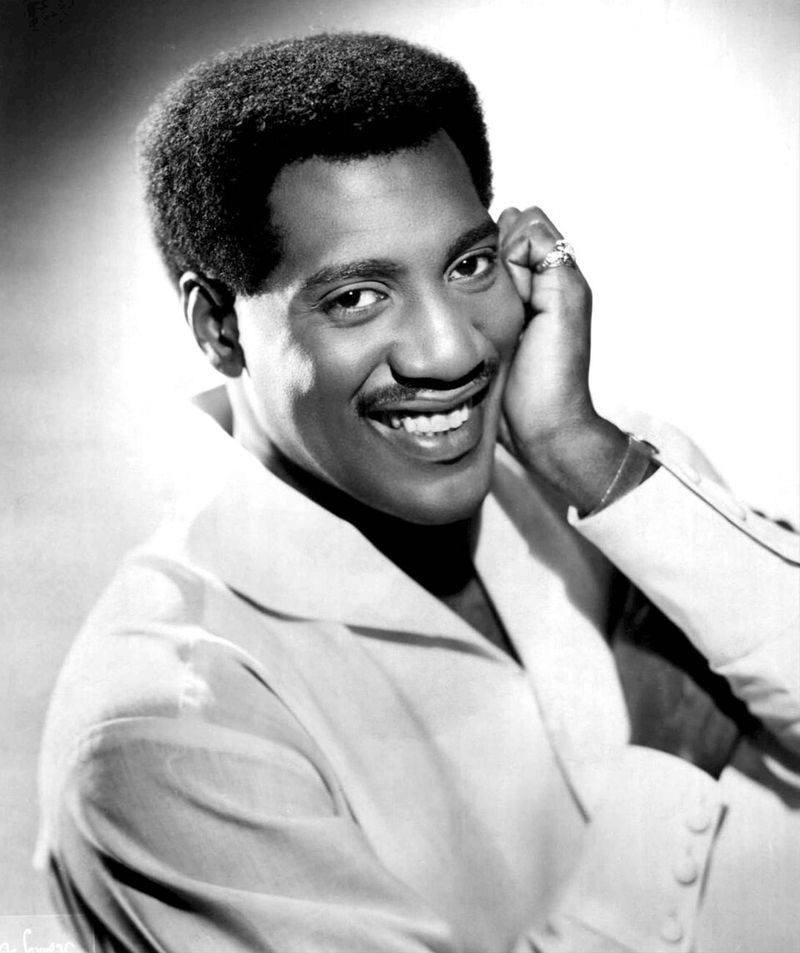
Otis Redding had a voice that could make a room go completely still. Born in Dawson, Georgia, he grew up singing in church and developed a raw, emotional style of soul music that felt deeply personal.
By his mid-twenties, he was already considered one of the greatest soul singers alive.
His 1967 performance at the Monterey Pop Festival introduced him to a massive new audience of rock fans who were completely captivated by his energy. Songs like “Try a Little Tenderness” and “Respect,” which he wrote and Aretha Franklin later made iconic, showed his extraordinary range as a songwriter.
Tragically, Redding died in a plane crash in December 1967 at age 26. His song “(Sittin’ On) The Dock of the Bay” was recorded just three days before his death and became his first number-one hit, released posthumously.
It remains one of the most beloved soul recordings ever made.
7. Bruce Lee (1940-1973)
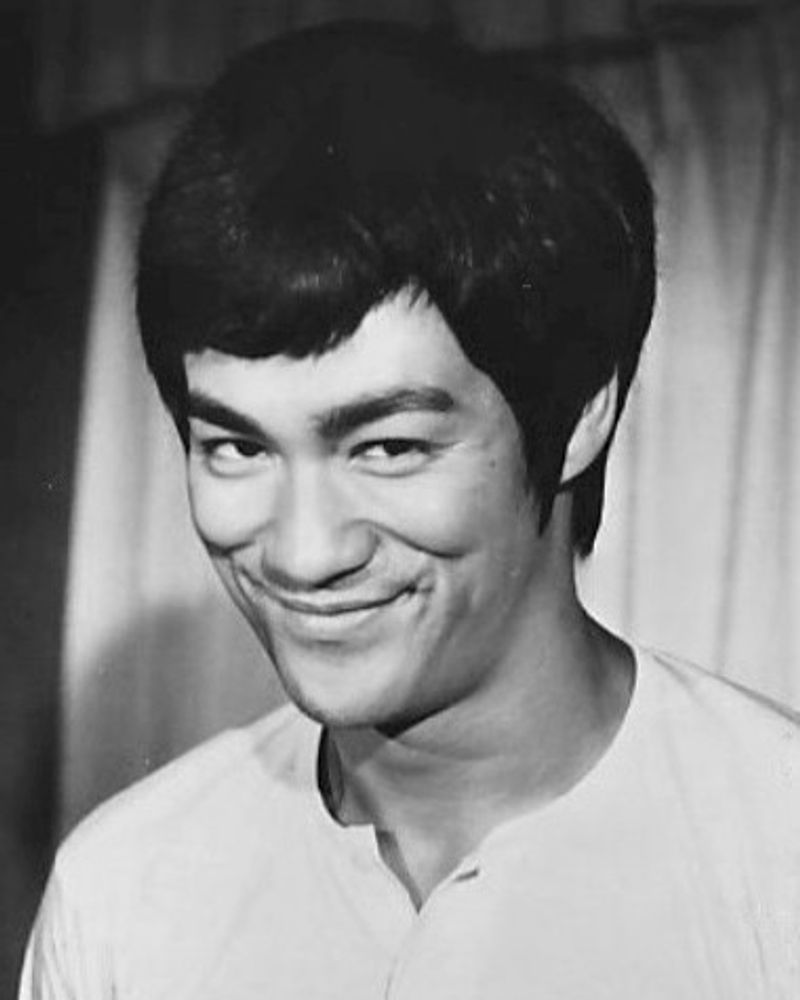
Bruce Lee did not just change martial arts films. He changed how the world thought about Asian identity, physical discipline, and the connection between mind and body.
Born in San Francisco and raised in Hong Kong, Lee developed Jeet Kune Do, his own martial arts philosophy that blended techniques from multiple disciplines into one fluid system.
His films, including “Enter the Dragon” and “Fists of Fury,” were global sensations that made him one of the most recognizable people on the planet. Beyond fighting, Lee was a deep thinker who filled notebooks with philosophical ideas about self-improvement and human potential.
His writings are still widely read today.
He died suddenly in Hong Kong at age 32 from cerebral edema, a swelling of the brain. He had just finished filming “Enter the Dragon” and was planning several major new projects.
The martial arts world lost not just an icon but a true innovator who was still evolving.
8. River Phoenix (1970-1993)
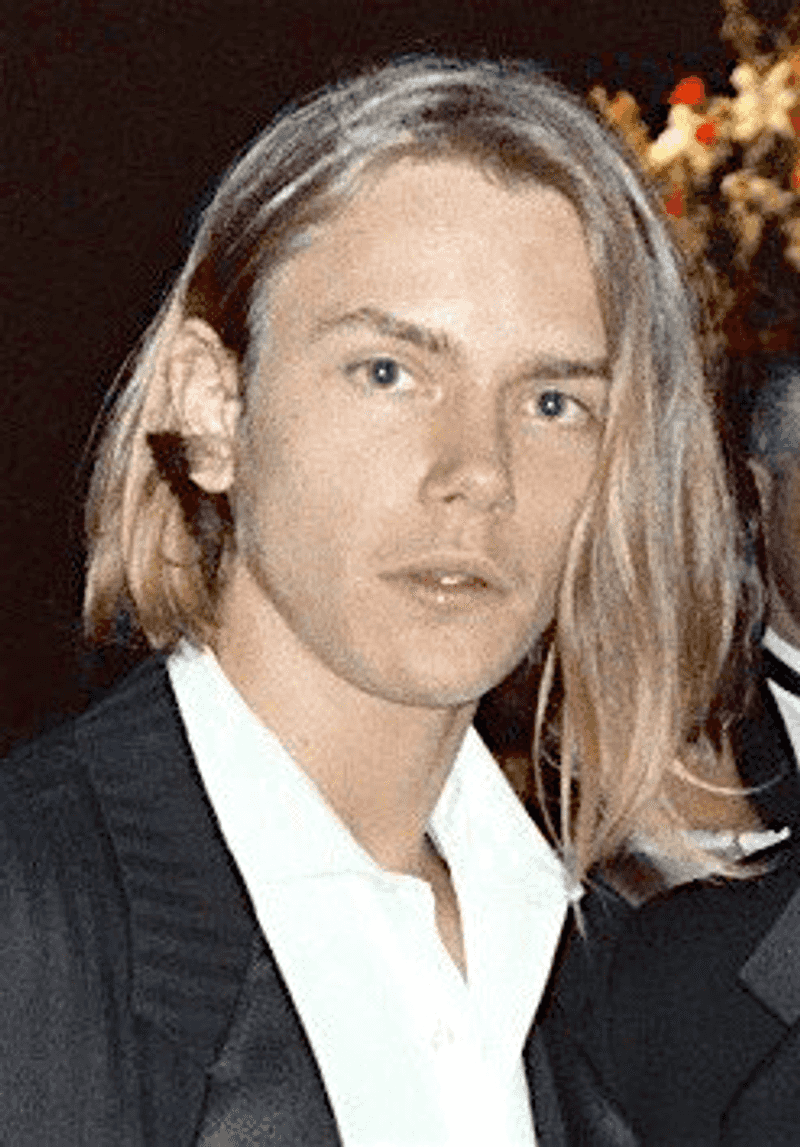
River Phoenix was considered by many critics to be the best young actor of his generation. Born in Madras, Oregon, he grew up in an unconventional family and began acting professionally as a teenager.
His performance in “Stand by Me” at age 15 showed a depth that most adult actors struggle to achieve.
His Oscar-nominated role in “Running on Empty” in 1988 confirmed what directors already suspected: Phoenix was capable of carrying serious dramatic films on his own. He was passionate about environmental causes and animal rights, and he used his celebrity to draw attention to issues he genuinely cared about.
Phoenix died on October 31, 1993, outside the Viper Room nightclub in Los Angeles from an accidental drug overdose. He was 23 years old.
Directors like Gus Van Sant, who worked with him on “My Own Private Idaho,” said they had never encountered a talent quite like his before or since.
9. The Notorious B.I.G. (1972-1997)
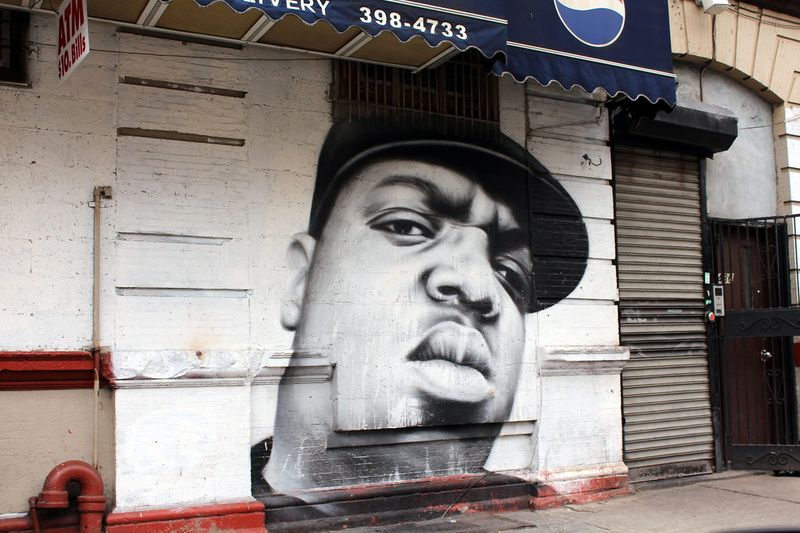
Christopher Wallace, known to the world as The Notorious B.I.G. or Biggie Smalls, transformed East Coast hip-hop with a storytelling style that was vivid, witty, and deeply personal. Growing up in Brooklyn, New York, he found his voice on street corners before landing a deal with Bad Boy Records, where he quickly became the label’s biggest star.
His debut album “Ready to Die” in 1994 is widely regarded as one of the greatest rap albums ever recorded. His flow was relaxed but precise, and his ability to paint scenes with words set a new standard for lyricism in hip-hop.
Even casual listeners could feel the weight and authenticity behind every verse.
Biggie was shot and killed in Los Angeles on March 9, 1997, at age 24, in a drive-by shooting that remains officially unsolved. His second album, “Life After Death,” was released two weeks later and debuted at number one.
Hip-hop has never stopped feeling his absence.
10. Tupac Shakur (1971-1996)
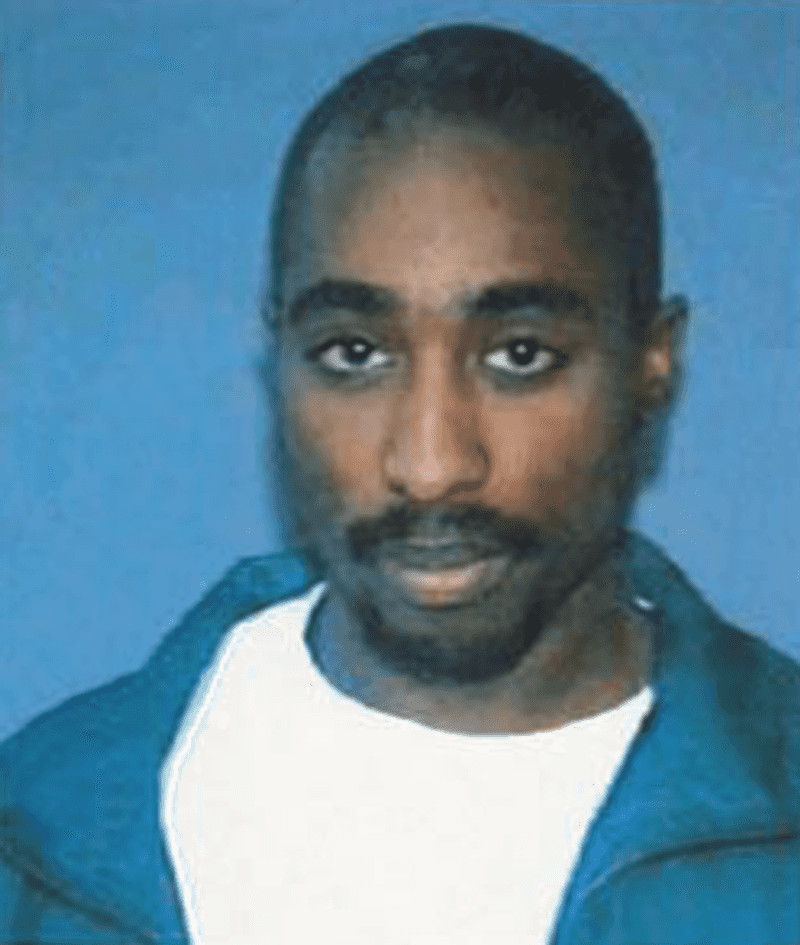
Few artists in any genre have packed as much meaning into their work as Tupac Shakur. Born in East Harlem and raised in Baltimore and later Oakland, Shakur used rap as a way to document the realities of poverty, police brutality, and Black identity in America.
His lyrics carried the weight of lived experience, and listeners felt that immediately.
Albums like “Me Against the World” and “All Eyez on Me” showed a remarkable range, moving between raw anger, tender vulnerability, and sharp social commentary. He also acted, appearing in films like “Juice” and “Poetic Justice,” hinting at a screen career that could have rivaled his music legacy.
Tupac was shot in Las Vegas on September 7, 1996, and died six days later at age 25. More music has been released under his name since his death than during his lifetime.
That fact alone speaks to the extraordinary volume of work he created in such a short time.
11. Aaliyah (1979-2001)
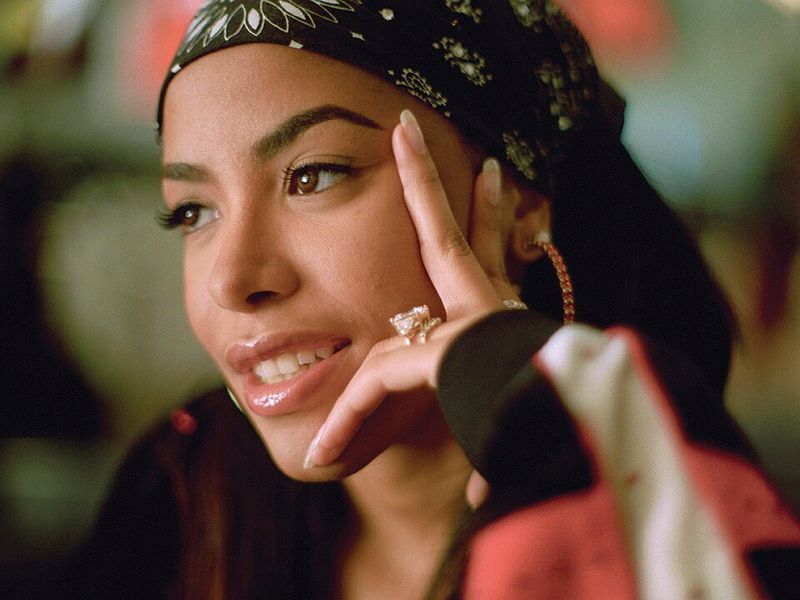
Aaliyah Dana Haughton had already redefined R&B by her early twenties, blending smooth vocals with futuristic production in a way that felt completely original. Born in Brooklyn and raised in Detroit, she released her debut album at just 15 and never looked back.
Her quiet confidence and cool style made her one of the most admired performers of her era.
Working with producers Timbaland and Missy Elliott on her self-titled 2001 album, she pushed the boundaries of what R&B could sound like. Songs like “Try Again” and “Are You That Somebody” are still played constantly today.
She was also building a film career, appearing in “Romeo Must Die” and completing work on “Queen of the Damned.”
Aaliyah died on August 25, 2001, in a plane crash in the Bahamas at age 22. She had just finished shooting a music video.
The R&B world lost someone who was, by every measure, just getting started on something extraordinary.
12. Heath Ledger (1979-2008)
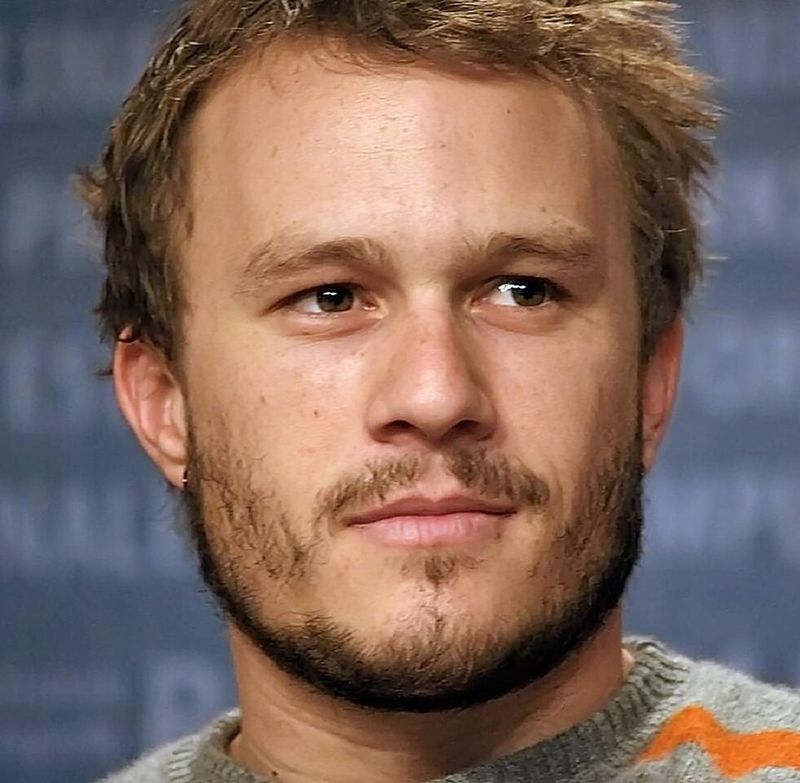
Heath Ledger’s portrayal of the Joker in “The Dark Knight” is considered by many film critics to be one of the greatest screen performances in cinema history. Born in Perth, Australia, Ledger moved to Hollywood as a teenager and quickly demonstrated an ability to disappear completely into his roles.
He was never interested in playing it safe.
His earlier work in films like “Brokeback Mountain” earned him an Academy Award nomination and showed his willingness to take on emotionally demanding, unconventional projects. Directors who worked with him often noted that he brought ideas to set that completely transformed a scene.
He was the kind of actor other actors watched closely to learn from.
Ledger died on January 22, 2008, from an accidental overdose of prescription medications at age 28. He was awarded a posthumous Oscar for his Joker performance.
Terry Gilliam, who was directing him in “The Imaginarium of Doctor Parnassus” at the time, said losing him felt like losing a great painter mid-canvas.
13. Amy Winehouse (1983-2011)
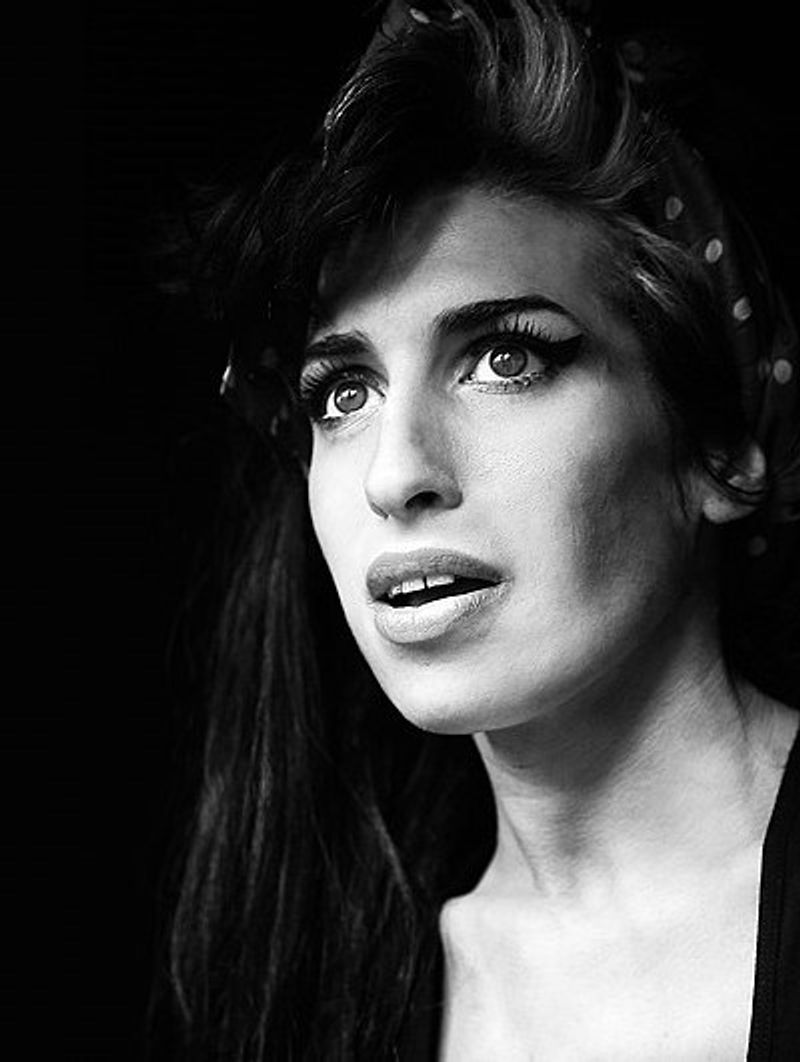
Amy Winehouse sang like someone twice her age who had lived three lifetimes. Born in Southgate, London, she grew up loving jazz, soul, and classic girl-group pop, and she wove all of those influences into a sound that was entirely her own.
Her voice had a raw, lived-in quality that was impossible to ignore from the very first note.
Her 2006 album “Back to Black” became one of the best-selling albums of the decade, and it earned her five Grammy Awards in a single night, a record for a British artist at the time. Songs like “Rehab” and “Valerie” showcased both her sharp wit and her emotional honesty.
She wrote from experience, and listeners knew it.
Winehouse died on July 23, 2011, at age 27 from accidental alcohol poisoning. She had recently completed a European tour and was working on new material.
Music producers who collaborated with her consistently described her as a once-in-a-generation talent who had barely scratched the surface.
14. Anton Yelchin (1989-2016)
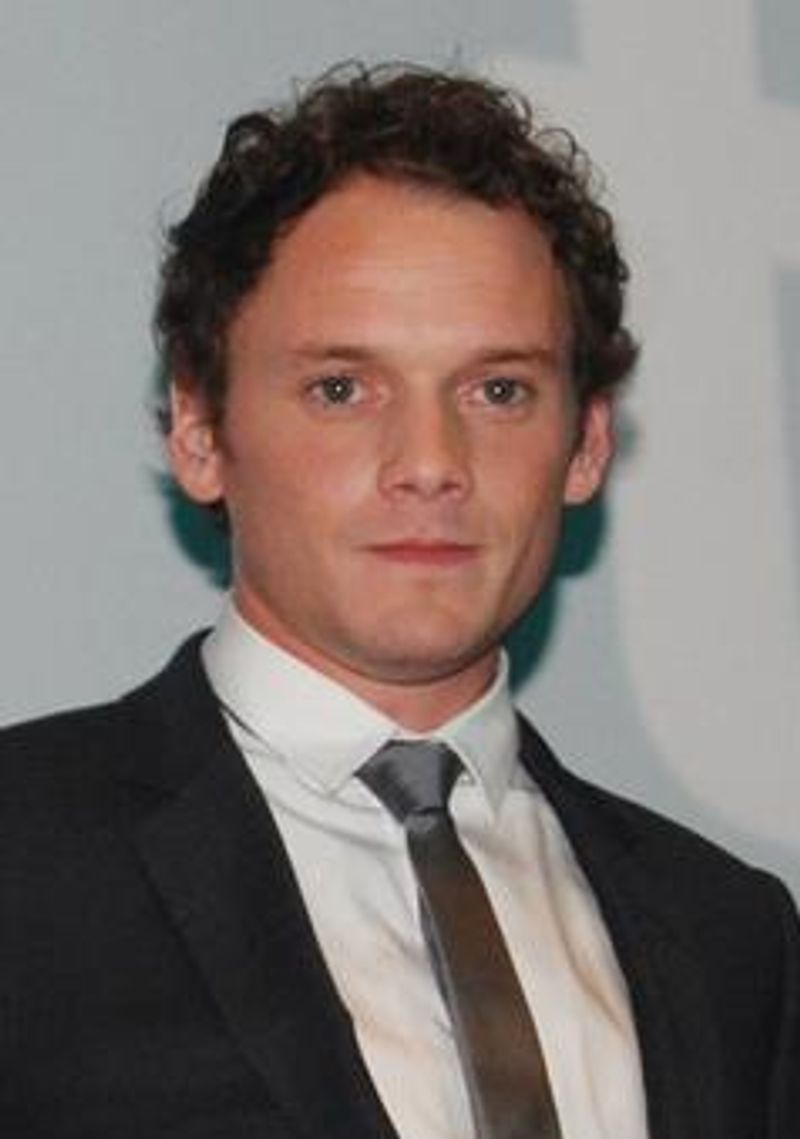
Anton Yelchin had a warmth on screen that made audiences immediately trust him, no matter what character he was playing. Born in Leningrad, Soviet Union, and raised in Los Angeles, he came from a family of professional figure skaters and grew up with a deep appreciation for art and storytelling.
He began acting as a child and never stopped working.
By his mid-twenties, Yelchin had built an impressive resume that ranged from blockbusters like the rebooted “Star Trek” series, where he played Chekov, to independent films that showed his quieter, more introspective side. Co-stars and directors frequently praised his preparation and curiosity on set.
He was someone who thought carefully about every choice he made as an actor.
Yelchin died tragically on June 19, 2016, at age 27, pinned by his own car in his driveway in a freak accident. He had just completed filming “Star Trek Beyond.” Friends and colleagues described the loss as one that left a permanent hole in Hollywood’s creative community.
15. Avicii (Tim Bergling) (1989-2018)
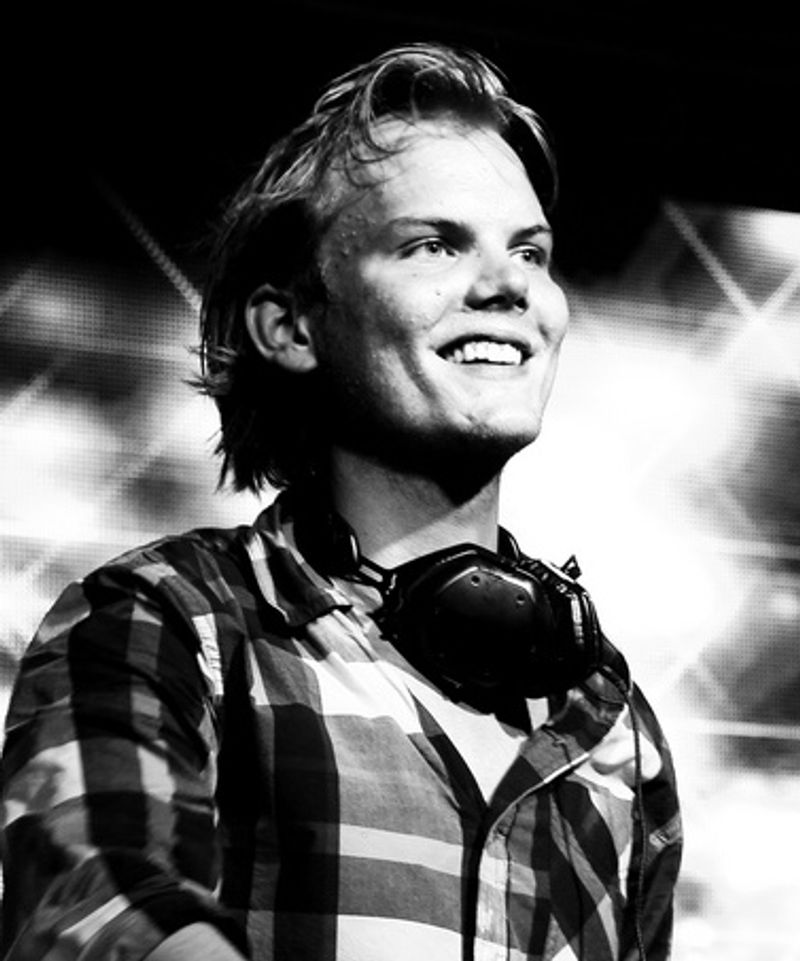
Tim Bergling, known worldwide as Avicii, turned electronic dance music into something that could fill stadiums and touch people on an emotional level at the same time. Born in Stockholm, Sweden, he started producing music in his bedroom as a teenager and was performing at major festivals before he was old enough to legally enter some of them.
Tracks like “Wake Me Up” and “Levels” crossed genre boundaries and introduced millions of people to EDM who had never considered themselves fans of the style. He collaborated with major artists across pop, country, and soul, always finding a way to blend those sounds into something that felt cohesive and genuine.
His melodic approach to electronic music set him apart from nearly every producer working in the same space.
Avicii died on April 20, 2018, in Muscat, Oman, at age 28. He had retired from touring in 2016 due to serious health issues related to his pancreas.
The Tim Bergling Foundation, created in his memory, focuses on mental health awareness and suicide prevention among young people.
Share this story