Classic film noir was built on cities that had personality baked into their bones. Crumbling facades, winding alleys, historic waterfronts, and streets that seemed to hold secrets around every corner gave the genre its unmistakable visual identity. The good news is that you do not need a time machine to experience any of it. Plenty of real cities around the world still carry that moody, cinematic quality in their architecture, layout, and history.
Some were literal filming locations for legendary noir classics. Others simply look and feel like they were tailor-made for a black and white detective story. This list covers twelve cities where history, urban design, and a certain dramatic flair come together in ways that will make any film fan feel like they just walked onto a classic Hollywood set. Pack comfortable shoes, bring a camera, and keep your eyes open because these cities reward the curious traveler at every turn.
1. San Francisco, California
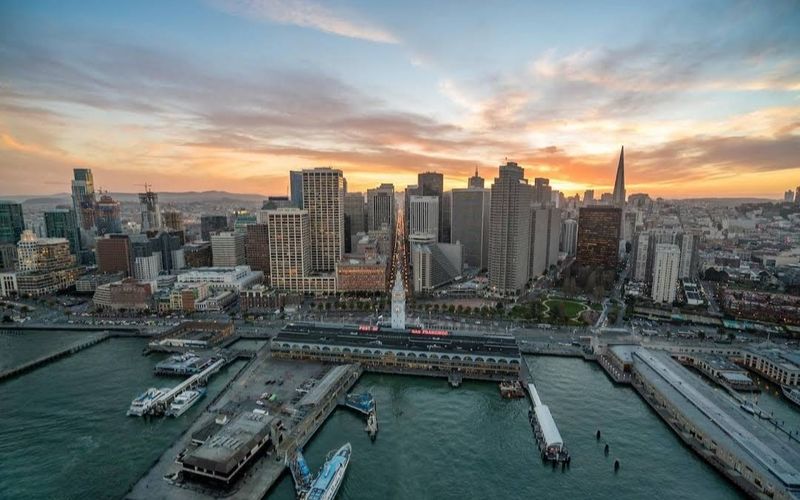
Dashiell Hammett set his famous detective Sam Spade right here, and he was not making things up. Hammett actually worked as a Pinkerton detective in the Flood Building and lived at 891 Post Street while writing “The Maltese Falcon,” making San Francisco his personal research lab for noir fiction.
The 1947 film “Dark Passage” filmed real scenes at 1360 Montgomery Street on Telegraph Hill, and that building still stands today with its original bas-relief design intact. The Embarcadero’s historic piers, including Pier 5, appeared in “The Falcon in San Francisco” back in 1945.
Alfred Hitchcock filmed “Vertigo” here in 1958, using the Brocklebank Apartments at 1000 Mason Street as Kim Novak’s residence. Neighborhoods like Nob Hill, Chinatown, and North Beach still offer winding stairways and historic architecture that reward anyone willing to slow down and look closely.
2. Los Angeles, California
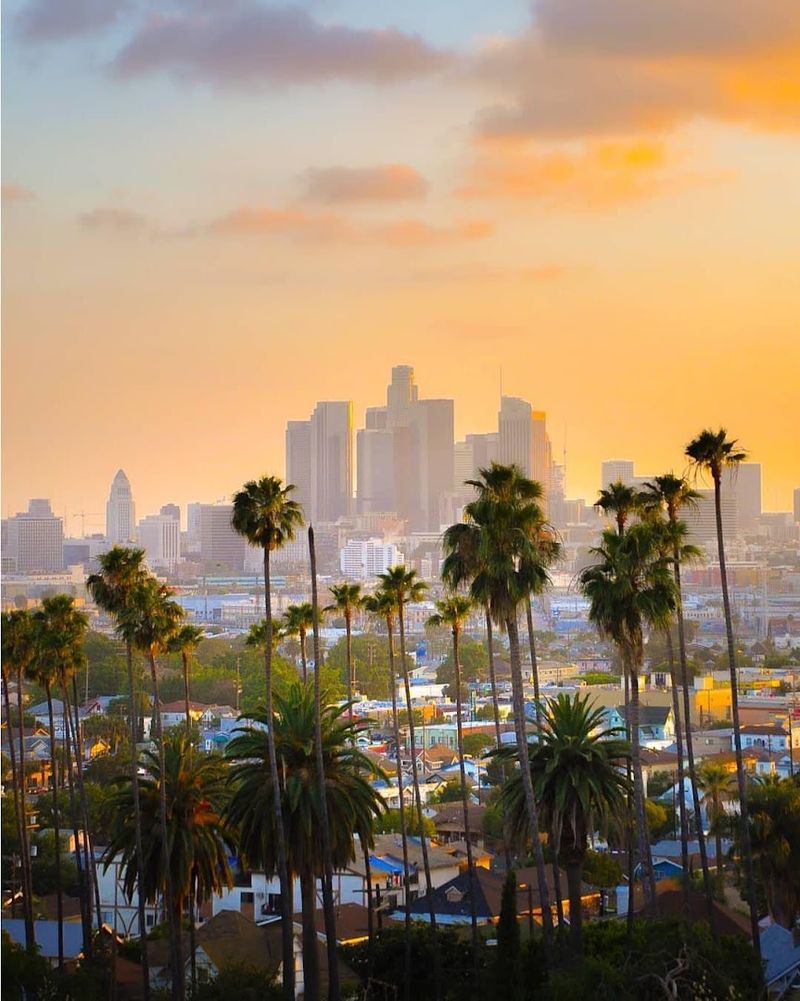
Few buildings in the world have appeared in as many films as the Bradbury Building in downtown Los Angeles. Built in 1893 with elaborate ironwork, open cage elevators, and a soaring atrium finished in ceramic, hardwood, and marble, it showed up in “D.O.A.” in 1949 and “Kiss Me Deadly” in 1955 before later generations rediscovered it for neo-noir films.
Angels Flight Railway, a historic funicular just blocks away, starred in “Criss Cross” in 1949 and “M” in 1951, carrying passengers up Bunker Hill much as it did during the golden age of noir. The Millennium Biltmore Hotel, opened in 1923, hosted the Academy Awards during Hollywood’s golden era and carries genuine true-crime history tied to the Black Dahlia case.
Union Station, completed in 1939 in Art Deco meets Mission Revival style, has doubled as Chicago’s train terminal on screen and continues to offer one of the most dramatic interior spaces in the American West.
3. Chicago, Illinois
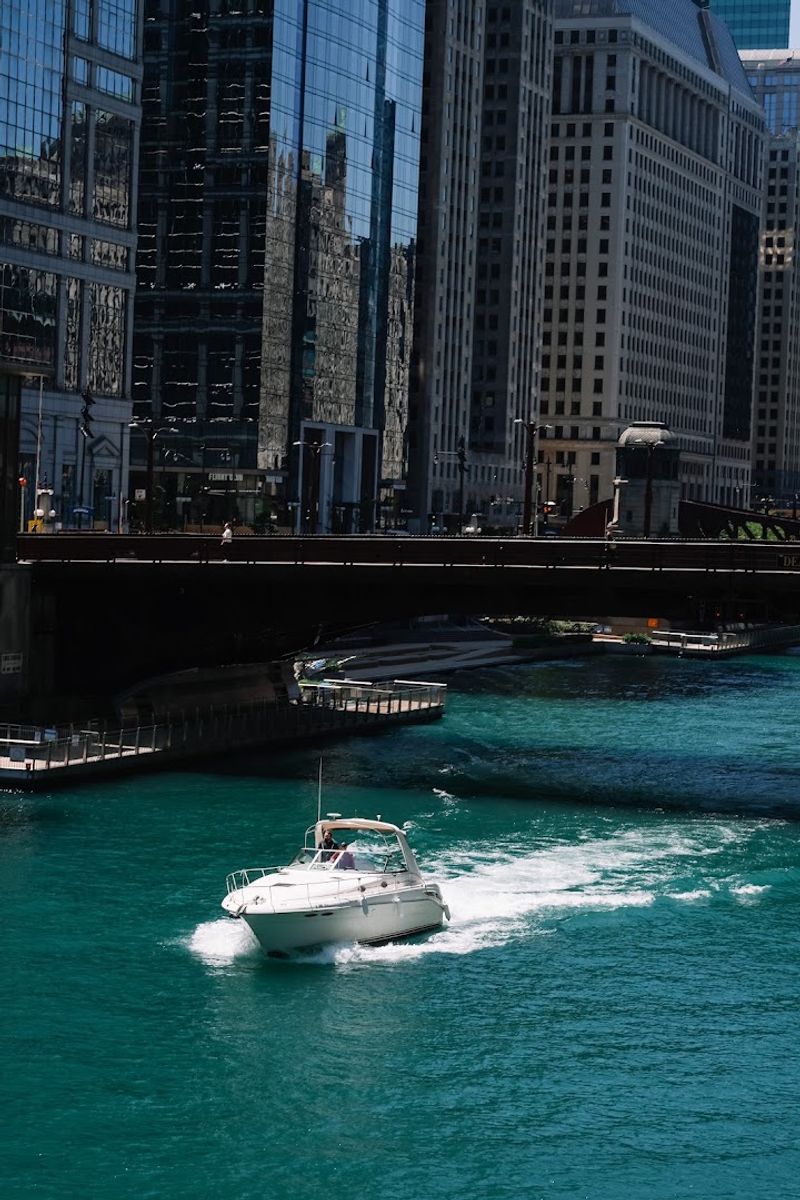
Chicago’s elevated train system, known locally as the L, has rattled above city streets for well over a century, and it remains one of the most visually distinctive features of any American city. Films like “The Fugitive” and “The Blues Brothers” made it famous on screen, but the real draw is simply standing beneath those tracks and watching the city operate around them.
The Loop’s Art Deco towers are genuinely spectacular up close. The Chicago Board of Trade Building, topped by a faceless statue of Ceres, and the Carbide and Carbon Building showcase the kind of geometric ornamentation that defined 1920s and 1930s ambition in steel and stone.
Chicago also holds a record most tourists overlook: the city has more movable bridges than anywhere else in the world, many of them over ninety years old and still operating. The Riverwalk connects several of these bridges and offers dramatic river views that become especially striking on overcast afternoons.
4. New York City, New York
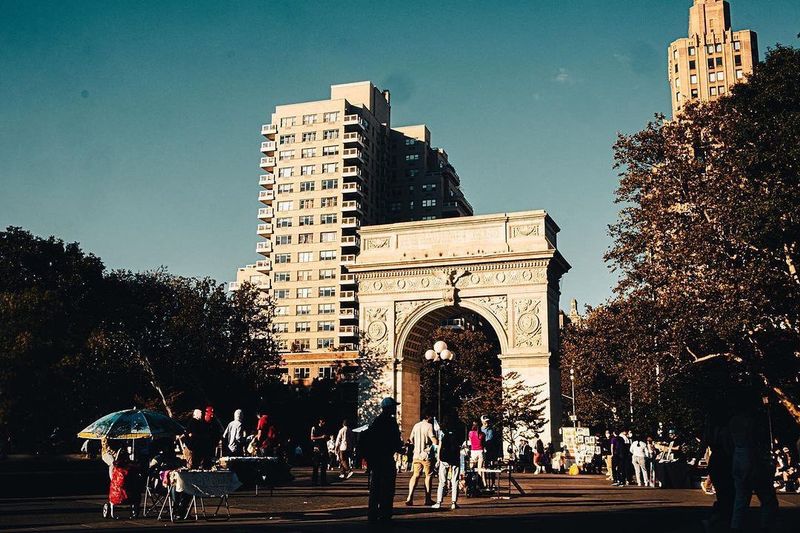
“The Naked City,” filmed entirely on location in 1948, captured a New York where kids actually swam off East River docks and detectives chased suspects through real neighborhoods. That documentary-style approach made the city itself a character, and the film’s famous closing line about eight million stories became one of cinema’s most quoted endings.
“Sweet Smell of Success” from 1957 pushed the neon and ambition of midtown Manhattan to its dramatic extreme, while “Kiss of Death” from 1947 used the city’s gritty underbelly as its moral backdrop. Greenwich Village’s narrow brownstone-lined streets provided Alfred Hitchcock with the visual template for “Rear Window,” even though most of that film was shot on a studio set.
Early skyscraper construction in New York was so remarkable that filmmakers documented it in silent films as far back as 1906. That long history of the city as cinematic subject means nearly every block carries some layer of noir-adjacent storytelling waiting to be uncovered.
5. New Orleans, Louisiana
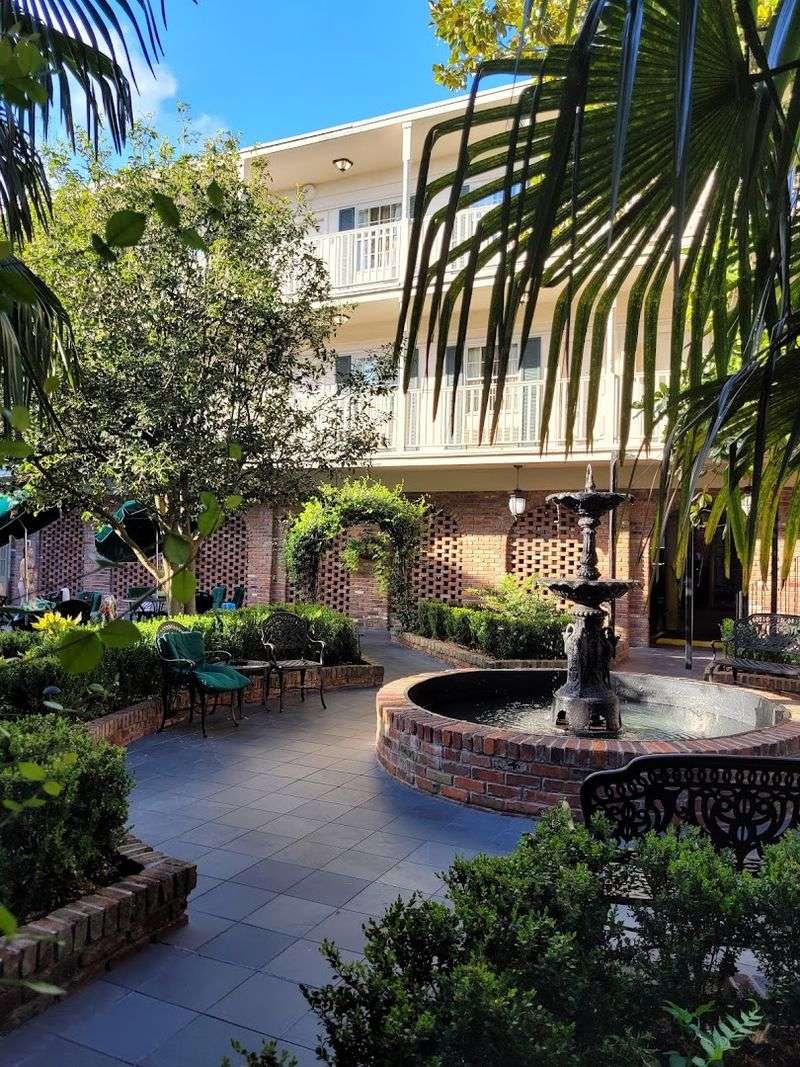
Gas lamps have lit the French Quarter since the early 19th century, and they remain one of the neighborhood’s most distinctive features today. These fixtures, burning 24 hours a day, cast a warm glow across wrought-iron balconies and brick facades that no electric streetlight has ever quite replicated.
“Panic in the Streets” from 1950 filmed directly on location, capturing Bourbon Street and the city’s railroad yards in a classic noir style that holds up remarkably well. The film used the city’s physical geography as a genuine plot element, not just decoration. Hidden courtyards tucked behind unassuming French Quarter entrances add another layer of architectural surprise, often featuring classical statuary and quiet garden spaces invisible from the street.
The Hermann-Grima House and Gallier House represent the kind of 19th-century Creole gentry architecture that has made New Orleans a recurring filming location for period dramas and crime stories alike. Few American cities pack this much preserved history into such a compact, walkable area.
6. Philadelphia, Pennsylvania
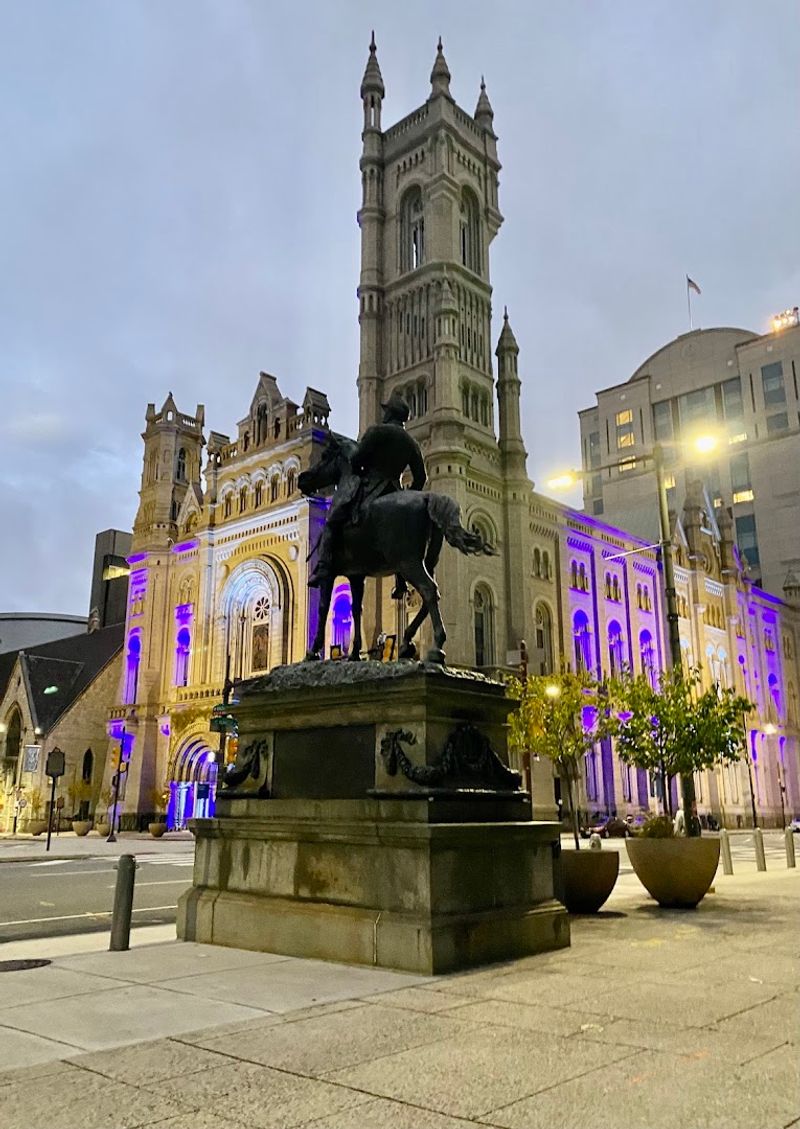
Elfreth’s Alley holds the title of the nation’s oldest continuously inhabited residential street, with 32 houses built between 1728 and 1836 still standing in their original form. Details like Flemish bond brickwork, period shutters, and old-fashioned flower boxes make it feel genuinely untouched rather than artificially restored.
Society Hill surrounds this area with block after block of Georgian and Federal-style brick townhouses, many of them private residences that have maintained their original facades for centuries. The Powel House and Hill-Physick House are among the most celebrated examples, offering a window into how Philadelphia’s colonial elite actually lived.
The 1957 film “The Burglar” was specifically described by critics as a crackerjack noir with atmospheric Philadelphia locations, confirming what any visitor instinctively senses while walking these streets. Cobblestone lanes, quiet alleyways, and the presence of historic taverns like McGillin’s Olde Ale House, operating continuously since 1860, give the city a period character that suits suspenseful storytelling far better than most people expect.
7. Seattle, Washington
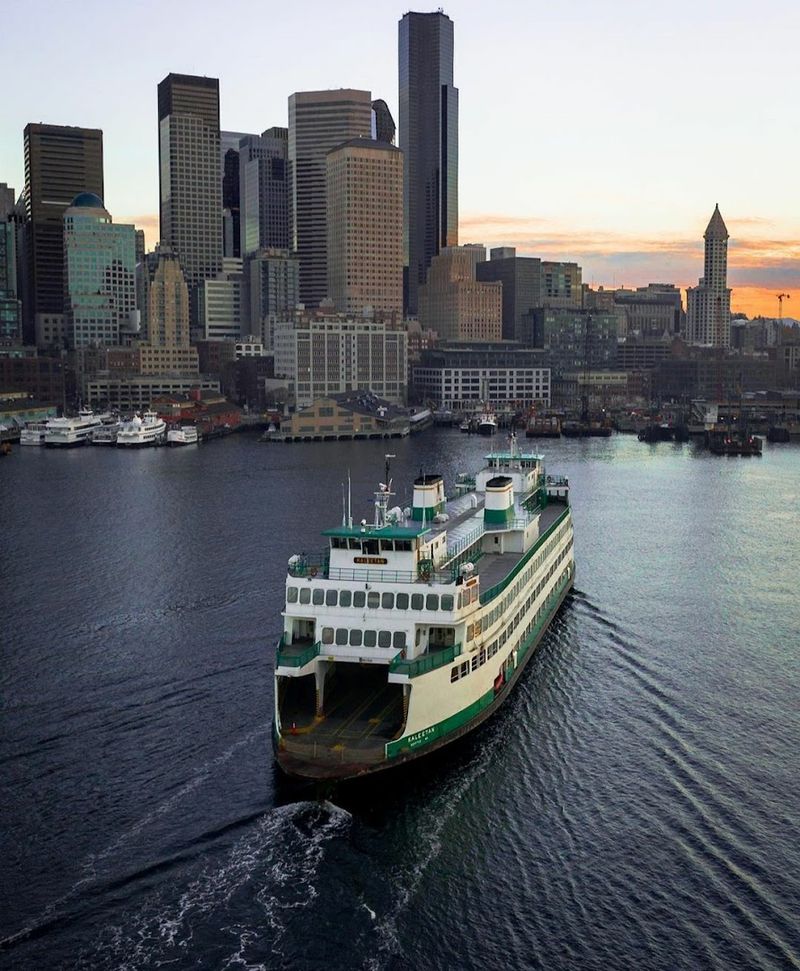
Seattle holds the distinction of hosting an annual Noir City festival, which means the city does not just look like a noir setting, it actively celebrates the genre. That commitment says something about how well the urban landscape fits the aesthetic.
Pioneer Square, the city’s oldest neighborhood, contains brick warehouses built in the early 1900s that have been carefully preserved while being repurposed for modern use. The Agen Warehouse from 1910 and the 1907 Westland Building in the RailSpur micro-district are prime examples of this adaptive approach to historic architecture.
Pike Place Market, established in 1907, transforms noticeably after the daytime crowds leave. Its labyrinthine lower levels and iconic neon sign take on a completely different character in the evening hours. The city’s marine layer fog, which regularly fills the gaps between hills and buildings, creates the kind of atmospheric conditions that photographers and filmmakers have exploited for decades. Seattle’s combination of hills, water views, and historic architecture gives it a visual depth that few Pacific Northwest cities can match.
8. Boston, Massachusetts
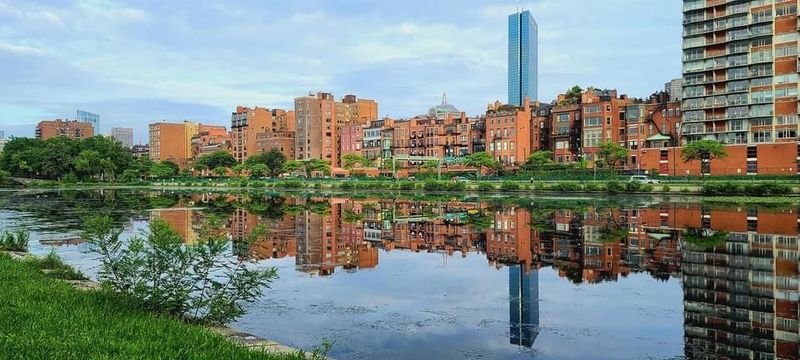
Beacon Hill maintains over a thousand gas lamps that burn around the clock, which is not a romantic exaggeration but a documented fact. The neighborhood fought to preserve them when most American cities switched to electric lighting in the 1960s, commissioning replacement fixtures designed specifically to maintain the traditional style.
“Mystery Street” from 1950 is recognized as one of the first studio productions to film on location in Boston, establishing the city’s early relationship with the crime drama genre. Later films like “Mystic River,” “The Departed,” and “Gone Baby Gone” built on that foundation, drawing on Boston’s Irish-influenced neighborhoods and layered urban history.
Beacon Street’s brownstones, with their distinctive reddish-brown sandstone facades, grand raised stoops, and Italianate detailing, represent a very specific kind of American architectural confidence. The building at 93 Beacon Street, constructed in 1848, still maintains its original facade and interior details. The contrast between these 19th-century streetscapes and the modern skyline visible just beyond them creates visual compositions that feel genuinely cinematic.
9. Savannah, Georgia
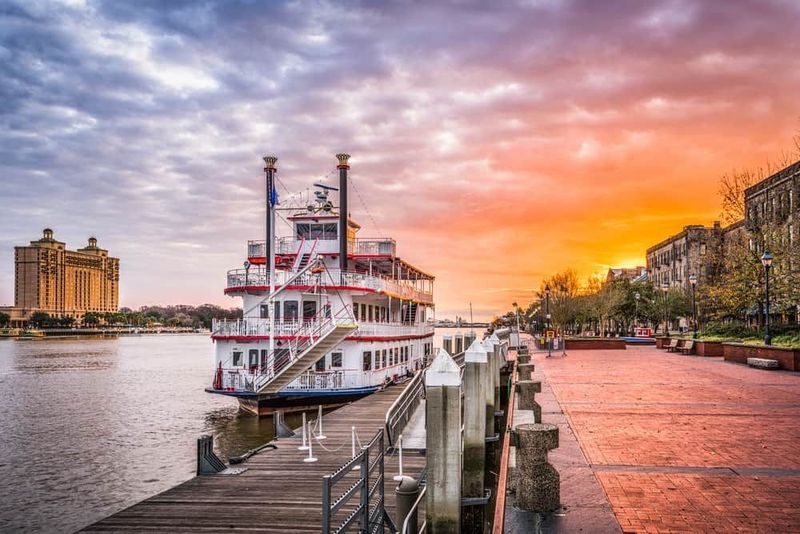
Savannah operates on a street grid that dates back to 1733, making it one of the oldest planned cities in North America. Its 23 surviving public squares, each anchored by monuments and shaded by ancient live oaks, were designed as community gathering spaces and still function that way centuries later.
“Midnight in the Garden of Good and Evil” brought international attention to the Mercer-Williams House, a rose-brick mansion combining Greek, Italianate, and Renaissance Revival elements that had already been one of Savannah’s most photographed buildings long before the book or film existed. The city has also served as a filming location for “Cape Fear” in 1962, “The Longest Yard” in 1974, and “Glory” in 1989, demonstrating a versatility that extends well beyond its obvious period charm.
Spanish moss grows throughout the historic district and contributes a genuinely distinctive visual quality to the streetscape, particularly after sunset when the old brick mansions and cobblestone pavements take on a different character entirely. River Street’s warehouse buildings add yet another texture to an already richly layered urban environment.
10. Prague, Czech Republic
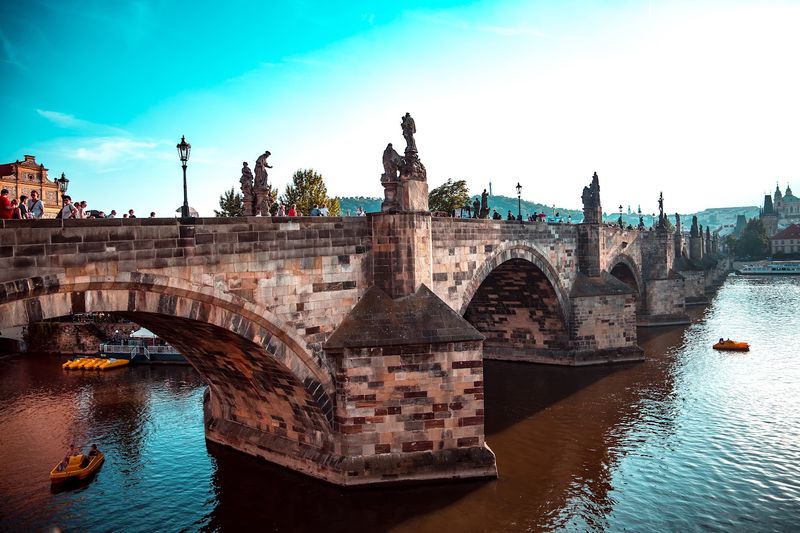
Prague earned its nickname “City of a Hundred Spires” honestly. The skyline combines Romanesque, Gothic, Renaissance, Baroque, Art Nouveau, and Cubist architecture in a density that most European capitals cannot match, and remarkably little of it was lost to wartime destruction or postwar redevelopment.
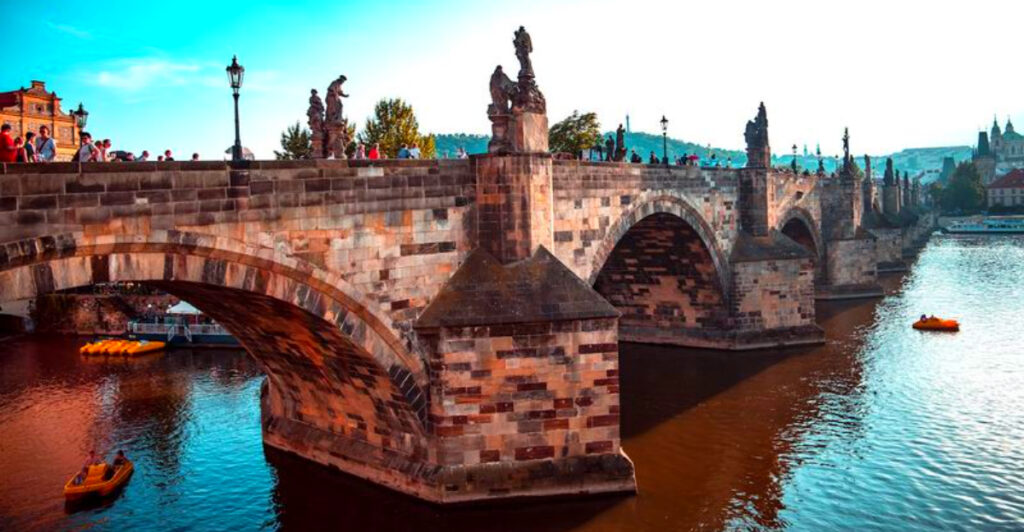
The Charles Bridge, completed in the 14th century and lined with 30 statues of saints, is at its most compelling before tourist crowds arrive each morning. The Old Town’s underground system preserves original Romanesque and Gothic structures beneath street level, including former houses and medieval passageways that predate the current street grid by centuries.
The James Bond reboot “Casino Royale” filmed key sequences at the Strahov Monastery, which stood in for a fictional hotel in Montenegro. “Mission: Impossible” used Kampa Island and Old Town streets for its Cold War thriller sequences in 1996. The Czech Republic also hosts a Noir Film Festival held in medieval castles, which is the kind of venue pairing that makes complete sense once you have spent an evening in Prague’s Old Town.
11. Venice, Italy
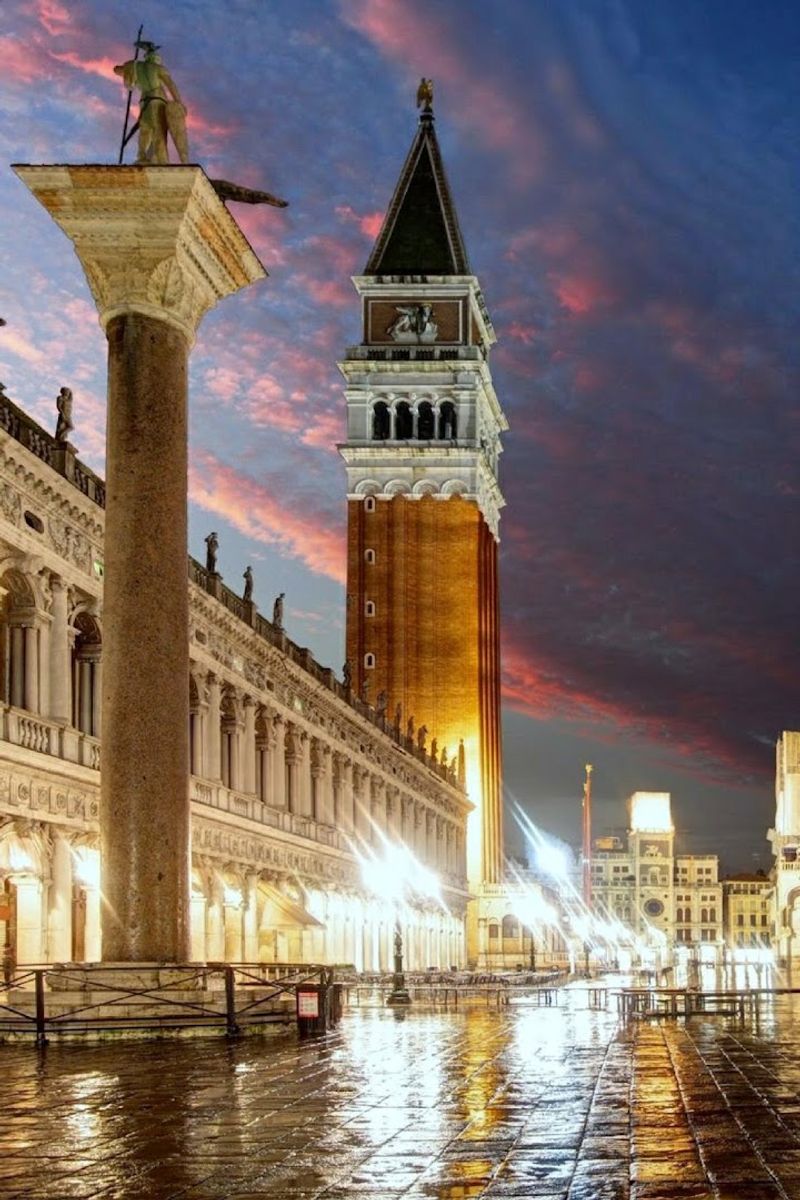
Venice is the only major city in the world where cars simply do not exist, which changes everything about how urban life actually feels. Navigation happens entirely on foot or by water, and the absence of traffic noise creates a quiet that most modern cities have completely forgotten.
“Don’t Look Now” from 1973 used Venice’s labyrinthine canal system and stone passageways to create one of cinema’s most genuinely unsettling psychological thrillers. “The Talented Mr. Ripley” from 1999 returned to the city for its most suspenseful sequences, and “Casino Royale” from 2006 staged an entire climactic set piece here. Even a 1946 horror film titled “The Devil’s Gondola” centered on a story set in the Venetian Republic era, confirming the city’s long cinematic relationship with dark narratives.
The Grand Canal is lined with historical palaces dating from the 12th through the 18th century, creating an unbroken architectural timeline visible from any passing boat. Early mornings offer a version of Venice that feels genuinely intimate, with glassy canals and quiet stone bridges connecting corners that the afternoon crowds never quite reach.
12. Buenos Aires, Argentina
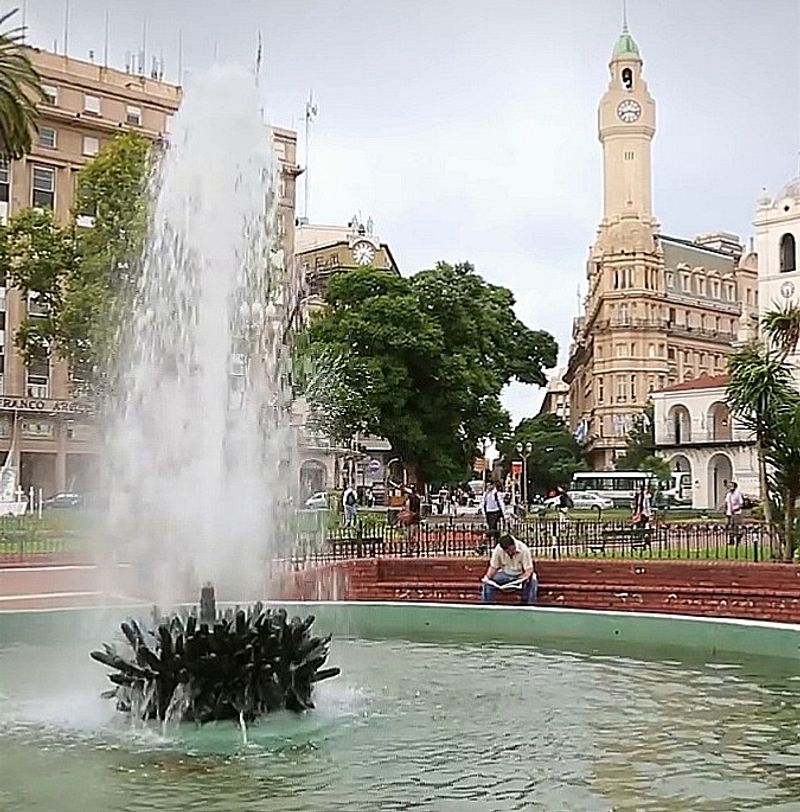
Buenos Aires earned its “Paris of South America” comparison through decades of deliberate architectural investment. Avenida de Mayo, completed in 1894, was modeled directly on Madrid’s Gran Via and Paris’s grand boulevards, lined with Beaux-Arts and Art Nouveau buildings that still define the avenue’s character today.
San Telmo, the city’s oldest neighborhood, installed gas lanterns in the 19th century that continue to light its cobblestone streets. Cafe Tortoni, established in 1858 and still operating on Avenida de Mayo, is the oldest cafe in Argentina and has hosted tango performances and cultural gatherings for over 160 years without closing its doors.
The 2009 Academy Award winner “The Secret in Their Eyes” used Buenos Aires streets, cafes, and grand architecture as essential elements of its crime narrative, not merely as backdrop. “Nine Queens” from 2000 similarly wove the city’s historic urban fabric into its con-artist thriller plot. Plaza Dorrego in San Telmo, surrounded by 19th-century buildings and old-fashioned street lamps, regularly hosts tango dancers and street performers who make the square feel like a living period film set.
Share this story