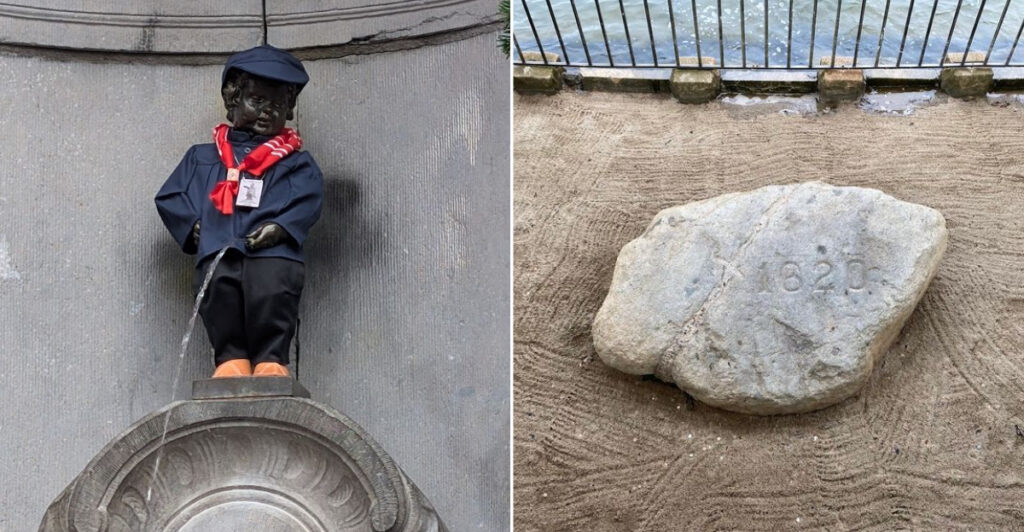
Not every famous landmark lives up to the postcard version. Some of the world’s most talked-about tourist spots leave visitors feeling more confused than amazed, mostly because the real experience looks nothing like what they imagined.
That gap between expectation and reality is exactly what this list is about. From crowded sidewalks in Los Angeles to a tiny statue in Brussels, these 15 spots are famous for a reason, but they are also famous for disappointing people who expected something more.
If you are planning a trip or just love knowing what is really out there, this list will help you set realistic expectations and maybe even rethink how you spend your travel time.
Hollywood Walk Of Fame, Los Angeles, California
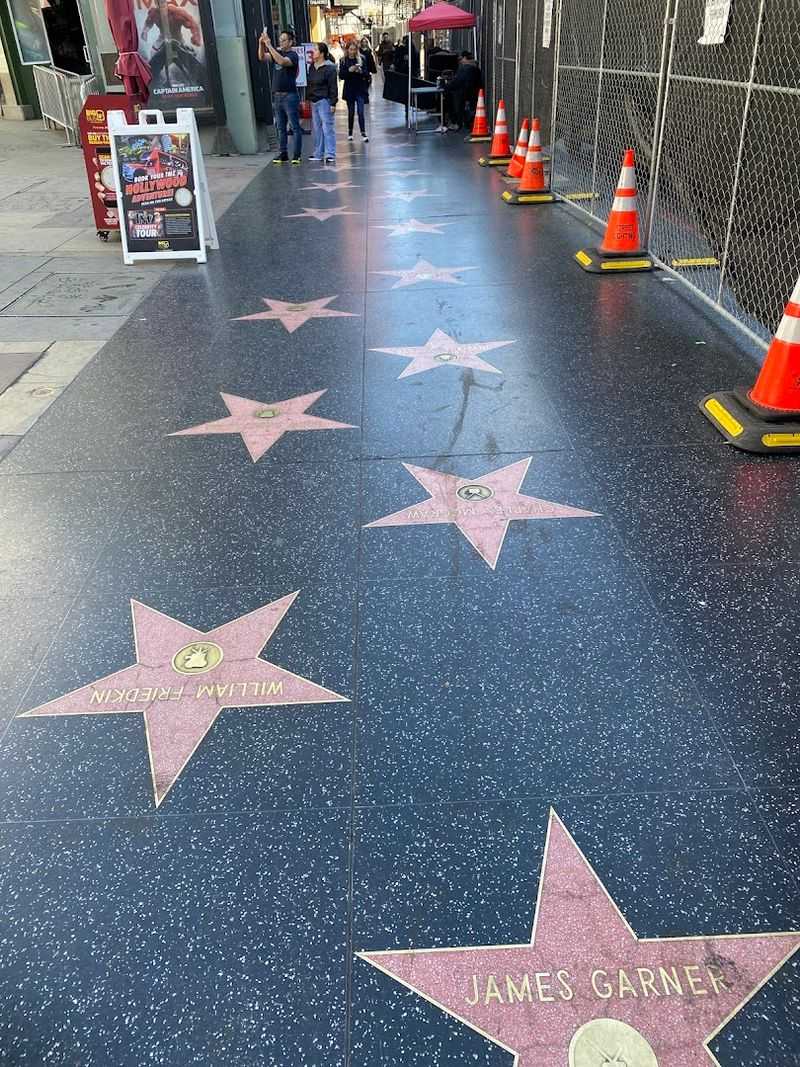
Walk a few blocks along Hollywood Boulevard and you will quickly understand why this attraction gets mixed reviews. The Hollywood Walk of Fame stretches along Hollywood Boulevard and Vine Street with thousands of terrazzo-and-brass stars honoring entertainers, directors, and musicians.
On paper, it sounds like a dream for movie fans.
In practice, the experience can feel jarring. The sidewalk is crowded, the area around it includes a mix of souvenir shops, street performers, and heavy foot traffic, and the overall vibe is grittier than the glamorous image many visitors carry in their heads.
Cleanliness and crowding are the two complaints that come up most often.
New star ceremonies still happen regularly, which keeps the Walk of Fame culturally active. For a quick photo stop, it works fine.
But travelers who build an entire afternoon around it sometimes leave wondering why they bothered. Set expectations low and you might enjoy it more.
Times Square, New York City, New York
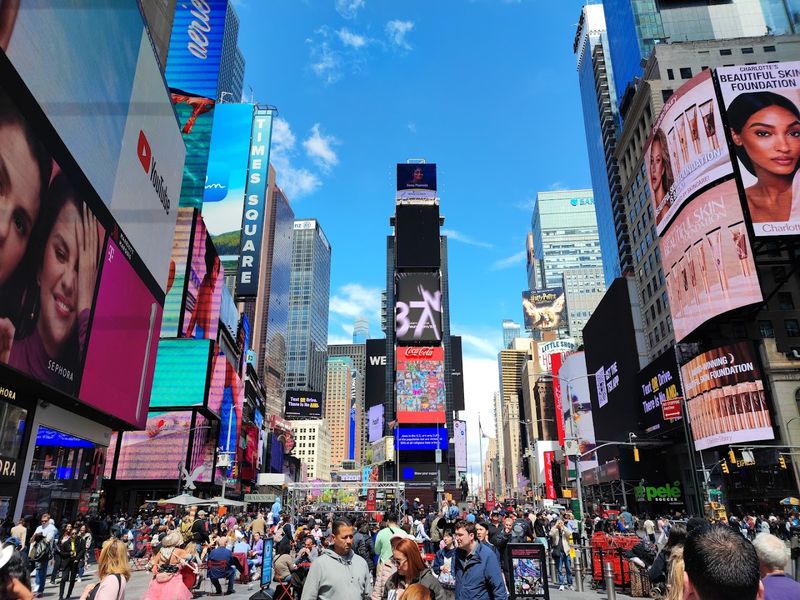
Few places in the world are as recognizable as Times Square, and that recognition is both its biggest draw and its biggest problem. The giant screens, neon signs, and constant energy are genuinely impressive for about five minutes.
After that, the crowds, chain restaurants, and costumed characters asking for tips can start to wear on you.
Times Square sits at the intersection of Seventh Avenue and Broadway in Midtown Manhattan and pulls in millions of visitors every year. It is technically open around the clock, which means there is never really a quiet moment to absorb it.
Prices for food and entertainment in the immediate area tend to run high.
Seeing it once, especially after dark when the lights are at full effect, is a fair call. The smarter move is to take your photo, soak in the spectacle briefly, and then head to neighborhoods like the West Village or Brooklyn for a more grounded New York experience.
Fisherman’s Wharf, San Francisco, California

San Francisco’s Fisherman’s Wharf has a real history rooted in the city’s fishing industry and Italian immigrant culture, and that history is worth acknowledging. The waterfront district still serves as a departure point for Alcatraz tours and bay cruises, making it a practical hub for first-time visitors.
The tension is that the area has leaned heavily into commercial tourism over the decades. Many travelers find the combination of pricey seafood stalls, souvenir shops, and packaged attractions a bit overwhelming, especially if they came hoping for something more authentic.
Families with younger kids or visitors on a tight sightseeing schedule may find Fisherman’s Wharf genuinely convenient. But travelers curious about the real texture of San Francisco often report that their time was better spent in North Beach, the Mission District, or along the paths near Golden Gate Park.
The wharf is not without charm, but managing expectations makes a real difference here.
Four Corners Monument, Teec Nos Pos, Arizona
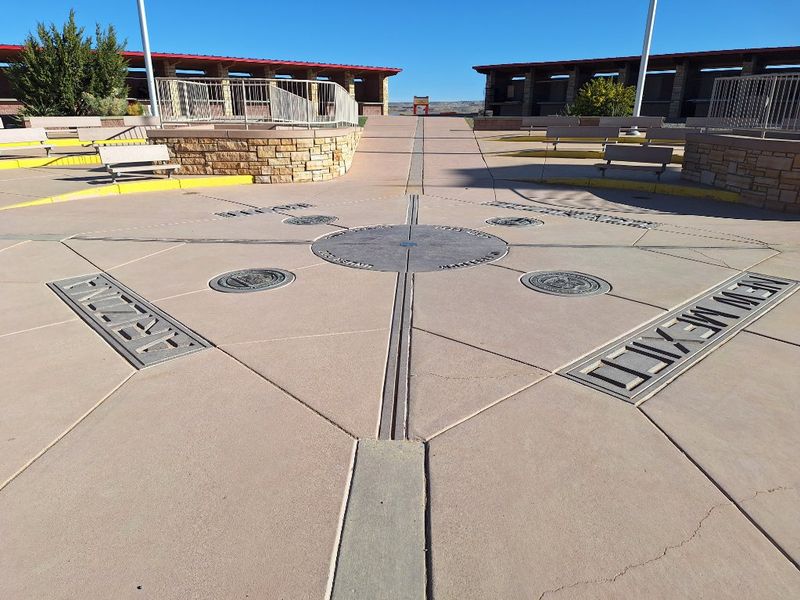
The Four Corners Monument holds a genuinely unique geographic distinction: it is the only place in the United States where four states share a single point. Arizona, Colorado, New Mexico, and Utah all meet at a bronze disk set into the ground, managed by the Navajo Nation Parks and Recreation department.
The experience itself is brief. You drive out, walk to the marker, take a photo with a limb in each state, and that is largely the whole thing.
For road-trippers already passing through the Colorado Plateau region, it can be a fun and low-pressure detour worth a half-hour stop.
The frustration usually belongs to travelers who make a long, dedicated drive specifically for this visit and find the payoff does not match the effort. The surrounding high desert landscape is dramatic and worth appreciating on its own.
But the monument as a standalone destination is most rewarding when expectations are kept proportional to what it actually offers.
Plymouth Rock, Plymouth, Massachusetts
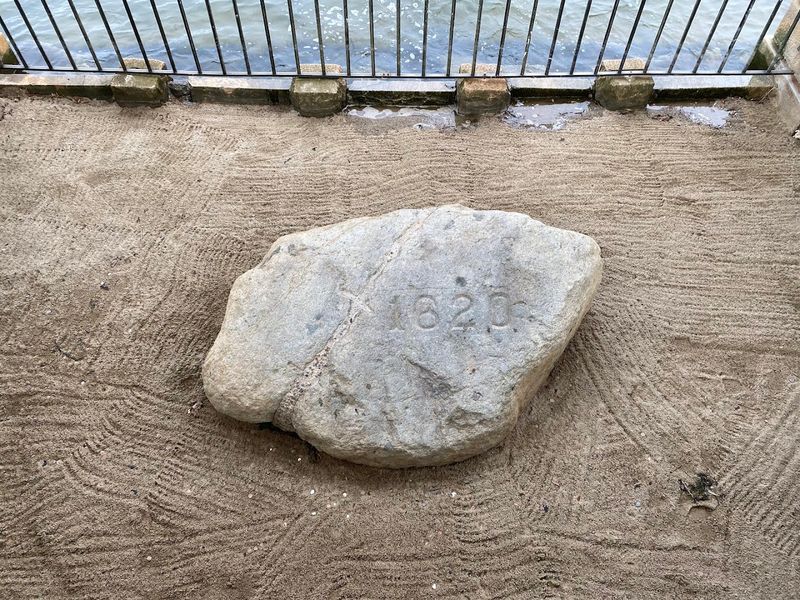
Plymouth Rock carries enormous symbolic weight in American history, linked to the 1620 arrival of the Mayflower pilgrims. It sits within Pilgrim Memorial State Park on Plymouth’s waterfront, managed by the Massachusetts Department of Conservation and Recreation, with seasonal guides available from April through November.
The reality check hits when visitors actually see the rock. It is small, sits beneath a granite canopy, and is separated from visitors by a fence.
The connection between the rock and the actual 1620 landing is more symbolic than documented, and the rock has been moved and broken multiple times over the centuries.
If you are already spending a day exploring Plymouth’s waterfront, museums, Mayflower II replica, and historic monuments, adding Plymouth Rock to the route makes sense. As the sole reason for a visit, though, many travelers walk away feeling the site does not deliver the dramatic landmark they imagined.
Context and company help make it worthwhile.
Mona Lisa At The Louvre, Paris, France
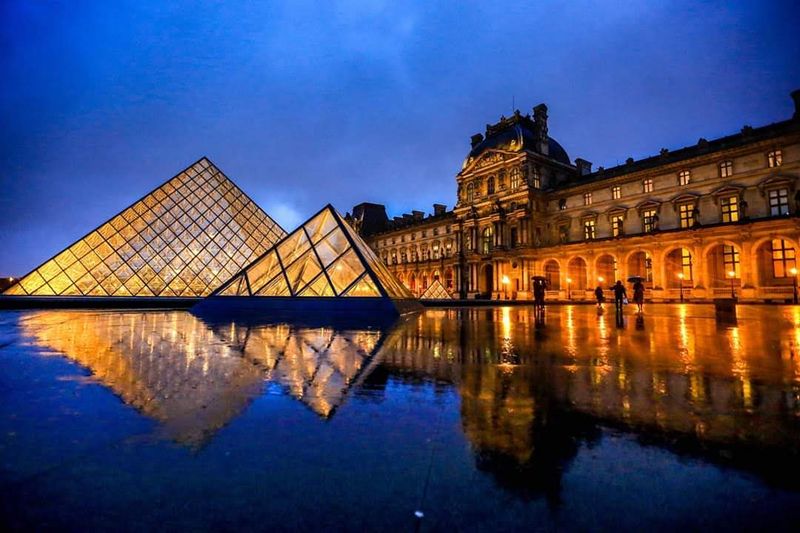
The Louvre is one of the world’s great museums, and seeing it is genuinely worth your time. The Mona Lisa, however, is a different conversation.
Leonardo da Vinci’s famous portrait hangs in the Salle des Etats, protected behind bulletproof glass, set back from a large crowd that often fills the room completely.
Most visitors shuffle in, raise their phones above the heads of other visitors, and get a blurry shot of a painting that measures about 30 by 21 inches. The experience can feel rushed, crowded, and oddly disconnected from the masterpiece you came to see.
The Louvre itself has discussed major plans to address overcrowding around the painting, which signals how recognized the problem has become.
The museum surrounding the Mona Lisa is full of stunning works that get far less attention. Spending time with the Winged Victory of Samothrace or the Venus de Milo may actually feel more rewarding than the famous portrait that everyone else is also trying to photograph at the same time.
Blarney Stone, Blarney, County Cork, Ireland
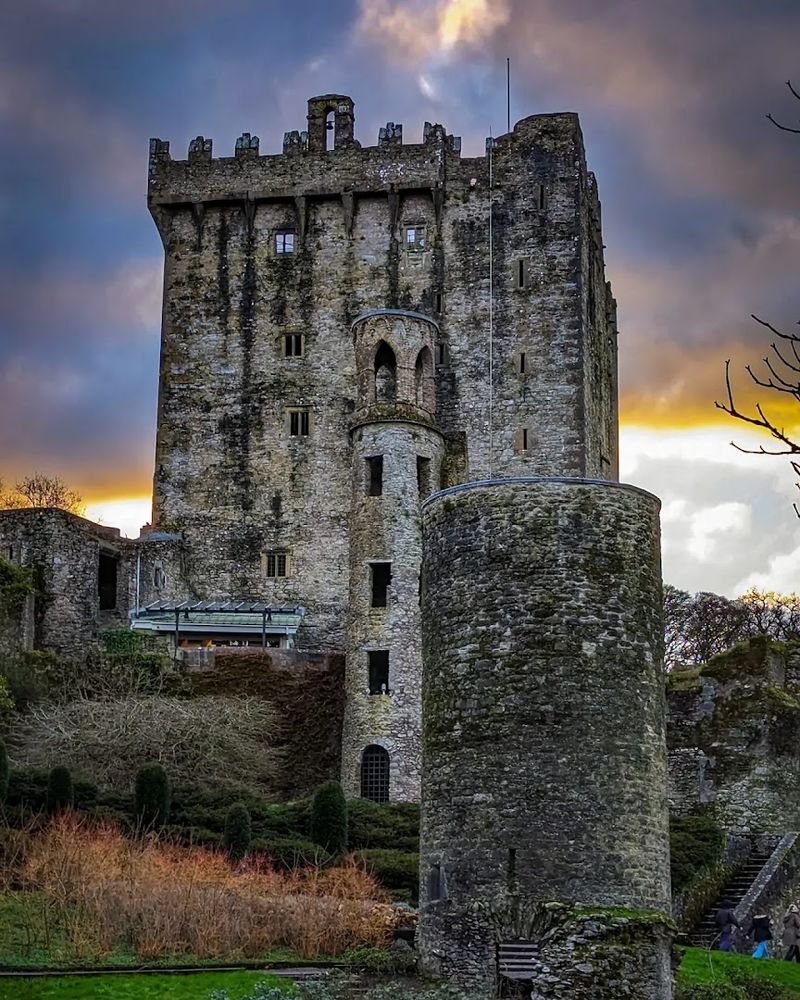
The legend behind the Blarney Stone says that kissing it grants the gift of eloquence, a charming piece of Irish folklore that has drawn visitors to Blarney Castle for generations. The castle itself dates back to the 15th century and sits within grounds that include gardens, woodland walks, and historic structures worth exploring.
The stone-kissing ritual is the part that divides opinions. Reaching it requires climbing narrow castle stairs, leaning backward over the castle’s edge with assistance from a staff member, and pressing your lips to a stone that many other visitors have also kissed that same day.
The experience is brief and can feel more like going through motions than connecting with history.
Admission costs and wait times can add to the frustration, especially during peak summer months. Travelers who enjoy the castle grounds and gardens tend to leave more satisfied than those who came only for the stone itself.
The setting genuinely is lovely, even if the main event feels anticlimactic.
Manneken Pis, Brussels, Belgium
Brussels has a lot going for it: grand architecture, beautiful squares, rich history, and excellent food. Manneken Pis, the city’s most famous statue, is technically all of those things rolled into a very small package.
Very small being the operative phrase.
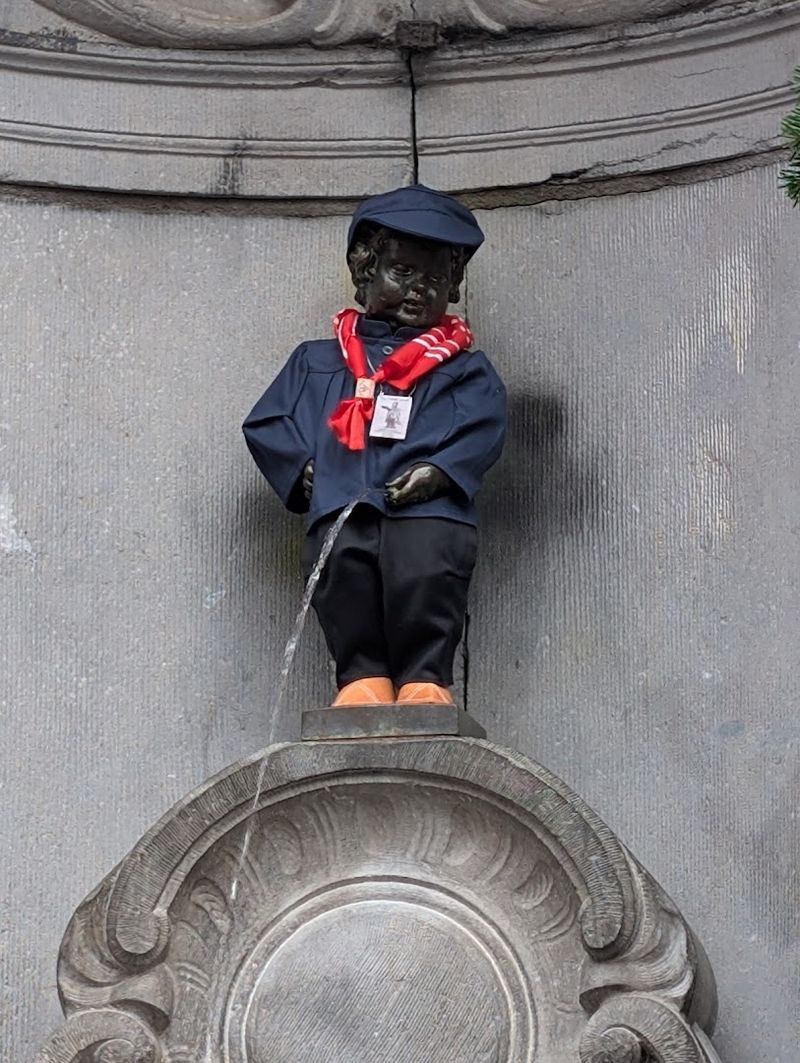
The bronze fountain statue stands about 61 centimeters tall and depicts a small boy in a classic pose. It sits behind railings on a corner near the Grand Place.
Travelers who arrive expecting a grand civic monument often do a double take. The statue does have genuine cultural personality, and the city dresses it in miniature costumes for special occasions, which adds a playful local tradition to the experience.
Seeing it costs nothing and takes almost no time, so the disappointment is less about money wasted and more about misaligned expectations. Treat it as a quirky footnote on a walk through the city center rather than a centerpiece attraction, and it lands exactly right.
The Grand Place nearby is far more visually impressive.
Stonehenge, Wiltshire, England
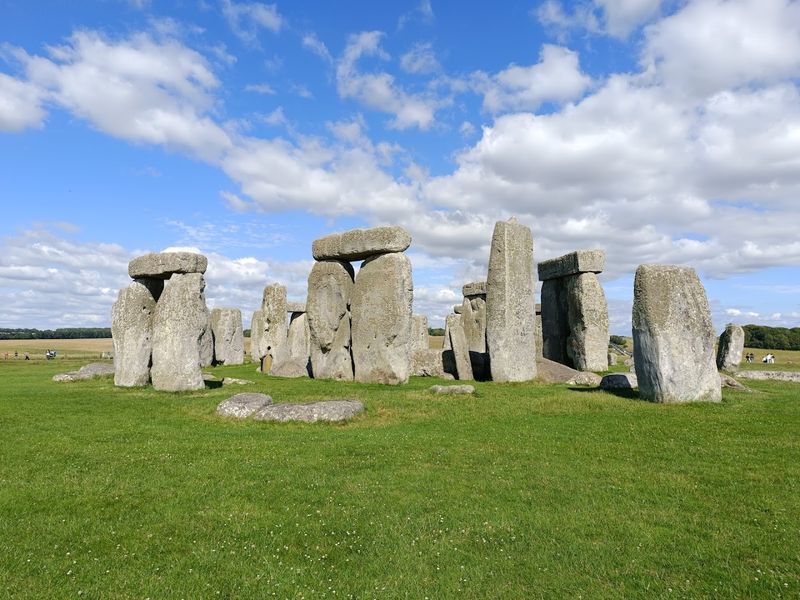
Stonehenge is one of the most recognized prehistoric sites on the planet, and its importance to archaeology and history is beyond debate. The stones on Salisbury Plain have stood for thousands of years, and the mystery of how they got there still generates serious research and fascination.
The visitor experience, though, is not quite what many people picture. Standard access means viewing the stones from a roped path at a distance rather than walking freely among them.
That restriction has been in place for decades to protect the monument from erosion, which is entirely reasonable, but it can catch visitors off guard if they imagined standing inside the circle.
The English Heritage visitor center adds historical context and is worth time on its own. Special access visits that allow closer entry do exist but require advance booking.
For history enthusiasts, Stonehenge can still feel powerful even from a distance. For casual visitors expecting a more immersive experience, the cost and travel time may not match the payoff.
Leaning Tower Of Pisa, Pisa, Italy
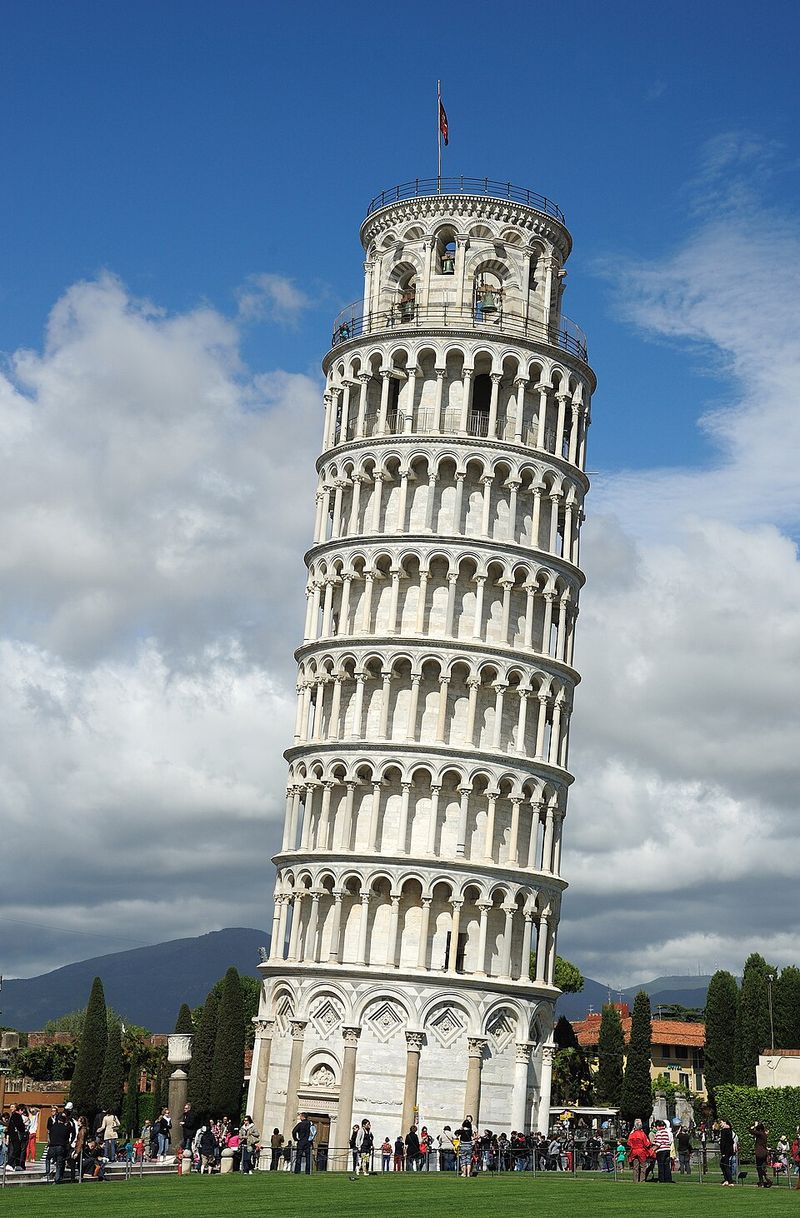
The Leaning Tower of Pisa is genuinely interesting from an engineering and historical perspective. Construction began in 1173 and the tower started tilting during building due to soft ground on one side.
Stabilization work completed in the early 2000s reduced the lean slightly but kept the famous tilt intact.
The tower sits within Pisa’s Piazza del Duomo alongside the cathedral and baptistry, which together form a genuinely beautiful ensemble of white marble architecture. Climbing the tower is possible with timed tickets, and the views from the top are a legitimate reason to make the trip.
The criticism usually centers on the surrounding experience rather than the tower itself. The plaza fills quickly with visitors doing the same forced-perspective photo where they appear to be holding up the tower.
The area immediately outside the piazza leans heavily on tourism infrastructure. Travelers already in Tuscany can make Pisa a satisfying half-day stop.
Those who travel specifically for the leaning photo sometimes feel the trip did not justify the effort.
London Eye, London, England
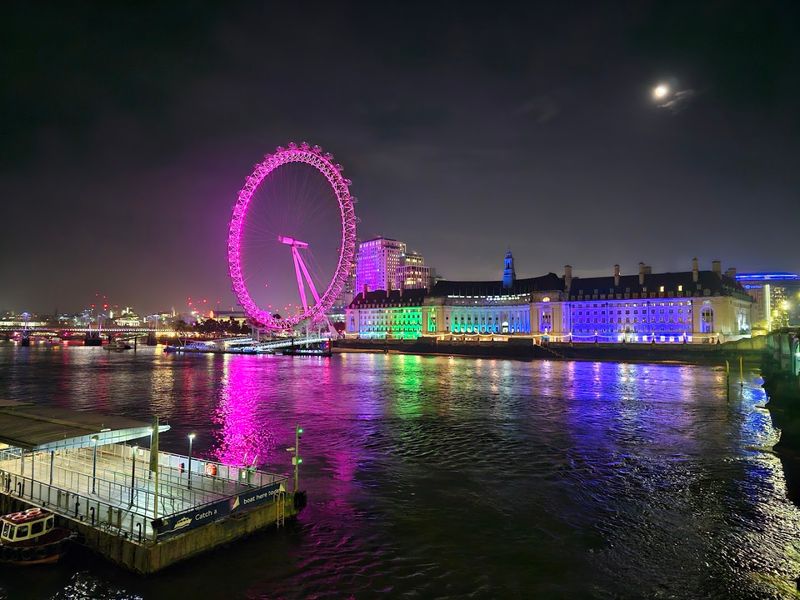
The London Eye opened in 2000 as a millennium landmark and has become one of the most recognizable features of the London skyline. The observation wheel sits on the South Bank of the Thames and offers 360-degree views across central London, including Parliament, Westminster Bridge, and the city stretching toward the horizon.
On a clear day, the views are genuinely impressive. The problem is that London has a significant number of cloudy, gray days, and a slow rotation inside a glass capsule with limited visibility is a different experience than the promotional photos suggest.
Ticket prices are also a regular point of criticism given that several free viewpoints exist across the city.
Families and first-time visitors often find the Eye worthwhile, especially if they book tickets in advance to skip the longest lines. Travelers on a tight budget, though, may get better value from the free views at Primrose Hill, the Sky Garden, or a walk across any of the Thames bridges.
Checkpoint Charlie, Berlin, Germany
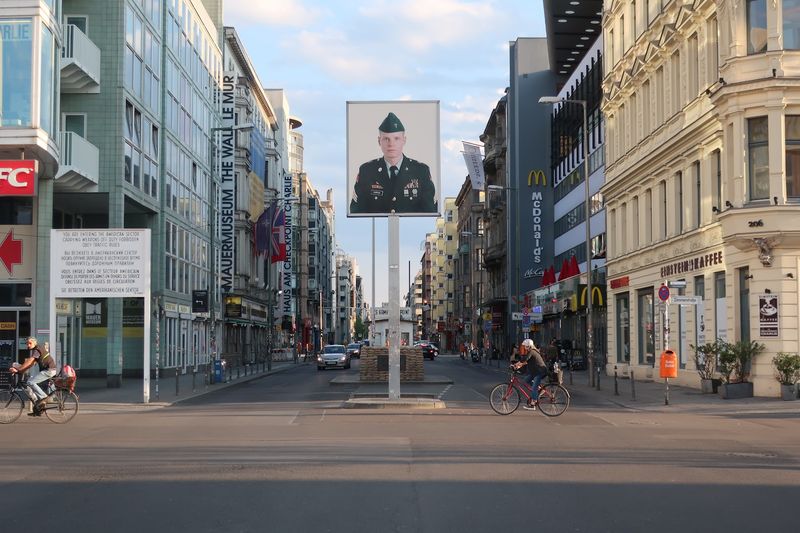
Checkpoint Charlie was one of the most significant crossing points between East and West Berlin during the Cold War, and its history is genuinely heavy. The name came from the phonetic alphabet designation used by Western Allies, and the site at Friedrichstrasse and Zimmerstrasse witnessed some of the most tense moments of divided Berlin.
What visitors find today is a reconstruction. The original guardhouse was removed in 1990, and the version standing now is a replica set up for tourism.
The surrounding area has developed into a commercial strip with souvenir shops, photo opportunities, and paid attractions nearby. Travelers expecting a solemn, preserved memorial often feel the setting does not match the gravity of the history.
The site is worth a brief stop if you are already tracing Berlin’s Cold War geography. For a deeper understanding of what the Wall meant and what it cost, the Berlin Wall Memorial on Bernauer Strasse and the Topography of Terror museum provide far more context and far less commercial noise.
Grand Bazaar, Istanbul, Turkey
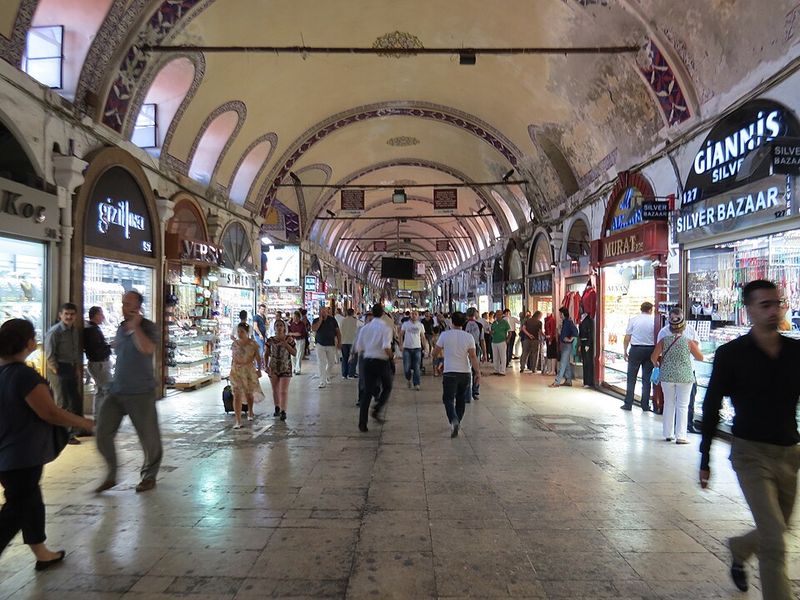
Istanbul’s Grand Bazaar is one of the oldest covered markets in the world, with origins dating back to the 15th century under the Ottoman Empire. The structure itself is impressive, with dozens of vaulted lanes, ornate gateways, and thousands of shops spread across a massive footprint in the heart of the city.
The experience inside can be a lot to handle. Crowds are dense, the repetition of similar souvenir stalls becomes apparent quickly, and vendors actively approach visitors with offers and bargaining invitations.
Shoppers hoping for calm exploration or genuine local bargains sometimes find the environment more exhausting than enjoyable.
The bazaar is still worth seeing as a piece of living Ottoman architecture and history. The key is adjusting what you expect from it.
Treat the visit as a cultural and architectural walk rather than a shopping mission, then step out into the surrounding streets, mosques, tea gardens, and smaller neighborhood markets for a more balanced picture of Istanbul’s commercial and social life.
Clifton Hill, Niagara Falls, Ontario, Canada
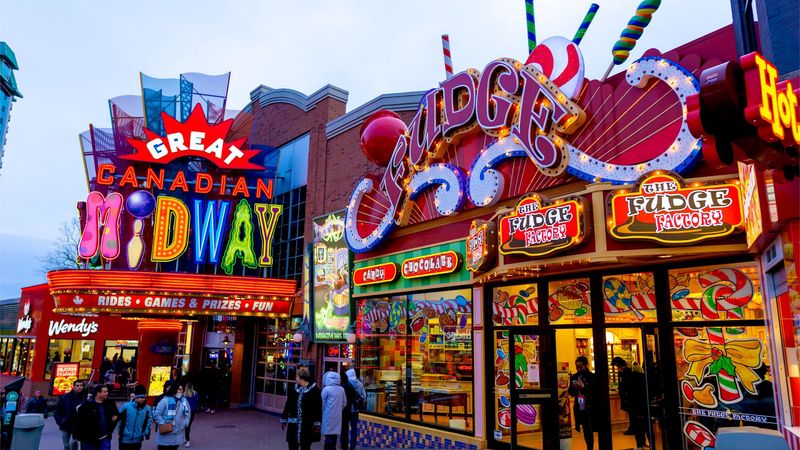
Clifton Hill is the main tourist promenade near Niagara Falls on the Canadian side, and it has a very specific energy. The street is lined with arcades, wax museums, haunted attractions, chain restaurants, and souvenir shops, all operating within walking distance of one of the most powerful waterfalls in North America.
For families with younger kids looking for a full day of entertainment, Clifton Hill delivers on that specific promise. The issue is that many visitors arrive for the falls and end up spending a significant amount of money on carnival-style attractions that have little to do with the natural wonder they came to see.
The falls themselves are extraordinary and need no commercial packaging to be impressive. Travelers who prefer scenery and open space tend to find the Niagara Parkway, the botanical gardens, and viewpoints away from the Clifton Hill strip far more satisfying.
The strip is not the enemy, but knowing what it is before you arrive helps you decide how much of your visit to spend there.
Bourbon Street, New Orleans, Louisiana
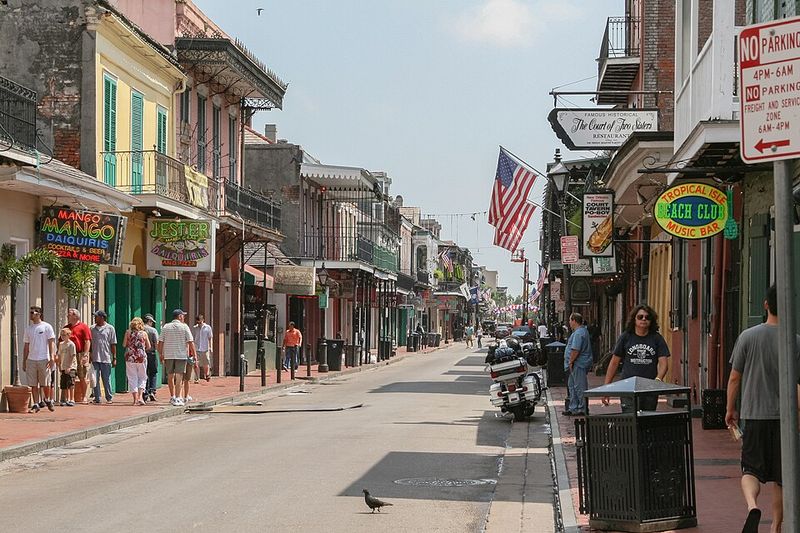
Bourbon Street runs through the heart of the French Quarter and carries a reputation that precedes it by about a century. The wrought-iron balconies, neon signs, and live music spilling onto the pavement are real, and for some visitors, the street delivers exactly the loud, festive atmosphere they came looking for.
For others, it is a sensory overload that feels disconnected from the deeper culture of New Orleans. The street can be crowded and expensive, and after the January 2025 attack, public conversation about safety and crowd management in the area intensified significantly.
The city responded with added security measures and resumed tourism activity, but the event raised real questions about the experience on the strip.
New Orleans has so much more to offer beyond Bourbon Street. Frenchmen Street in the Marigny neighborhood draws serious music fans with a more local feel.
The Garden District, the city’s neighborhood restaurants, and quieter French Quarter blocks offer food, architecture, and history that feel far more connected to what makes this city genuinely special.
Share this story