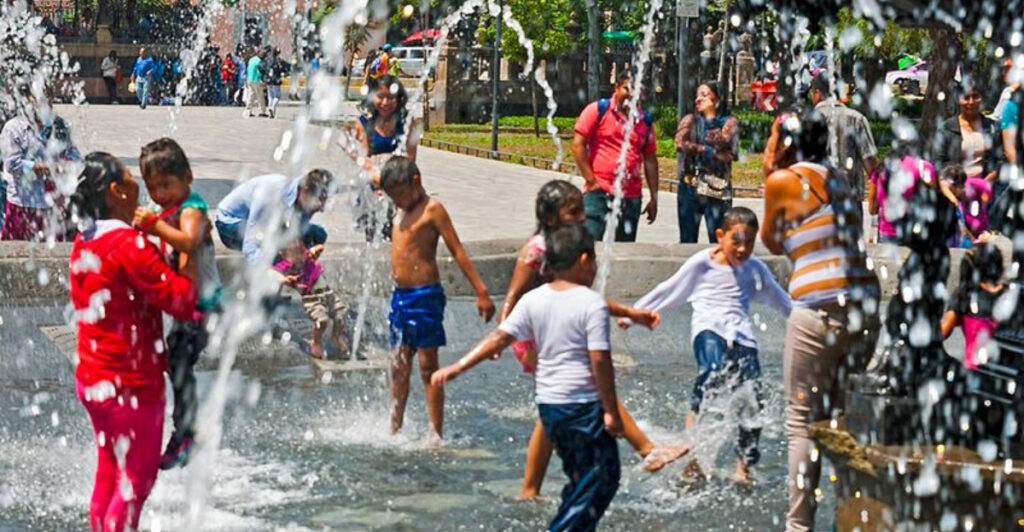
The world is home to billions of children, and some countries have far more young people than others. Understanding which nations have the largest child populations tells us a lot about where the future is being shaped right now.
From crowded classrooms in South Asia to growing cities in Africa, the countries on this list are dealing with some of the biggest challenges and opportunities in education, healthcare, and economic planning. Whether you find these numbers surprising or expected, the scale of youth around the world is something worth paying attention to.
India
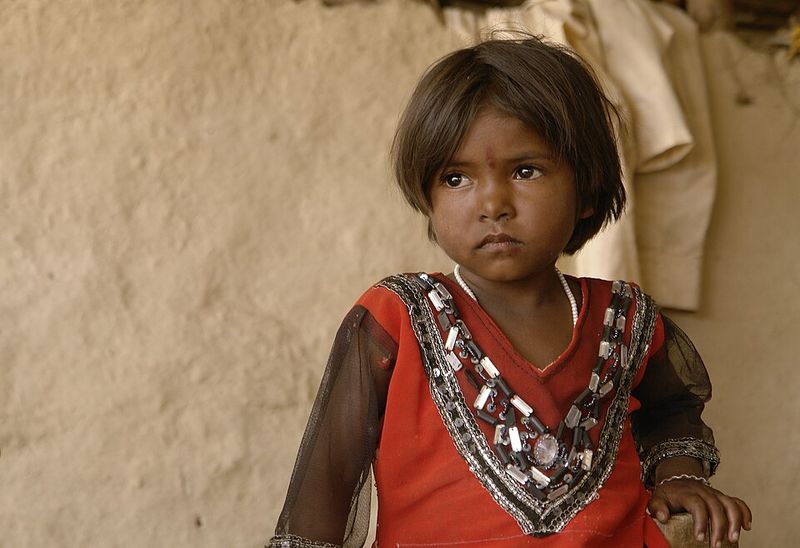
With roughly 354.2 million children under age 15, India holds a record no other country comes close to matching. That number is larger than the entire population of the United States.
It is a figure that shapes nearly every major policy decision the country makes.
Schools across India are among the most attended in the world, with millions of children enrolling each year in both urban centers and remote rural villages. The demand on teachers, textbooks, and classrooms is enormous.
Public health programs reach children across incredibly diverse geography, from mountain communities to coastal towns.
Even as India’s birth rate has gradually declined over the decades, the country’s massive overall population keeps its child numbers at the top of every global list. Nutrition programs, childhood vaccination drives, and early education initiatives are national priorities.
India’s young population is not just a statistic. It is the engine driving one of the world’s most consequential demographic stories.
China
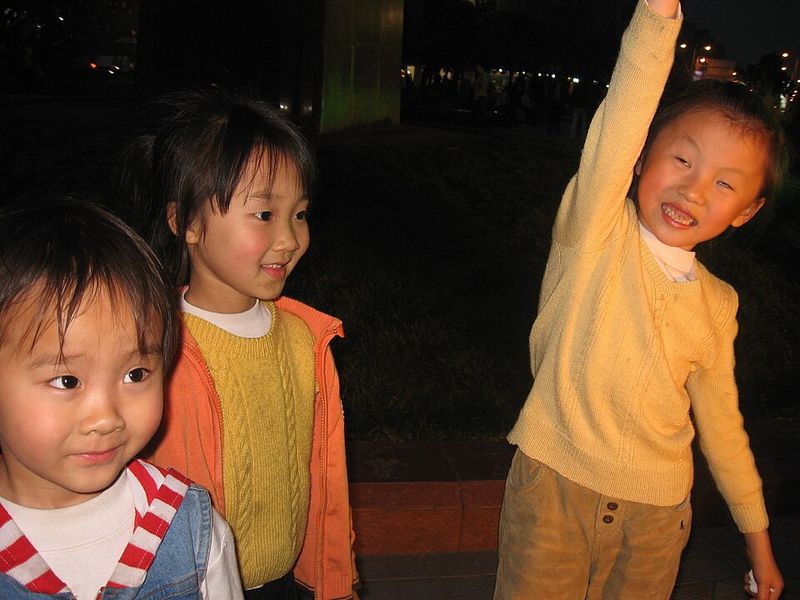
China is often in the news for its aging population and shrinking birth rates, so it might surprise some readers to learn it still has about 216.7 million children under age 15. That is the second largest child population on earth, and the numbers are not small by any measure.
The tension between these two realities makes China one of the most fascinating demographic studies in the world. On one side, you have hundreds of millions of children moving through schools and healthcare systems.
On the other, long-term projections show a workforce that will eventually shrink as older generations grow.
Education policy in China carries enormous weight because of this. Family planning rules have shifted significantly in recent years, allowing more children per household than previous decades permitted.
How China balances its aging society with the needs of its still-substantial young population will influence global economics and development conversations for generations to come.
Nigeria

No country in Africa comes close to Nigeria when it comes to sheer numbers of children. With about 96.2 million kids under age 15, Nigeria holds the title of the continent’s youth powerhouse.
That is a number that carries enormous weight in conversations about Africa’s future.
Nigeria’s large child population shapes nearly every public system in the country. School enrollment demand is massive, urban growth is accelerating, and healthcare systems are under consistent pressure to keep up.
The country’s cities, including Lagos, Kano, and Abuja, are already among Africa’s most populated, and young people are a big reason why.
Globally, Nigeria’s role in population discussions is only growing. Projections suggest the country could become one of the most populous nations on earth within the coming decades, largely because of its youthful base.
Supporting today’s children with education and opportunity is widely seen as central to Nigeria’s long-term economic and social development.
Pakistan
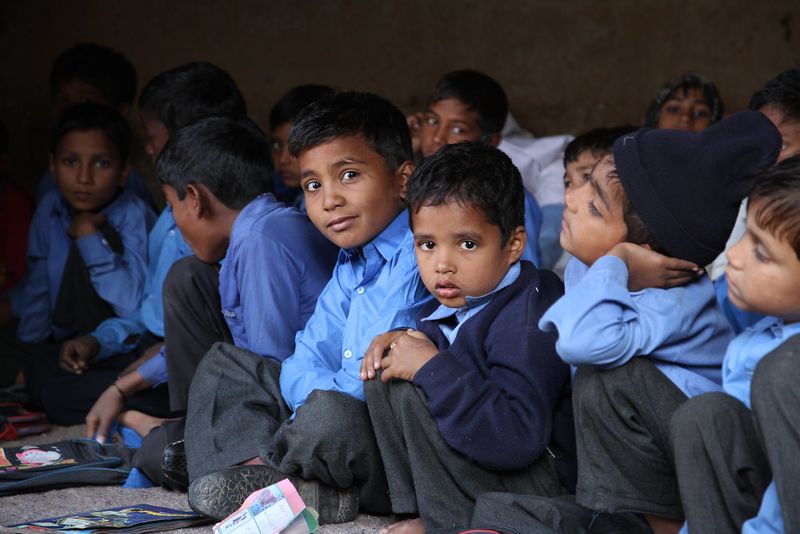
Pakistan’s child population of about 92.5 million places it firmly among the world’s youth leaders, trailing only India and China in Asia’s overall rankings. That number is so large it almost defies easy comparison.
Imagine stacking nearly the entire population of Germany twice over, and you are getting close.
The practical implications are significant. Pakistan needs classrooms, trained teachers, pediatric health clinics, and child nutrition programs at a scale that few countries face.
Rural areas, in particular, can struggle to keep up with the demand, making infrastructure investment a constant national conversation.
Pakistan’s future workforce will be shaped in large part by the choices made for children today. Literacy rates, school completion, and access to vocational training are all closely watched indicators.
The country has a young population that could drive major economic growth if investments in education and opportunity match the scale of the need. That is both the challenge and the promise.
Indonesia
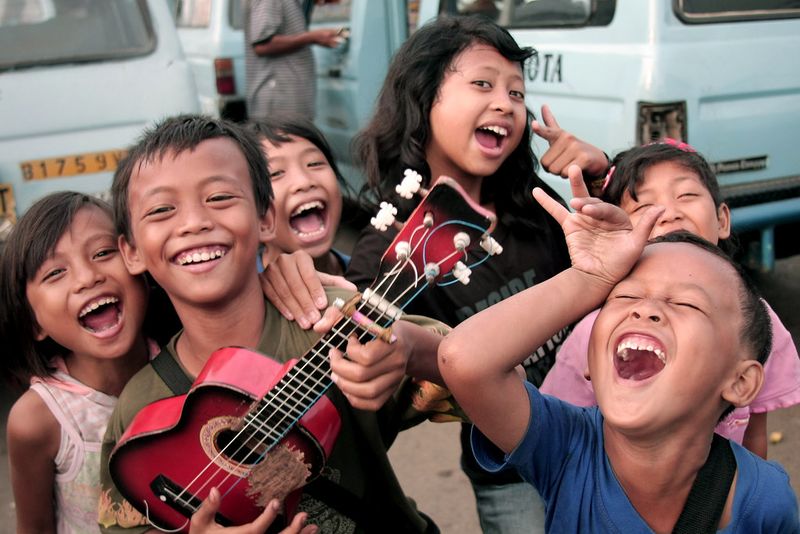
Spread across more than 17,000 islands, Indonesia is Southeast Asia’s most populous nation and home to about 69.3 million children under age 15. Getting education and healthcare to kids across that kind of geography is one of the country’s most persistent and creative challenges.
Urban centers like Jakarta, Surabaya, and Bandung have well-developed school systems, but island communities and rural areas often face gaps in resources, teachers, and digital connectivity. Indonesia has invested heavily in expanding broadband access and mobile learning tools to try to bridge those divides.
The country’s young population is also an economic asset. As Indonesia grows into one of the world’s larger economies, a large, educated youth population could fuel productivity and innovation for decades.
The key is making sure that opportunity reaches children regardless of where they live on the archipelago. Indonesia’s diversity, both cultural and geographic, makes its youth story one of the more complex and compelling on this list.
United States
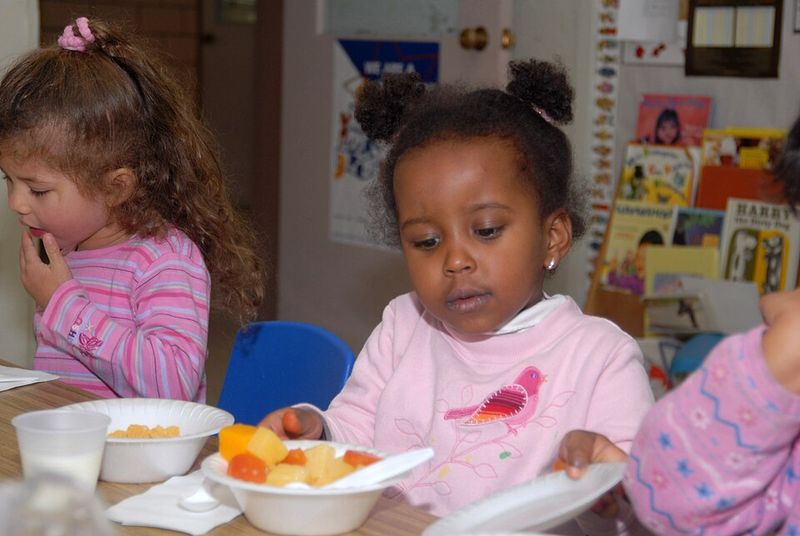
About 58.4 million children under age 15 live in the United States, a number that places it solidly in the top ten globally despite being a high-income country with relatively lower birth rates than most others on this list. The sheer size of the American population is what keeps it here.
American children are served by one of the world’s largest public education systems, with tens of thousands of schools operating across 50 states. Pediatric healthcare, family assistance programs, and child welfare systems operate at a scale that reflects just how many young people the country is responsible for supporting at any given time.
What makes the U.S. stand out on this list is the contrast. It is a wealthy, developed nation with a large child population, which means debates about school funding, childhood poverty, and healthcare access carry enormous weight.
The wellbeing of American children is a major political and economic topic, and the numbers make clear why that conversation never really goes away.
Ethiopia
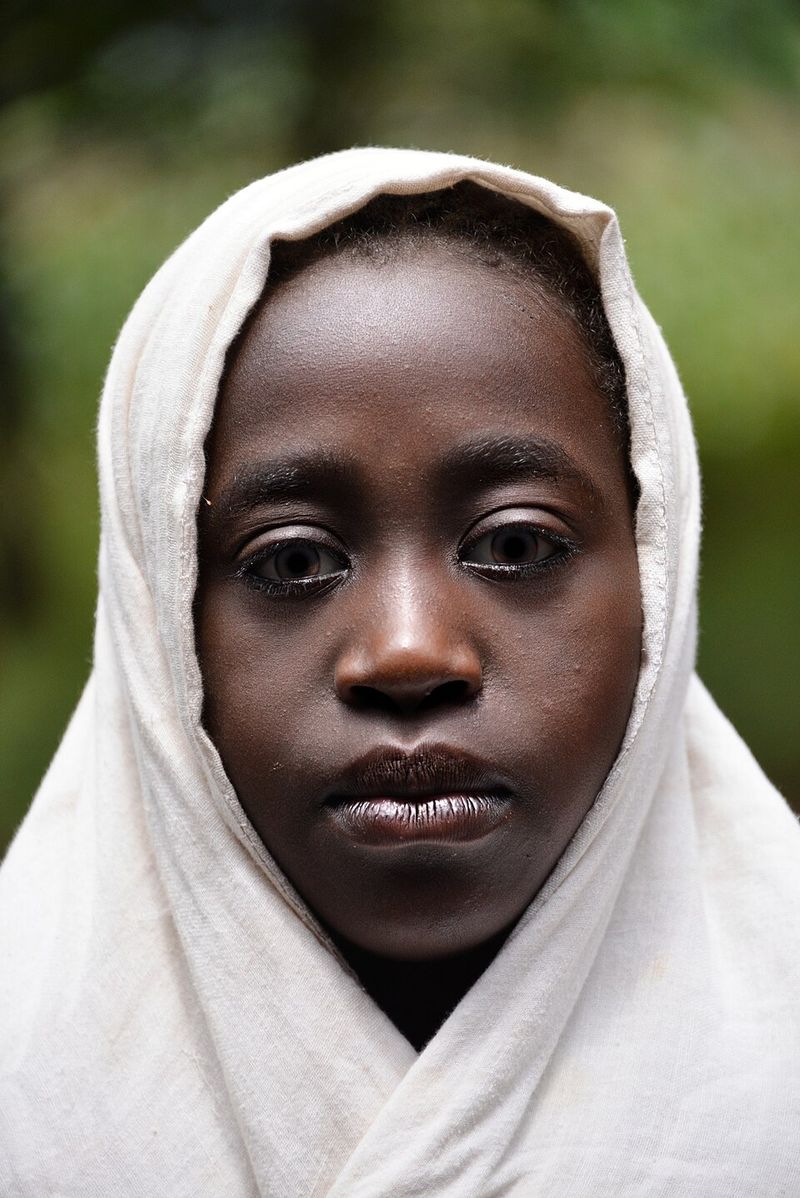
Ethiopia is one of Africa’s fastest-growing nations, and its child population of about 52.5 million reflects that energy. Children are not just a demographic feature here.
They are central to every major development plan the country is building for the decades ahead.
Education access has expanded significantly in Ethiopia over the past two decades, with new schools reaching communities that previously had very limited options. Still, challenges remain, particularly in rural areas where distance, poverty, and drought can interrupt schooling and nutrition.
Malnutrition among young children remains a concern that health organizations continue to address.
Ethiopia’s urban centers, including Addis Ababa, are growing rapidly, and many families are moving from rural areas in search of better opportunities. This shift affects how child services need to be delivered and planned.
A country with this many children and this much momentum is one that global development organizations watch closely, because what happens here shapes outcomes across the entire East African region.
Democratic Republic Of The Congo
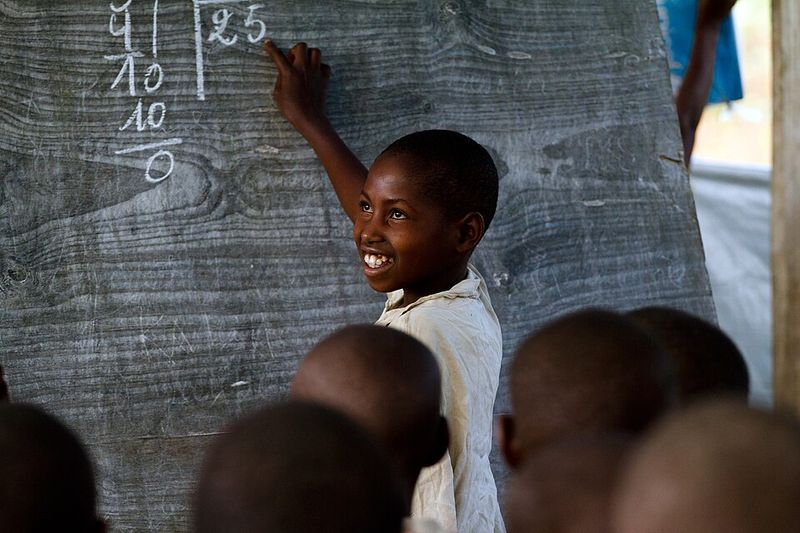
The Democratic Republic of the Congo has about 51.8 million children under age 15, a figure that is staggering when you consider the country’s ongoing infrastructure challenges and its vast, difficult-to-navigate geography. The DRC is one of Africa’s largest countries by land area, which makes reaching children with consistent services a serious logistical task.
School attendance rates have improved in many areas, but conflict, poverty, and limited road networks still create barriers for millions of children in remote regions. Access to clean water, nutrition, and basic healthcare remains uneven across the country’s provinces.
Despite those challenges, the DRC’s young population represents real potential. The country is rich in natural resources, and if investments in education and stability grow alongside the population, there is a path toward a much stronger future.
International development organizations and regional governments have flagged the DRC as one of the most important countries to support in terms of child welfare. The numbers alone make that case clearly.
Bangladesh
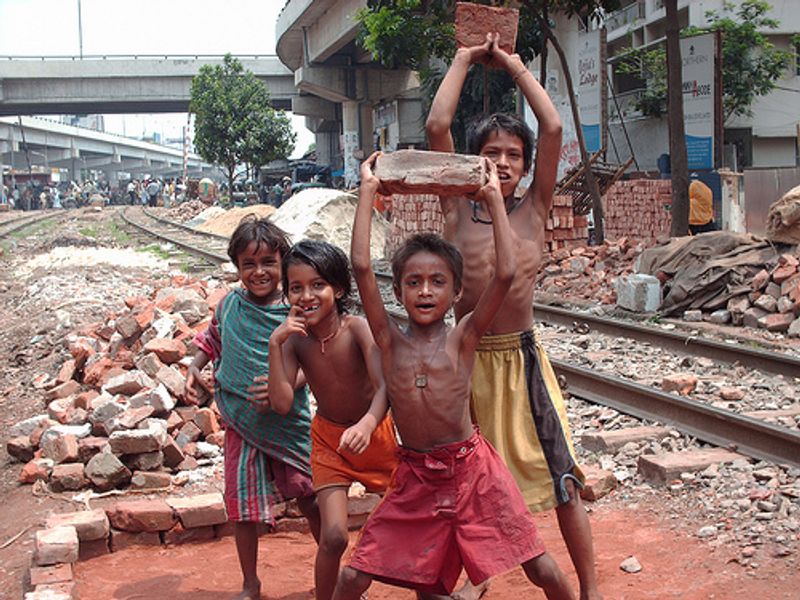
Bangladesh packs about 48.6 million children into one of the most densely populated countries on earth. That density creates a unique set of pressures.
Schools in urban areas like Dhaka can be extremely crowded, and the infrastructure needed to serve so many children in such a small geographic space is constantly being tested.
Climate resilience is also a child-specific issue in Bangladesh. Flooding, cyclones, and rising sea levels affect communities where millions of children live, disrupting schooling and threatening health outcomes.
The country has become a global leader in disaster preparedness, and protecting children during climate events is a key part of that planning.
Bangladesh has made real progress in education over the past few decades, particularly in improving girls’ school enrollment and completion rates. Those gains are meaningful, because an educated generation is the foundation for long-term economic strength.
With nearly 49 million children to support, the country cannot afford to slow that progress down.
Brazil
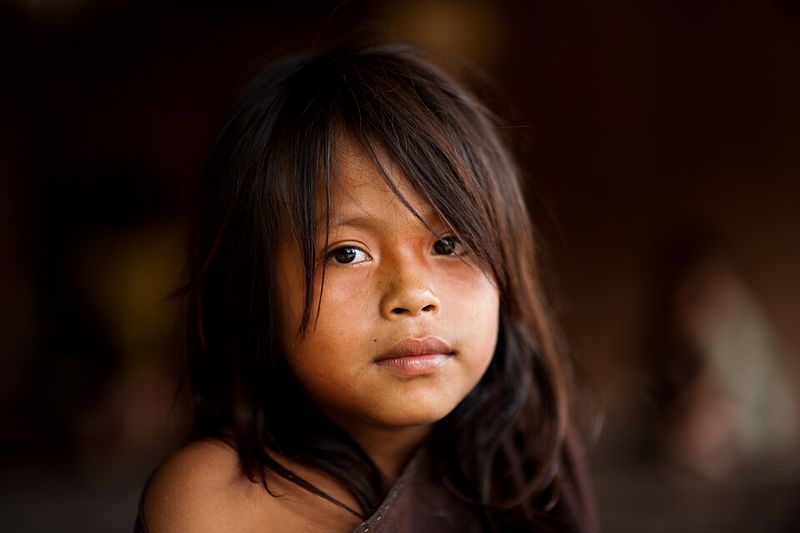
Brazil leads Latin America with about 41.3 million children under age 15, and the diversity of where those children live is remarkable. From the favelas of Rio de Janeiro to small farming towns in the interior, and from the Amazon basin to the Atlantic coast, Brazilian children grow up in vastly different environments with vastly different access to services.
Education quality and healthcare access vary significantly by region and income level, which is one of the country’s most persistent challenges. Federal programs aimed at reducing childhood poverty and improving school attendance have made measurable differences over the years, though gaps remain between wealthy and lower-income communities.
Brazil’s child population is also notable because the country is in the middle of a demographic transition. Birth rates have been falling, and the population is slowly aging.
But with over 41 million children still in the picture, youth-focused policy remains a major responsibility. Latin America’s future, in many ways, runs through Brazil’s classrooms and pediatric clinics.
Egypt
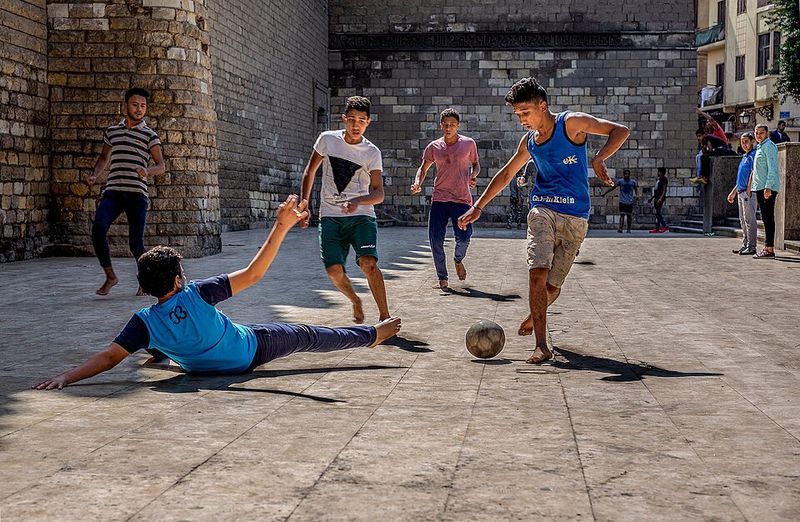
Egypt holds a distinction that many people outside the region might not immediately recognize: it has the largest child population in the Arab world, with about 37.4 million children under age 15. That makes it a demographic anchor for the entire Middle East and North Africa region.
Most of Egypt’s population lives along the Nile Valley and Delta, which means children and families are concentrated in some of the world’s most densely settled land. Schools in Cairo, Alexandria, and the Delta cities serve enormous numbers of students, and the pressure on educational infrastructure is a constant policy concern.
Egypt has invested in expanding its school system and improving teacher training over the past decade, with a particular focus on early childhood education. The country’s young population also makes it an important market and workforce source for the broader Arab world.
How Egypt educates and employs its children will have ripple effects across the region for decades to come.
Mexico
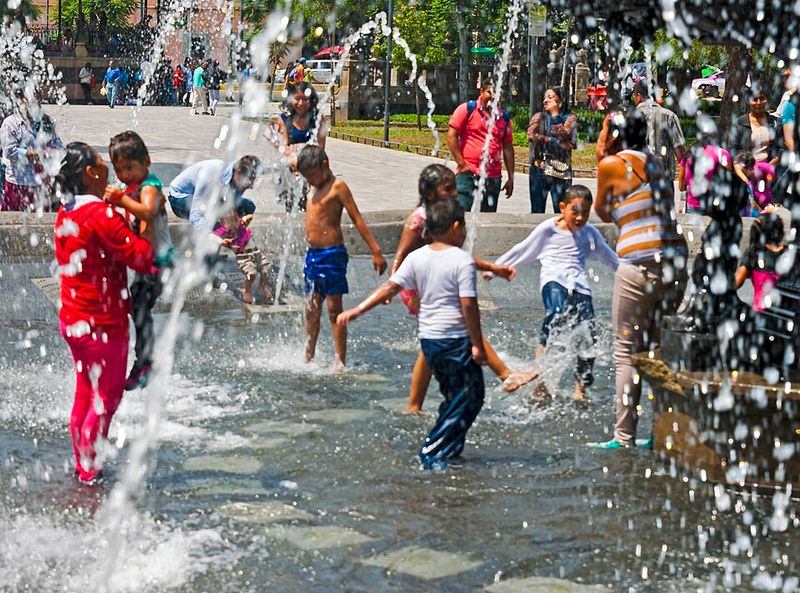
Mexico’s 31.8 million children under age 15 represent one of the most significant youth populations in the Americas. As one of the most populous countries in the Western Hemisphere, Mexico’s child numbers reflect both its size and its still-active birth rate, even as fertility has declined compared with previous generations.
Education and healthcare for children are major national priorities in Mexico, with federal programs targeting rural and indigenous communities that have historically had less access to services. The country’s school system spans an enormous range of environments, from dense Mexico City neighborhoods to remote mountain villages in Oaxaca and Chiapas.
Migration patterns also shape Mexico’s child population story. Many families move between rural and urban areas, and some cross international borders, which affects school enrollment and healthcare continuity for children.
Understanding where Mexico’s children are and what they need is an ongoing challenge for policymakers. The country’s future economic strength depends heavily on how well this generation is prepared for the workforce ahead.
Philippines
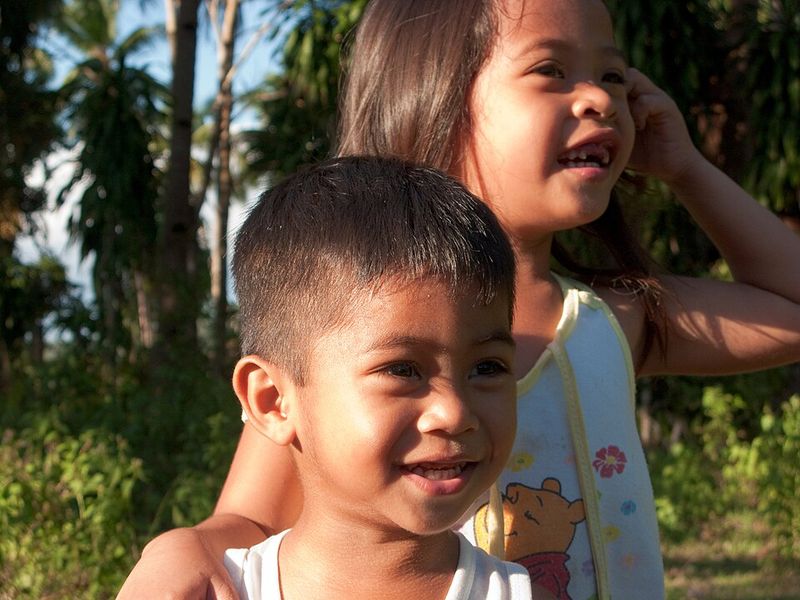
The Philippines has about 31.7 million children under age 15, placing it just a step behind Mexico on the global list. What makes that number especially meaningful is the geography: the country is made up of over 7,600 islands, and delivering consistent education and healthcare across that landscape is a genuine challenge.
Island communities, particularly in the Visayas and Mindanao regions, can face gaps in school resources, teacher availability, and medical access compared with urban centers like Metro Manila and Cebu. The government has expanded programs to improve connectivity and bring more services to underserved areas, but the work is ongoing.
Filipino children are also growing up in a country with a strong culture of education and family investment in schooling. Parents across income levels tend to prioritize their children’s academic futures, which contributes to relatively high literacy rates.
The Philippines’ youthful population is closely tied to its reputation as a major source of skilled workers for global industries, a trend that begins in its classrooms.
Tanzania
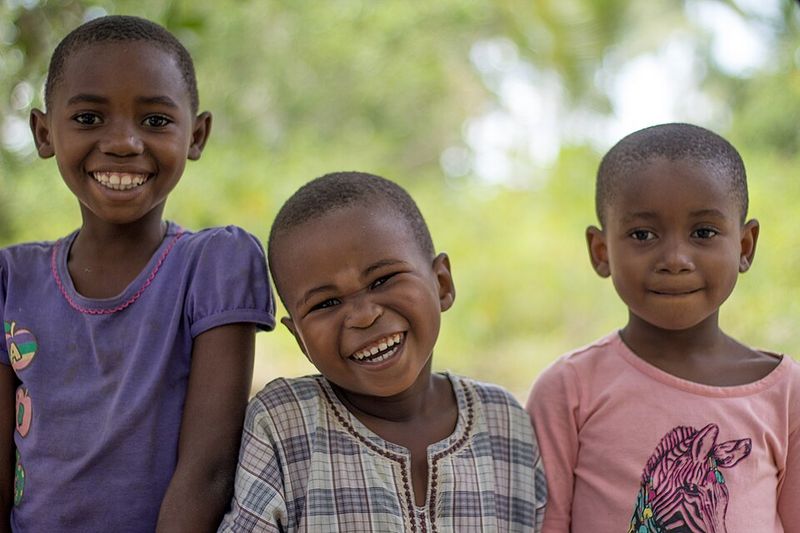
Tanzania is one of East Africa’s fastest-growing countries, and its child population of about 29.9 million is a clear reflection of that growth. Young people are at the center of nearly every major development conversation happening in the country right now, from school construction to maternal health to agricultural training.
The country’s cities, including Dar es Salaam and Dodoma, are expanding rapidly as families move from rural areas in search of economic opportunity. That shift changes how child services need to be planned and delivered, especially as urban schools face growing enrollment numbers and rural schools lose students.
Tanzania has also attracted significant international investment in education and health programs targeting children, partly because of the scale of the need and partly because of the country’s relative political stability compared with some neighboring nations. East Africa’s demographic future looks increasingly tied to what happens in Tanzania.
A well-supported generation of children here could reshape the region’s economic and social trajectory in the coming decades.
Russia
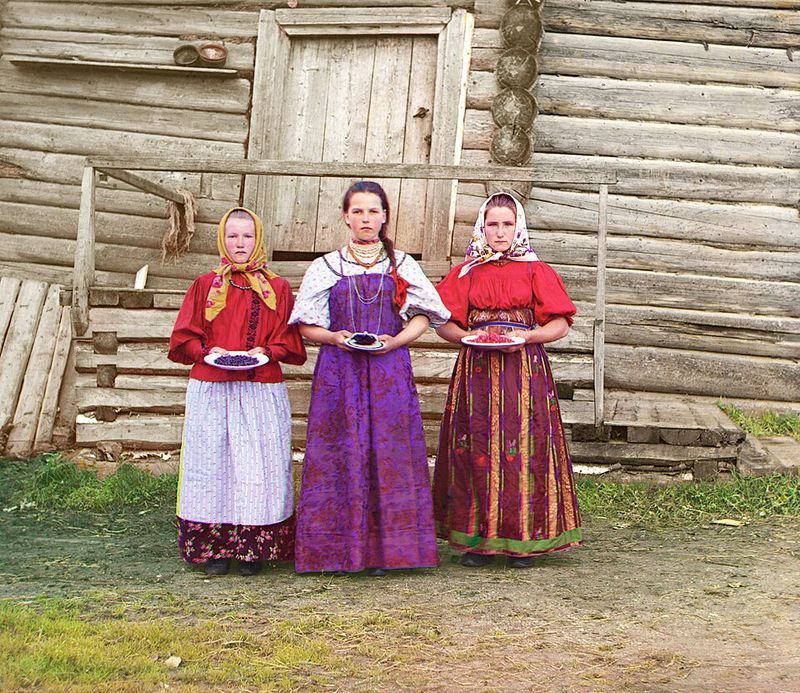
Russia might seem like an unexpected entry on a list of countries with the world’s largest child populations. The country is widely associated with an aging demographic and low birth rates, and that reputation is not wrong.
But Russia’s total population of over 140 million is still large enough to place its roughly 24.4 million children in the global top 15.
The contrast is what makes Russia’s demographic situation so worth noting. Workforce projections show a shrinking labor pool in the coming decades, which has pushed the government to prioritize family support programs, parental benefits, and child health initiatives.
Regional differences also matter: some areas of Russia have younger populations than others, particularly in certain Siberian and southern regions.
Russia’s place on this list is a reminder that a country does not need to be especially young overall to still carry a significant number of children. Scale matters.
Even a country navigating long-term population decline can have tens of millions of children who need schools, healthcare, and a solid foundation for their futures.
Share this story