Most people paint their homes to boost curb appeal or cover up scuff marks. But in some corners of the world, the reasons behind a fresh coat of paint are far more surprising. Fishermen needed to spot their houses through thick fog. Entire towns went blue because of a cartoon movie.
Some communities painted to celebrate freedom, others to honor ancient gods, and a few just used whatever leftover paint happened to be lying around the docks. The results, however accidental or deliberate, are some of the most visually striking neighborhoods on the planet. This article takes you through 14 real places where the colors on the walls tell a much bigger story than anyone might expect. Each location has its own quirky, fascinating, or deeply meaningful reason for looking the way it does, and every single one is worth knowing about.
1. Burano, Venice, Italy
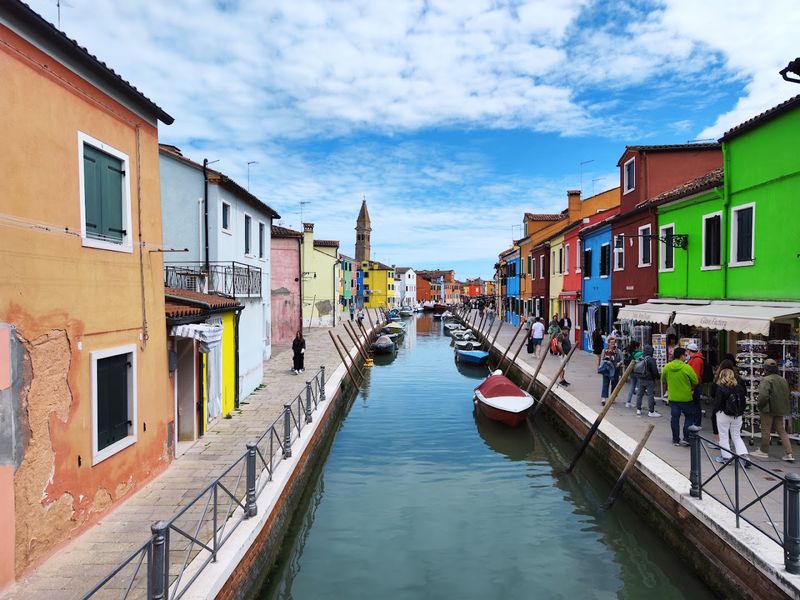
Fog was the original interior designer of Burano. Fishermen returning across the Venetian lagoon after long days at sea needed a reliable way to spot their own homes through the thick mist that regularly rolled in, so they painted each house in a bold, distinctive color that set it apart from every neighbor.
The tradition stuck, and today it is legally protected. Homeowners must submit a formal request to the local council before repainting, and officials assign which color from an approved palette is permitted for that specific building.
Some historians also suggest that the varied colors helped distinguish family properties in a town where many residents shared the same surnames. The result is an island so photogenic that it has become one of Italy’s most visited destinations, all because fishermen needed a simple navigation system that actually worked.
2. Chefchaouen, Morocco
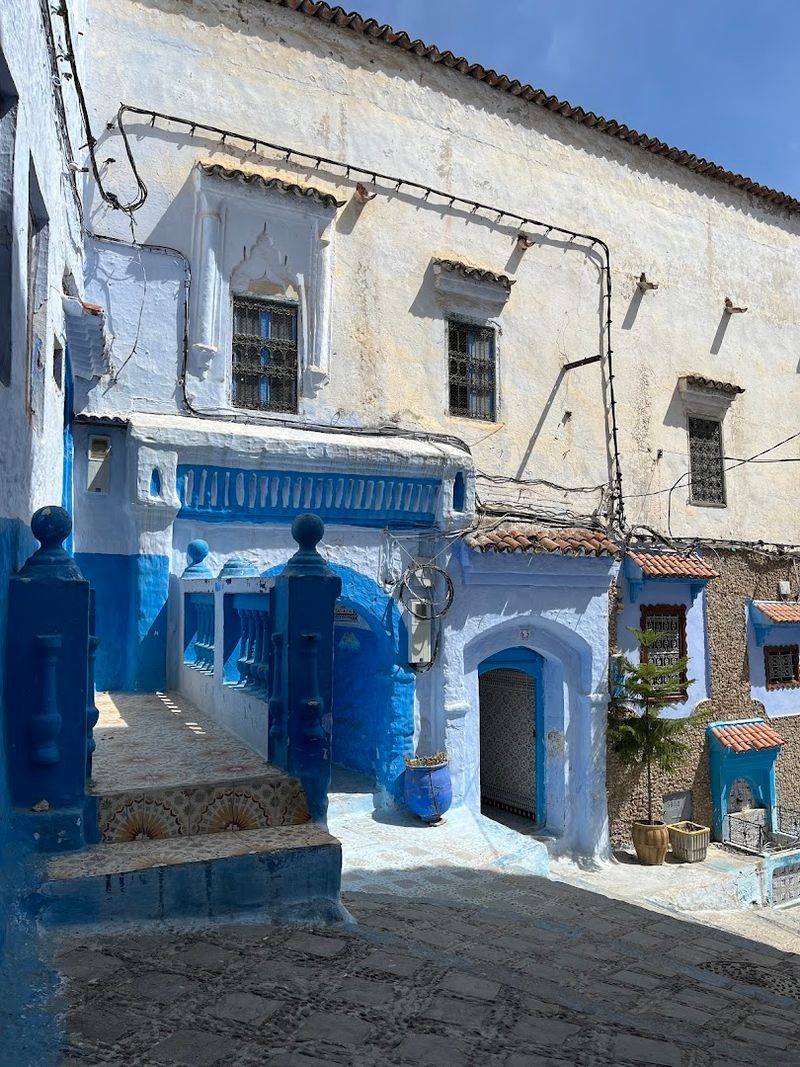
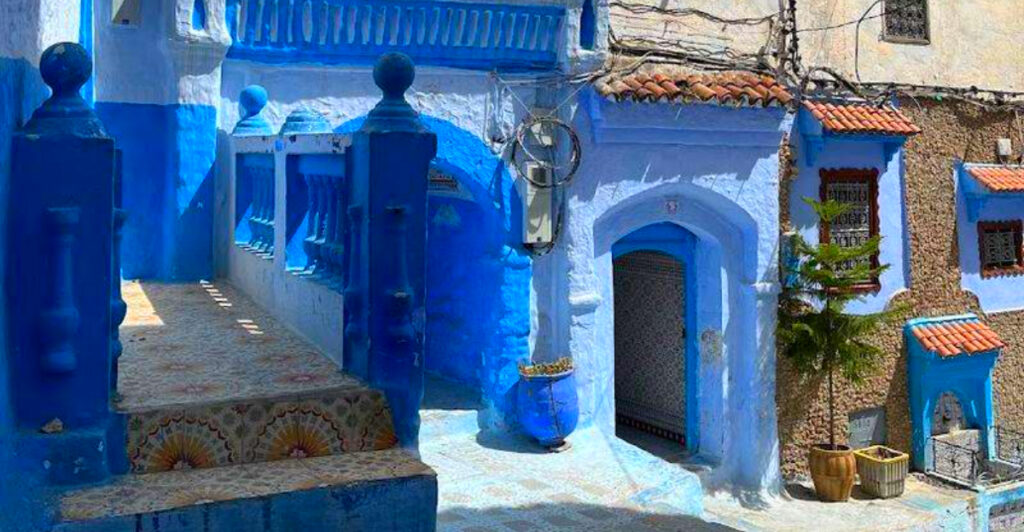
There is a town in northern Morocco where even the staircases are painted blue, and the story behind all that color is more layered than it first appears. Jewish refugees who settled in Chefchaouen during the 1930s brought the tradition with them, associating blue with heaven and a life lived closer to the spiritual.
Practical logic backed up the spiritual reasoning. Blue paint was believed to deter mosquitoes by mimicking the appearance of clear running water, and lighter shades reflected enough sunlight to keep narrow streets noticeably cooler during warm months.
Local beliefs also connected the blue tones to water, purity, and the nearby Ras el-Maa waterfall, a vital source for the town. More recently, the distinctive palette has been consciously maintained to support tourism, turning what began as a meaningful cultural tradition into one of Morocco’s most recognized landmarks.
3. Jodhpur, Rajasthan, India
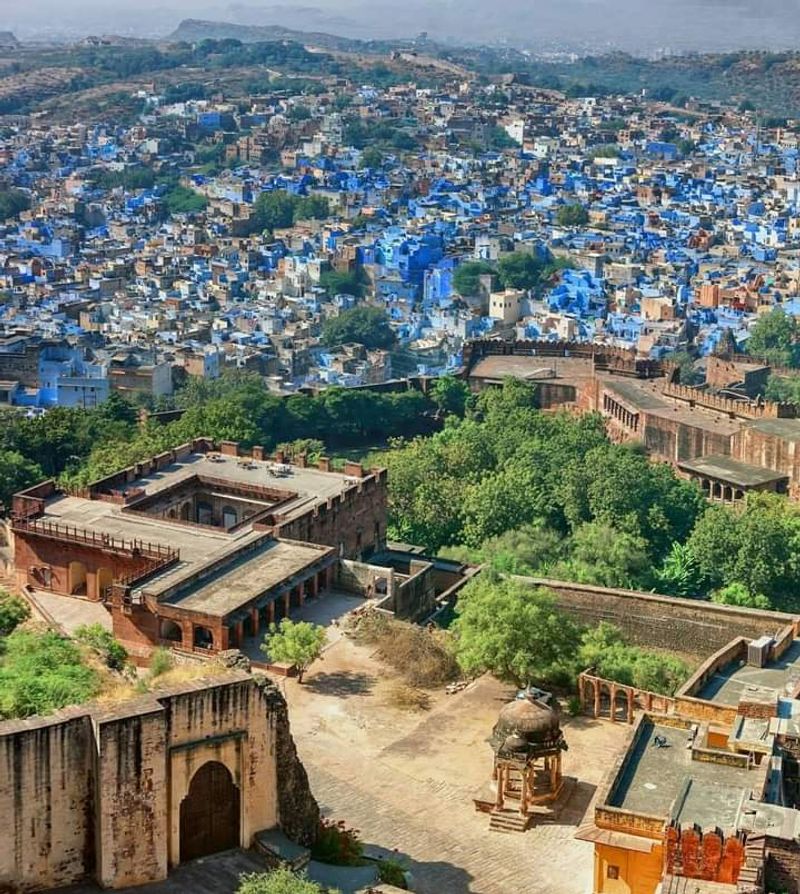
Beneath the massive walls of Mehrangarh Fort, an entire city spreads out in shades of indigo and cobalt that have made Jodhpur one of India’s most recognizable urban landscapes. The color originally marked the homes of Brahmin households, the priestly caste, as a visible sign of social status within the community.
Practical benefits quickly convinced everyone else to follow along. The blue finish reflected Rajasthan’s punishing heat more effectively than darker shades, and residents believed it actively discouraged insects including termites and mosquitoes from settling in or around the walls.
Over generations, the blue spread well beyond its original social boundaries until it became the defining visual identity of the entire city. Jodhpur earned its nickname, the Blue City, not through a single royal decree but through a slow, practical, community-wide decision that turned tradition into architecture.
4. Jaipur, Rajasthan, India
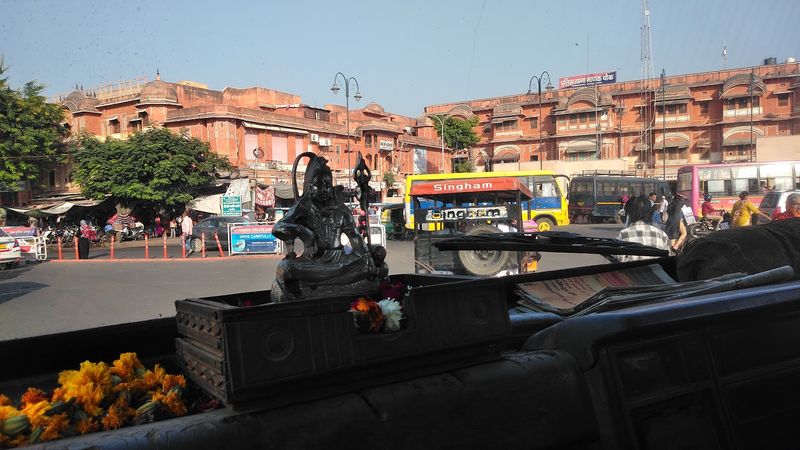
A royal visit changed the color of an entire city. In 1876, Maharaja Sawai Ram Singh II ordered the historic center of Jaipur to be painted a warm terracotta pink in preparation for the arrival of Albert Edward, the Prince of Wales. Pink held special cultural significance in Indian tradition as a color of hospitality and warmth toward honored guests.
The transformation was so well received that the Maharaja formalized it with a law the following year, requiring buildings within the old city to maintain this specific shade. The rule has been upheld and reinforced over the decades by subsequent city regulations.
What began as a single act of royal hospitality became a permanent part of the city’s identity. Jaipur’s Pink City designation is now one of India’s most famous urban nicknames, and the terracotta facades remain a protected feature of its historic core.
5. Izamal, Yucatán, Mexico
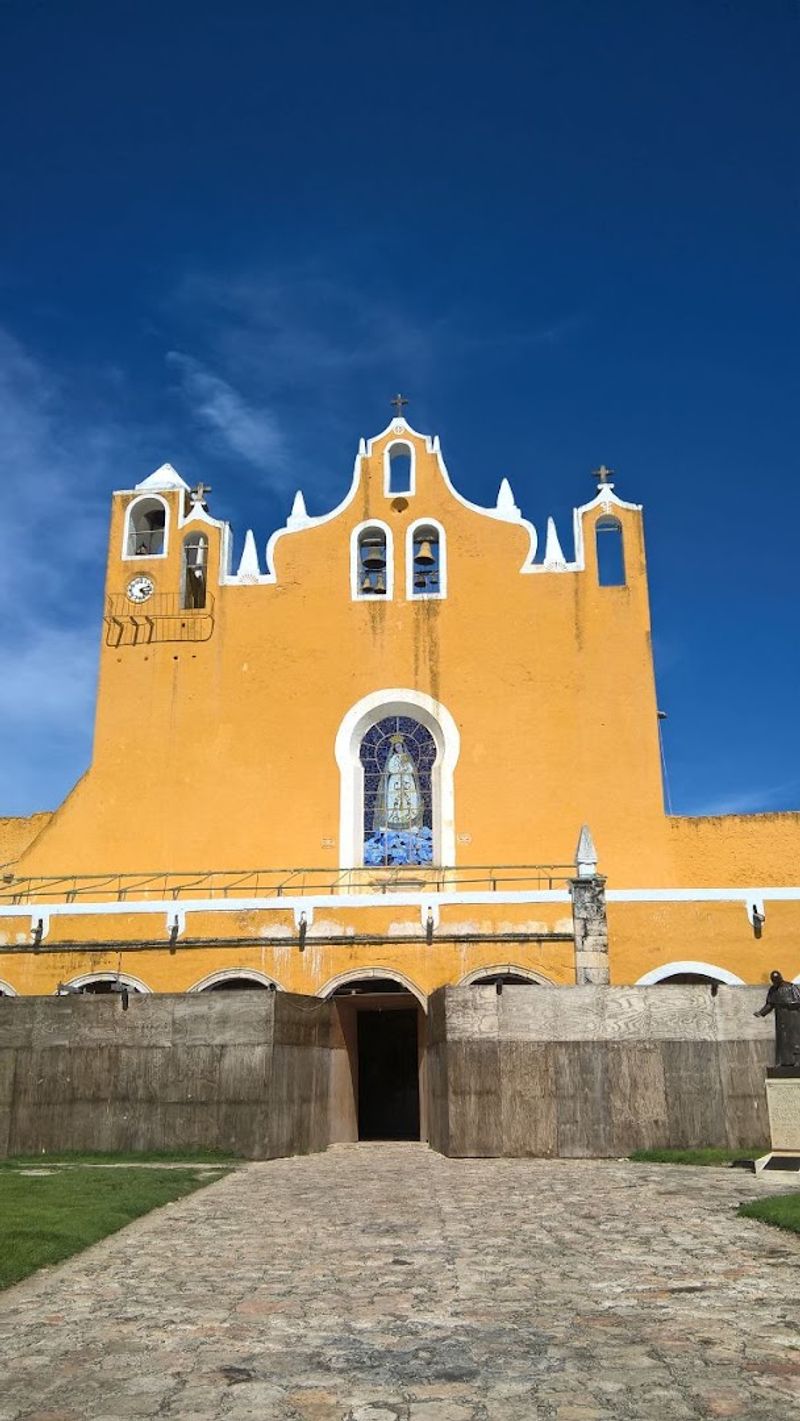
An entire colonial town painted the same shade of golden yellow sounds like the result of a bulk paint sale, but Izamal’s color carries far more meaning than that. One leading explanation connects the yellow to the town’s ancient Mayan heritage, as yellow was a sacred color representing the sun and corn, both central to Mayan spiritual life.
A more recent and well-documented reason dates to 1993, when the entire city was repainted yellow ahead of a visit from Pope John Paul II. Yellow holds strong symbolic significance within the Catholic Church, and the gesture aligned the town’s colonial architecture with the occasion.
Both explanations have shaped how Izamal understands its own identity. The yellow buildings create a remarkable visual contrast against the blue Yucatan sky, and the town’s nickname, the Yellow City, has made it one of Mexico’s most distinctive and photographed colonial destinations.
6. Bo-Kaap, Cape Town, South Africa
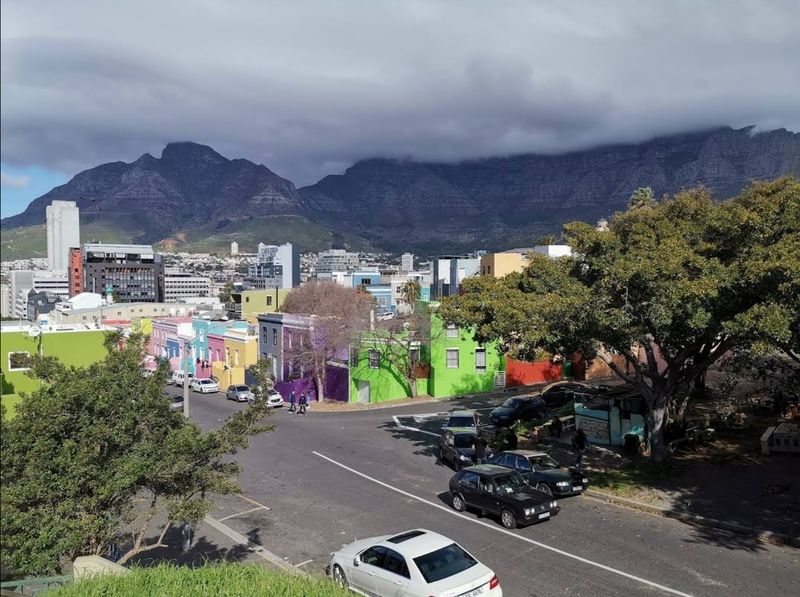
Color became a form of resistance in Bo-Kaap. During periods of colonial rule and apartheid, homes in this Cape Town neighborhood were often required to remain white, a restriction that left little room for personal expression or cultural identity.
After the end of apartheid and following the abolition of slavery in 1834, residents who were largely descendants of enslaved people known as Cape Malays began painting their homes in vivid, joyful shades. The act of choosing a color for your own front wall was a meaningful statement of freedom after years of imposed uniformity.
For the predominantly Muslim community, the multi-colored houses also carry religious significance, connected to celebrations of Ramadan and Eid. Today, Bo-Kaap’s cobblestone streets lined with bright facades have become one of Cape Town’s most visited neighborhoods, a place where the paint on the walls genuinely reflects the history inside them.
7. Júzcar, Andalusia, Spain
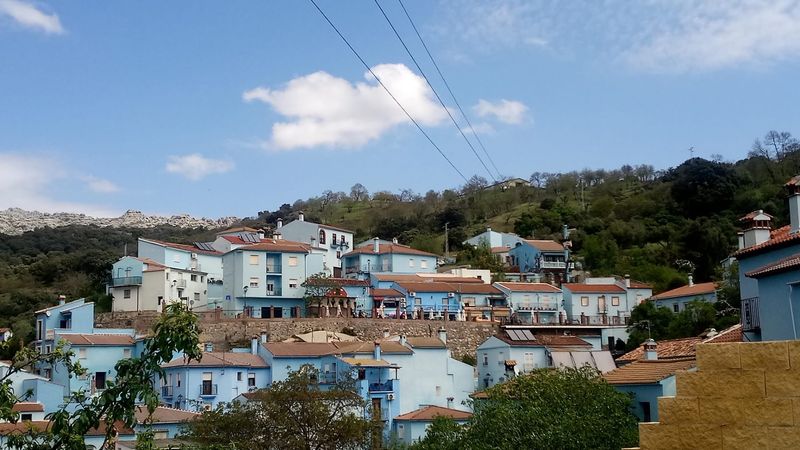
Sony Pictures once turned an entire Spanish village blue, and the village liked it enough to stay that way. In June 2011, the production company painted every building in the small mountain settlement of Jucar blue as a promotional stunt for the theatrical release of The Smurfs 3D movie. The original agreement included repainting everything white once the event ended.
Residents had a different plan. When the vote came, they chose overwhelmingly in 2012 to keep the blue, and the reasoning was straightforward: tourism had surged dramatically following the premiere, bringing far more visitors and economic activity than the village had ever seen before.
A marketing gimmick intended to last a few weeks permanently rewrote the identity of an entire community. Jucar officially rebranded itself as the Smurf Village, and travelers from across Europe now make the detour through the Andalusian mountains specifically to see a town that Hollywood accidentally reinvented.
8. Santorini, Greece
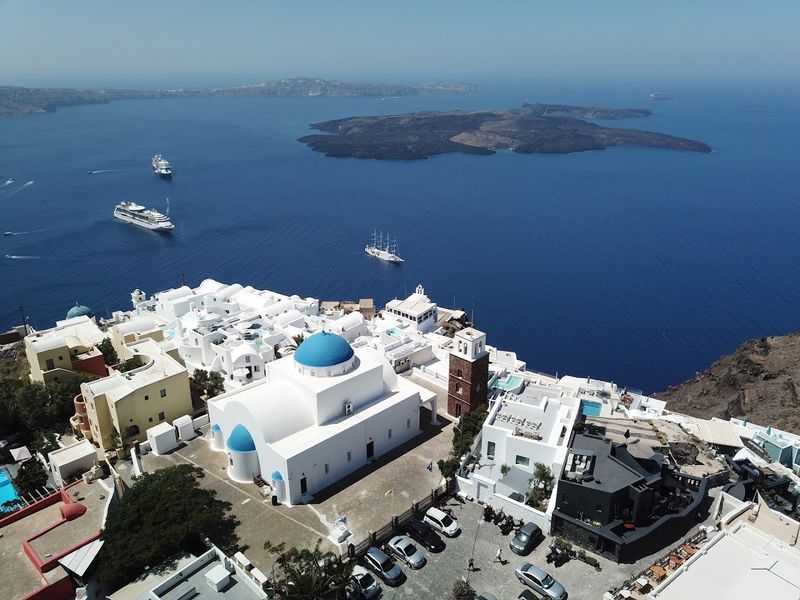
The white walls of Santorini were not designed to look beautiful in photographs, although they certainly do. The whitewash was chosen because it reflected the intense Mediterranean sun, helping homes stay cooler before modern cooling systems existed. Traditional limewash also carried natural antibacterial properties that made it useful for basic sanitation.
That sanitation function became critical during the 1938 cholera outbreak, when whitewashing buildings was officially mandated as a public health measure to limit the spread of disease. Blue accents on domes, doors, and shutters emerged from a combination of folk belief, national symbolism, and the simple fact that blue pigment was among the cheapest available.
A military government in the late 1960s further enforced the blue and white palette as an expression of national identity. What started as practical and political decisions became one of the most imitated architectural styles in the world, replicated on hotel brochures and travel posters everywhere.
9. Vejer de la Frontera, Andalusia, Spain
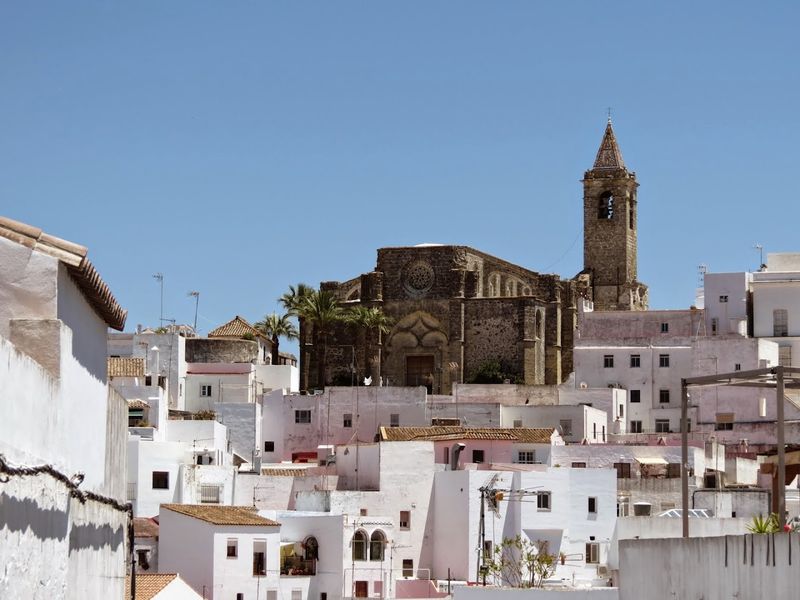
White limewash has been the building material of choice across Andalusia for over two thousand years, and Vejer de la Frontera is one of its finest examples. The thick coats of calcium hydroxide-based paint do more than reflect the fierce summer heat that bakes southern Spain for months at a time.
Historically, the alkaline properties of limewash made it a practical sanitation tool, killing bacteria on exterior surfaces at a time when hygiene options were limited. Entire communities across the region relied on the same material for both temperature control and basic public health.
Vejer de la Frontera belongs to the celebrated group known as the Pueblos Blancos, or White Villages, a collection of hilltop settlements whose gleaming walls have defined the visual identity of southern Spain for centuries. The town’s winding white streets remain one of Andalusia’s most photographed and genuinely well-preserved historic streetscapes.
10. Mykonos Town, Mykonos, Greece
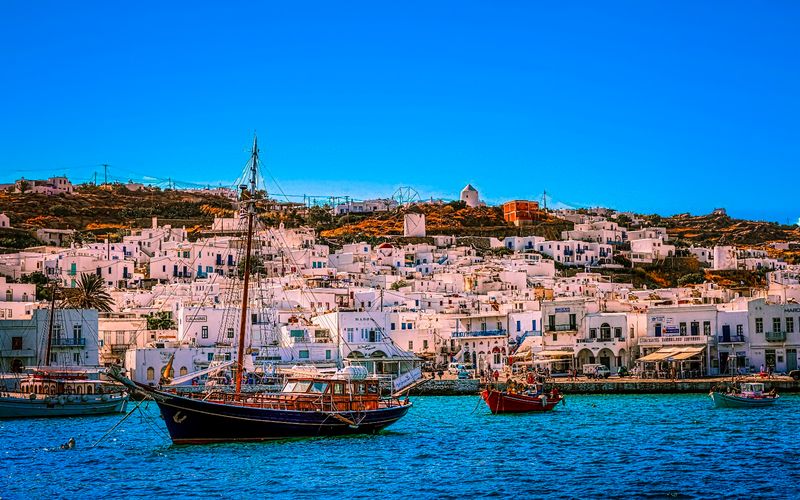
Budget decisions shaped the look of one of the world’s most glamorous islands. The white buildings of Mykonos were originally painted that way for the same reason as many other Greek islands: white reflected sunlight and kept interiors from overheating during long, hot summers when no other cooling options existed.
The blue accents on doors, shutters, and window frames came down to cost. Blue pigment was typically the cheapest available, produced from a mixture of limestone and a common blue cleaning product, making it the practical choice for residents who wanted a bit of color without extra expense.
The combination eventually became so tied to the island’s identity that a military government mandated its preservation in 1967 as a symbol of Greek national character. A look born from heat management and tight household budgets is now one of the most copied architectural aesthetics in Mediterranean travel design.
11. Santa Catarina Palopó, Sololá Department, Guatemala
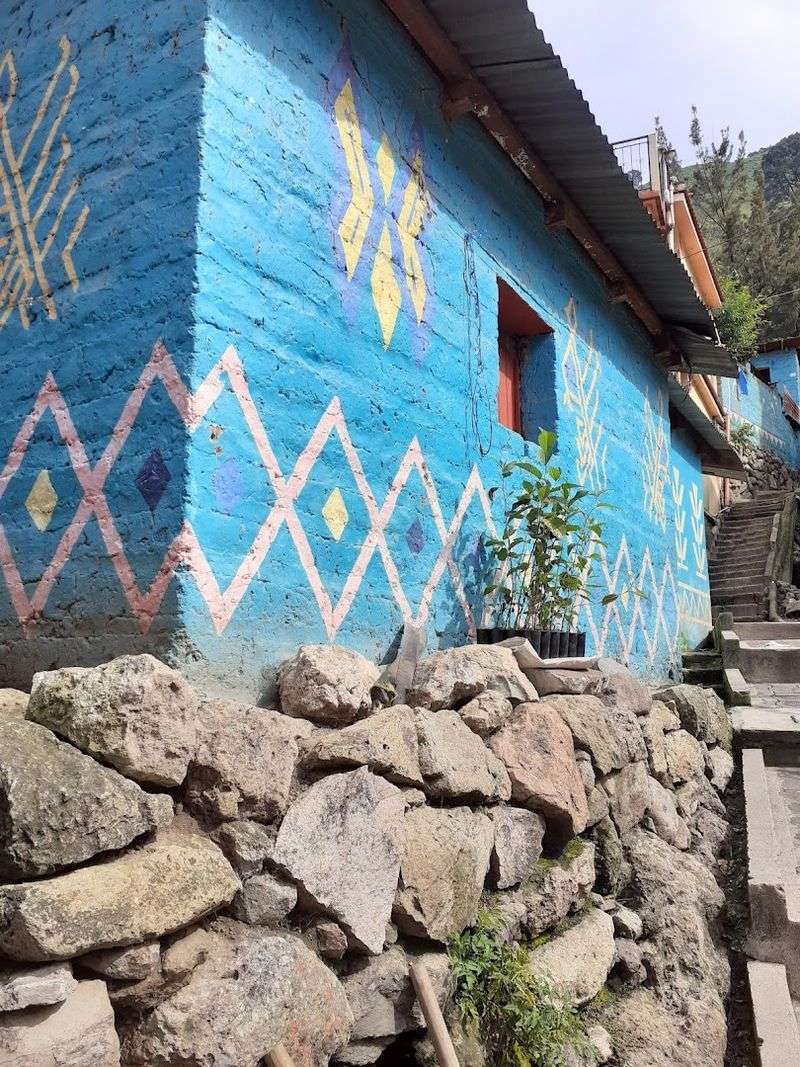
A community art project launched in 2016 turned a quiet lakeside village into a living canvas. The initiative, called Pintando Santa Catarina Palopo, set out to cover every home in the village with vibrant geometric designs drawn directly from the patterns found in traditional Mayan textiles, specifically the huipiles woven by local women.
The project was built around more than aesthetics. Organizers aimed to revitalize an economically challenged community by attracting cultural tourism, creating local employment, and giving residents a stronger sense of pride in their Mayan heritage. The paint used was non-toxic, environmentally safe, and contained calcium hydroxide, which gives it mild disinfecting properties.
Each painted home contributes to a larger unified artwork visible from across Lake Atitlan. Visitors who arrive by boat across the lake see an entire hillside covered in patterns that directly reflect the textiles worn by the women who live there, making the village itself a form of cultural documentation.
12. Kampung Pelangi, Semarang, Central Java, Indonesia
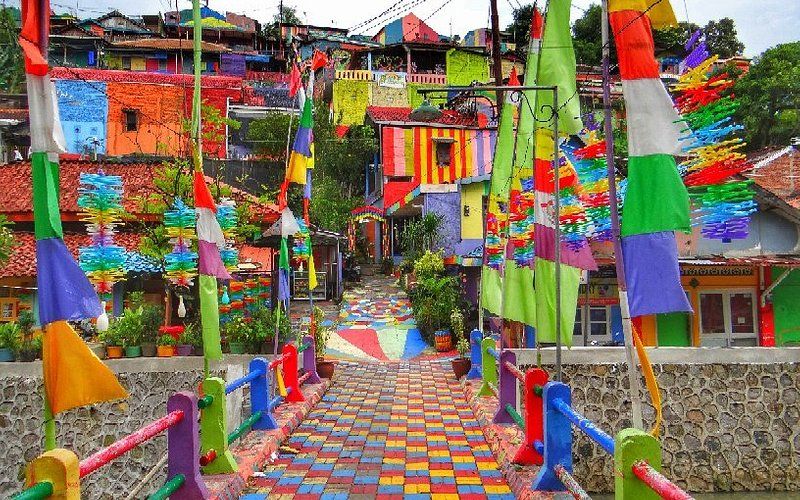
Before 2017, Kampung Wonosari was an overlooked hillside neighborhood with a reputation as a run-down area that tourists had no reason to visit. A local high school principal changed that with a bold idea: paint every house in the community with bright, rainbow colors, geometric patterns, and large-scale murals, backed by significant government funding.
The transformation was dramatic and fast. Hundreds of homes were covered in vivid stripes, dots, three-dimensional painted figures, and bold color combinations that turned ordinary walls into attractions. The renamed Kampung Pelangi, meaning Rainbow Village, quickly became one of Indonesia’s most recognized colorful destinations.
The economic motivation was central from the start. Organizers wanted visitors to come, stay, and spend money on local food, souvenirs, and guided walks through the alleys. The plan worked, and what had been considered a problem neighborhood became a tourism asset that other Indonesian communities have since tried to replicate.
13. Cobh, County Cork, Ireland
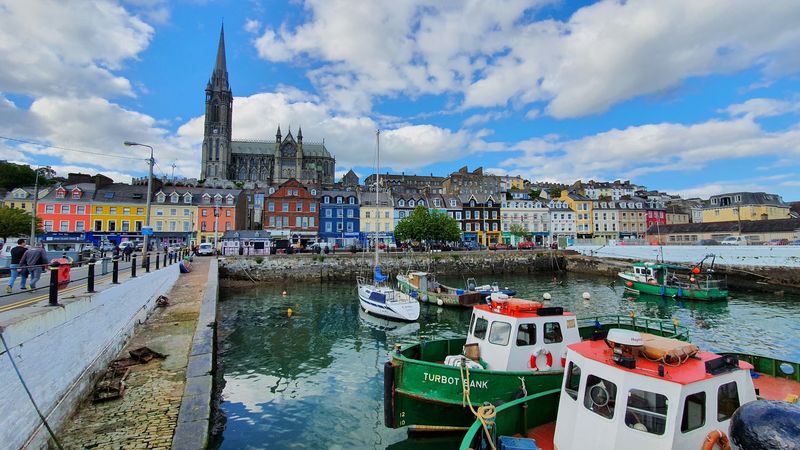
Cobh’s hillside terraces are known locally as the Deck of Cards, a nickname earned by the way the pastel-painted Victorian houses stack and cascade down toward Cork Harbour in an arrangement that genuinely looks like someone shuffled a colorful deck and left it leaning against the hill.
The colorful appearance was not the result of a single official plan or a royal decree. Homeowners in this tightly packed Victorian settlement developed the tradition gradually, choosing vivid paint colors as a practical way to distinguish their individual properties from their nearly identical neighbors on steep, narrow streets.
The cumulative effect of many independent choices made over many decades created one of Ireland’s most photographed harbor views. Each homeowner simply wanted to know which door was theirs, and the collective result became an accidental landmark. Cobh’s waterfront is now inseparable from its pastel palette, which has become as much a part of the town’s identity as its famous cathedral.
14. Valparaíso, Chile
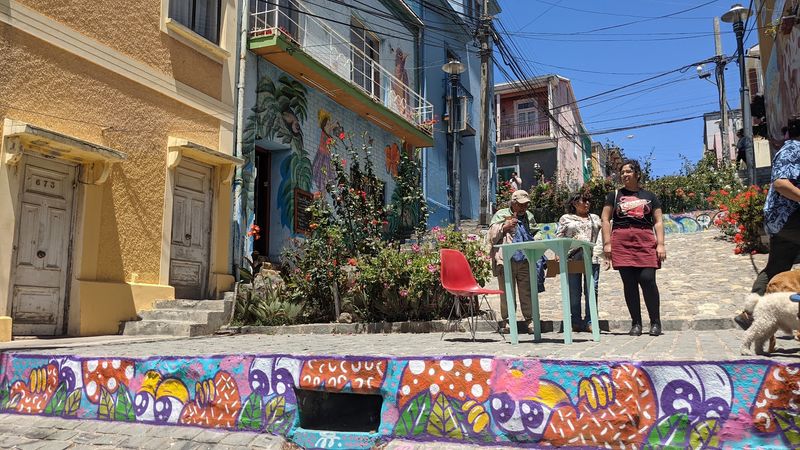
Ship paint is not typically a home decor material, but Valparaiso’s residents turned maritime leftovers into one of South America’s most distinctive architectural traditions. During the mid-19th century, when the city was a major Pacific port, homeowners discovered that the paint used to coat and protect ships at the docks was also an excellent option for protecting their own walls against the harsh, salty coastal air.
Access to leftover marine paint meant access to an eclectic, unpredictable mix of colors, and neighborhoods took on a bold, varied palette that no single designer could have planned. The practical habit of using whatever was available evolved into a deliberate artistic identity over generations.
Today, Valparaiso’s painted houses are complemented by an internationally recognized street mural scene that covers stairways, retaining walls, and entire building facades across the city’s famous hillside districts. The port city that built its look from leftover ship supplies is now one of the most creatively painted urban environments in the world.
Share this story