Every spring and fall, something extraordinary happens across the globe. Millions of birds take to the skies, traveling thousands of miles between their breeding and wintering grounds, turning ordinary landscapes into unforgettable natural events. Some crossings involve clouds of hawks riding thermal currents above mountain ridges, while others feature vast flocks of cranes descending on wetlands at dusk in numbers that genuinely seem impossible until you see them firsthand. A single good morning at the right location can produce more bird species than most people see in an entire year.
These migration hotspots are not just for dedicated birdwatchers either. Anyone who has ever looked up at a passing flock and wondered where those birds were headed will find something genuinely thrilling at each of the 15 destinations on this list. Grab your binoculars and keep reading.
1. Point Pelee National Park, Leamington, Ontario, Canada
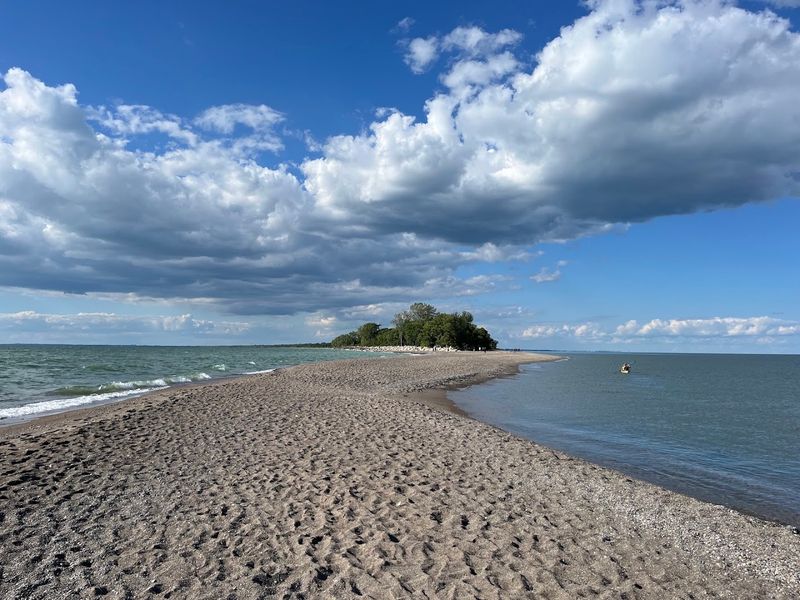
Canada’s southernmost mainland tip acts like a giant funnel, concentrating migrating birds into one of North America’s most celebrated birdwatching destinations every May. Over 390 species have been recorded within the Point Pelee Birding Area, drawn here after exhausting overnight crossings of Lake Erie that can span up to 200 kilometers.
More than 30 warbler species arrive in full breeding plumage, joined by flycatchers, vireos, orioles, and tanagers that fill every tree branch along the park’s woodland trails. The narrow tip of the peninsula, known simply as “The Tip,” becomes a prime gathering spot where tired migrants make their first landfall.
Occasional “fallout” events occur when weather fronts ground large numbers of birds simultaneously, turning an already exciting morning into something truly extraordinary. The park’s 20-plus kilometers of trails wind through forest, marsh, and shoreline habitat.
2. Magee Marsh Wildlife Area, Oak Harbor, Ohio
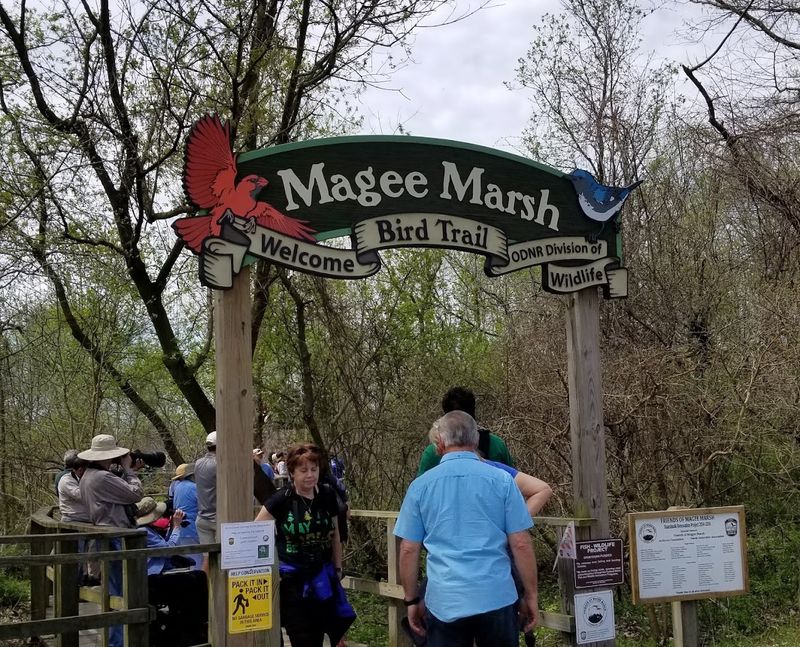
Nicknamed the “Warbler Capital of the World,” Magee Marsh earns that title every May with a concentration of colorful songbirds that has to be seen to be believed. The famous boardwalk runs directly through lakeside forest, placing visitors at eye level with Blackburnian, Cerulean, and Prothonotary Warblers feeding just an arm’s length away.
More than 26 warbler species can be spotted in a single day during peak migration, alongside thrushes, vireos, flycatchers, and orioles. Daily spring tallies regularly exceed 120 species, making this one of the most productive single-site birdwatching locations on the continent.
The annual Biggest Week in American Birding festival, typically held in mid-May, draws thousands of enthusiasts from around the world for guided trips, workshops, and a genuinely electric community atmosphere. The trees are just leafing out at peak time, keeping sightlines clear and identification surprisingly straightforward.
3. Bosque del Apache National Wildlife Refuge, San Antonio, New Mexico
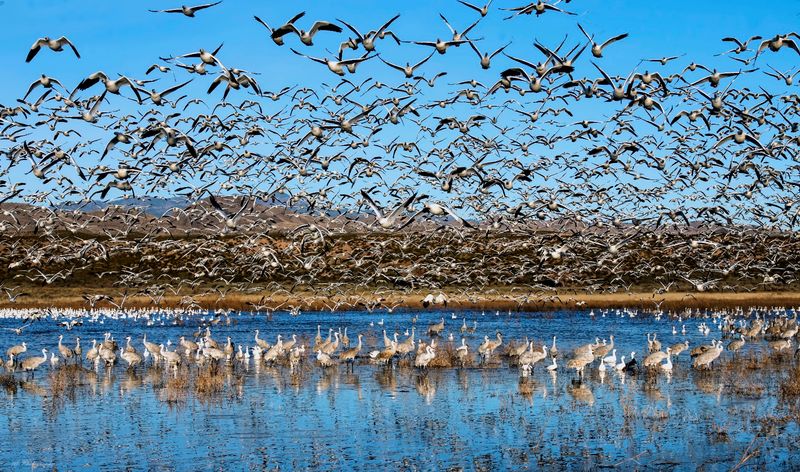
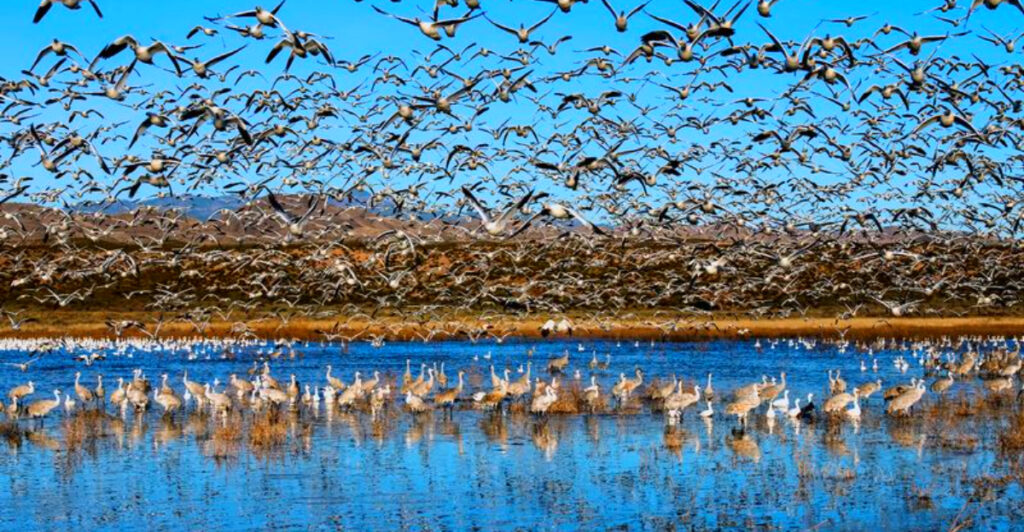
Few wildlife events on Earth match the spectacle of tens of thousands of sandhill cranes and snow geese lifting off simultaneously at Bosque del Apache. From early November through late January, these birds transform the refuge’s wetlands and agricultural fields into a living, moving tapestry of wings and motion at both sunrise and sunset.
Over 408 bird species have been recorded here since 1964, including more than 20 duck species, hawks, bald eagles, ravens, and coots. Spring migration from mid-February to mid-May brings a completely different cast, with shorebirds including avocets, stilts, sandpipers, and plovers taking center stage as water levels are carefully managed.
The 12-mile auto tour loop makes the refuge highly accessible for visitors of all mobility levels. The annual Festival of the Cranes in early December is timed perfectly to coincide with peak bird numbers and provides guided viewing opportunities.
4. Cape May Point State Park, Cape May Point, New Jersey
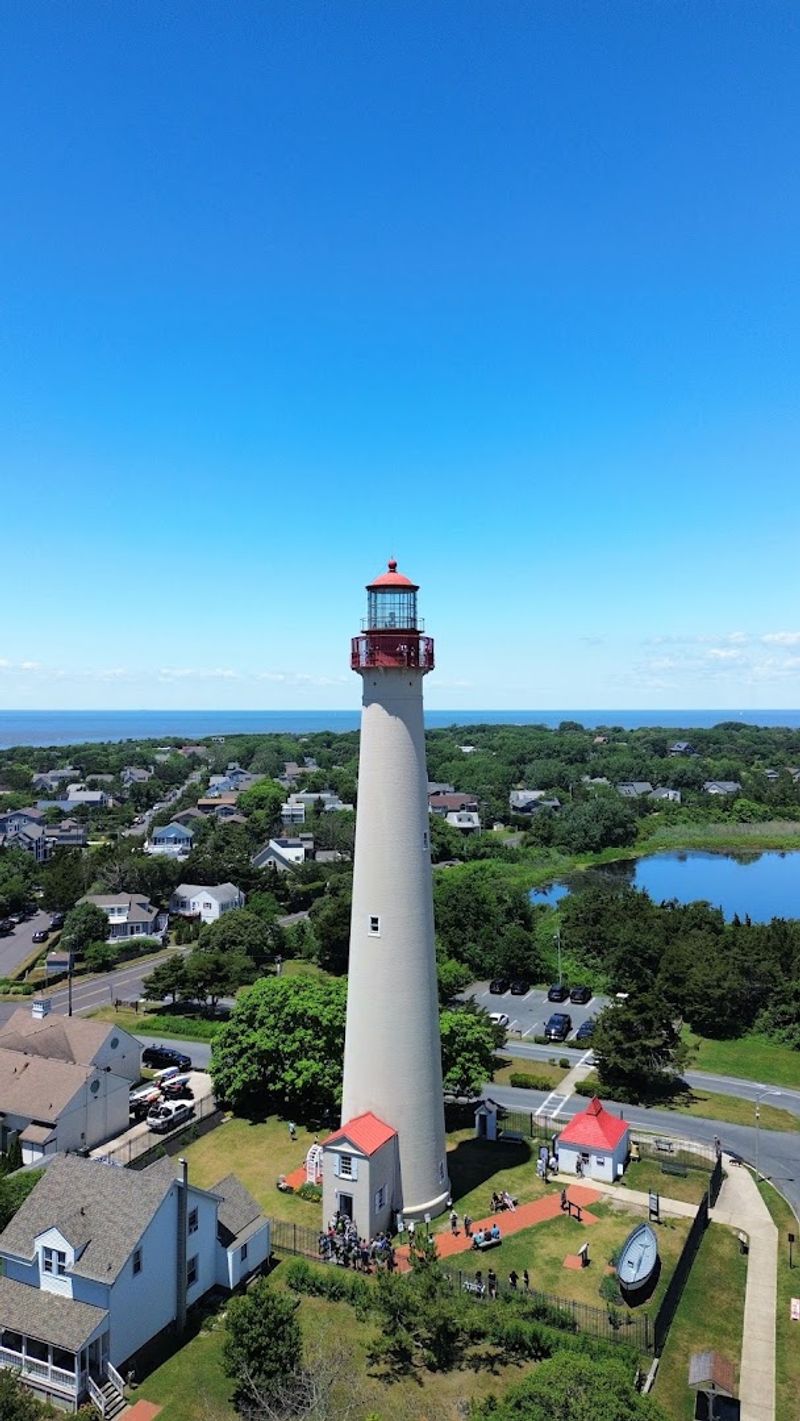
Known as the “Raptor Capital of North America,” Cape May Point funnels migrating birds of prey into one of the continent’s most concentrated fall migration corridors along the Atlantic Flyway. An average of 30,000 raptors representing over 15 species pass through each autumn, with single-day counts regularly topping 2,000 birds after cold fronts push conditions in the right direction.
Sharp-shinned hawks, peregrine falcons, and bald eagles are among the stars of the show, all reluctant to cross Delaware Bay and therefore stacking up along the coastline in impressive numbers. The Hawk Watch Platform offers a front-row seat to this aerial parade, with peak viewing typically running from late September through October.
Beyond raptors, more than 400 species have been recorded in the fall, including 30-plus warbler species. Tens of thousands of monarch butterflies also pass through the same corridor during this period, adding an extra layer of spectacle to every visit.
5. Hawk Mountain Sanctuary, Kempton, Pennsylvania
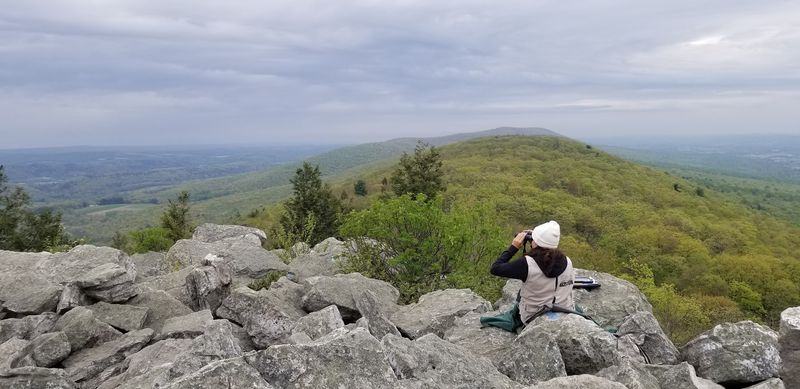
Holding the title of the world’s first refuge for birds of prey, Hawk Mountain Sanctuary has been counting migrating raptors along Pennsylvania’s Kittatinny Ridge since the 1930s, making it home to the longest-running raptor migration count on record. The ridge acts as a natural leading line, guiding hawks, eagles, and falcons southward while updrafts keep them airborne at eye level with observers on the rocky overlooks.
Autumn migration runs from mid-August through mid-December, with an average of 18,000 raptors logged per season. Mid-September brings dramatic broad-winged hawk flights, sometimes exceeding 3,000 birds in a single day. Late October offers the greatest species diversity, with up to 16 raptor species possible, including golden eagles, ospreys, and multiple falcon species.
The best viewing conditions arrive one to two days after a cold front, when northwest winds push birds efficiently along the ridge. Overlooks sit between 1,300 and 1,500 feet in elevation, providing genuinely sweeping views of the surrounding forested landscape.
6. Kearney Rowe Sanctuary, Gibbon, Nebraska
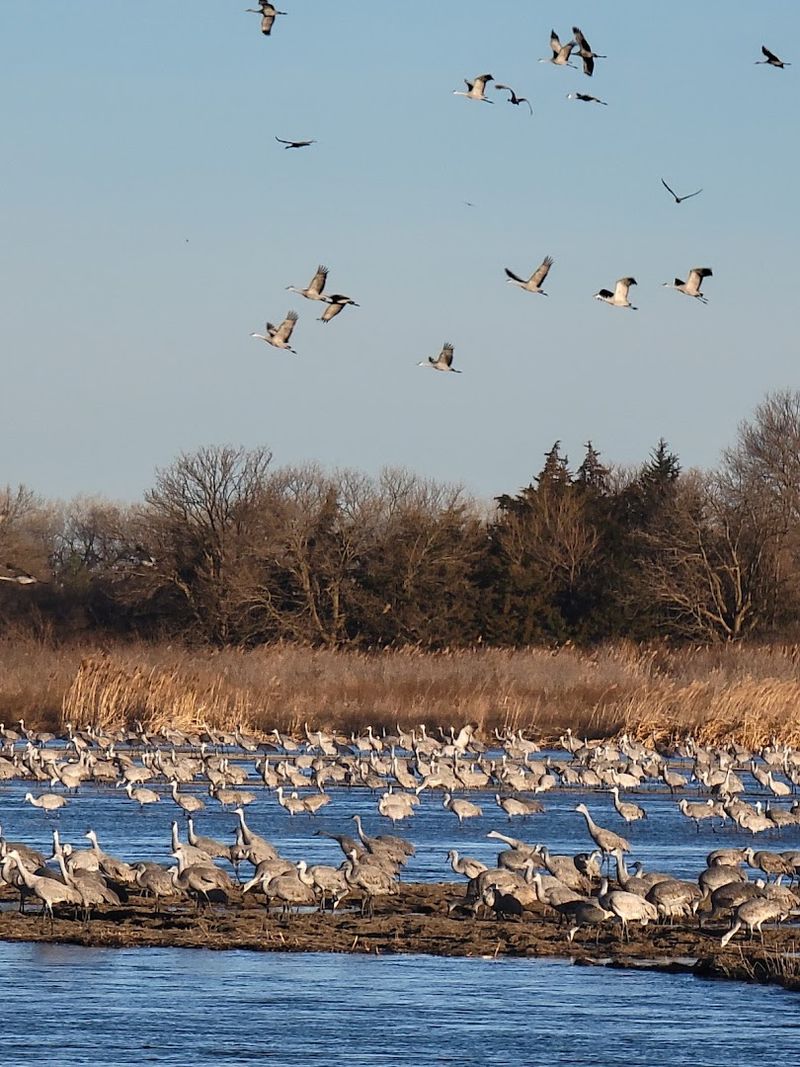
Every spring, a stretch of Nebraska’s Platte River hosts what many wildlife experts consider one of the planet’s greatest wildlife concentrations. Around one million sandhill cranes, representing over 80 percent of the world’s entire population, gather here between mid-February and mid-April to rest and fuel up before pushing north to Arctic breeding grounds in Canada, Alaska, and Siberia.
The shallow Platte River and its sandbars provide ideal overnight roosting conditions, offering the birds natural protection from predators. By day, the cranes spread across surrounding farmlands and wet meadows, consuming waste grain and invertebrates to rebuild fat reserves depleted by migration.
Guided viewing blinds positioned along the river allow visitors to watch the synchronized morning departures and evening arrivals without disturbing the birds. The sanctuary also works actively to maintain suitable riverbed conditions, even using mechanical methods to preserve the open sandbars these birds depend on.
7. Horicon Marsh State Wildlife Area, Mayville, Wisconsin
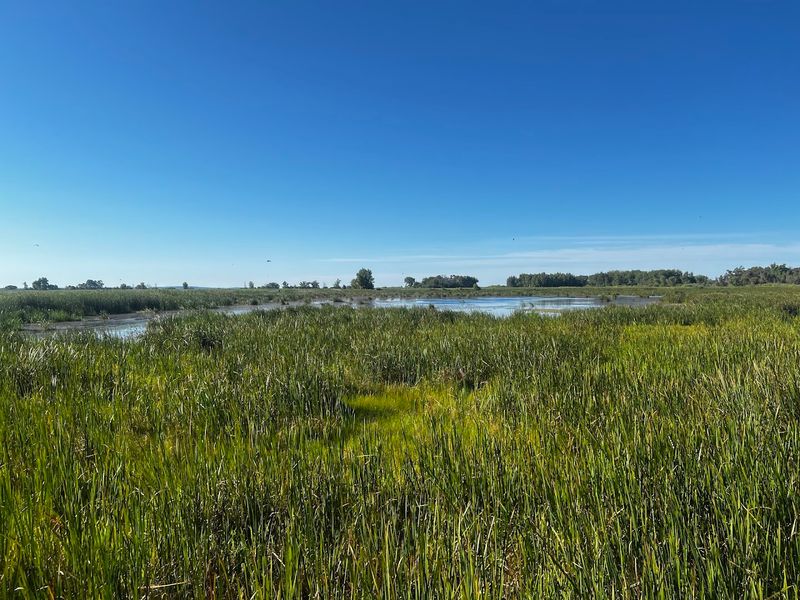
At 33,000 acres, Horicon Marsh is the largest freshwater cattail marsh in the United States, and it earns its status as a Globally Important Bird Area every single migration season. Over 300 bird species have been recorded across its wetlands, fields, and open water, with the biggest numbers arriving during both spring and fall migration along the Mississippi Flyway.
Autumn is particularly jaw-dropping, with Canada geese numbering between 200,000 and 300,000 at peak, alongside roughly 100,000 ducks of multiple species. Thousands of sandhill cranes also use the marsh as a staging area, performing their sunrise and sunset flight routines with remarkable reliability.
Spring brings bald eagles, ospreys, peregrine falcons, and a broad mix of songbirds and shorebirds to complement the waterfowl. Observation towers, boardwalks, and canoe access points give visitors multiple ways to experience the marsh depending on how close they want to get to the action.
8. Jasper-Pulaski Fish & Wildlife Area, Medaryville, Indiana
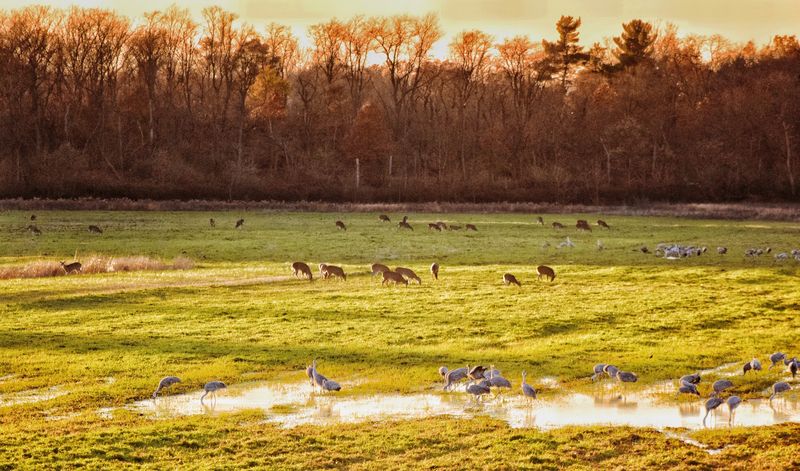
Autumn evenings at Jasper-Pulaski are among the most dramatic wildlife experiences available east of the Mississippi River, full stop. Sandhill cranes arrive in the thousands each dusk, wheeling down from the sky into shallow marshes and surrounding fields in a display that regularly draws crowds of awestruck visitors to the dedicated observation platform.
Peak numbers typically occur in late November and early December, with crane counts historically reaching 30,000 birds on exceptional days. The fall migration window runs from mid-October through mid-December, giving visitors a generous timeframe to plan a visit around favorable conditions.
Wetland restoration efforts that began in the 1930s, combined with abundant agricultural food sources in the surrounding landscape, have made Jasper-Pulaski an essential stopover in the Eastern Sandhill Crane flyway. The refuge represents a clear conservation success story, demonstrating how habitat management directly translates into recoverable wildlife populations and spectacular natural events.
9. Montezuma National Wildlife Refuge, Seneca Falls, New York
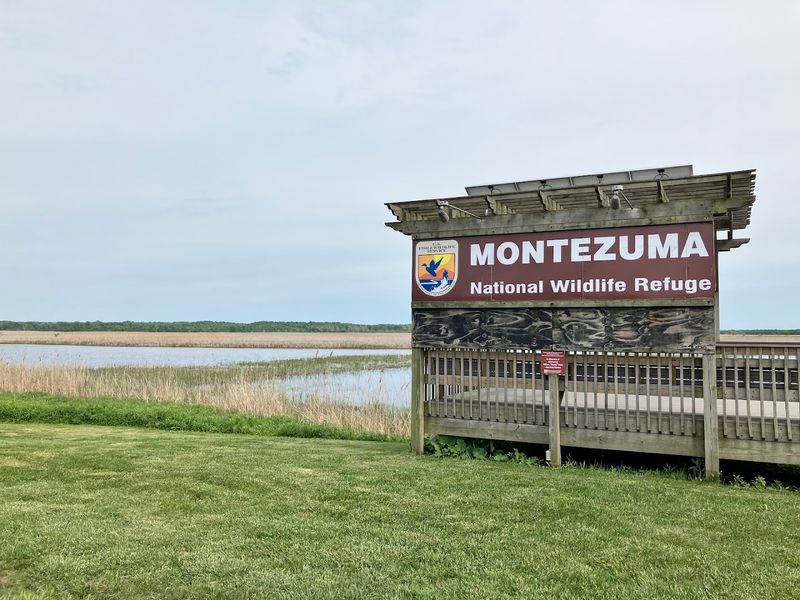
Nearly one million migratory birds pass through Montezuma National Wildlife Refuge each year, drawn to its 10,000-plus acres of marshes, pools, fields, and scrublands at the northern end of Cayuga Lake. Tens of thousands of Canada and snow geese descend on the refuge during both spring and fall, creating a spectacle that rivals anything on the Atlantic Flyway.
Waterfowl diversity is a particular strength here, with northern pintails, hooded mergansers, canvasbacks, widgeons, and ringnecks among the regulars. Shorebirds like killdeer, yellowlegs, and various plovers peak between mid-August and mid-October, while late May brings warblers including the rare Cerulean Warbler to the forested trails near Esker Brook.
Bald eagles are a consistent presence throughout the season, sometimes nesting within the refuge itself. A 3.5-mile Wildlife Drive, observation towers, and walking trails give visitors multiple options for exploring the refuge at their own pace during peak waterfowl periods in mid-April and late October.
10. Bear River Migratory Bird Refuge, Brigham City, Utah
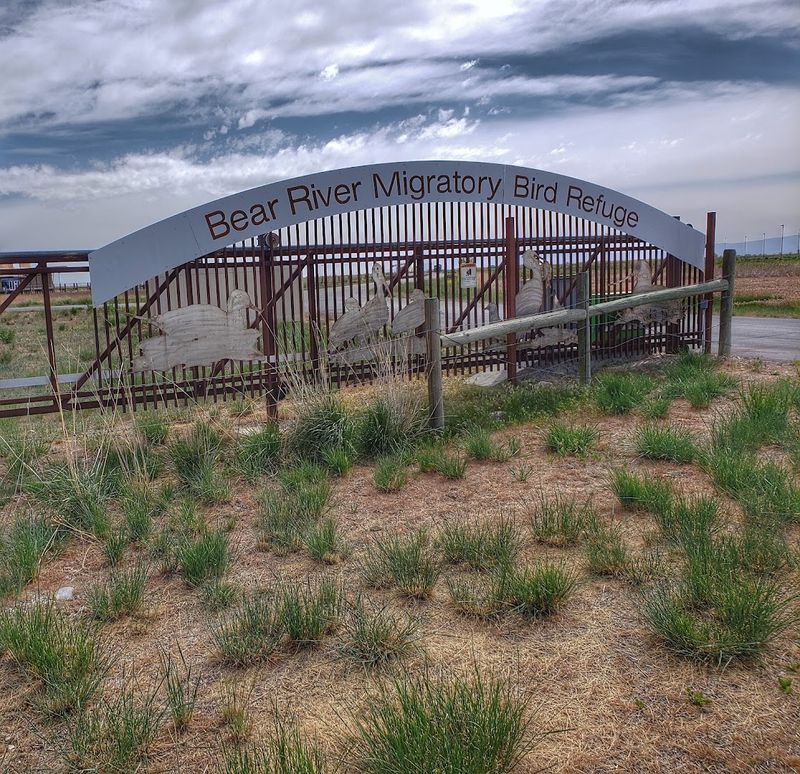
Where the Bear River empties into the northeastern shore of the Great Salt Lake, a remarkably productive refuge welcomes millions of migratory birds traveling both the Pacific and Central Flyways. The combination of brine shrimp, aquatic invertebrates, and sago pondweed makes this one of the most food-rich stopover locations in the American West.
Over 250 species have been recorded at Bear River, with 67 choosing to nest within the refuge boundaries. Tundra swans arrive in the tens of thousands during spring and fall, while American avocets and black-necked stilts nest along the dikes by the thousands. White-faced ibis form impressive colonies of up to 10,000 birds in the emergent vegetation.
Shorebird migration peaks in mid-August, bringing sandpipers and other waders in impressive numbers. Even winter keeps things interesting, with bald eagles, northern harriers, and rough-legged hawks patrolling the managed wetlands. The 12-mile auto tour loop is the most convenient way to cover the refuge’s diverse habitats.
11. Keoladeo National Park, Bharatpur, Rajasthan, India
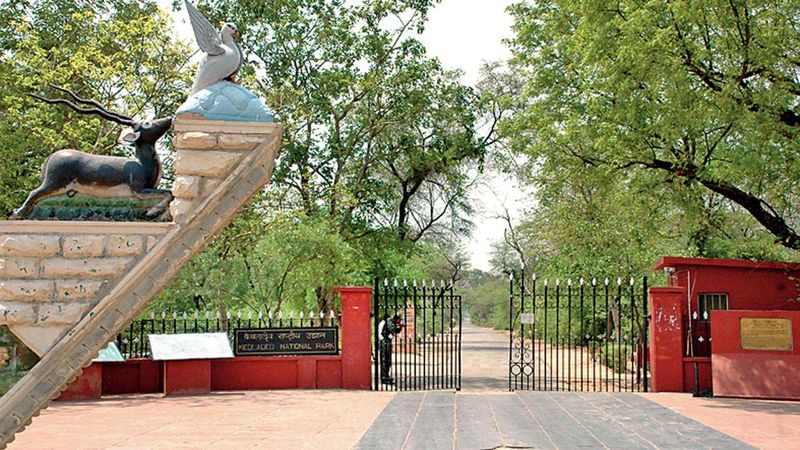
Originally built as a duck hunting reserve for Maharajas, Keoladeo National Park has reinvented itself as one of Asia’s finest birdwatching destinations and a UNESCO World Heritage Site that attracts visitors from around the world. Over 370 bird species have been recorded here, with the wetland’s managed water levels creating ideal conditions for wintering waterfowl each year from October through March.
Gadwall, shoveler, pintail, and wigeon arrive in large numbers alongside bar-headed geese, pelicans, and various waders. Globally threatened species including the greater spotted eagle and imperial eagle spend their winters in these wetlands, adding genuine rarity value to every visit. The towering sarus crane, the tallest flying bird on Earth, is a permanent resident and a reliable sighting year-round.
Guided rickshaw tours led by expert local drivers offer an intimate way to navigate the park’s flat terrain and identify species efficiently. Early morning and late afternoon produce the most active bird behavior and the most rewarding viewing conditions throughout the season.
12. Hula Valley Nature Reserve, Yesod HaMa’ala, Northern District, Israel
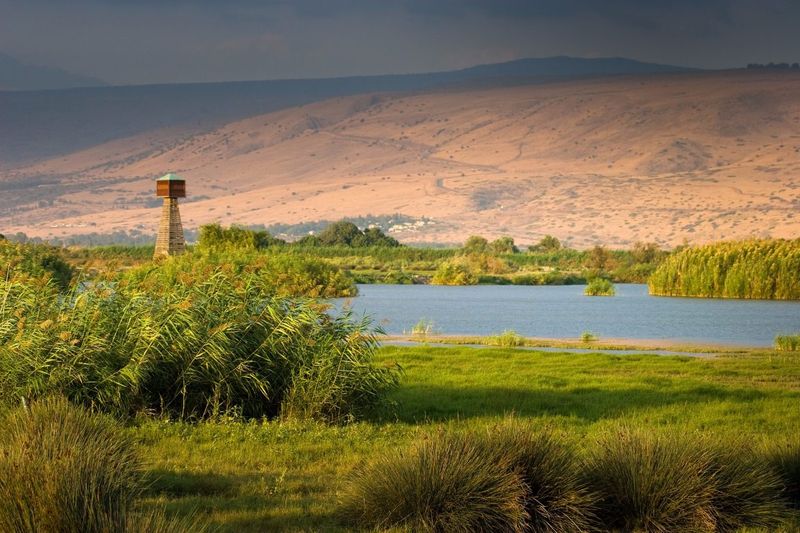
Sandwiched between the Mediterranean Sea and the Syrian Desert, the Hula Valley is one of the most strategically positioned migration corridors on the planet. An estimated 500 million birds representing close to 400 species funnel through this narrow Israeli valley twice a year, making it one of the busiest avian migration routes anywhere on Earth.
Tens of thousands of common cranes traveling from Finland to Ethiopia pause here each winter, joined by enormous flocks of white storks, pelicans, and raptors that use the restored wetlands as a critical refueling station. Without this oasis, many of those birds would have nowhere viable to stop between Europe and Africa.
Observation hides, birdwatching towers, and floating platforms allow close viewing without disturbing the wildlife. Visitors can also explore by bicycle, electric golf cart, or a tractor-drawn safari wagon for a more relaxed approach. Peak migration periods run from October through December and again from March through April.
13. Danube Delta Biosphere Reserve, Tulcea, Romania
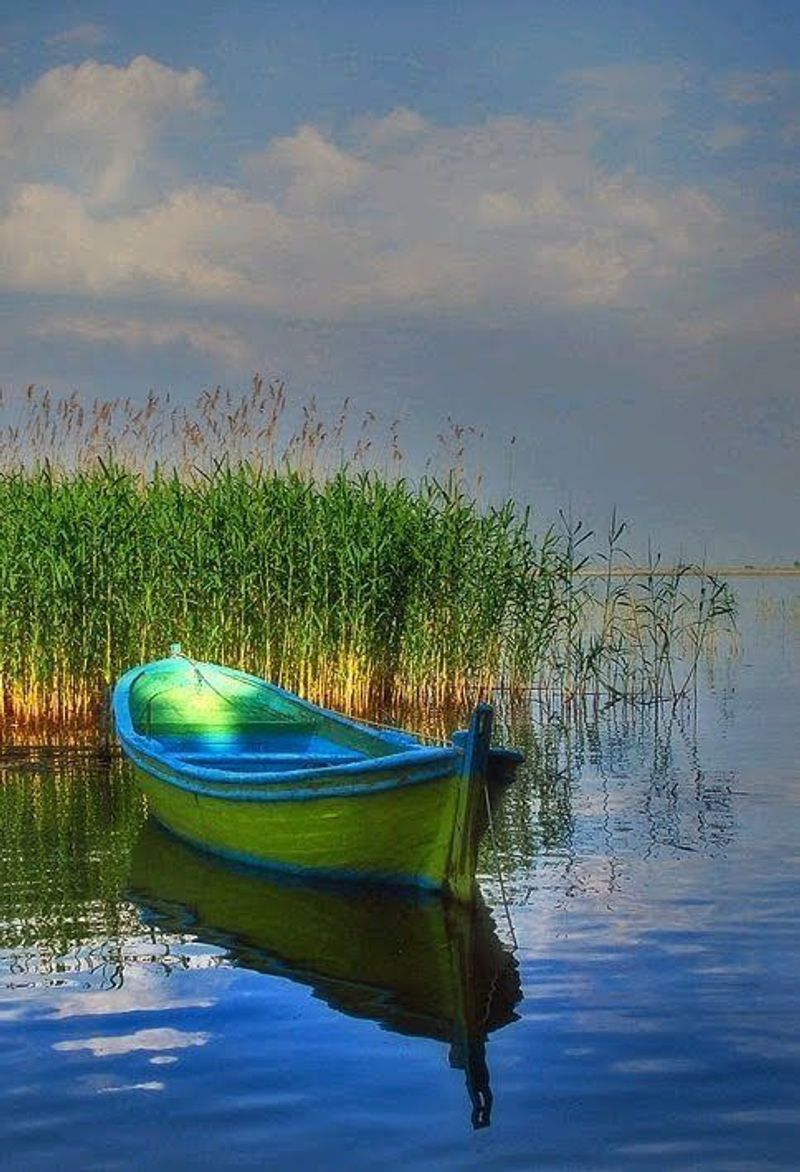
Europe’s largest remaining wetland spreads across 580,000 hectares of reed beds, winding channels, and quiet lakes at the mouth of the Danube River, providing a critical crossroads for birds traveling between Europe, Africa, and Asia. Over 360 species have been recorded in the delta, placing it among the continent’s most important bird habitats by any measure.
The Great White Pelican is the delta’s signature species, with 14,000 to 15,000 breeding pairs forming one of Europe’s largest colonies. Watching thousands of these birds glide overhead on wingspans approaching three meters is an experience that stays with visitors long after they leave. The rarer Dalmatian Pelican is also present, adding extra appeal for dedicated birdwatchers.
Eight heron species, multiple cormorant species, terns, gulls, waders, European rollers, bee-eaters, and white-tailed eagles all inhabit the delta. Navigating by boat through the maze of channels offers the quietest and most rewarding access to the interior wetlands where bird concentrations are highest.
14. WWT Slimbridge Wetland Centre, Slimbridge, Gloucestershire, England
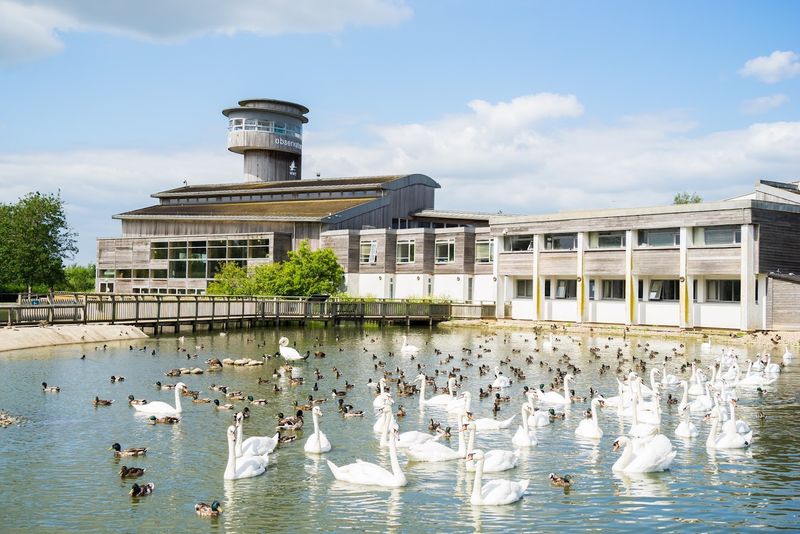
Founded in 1946 by visionary naturalist Sir Peter Scott, Slimbridge holds an affectionate nickname in conservation circles: the birthplace of modern conservation. This 800-hectare site on the banks of the Severn Estuary was the first of nine Wildfowl and Wetlands Trust centers in the UK and remains a globally significant hub for wetland research and waterbird protection.
Winter is peak season, bringing Bewick’s swans and white-fronted geese from their Arctic breeding grounds to seek refuge in Slimbridge’s lagoons, reed beds, and salt marshes. A network of comfortable hides overlooks the wetlands, giving visitors protected vantage points for watching wild migrants mingle with the centre’s resident collection, which represents the world’s largest captive wildfowl assemblage.
Sir Peter Scott’s original vision included public access from day one, ensuring that conservation and education have always been intertwined at Slimbridge. The combination of wild migrants, resident species, and an active research program makes every season here genuinely worth a visit.
15. Reifel Migratory Bird Sanctuary, Delta, British Columbia, Canada
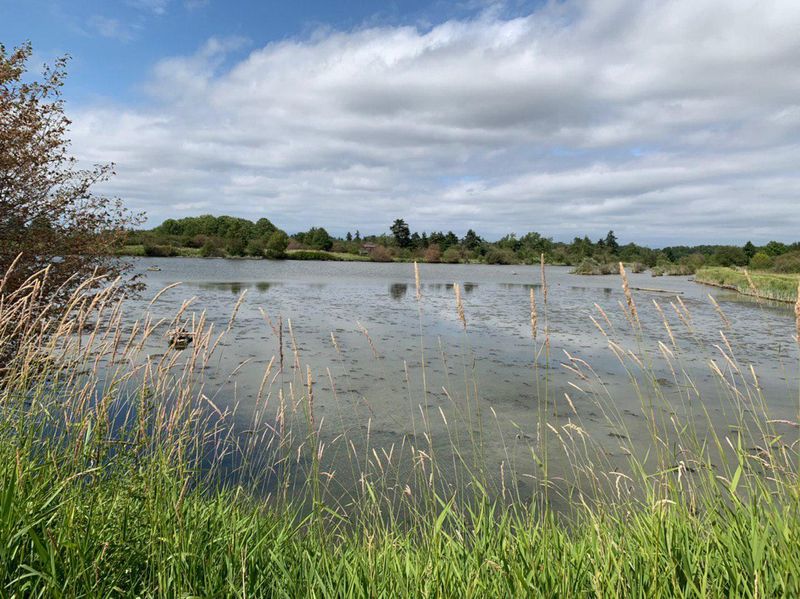
Positioned at the heart of the Fraser River estuary, one of the Pacific Coast’s largest and most ecologically significant estuaries, Reifel Migratory Bird Sanctuary punches well above its weight for a 300-hectare protected area. Birds from breeding grounds as far away as Siberia, Alaska, and the Yukon pass through here before continuing south to wintering areas in California and Mexico along the Pacific Flyway.
Lesser snow geese are the headline act, arriving from Wrangel Island, Russia, and peaking at up to 35,000 birds between October and mid-December. Over one million shorebirds, including western sandpipers, dunlin, and yellowlegs, also use the sanctuary’s mudflats and managed ponds during their annual migrations.
Winter adds approximately 200,000 ducks, 70,000 gulls, and reliable sightings of bald eagles and peregrine falcons to the mix. With quiet walking trails, bird blinds, and observation towers spread across the sanctuary, Reifel invites visitors to explore at their own pace without feeling rushed through the experience.
Share this story