Some locations have a way of staying with you long after you have left. Not because they are poorly designed or poorly maintained, but because of what happened there, what was built there, or what people have been quietly talking about for generations. These are real, documented places that draw curious visitors from across the country, yet somehow still manage to make the people who live nearby feel a little uneasy. A crumbling prison, a house with staircases to nowhere, a battlefield where the silence feels heavier than it should, and a ship that never quite let go of its past.
You do not have to believe in anything supernatural to feel the weight these places carry. History alone is enough to give you pause. Read on to discover fourteen places that continue to spark uneasy conversations, even among the people who grew up just down the road.
1. Winchester Mystery House, San Jose, California
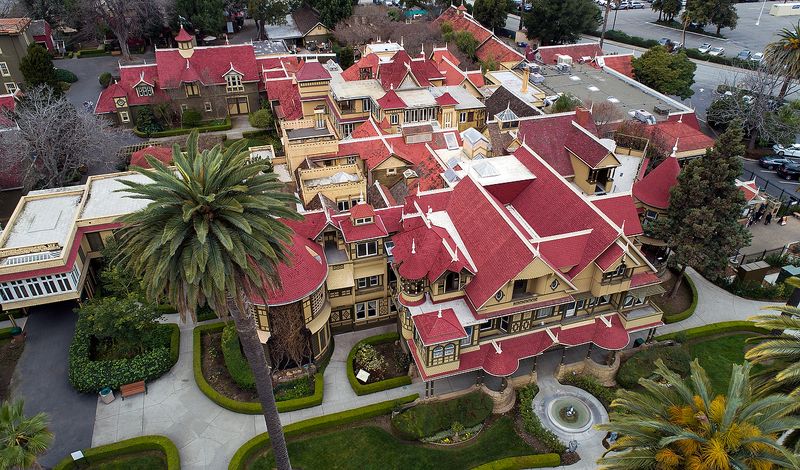
Sarah Winchester inherited a fortune from the Winchester Repeating Arms Company and used it to fund one of the strangest construction projects in American history.
From 1886 until her passing in 1922, she directed workers to build continuously on her San Jose property, resulting in a 160-room mansion packed with peculiarities. Staircases terminate at ceilings, doors swing open to solid walls, and some windows were installed in floors.
At its peak, the house had an estimated 10,000 windows, 2,000 doors, and 47 staircases, many of which lead absolutely nowhere useful. The pervasive use of the number thirteen throughout the design, from 13-panel ceilings to 13-step staircases, adds another deliberate layer of oddness.
Bay Area residents have visited for decades, yet many still leave unsure of what to make of the layout. The house resists easy explanation, which is precisely why it keeps drawing people back.
2. Villisca Axe Murder House, Villisca, Iowa
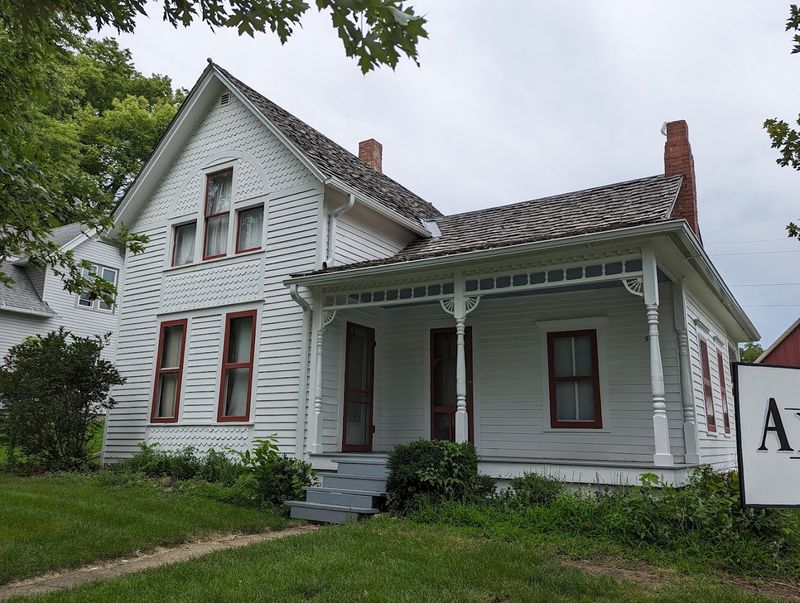
On the night of June 9, 1912, eight people were killed inside this small white Iowa farmhouse, making it the site of one of the most disturbing unsolved crimes in American history.
The victims included six members of the Moore family and two young overnight guests, all found in their beds the following morning. Investigators discovered covered mirrors, a lamp left burning at the foot of a bed, and an axe left inside the house, details that deepened the mystery considerably.
Despite multiple suspects and two separate trials, including one involving a traveling minister, the case was never officially closed. The house was restored in the 1990s and now operates as a historical landmark offering guided daytime tours.
Visitors who walk through the quiet, preserved rooms often describe the experience as emotionally heavier than they anticipated. The unresolved nature of what happened here gives the silence inside a particular kind of weight.
3. Lizzie Borden House, Fall River, Massachusetts
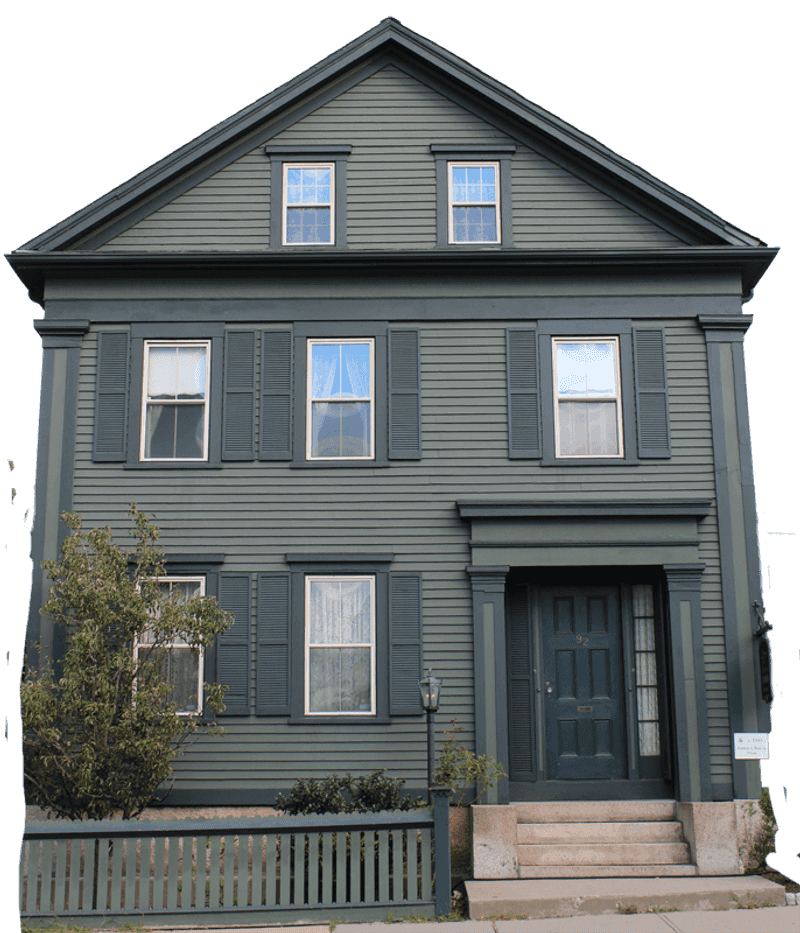
Few addresses in New England carry as much historical baggage as this one. On August 4, 1892, Andrew and Abby Borden were killed inside their Fall River home, and their daughter Lizzie became the most famous defendant in a trial that gripped the entire country.
Lizzie was acquitted, but the question of what actually happened that morning has never been fully settled. The case produced mountains of conflicting evidence, competing theories, and enough public debate to keep historians busy for well over a century.
The house now operates as a museum and a bed and breakfast, allowing guests to tour the rooms where events unfolded and review the documented evidence for themselves. Period furnishings and detailed exhibits help place the case in its full historical context.
Plenty of locals appreciate the building’s importance to Fall River’s history. Fewer of them, however, are lining up to spend the night in the guest rooms upstairs.
4. The Myrtles Plantation, St. Francisville, Louisiana
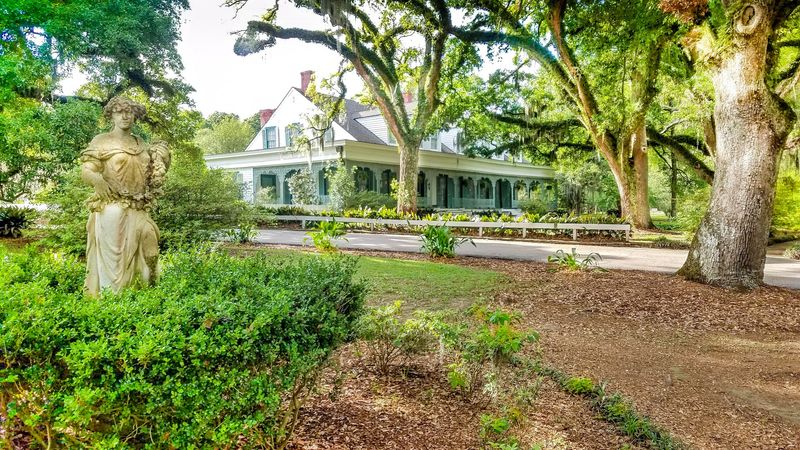
Built around 1796, the Myrtles Plantation is one of the most recognized examples of antebellum architecture in Louisiana, featuring a 125-foot front veranda lined with ornate ironwork and surrounded by mature oak trees.
The property changed hands numerous times throughout the nineteenth century, each ownership chapter adding new layers to its already complex historical record. Documented events tied to the plantation include legal disputes, violent confrontations, and the lives of enslaved people whose stories are increasingly central to how the site presents its history.
Tours cover the original furnishings, the architectural details of the main house, and the broader historical context of plantation life in the Deep South. Overnight stays are available for guests who want a more immersive experience with the property.
Locals in St. Francisville know the Myrtles well, often recommending it to visitors with a knowing look. The plantation tends to leave a strong impression regardless of what brings a person there in the first place.
5. Trans-Allegheny Lunatic Asylum, Weston, West Virginia
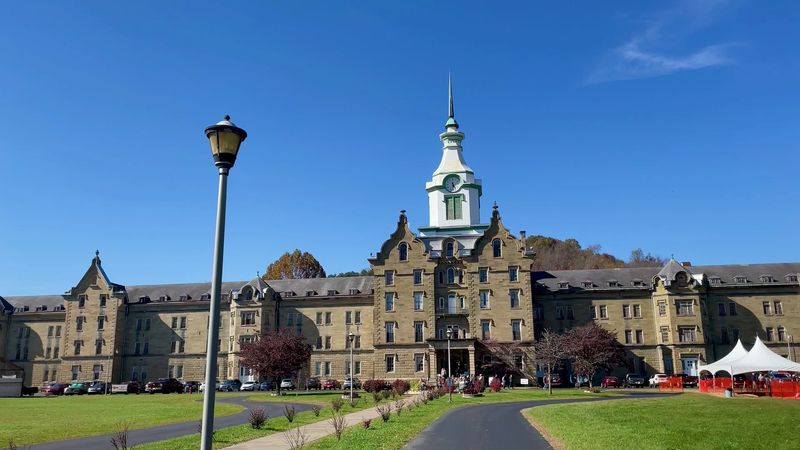
At roughly 242,000 square feet, the Trans-Allegheny Lunatic Asylum is considered one of the largest hand-cut stone masonry buildings in North America, a fact that becomes immediately obvious when you see it for the first time.
Architect Richard Snowden Andrews designed it according to the Kirkbride Plan, a treatment philosophy that used natural light, fresh air, and spacious surroundings to support patient recovery. The original facility was designed for 250 patients. By the 1950s, it was housing closer to 2,400.
That level of overcrowding fundamentally changed the character of the building, converting therapeutic spaces into crowded wards and undermining the very principles the architecture was built around. The hospital closed in 1994 after decades of deteriorating conditions.
Tours today cover both the architectural history and the evolving story of mental health care in America. West Virginians who pass the building regularly often admit the sheer scale of it still catches them off guard every single time.
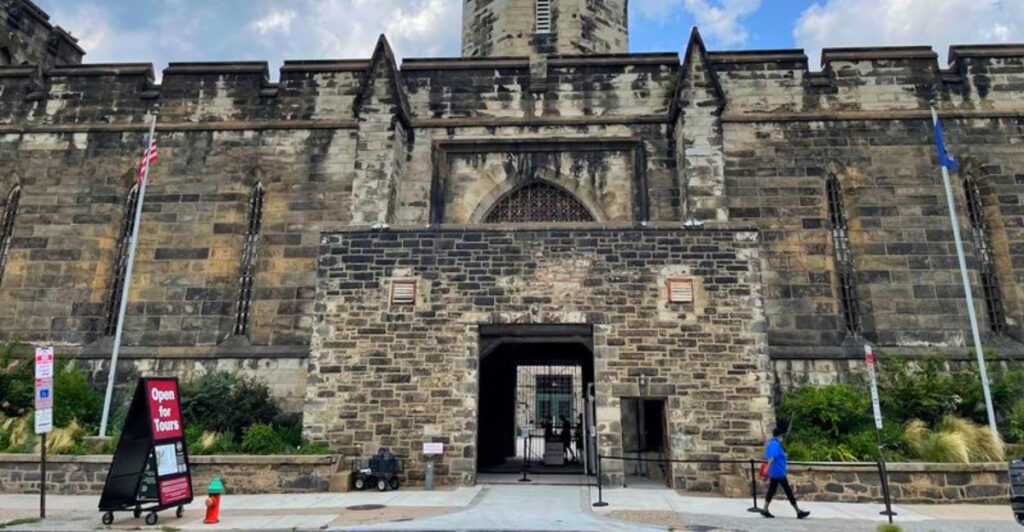
6. Eastern State Penitentiary, Philadelphia, Pennsylvania
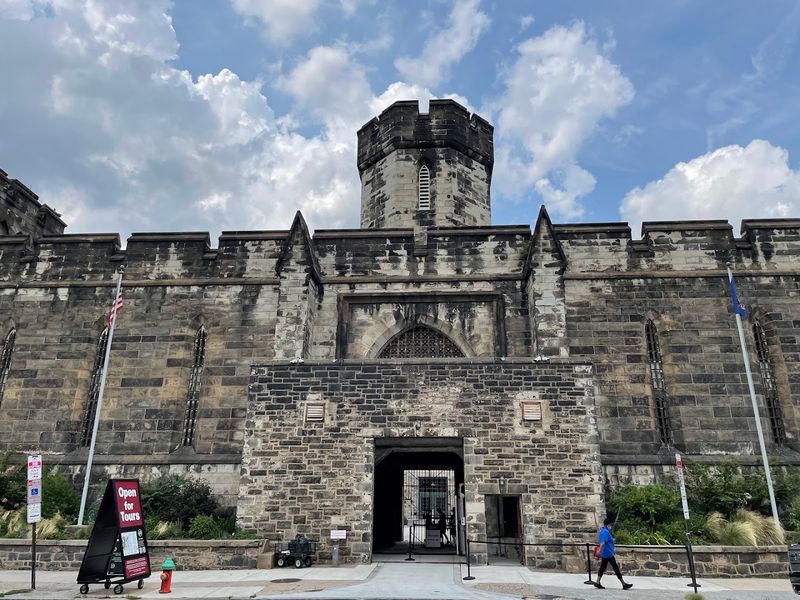
Opened in 1829, Eastern State Penitentiary was one of the most expensive buildings ever constructed in the United States at the time, and its intimidating neo-Gothic exterior was entirely intentional.
Architect John Haviland designed the hub-and-spoke layout so that guards could monitor all seven cellblocks from a single central point. Each prisoner was kept in near-total isolation, allowed no contact with other inmates and minimal communication with staff.
More than 300 prisons worldwide eventually adopted this radial design, making Eastern State one of the most copied institutional buildings in history. Notorious figures like Al Capone served time here before the facility closed in 1971.
Today, visitors tour the crumbling cellblocks and preserved isolation cells. Even people who grew up blocks away from the building often admit they have never been eager to linger inside its walls after dark.
7. Ohio State Reformatory, Mansfield, Ohio
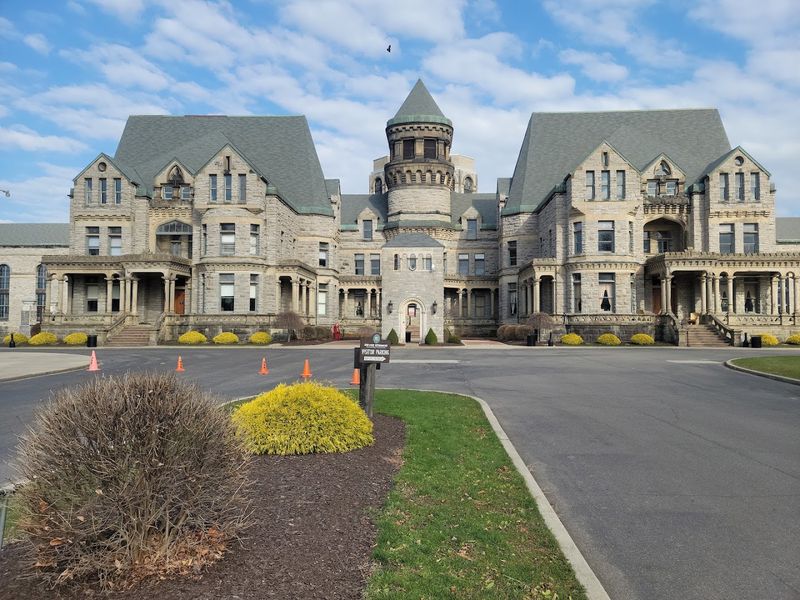
Movie fans know this building as the prison from The Shawshank Redemption, but the Ohio State Reformatory has a history that started long before any film crew arrived.
Architect Levi T. Scofield designed the limestone structure in a blend of Victorian Gothic, Richardsonian Romanesque, and Queen Anne styles, believing that beautiful architecture could inspire moral reform in young, first-time offenders. Construction ran from 1886 to 1910, and the facility officially opened its doors in 1896.
The reformatory’s idealistic mission did not survive contact with reality. Overcrowding eventually pushed the inmate population to over 4,300 in a space built for 1,500, leading to a federal court order for closure in 1990. The building contains the largest freestanding steel cell block in the world, standing six stories high.
Visitors today tour the cell blocks, administrative offices, and solitary confinement areas. The scale of the place makes a lasting impression that no amount of film nostalgia can fully soften.
8. Stanley Hotel, Estes Park, Colorado
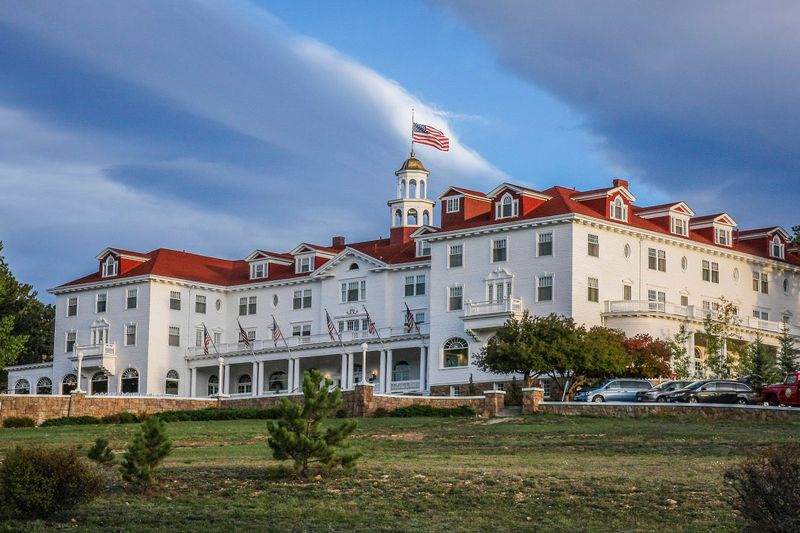
Freelan Oscar Stanley opened this Georgian Revival hotel on July 4, 1909, originally envisioning it as a mountain retreat for wealthy Easterners seeking fresh air and scenic views of the Rockies.
For decades it operated as a distinguished resort, but its cultural identity shifted permanently after Stephen King checked into room 217 in 1974. A vivid dream during that stay directly inspired the plot of The Shining, published in 1977. King later used the actual hotel as the filming location for his own 1997 television miniseries adaptation of the novel.
The hotel is listed on the National Register of Historic Places and offers panoramic views of Lake Estes and Longs Peak. A gas explosion in room 217 in 1911, while non-fatal, became one of the earliest entries in the building’s long record of unusual incidents.
Colorado locals often recommend a daytime visit without hesitation. The overnight question tends to get a more complicated answer, usually accompanied by a slight pause.
9. Crescent Hotel, Eureka Springs, Arkansas
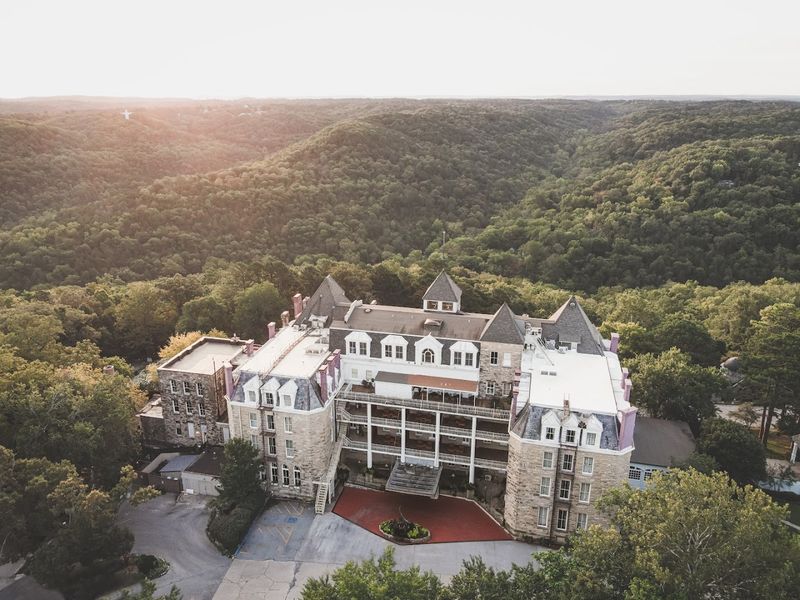
Hand-carved from local limestone and completed in 1886, the Crescent Hotel was designed by architect Isaac S. Taylor and opened as one of the most luxurious resorts in the Ozarks, complete with electricity and elevators at a time when those were genuine novelties.
Its early success was tied to Eureka Springs’ reputation for natural springs believed to have healing properties. When that appeal faded, the hotel reinvented itself as a women’s college and later as a summer resort. Its most controversial chapter came in 1937, when Norman Baker purchased the property and operated it as a cancer clinic promoting treatments with no scientific basis.
A 2019 renovation project uncovered hundreds of bottles of Baker’s secret formula and medical specimens hidden in a buried midden on the grounds, a discovery that added a genuinely strange footnote to an already complicated history.
Today the hotel welcomes guests for both its accommodations and its historical tours. Most visitors find the history more unsettling than anything else about the building.
10. St. Augustine Lighthouse & Maritime Museum, St. Augustine, Florida
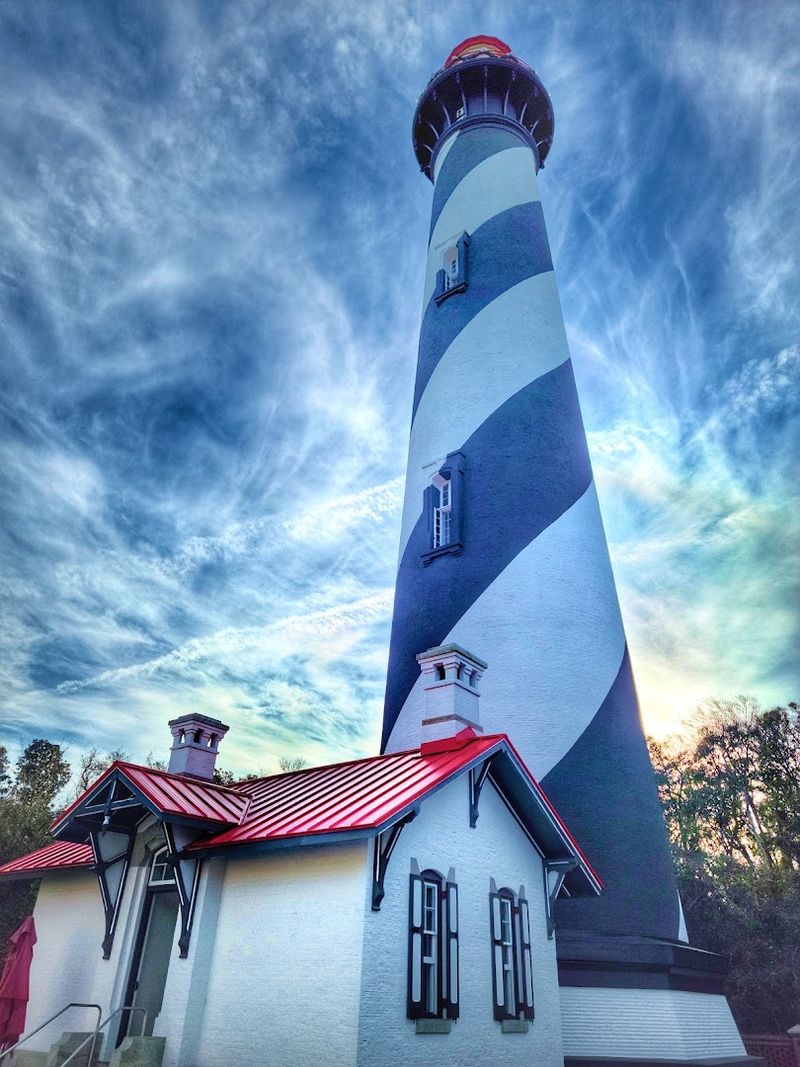
Completed in 1874, the St. Augustine Lighthouse replaced an earlier wooden structure and has guided ships along Florida’s northeast coast for well over a century. At 165 feet tall, it remains one of the most recognizable landmarks in the oldest city in the United States.
Climbing all 219 steps to the top rewards visitors with sweeping views of the Atlantic coast and the Matanzas Bay. The lighthouse grounds include a restored keeper’s house and outbuildings that form the Maritime Museum, documenting the area’s seafaring history in considerable detail.
Over the years, the site has accumulated a substantial collection of local folklore, with stories centered on former keepers and their families passed down through multiple generations of St. Augustine residents. Many visitors who arrive without particular expectations still comment on an unusual quality that settles over the property as the afternoon light fades.
The lighthouse is historically significant on its own terms. The added layer of persistent local legend simply makes the 219-step climb feel a bit more eventful than a standard museum tour.
11. Waverly Hills Sanatorium, Louisville, Kentucky
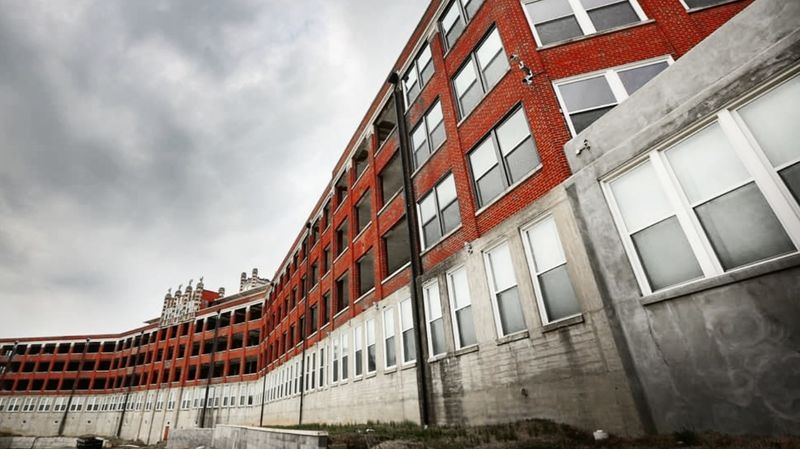
Construction on Waverly Hills began in 1910 with a modest wooden structure, but the facility expanded rapidly as tuberculosis cases surged across Kentucky. The large brick building that stands today was completed in 1926 and designed specifically to maximize fresh air exposure for patients, with open-air porches running along each floor.
At its peak, the sanatorium housed hundreds of patients and operated with its own power plant, water supply, and even a small farm to support the facility’s needs. A tunnel running beneath the building was used to transport supplies and, during high-mortality periods, to remove patients discreetly without demoralizing those still receiving treatment.
After tuberculosis treatments improved dramatically in the 1940s and 1950s, patient numbers dropped sharply. The facility later operated briefly as a geriatric center before closing permanently. Guided tours today focus on the medical history, the architecture, and the preservation work currently underway on the property.
Nearly every visitor leaves with the same observation: the building is far larger than it looks from the outside, and the empty corridors make that size feel even more pronounced.
12. Whaley House Museum, San Diego, California
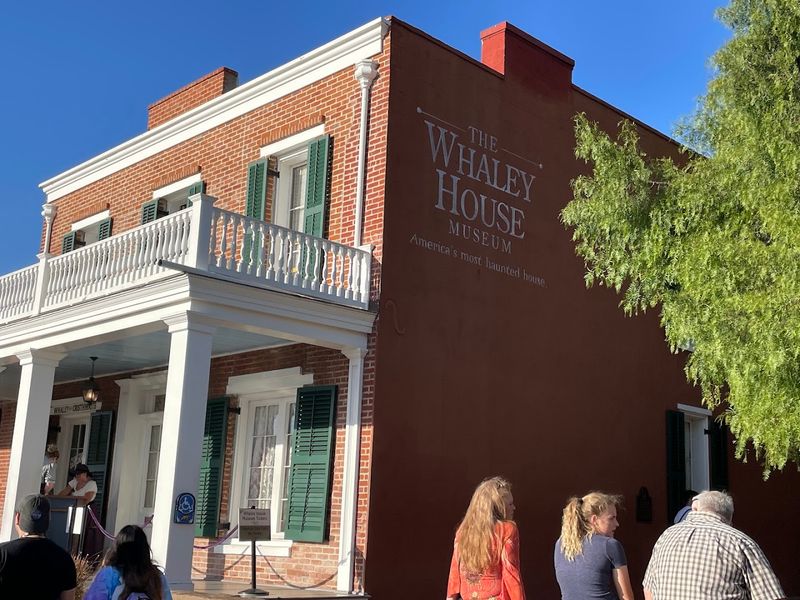
Built in 1857 by Thomas Whaley, this Greek Revival brick structure holds the distinction of being San Diego’s oldest surviving brick building, a title that comes with an unusually crowded history for one address.
Over the decades, the Whaley House served as the family home, a general store, San Diego County’s first courthouse, and the city’s first commercial theater, all operating at various points from within the same walls. Thomas Whaley himself declared it would be the most comfortable and convenient place in town, and for a time, he was largely right.
A complicating detail that locals rarely forget is that the property was previously used as a public execution site. A man known as Yankee Jim Robinson was hanged there in 1852, five years before the house was even built on the same ground.
Museum docents in period dress lead tours through the meticulously preserved rooms. The Whaley House is genuinely fascinating as a piece of civic history, which makes its other reputation feel almost secondary by comparison.
13. Queen Mary, Long Beach, California
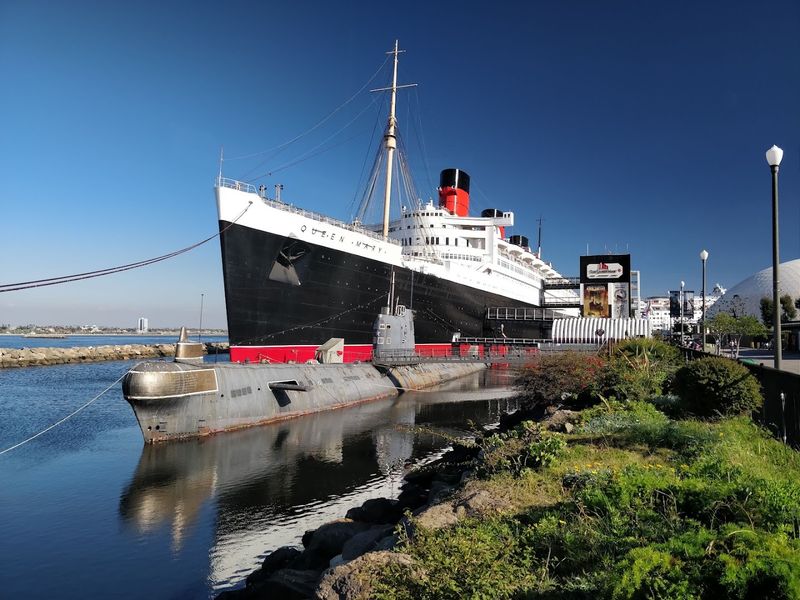
Launched in 1934 and completing her maiden voyage in 1936, the RMS Queen Mary was one of the most celebrated passenger ships of her era, designed by Cunard to compete for dominance on the transatlantic route between Southampton and New York.
During World War II, the ship was repainted gray and converted into a troopship capable of carrying up to 16,600 soldiers in a single crossing, a number that far exceeded her peacetime passenger capacity of around 2,000. She transported over 810,000 military personnel during the war before returning to commercial service afterward.
The Queen Mary retired in 1967 and was purchased by the City of Long Beach, where she has remained permanently docked ever since. Visitors can explore the preserved ballrooms, engine rooms, and passenger decks that reflect the design standards of 1930s ocean travel.
The ship’s long operational history has produced a substantial number of stories tied to specific corridors and compartments. Southern Californians who work or spend time aboard after hours tend to develop very strong opinions about which sections of the vessel they prefer to avoid.
14. Gettysburg National Military Park, Gettysburg, Pennsylvania
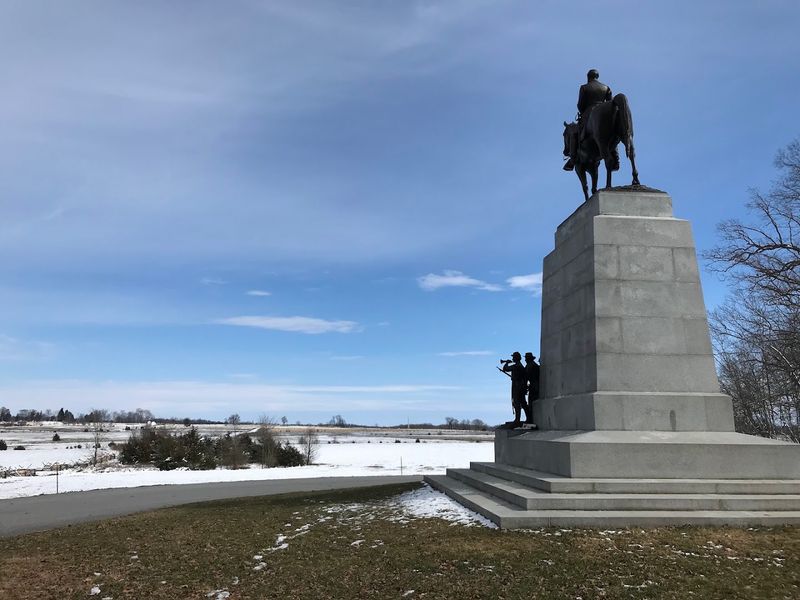
Over three days in July 1863, roughly 50,000 soldiers were killed, wounded, or went missing across the fields and ridges that now make up Gettysburg National Military Park, making it the costliest battle of the entire Civil War.
The National Park Service maintains more than 1,300 monuments, markers, and memorials spread across approximately 6,000 acres of preserved battlefield terrain. Visitors can follow detailed tour routes that trace the positions of both Union and Confederate forces during each phase of the three-day engagement.
The landscape itself does most of the historical storytelling. Open fields, split-rail fencing, and cannon placements remain positioned to reflect the actual military formations of 1863, giving the park an unusual quality of historical accuracy that few battlefields in the country can match.
Locals describe the quieter corners of the park, away from the visitor center and the main monuments, as a different kind of experience entirely. Peaceful is the word most people reach for first, followed almost immediately by solemn, as if the two cannot quite be separated here.
Share this story