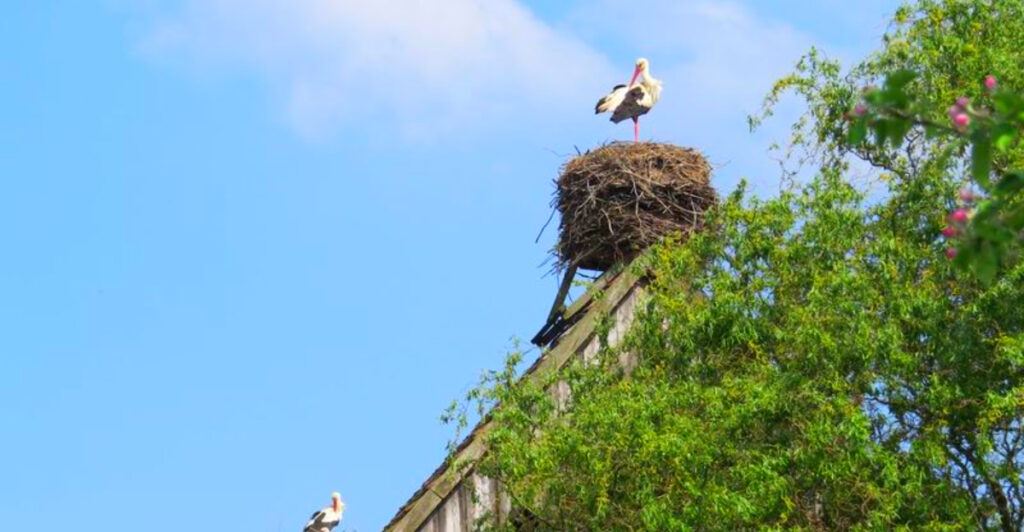
Every spring, white storks return from Africa to nest on rooftops, chimneys, and church towers across Europe, often returning to the same homes year after year. In many villages, their arrival is celebrated as a sign of spring, good fortune, and a lasting connection between people and nature.
From wetlands and lakeshores to charming rural communities, these 13 destinations have become some of the best places to see white storks in the wild. Whether you’re a birdwatcher, photographer, or curious traveler, each offers a unique opportunity to witness one of Europe’s most remarkable seasonal traditions.
1. Čigoć, Sisak-Moslavina County, Croatia
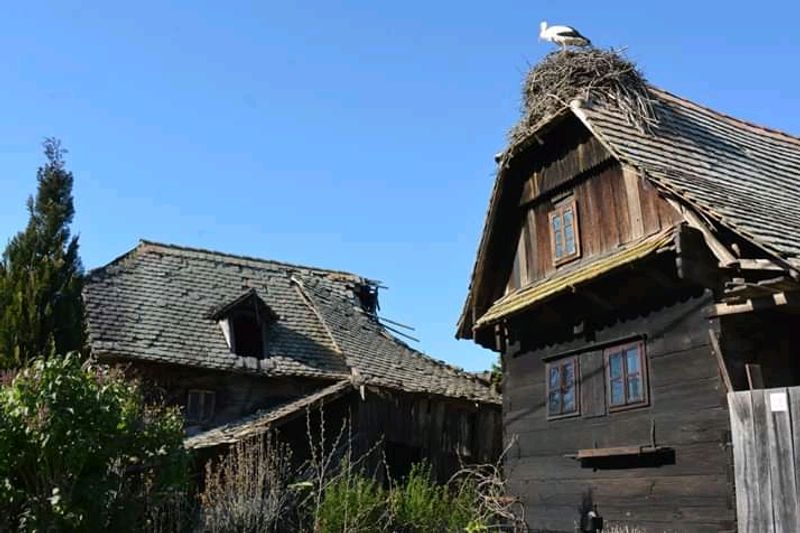
Europe gave white storks an official home address in 1994, and that address belongs to Čigoć, the continent’s very first designated Stork Village.
Tucked inside Lonjsko Polje Nature Park, this quiet Croatian settlement is defined by its traditional Posavina wooden architecture and the towering nests that crown nearly every rooftop.
In a good season, the stork population outnumbers the roughly 114 human residents, with around 45 active nests recorded in recent years.
The birds typically arrive from Africa in mid-March, and by summer the village skyline is busy with parents feeding chicks perched high above the streets.
Each year on the last Saturday of June, Čigoć hosts a Stork Day festival packed with cultural events and local food.
Peaceful walking trails through the surrounding wetlands give visitors a chance to watch the birds feed in their natural habitat, making it one of Croatia’s most rewarding wildlife stops.
2. Malpartida de Cáceres, Extremadura, Spain
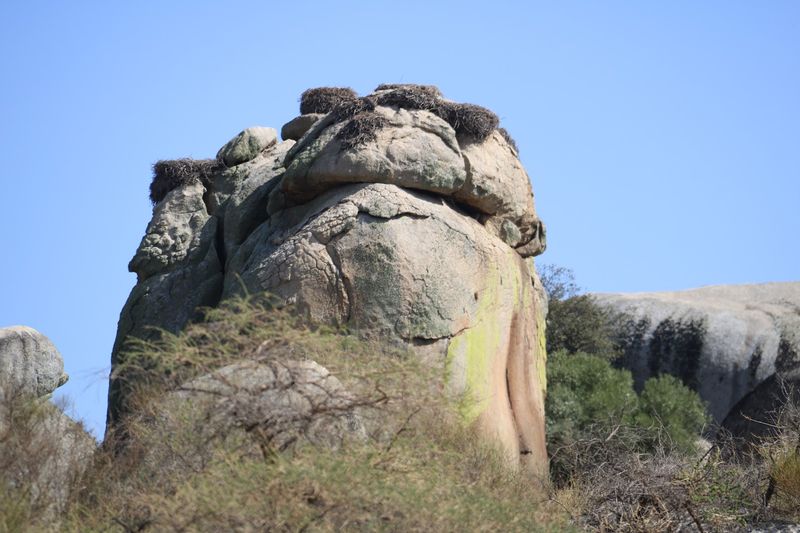
Few places in Europe can claim a white stork colony quite as dramatic as the one at Malpartida de Cáceres, where nests sit atop church towers, historic stone buildings, and ancient granite boulders.
The colony grew rapidly through the 1990s and 2000s, reaching 212 breeding pairs by 2009, making it one of the largest urban stork colonies on the continent.
Part of its appeal lies in the adjacent Los Barruecos Natural Monument, a landscape of striking granite formations and shallow lakes that provides excellent foraging habitat.
In a fascinating twist, four stork nests are officially considered part of the outdoor sculptures created by German artist Wolf Vostell, who insisted they stay untouched as living art.
The village celebrates its colony each spring during Stork Week, an event that combines wildlife observation with local culture.
Conservation work continues to stabilize the population following changes to nearby food sources over the past decade.
3. Marchegg, Lower Austria, Austria
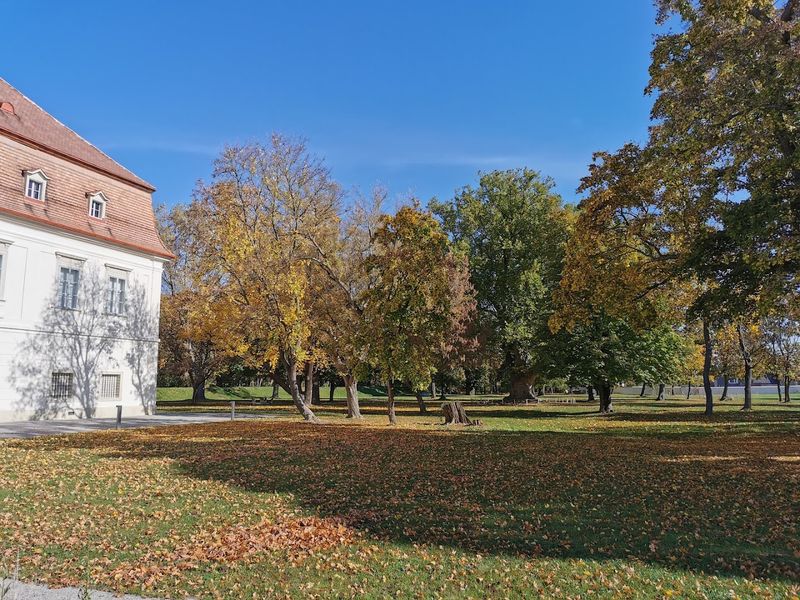
Marchegg pulls off a combination that very few places can manage: a medieval castle, a UNESCO-recognized floodplain reserve, and one of Central Europe’s largest white stork colonies all in one compact Austrian town.
Around 45 breeding pairs return here each year, with males typically touching down in mid-March and wasting no time competing for the best nest positions in the WWF reserve Untere Marchauen.
Most nests are built high in the trees of the floodplain forest rather than on rooftops, giving the colony a wilder, more natural character than many other stork villages.
The Storchenhaus visitor center provides detailed information about the birds and runs a live nest camera during the breeding season.
A grazing project using Konik horses helps maintain the open meadow habitat that keeps the storks well-fed throughout the summer.
By mid-August, the entire colony departs for Tanzania and South Africa, leaving Marchegg noticeably quieter until the following spring.
4. Pentowo, Podlaskie Voivodeship, Poland
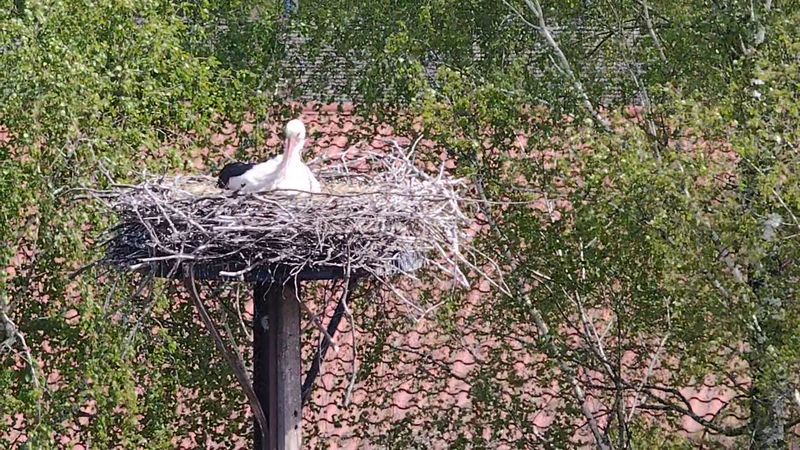
Poland’s title of European Stork Village went to Pentowo in 2001, and the village has done everything possible to deserve it ever since.
Sandwiched between the Narew and Biebrza National Parks, Pentowo benefits from some of the richest wetland habitat in the country, which keeps the storks returning in impressive numbers each spring.
The Toczyłowski family, owners of the local farm, led a conservation effort that grew the colony from just two nests in the late 1980s to over 100 by 2011, with 23 breeding pairs active as recently as 2023.
Much of that growth followed a 1992 hurricane that dramatically reshaped the landscape, prompting the birds to expand onto rooftops and utility poles.
Observation towers give visitors an eye-level view of active nests, which is a genuinely hard experience to match anywhere else in the country.
Late spring and early summer are the best times to watch young storks making their first wobbly attempts at flight.
5. Rühstädt, Brandenburg, Germany
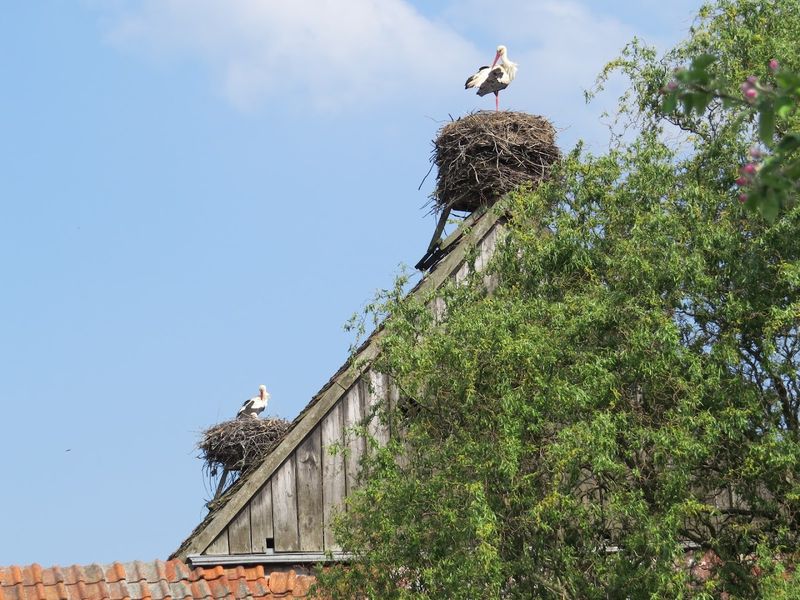
Germany takes its stork bragging rights seriously, and Rühstädt has the credentials to back it up, having held the official European Stork Village title since 1996.
Each spring, more than 30 breeding pairs return to this small Brandenburg community of roughly 240 residents, turning quiet barn rooftops into prime real estate.
The village sits within the UNESCO Biosphere Reserve River Landscape Elbe-Brandenburg, where vast floodplains supply the storks with a steady diet of frogs, voles, and insects.
A local nonprofit called the Storkclub Rühstädt handles nest maintenance, rings young birds, and rehabilitates injured fledglings with impressive dedication.
The Rühstädt Visitor Centre features an exhibition on stork biology and offers a live camera feed trained directly on an active nest.
Every July, the village throws an annual Stork Festival that draws visitors from across the region, proving that a bird-themed party is always a worthwhile occasion.
6. Nagybajom, Somogy County, Hungary
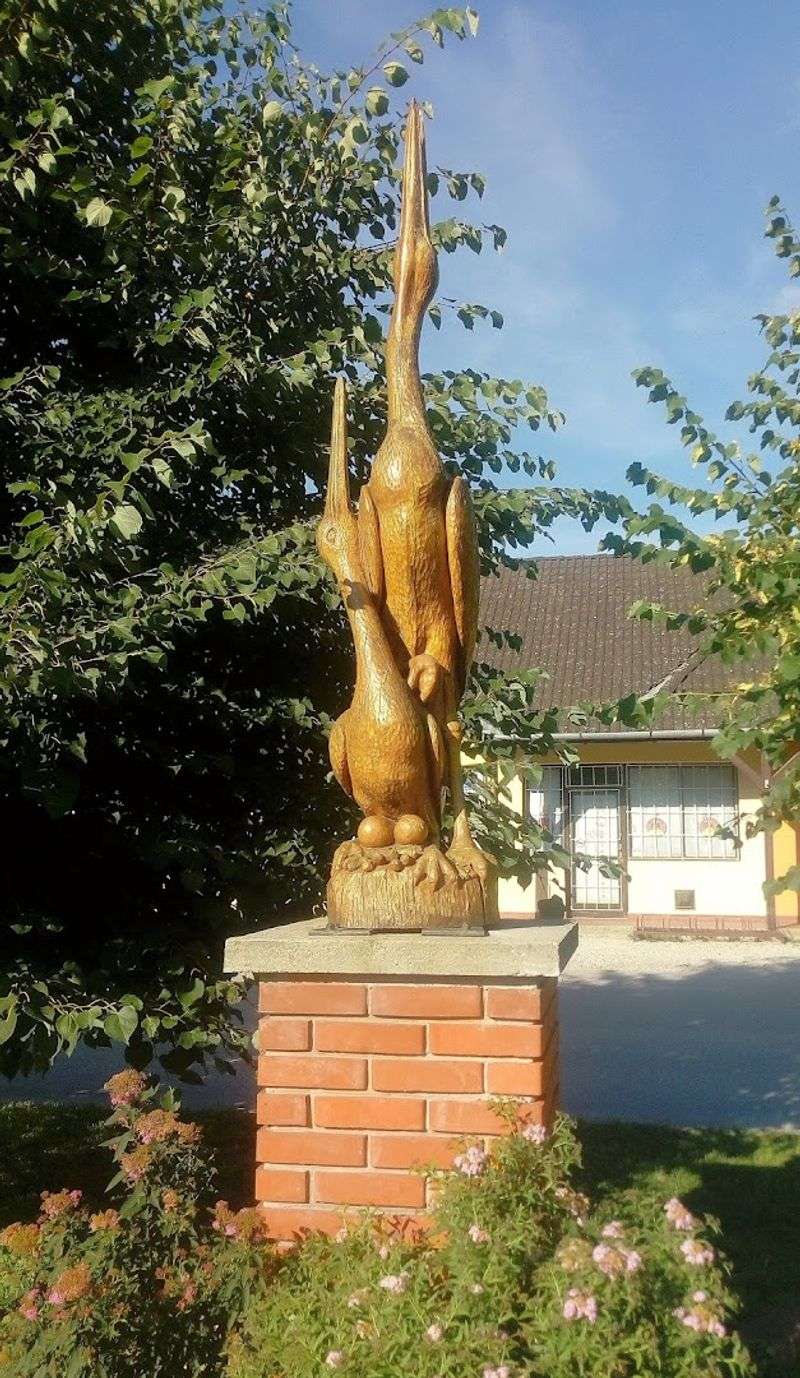
Hungary has its share of stork-friendly villages, but Nagybajom stands out for the consistency and longevity of its commitment, earning a European Stork Village designation back in 1996.
The village benefits directly from its proximity to the Boronka Landscape Protection Area, an 8,000-hectare reserve of wet meadows and pastures that functions as a reliable food source for nesting pairs throughout the season.
Storks here tend to build on house rooftops as well as electricity and telegraph poles, making them a visible presence on nearly every street in the community.
Historical records show 9 breeding pairs producing 15 young in 2013, a figure that reflects the village’s stable long-term relationship with the species.
Each June, Nagybajom hosts an annual Stork Festival that brings together residents and visitors to celebrate the birds with local traditions and environmental education activities.
Schools in the area run dedicated programs to teach younger generations why protecting stork habitat matters well beyond the village boundaries.
7. Belozem, Plovdiv Province, Bulgaria
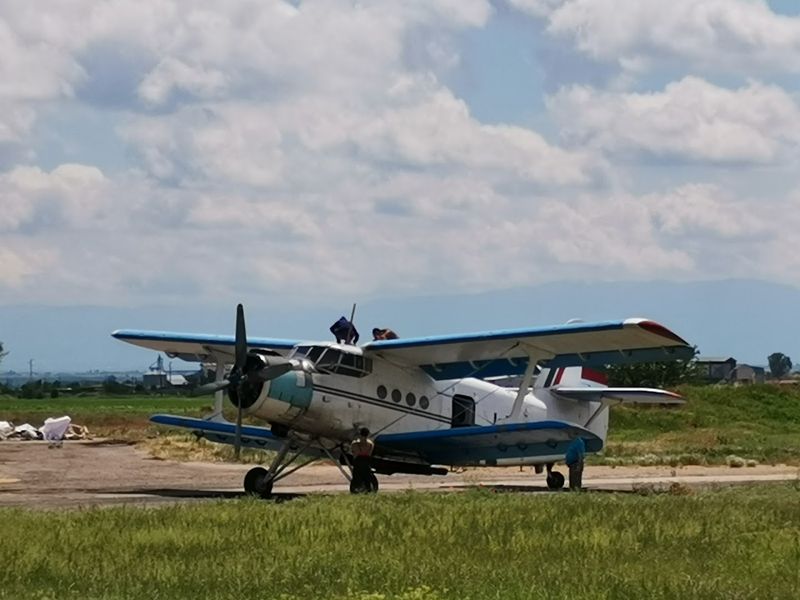
Belozem entered the European Stork Village network in 2005 and quickly established itself as one of Bulgaria’s most committed stork conservation communities.
The village regularly hosts more than 50 breeding pairs each season, with roughly 20 nests concentrated on the roof of the local school alone, which must make for an interesting school day.
Publicly accessible video monitoring systems allow anyone to watch the nesting activity in real time, giving the village a modern edge in wildlife observation.
The surrounding landscape along the Maritsa River, combined with extensive rice fields, creates prime foraging territory loaded with amphibians, reptiles, and insects.
Belozem hosts the annual White Stork Festival on May 9th and regularly organizes meetings of the European Stork Villages Network, cementing its role as a regional leader in conservation.
First eggs typically appear in late March, and by July the young birds are testing their wings, giving visitors a full season of activity to follow.
8. Velika Polana, Prekmurje, Slovenia
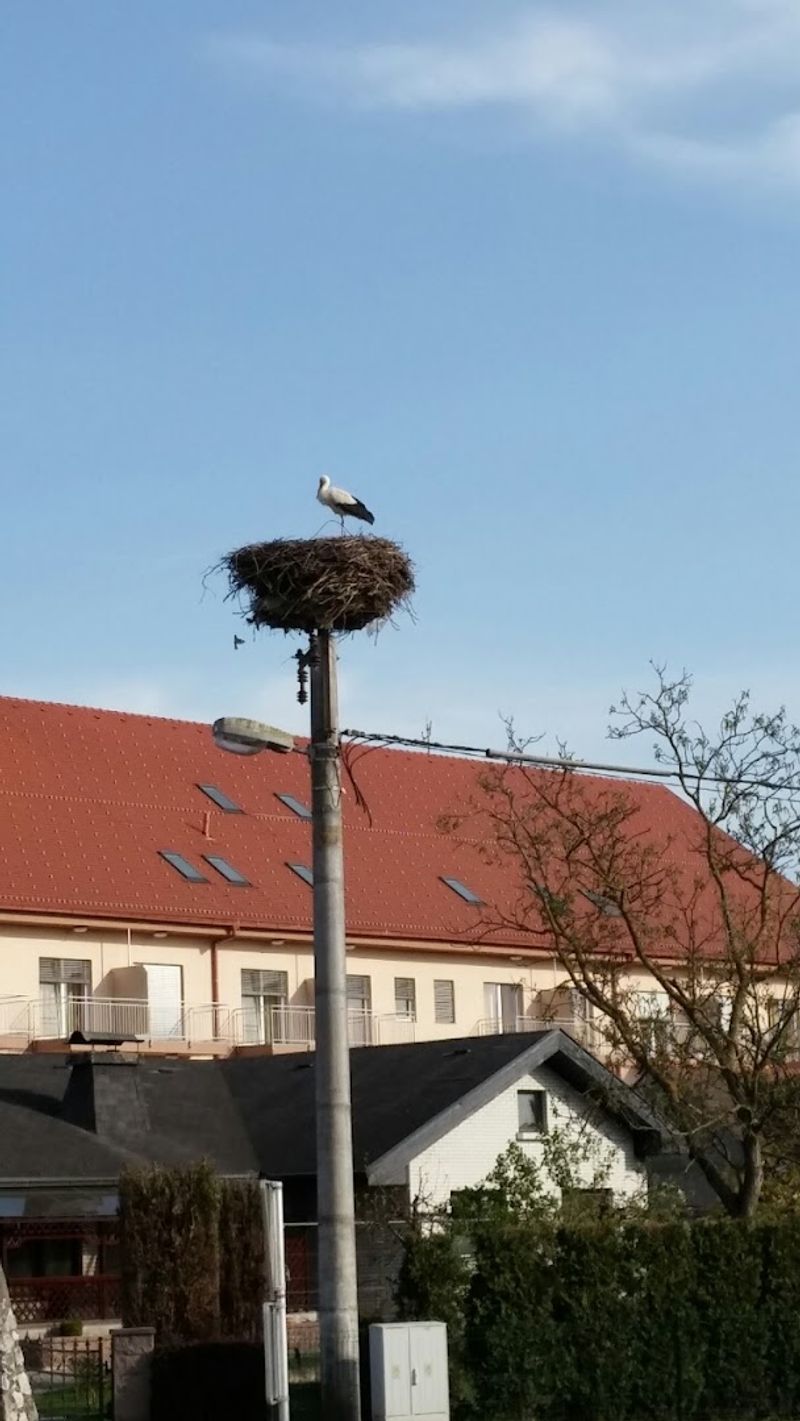
Northeastern Slovenia may not be the first place that comes to mind for stork watching, but Velika Polana has been making a compelling case since EuroNatur awarded it the European Stork Village title in 1999.
The municipality, together with neighboring Mala Polana, combines low-intensity farming with rich biodiversity, creating conditions that white storks find genuinely hard to resist.
Nests appear on chimneys and specially built platforms throughout the village, fitting naturally into the rural scenery without any visible effort to stand out.
Just outside the village lies Polanski log, recognized as Europe’s largest complex of black alder forest, a habitat that supports numerous endangered plant and animal species alongside the storks.
The Stork Land park and the River School Velika Polana offer visitors structured ways to learn about the local ecology and the storks’ role within it.
Late July and August bring particularly large flocks as birds gather across the region before beginning their long migration south.
9. Andrid, Satu Mare County, Romania
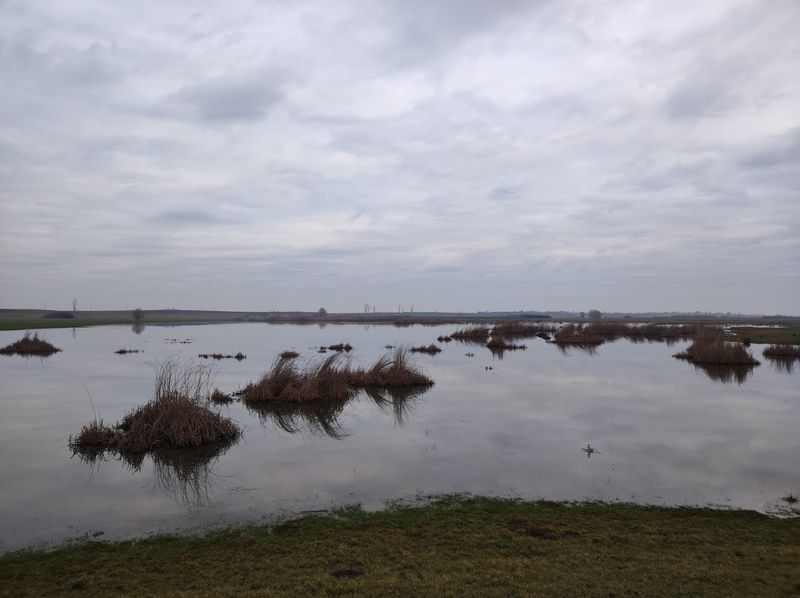
Romania’s Pannonian plain is prime stork territory, and Andrid has been representing the country within the European Stork Villages Network since receiving its official designation in 1997.
The village consistently records some of Romania’s highest stork densities, with 37 breeding pairs counted in 1997 and a steady 34 pairs documented in both 2014 and 2015.
Most nests here are built on electricity poles rather than rooftops, lining the traditional village streets in a way that feels almost planned, though the storks made that decision entirely on their own.
The surrounding farmland and remnants of former wetland meadows provide abundant foraging grounds that draw the birds back reliably each spring.
An annual Stork Festival held in early July gives the community a chance to celebrate its winged residents with local events and conservation-focused activities.
Rewilding initiatives and nest base construction projects continue to strengthen the habitat and ensure that Andrid remains an attractive destination for future generations of storks.
10. Altreu, Solothurn, Switzerland
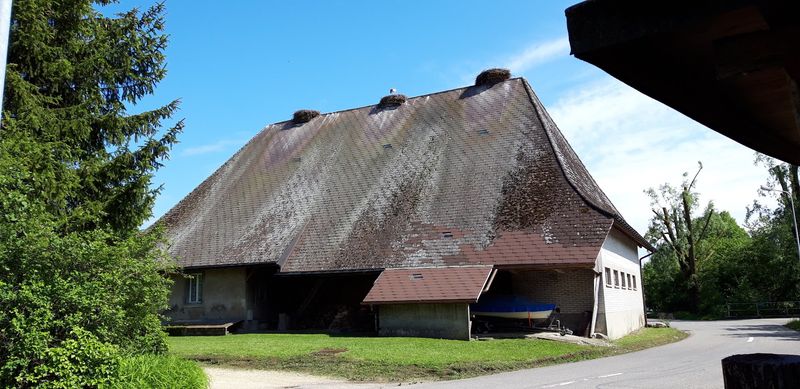
Switzerland is not the first country most people associate with white storks, which makes Altreu’s conservation story all the more impressive.
After the species went locally extinct as a breeding bird in the 1950s, a dedicated reintroduction program running from 1996 to 2013 brought the population back to over 150 breeding pairs, a recovery that conservationists across Europe still point to as a model effort.
The organization Storch Schweiz, active for more than four decades, provided the scientific backbone for the project and continues to coordinate habitat restoration across the country.
Today, visitors to Altreu can watch storks soaring above the Aare River, nesting on village rooftops, or foraging in the surrounding meadows during the warmer months.
The program’s success extended well beyond Altreu itself, helping to establish a sustainable breeding population across Switzerland’s wider landscape.
Altreu now stands as a clear example of what patient, science-based conservation can achieve even in a densely populated country.
11. Taraš, Vojvodina, Serbia
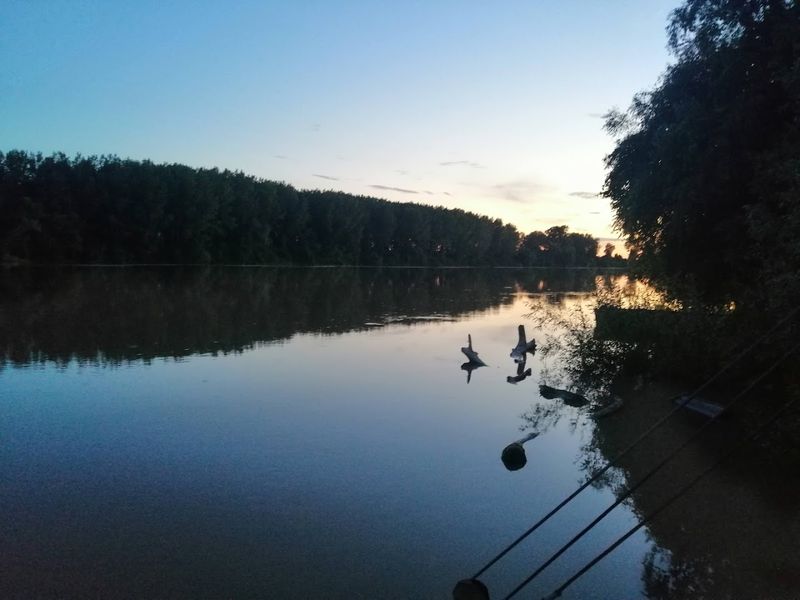
Serbia’s Banat region earned its place on the European stork map in 2015 when Taraš officially joined the European Stork Villages Network, though the birds had been making themselves at home there long before the paperwork arrived.
Between 22 and 40 breeding pairs nest in the village each year, supported by the rich floodplain habitat of the nearby Tisa River, which keeps the birds well-fed throughout the season.
Many residents have actively installed nesting platforms on their properties, creating an unusually close relationship between human households and their feathered neighbors.
The local Association of Citizens Taraš Storks monitors the population closely and has even named a famous returning male stork Prvoje, meaning someone who likes to be first, because he and his partner Mara consistently hatch the region’s earliest chicks.
Conservation work includes platform installation on electricity poles and birdwatching education programs for local children.
Taraš hosted the 19th European Stork Villages Network Meeting in 2022, further raising its profile within the international conservation community.
12. Češinovo-Obleševo, Eastern Region, North Macedonia
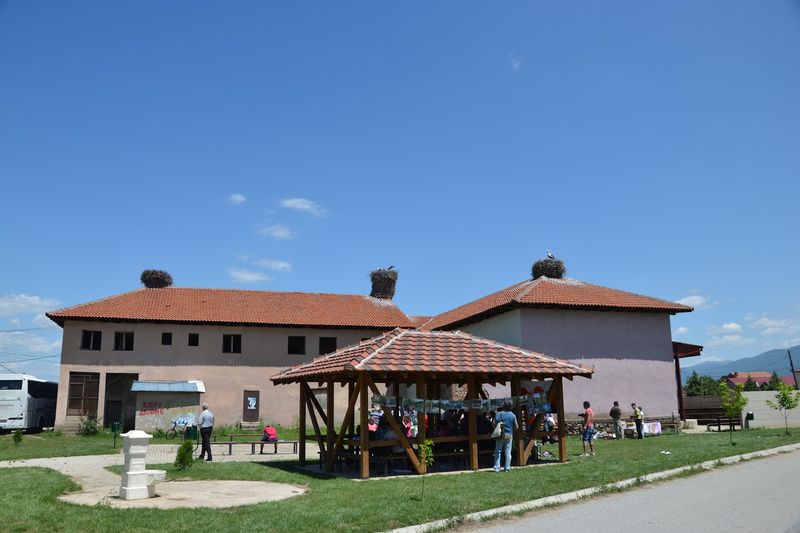
Eleven small villages united by a shared love of white storks form what locals call a stork parish in North Macedonia’s Bregalnica River Valley, with Češinovo-Obleševo at the center of it all.
EuroNatur recognized the municipality as a Stork Village in 2013, acknowledging both the size of the local population and the genuine community investment in protecting it.
The extensive rice fields surrounding the villages function as highly productive foraging grounds, supplying the storks with a reliable and varied diet throughout the breeding season.
A 2024 census recorded 1,765 stork nests across North Macedonia as a whole, with 1,388 confirmed active, representing a 65 percent increase in active nests over the previous decade.
Storks in this area show a strong preference for human-made structures, nesting readily on rooftops and electricity pylons throughout the municipality.
The area actively promotes eco-educational tourism, combining birdwatching opportunities with guided exploration of the surrounding agricultural countryside and conservation infrastructure.
13. Eskikaraağaç, Bursa Province, Türkiye
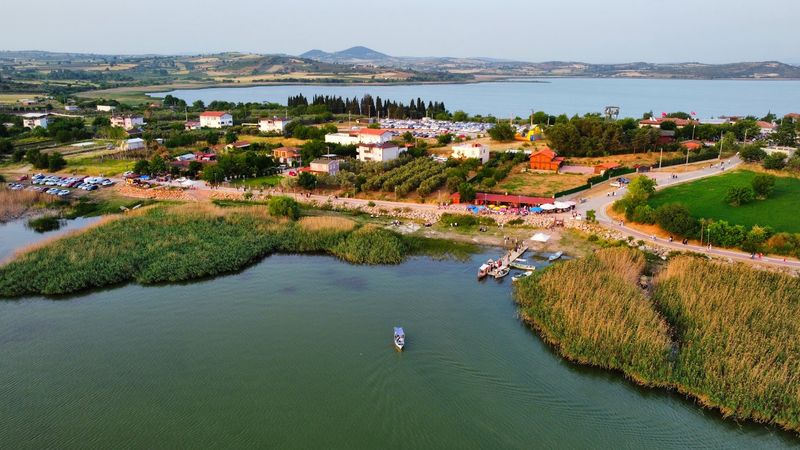
Right on the edge of Lake Uluabat, one of Turkey’s most important wetland areas, Eskikaraağaç has built a reputation as the country’s most celebrated stork village since joining the European Stork Villages Network in 2011.
The storks arrive each March and stay through September, giving the village nearly half a year of active birdwatching opportunities against a backdrop of calm lake water and open sky.
Over time, the birds shifted from nesting on house rooftops to using specially designed platforms on electricity poles, a transition that reflects the village’s evolving approach to coexistence.
An International Stork Festival has been held every June since 2005, drawing visitors from across Turkey and beyond to celebrate the annual return of the birds.
The village’s most talked-about story involves a local fisherman named Adem Yilmaz and a stork he called Yaren, whose extraordinary friendship became the subject of an award-winning documentary.
A dedicated birdwatching tower and a small nature museum give visitors structured ways to explore the rich wildlife of the Lake Uluabat wetlands.
Share this story