Some places on Earth look so strange and raw that it is hard to believe they belong to this world. Volcanic areas have a way of doing that, turning familiar landscapes into something that looks borrowed from a science fiction film.
From glowing lava fields in Hawaii to colorful mineral pools in New Zealand and lunar-looking craters in Idaho, these destinations offer something most travelers never expect to find: a version of Earth that feels genuinely alien. Whether you are into geology, hiking, photography, or just want to see something that stops you in your tracks, this list covers twelve volcanic areas that deliver that exact feeling.
Each one is real, accessible in some form, and worth knowing about before you plan your next big trip.
Hawaiʻi Volcanoes National Park, Hawaii, USA
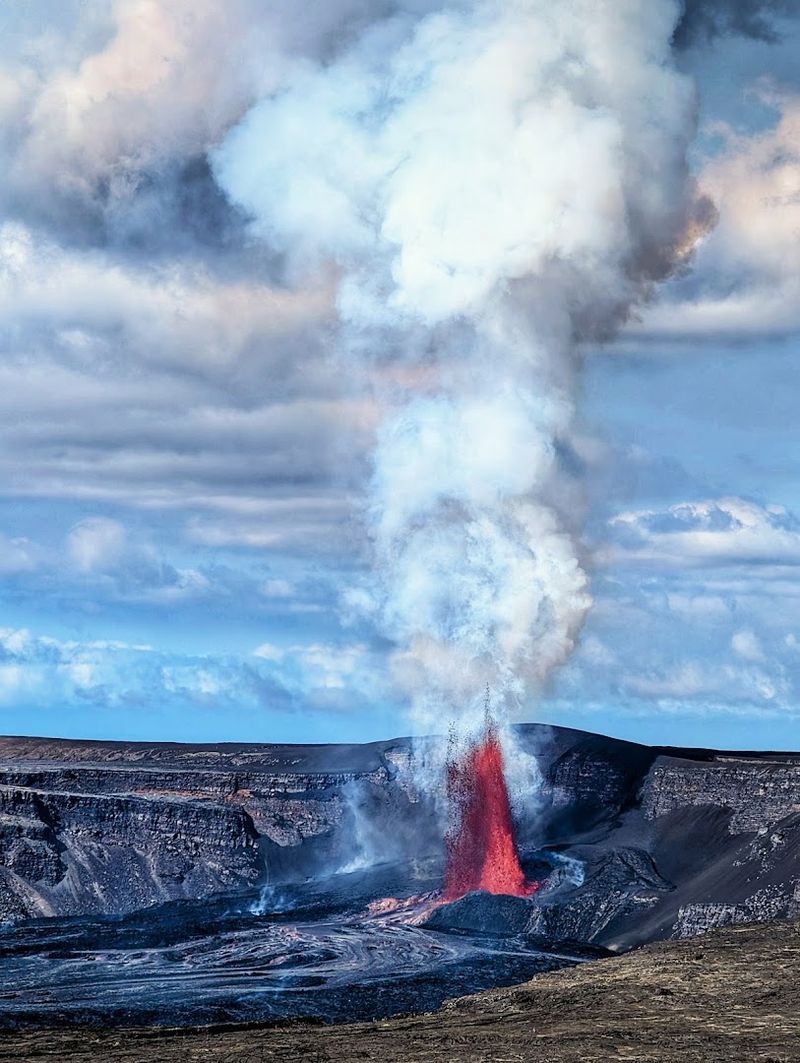
Few places in the United States make you feel as small as standing at the edge of Kīlauea’s caldera, watching steam rise from cracks in the earth. Hawaiʻi Volcanoes National Park protects two of the world’s most active volcanoes, Kīlauea and Mauna Loa, and the landscape shifts from dense rainforest to barren lava fields within just a few miles.
The park stretches from sea level all the way up to 13,680 feet, covering an extraordinary range of terrain. Lava tubes, coastal lava roads, steam vents, and crater viewpoints are all part of the experience.
The park holds UNESCO World Heritage status, which reflects just how geologically and culturally significant this land is.
Because Kīlauea is still active, trail access, road conditions, and eruption viewing can change quickly. Always check the National Park Service alerts before visiting.
Entry fees apply, and some areas require advance planning.
Yellowstone National Park, Wyoming, Montana, and Idaho, USA
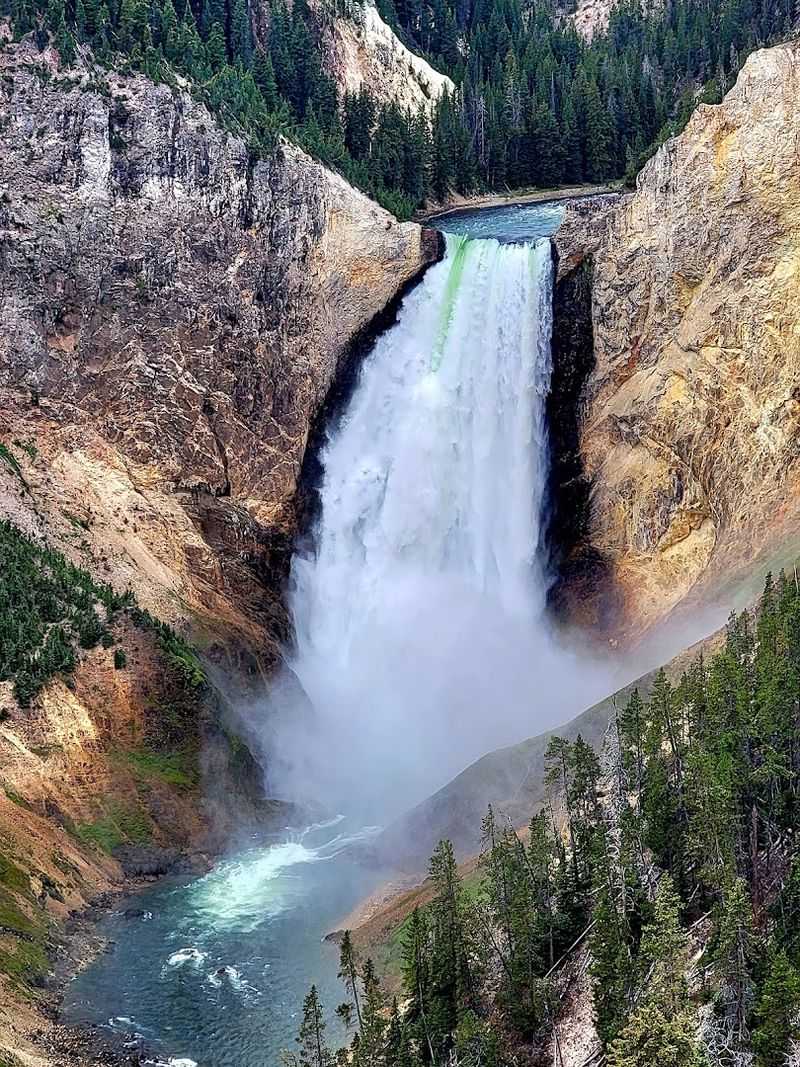
Yellowstone sits on top of one of the largest volcanic systems on Earth, and it makes absolutely no effort to hide that fact. The National Park Service notes the park holds roughly half of all geothermal features on the planet, with well over 10,000 hydrothermal features currently active across the landscape.
Grand Prismatic Spring, Old Faithful, Norris Geyser Basin, and the mudpots of Fountain Paint Pot are just a few of the places that make visitors stop and genuinely question what they are looking at. The colors alone, vivid blues, oranges, yellows, and whites, come from heat-loving microorganisms living in mineral-rich water.
Boardwalks keep visitors safely above fragile and dangerously thin ground throughout the geyser basins. This is not a park where wandering off the path is a good idea.
Yellowstone is open year-round, though winter access is limited and requires planning.
Timanfaya National Park, Lanzarote, Canary Islands, Spain
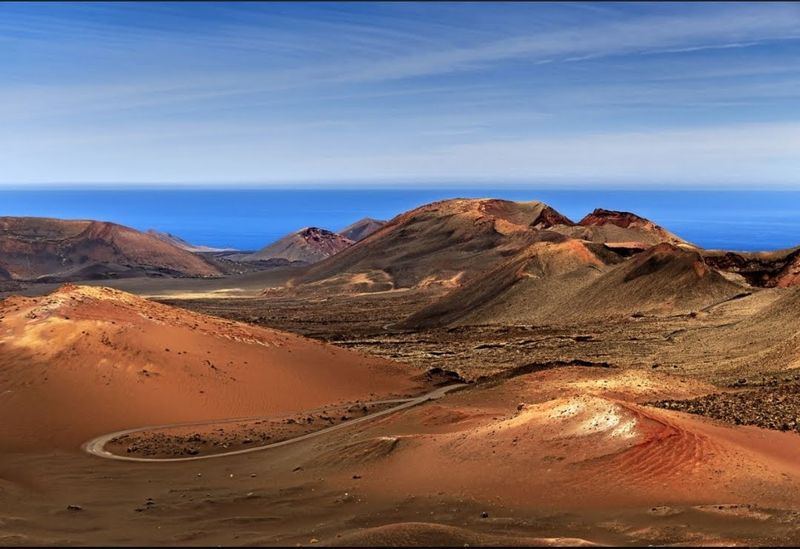
Timanfaya looks like a place that forgot to finish forming. Eruptions between 1720 and 1736, followed by another in 1824, left behind a landscape of hardened lava, jagged ridges, dark earth, and volcanic cones that still shows almost no signs of vegetation recovery in many areas.
Lanzarote’s tourism board highlights Timanfaya as one of Spain’s most protected and unusual national parks. Visitors do not wander freely here.
Access is managed through guided bus tours that wind through the volcanic landscape, which actually makes the experience feel more intentional and striking.
The park also has a restaurant built directly over a volcanic fissure, where geothermal heat from the ground is used to cook food. That detail alone gives you a sense of how active the terrain still is beneath the surface.
Entry requires a ticket, and visiting early in the day helps avoid larger crowds during peak season.
Teide National Park, Tenerife, Canary Islands, Spain
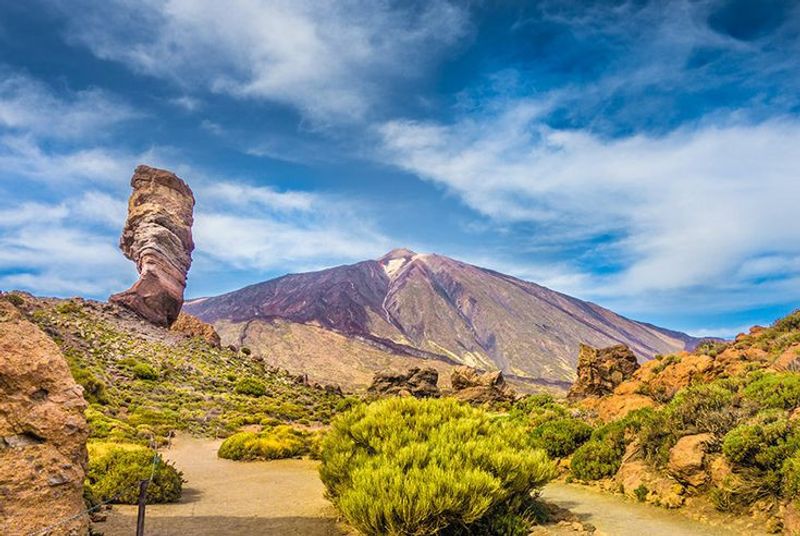
Mount Teide is Spain’s highest peak, and the national park surrounding it looks more like Mars than the Spanish coast. Declared a UNESCO World Heritage Site in 2007, Teide National Park showcases high-altitude volcanic terrain, ancient lava streams, and the dramatic Roques de García rock formations that rise from the caldera floor like natural sculptures.
The color of the landscape changes dramatically depending on the time of day and season. At sunrise, the rock faces glow red and gold.
In midday light, the terrain turns pale gray and almost silver. The elevation, over 12,000 feet at the summit, keeps temperatures much cooler than the beaches below.
Visitors can access the park by road, cable car, or hiking trail. However, reaching the actual summit crater requires a separate permit that must be reserved in advance.
Planning ahead is essential, especially during spring and summer when demand is high.
Mount Etna, Sicily, Italy
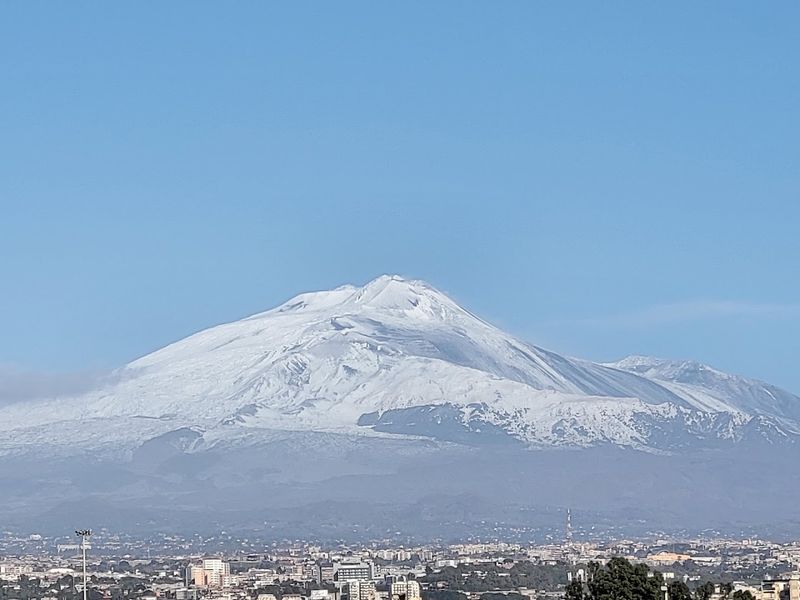
Europe’s most active volcano does not sit quietly in the background. Mount Etna dominates the skyline above Catania, and its dark slopes, ash fields, old lava flows, and smoking summit craters are visible from much of eastern Sicily on a clear day.
The UNESCO-recognized Etna Park gives visitors structured access to the volcanic landscape, with routes ranging from easy lower-slope walks to guided high-altitude excursions near the summit craters. Because Etna erupts regularly, high-elevation access can be restricted without much notice, and guided tours are strongly recommended for anyone wanting to get close to the active areas.
From Catania, visitors can reach the lower park areas by train and local transport connections, which makes Etna more accessible than many active volcanoes. The contrast between the fertile, vine-covered lower slopes and the stark, rocky upper terrain is one of the most visually interesting aspects of the whole experience.
Landmannalaugar, Iceland
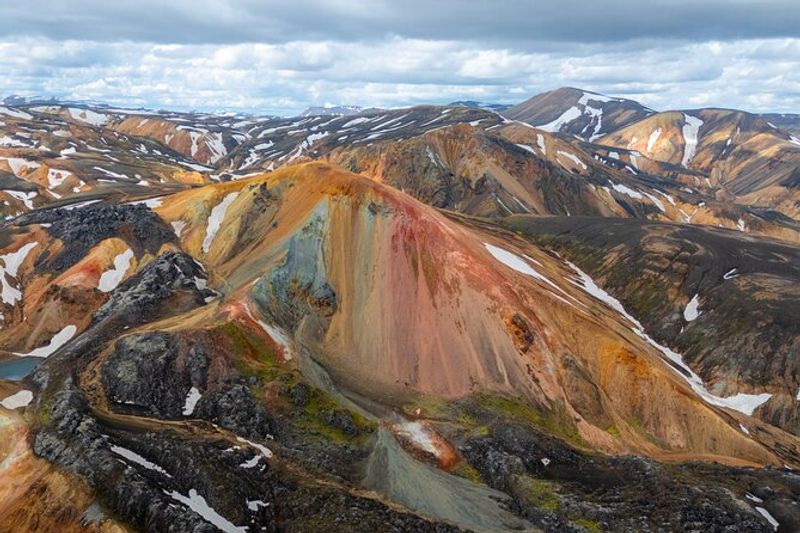
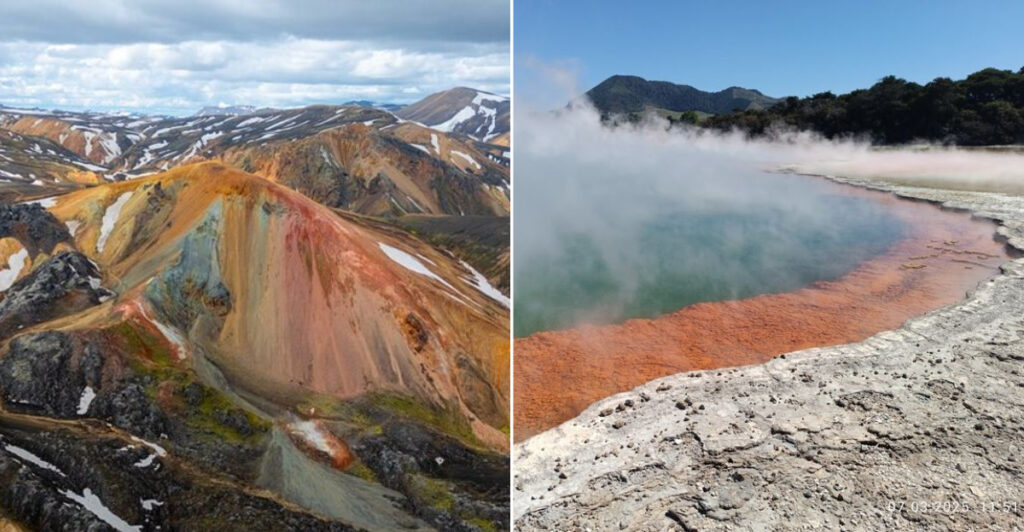
Landmannalaugar is the kind of place that makes photographers second-guess their editing because the colors look too vivid to be natural. The rhyolite mountains surrounding this geothermal area in Iceland’s Fjallabak Nature Reserve are streaked with red, green, yellow, brown, and gray mineral deposits, creating slopes that look painted rather than geological.
The area sits at the start of the famous Laugavegur hiking trail and attracts backpackers, day hikers, and nature travelers throughout the summer season. A natural geothermal hot spring pool sits right in the middle of the camp area, surrounded by lava fields and steaming vents.
Getting here is part of the adventure. Highland roads to Landmannalaugar are seasonal, unpaved, and require a high-clearance four-wheel-drive vehicle.
Some river crossings are involved. Buses from Reykjavik operate during the summer months for those without suitable vehicles.
Always check road conditions and weather before heading into the Highlands.
Tongariro National Park, North Island, New Zealand
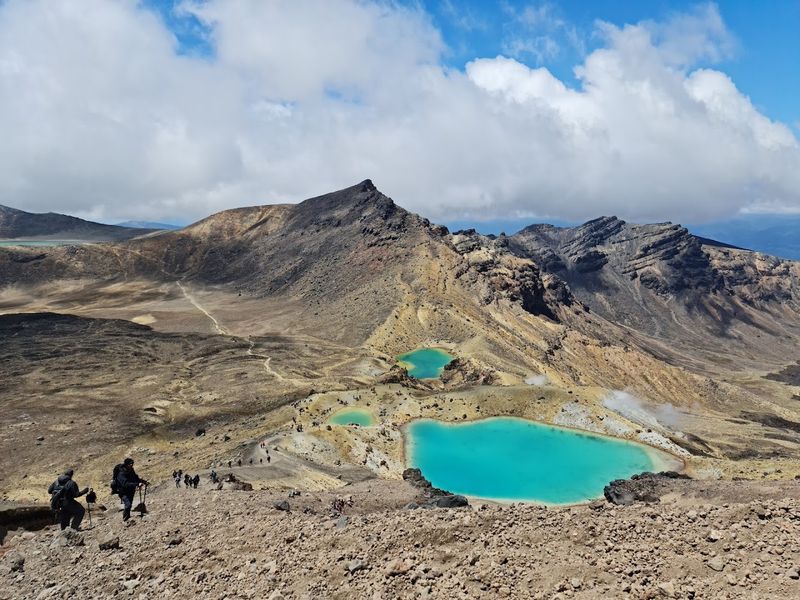
New Zealand’s oldest national park holds a dual UNESCO World Heritage listing, recognized for both its Māori cultural significance and its extraordinary volcanic features. The Tongariro Alpine Crossing, which passes through the heart of the park, is widely considered one of the best one-day hikes in the world.
The terrain includes active volcanic cones, vivid emerald and sapphire crater lakes, lava flows, alpine desert, and ground that still steams in places. On a clear day, the visual contrast between the brightly colored lakes and the dark volcanic rock is genuinely striking.
The park’s volcanic cones, Tongariro, Ngauruhoe, and Ruapehu, are all considered active.
The Department of Conservation runs the Tongariro National Park Visitor Centre in Whakapapa Village, which provides safety updates, weather forecasts, and track conditions before you set out. Volcanic risk is real here, so checking current alerts before attempting the Alpine Crossing is not optional; it is simply the smart way to visit.
Wai-O-Tapu Thermal Wonderland, Rotorua, New Zealand
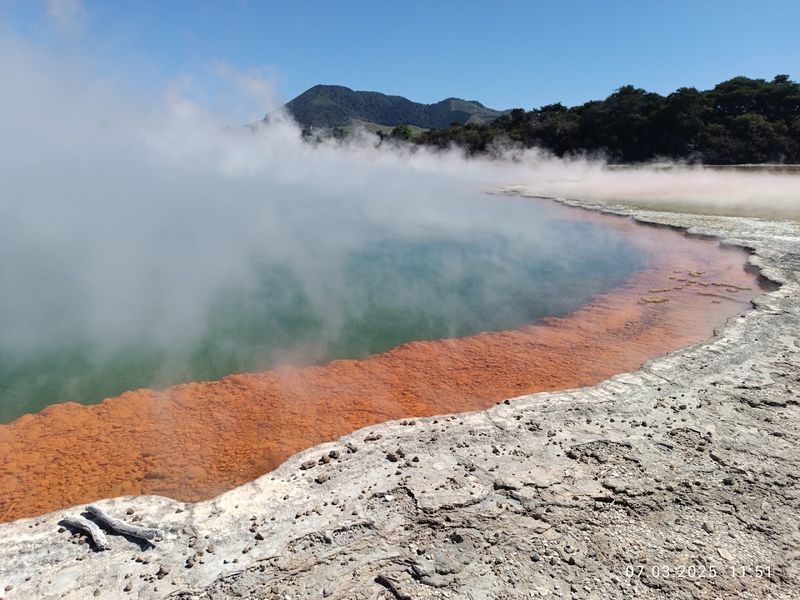
The name translates roughly to ‘sacred waters’ in Māori, and once you see the color of the pools, the reverence makes complete sense. Wai-O-Tapu Thermal Wonderland sits about 30 kilometers south of Rotorua and is one of the most visually dramatic geothermal areas in New Zealand.
Champagne Pool, one of the park’s most photographed features, is a large hot spring crater lake with vivid orange and gold mineral edges. The park also features sulfur formations, boiling mud pools, a silica terrace, and steaming vents scattered throughout a well-maintained walking track system.
Unlike many volcanic destinations that require backcountry preparation, Wai-O-Tapu has clear, defined walking tracks and is open seven days a week with set visitor hours. It is a good option for travelers who want a genuine geothermal experience without needing to plan an expedition.
Entry fees apply, and a morning visit often lines up with the Lady Knox Geyser eruption nearby.
Lassen Volcanic National Park, California, USA
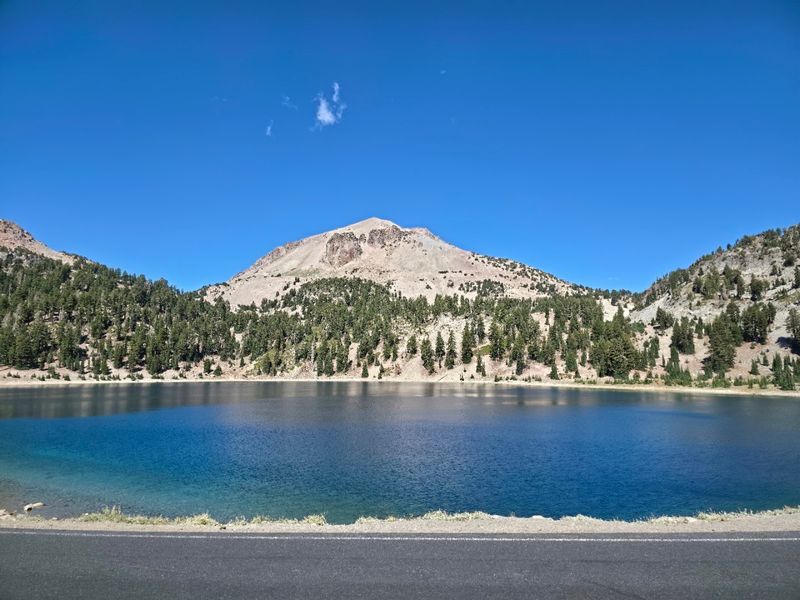
California is not the first place most people think of when volcanic landscapes come up, but Lassen Volcanic National Park makes a strong case for a spot on any serious geology travel list. The National Park Service describes the park as home to steaming fumaroles, boiling pools, mud pots, wildflower meadows, and clear mountain lakes, all within one protected area.
Lassen Peak, the park’s central volcano, last erupted between 1914 and 1917, making it one of the more recently active volcanoes in the contiguous United States. The Bumpass Hell hydrothermal area is the largest in the park and features roaring steam vents, boiling pools, and sulfurous ground that genuinely earns its dramatic name.
The park is open for recreation year-round, though Lassen’s main road typically closes under heavy snow from late fall through late spring. Summer brings the best trail access, and the combination of volcanic terrain with mountain scenery makes it one of the more underrated national parks in the western U.S.
Craters of the Moon National Monument and Preserve, Idaho, USA
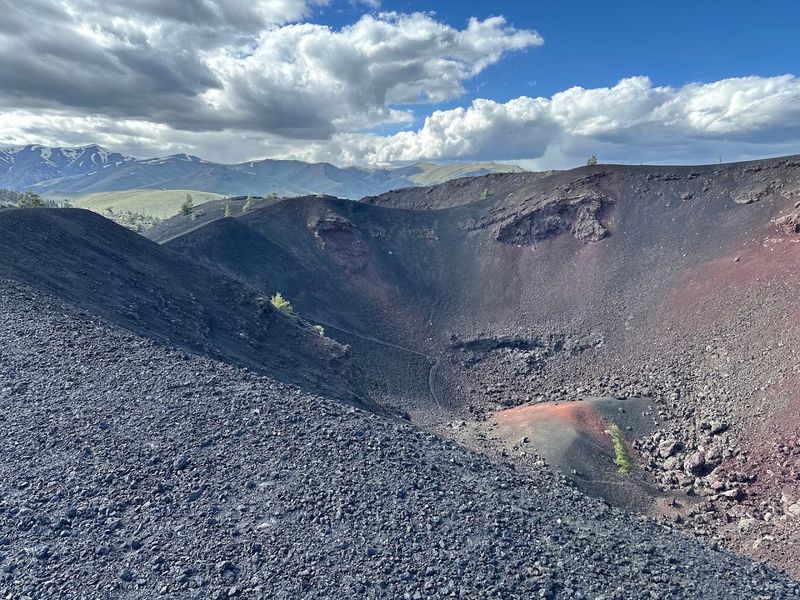
NASA actually sent Apollo astronauts to train at Craters of the Moon before the moon landings, which tells you everything you need to know about how convincingly alien this Idaho landscape looks. The National Park Service describes it as a vast ocean of lava flows dotted with cinder cones and sagebrush, covering a remarkably preserved volcanic landscape.
The area’s defining geological feature is the Great Rift, a 52-mile crack in the Earth’s crust that produced the lava flows, lava tubes, craters, and cinder cones visitors can explore today. Lava tube caves are accessible seasonally, and the park has trails ranging from short paved loops to longer backcountry routes through the lava fields.
Entry fees are modest, and the monument is open year-round, though some facilities and cave access are seasonal. For travelers driving through southern Idaho, this is one of the most genuinely surprising stops available, and the dark, rugged terrain photographs remarkably well in early morning or late afternoon light.
Aso-Kuju National Park, Kyushu, Japan
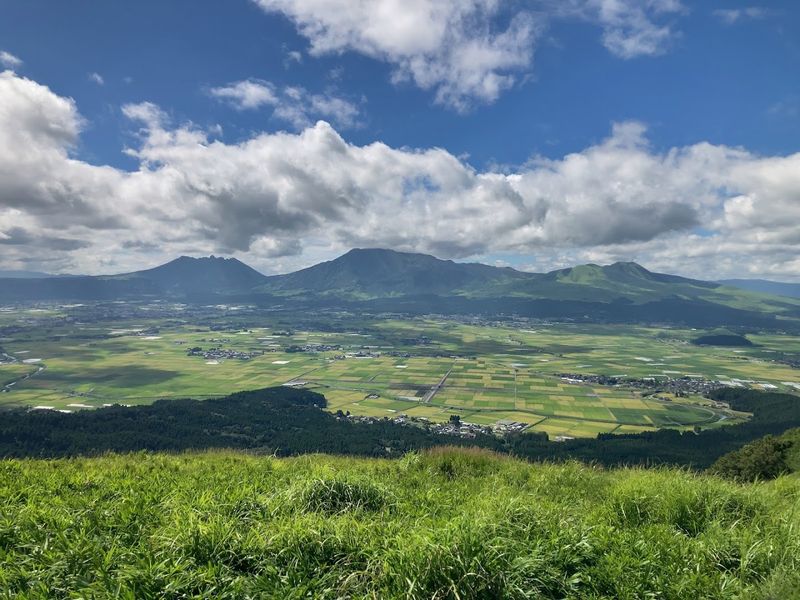
Mount Aso sits inside one of the largest calderas in the world, and the scale of it does not fully register until you are standing in the middle of the surrounding grasslands looking toward the smoking crater. Aso-Kuju National Park on Kyushu island is home to Nakadake, one of Japan’s most consistently active volcanic craters.
Japan’s national parks site describes the Mount Aso Visitor Center as the primary gateway for information, safety advisories, and maps. Crater access changes based on volcanic gas levels, activity, and weather, so checking current conditions before heading up is essential.
When access is open, the views across the caldera and toward the active vent are genuinely spectacular.
Beyond the crater, the park includes sweeping green grasslands, hiking trails through the Kuju Mountains, and traditional farming villages that have existed within the caldera for generations. That combination of active geology and inhabited landscape gives Aso a character that feels different from any other volcanic destination on this list.
Jeju Volcanic Island and Lava Tubes, Jeju, South Korea
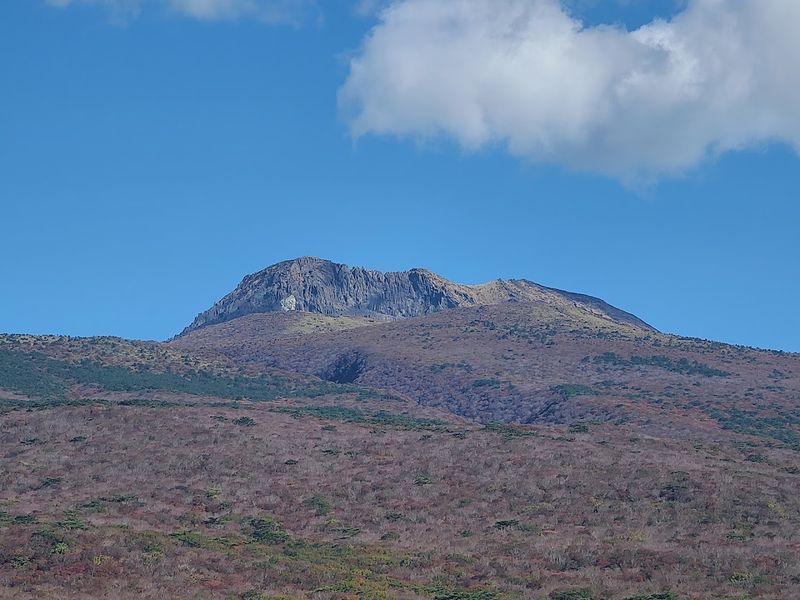
Jeju Island earned its UNESCO World Heritage designation for good reason. The protected area covers three distinct volcanic features: Hallasan, the dormant shield volcano at the island’s center; Seongsan Ilchulbong, a dramatic tuff cone that rises from the ocean; and the Geomunoreum lava tube system, which UNESCO describes as one of the finest lava tube cave systems anywhere in the world.
The lava tubes include Manjanggul Cave, one of the longest lava tubes on Earth, with dark basalt walls and unusual carbonate formations that form slowly over thousands of years. Seongsan Ilchulbong is a popular hiking destination with a well-preserved crater at the summit and ocean views in every direction.
What makes Jeju feel different from bare lava deserts is the layering of green hillsides, coastal cliffs, traditional stone villages, and volcanic forms all existing on the same island. Individual site access, including cave entry and summit trails, varies by season and current conditions, so checking ahead is worthwhile.
Share this story