Some communities have built their entire lives above the water, and the result is unlike anything most people will ever see in a typical city or suburb. From ancient lake settlements in West Africa to modern floating neighborhoods in Amsterdam, these villages prove that water does not have to be a barrier.
It can be a foundation. The people who live in these places fish, raise families, run businesses, attend school, and celebrate traditions, all while boats serve as their streets and the water shapes nearly every part of their daily routine.
Whether you are a curious traveler, a geography enthusiast, or someone who just loves discovering places that feel genuinely different, this list covers thirteen real, active floating villages from around the world that are absolutely worth knowing about.
Nzulezo, Ghana
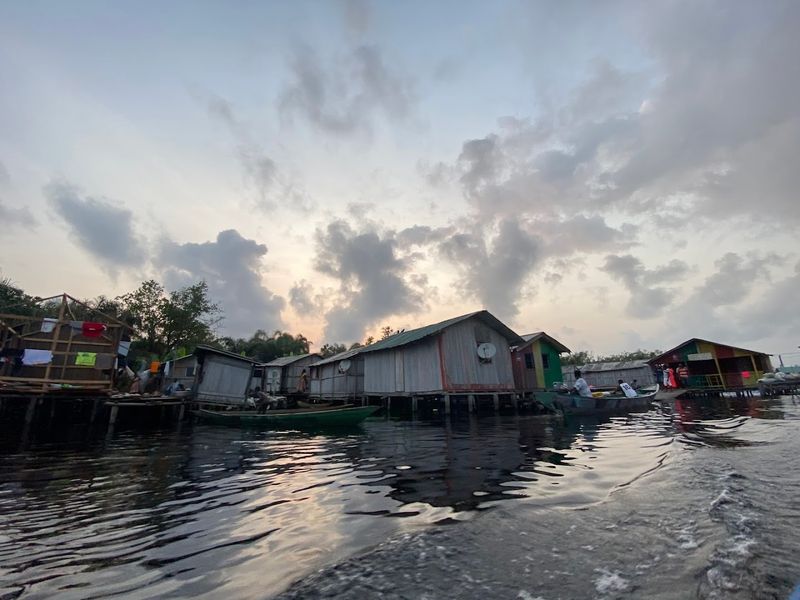
Perched above Lake Tadane in Ghana’s Western Region, Nzulezo is a centuries-old settlement that still supports hundreds of residents going about their daily lives. Visit Ghana describes it as a living community rather than a heritage reconstruction, which is exactly what makes the trip worthwhile.
Getting there is part of the experience. Travelers paddle by canoe through wetlands and quiet waterways before the raised village comes into view.
Fishing, household chores, transportation, and community gatherings all revolve around the surrounding lake, and that rhythm has remained consistent for generations.
Ghana’s official tourism listings promote visits throughout the year, though water levels and seasonal conditions can affect individual trips. Anyone planning a visit should arrange transportation through recognized local guides and approach the settlement with the same respect they would give any residential neighborhood.
The walkways and homes belong to real people with real routines, and that awareness makes the visit far more meaningful.
Kampong Ayer, Brunei
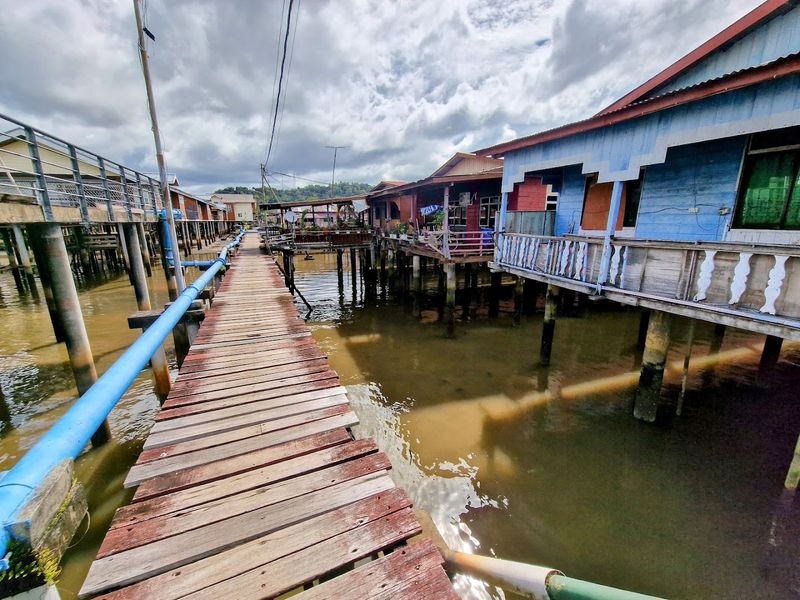
Directly across the Brunei River from central Bandar Seri Begawan, Kampong Ayer is one of Southeast Asia’s largest water settlements and a genuinely active neighborhood rather than a preserved relic. Homes, mosques, schools, businesses, jetties, and covered walkways all rise above the river, and water taxis connect residents to the modern capital throughout the day.
Brunei Tourism describes the settlement as a place where tradition and contemporary life overlap comfortably. Visitors can cross the river by water taxi, explore publicly accessible walkways, and stop at the Kampong Ayer Cultural and Tourism Gallery, which displays photographs, artifacts, and historical information about the community’s riverside traditions.
The gallery maintains regular opening hours on most days, making it a practical starting point for understanding what you are looking at before venturing further into the settlement. The combination of cultural history and everyday activity makes Kampong Ayer one of the most accessible and rewarding floating communities on this entire list.
Tai O, Hong Kong
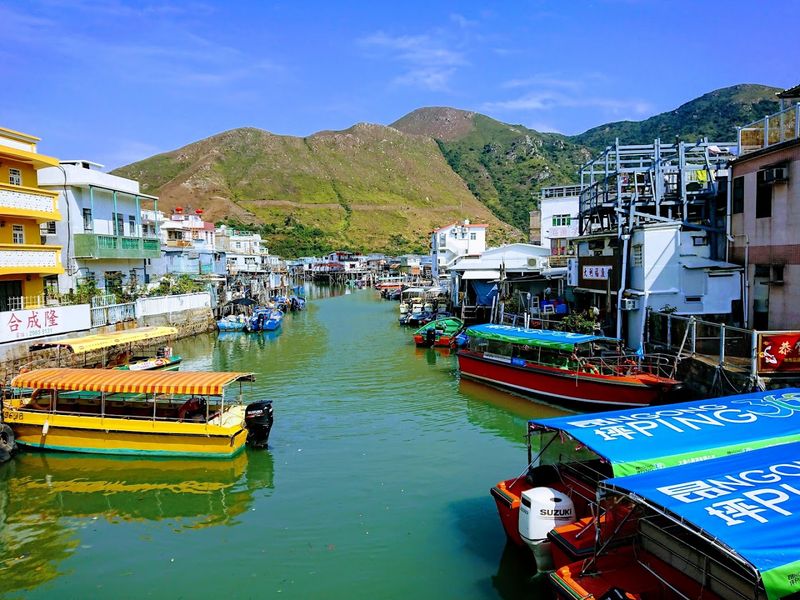
Tai O offers a version of Hong Kong that most visitors never see. Located on Lantau Island, this traditional fishing village is built on stilts above tidal waterways, and its pace feels completely different from the density and speed of the urban center just a ferry ride away.
The settlement has long been associated with the Tanka fishing community, whose relationship with the sea shaped Tai O’s architecture, economy, and food culture over many generations. Boats pass through channels lined with homes, while market stalls and small shops sell dried seafood, shrimp paste, and other regional products that reflect the village’s working identity.
The Hong Kong Tourism Board continues to promote Tai O for boat rides, waterfront food, cultural exploration, and coastal scenery. Visitors can walk through public areas of the village, eat at local cafes, and observe the canal life without intruding on private spaces.
The contrast between this quiet fishing village and the surrounding metropolis is genuinely striking.
Pulau Ketam, Malaysia
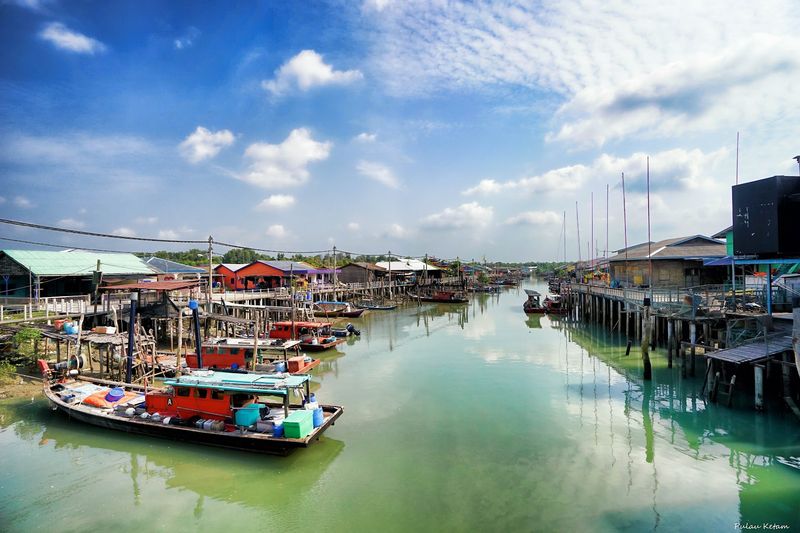
The name means Crab Island, and that tells you almost everything you need to know about what drives life in Pulau Ketam. This fishing community off the coast of Selangor has built its homes, businesses, and temples above tidal water, and the identity of the place is inseparable from the sea that surrounds it.
Tourism Malaysia describes Pulau Ketam as a floating fishing village with stilt houses, fresh seafood restaurants, and cultural landmarks including Hock Leng Keng Temple. Instead of paved streets, raised wooden paths connect the settlement’s neighborhoods, and the whole layout shifts slightly in character as the tide moves beneath it.
Fishing boats rest alongside houses, restaurants serve catches from local waters, and religious buildings share space with working family homes. Pulau Ketam continues to welcome visitors while functioning as a real residential and fishing community.
The ferry ride from Port Klang is straightforward, making it an accessible day trip with a distinctly different character from the mainland.
Kukup Laut, Malaysia
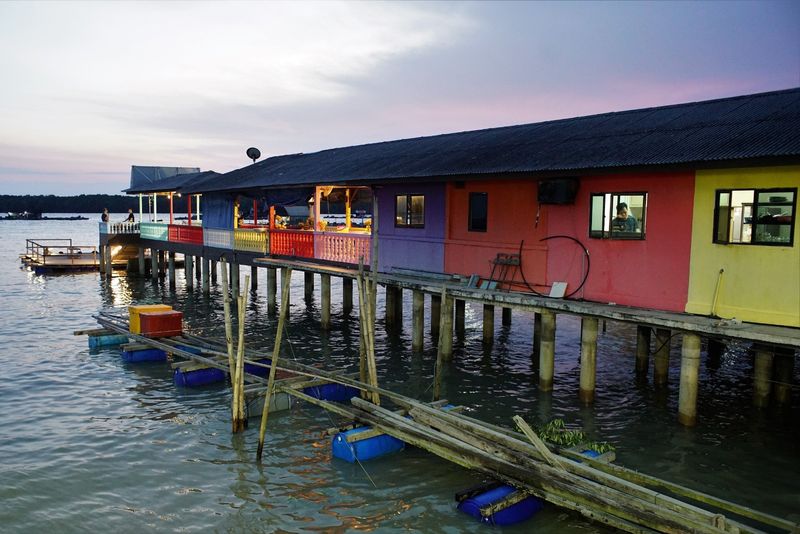
At the very southwestern edge of Peninsular Malaysia, Kukup Laut is the kind of place that rewards travelers who take a slight detour from the main route. Built on stilts above mangrove-fringed coastal water, the village has shaped its entire economy around fishing, seafood production, and the tidal landscape that defines its geography.
Tourism Malaysia recommends Kukup Laut for exploring the raised settlement, meeting local residents, buying regional products, and eating freshly prepared seafood. Belacan, dried anchovies, and salted fish reflect the village’s long relationship with the sea, and these products have given Kukup Laut a reputation that extends well beyond its small size.
The surrounding mangroves provide natural shelter for the shoreline, while the wooden structures and working boats reveal how the community has adapted practically to a wet coastal environment over time. Kukup Laut is often combined with a visit to nearby Pulau Kukup National Park, but the village stands on its own as a working settlement worth exploring carefully.
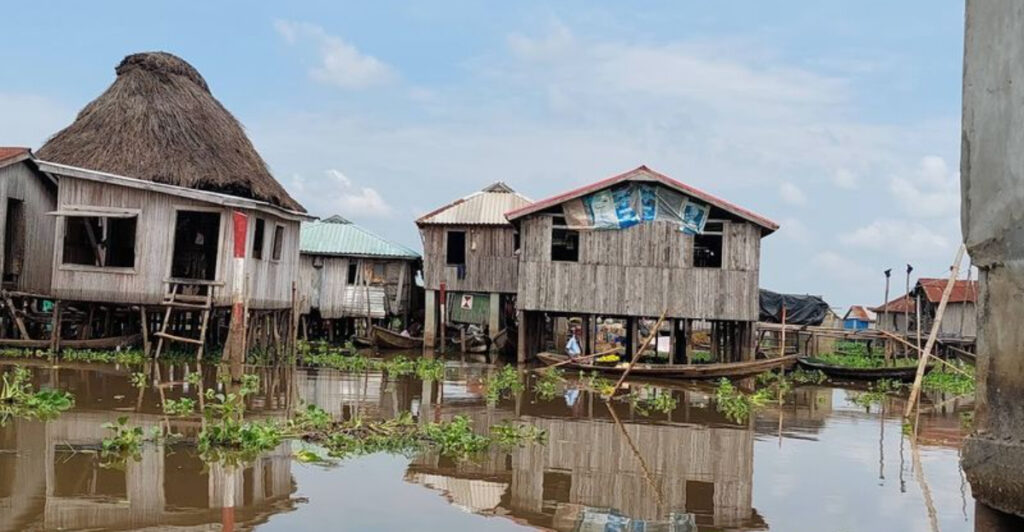
Ganvié, Benin
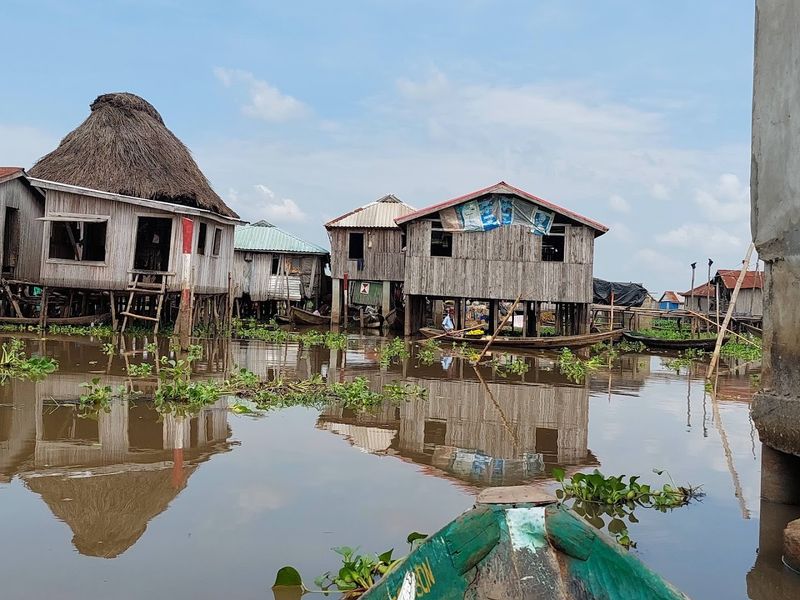
Built entirely above Lake Nokoué near Cotonou, Ganvié is often called the Venice of Africa, and that comparison does not even fully capture what makes it remarkable. Wooden houses stand on stilts while narrow pirogues glide between homes, markets, fishing areas, and community gathering spots.
The lake itself serves as the road network, the grocery store, and the workplace all at once.
Fishing has shaped life here for centuries, and residents also use boats to carry supplies and sell goods between households. Visitors typically reach Ganvié from the Abomey-Calavi area, joining guided motorboat or canoe trips through the settlement with community-based guides.
Tours cover the canals, fishing zones, and floating commercial activity that give the village its rhythm.
Ganvié is not a museum exhibit or a reconstructed attraction. It is a functioning lake community with thousands of residents whose daily routines remain as connected to the water today as they have ever been.
Koh Panyee, Thailand
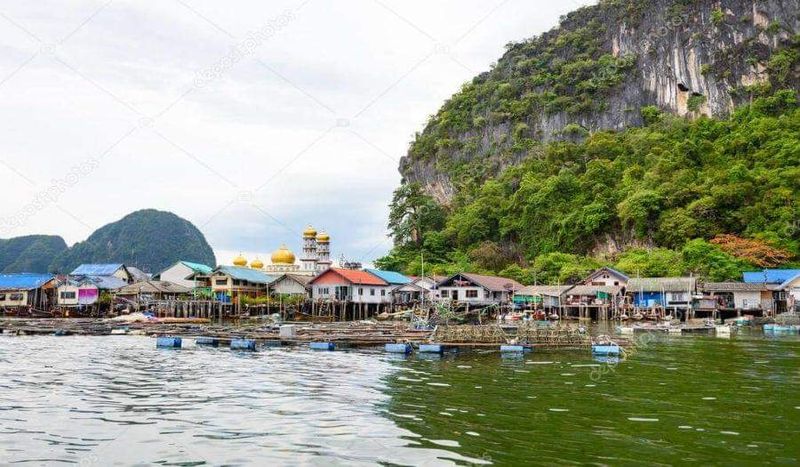
Koh Panyee is hard to forget once you have seen a photograph of it. Hundreds of raised houses extend over the shallow sea beneath a towering limestone formation in Phang Nga Bay, creating a compact settlement that looks almost impossible from a distance but functions with quiet practicality up close.
The predominantly Muslim community here has traditionally depended on fishing, including shallow-water fishing and fish farming. Over time, tourism has added restaurants, boat services, and shops to the local economy, but Koh Panyee still maintains a school, mosque, and health center for its permanent residents.
The Tourism Authority of Thailand lists the village as an active attraction with day trip options from Phuket and piers in Phang Nga Province. Visitors arrive by boat, usually as part of a wider bay excursion, and can walk through designated areas to view homes, fishing structures, and the dramatic limestone scenery that frames the entire settlement from every direction.
Kampong Phluk, Cambodia
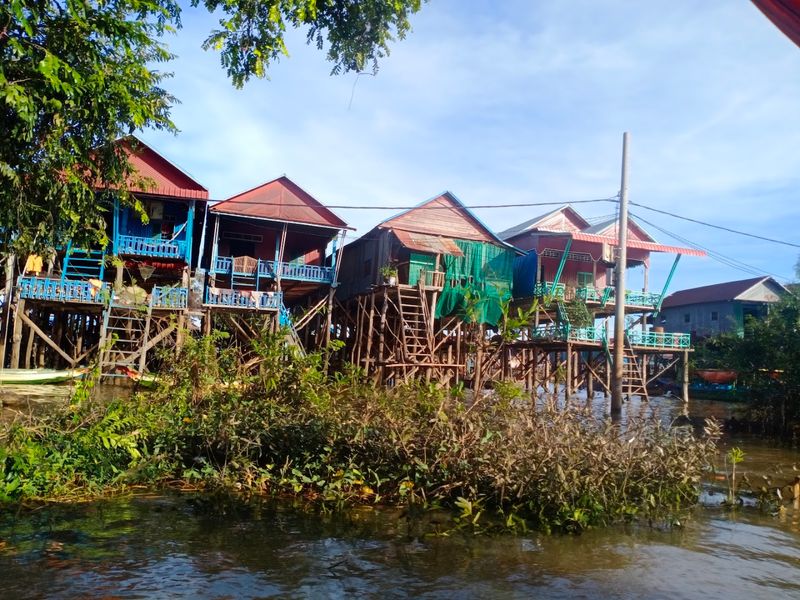
Few floating villages change as dramatically with the seasons as Kampong Phluk. Located near Tonle Sap Lake in Cambodia’s Siem Reap Province, this collection of communities includes roughly 1,000 households spread across three villages: Tnot Kambot, Kork Kdol, and Dey Krahorm, according to Cambodia’s Ministry of Tourism.
Many residents live in houses built so high on stilts that they appear almost surreal during the dry season when water levels drop significantly. When the lake rises, boats glide right up to doorways and through flooded forest areas that become accessible only by water.
Fishing provides the primary livelihood, and boats handle nearly all transportation through the settlement.
Visitors can join community boat trips, observe fishing activity, and pass through the flooded forest sections that are unique to this region. The experience shifts completely depending on when you visit, which is part of what makes Kampong Phluk genuinely compelling rather than just another scenic stop on the Siem Reap tourist circuit.
Prek Toal, Cambodia
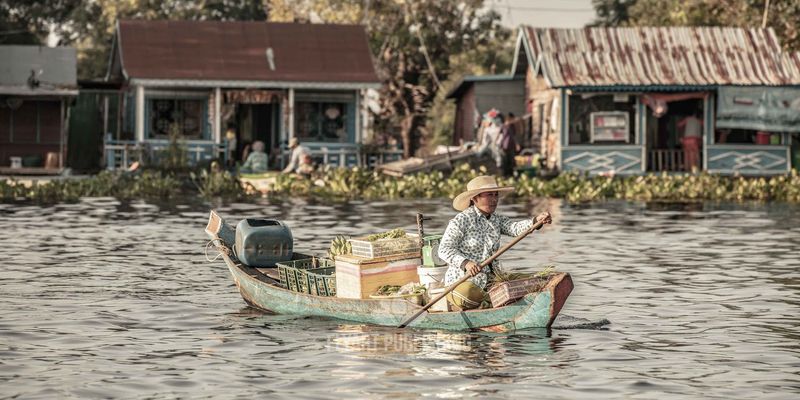
Prek Toal is two things at once: a working floating village and a gateway to one of Tonle Sap’s most important bird habitats. Houses, small businesses, fish farms, and community facilities all occupy the water, while boats connect residents with nearby settlements and the mainland throughout the day.
Cambodia’s Ministry of Tourism promotes Prek Toal as a community-based ecotourism destination, with available activities including paddleboat tours through the village and guided trips toward the surrounding bird sanctuary. Local tourism programs are also structured to support village development and ongoing conservation work, so spending money here goes further than in many other places.
Visitors can observe how families manage fish farming, education, transportation, and commerce in an environment where water levels influence nearly every aspect of daily life. Booking through community-based operators helps ensure that tourism income stays within the village.
The bird sanctuary adds an extra draw, but the settlement itself is equally worth your full attention.
Cai Beo Floating Village, Vietnam
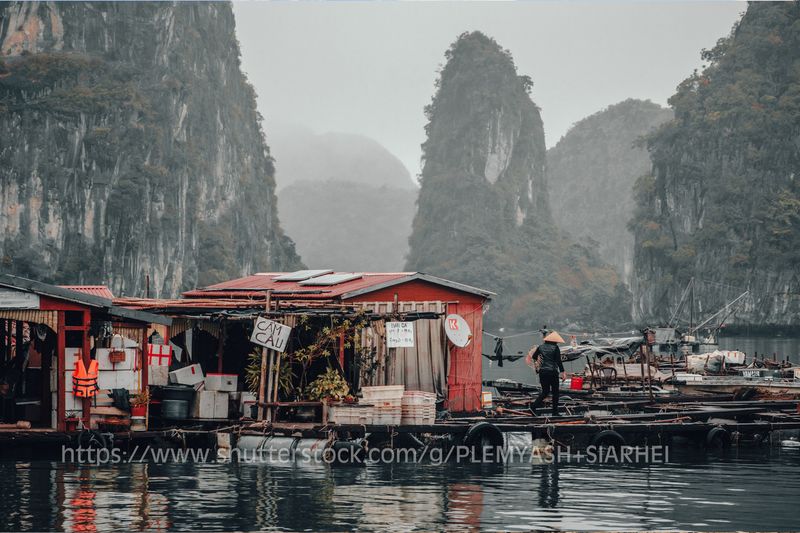
Near Cat Ba Island in northern Vietnam, Cai Beo is one of the country’s best-known surviving floating fishing communities, and surviving is the right word. Several former residential villages in nearby Ha Long Bay have been relocated over the years, but Cai Beo continues to support a substantial year-round population.
Vietnam’s official tourism website estimates that approximately 600 to 1,000 people still live on boats and floating structures here. Residents travel to the mainland by water taxi and maintain homes surrounded by fish pens, small vessels, plants, and working equipment that make the settlement look lived-in rather than staged.
Some boat tours through Lan Ha Bay include a pass by Cai Beo, giving travelers a view of the settlement from the water. The colorful structures appear against a backdrop of steep limestone formations, but the working fish farms and ordinary household activity make it clear that this is a place of real daily life, not a backdrop created for photographs.
Desa Wisata Pela, Indonesia
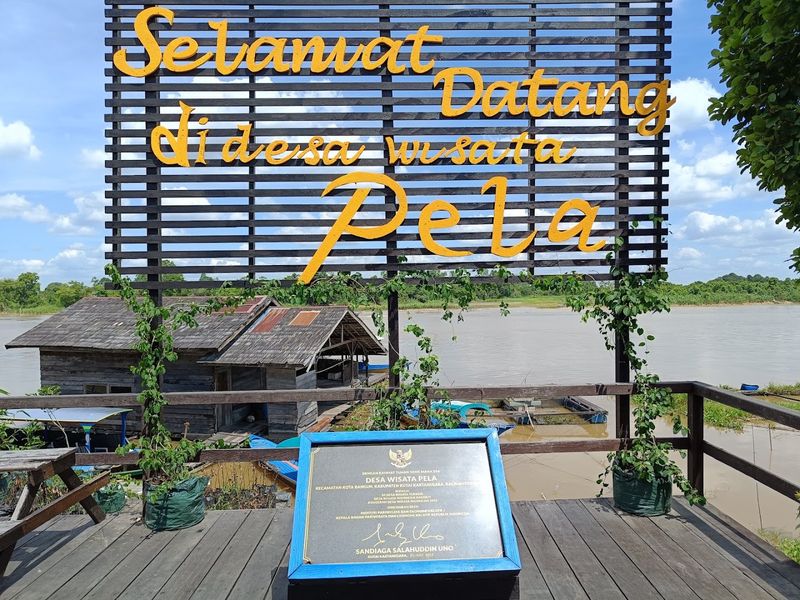
Along the Mahakam River in East Kalimantan, Pela is one of the older villages in the Kutai Kartanegara area, and its character is shaped by rivers, wetlands, and a fishing culture that has been part of the community for generations. Indonesia’s official tourism platform highlights its floating character and its role in protecting the endangered Mahakam freshwater dolphin.
That conservation angle sets Pela apart from many other water villages on this list. Visitors can learn about traditional fishing practices at the village’s Fisherman Museum and join wildlife-focused excursions on the river that include opportunities to spot the rare freshwater dolphins that live in this stretch of the Mahakam.
Wooden paths connect parts of the settlement, and homes rise on stilts above the river in a layout that reflects practical adaptation to seasonal water changes. Pela demonstrates how a water-based community can use tourism thoughtfully to support both cultural knowledge and environmental stewardship without losing the authenticity that makes it worth visiting.
Uros Floating Islands, Peru
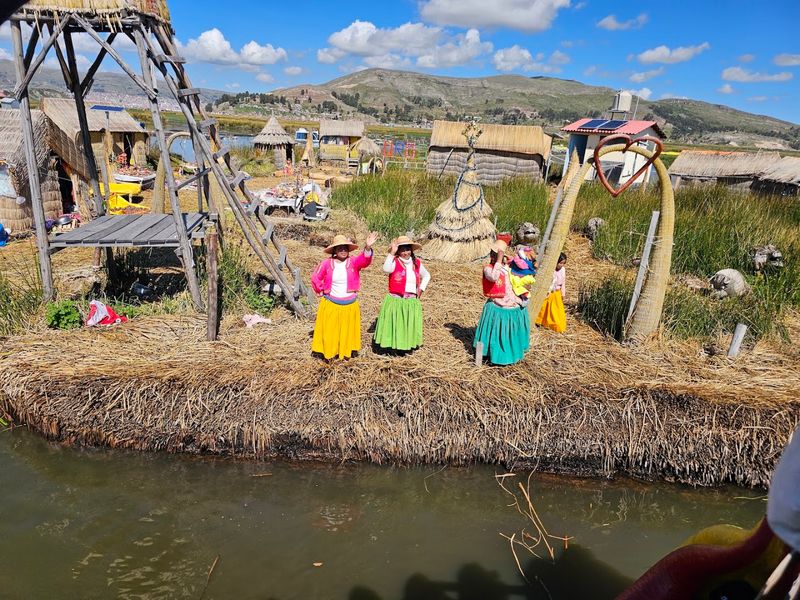
The Uros communities on Lake Titicaca have built their world entirely from totora reeds. The islands themselves are constructed from compressed layers of the plant, and the same material is used for homes, boats, crafts, and countless everyday items.
Residents regularly add fresh reeds to the surface as older layers break down underneath.
Peru’s official tourism portal promotes community-based visits that can include traditional reed-boat rides, artisanal fishing demonstrations, explanations of island construction, local meals, and overnight accommodation with resident families. These are not performances designed for tourists but demonstrations of techniques that remain genuinely practical for island life.
Tourism has become an important part of the local economy, but the islands remain living communities with their own family routines and cultural traditions. Choosing locally operated experiences, asking before taking close photographs, and avoiding interactions that feel staged or transactional can make visits more respectful and genuinely beneficial to the people who call these remarkable floating islands home year-round.
Schoonschip, Amsterdam, Netherlands
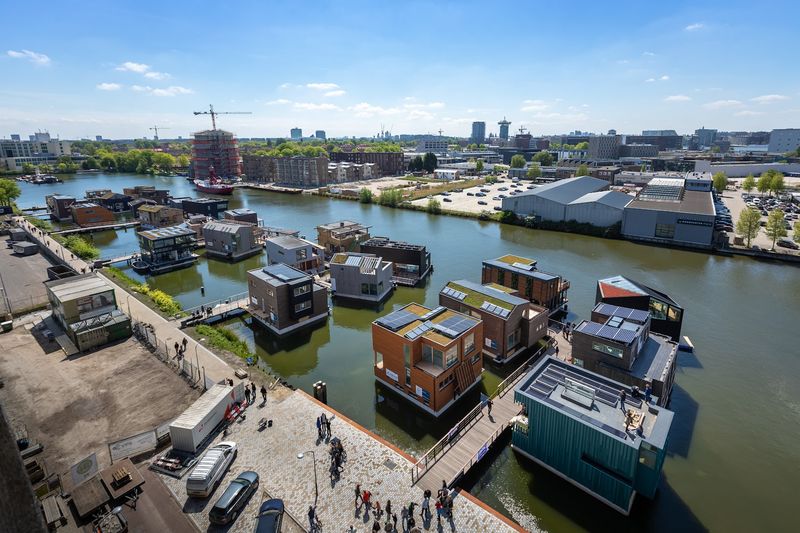
Schoonschip is what happens when a city decides that living on water is not just a historical tradition but a forward-looking choice. Located on the Johan van Hasseltkanaal in Amsterdam-Noord, this neighborhood consists of 46 households on 30 barges, according to Amsterdam’s official city guide, and has been occupied since early 2020.
The homes are contemporary in design and built with sustainability as a central priority. Shared energy infrastructure, renewable power systems, and community-driven decision-making were all part of the development process from the beginning, which makes Schoonschip a genuinely unusual example of intentional urban water living rather than a community that simply ended up on the water by circumstance.
This is a residential neighborhood rather than a conventional tourist attraction, so viewing it respectfully from public areas or through architecture-focused programs is the right approach. As a closing entry on this list, Schoonschip makes a fitting point: living on water is not only an ancient survival strategy but also a practical model for flood-prone cities planning for the decades ahead.
Share this story