Throughout history, most deaths are met with grief and mourning. But there have been rare moments when the news of someone’s death caused people to pour into the streets with joy and relief.
These were leaders, dictators, and criminals whose actions caused so much suffering that their deaths felt like the end of a long nightmare. Understanding why people celebrated these deaths tells us a lot about power, oppression, and the human desire for freedom.
1. Adolf Hitler (1945) – Nazi Germany
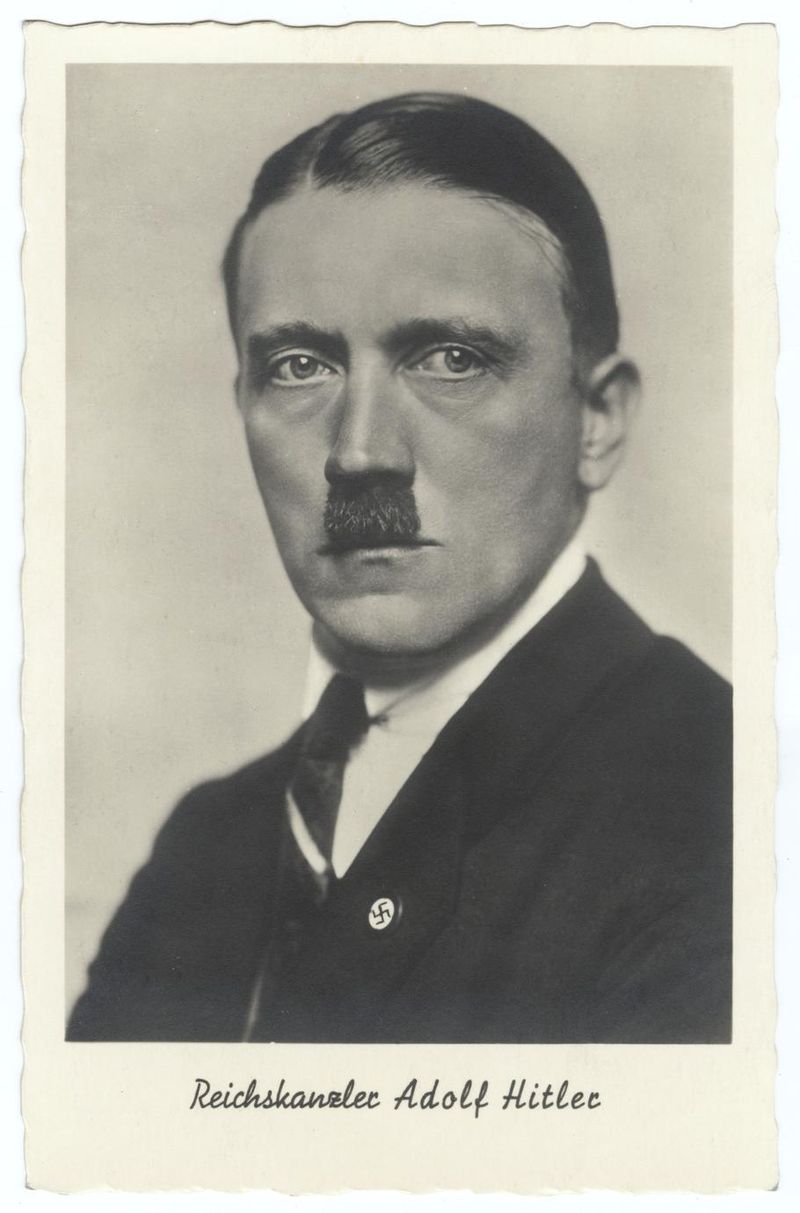
Few names in history carry as much weight as Adolf Hitler. When news spread on May 1, 1945, that Hitler had died by suicide in his Berlin bunker, Allied soldiers and civilians across Europe erupted in relief.
Cities that had lived under Nazi occupation for years finally breathed again.
Hitler had led Germany into World War II, a conflict that killed over 70 million people. His regime was responsible for the Holocaust, the systematic murder of six million Jewish people and millions of others.
The scale of his cruelty was almost impossible to comprehend.
In London, New York, and Paris, crowds gathered in the streets, cheering and embracing strangers. For many survivors and soldiers, it was not joy over death itself but the end of a monstrous era.
The celebrations marked a turning point in one of history’s darkest chapters.
2. Benito Mussolini (1945) – Fascist Italy
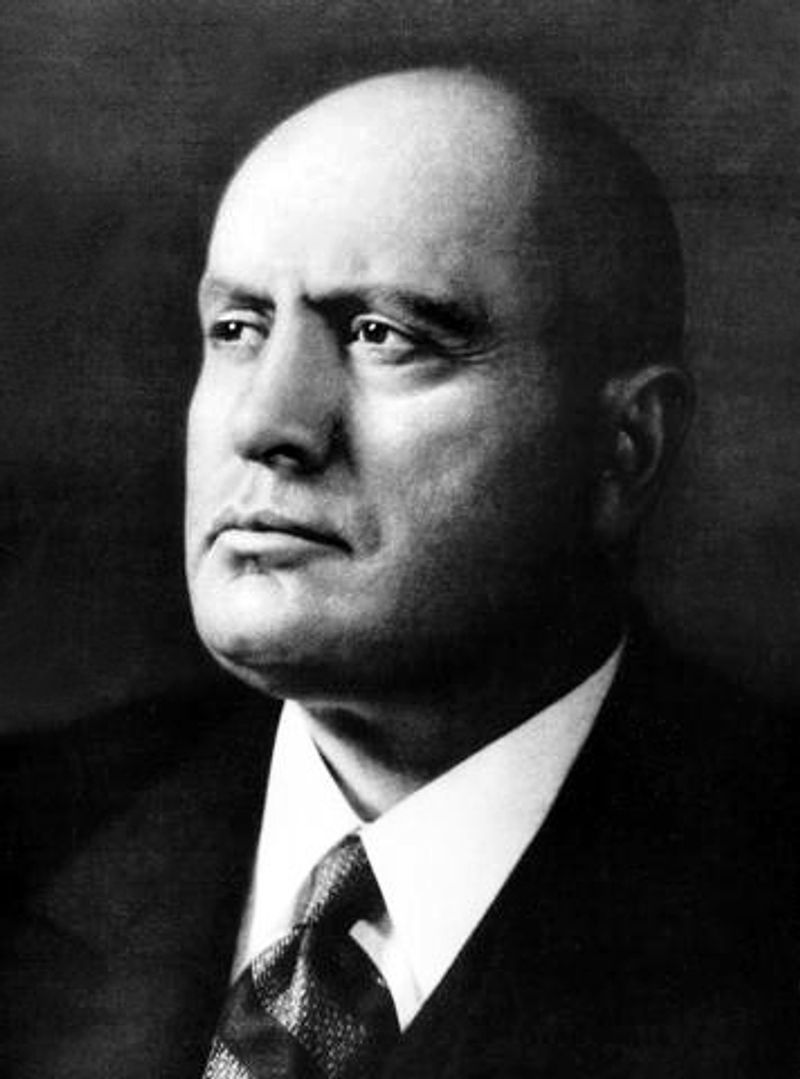
Benito Mussolini ruled Italy with an iron fist for over two decades, building a fascist state that silenced opposition and dragged Italy into a devastating war. His end, however, was far from dignified.
On April 28, 1945, just two days before Hitler’s death, Mussolini was captured by Italian partisans while trying to flee the country.
He was executed by firing squad along with his mistress and several other fascist officials. Their bodies were then transported to Milan and hung upside down at a gas station in the Piazzale Loreto, a public square where Italian partisans had previously been executed.
Crowds gathered to view the bodies, and the scene was both grim and symbolic. For many Italians who had suffered under Mussolini’s brutal rule, it represented justice.
Photographers captured the moment, and the images circulated worldwide as proof that fascism in Italy had finally collapsed.
3. Osama bin Laden (2011) – al-Qaeda Leader
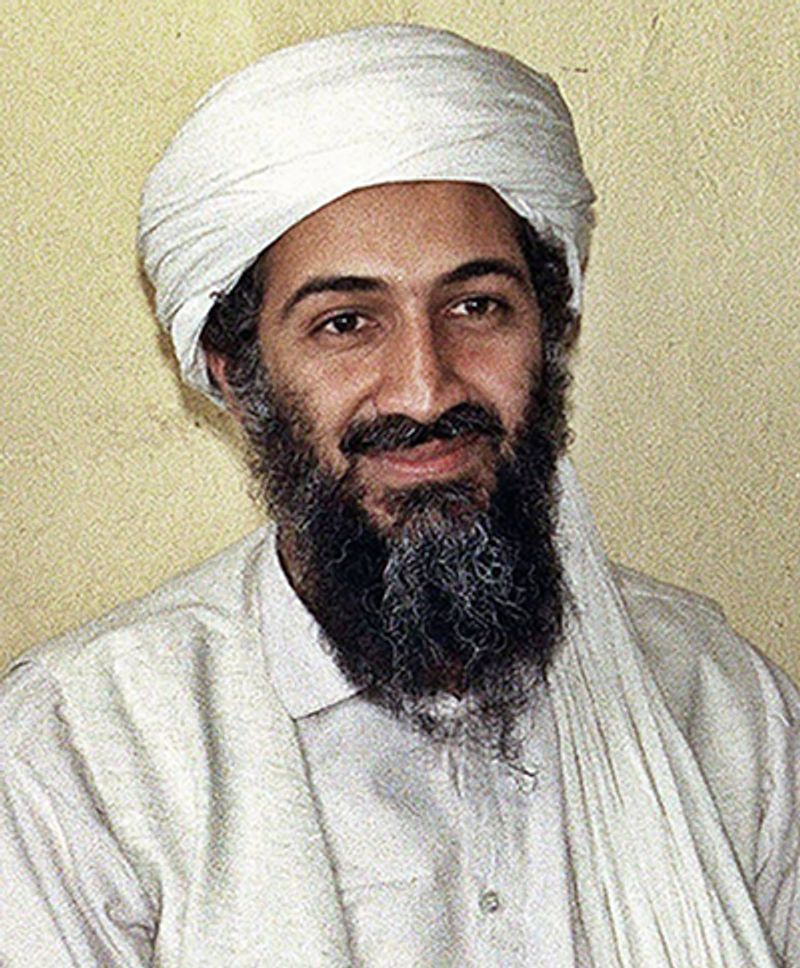
On the night of May 1, 2011, President Barack Obama announced to the world that U.S. Navy SEALs had killed Osama bin Laden in a compound in Abbottabad, Pakistan.
Within minutes, crowds began gathering outside the White House, chanting and waving American flags.
Bin Laden was the founder of al-Qaeda and the mastermind behind the September 11, 2001 terrorist attacks, which killed nearly 3,000 people in New York, Washington D.C., and Pennsylvania. The attacks changed the course of American history and launched a global war on terror that lasted for decades.
Similar scenes of celebration unfolded at Ground Zero in New York City, where the Twin Towers once stood. For many families who lost loved ones on 9/11, the news brought a complicated mix of relief and grief.
Across the country, Americans felt a sense of long-awaited closure after nearly ten years of searching.
4. Muammar Gaddafi (2011) – Libya
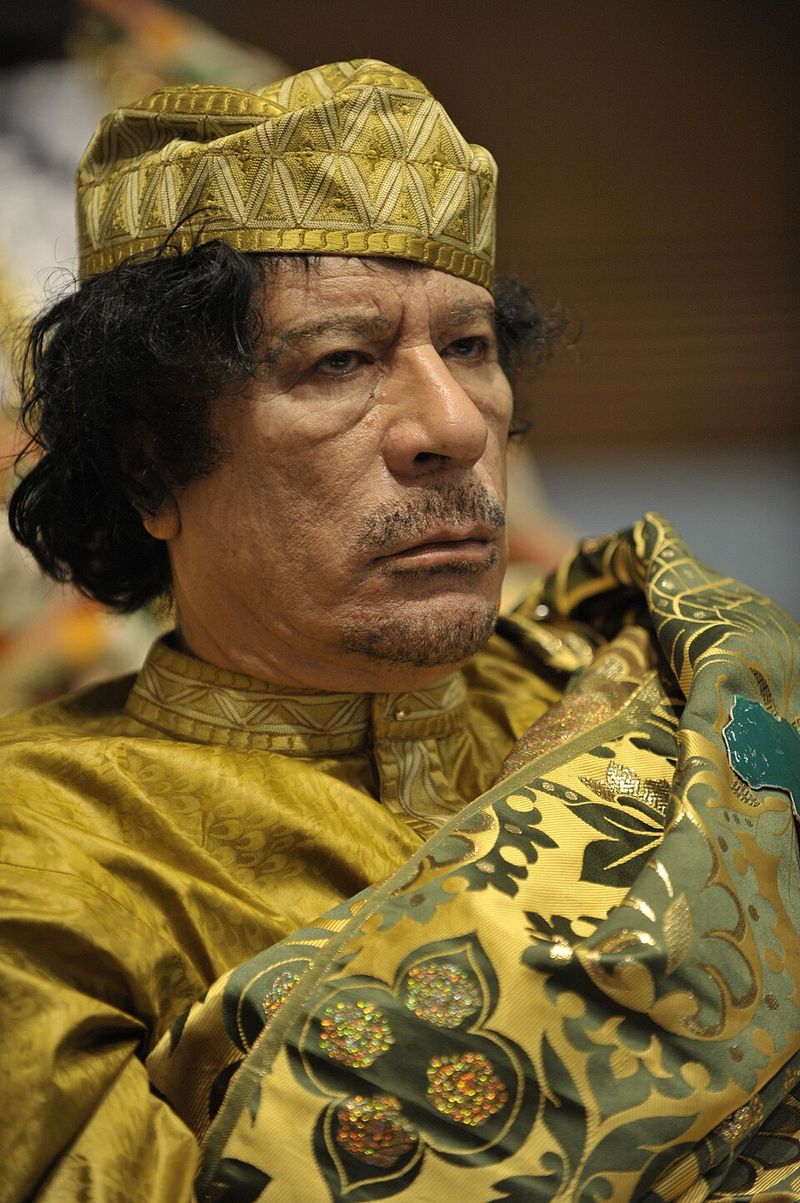
Muammar Gaddafi ruled Libya for 42 years, one of the longest dictatorships in modern history. He came to power in 1969 and maintained control through fear, violence, and the suppression of any political opposition.
By the time the Arab Spring reached Libya in 2011, many Libyans were ready for change.
After months of brutal civil war between Gaddafi’s forces and rebel fighters, Gaddafi was captured in his hometown of Sirte on October 20, 2011. He was killed shortly after, and footage of his capture spread rapidly across social media and television networks worldwide.
In Tripoli and Benghazi, Libyans poured into the streets, firing guns into the air and waving the new Libyan flag. After decades of oppression, the celebrations were raw and emotional.
Many families had lost relatives to Gaddafi’s regime, making his death feel like the beginning of a new chapter for the nation.
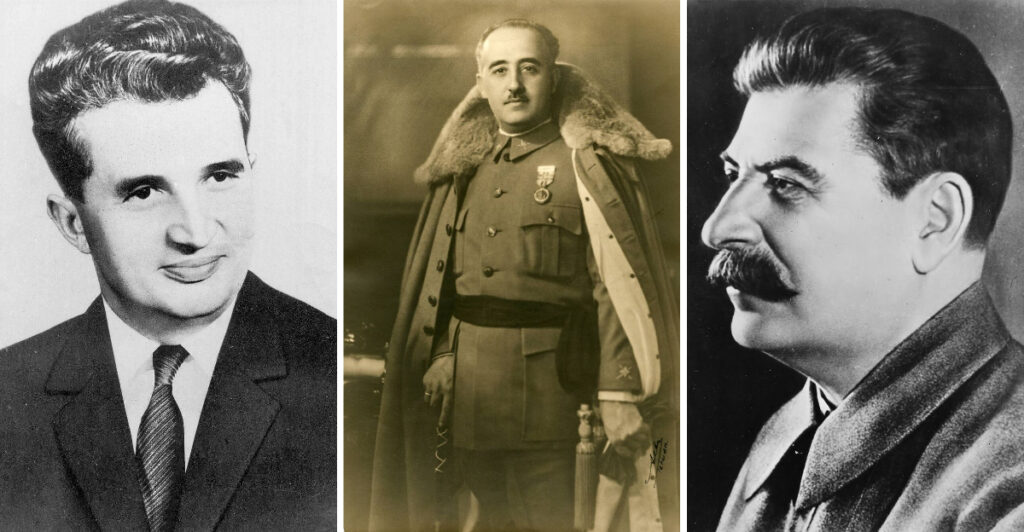
5. Nicolae Ceausescu (1989) – Romania
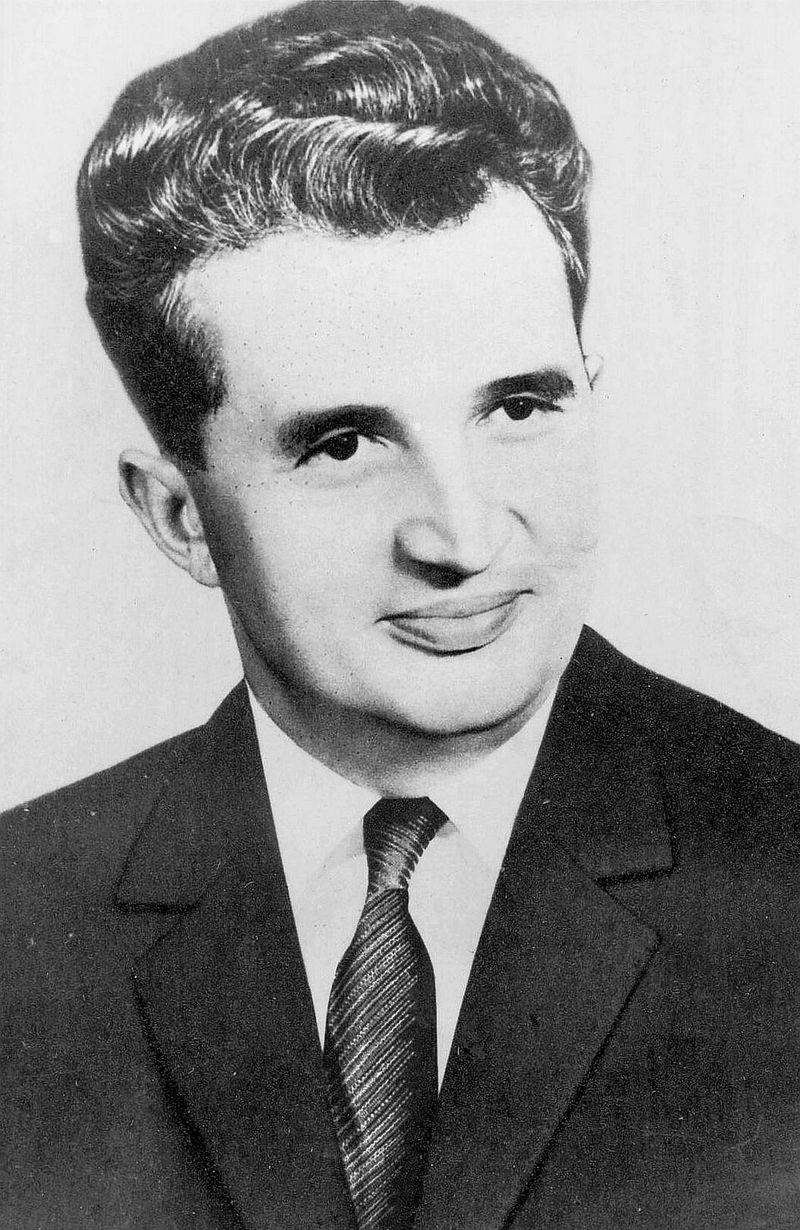
Romania’s communist dictator Nicolae Ceausescu had ruled the country since 1965, building one of Eastern Europe’s most repressive regimes. His secret police, the Securitate, monitored citizens constantly, and dissent was met with imprisonment or worse.
By December 1989, protests had spread across Romania as the Iron Curtain crumbled throughout Eastern Europe.
Ceausescu and his wife Elena attempted to flee but were captured within days. After a brief military trial on Christmas Day, both were found guilty of genocide and economic crimes.
They were executed by firing squad just hours later, with the footage broadcast on Romanian television that same evening.
Romanians watching their televisions broke into tears and cheers simultaneously. For many, it felt almost unreal that the man who had controlled every aspect of their lives was finally gone.
The Christmas Day execution became one of the most dramatic moments of the entire 1989 revolution across Eastern Europe.
6. Maximilien Robespierre (1794) – French Revolution
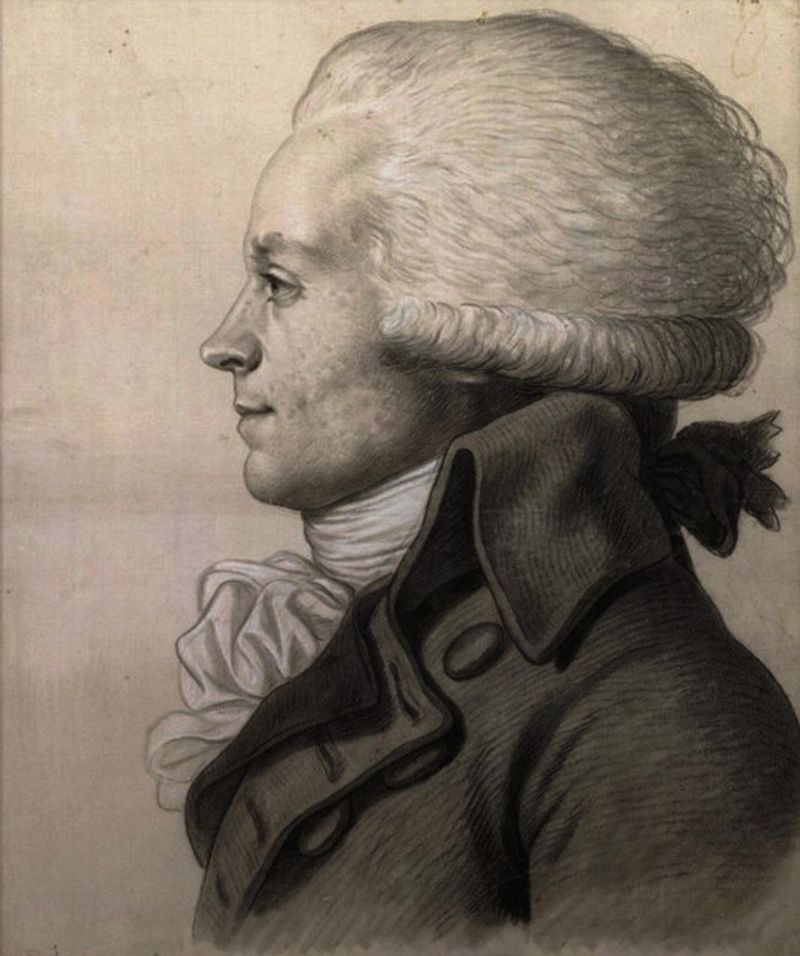
Known as “The Incorruptible,” Maximilien Robespierre was one of the most powerful figures of the French Revolution. He championed the ideals of liberty and equality but became the driving force behind the Reign of Terror, a period when thousands of people were sent to the guillotine, often on little more than suspicion.
By mid-1794, even his closest allies feared becoming his next target. On July 27, 1794, members of the National Convention turned against him in a sudden political coup.
Robespierre was arrested, and the following day he was guillotined at the Place de la Revolution in Paris.
The crowd that gathered reportedly cheered loudly as the blade fell. Women who had lost family members to his tribunals were said to have celebrated openly in the streets.
His death marked the end of the Reign of Terror, and Paris began slowly returning to a less fearful way of life.
7. Joseph Stalin (1953) – Soviet Union
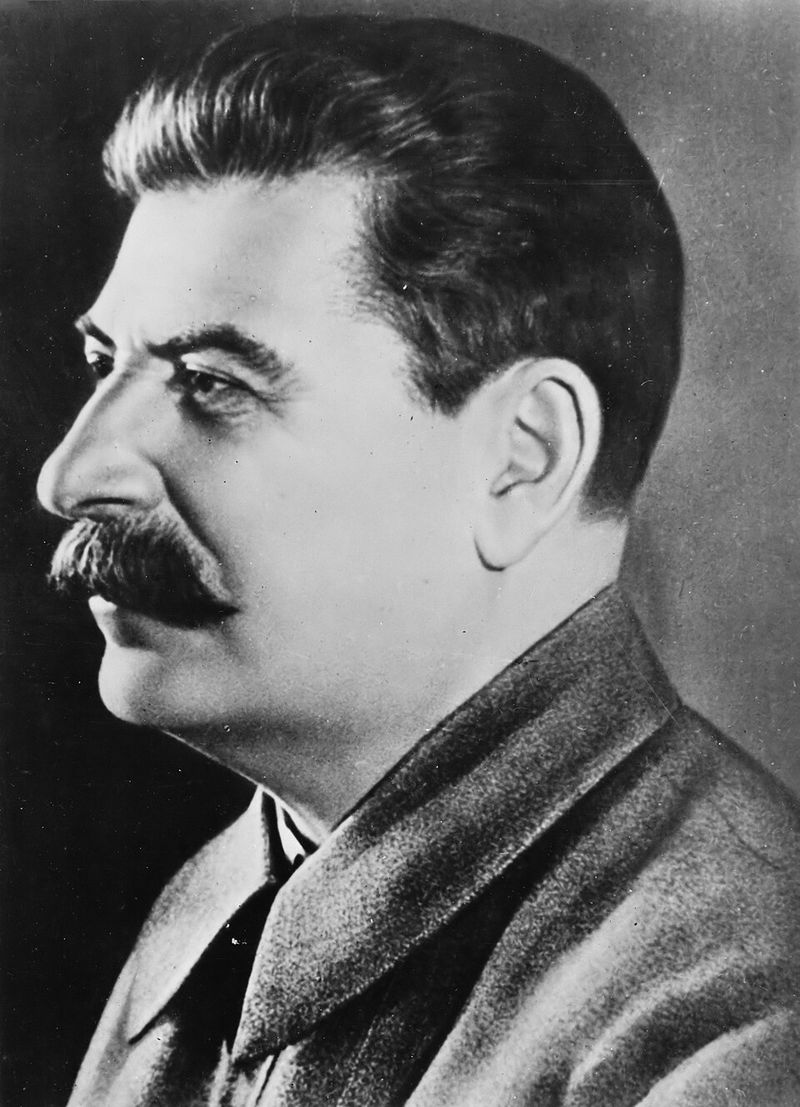
Joseph Stalin’s death on March 5, 1953, came after nearly three decades of absolute rule over the Soviet Union. Officially, the Soviet state organized massive public mourning, with millions attending ceremonies and state media broadcasting somber tributes.
But behind closed doors, a very different reaction was unfolding.
Stalin’s regime had been responsible for the deaths of millions through forced labor camps, political purges, and engineered famines. Survivors in the Gulag prison system, persecuted ethnic minorities, and families of executed citizens quietly celebrated the news.
In countries occupied or dominated by the Soviet Union, many people privately rejoiced.
Even some senior Soviet officials reportedly felt relief rather than grief. Nikita Khrushchev later admitted in his famous 1956 speech that Stalin had committed serious crimes against the Soviet people.
The contrast between public mourning and private celebration revealed just how deep the fear of Stalin had run throughout Soviet society.
8. Saddam Hussein (2006) – Iraq
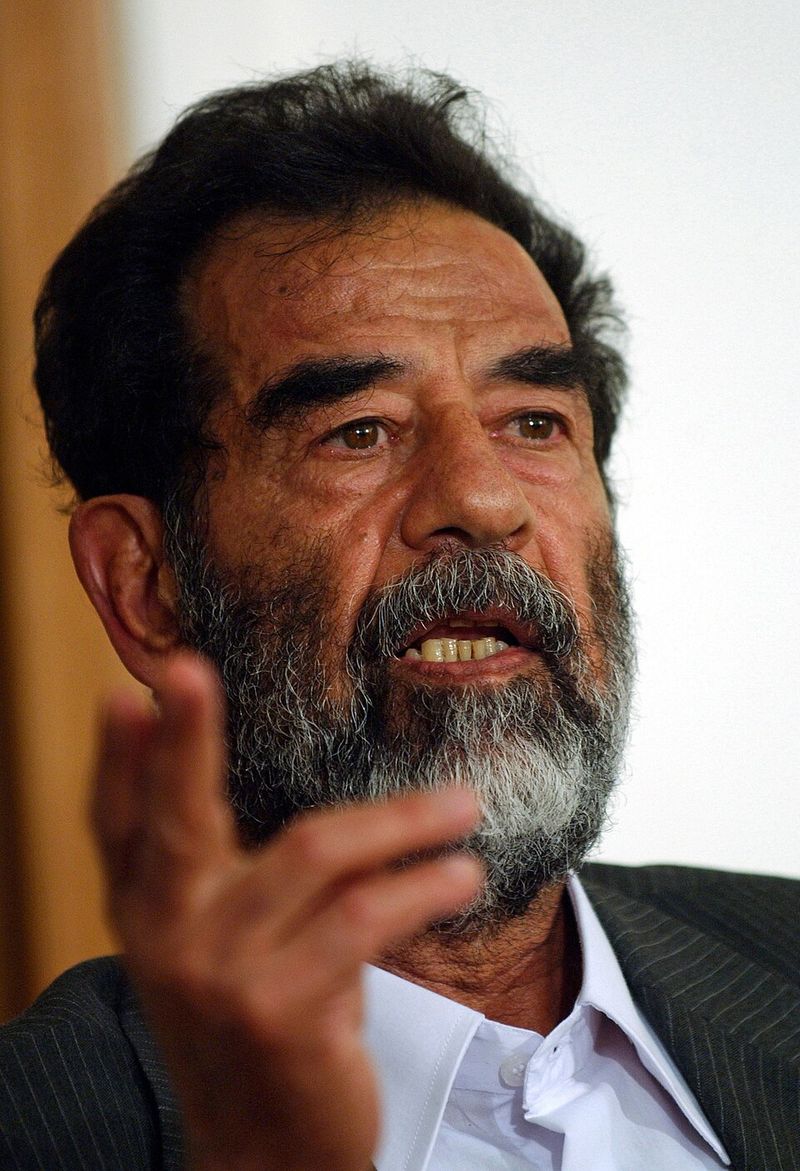
Saddam Hussein ruled Iraq from 1979 until his overthrow in 2003, maintaining power through a combination of brutal repression, chemical weapons attacks, and mass executions. His regime was responsible for the deaths of hundreds of thousands of Iraqis, including the Anfal genocide against Kurdish communities in northern Iraq.
After his capture by U.S. forces in December 2003, Saddam stood trial for crimes against humanity. He was found guilty and sentenced to death by hanging.
The execution took place on December 30, 2006, and video footage of his final moments was leaked and spread widely across the internet.
In Shia and Kurdish communities across Iraq, celebrations erupted almost immediately. Families who had lost relatives to Saddam’s death squads gathered in public squares, chanting and dancing.
For these communities, his execution represented justice long overdue. The reaction highlighted the deep divisions within Iraq that his rule had both created and exploited for decades.
9. Ivan the Terrible (1584) – Tsardom of Russia
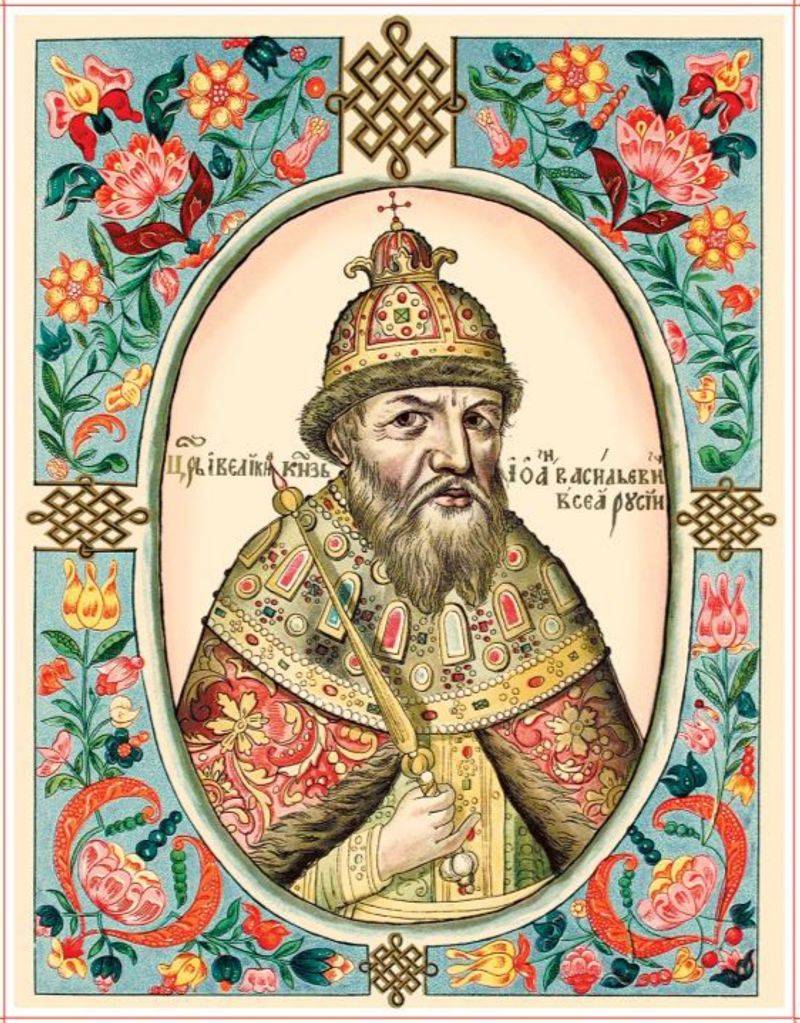
Russia’s first official tsar earned his nickname honestly. Ivan IV, better known as Ivan the Terrible, ruled from 1547 and became increasingly violent and paranoid as his reign progressed.
He created the Oprichnina, a secret police force that terrorized Russian nobles and commoners alike, conducting mass executions and destroying entire towns.
He famously killed his own son in a fit of rage, an act that haunted him until his death. When Ivan died in March 1584, likely from a stroke, many Russian nobles and boyars who had lived in constant fear of his wrath reportedly celebrated privately.
Open celebration was dangerous, but relief spread quickly among the aristocracy.
Historians note that Ivan’s death allowed a period of political restructuring, though Russia soon entered a turbulent era known as the Time of Troubles. His legacy remains complex, remembered as both a nation-builder and one of Russia’s most feared and violent rulers.
10. Caligula (41 CE) – Roman Empire
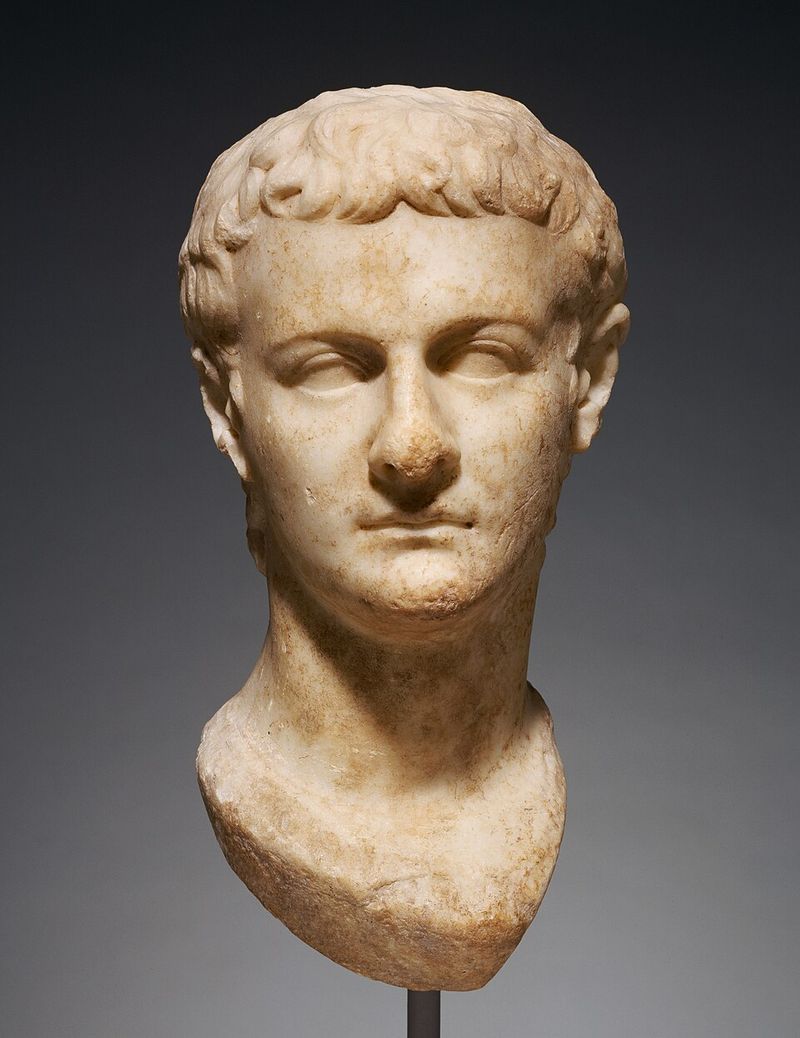
Roman Emperor Caligula began his reign in 37 CE with genuine public enthusiasm. After the grim years under Tiberius, Romans hoped for a fresh start.
That optimism faded quickly. Within a year, Caligula’s behavior became erratic, cruel, and deeply disturbing.
He humiliated senators, executed people on a whim, and reportedly declared himself a living god.
His assassination on January 24, 41 CE, carried out by members of his own Praetorian Guard, was met with relief throughout Rome. The Senate quickly convened and seriously debated abolishing the position of emperor altogether and restoring the old Roman Republic.
Citizens who had suffered under his unpredictable rule were openly glad. Ancient historians like Suetonius and Cassius Dio recorded that Romans celebrated his death with little pretense of grief.
His four-year reign had been so chaotic and terrifying that even his own guards could no longer tolerate him.
11. Commodus (192 CE) – Roman Empire
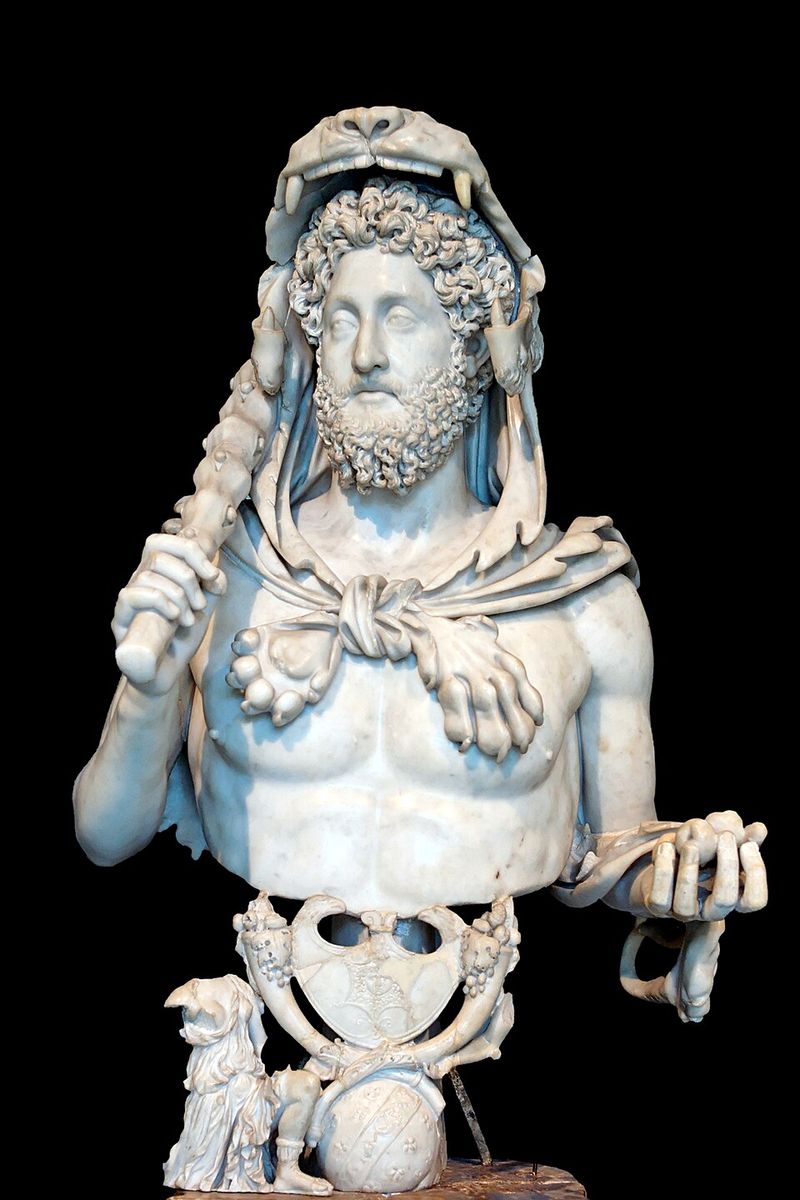
Emperor Commodus had one of the strangest reigns in Roman history. He neglected government duties, renamed Rome after himself, and insisted on fighting as a gladiator in the arena, which Romans considered deeply undignified for an emperor.
His erratic behavior and cruelty made him widely despised among the Senate and the Roman elite.
On December 31, 192 CE, a conspiracy involving his own household finally succeeded. He was first poisoned, and when that did not work quickly enough, a wrestler named Narcissus strangled him in his bath.
The conspirators included his mistress and close advisors who feared becoming his next victims.
The Senate reportedly erupted in celebration when news spread, shouting insults at his memory and demanding that his statues be torn down. His body was dragged through the streets before burial.
Romans wasted little time declaring his reign a dark period best forgotten, and they set about restoring the city’s dignity immediately.
12. Nero (68 CE) – Roman Empire
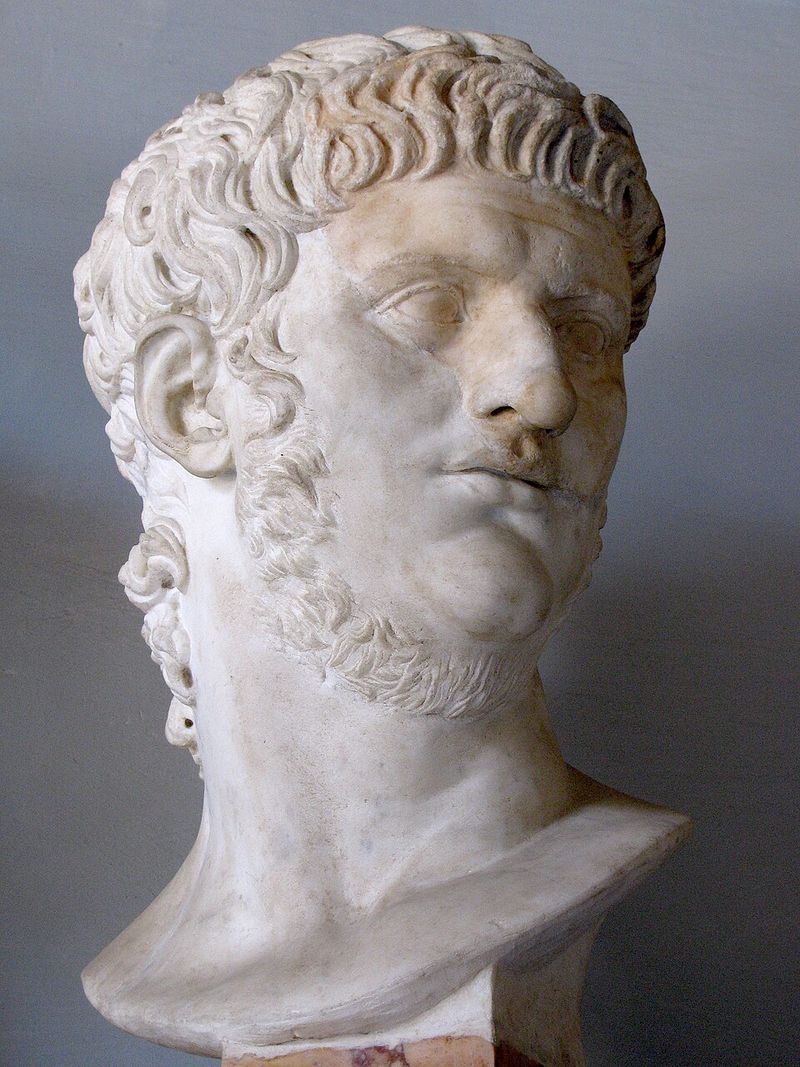
Emperor Nero’s reign began with promise but deteriorated into one of ancient Rome’s most notorious periods. He was blamed for the Great Fire of Rome in 64 CE, persecuted early Christians, and had his own mother killed.
His vanity and cruelty alienated generals, senators, and the Roman people alike.
By 68 CE, military revolts had broken out across the empire. Facing certain death, Nero fled Rome and eventually took his own life on June 9, 68 CE, reportedly saying, “What an artist dies in me.” Even in his final moments, his self-obsession remained remarkable.
Ancient sources record that many Romans celebrated openly when word of his death spread. People ran through the streets wearing freedom caps, a symbol typically worn by freed slaves.
The Senate officially declared him a public enemy. His death ended the Julio-Claudian dynasty and opened a chaotic year known as the Year of the Four Emperors.
13. Francisco Franco (1975) – Spain
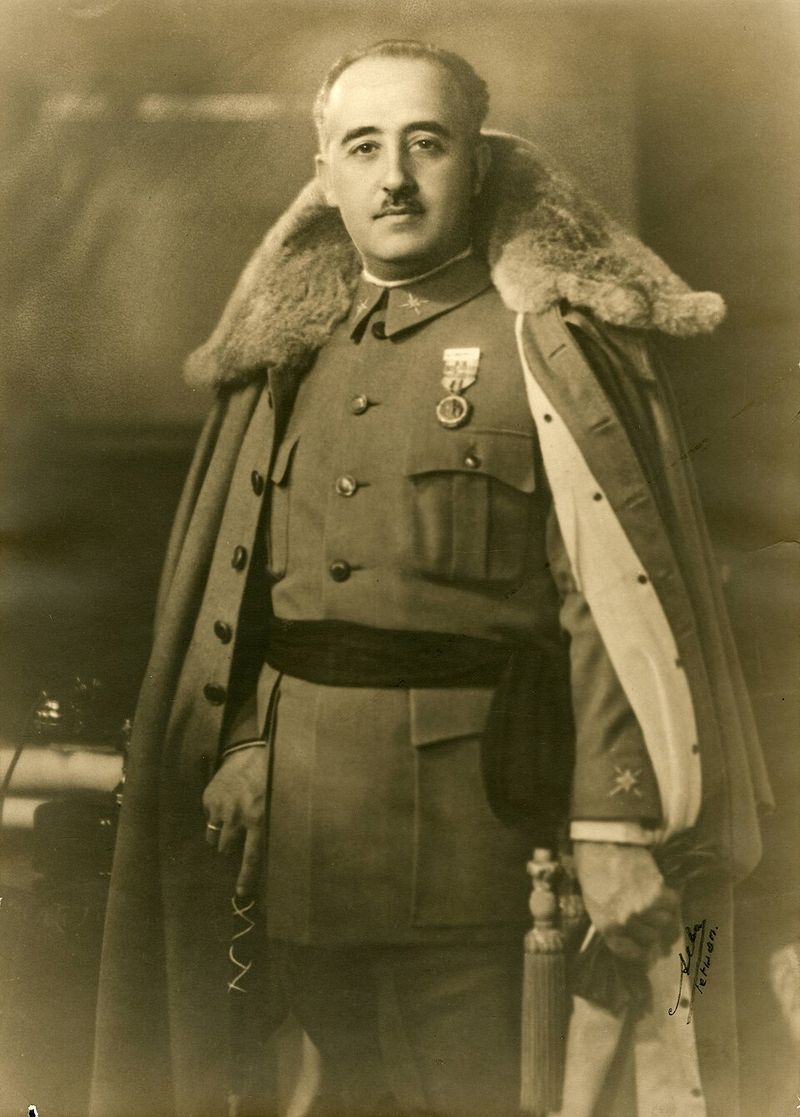
Francisco Franco ruled Spain from 1939 until his death in 1975, making his one of Europe’s longest dictatorships of the 20th century. His regime followed the Spanish Civil War and was built on the suppression of regional languages, political opposition, and civil liberties.
Thousands of Republicans and political prisoners were executed or imprisoned during his rule.
When Franco died on November 20, 1975, after a prolonged illness, public mourning was organized by the state. However, in regions like Catalonia and the Basque Country, where Franco had brutally suppressed local culture and language, many people celebrated privately and quietly, fearing reprisals even after his death.
In bars and homes across Spain, champagne was reportedly opened in secret. As Spain transitioned to democracy in the years that followed, those private celebrations became part of the national conversation.
Franco’s death opened the door to the Spanish Transition, a peaceful move toward democratic government that transformed the country.
14. Idi Amin (2003) – Uganda
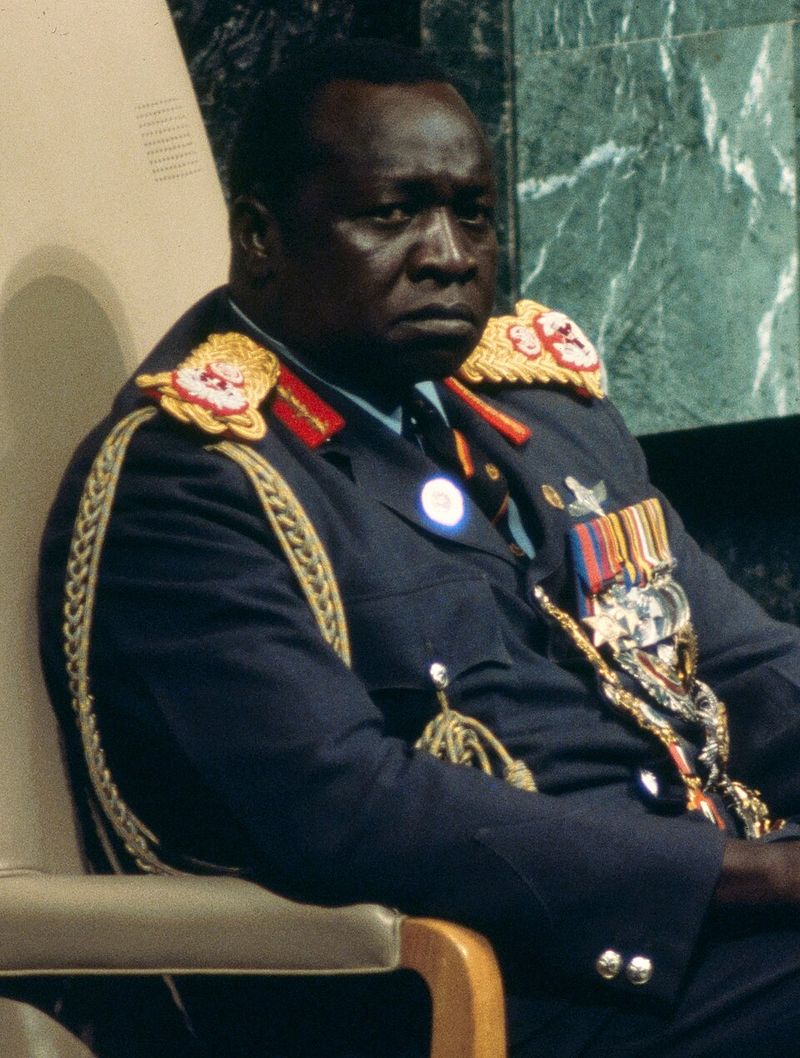
Idi Amin seized power in Uganda in 1971 and ruled until 1979, presiding over one of Africa’s most brutal regimes. His government was responsible for the deaths of an estimated 100,000 to 500,000 Ugandans through executions, torture, and ethnic persecution.
He expelled Uganda’s entire Asian community in 1972, devastating the country’s economy overnight.
After being overthrown, Amin lived comfortably in exile in Saudi Arabia for over two decades, never facing trial for his crimes. When he died on August 16, 2003, from kidney failure, many Ugandans who had survived his regime expressed open relief and celebration despite the fact that he had escaped justice entirely.
For survivors and families of victims, his death at least meant he could never return to power. Ugandan human rights groups noted the bittersweet nature of the reaction.
People were glad he was gone but frustrated that accountability had never truly come for the enormous suffering he caused.
15. Reinhard Heydrich (1942) – Nazi Germany
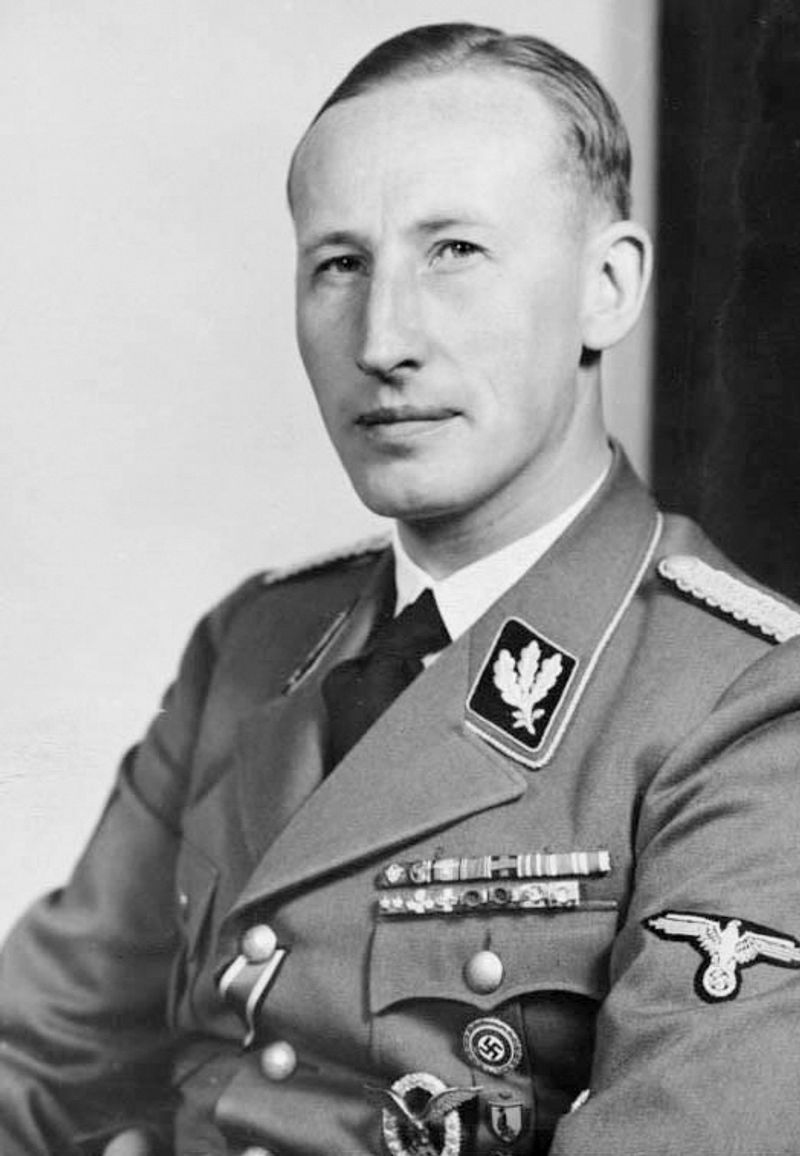
Reinhard Heydrich was one of the most feared men in Nazi Germany. Known as “The Butcher of Prague” and “The Hangman,” he served as Reich Protector of Bohemia and Moravia and was one of the chief architects of the Holocaust.
Many historians consider him among the most dangerous figures in the entire Nazi hierarchy.
In May 1942, two Czech and Slovak paratroopers trained by British Special Operations Executive ambushed Heydrich’s car in Prague. He died from his wounds on June 4, 1942.
The assassination, codenamed Operation Anthropoid, was the only successful killing of a senior Nazi leader during the entire war.
Allied governments and resistance movements across occupied Europe celebrated the news. The BBC broadcast tributes to the assassins, and Czechoslovak exiles in London held public commemorations.
Though the Nazis retaliated brutally by destroying the village of Lidice, Heydrich’s death was widely seen as a significant moral victory against Nazi oppression.
Share this story