Some places on Earth are not connected to the rest of the world by roads or highways. Getting there means lacing up your boots, boarding a ferry, or planning weeks in advance just to secure a spot on a ship.
These 13 communities are real, inhabited places where daily life depends on boats, trails, and a level of self-reliance most of us rarely think about. Whether you are drawn to dramatic landscapes, ancient cultures, or the idea of stepping somewhere truly off the grid, this list covers destinations that will make you rethink what it means to be connected.
Each one has its own story, its own rhythm, and its own very good reason to earn a spot on your travel radar.
Supai, Arizona, United States
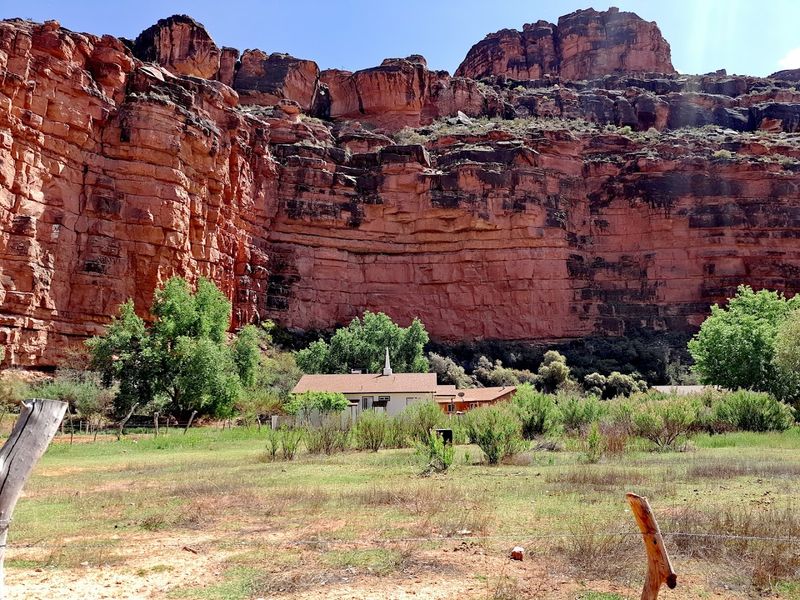
Deep inside the Grand Canyon, roughly eight miles below the canyon rim, Supai has been home to the Havasupai people for more than 1,000 years. There are no highways descending into this village.
Every person, package, and piece of mail arrives on foot, horseback, or by helicopter.
The journey typically starts at Hualapai Hilltop, where hikers follow the canyon trail through layered red rock formations before reaching the village. Beyond Supai, the trail continues toward the famous blue-green waterfalls of Havasu Creek, which draw visitors from around the world each year.
Because Supai sits on sovereign Havasupai tribal land, you cannot simply show up and start exploring. Advance reservations are required for the campground or the Havasupai Lodge, and availability fills quickly.
The tribe manages tourism directly through its official system, which also covers pack-animal transport and current visitor rules. Planning ahead is not optional here.
Stehekin, Washington, United States
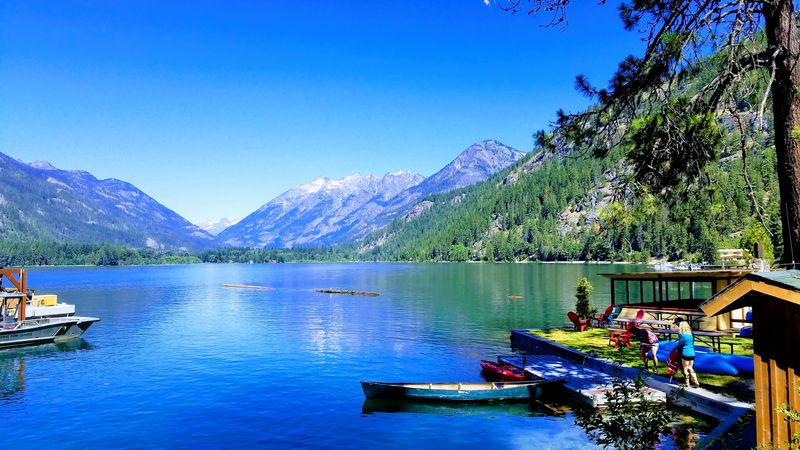
No road from the outside world reaches Stehekin. Tucked near the northern end of Lake Chelan in Washington State, this small community is accessible only by passenger ferry, floatplane, private boat, horseback, or a serious backcountry hike.
For most visitors, the regular passenger ferry from Chelan is the most practical option.
Arriving by ferry gives you a gradual sense of just how far removed Stehekin really is. The lake stretches for miles before the landing comes into view, framed by the mountains of the North Cascades.
Once you step off the boat, the pace of life changes noticeably.
The landing area offers lodging, a visitor center, and access to Stehekin Valley Road, which runs through Lake Chelan National Recreation Area. Hiking trails connect with the broader North Cascades wilderness, including routes linked to the Pacific Crest Trail.
First-time visitors almost universally arrive by ferry, and that crossing alone is worth the trip.
Smith Island, Maryland, United States
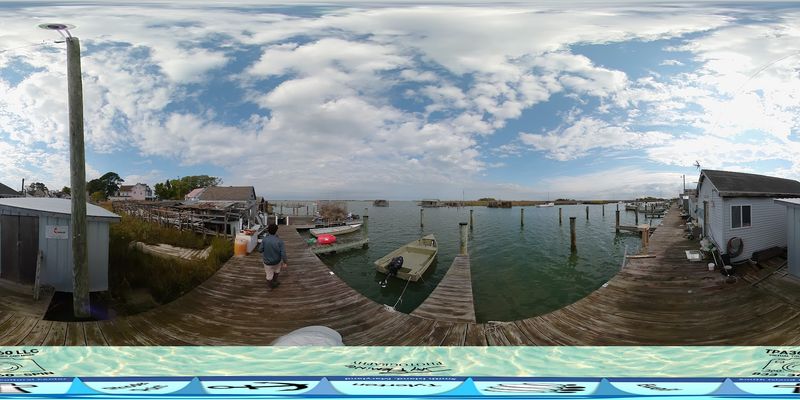
Smith Island sits about 12 miles from Crisfield in the Chesapeake Bay, and there is no bridge connecting it to the Maryland mainland. State tourism officials recognize it as Maryland’s only inhabited offshore island.
Passenger ferries and private boats are the only way in or out.
The island is actually a cluster of three villages: Ewell, Tylerton, and Rhodes Point. Around 200 year-round residents live across these communities, and working crab boats remain a common sight along the narrow waterways.
Traditional Chesapeake culture runs deep here, shaped by generations of watermen and their families.
Day trips are possible, but overnight stays give you a more complete picture of island life. Ferry schedules vary by destination and season, so checking timetables before planning is essential.
Smith Island is also the birthplace of Smith Island Cake, Maryland’s official state dessert, a multi-layer confection served at island restaurants and bakeries that is genuinely worth saving room for.
Monhegan Island, Maine, United States
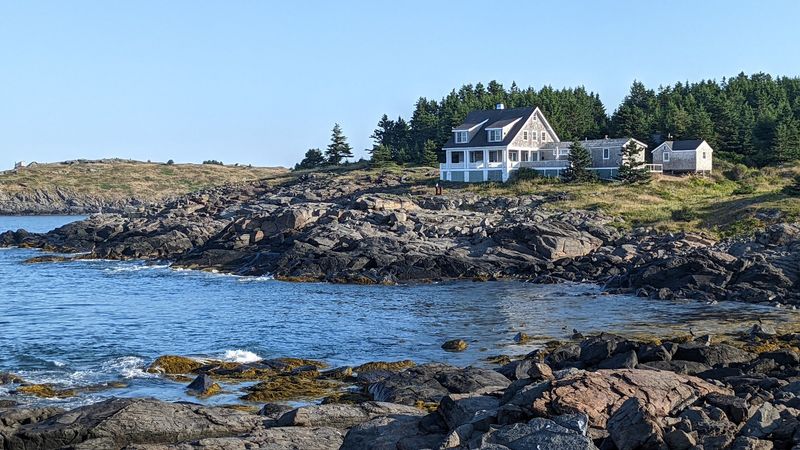
About 10 miles off the Maine coast, Monhegan Island has no road connection and no car ferry. Passenger services run from Port Clyde, New Harbor, and Boothbay Harbor, with the Monhegan Boat Line maintaining a year-round schedule from Port Clyde.
Visitor vehicles simply do not make the crossing.
Exploring Monhegan means walking. Paths wind through the compact village and continue toward rocky headlands, forested interior trails, and dramatic Atlantic viewpoints that have attracted artists for well over a century.
The island’s active artists’ colony remains one of its most distinctive features, and studios are scattered throughout the community.
Fishing has supported Monhegan for generations, and that working identity coexists with its reputation as a creative retreat. Many visitor services, including some lodging and shops, operate seasonally rather than year-round.
Reservations for both ferry passage and accommodation fill up fast during peak summer months. Arriving without a plan, especially on a busy weekend, is a risk that rarely pays off.
Isle au Haut, Maine, United States
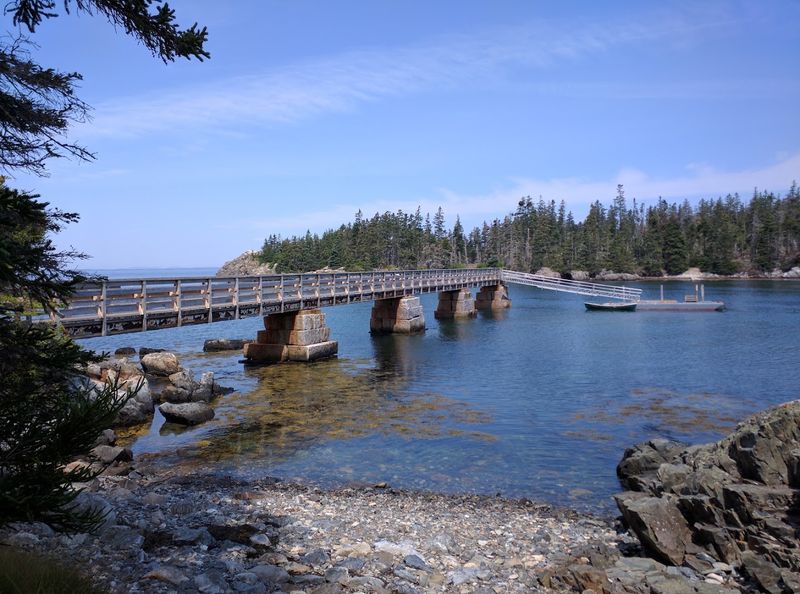
Six miles from the mainland in Penobscot Bay, Isle au Haut has no bridge and no car ferry. A passenger-only mailboat runs between Stonington and the Isle au Haut Town Landing throughout the year, carrying people, mail, freight, and supplies in the same run.
That single vessel is the island’s primary lifeline.
The community is small but real. A year-round fishing population keeps the waterfront active, and the working culture of the island is immediately apparent.
Roughly half of Isle au Haut falls under the management of Acadia National Park, with seasonal boat service extending to Duck Harbor near the park campground and trail network.
Visitor services in the village are genuinely limited, so planning is critical. Food, return transportation, and timing all need to be sorted before you board.
The mailboat is not running a sightseeing route. It keeps residents connected to schools, medical care, and deliveries, which gives every crossing a quiet sense of purpose that ordinary tourist ferries rarely carry.
Cuttyhunk Island, Massachusetts, United States
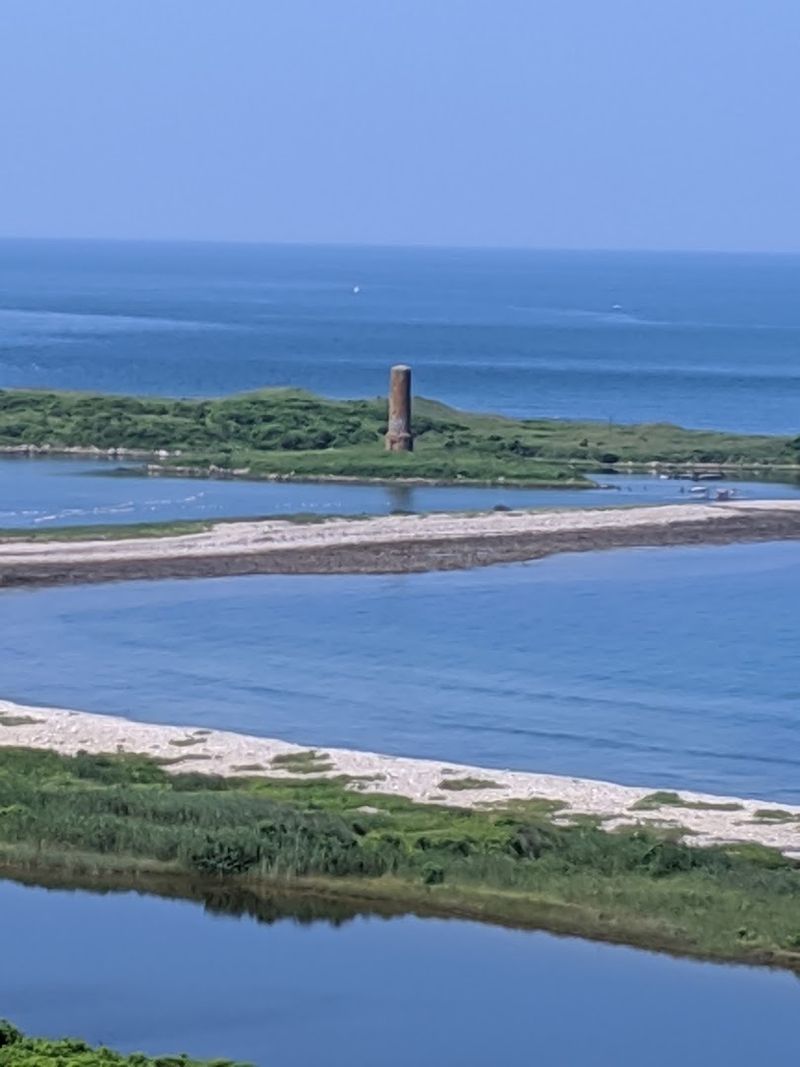
Cuttyhunk is the outermost island in Massachusetts’ Elizabeth Islands chain, and the only way to reach it is by boat. The Cuttyhunk Ferry Company runs passenger service from New Bedford, including year-round sailings that maintain the island’s connection with the mainland through all seasons.
There are no rental cars waiting at the dock and no chain hotels lining the waterfront. Visitors get around by walking, bicycle, or golf cart, which keeps the pace of the island distinctly unhurried.
Roads and paths connect the harbor with beaches, scenic overlooks, and the small historic village at the center of the island.
Cuttyhunk functions as a working harbor community, but its restaurants, shops, and lodging options are limited and many operate seasonally. Anyone planning more than a quick day visit should reserve accommodation well in advance and confirm ferry schedules before arriving, especially outside the main summer season or when Atlantic weather is moving through the area.
Hog Hammock, Sapelo Island, Georgia, United States
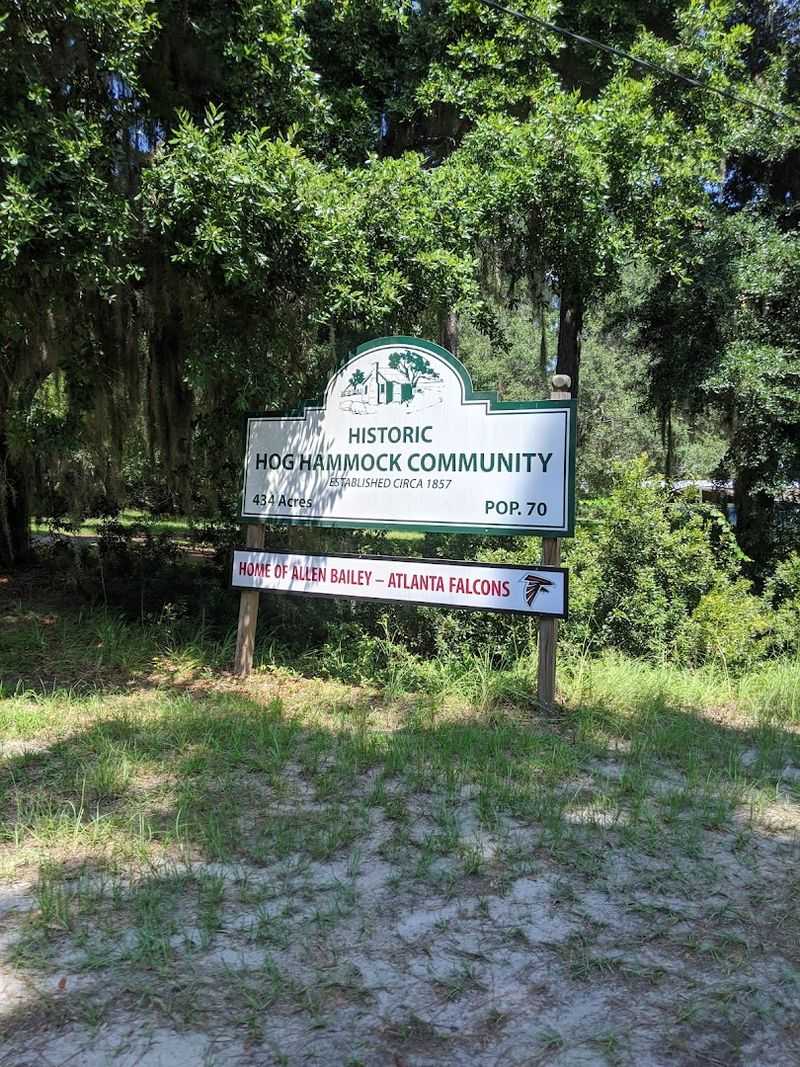
Hog Hammock is one of the last remaining Gullah Geechee communities in the United States, and it sits on Sapelo Island off the Georgia coast with no bridge connecting it to the mainland. Access comes through a state-operated passenger ferry or approved private boat transportation, and getting there takes coordination.
Visiting is more structured than arriving at a typical coastal destination. Travelers must arrange their visit in advance through a public tour, an authorized organization, a lodging operator, or a Hog Hammock community host.
Public tours cover both cultural and ecological aspects of Sapelo, touching on the island’s long history and its natural landscape.
What makes Hog Hammock significant is that it is a living community, not a recreated attraction. Residents maintain traditions tied to generations of Gullah Geechee culture along Georgia’s coast.
The community’s continued presence on Sapelo Island represents something that cannot be reproduced at a museum or heritage site, and that reality shapes every visit.
Girolata, Corsica, France
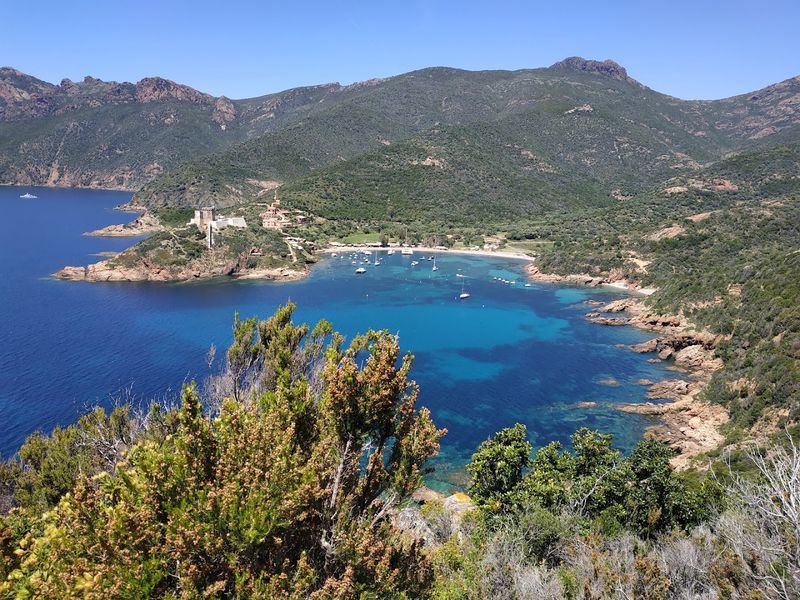
No road has ever been built into Girolata. This small village occupies a sheltered bay along Corsica’s western coast, positioned near the protected Scandola Nature Reserve.
Most visitors arrive aboard sightseeing boats departing from Porto or Calvi, while hikers can reach the village by trail from Col de la Croix.
The round-trip walk generally takes about four hours through the Corsican maquis, a dense landscape of shrubs, wildflowers, and coastal scrub that covers much of the island’s interior. Arriving by sea gives you a different perspective, with the harbor, hillside buildings, restaurants, and a Genoese fort gradually coming into view as the boat enters the bay.
Girolata becomes noticeably busier during summer boat-tour season, but its permanent road-free status prevents the kind of development that has overtaken many Mediterranean coastal villages. Supplies and daily necessities still depend heavily on boat deliveries, especially when weather or rough seas make the hiking route impractical for residents and workers.
San Fruttuoso, Liguria, Italy
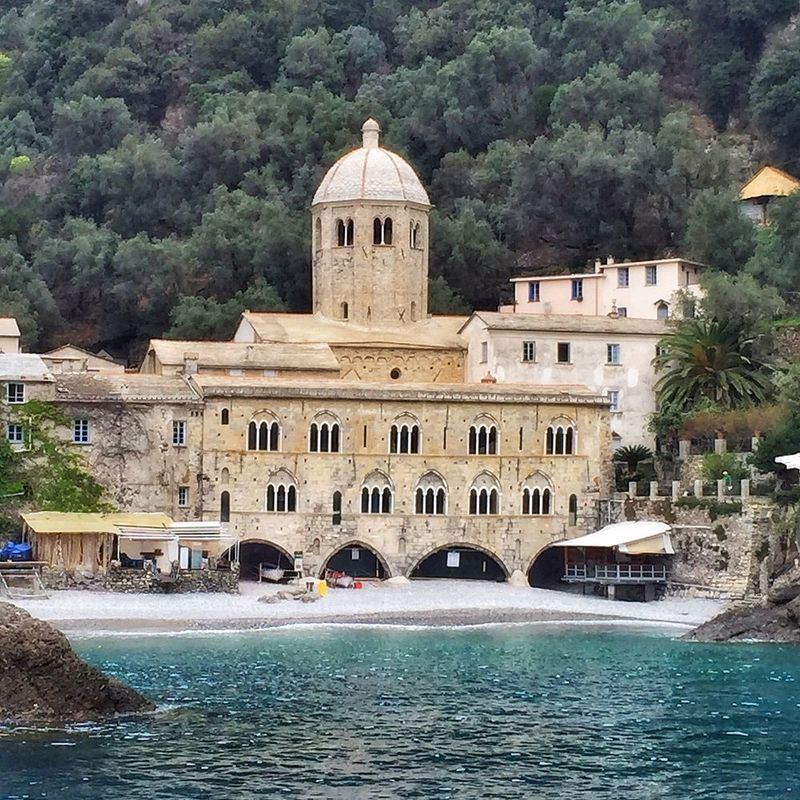
San Fruttuoso is tucked into a protected bay between Camogli and Portofino along the Ligurian coast, and there is no road leading into it. Reaching this tiny settlement means boarding a boat or hiking through Portofino Regional Park on one of several trail routes that descend to the water’s edge.
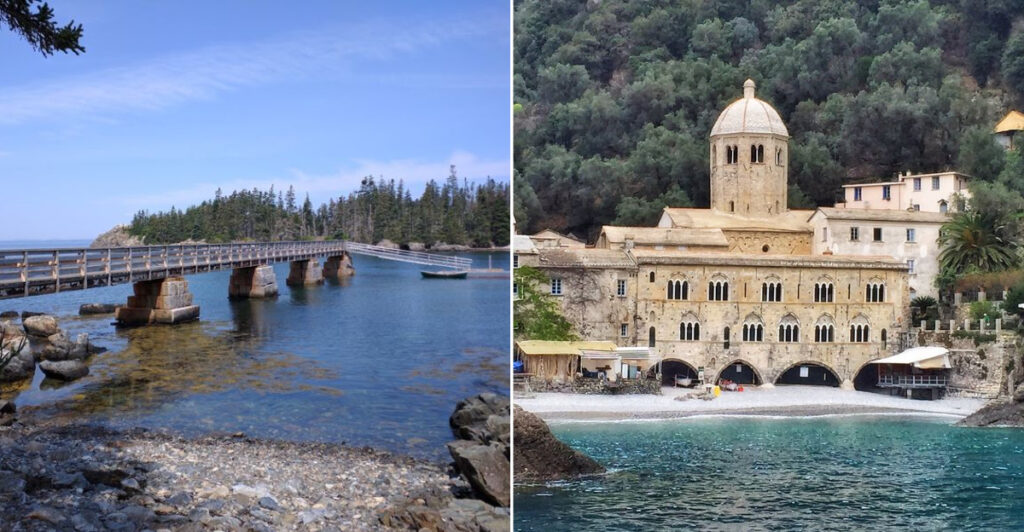
The centerpiece of San Fruttuoso is the historic Abbey of San Fruttuoso, which stands directly beside the sea and dates back to medieval times. Boats from Camogli operate throughout the year, while seasonal services connect from Portofino, Genoa, Rapallo, and other nearby towns.
Hiking options vary considerably in difficulty, with some routes involving steep sections and exposed ridgelines.
Around the bay, visitors find a small beach, a handful of restaurants, traditional fishermen’s buildings, and clear water above a submerged statue known as the Christ of the Abyss. The combination of accessible history and genuine natural isolation makes San Fruttuoso one of the Ligurian coast’s most memorable stopping points.
Civita di Bagnoregio, Lazio, Italy
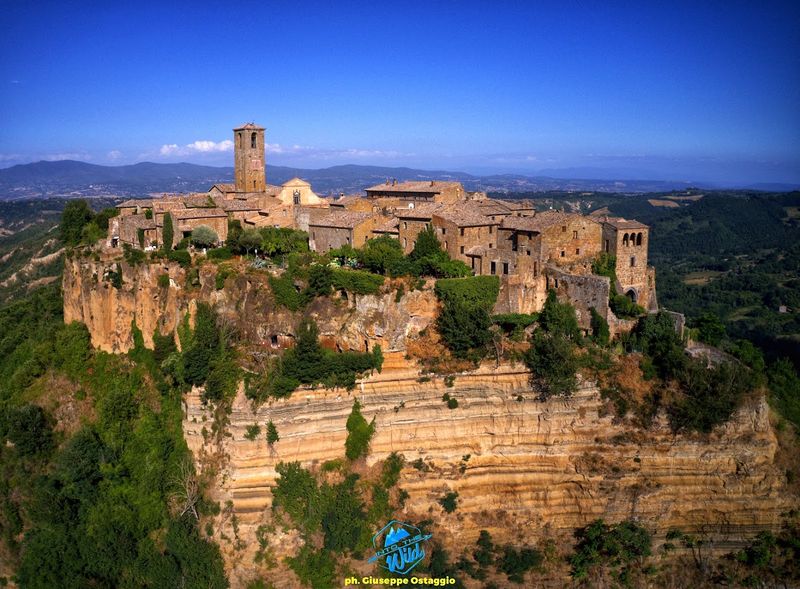
Civita di Bagnoregio balances on an eroding plateau above the volcanic badlands of northern Lazio, and no car can enter its historic center. The only public approach is a roughly 300-meter pedestrian bridge that spans the valley from the Bagnoregio side, making every arrival feel like crossing into a different century.
Visitors walk down toward the bridge before climbing its sloping span to reach Civita’s stone gateway. Inside the walls are medieval lanes, historic homes, small restaurants, modest accommodations, and the Church of San Donato.
An admission fee is charged at the entrance, with tickets available online or near the bridge approach.
The climb can feel demanding during hot summer afternoons, but the view from the plateau justifies the effort. From up here, the surrounding landscape of eroded clay hills and deep ravines stretches in every direction.
The unusual geography gives Civita the appearance of a village floating independently above everything around it, which is essentially what it is.
Inis Meain, County Galway, Ireland
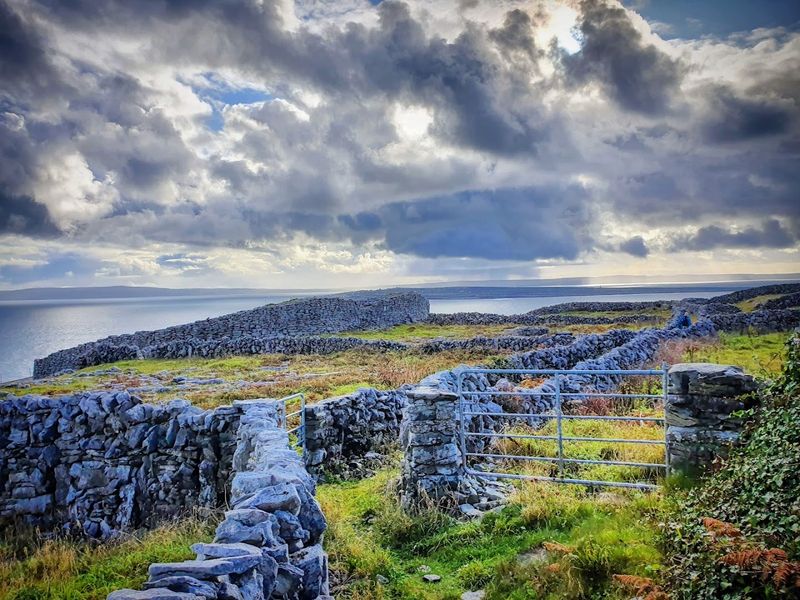
Inis Meain is the middle Aran Island, sitting in Galway Bay between its more visited neighbors, Inis Mor and Inis Oirr. Ferries connect the island with Ros a’ Mhil on the Galway coast, while small passenger flights operate from Connemara Airport.
Day-trip sailings from Doolin also run on selected dates during summer months.
Visitor cars cannot be brought over on the regular ferry, which keeps the island’s roads quiet and its landscape largely undisturbed. Walking and cycling are the most practical ways to get around, though local taxi services exist for those who need them.
The main village is roughly a 30 to 40-minute walk from the quay, depending on your pace.
Inis Meain rewards slow travel. Ancient stone forts, limestone pavements, traditional field walls, and sites connected with playwright J.M.
Synge are scattered across the island. A shop, accommodation options, and walking loops complete the picture.
Ferry and flight schedules remain subject to Atlantic weather conditions throughout the year.
Foula, Shetland, Scotland
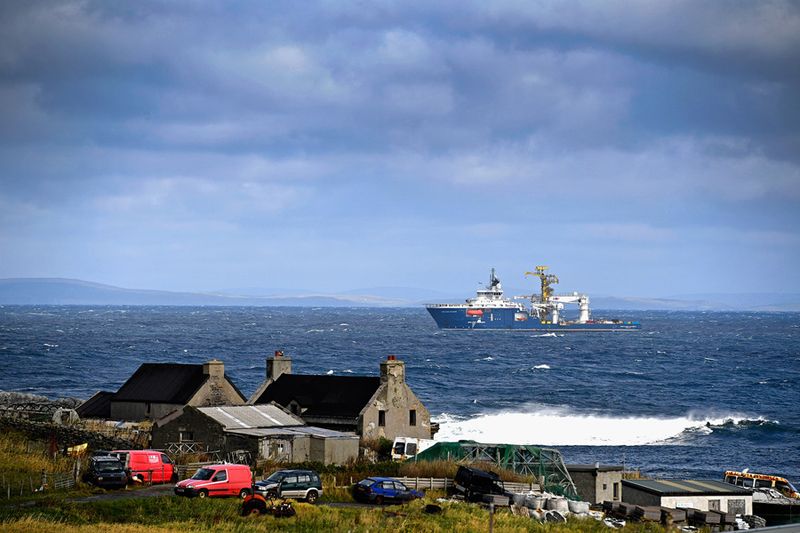
About 20 miles west of Shetland’s main island, Foula is home to approximately 35 permanent residents, making it one of the most sparsely populated inhabited islands in the British Isles. A passenger ferry normally sails from Walls three times a week, with the crossing taking more than two hours each way.
Small aircraft also operate from Tingwall Airport when conditions allow.
Weather governs almost everything about travel to and from Foula. Wind, visibility, and sea state regularly delay or cancel both ferry and flight services, so any itinerary built around a specific departure day needs to stay flexible.
Being stranded on the island for an extra day or two is a genuine possibility that visitors should prepare for mentally and practically.
Once there, exploration happens entirely on foot across moorland, past natural arches, and along some of the highest sea cliffs in the United Kingdom. Bird colonies are impressive.
Self-catering accommodation is available, but there is no general store, so bringing everything you need in advance is essential.
Edinburgh of the Seven Seas, Tristan da Cunha
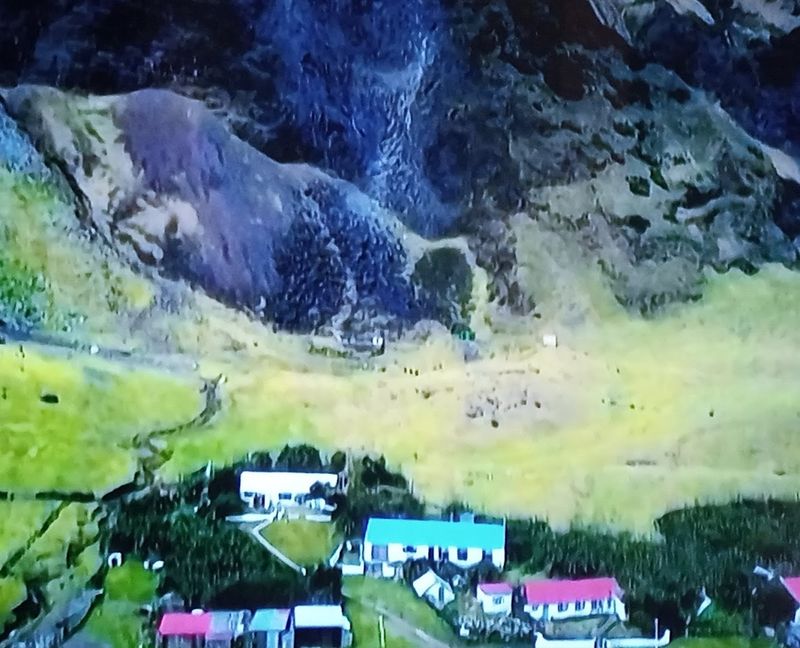
Edinburgh of the Seven Seas holds a claim that very few settlements on Earth can match: it is considered the most remote permanently inhabited community in the world. There is no airport on Tristan da Cunha.
Every scheduled passenger arrival begins with a ship voyage from Cape Town, roughly 1,750 miles across the South Atlantic Ocean.
Getting here involves considerably more than buying a ferry ticket. Independent travelers must obtain advance approval from the island administration, secure one of the limited berths on a supply or research vessel, arrange accommodation with local hosts, and accept that rough seas may physically prevent landing even after the voyage is complete.
The settlement itself has homes, community buildings, a school, a small tourism center, farming areas, and a working harbor. There are no conventional hotels, and package tourism does not exist in any traditional sense.
What Edinburgh of the Seven Seas offers instead is the genuine experience of a self-sufficient community living entirely on its own terms, far from everything else.
Share this story