History books are full of larger-than-life people who changed the world through war, art, science, and leadership. What those same books often leave out are the very human injuries and physical challenges these figures quietly carried.
Some lost limbs in battle, others lost their sight, and a few endured wounds that would stop most people in their tracks. What makes their stories even more remarkable is that they kept going anyway.
1. Horatio Nelson – Right Arm
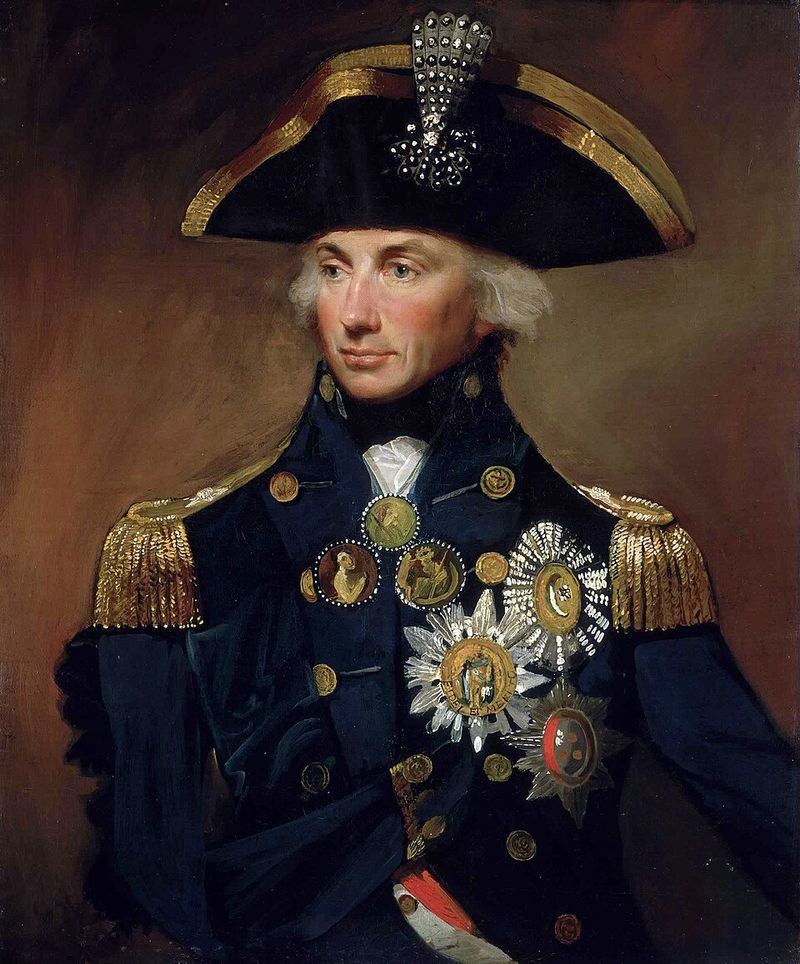
Ask almost anyone about Horatio Nelson and they will likely mention Trafalgar or the Battle of the Nile. Fewer people realize that Britain’s greatest naval hero spent the final years of his life with just one arm.
Nelson lost his right arm in 1797 during a failed assault on Santa Cruz de Tenerife, when a musket ball shattered the limb so badly it had to be amputated the same night.
What happened next is the kind of story that stays with you. Within 30 minutes of surgery, Nelson was reportedly back giving orders.
He adapted quickly, learning to write with his left hand and continuing to command fleets across the Mediterranean.
Nelson already had no sight in his right eye from an earlier injury. He died at the Battle of Trafalgar in 1805, having never let either loss slow him down in any meaningful way.
2. Antonio López de Santa Anna – Left Leg
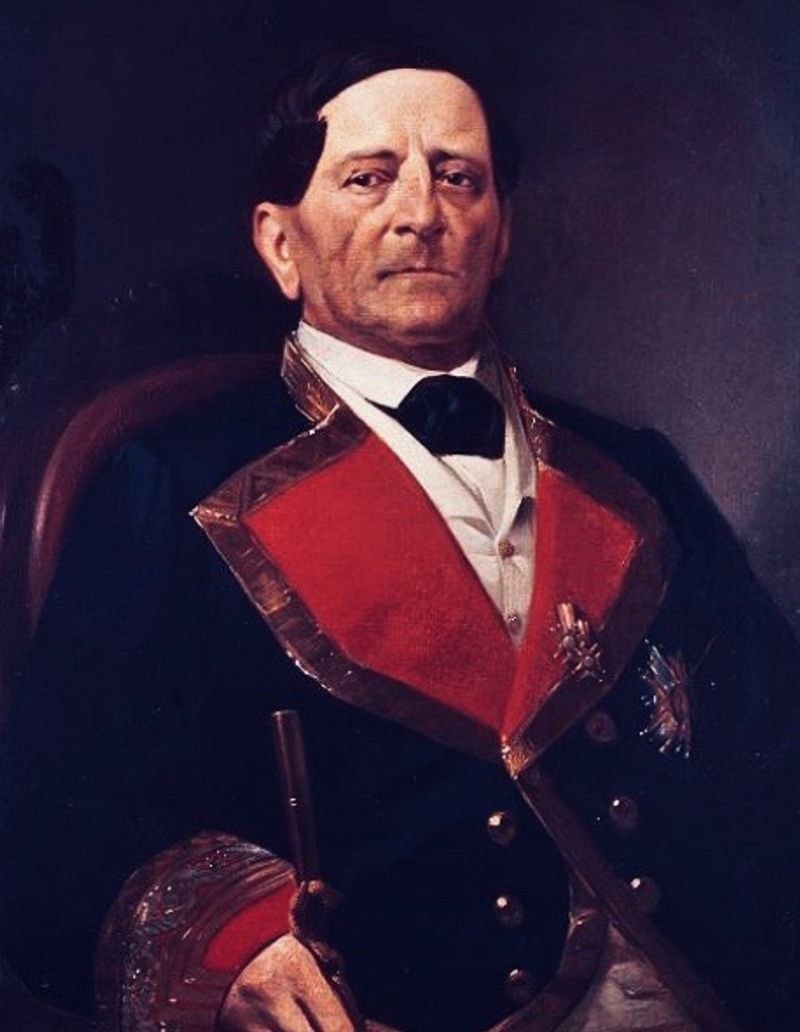
Santa Anna is mostly remembered in the United States for the Battle of the Alamo, but his story gets far stranger after that. During a French military attack on Veracruz in 1838, known as the Pastry War, a cannon blast tore into his left leg so severely that it had to be amputated below the knee.
Rather than quietly moving past this, Santa Anna leaned into it completely. He arranged a full state funeral for his amputated leg, complete with a procession and burial with military honors.
The leg was later dug up by an angry mob during a political revolt against him.
He wore a prosthetic leg for the rest of his life and continued to serve as Mexico’s president multiple times. The prosthetic was even captured by American soldiers during the Mexican-American War in 1847 and is still on display in Illinois today.
3. Götz von Berlichingen – Right Hand
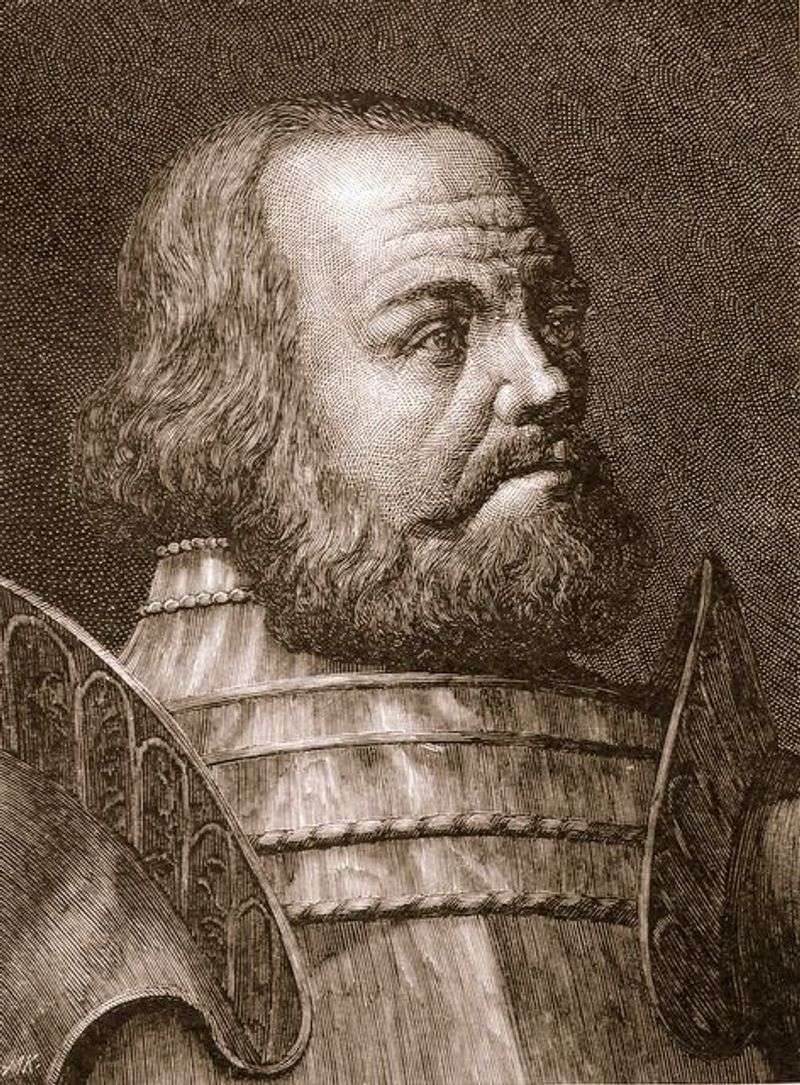
Götz von Berlichingen earned his nickname, the Iron Hand, the hard way. During the Siege of Landshut in 1504, a cannon blast knocked his own sword back into his right hand with such force that it had to be amputated.
He was around 24 years old at the time and had most of his career still ahead of him.
What sets his story apart is what came next. Götz commissioned a fully articulated iron prosthetic hand, engineered with springs and hinges that allowed his fingers to grip a sword or hold a pen.
It was a remarkable piece of craftsmanship for the early 1500s, and two versions of the hand still survive in museums today.
He continued fighting as a knight for decades after losing the limb. His life inspired a famous play by the German writer Goethe, cementing his legend well beyond his own lifetime.
4. Tamerlane (Timur) – Two Fingers on His Right Hand
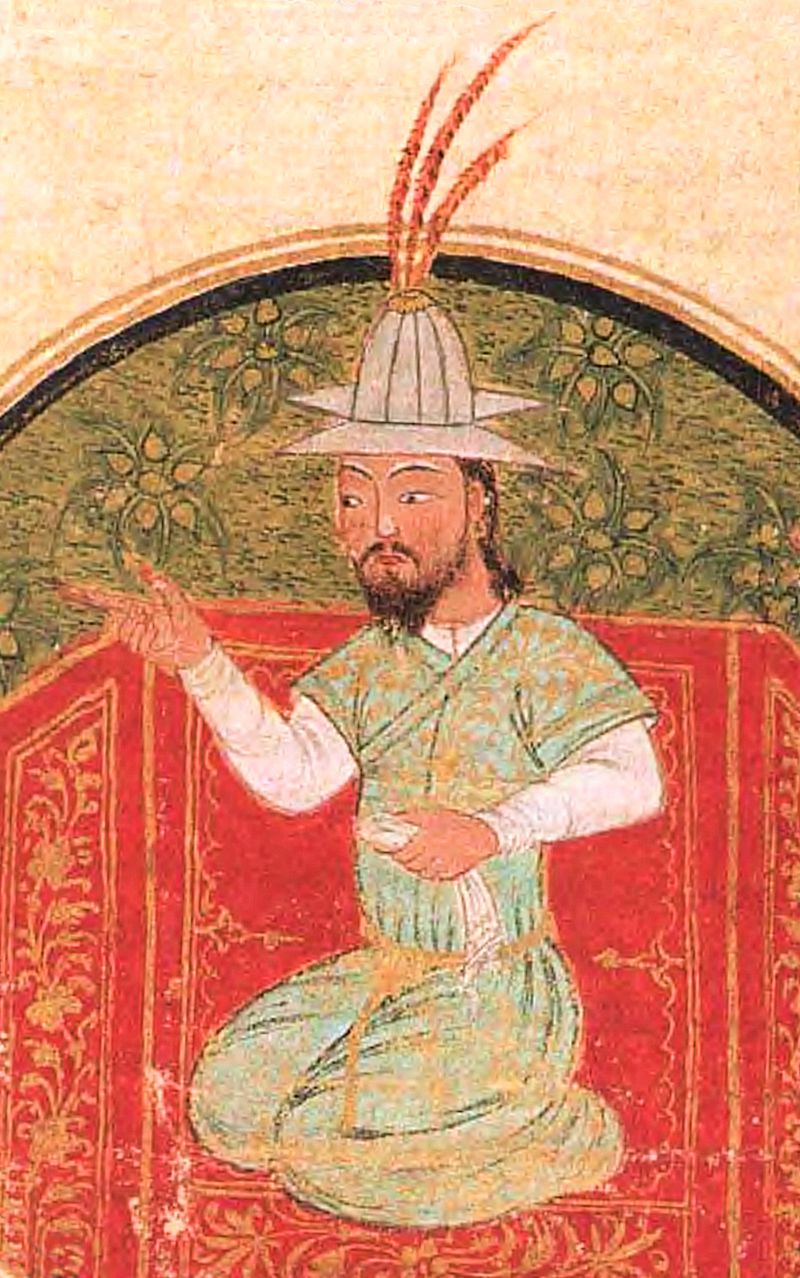
Tamerlane built one of the largest empires in history across Central Asia and the Middle East during the 14th and 15th centuries. What most people do not know is that he was also permanently disabled, earning the name Timur the Lame from injuries he received during a raid in his youth.
According to historical records and examination of his exhumed remains in 1941, Tamerlane had a lame right leg and was missing two fingers on his right hand, likely lost in battle during his early years as a raider. These injuries did not slow his military campaigns at all.
He went on to defeat the Ottoman Sultan Bayezid I and sack Delhi, among many other conquests. Soviet scientists who examined his skeleton confirmed the bone damage consistent with old wounds.
His physical limitations seem almost impossible to square with the scale of what he accomplished militarily.
5. François Le Clerc – One Leg
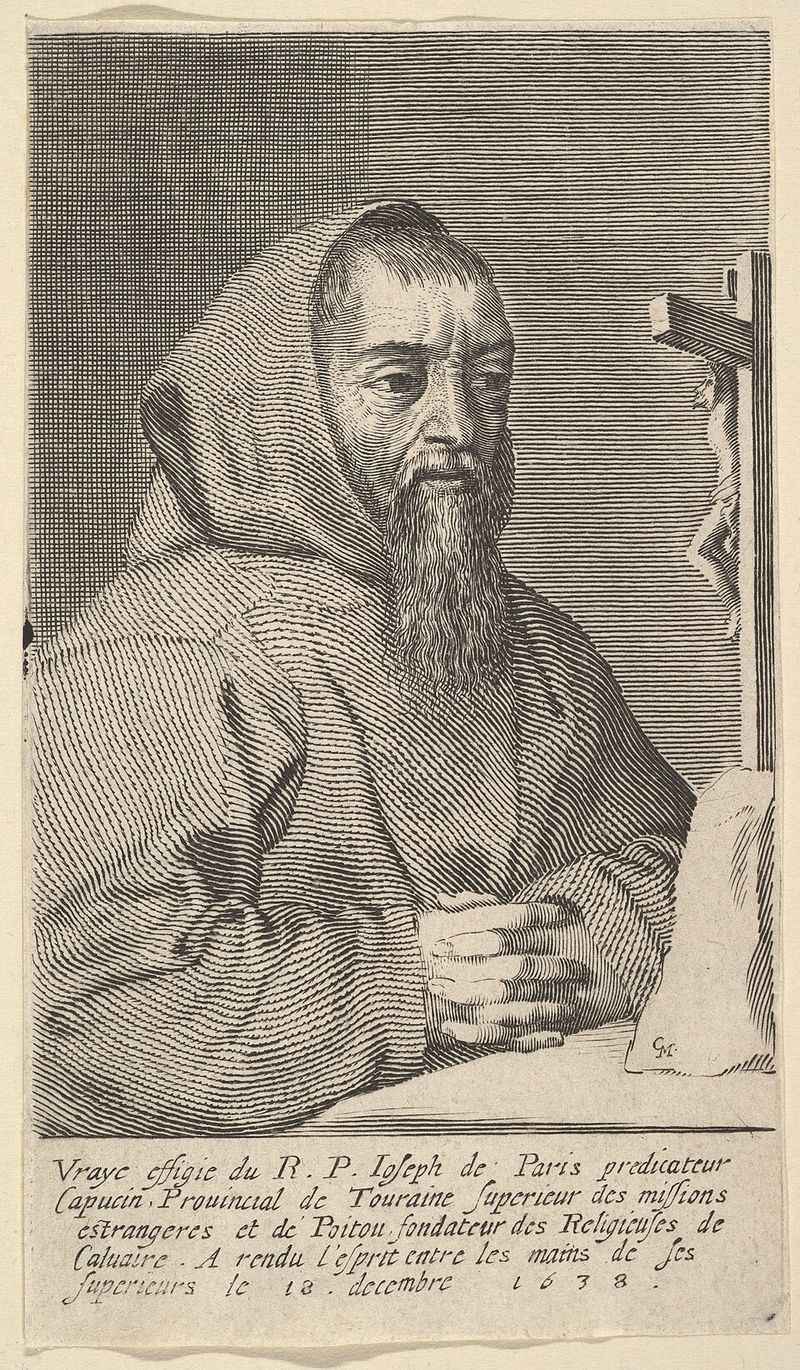
François Le Clerc was a French privateer operating in the Caribbean during the mid-1500s, and he holds the distinction of being one of the first well-documented pirates to use a peg leg. He lost his leg in battle, most likely during naval combat, and replaced it with a wooden prosthetic that earned him the nickname Jambe de Bois, which simply means Wooden Leg in French.
Far from retiring after his injury, Le Clerc went on to raid Spanish settlements across the Caribbean with considerable success. He attacked and plundered the town of Santiago de Cuba in 1554, one of the most significant pirate raids of the era.
His story likely contributed to the lasting cultural image of the peg-legged pirate that has persisted in fiction for centuries. Le Clerc proves that real history is often more colorful than anything invented for a story.
6. Miguel de Cervantes – Left Hand
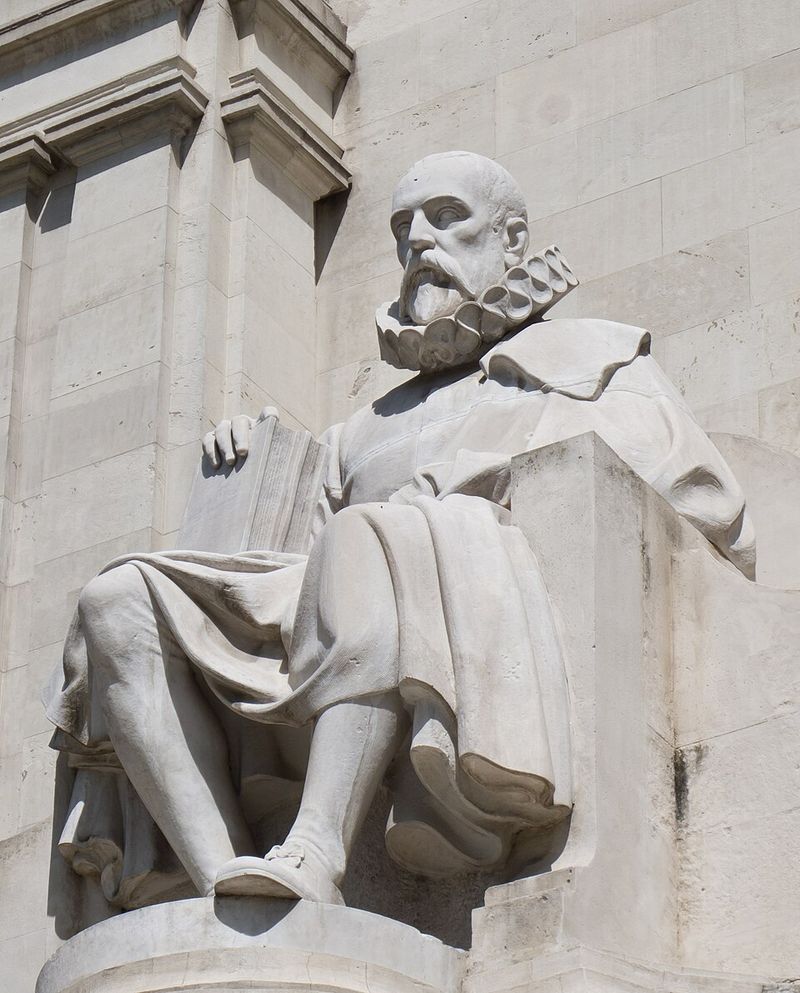
Miguel de Cervantes wrote Don Quixote, one of the most celebrated novels in human history. He did so with a hand that no longer worked.
At the Battle of Lepanto in 1571, Cervantes was shot twice in the chest and once in the left hand. The hand was permanently damaged, leaving him with little to no use of it for the rest of his life.
He actually took pride in the injury, calling it a mark of honor earned in the greatest battle in history. Cervantes later spent five years as a captive in Algiers after pirates seized his ship on the return journey to Spain, adding yet another chapter to an already extraordinary life.
Don Quixote was not published until 1605, decades after Lepanto. Cervantes wrote the entire masterpiece with one functioning hand, a fact that adds a quiet layer of meaning to everything he created.
7. Louis Braille – Sight in Both Eyes
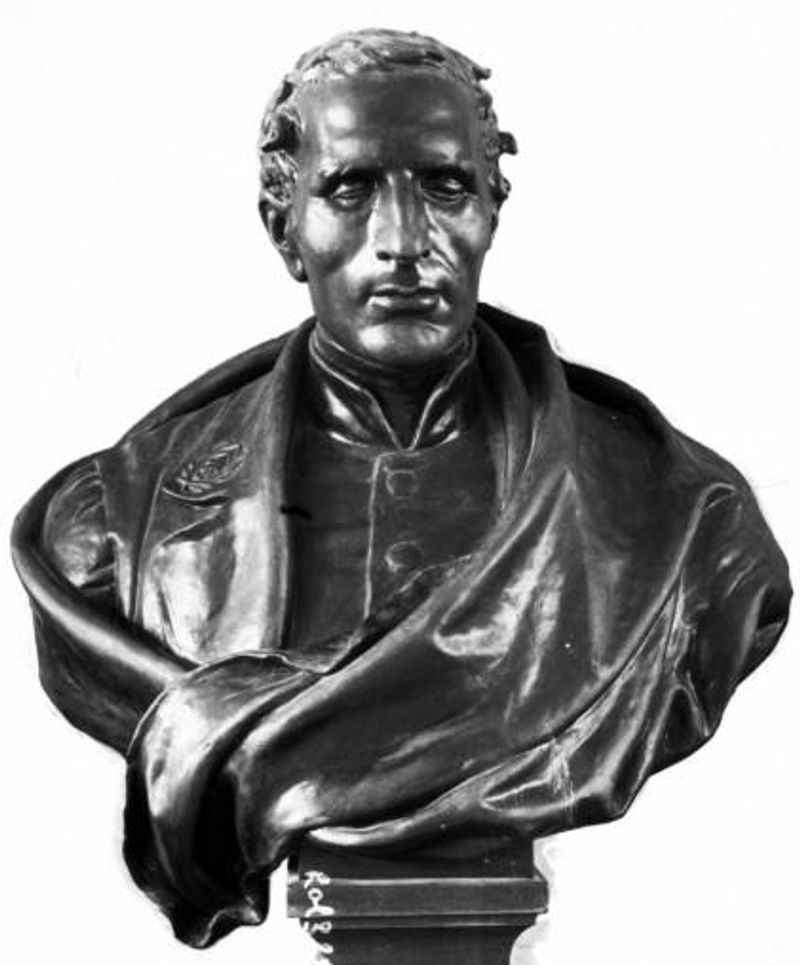
Louis Braille became blind as a young child after an accident in his father’s workshop. At around age three, he injured one eye with a sharp tool, and the resulting infection spread to both eyes, leaving him completely blind before he started school.
Rather than being defined by what he lost, Braille spent his teenage years developing a system of raised dots that would allow blind people to read and write independently. He completed the first version of his Braille system at just 15 years old, basing it on a military code he had learned about from a French army captain.
The system he created is still used worldwide today, more than 150 years after his death. Braille never fully received recognition for his invention during his own lifetime, but his contribution to accessibility and education for the visually impaired is genuinely without equal in modern history.
8. John of Bohemia – Sight in Both Eyes
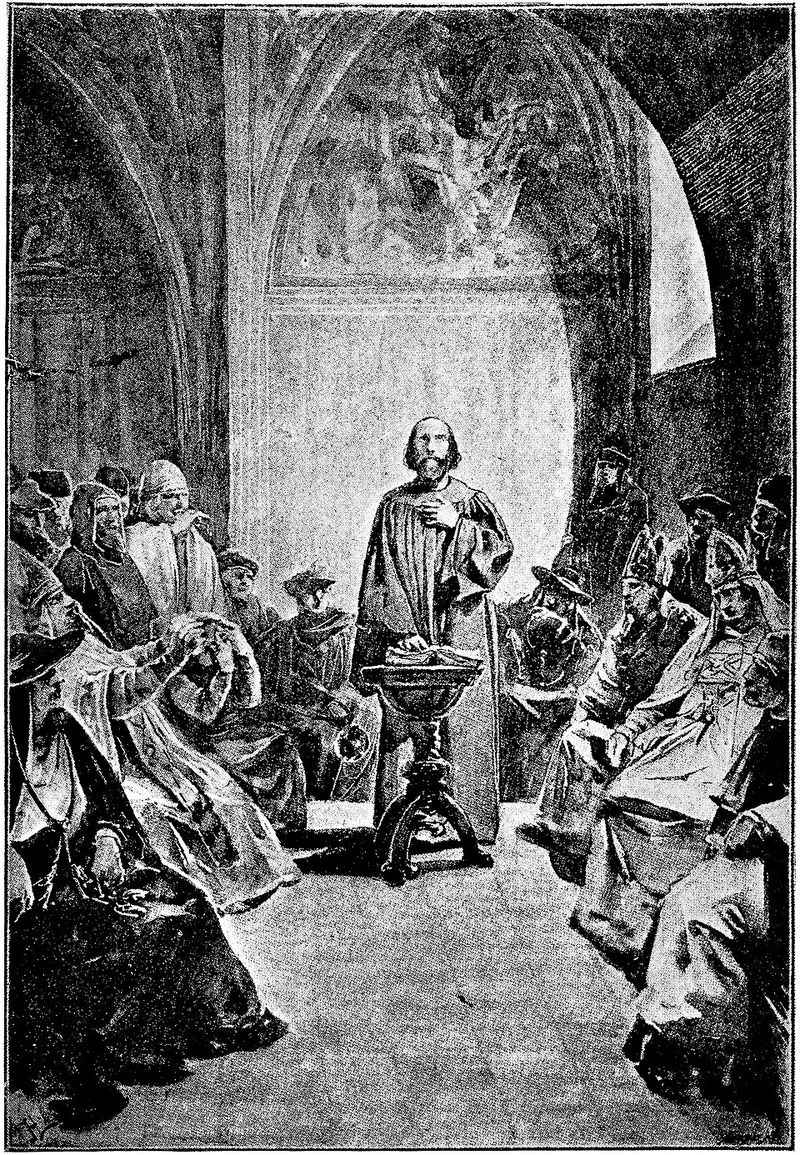
John of Bohemia may be the most recklessly brave blind man in recorded history. He lost his sight gradually due to an eye disease, likely opthalmia, and was completely blind by his mid-thirties.
Most kings in that situation would have stepped back from the battlefield entirely.
John did the opposite. At the Battle of Crecy in 1346, already fully blind, he reportedly ordered his knights to tie their horses to his so he could charge into the fighting.
He wanted at least one good sword stroke against the enemy. He died in the battle, but on his own terms.
His motto, Ich dien, meaning I serve, was adopted by the Black Prince of England after the battle and has been the motto of the Prince of Wales ever since. A blind king who died charging into combat left a mark on British royal tradition that still exists today.
9. Béla II of Hungary – Sight in Both Eyes
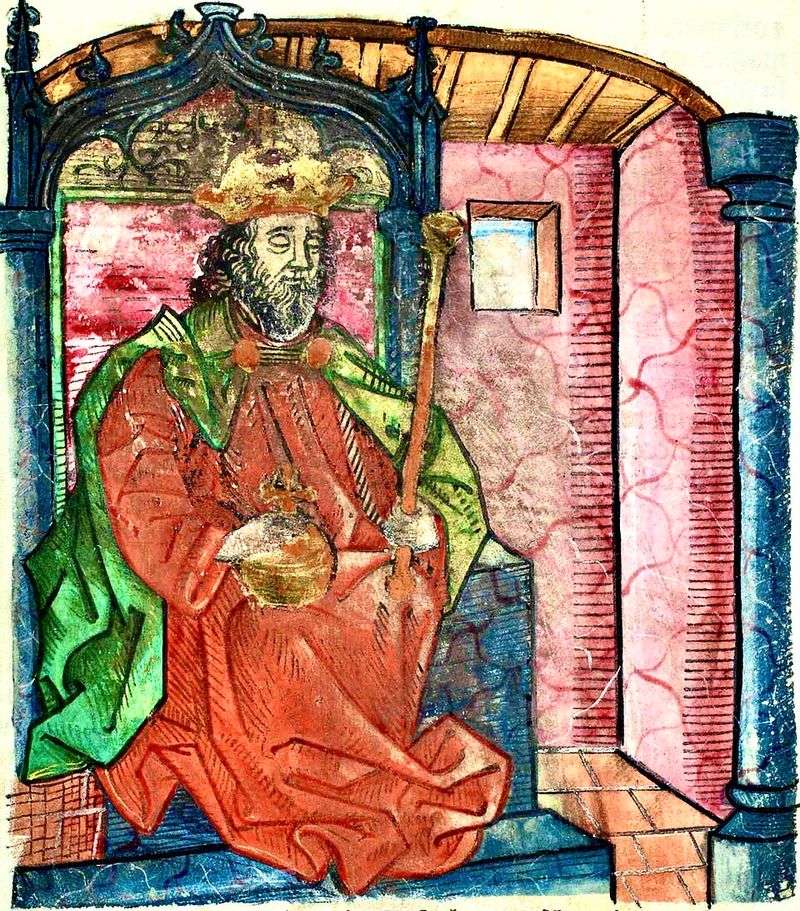
Béla II of Hungary became king in 1131 despite being completely blind. He had not always been that way.
As a young child, political rivals who feared he might one day claim the throne had him blinded and his father murdered. It was a brutal act meant to disqualify him from ruling, since blinded men were traditionally considered unfit for kingship in medieval Europe.
The plan backfired. Béla survived, was sheltered by the church, and eventually came to power anyway.
His reign lasted until 1141 and was marked by significant military campaigns and political consolidation. He relied heavily on his wife, Helena of Rascia, who played an active role in governing the kingdom alongside him.
His story is a quiet reminder that the people who were meant to be erased from history sometimes ended up shaping it anyway. Béla ruled for a decade despite every effort to stop him before he ever began.
10. Didymus the Blind – Sight in Both Eyes
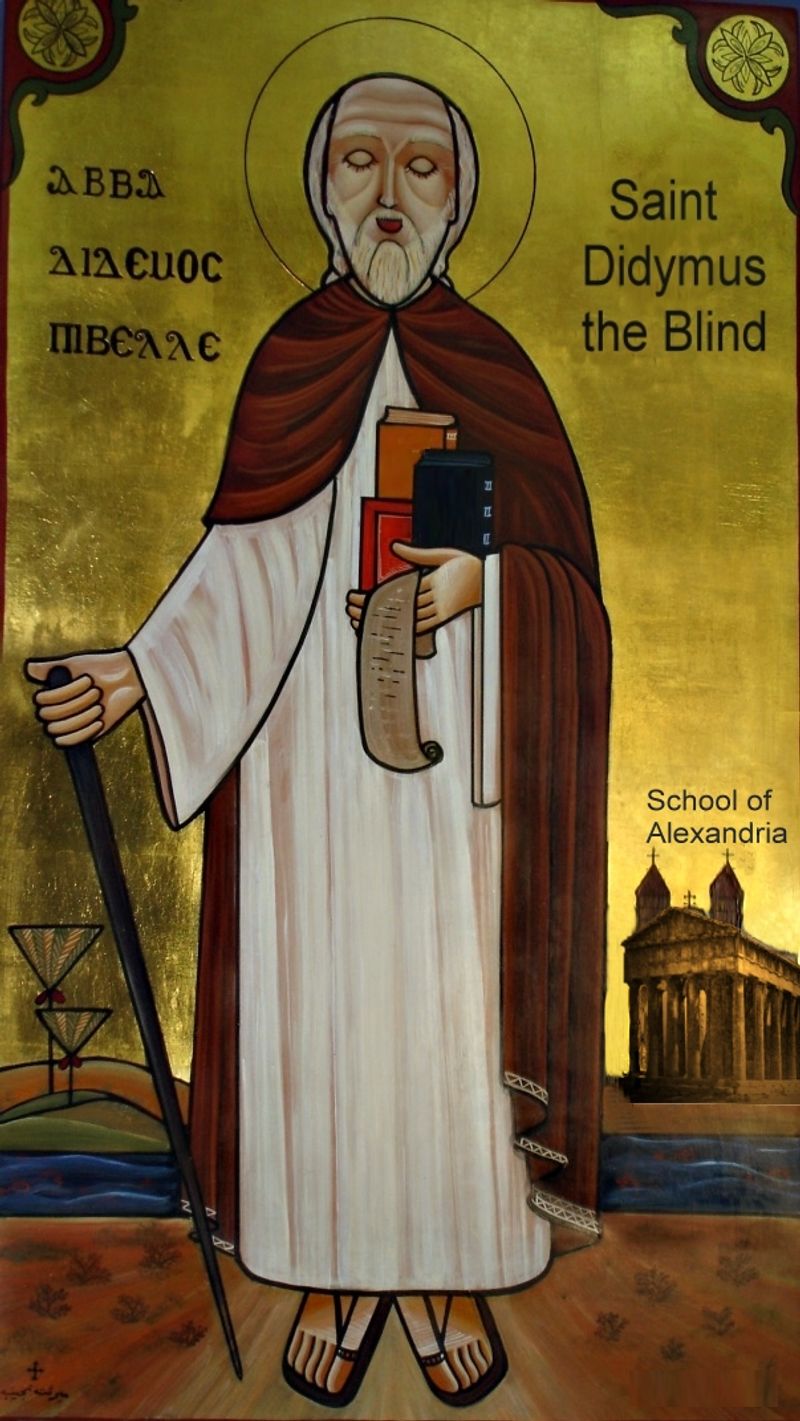
Didymus the Blind was one of the most respected biblical scholars of the early Christian world, and he lost his sight as a child around age four. Despite this, he went on to lead the famous Catechetical School of Alexandria in Egypt, one of the most important centers of learning in the ancient world.
He developed an early form of raised-letter reading, reportedly using carved wooden letters to study texts, centuries before Braille. Students traveled from across the Roman Empire to learn from him.
Among his most famous pupils were Saint Jerome and the theologian Rufinus of Aquileia.
Didymus wrote extensively on the Bible and early Christian theology, producing commentaries that were studied for centuries. His work was eventually declared controversial during later theological disputes, and many of his writings were lost.
Even so, his influence on early Christian thought and scholarship was deep and lasting.
11. John Milton – Sight in Both Eyes
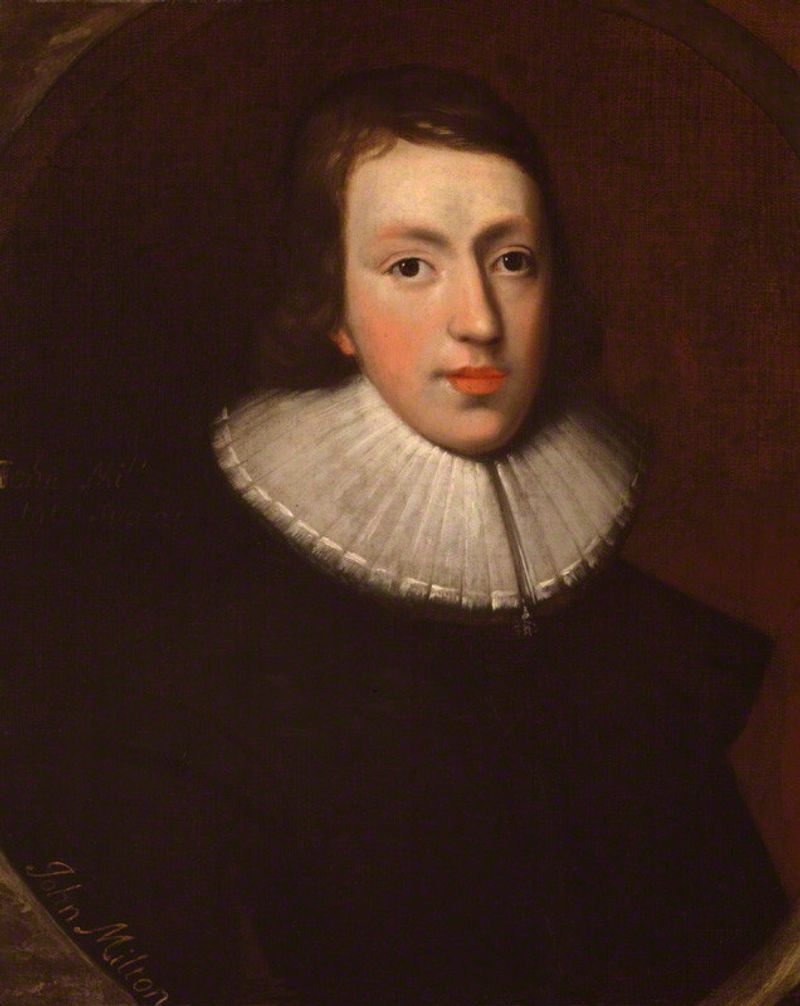
John Milton wrote Paradise Lost, considered by many to be the greatest epic poem in the English language. He wrote it blind.
Milton had been losing his sight gradually since his thirties, and by 1652 he was completely without vision. He was in his early forties and had not yet written his most famous works.
Milton dictated Paradise Lost to his daughters and to other helpers who transcribed his words. He composed entire passages in his head overnight and then recited them in the morning, a mental discipline that is hard to fully appreciate.
The poem runs to over ten thousand lines.
He addressed his blindness directly in the poem, writing movingly about inner vision and spiritual light. Milton saw his blindness not as an ending but as a different kind of seeing.
His story is a powerful example of creative output continuing, and even deepening, after a life-changing loss.
12. Louis III, Grand Duke of Hesse – One Eye
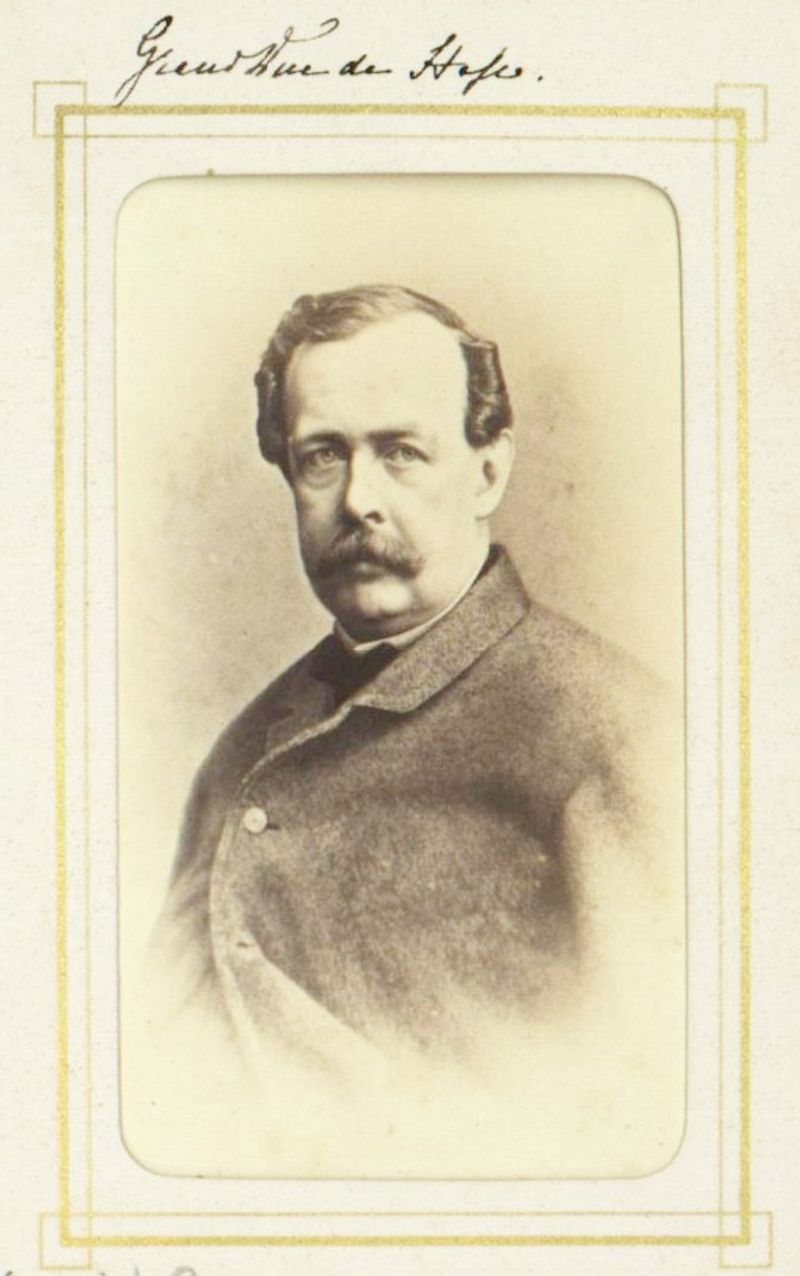
Louis III, Grand Duke of Hesse, ruled the German state of Hesse-Darmstadt from 1848 until his death in 1877. His reign was largely unremarkable in the grand sweep of European history, but one detail sets his story apart from most royal biographies.
As a young man, Louis lost the use of one eye after an accidental injury. The exact circumstances were not widely publicized at the time, as royal courts of the 19th century tended to keep such details quiet.
He continued to carry out his duties as a ruling duke for decades afterward.
What makes his inclusion here interesting is how ordinary the cause was. Not a cannon blast, not a naval battle, just an accident, the kind that could happen to anyone.
Even rulers who never saw a battlefield were not immune to the physical realities of daily life in an era before modern medicine.
13. Claus von Stauffenberg – Multiple Injuries
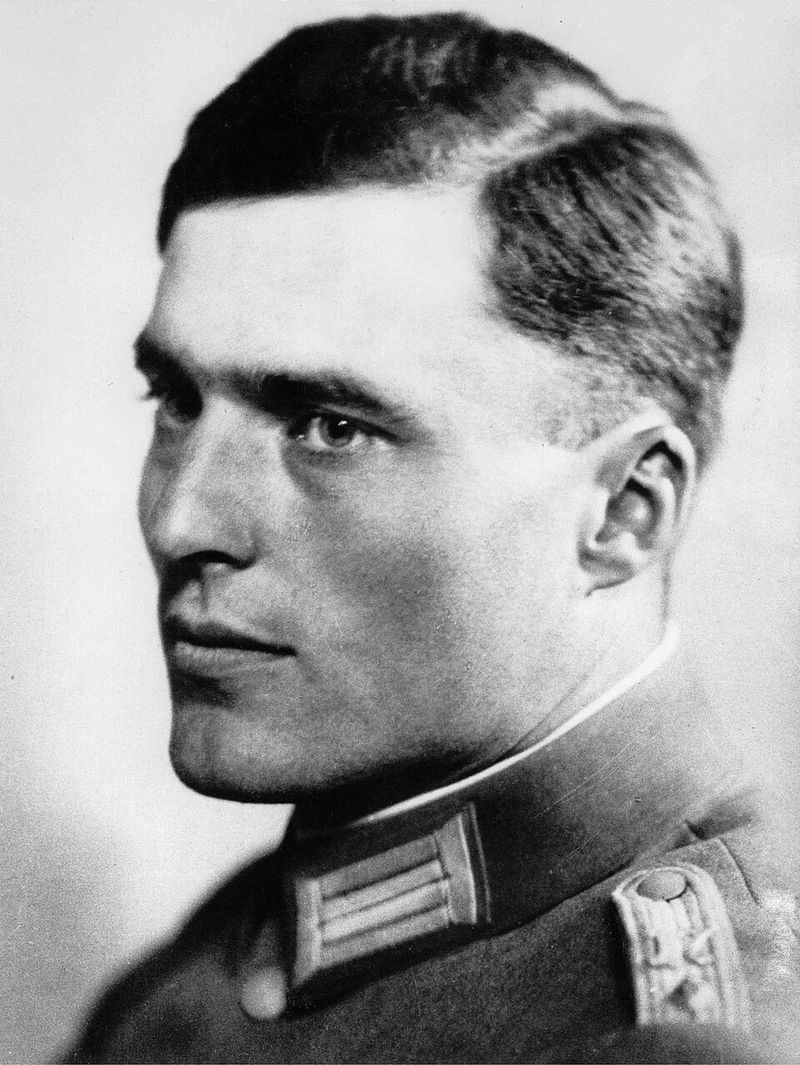
Claus von Stauffenberg is best known as the man who placed a bomb under Adolf Hitler’s conference table in July 1944. What is less commonly discussed is the physical state he was in when he did it.
In 1943, Stauffenberg was severely wounded during fighting in Tunisia. He lost his right hand entirely, lost two fingers on his left hand, and lost his left eye.
He was left with one eye, three fingers, and a determination that very few people in any era have matched. After recovering, he became the central figure in the German resistance plot to assassinate Hitler, code-named Operation Valkyrie.
The bomb wounded Hitler but did not kill him. Stauffenberg was arrested and executed by firing squad that same night.
He carried the bomb into the meeting room with a hand that had only three fingers remaining. His story is one of the most dramatic in the entire history of World War II.
14. Prince Rupert of the Rhine – One Eye
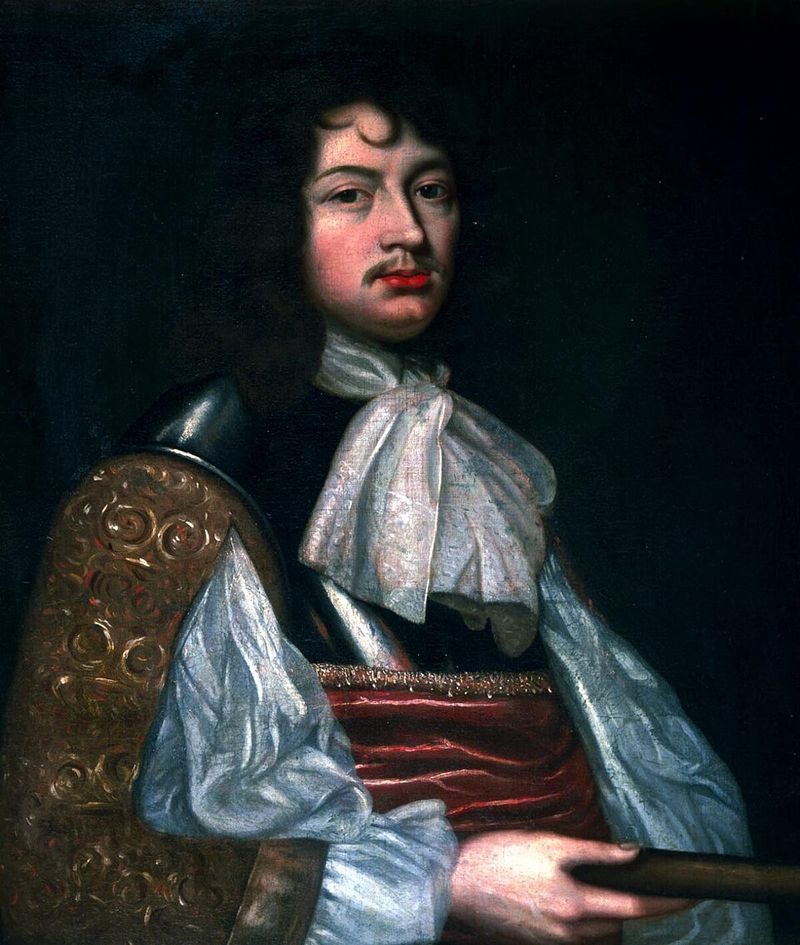
Prince Rupert of the Rhine was one of the most capable cavalry commanders of the English Civil War, fighting on the Royalist side for his uncle King Charles I. He was bold, fast-moving, and genuinely feared by his opponents on the battlefield.
He was also injured in a way that most history books skip past entirely.
During his military career, Rupert suffered a gunshot wound to the head that damaged one of his eyes, leaving him with significantly reduced or lost vision in that eye. He continued commanding troops and later became a notable naval admiral and even a founding figure of the Hudson’s Bay Company in Canada.
His post-war career was remarkably varied for someone who had spent so much of his life in combat. Rupert was also an accomplished artist and inventor, developing a printmaking technique called mezzotint.
A wounded eye apparently did nothing to limit a very full life.
15. Henry V of England – Arrow to the Face
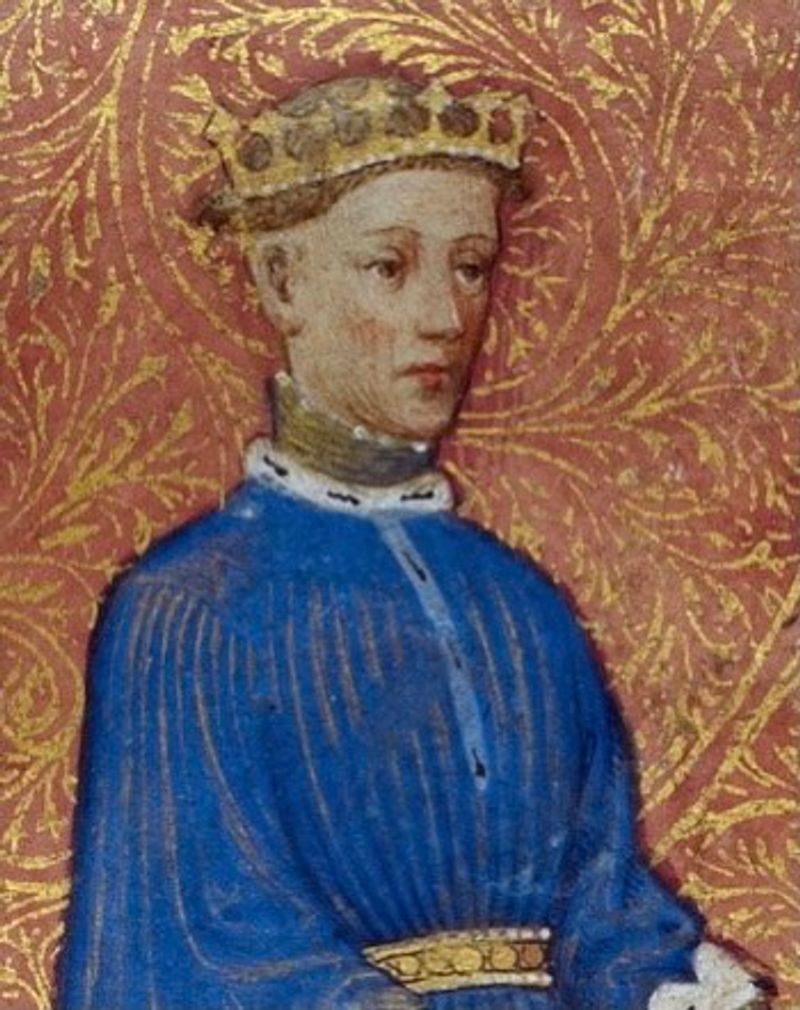
Henry V is celebrated as the hero of Agincourt, but long before that famous victory he survived an injury that could easily have ended his life at 16. At the Battle of Shrewsbury in 1403, fighting alongside his father Henry IV against rebel forces, a Welsh longbow arrow struck him in the face and lodged several inches deep near his nose.
A royal surgeon named John Bradmore designed a special tool specifically to extract the arrowhead without causing further damage. The operation took weeks of careful work and left Henry with a significant facial scar for the rest of his life.
The process also likely cost him several teeth in the affected area.
Henry survived and went on to become one of England’s most celebrated warrior kings. The story of his face wound is well documented in historical records and serves as a vivid reminder of how physically dangerous medieval warfare was, even for royalty.
Share this story