Not every powerful story in American history gets told with fanfare, crowds, or a famous statue out front. Some of the most important places in the country sit quietly along back roads, across open plains, or inside buildings that look almost ordinary.
These sites hold stories of courage, injustice, resistance, and communities that changed the nation forever. If you are willing to seek them out, what you find might surprise you.
Minidoka National Historic Site, Idaho
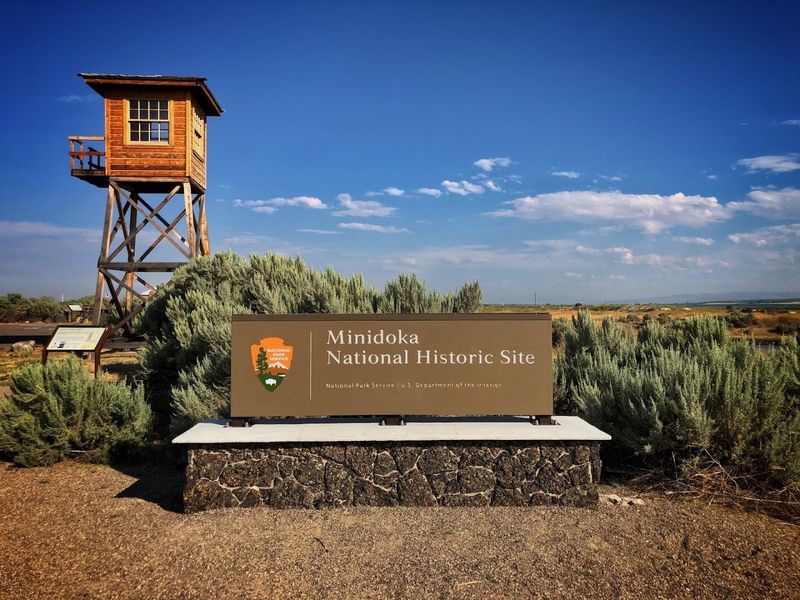
Sagebrush stretches in every direction at Minidoka, and the silence feels almost too big. Yet this remote Idaho landscape holds one of the most sobering chapters in American history.
During World War II, the U.S. government forced thousands of Japanese Americans from their homes and incarcerated them here, simply because of their ancestry.
Executive Order 9066, signed in 1942, authorized the removal of over 120,000 people from the West Coast. Minidoka held more than 9,000 of them.
Families arrived with only what they could carry, and were placed into cramped, hastily built barracks with little privacy or comfort.
Walking the reconstructed entrance and guard tower today, you feel the weight of those years. Exhibits and personal testimonies bring individual faces to what could otherwise feel like an abstract policy decision.
Photographs, letters, and everyday objects left behind by former incarcerees tell the story with quiet but undeniable power.
What makes Minidoka especially worth visiting is how it refuses to let this history fade into footnotes. Rangers share stories with honesty and care.
The site reminds every visitor that constitutional rights are never guaranteed without vigilance.
Sand Creek Massacre National Historic Site, Colorado
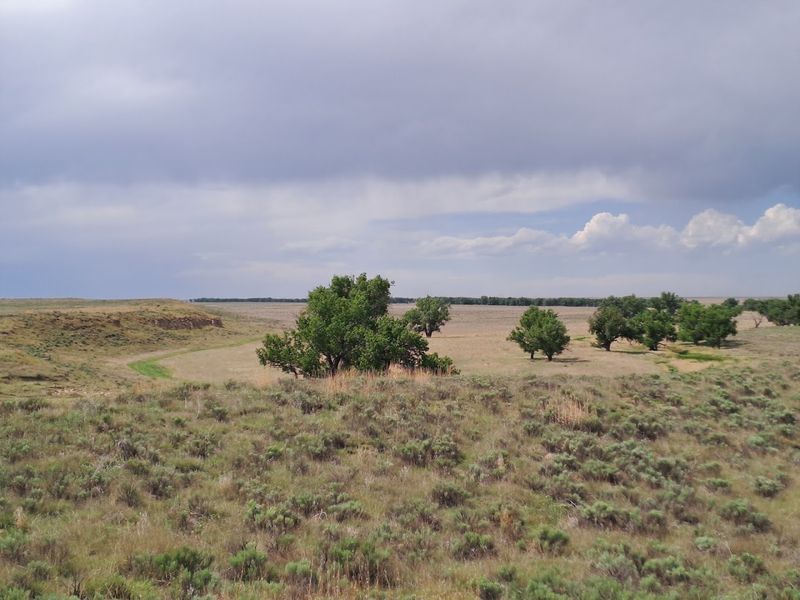
Nothing about this landscape looks violent. Rolling grasslands, a quiet creek, and an enormous open sky greet every visitor to Sand Creek.
But on November 29, 1864, U.S. troops attacked a peaceful Cheyenne and Arapaho village here, killing approximately 230 people, most of them women, children, and elders.
The camp had been flying an American flag and a white flag of peace. Chief Black Kettle had been assured by U.S. officials that his people were safe.
Colonel John Chivington led the attack anyway, and his troops mutilated the bodies of the dead afterward. Survivors walked miles through winter cold to reach safety.
Congress investigated the massacre, and multiple reports condemned the attack as a brutal atrocity. Yet accountability was slow and incomplete.
The land itself was not officially recognized as a national historic site until 2000, after years of advocacy by Cheyenne and Arapaho tribal nations.
Visiting today means walking a trail through the actual site, reading interpretive panels, and sitting with the discomfort of a history that deserves more attention than it typically receives. The stillness here is not peaceful.
It is the kind that asks hard questions.
Nicodemus National Historic Site, Kansas
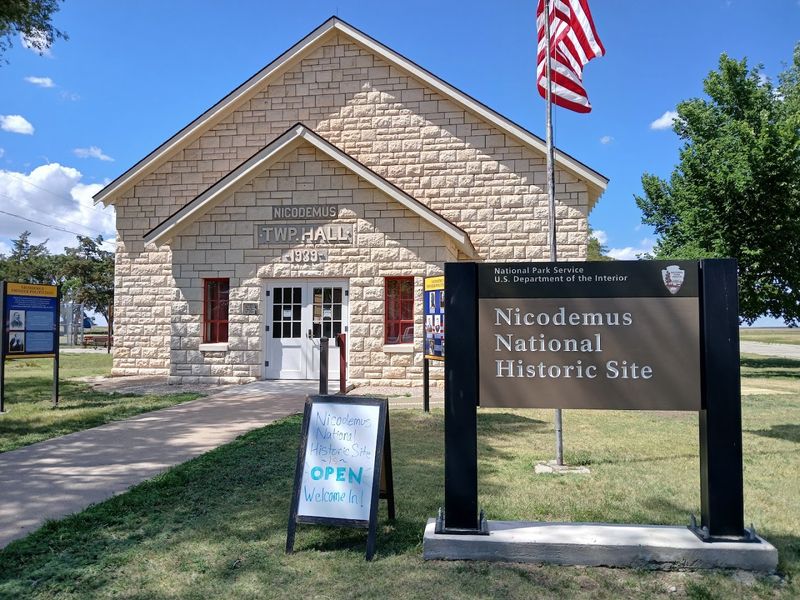
Founded in 1877, Nicodemus was built by people who had every reason to believe the odds were against them. Formerly enslaved African Americans from Kentucky packed their belongings and traveled west to the Kansas plains, determined to build something entirely their own.
What they created became the oldest surviving Black settlement west of the Mississippi River.
Five original historic structures remain, each representing a different pillar of the community: a church, a school, a township hall, a store, and a home. Together, they tell the story of people who organized their own government, educated their children, ran businesses, and built a social life rooted in freedom and self-determination.
The Homestead Act of 1862 opened western land to settlers, and Black families saw opportunity in those same promises. Life on the plains was genuinely brutal.
Drought, isolation, and poverty tested the community repeatedly. Still, Nicodemus survived.
Descendants of original settlers still gather here each summer for the Emancipation Celebration, a tradition that has continued for generations. That living connection to the past makes this site feel different from a typical museum.
History here is not just preserved. It is still celebrated.
Port Chicago Naval Magazine National Memorial, California
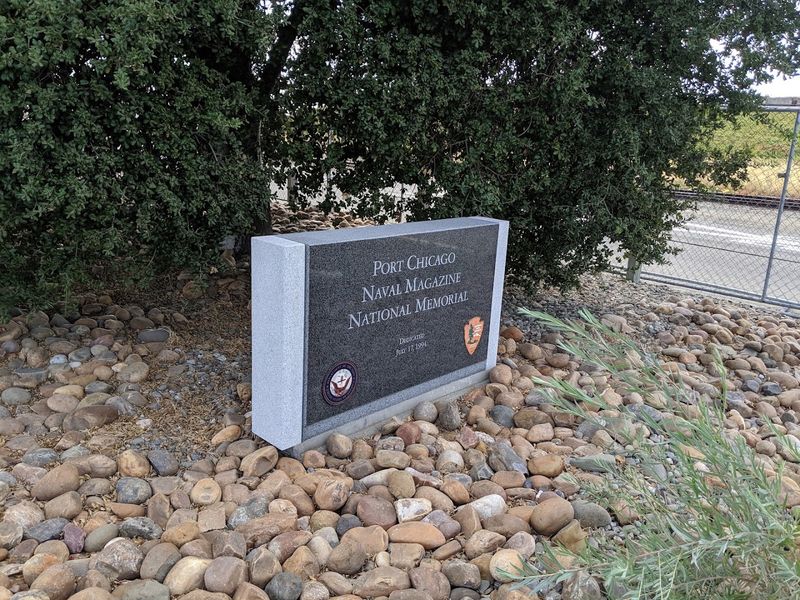
On July 17, 1944, two ships loaded with ammunition exploded at Port Chicago, California, killing 320 men in an instant. It remains one of the deadliest home-front disasters of World War II.
The blast was so powerful it shattered windows miles away and was felt across the Bay Area.
Most of the men doing the dangerous ammunition loading work were African American enlisted sailors. They had been assigned to this hazardous duty while white officers supervised from a safe distance.
Safety training was minimal, and competition between divisions to load faster made the work even more dangerous.
After the explosion, 258 surviving Black sailors refused to return to loading ammunition under the same unsafe conditions. Fifty of them were court-martialed for mutiny and sentenced to prison.
Thurgood Marshall, then an NAACP attorney, attended the trial and publicly called the proceedings a travesty of justice.
The convictions were eventually overturned decades later, long after the men had served their sentences. Today, the memorial sits within an active military installation, requiring visitors to make advance arrangements.
That extra effort is absolutely worth it. The story of Port Chicago belongs in every conversation about racial equality in America.
Hampton National Historic Site, Maryland
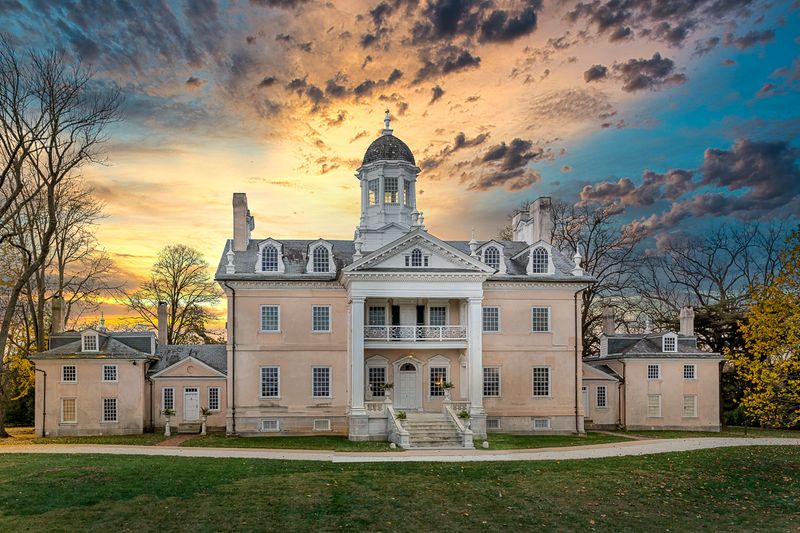
Hampton’s Georgian mansion is genuinely stunning. Wide lawns, formal gardens, and elegant architecture give it the look of a place built for admiration.
For most of its history, that admiration came without much attention to who made all of it possible.
At its peak, the Hampton plantation covered roughly 25,000 acres and was worked by hundreds of enslaved people. They built the mansion, farmed the land, ran the ironworks, maintained the grounds, cooked the meals, and raised the children of the Ridgely family.
Their labor generated the wealth that funded everything visitors see today.
The National Park Service has worked hard to shift the story toward the people who were enslaved here. Reconstructed slave quarters, archaeological findings, and detailed historical research now anchor the site’s interpretation.
Specific individuals are named and their lives explored as fully as surviving records allow.
Visiting Hampton means sitting with the tension between beauty and brutality. The mansion is lovely.
That loveliness was built on suffering. Holding both of those truths at once is exactly what the site invites you to do.
It is an uncomfortable experience, and that discomfort is the whole point of going.
Charles Young Buffalo Soldiers National Monument, Ohio
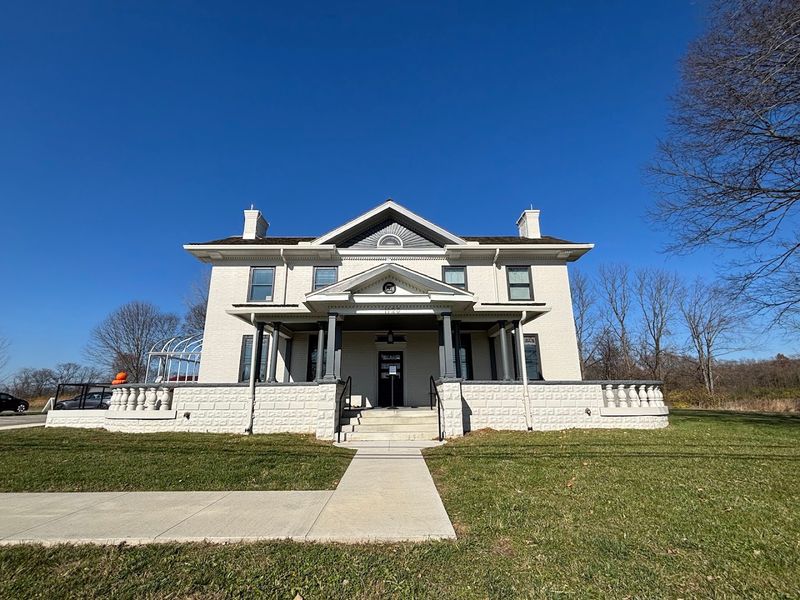
Brigadier General Charles Young accomplished things that the U.S. Army repeatedly tried to prevent him from accomplishing.
He graduated from West Point in 1889, becoming only the third African American to do so. Over the next three decades, he served in Cuba, the Philippines, Haiti, and Liberia, earning a reputation as one of the most capable officers in the Army.
When the United States entered World War I, Young was passed over for command. The Army declared him medically unfit, despite the fact that he rode a horse from Ohio to Washington D.C. to prove his fitness.
He was sidelined anyway. The real reason was almost certainly his race.
His home in Wilberforce, Ohio, known as Youngsholm, now serves as the centerpiece of this national monument. Exhibits inside explore both his remarkable personal story and the broader history of the Buffalo Soldiers, the African American Army regiments who served the country from the post-Civil War era through World War II.
Young died in Nigeria in 1922 while on a military mapping mission. He was 57 years old.
His legacy deserves far more recognition than it has received, and this site is the right place to start learning about it.
Tuskegee Airmen National Historic Site, Alabama
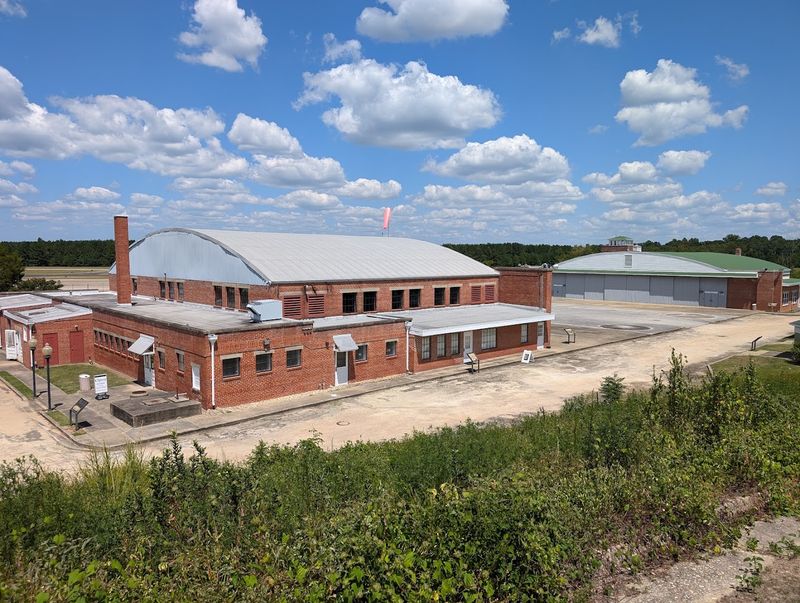
Moton Field looks modest by modern standards. The hangars are small, the runway is short, and the surrounding Alabama landscape is quiet.
But this unassuming airfield is where history was made, one training flight at a time, beginning in 1941.
The Tuskegee Airmen program was partly designed as an experiment to test whether Black men could fly and fight effectively. The racist assumption embedded in that test was that they probably could not.
The Airmen answered that assumption with an extraordinary record of combat success over North Africa and Europe during World War II.
More than 900 pilots trained at Moton Field and the nearby Tuskegee Army Air Field. Their support crews, navigators, mechanics, and ground personnel numbered in the thousands.
The program was a massive collective achievement that required the skills and dedication of an entire community, not just the pilots who flew the missions.
President Harry Truman cited their performance as a key reason he desegregated the U.S. military in 1948. Restored aircraft, original hangars, and detailed exhibits bring this story to life at the site today.
The Tuskegee Airmen did not just fly planes. They flew straight through one of the biggest lies of their era.
Cesar E. Chavez National Monument, California
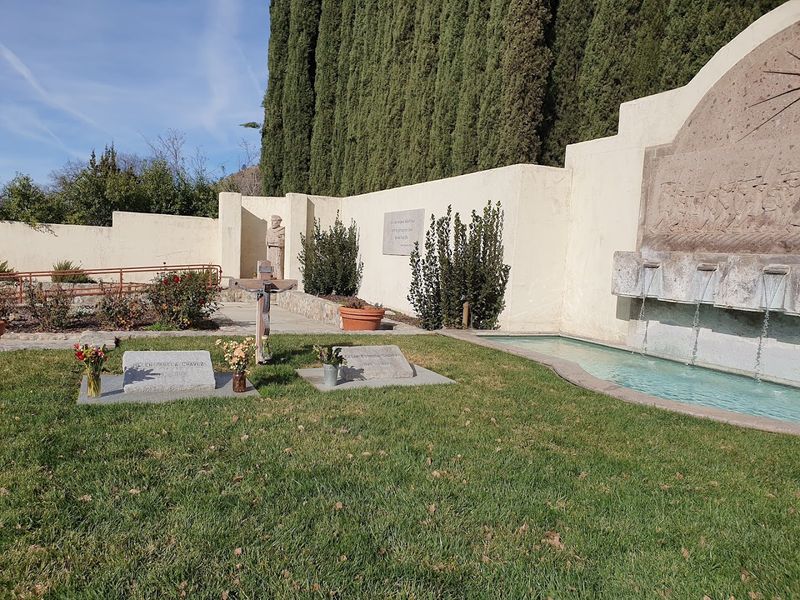
Tucked into the Tehachapi Mountains near the small town of Keene, this site feels like a place where serious work once happened quietly and persistently. That is exactly what it was.
For decades, the compound known as La Paz served as the headquarters of the United Farm Workers union and the home of its founder, Cesar Chavez.
Chavez spent his life organizing agricultural laborers, the people who pick the food that ends up on American tables. Farmworkers in the mid-20th century had almost no legal protections, earned poverty wages, and were regularly exposed to dangerous pesticides without warning or protection.
Chavez and co-founder Dolores Huerta built a movement that demanded better.
The UFW’s grape and lettuce boycotts of the 1960s and 1970s drew national attention and real results. Contracts were signed, wages improved, and new protections were put in place.
The movement proved that organized, nonviolent pressure could change powerful industries.
Chavez is buried in the memorial garden here, beneath a simple marker surrounded by roses. Visitors often leave flowers.
The garden is genuinely one of the most peaceful spots in any national monument, and it carries a weight that is hard to describe but easy to feel when you are standing there.
Bainbridge Island Japanese American Exclusion Memorial, Washington
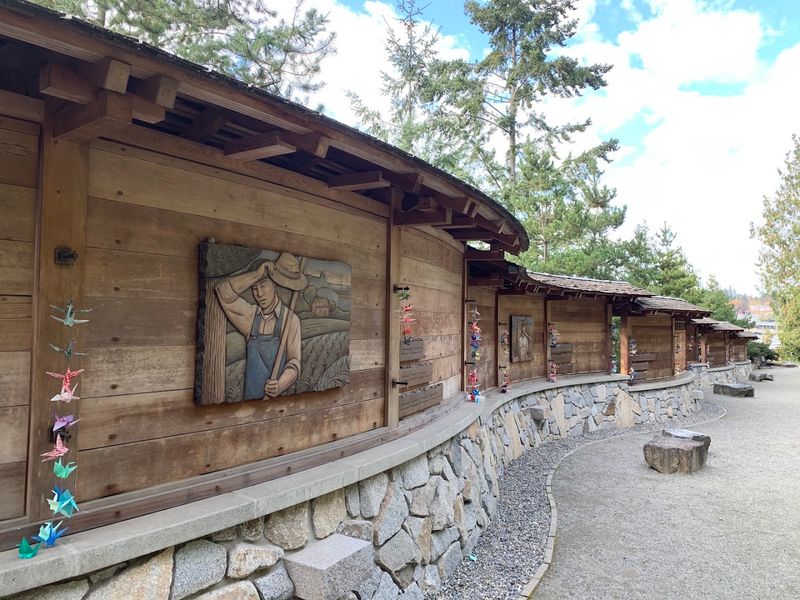
On March 30, 1942, 227 Japanese American residents of Bainbridge Island walked down to the Eagledale Ferry Dock and boarded a boat. They were allowed to bring only what they could carry.
They did not know where they were going or when, or if, they would return. Their neighbors watched them leave.
Bainbridge Island residents were the first Japanese Americans forcibly removed under Executive Order 9066. Many were American citizens.
Some were children born in the United States who had never set foot in Japan. They were sent first to the Manzanar incarceration camp in California and later to Minidoka in Idaho.
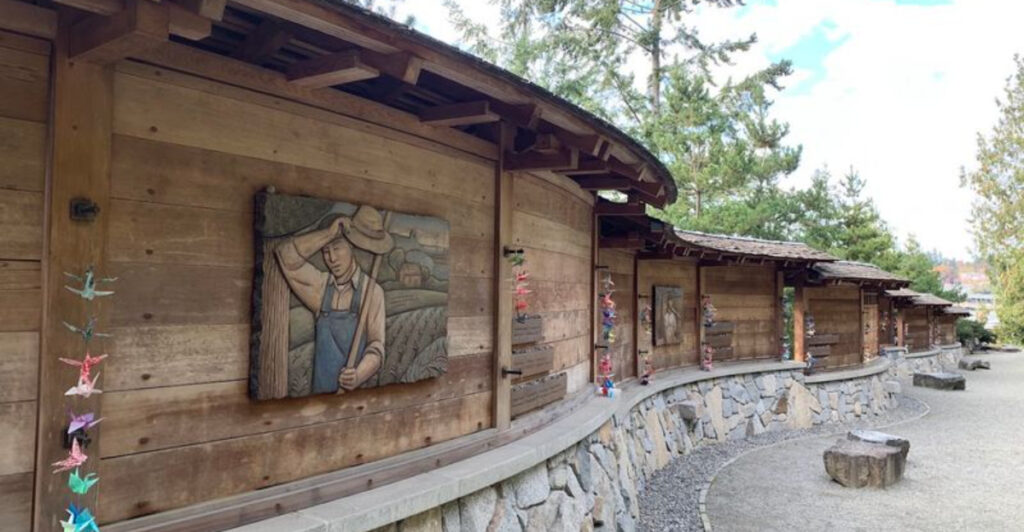
The memorial that marks this departure point is made of cedar panels carved with the names of those who were removed. A winding path leads visitors from the parking area to the waterfront, passing interpretive panels that share individual stories and photographs.
The phrase carved at the memorial’s heart is Nidoto Nai Yoni, meaning Let It Not Happen Again.
The site is small, quiet, and deeply affecting. It sits in a beautiful natural setting, which makes the history it holds feel even more jarring.
This is what civil liberties look like when they disappear without warning.
Boston African American National Historic Site, Massachusetts
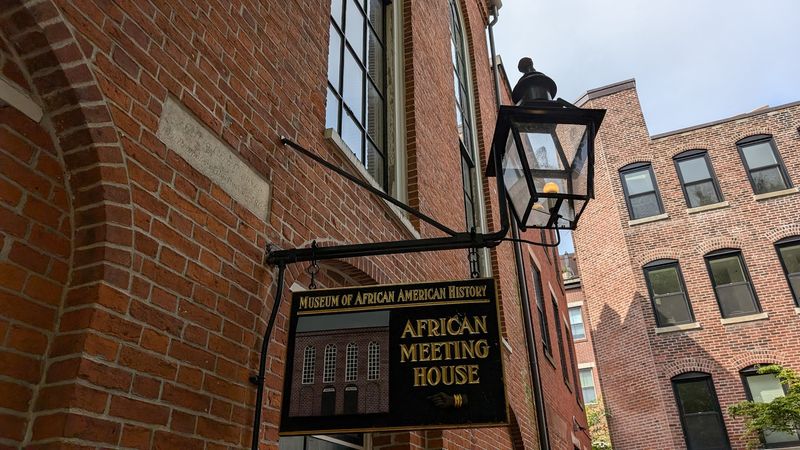
Beacon Hill in Boston is famous for its brick sidewalks, gas lanterns, and expensive real estate. What most people strolling through the neighborhood do not realize is that its quieter streets hold one of the most important collections of African American history in the entire country.
The Black Heritage Trail connects 14 historic sites across the neighborhood, including homes of abolitionists, stops on the Underground Railroad, a school built by the Black community, and the African Meeting House, the oldest surviving Black church building in the United States. The trail covers about 1.6 miles and can be walked in a couple of hours.
Boston’s 19th-century Black community was small but remarkably organized and influential. Residents like David Walker, Maria Stewart, and Lewis Hayden published radical antislavery writings, sheltered freedom seekers, and organized politically at a time when doing so carried serious personal risk.
Their activism helped fuel the national abolition movement long before the Civil War began.
The Museum of African American History, located in the African Meeting House, offers exhibits that go deeper into these stories. Rangers lead free guided tours of the trail during warmer months.
Walking these streets changes how you see the whole city, and honestly, that is the best kind of history lesson there is.
Share this story