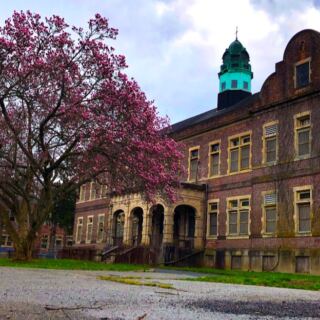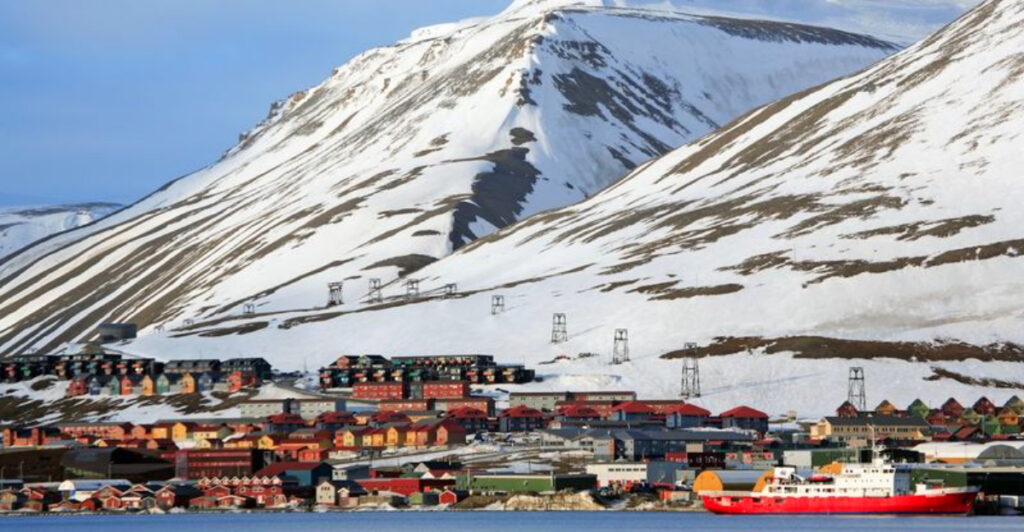
Some places on Earth are so cold that just stepping outside requires serious preparation. From remote Siberian villages to Arctic capitals, certain communities have built entire ways of life around surviving brutal, bone-chilling winters.
These frozen settlements prove that humans are remarkably adaptable, finding ways to thrive where temperatures can plunge lower than your freezer will ever go. Get ready to meet the toughest neighborhoods on the planet.
Oymyakon, Russia
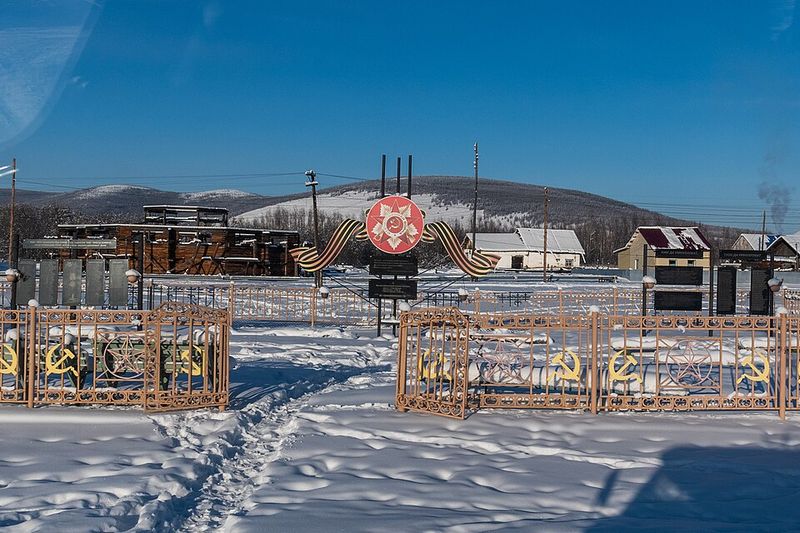
Back in February 1933, a thermometer in this tiny Siberian valley bottomed out at around -67.7 degrees Celsius, earning Oymyakon the title of coldest permanently inhabited place on Earth. Only a few hundred people call this remote community home, tucked into the Sakha Republic far from anything resembling a highway.
The valley geography works against residents in a sneaky way. Cold, dense air slides down from surrounding mountains and gets trapped, making temperatures even more savage than nearby areas.
Winters here are not measured in weeks but in months of relentless, bone-freezing darkness.
Keeping a vehicle running is practically a full-time job. Batteries die, fuel thickens, and engines refuse to start unless kept in heated garages overnight.
Despite all of this, residents maintain schools, shops, and community life with a toughness that would impress even the most seasoned cold-weather survivalist. The ground beneath their feet stays permanently frozen, so even building a simple structure requires careful engineering.
Verkhoyansk, Russia
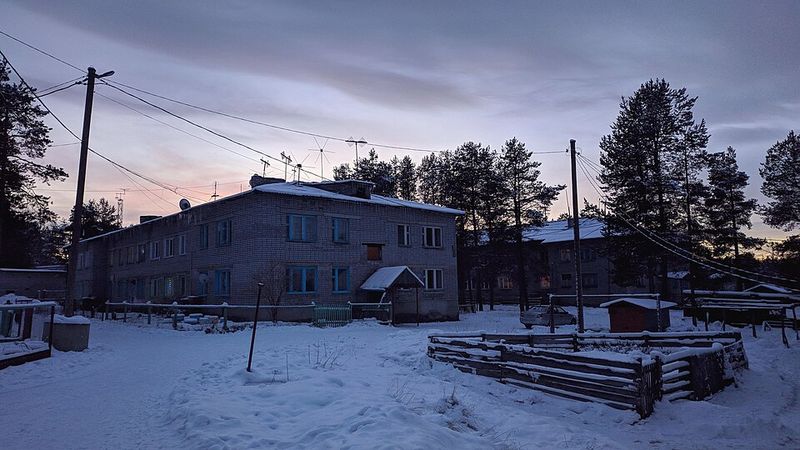
Sharing the record for the lowest temperature ever recorded in an inhabited location, Verkhoyansk hit approximately -67.7 degrees Celsius back in February 1892. Climatologists have spent years debating whether the old thermometer reading needed corrections, but no one argues that this place is anything other than extraordinarily cold.
Here is the plot twist that surprises most people: summers in Verkhoyansk can actually get quite warm. That wild swing between scorching summers and deadly winters gives this Siberian town one of the broadest temperature ranges of any community on the planet.
One season you might need sunscreen, the next you need everything you own.
The town sits along the Yana River, and its January average hovers around a brutal -45.5 degrees Celsius. Despite its extreme reputation, Verkhoyansk has a post office, a school, and residents who go about their daily routines with remarkable calm.
Visitors who manage to reach this remote outpost often describe feeling like they have traveled to another world entirely, one where cold is not just weather but a constant companion.
Yakutsk, Russia
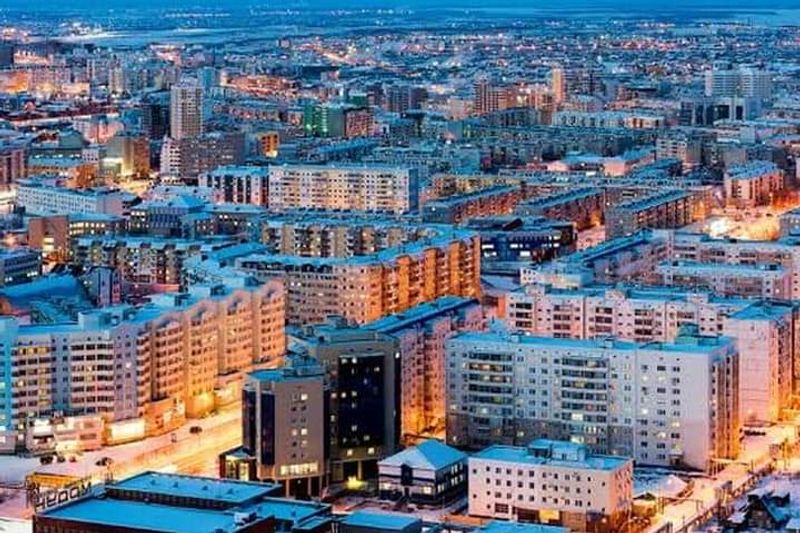
Most people picture extreme cold as something that only happens in tiny, remote villages. Yakutsk shatters that assumption completely.
With hundreds of thousands of residents, this capital of the Sakha Republic is widely recognized as the world’s coldest major city, where winter temperatures regularly crash far below -30 degrees Celsius.
The entire city sits on continuous permafrost, which creates a fascinating engineering puzzle. Buildings cannot simply rest on the frozen ground because the heat they generate would slowly thaw it, causing structures to sink and tilt.
Engineers drive deep concrete piles into the permafrost and raise buildings on stilts to keep the ground cold and stable beneath.
Walking through Yakutsk in January means layers upon layers of clothing, eyelashes coated with frost, and the strange experience of watching your breath freeze before it fully leaves your mouth. Yet the city operates hospitals, universities, theaters, and busy markets year-round.
Ice fog, which forms when moisture in the air freezes instantly, is a regular winter feature that gives the streets an otherworldly, ghostly appearance that locals barely notice anymore.
Norilsk, Russia
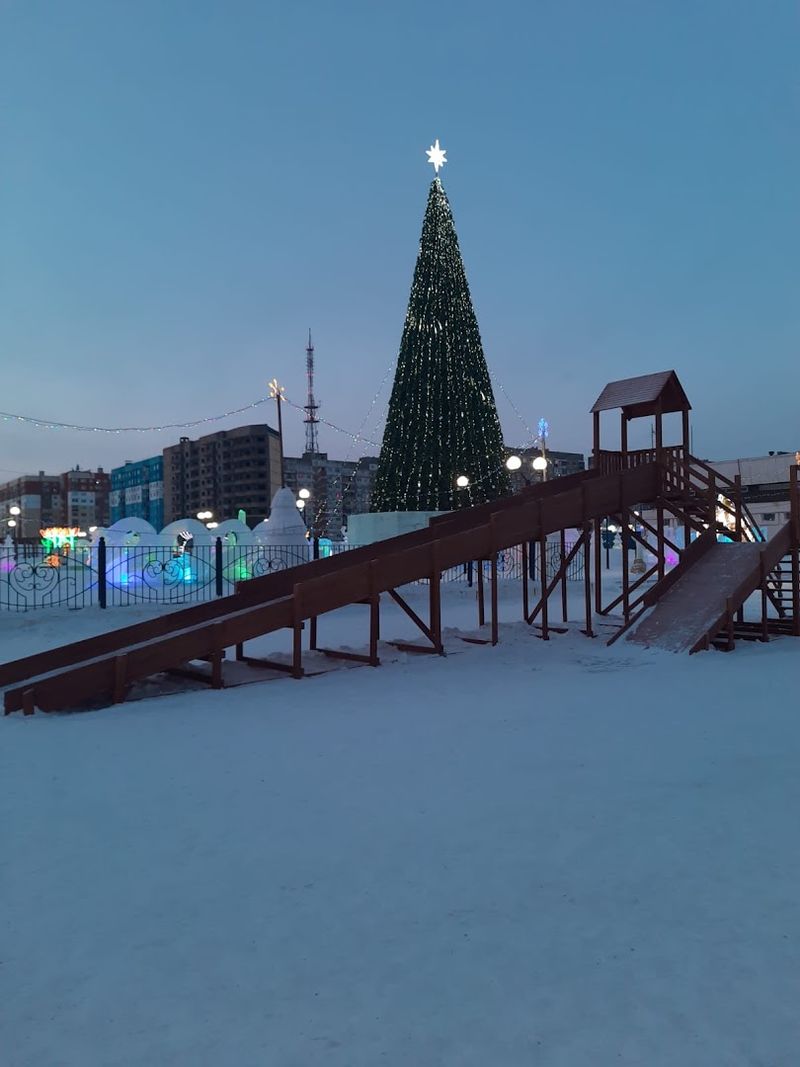
Winter in Norilsk does not politely knock before entering. It arrives in late September and refuses to leave until May, making it one of the longest cold seasons endured by any major urban population on Earth.
Sitting above the Arctic Circle, this city of roughly 180,000 people was built entirely on permafrost and shaped by the vast mineral wealth buried beneath it.
Nickel, copper, and palladium deposits drove the development of one of the most isolated industrial cities in the world. The city is closed to foreign visitors without special permission, which adds an air of mystery to an already unusual place.
Polar night, when the sun stays below the horizon for weeks, wraps the city in darkness that residents learn to navigate with artificial lighting and a healthy dose of community spirit.
Blizzards here are not gentle affairs. Winds combine with deep cold and blowing snow to create whiteouts that can make it nearly impossible to see across a street.
Residents connect buildings with covered walkways and underground passages so daily life can continue even when conditions outside become genuinely dangerous. It is a city built to endure things most people only read about.
Ulaanbaatar, Mongolia
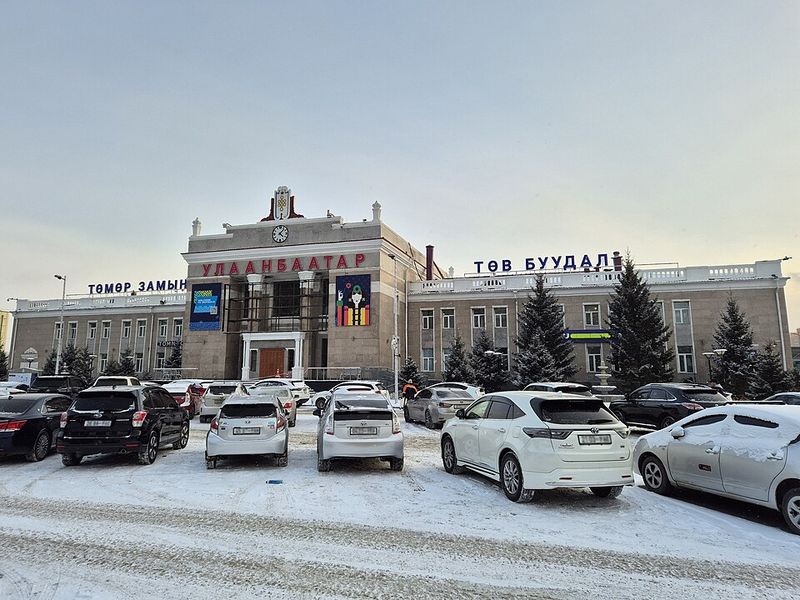
Ulaanbaatar holds a title that surprises many geography fans: it is the coldest national capital city in the world. High elevation, a landlocked position far from any ocean, and exposure to the fierce Siberian winter system combine to make January nights drop toward -35 degrees Celsius or even lower in some years.
More than a million people live in and around the city, creating a fascinating mix of urban and traditional lifestyles. Modern apartment blocks share space with sprawling ger districts, neighborhoods filled with the round felt tents that Mongolians have used for centuries.
Heating these gers through winter requires burning coal, which unfortunately creates serious air pollution during the coldest months.
The smog problem in Ulaanbaatar has become one of the most pressing environmental challenges in Central Asia, with winter air quality sometimes ranking among the worst of any city globally. Still, the city buzzes with energy, from busy markets and universities to a thriving arts scene.
Residents layer up in traditional deels, the long padded coats worn by Mongolians for generations, and push through the cold with a cultural resilience that stretches back to the days of the great steppe empires.
Utqiagvik, Alaska
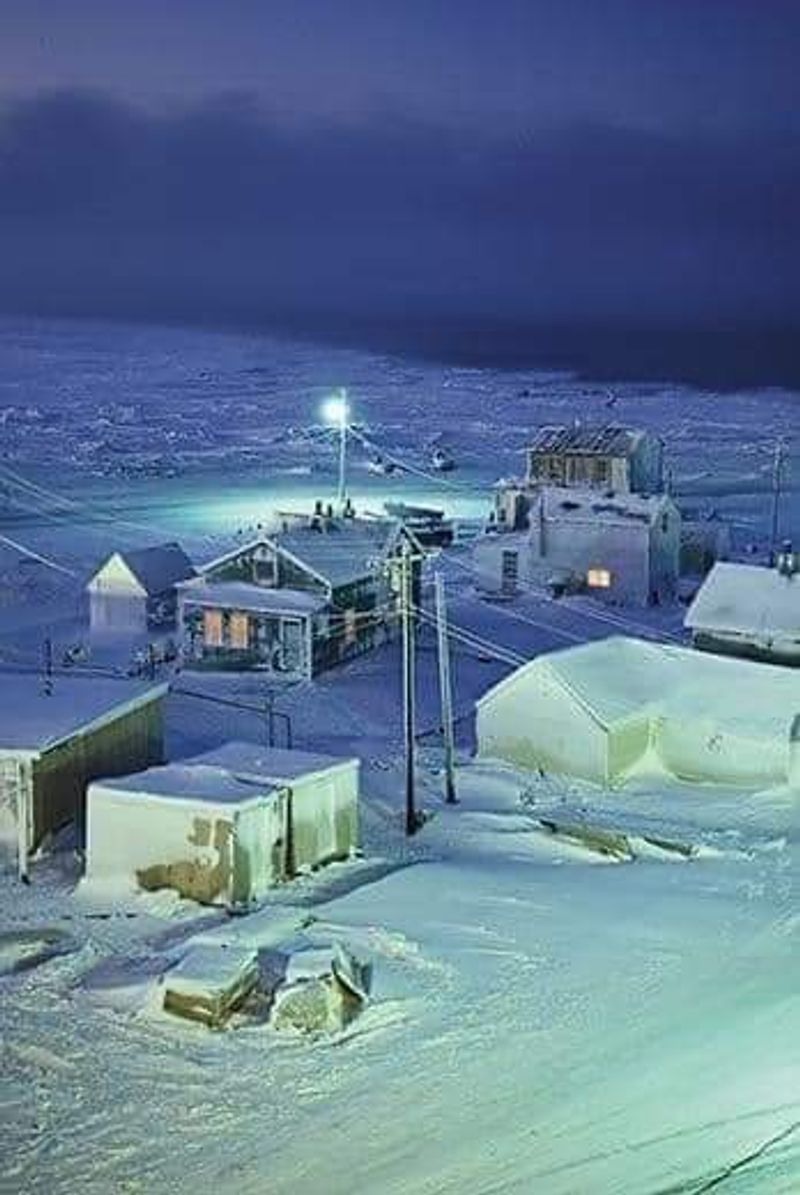
For 65 days every year, the sun does not rise at all in Utqiagvik, the northernmost city in the United States. That stretch of polar darkness, combined with Arctic Ocean winds and temperatures that can sink below -40 degrees Celsius, makes this Alaskan community one of the most extreme places in North America to call home year-round.
The largely Inupiaq community here has lived on the North Slope for thousands of years, developing deep expertise in surviving and thriving in an environment that would challenge most newcomers within hours. Traditional whaling remains central to cultural and community life, with spring hunts bringing the whole town together in ways that modern cities rarely experience.
Modern infrastructure, including schools, a hospital, and regular flights connecting to Anchorage, keeps the community functioning through the harshest conditions. Snow machines have largely replaced dog sleds for getting around, though both still appear during community events and subsistence hunting trips.
The name Utqiagvik, meaning roughly the place to hunt snowy owls, was officially restored in 2016 after the town had been known as Barrow for decades. Locals say the original name feels right, connecting the present to thousands of years of Arctic history.
Iqaluit, Nunavut
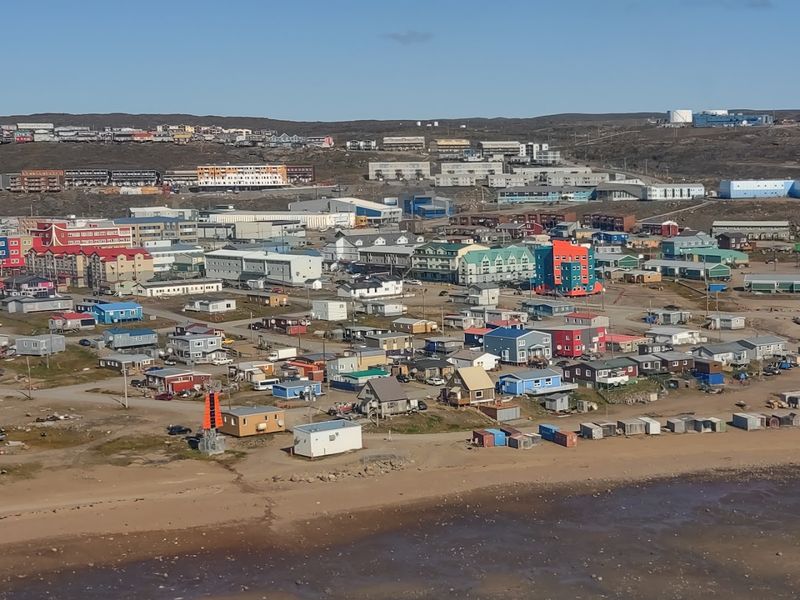
There are no roads connecting Iqaluit to the rest of Canada. Let that sink in for a moment.
The capital of Nunavut sits on Baffin Island beside Frobisher Bay, completely cut off from the southern highway network, meaning that everything residents need, from groceries to building materials, arrives by plane or by seasonal ship during the brief summer window.
Winters here are long, dark, and genuinely cold, with temperatures regularly dropping below -30 degrees Celsius and wind chill making conditions feel even more severe. The tundra landscape offers little shelter from Arctic winds that sweep across the bay with impressive force.
Yet the city supports government offices, courts, schools, a hospital, and a growing arts community rooted in Inuit culture.
Inuit art from Iqaluit and surrounding communities is recognized worldwide for its beauty and craftsmanship, with printmaking and sculpture drawing collectors from across the globe. The city has grown rapidly in recent decades as Nunavut developed its own government after separating from the Northwest Territories in 1999.
Newcomers often describe a steep learning curve when it comes to dressing for the cold, shopping with limited options, and adjusting to the dramatic seasonal swings in daylight.
Yellowknife, Northwest Territories
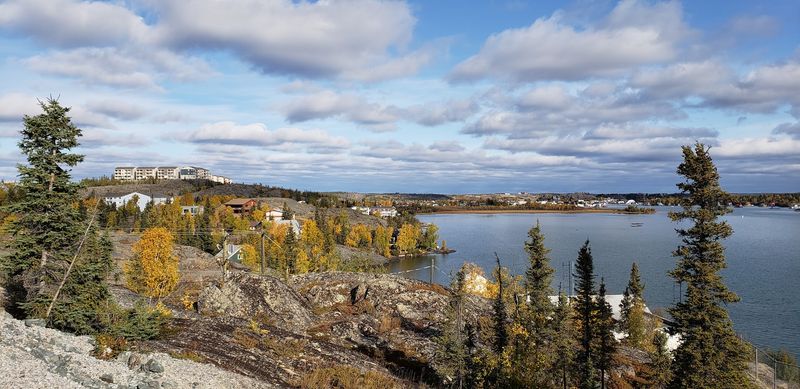
Ask anyone who has visited Yellowknife in winter and they will likely mention two things: the cold and the northern lights. Canada’s diamond capital sits on the northern shore of Great Slave Lake and experiences winters where temperatures routinely fall below -30 degrees Celsius for weeks at a time, yet clear skies make it one of the best places on the continent to watch the aurora borealis dance overhead.
The city is far more connected and developed than many Arctic settlements of similar latitude. Hospitals, schools, government offices, and a surprisingly lively restaurant and music scene keep residents entertained through the long winter.
An all-weather highway connects Yellowknife to the south, which is a genuine luxury compared to many northern communities that rely solely on air travel.
During the coldest stretches, the lake freezes thick enough to support an ice road that extends the transportation network further north. Tourism has grown steadily as aurora-chasers from Japan, Europe, and beyond book winter trips to photograph the lights from the frozen lake shore.
For residents, the cold is simply part of the rhythm of life, something to dress for, plan around, and occasionally complain about with great enthusiasm at community gatherings.
Longyearbyen, Svalbard, Norway
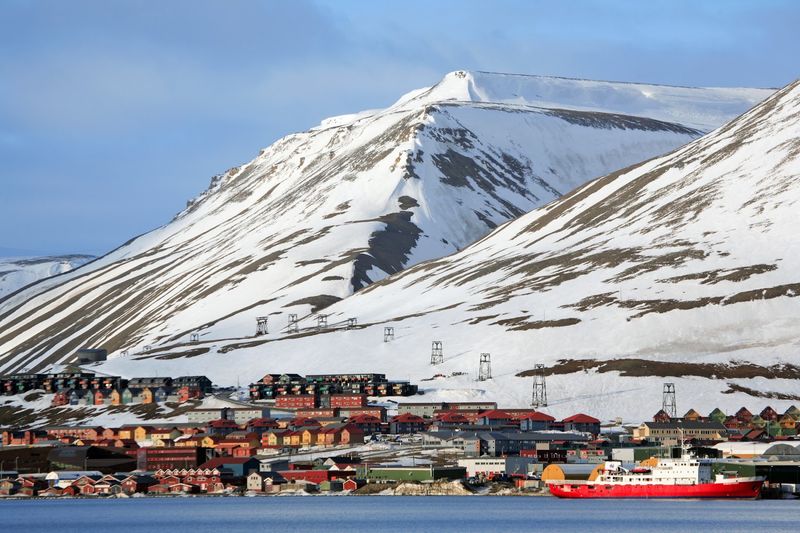
Polar bears outnumber people in Svalbard, and residents of Longyearbyen are legally required to carry a firearm when venturing outside the town limits. That detail alone tells you something important about life in one of the world’s northernmost permanent communities, perched at roughly 78 degrees north latitude between Norway and the North Pole.
About 2,500 people live here among glaciers, steep mountains, and months of complete polar darkness. Surprisingly, the settlement has a school, a university center, several restaurants, a church, and shops that would not look out of place in a small Norwegian town further south.
Ocean currents moderate the climate somewhat, keeping temperatures from plunging to the Siberian extremes, though winters are still serious business.
Permafrost thaw caused by climate change has become an urgent concern in Longyearbyen, as warming ground threatens the foundations of buildings and increases avalanche risk on the surrounding slopes. A deadly avalanche in 2015 destroyed several homes and prompted a major rethinking of where and how the town should develop.
Despite these challenges, Longyearbyen attracts adventurous tourists, researchers, and residents drawn by the raw, spectacular beauty of a landscape that few people on Earth ever get to experience firsthand.
Old Crow, Yukon
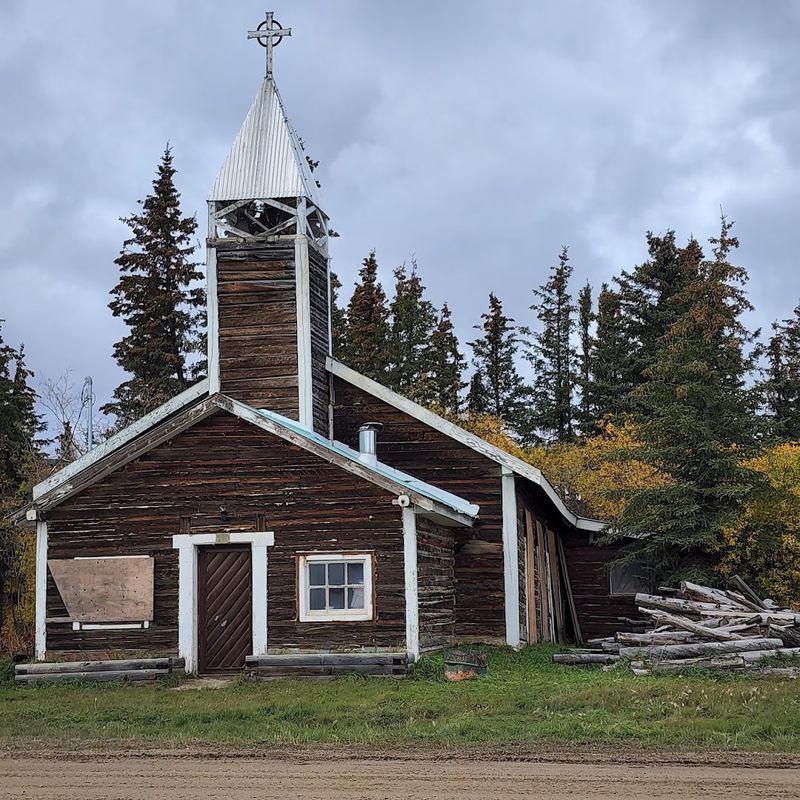
In January 1975, a thermometer in Old Crow recorded approximately -59.4 degrees Celsius, a number so cold it is hard to fully imagine. This small Vuntut Gwitchin community sits north of the Arctic Circle in the Yukon and holds the distinction of being one of the coldest permanently inhabited places in Canada, with no year-round road connecting it to the outside world.
Everything comes in by air or, when the rivers freeze hard enough, by winter ice road. The Porcupine caribou herd, one of the largest in the world, migrates through the surrounding lands each year, and the community’s relationship with this herd is central to Vuntut Gwitchin culture, diet, and identity.
Generations of knowledge about reading weather, hunting safely, and preserving food through brutal winters have been passed down carefully.
Old Crow has a school, a nursing station, and a community hall where residents gather for events that keep spirits high through the long, dark months. The Yukon government and Indigenous leadership have worked together on projects to support the community while protecting the land and wildlife that sustain it.
Visitors who make the effort to reach Old Crow often describe it as one of the most genuinely remote and culturally rich communities they have ever encountered.
Share this story