Some countries are tiny on the map but giants in the money department. They have fewer people than a big city, yet their economies play on the world stage.
Banks, energy, ships, and smart factories help them earn a lot. Ready to meet the small nations with seriously big wallets?
Liechtenstein
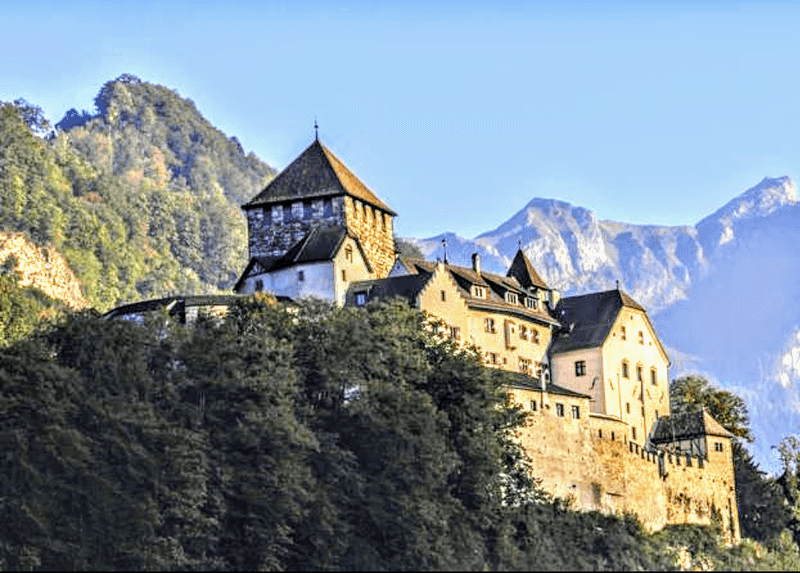
Picture a country so small you could cross it by bike before lunch. Liechtenstein sits between Switzerland and Austria and covers only 160 square kilometers.
Even so, it tops the 2026 GDP per capita list at about $195,000 (PPP).
Many people guess banks built this wealth. Banks matter, but factories matter even more.
In 2022, goods-producing industries supplied roughly 34% of jobs.
The local specialties are surprisingly practical. Think machinery, electronics, vehicle parts, and dental technology.
The next time a dentist shows you a shiny tool, it might have started in a Liechtenstein workshop.
The home market is tiny, so companies look outward. They sell heavily to Switzerland, Germany, and the United States.
That export habit keeps the economy humming.
Add financial services to the mix, and you get a principality with a reach far bigger than its borders. Small size, big ideas, and a very full order book make this Alpine nation a true heavyweight.
Singapore
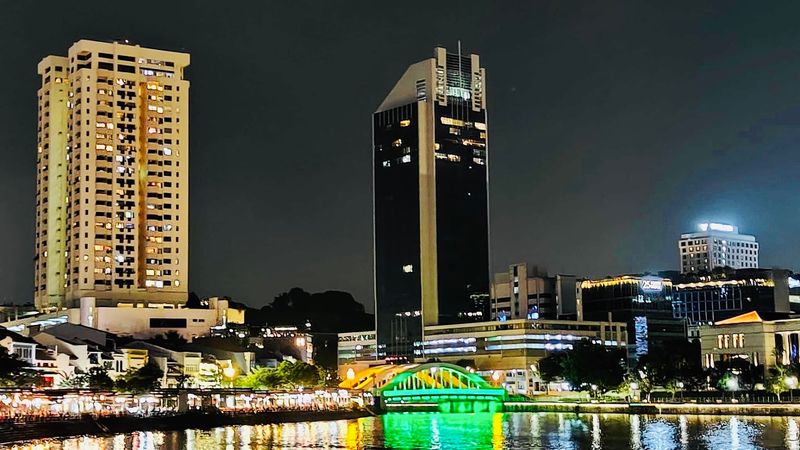
Cargo ships line up here like cars at a busy drive-through. Singapore has little land and almost no natural resources.
Yet it sits beside one of the world’s key shipping routes, and that spot changed everything.
In 2025, the port handled 44.66 million TEUs of containers, a record high. That makes it the busiest transshipment hub on Earth.
More than 130,000 vessel calls arrive each year, based on figures from the Ministry of Transport.
Shipping is only one piece of the puzzle. Finance, aviation, electronics, biotechnology, and advanced manufacturing add depth.
Together they keep the economy from leaning on a single trick.
With around six million people, Singapore acts like a switchboard for Southeast Asia. Goods, money, and business deals pass through it every day.
Its 2026 GDP per capita is about $174,000 (PPP).
Not bad for a city-state you can drive across in under an hour.
Ireland
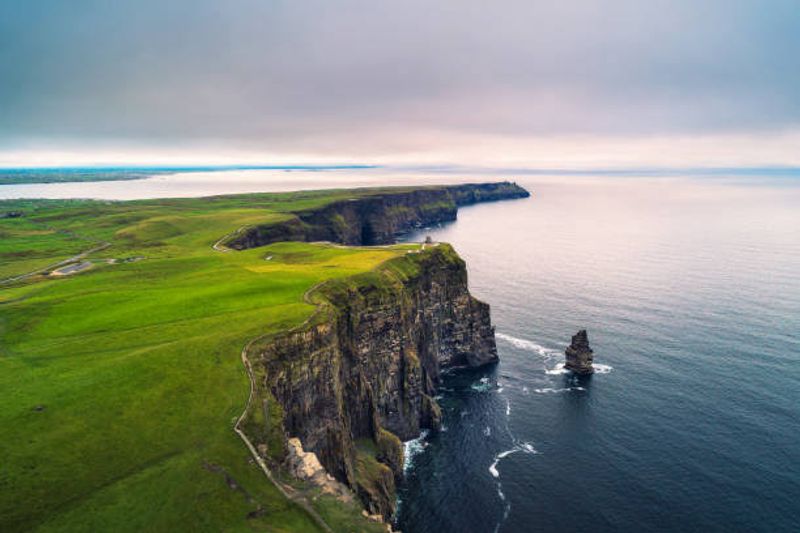
Here is a number puzzle that makes economists scratch their heads. Ireland shows a GDP per capita of about $159,000 (PPP) for 2026.
That figure needs a little explaining.
Big multinational tech and pharmaceutical firms base their operations here. Their global activity can inflate the headline GDP.
So Ireland’s Central Statistics Office also publishes Modified Gross National Income, called GNI*, to trim out some of those effects.
The gap is huge. In 2025, GDP was about 602 billion euros, while modified GNI was roughly 334 billion euros.
Same country, very different pictures.
Even with that caution, the story is impressive. Ireland has grown into a major European base for investment and exports.
Its 5.6 million people take part in an economy with a footprint far larger than its headcount.
So the numbers may look dramatic, but the lesson is useful. Always check how a statistic is measured before cheering or gasping.
Luxembourg
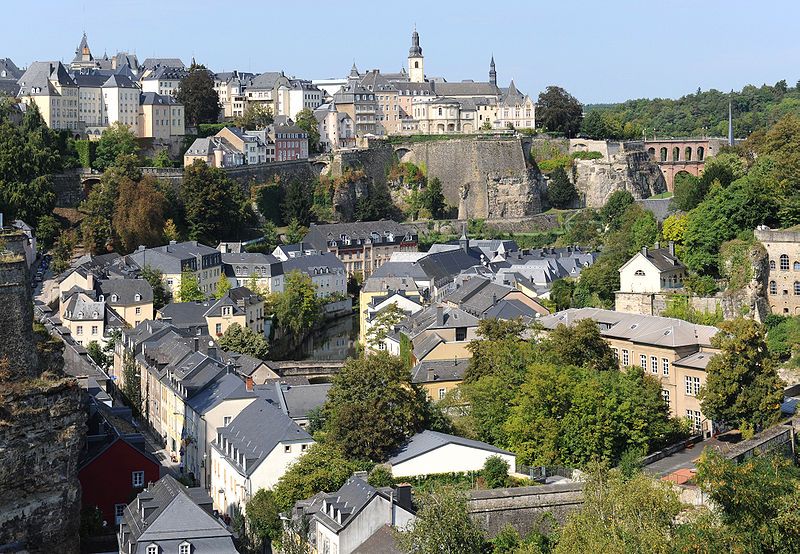
Fewer than one million people live here, yet trillions of euros flow through. Luxembourg’s financial system works on a global scale.
At about $157,000 per person (PPP) in 2026, it ranks among the richest places anywhere.
The country is Europe’s largest investment-fund center and the world’s second largest, according to Luxembourg for Finance. By the end of 2025, assets under management in those funds passed 8 trillion euros.
That is a lot of zeros for a Grand Duchy.
Government work adds to the mix. Luxembourg hosts parts of the European Commission, the Court of Justice of the European Union, and the European Investment Bank.
Finance here is not just about local money. It links investors with markets across Europe and far beyond.
Funds set up in Luxembourg are sold in many countries.
That mix of institutions and investment gives the nation influence well beyond its size. Quiet streets, loud impact.
Norway
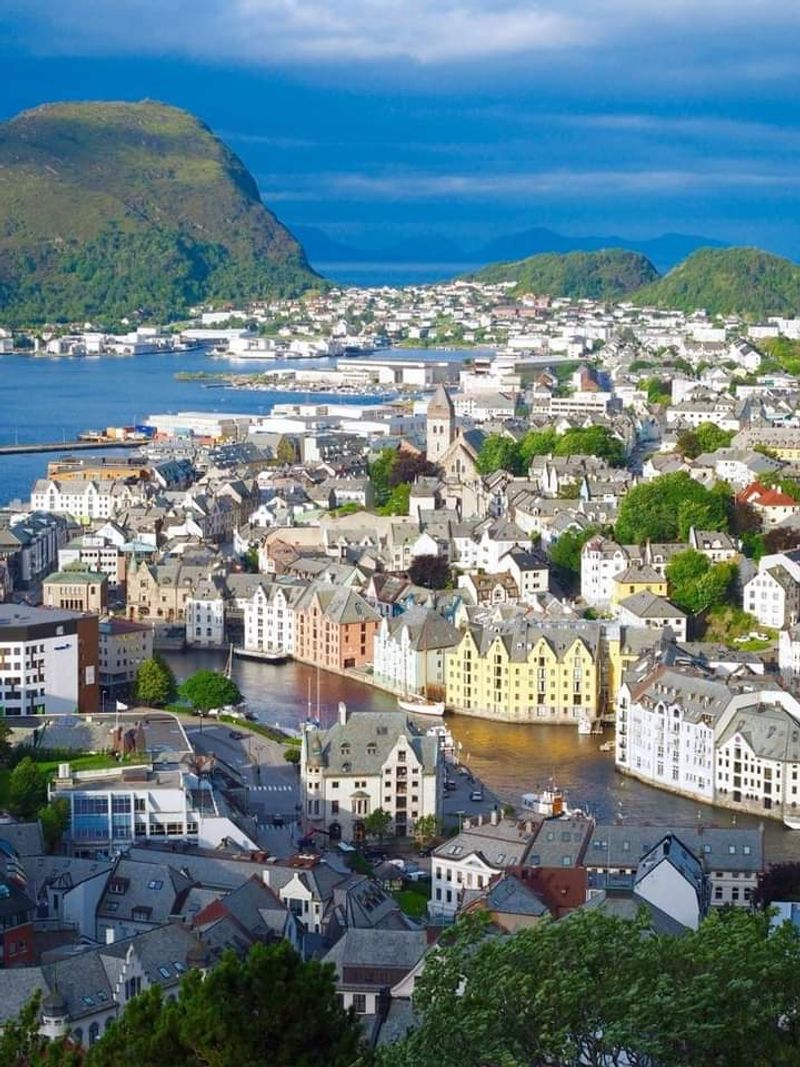
Saving for a rainy day is easy when the rain is made of oil money. Norway struck petroleum and natural gas, and its smartest move came next.
It put much of the income into the Government Pension Fund Global.
That fund invests abroad for future generations. At the end of June 2026, its value was about 22.7 trillion Norwegian kroner.
Its holdings spread across thousands of companies, bonds, real estate, and renewable-energy projects.
Few countries of roughly 5.6 million people control financial assets on that scale. Norway’s 2026 GDP per capita is about $116,000 (PPP).
Energy is still a big deal. Norway supplies Europe with oil and gas.
It also runs advanced maritime, fish farming, and offshore industries.
So the nation reaches far beyond Scandinavia. A cold northern country with a very warm bank balance.
Qatar
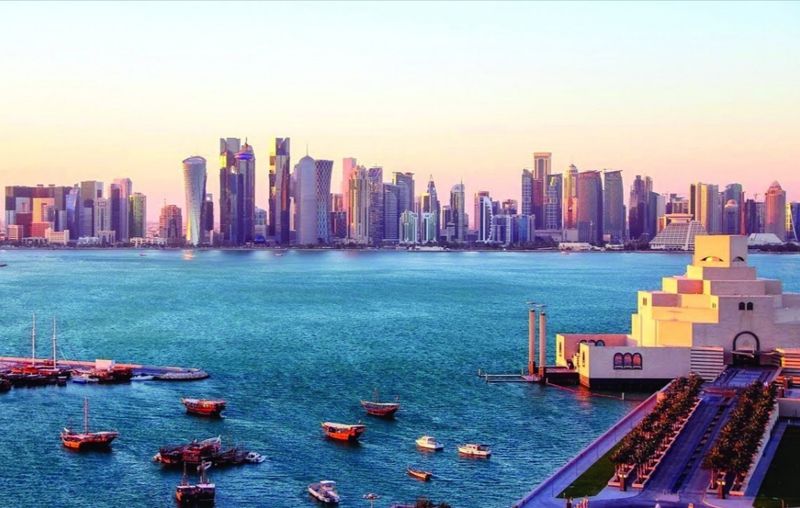
Beneath the Gulf waters lies a gas field that rewrote a country’s future. Qatar turned the giant North Field into enormous national wealth.
Its 2026 GDP per capita is about $112,000 (PPP).
The field supports a liquefied natural gas industry that matters to energy markets worldwide. QatarEnergy planned to lift LNG capacity from 77 million tonnes a year to 110 million tonnes in one major phase.
It also produces condensate, LPG, and helium.
Gas is not the whole story. Qatar has built mediation into its foreign policy.
It has taken part in talks and conflict-resolution efforts involving states and non-state groups.
Add aviation and investment, and the picture grows. A few million residents steer a country that shows up in headlines on many continents.
Energy gives it leverage, and diplomacy gives it a seat at the table. Small land, loud voice.
Switzerland
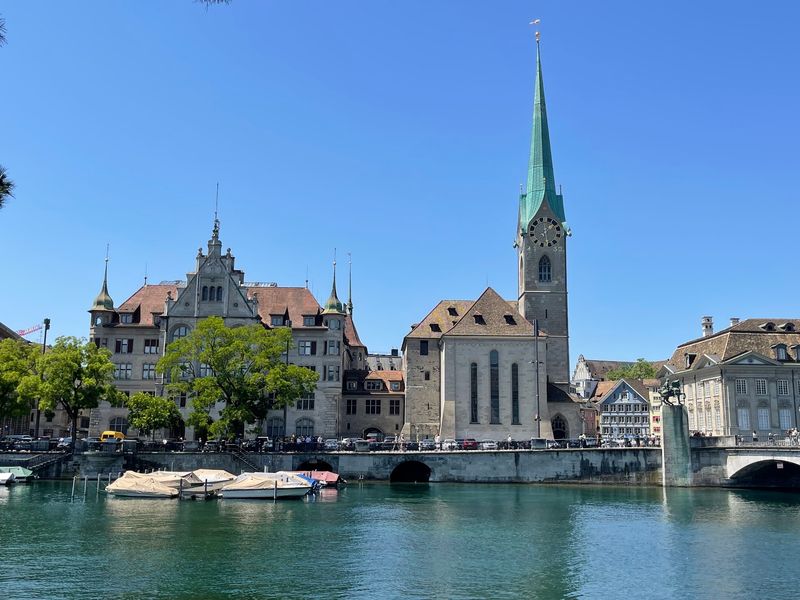
Ask someone what makes Switzerland rich, and you will likely hear one word: banks. The real answer is wider.
Pharmaceuticals, medical technology, precision engineering, insurance, commodities trading, and high-value manufacturing all pitch in.
Its 2026 GDP per capita is about $106,000 (PPP). The nation has around nine million people and no coastline.
Exports still flow out at a steady pace.
Geneva adds another layer. It hosts many United Nations bodies, aid groups, diplomatic missions, and global institutions.
Switzerland’s foreign affairs department says this “International Geneva” creates about 4 billion Swiss francs in yearly added value.
That role also brings visibility far above the country’s geographic size. Neutrality, steady institutions, and specialized skills form a strong recipe.
Turns out the mountains are not the only thing holding Switzerland up. Smart planning does plenty of heavy lifting too.
Brunei
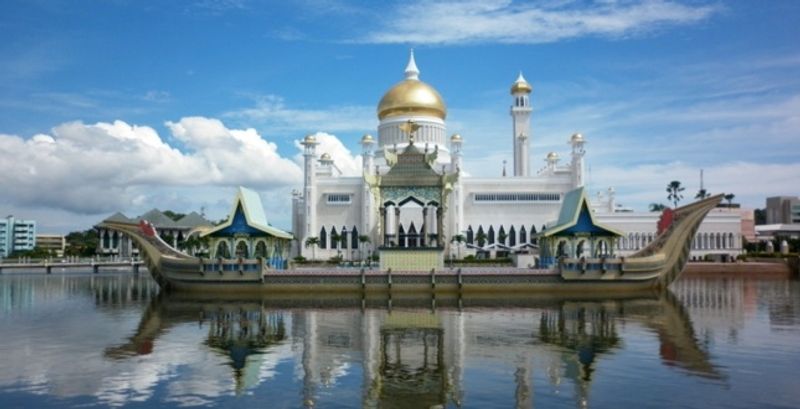
Golden domes and rainforest share the skyline in tiny Brunei. The country covers part of Borneo and has fewer than half a million residents.
Decades of oil and gas production pushed its income to a 2026 GDP per capita of about $98,000 (PPP).
Energy still rules. The Petroleum Authority of Brunei says it made up 46.7% of GDP in 2024.
Brunei Shell Petroleum produced about 90% of oil-and-gas revenues.
The government wants a wider base. Plans include petrochemicals, fertilizer, logistics, tourism, and other non-hydrocarbon work.
Large downstream projects already extend the energy chain beyond plain crude and LNG exports.
Brunei shows what resource wealth looks like when a small population shares it. Few places in Southeast Asia make the point so clearly.
Now the challenge is building new income streams before the wells slow down. A smart pivot could keep the good times rolling.
Denmark
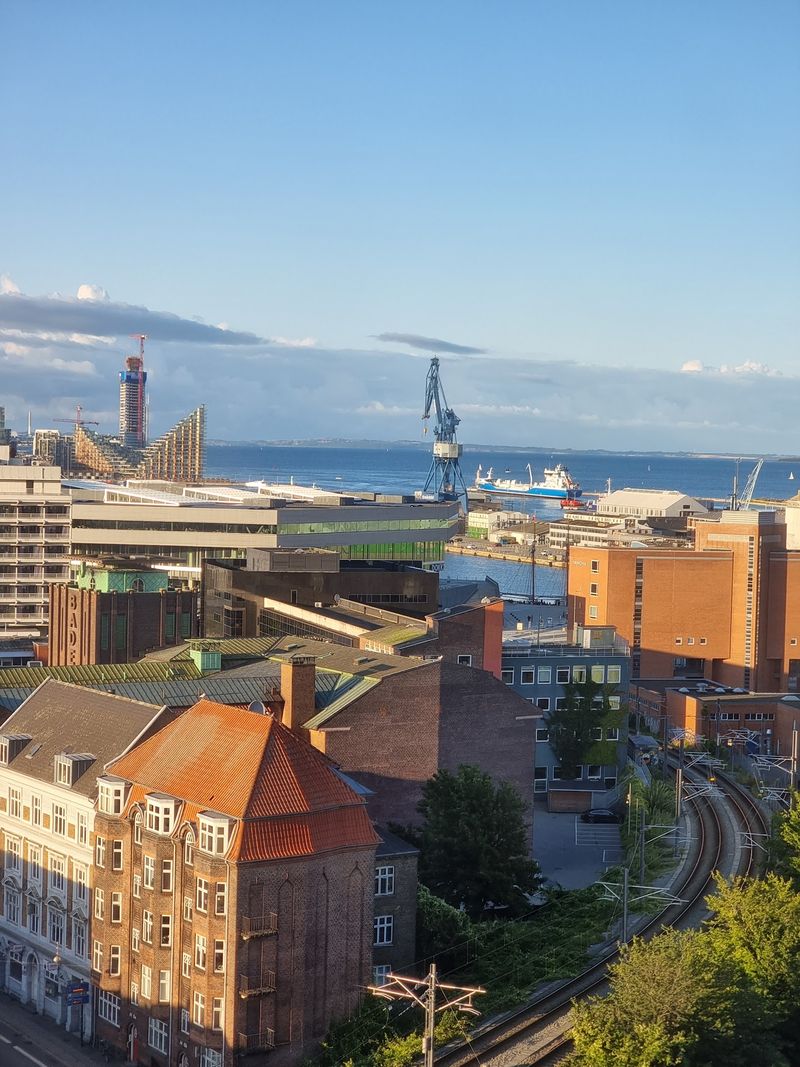
Wind whips across Denmark, and the Danes decided to put it to work. In 2025, preliminary Danish Energy Agency figures show renewables made up 79.7% of electricity use.
Wind alone supplied 54% of domestic electricity in 2024.
That know-how became a business. Danish skill in wind turbines and offshore energy is now an export industry as well as a climate plan.
Other strengths add up too. Denmark has world-class companies in pharmaceuticals, food, engineering, and shipping.
Its maritime economy keeps it linked to global trade.
With just over six million residents, the country produces technologies and corporations that feel much bigger than its population. Its 2026 GDP per capita is about $90,000 (PPP).
Clean power, strong firms, and busy ports make a tidy formula. The bakery is not the only thing rising in Denmark.
San Marino
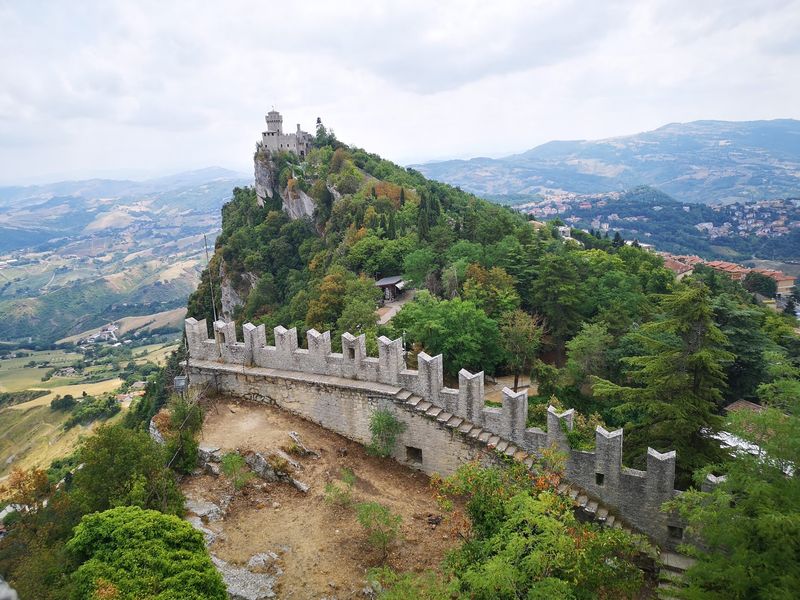
Tourists come for the hilltop towers, but the factories deserve a look too. San Marino is surrounded completely by Italy and has only about 34,000 residents.
Its 2026 GDP per capita is around $87,000 (PPP).
Tourism and financial services matter here. Yet manufacturing is larger than most visitors would guess.
The National Statistics Office counted 453 manufacturing enterprises at the end of 2025.
Those firms employ more than 7,000 people. Their work covers food production, machinery, paper products, clothing, and other specialized goods.
The republic uses the euro even though it is not an EU member. It also keeps its own institutions and ranks among the oldest surviving sovereign republics.
The lesson is simple. A microstate does not have to rely on one narrow niche.
A little variety goes a long way.
Iceland
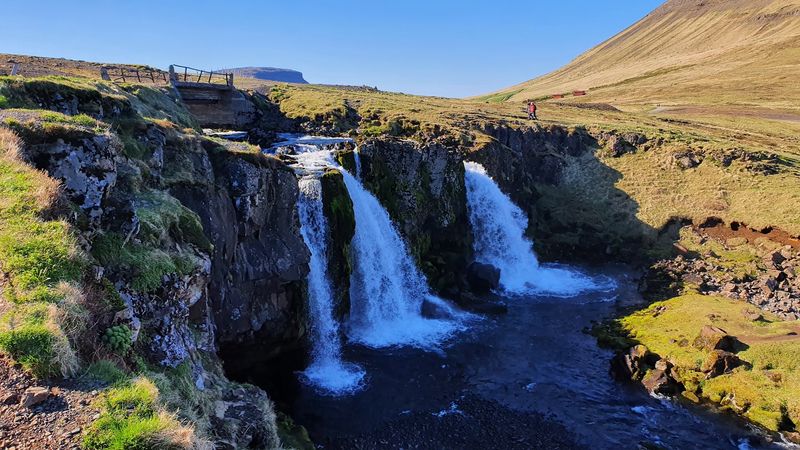
Steam rises from the ground, and Icelanders see a power bill that shrinks. With fewer than half a million people, Iceland turned tough natural conditions into assets.
Hydropower and geothermal energy supply nearly all domestic electricity.
A government roadmap says more than 99.9% of energy generation comes from renewable sources. That supports energy-heavy industries.
It also opens doors in green hydrogen and electrification.
Fisheries remain important, both for money and for culture. Tourism has grown into another large source of foreign revenue.
The IMF’s 2026 Article IV data put nominal GDP per capita near $110,000. On a PPP basis, the 2026 figure is about $83,000.
That is quite a result for a remote North Atlantic island. Fire, ice, and good planning make a rich combination.
Malta
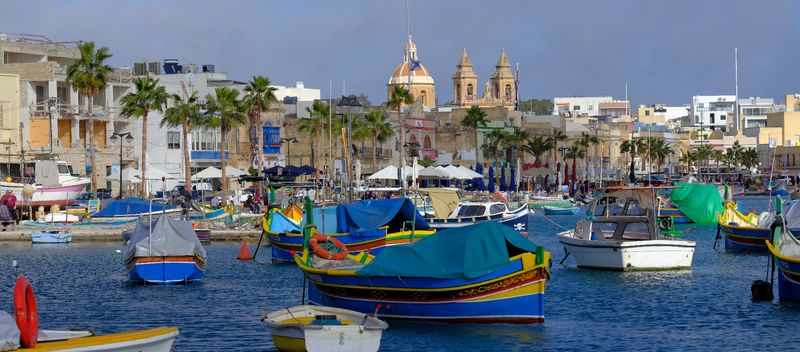
Flags tell a surprising story in Malta. The Maltese flag flies on one of the largest ship registers in Europe and one of the biggest worldwide, based on the official registry.
That is a lot of vessels for a country of around half a million people.
Location explains much of it. Malta sits between Europe and North Africa, and that spot has mattered for thousands of years.
Today it still turns geography into influence. Its 2026 GDP per capita is about $82,000 (PPP).
Other industries join in. Financial services, aviation maintenance, online gaming, technology, and a large tourism sector all add income.
EU membership helps. Companies based on the islands can reach the wider single market.
Few countries show the value of legal systems and smart positioning so clearly. Sun, sea, and paperwork can be a powerful trio.
Andorra
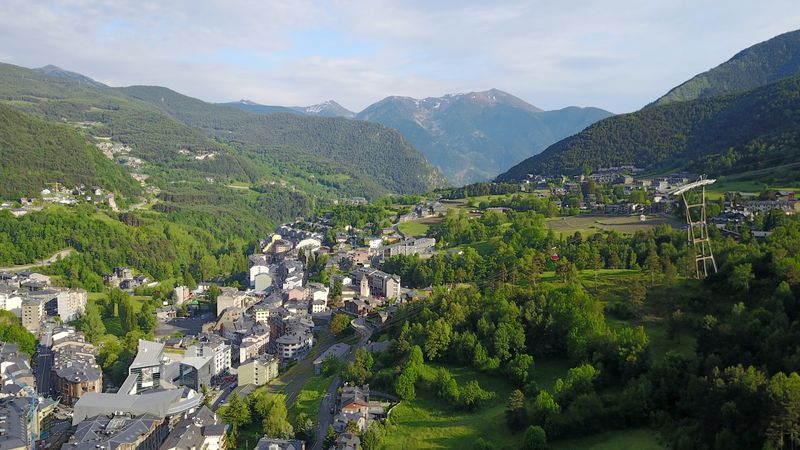
A country of about 80,000 people welcomed 9.6 million tourist arrivals in 2024. Yes, that is more than 100 visitors per resident.
Andorra sits in the Pyrenees between France and Spain.
Winter is the star season thanks to wide ski terrain. Still, retail, banking, real estate, and year-round mountain fun also support the economy.
The nation is trying to attract visitors beyond its French and Spanish neighbors.
Andorra has gradually updated its financial and tax rules. It is also aiming for higher-value tourism and digital business.
Here is the odd part. It reaches wealthy-country income levels, about $76,000 per person (PPP) in 2026, without an airport or seaport.
It also lacks a large home market.
Mountain roads do the work instead. Not bad for a country that fits between two peaks and two giants.
Bahrain
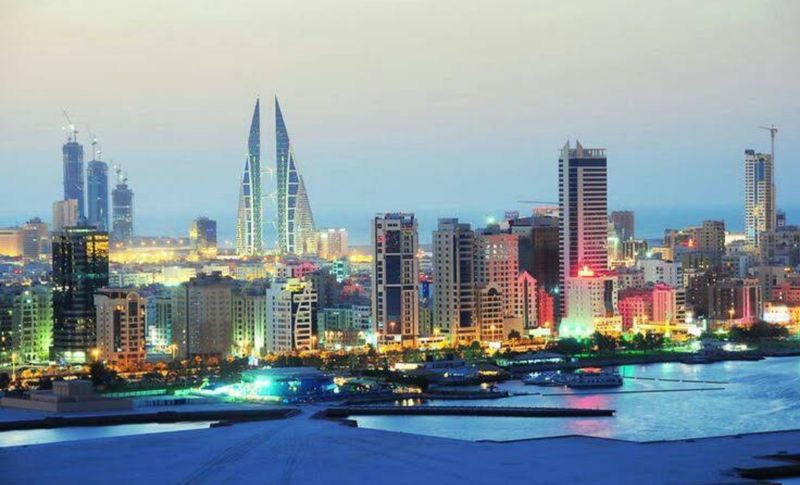
Bahrain struck oil early, and then it started planning for life after oil. Its reserves were smaller than those of its Gulf neighbors.
That pushed the kingdom to diversify sooner.
Finance became a strong answer. Bahrain’s national portal says it hosts more than 400 licensed financial institutions.
Banking, insurance, asset management, and Islamic finance form a sector worth over 16% of GDP.
Aluminum, logistics, refining, and tourism add more pillars. The King Fahd Causeway links the island to Saudi Arabia, which helps trade and travel.
Compared with more resource-rich Gulf states, Bahrain leaned less on hydrocarbons. It built a regional role in services and banking instead.
Its 2026 GDP per capita is about $70,000 (PPP). A small island kingdom proves that a head start on diversifying can pay off nicely.
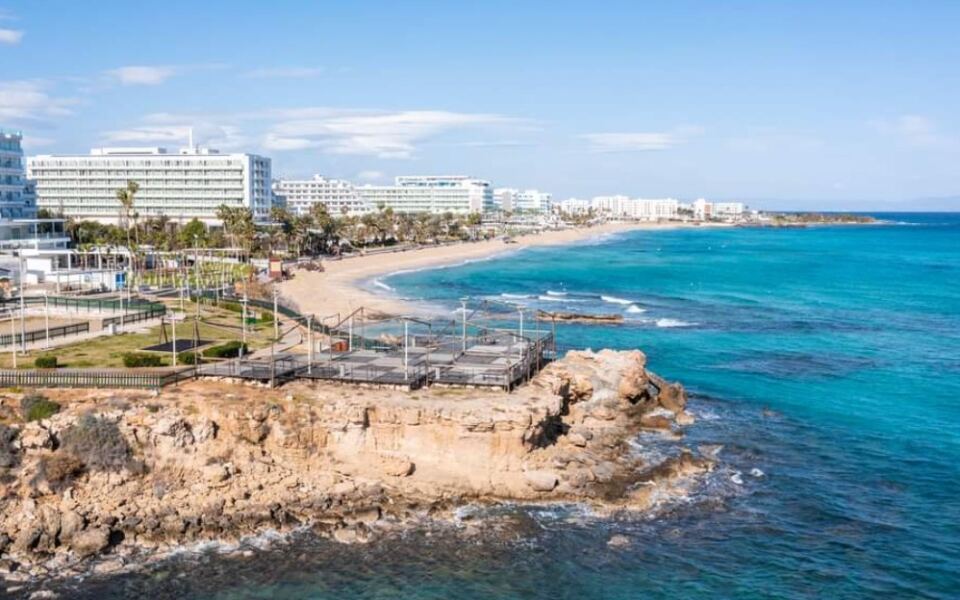
Cyprus
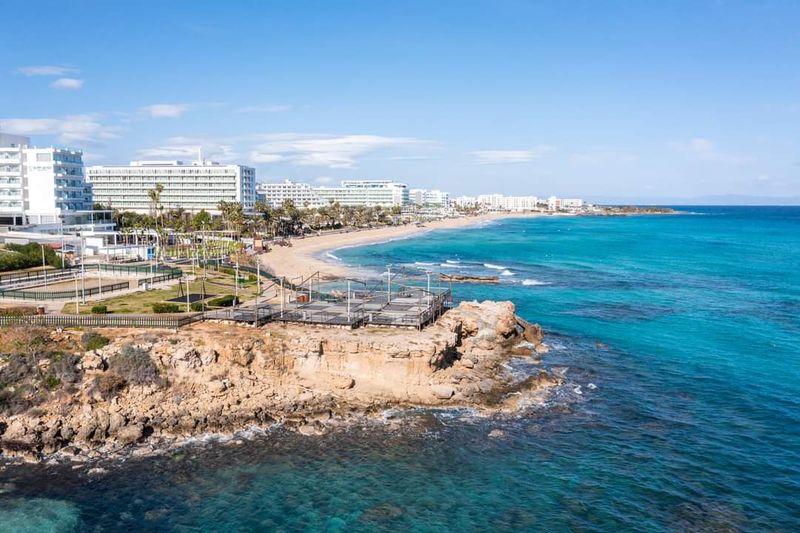
Count the ships, and Cyprus suddenly looks huge. Fewer than two million people live on the island.
Yet Invest Cyprus says it has the third-largest merchant fleet in the European Union.
More than 200 companies offer shipping and related services. Shipmanagement alone earned over 1.9 billion euros in 2025, based on a Central Bank of Cyprus survey.
Those are impressive numbers for an island you can cross in a couple of hours.
Other sectors help. Financial services, tourism, technology, and professional services all contribute.
The island sits between Europe, the Middle East, and North Africa, which makes it a handy meeting point.
EU membership and a strategic Mediterranean position explain much of the success. The 2026 GDP per capita is about $68,000 (PPP).
Sun and sand draw visitors, but cargo and contracts quietly build the wealth.
Share this story