Long before grocery stores, food delivery apps, or refrigerators, people figured out how to grow, preserve, and trade food in ways that changed the world forever. The staples they discovered and cultivated thousands of years ago did not just feed families.
They built civilizations, sparked wars, fueled trade routes, and shaped cultures that still exist today. From the bread on your breakfast table to the pepper in your kitchen cabinet, these ancient foods are more connected to world history than most people realize.
Understanding where these everyday ingredients came from gives you a whole new way of looking at what is sitting on your dinner plate tonight.
Bread
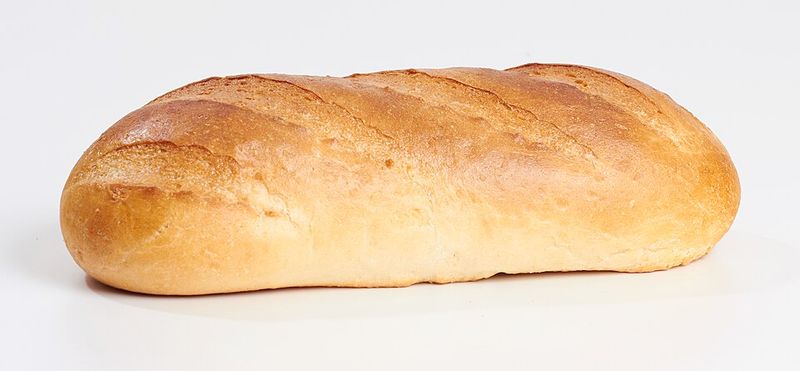
Few foods carry as much history as a simple loaf of bread. Archaeologists found evidence of bread-like food in northeastern Jordan dating back roughly 14,400 years, well before farming was even fully developed.
That means people were already grinding wild grains and cooking flatbreads long before anyone had a proper field, a mill, or an oven.
As wheat farming spread and civilizations grew, bread became the backbone of daily life. It fed Egyptian workers who built monuments, Roman soldiers on long campaigns, and ordinary families in villages across every continent.
Bread was not just food. It was a symbol of labor, survival, and shared community life.
Today, bread appears in more forms than any single culture can claim. Tortillas, pitas, sourdough loaves, naan, baguettes, and injera all trace their roots back to that ancient human instinct to turn grain into something nourishing.
That instinct has never gone away.
Salt

Salt looks unremarkable sitting in a shaker on a restaurant table, but for most of human history it was treated more like gold than a condiment. Its power came from preservation.
Before refrigeration existed, salt was the primary tool for keeping meat, fish, and vegetables edible long enough to travel, trade, or survive a winter.
Entire economies were built around controlling salt. China ran government salt monopolies for centuries, using the revenue to fund armies and infrastructure.
In Europe, dedicated salt roads connected inland towns to coastal production sites. The word “salary” itself is believed to trace back to salt payments given to Roman soldiers.
Salt also matters biologically. Humans and animals need it to function, which made controlling salt sources a political and military priority for thousands of years.
Today it costs almost nothing, but its fingerprints are still visible in language, law, food tradition, and trade history across every culture on earth.
Rice
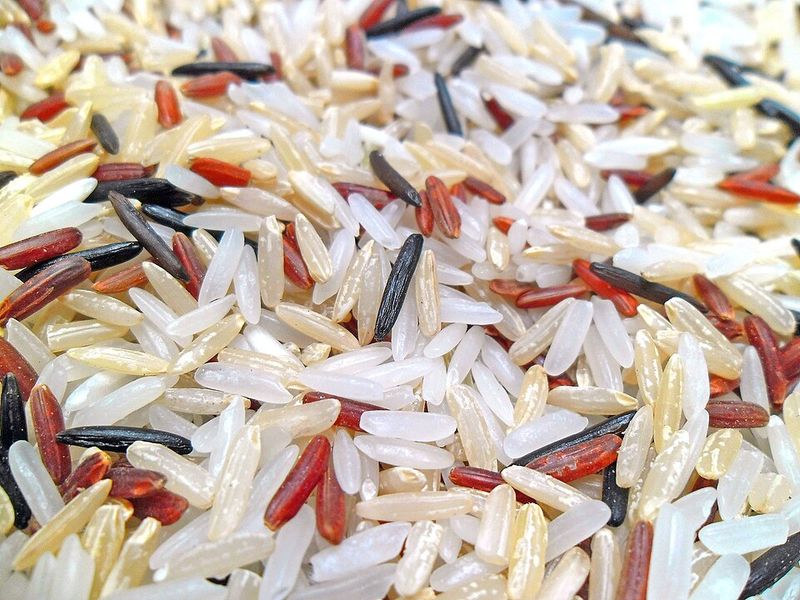
Rice did not just feed people. It organized them.
Wet-rice farming requires carefully managed water systems, coordinated seasonal labor, and long-term planning, which meant that communities built around rice paddies had to develop strong social structures to survive. That connection between rice farming and organized society helped give rise to some of Asia’s most powerful kingdoms and dynasties.
The Food and Agriculture Organization notes that rice is the staple food for more than half of the world’s population. In Asia alone, more than two billion people have historically relied on rice and rice products for a significant share of their daily calories.
That kind of dependence shapes culture deeply.
Rice appears in religious ceremonies, wedding rituals, harvest festivals, and everyday family meals across dozens of countries. From Chinese fried rice to Japanese sushi to Indian biryani to West African jollof, rice has proven itself one of the most adaptable and culturally embedded foods the world has ever known.
Sugar
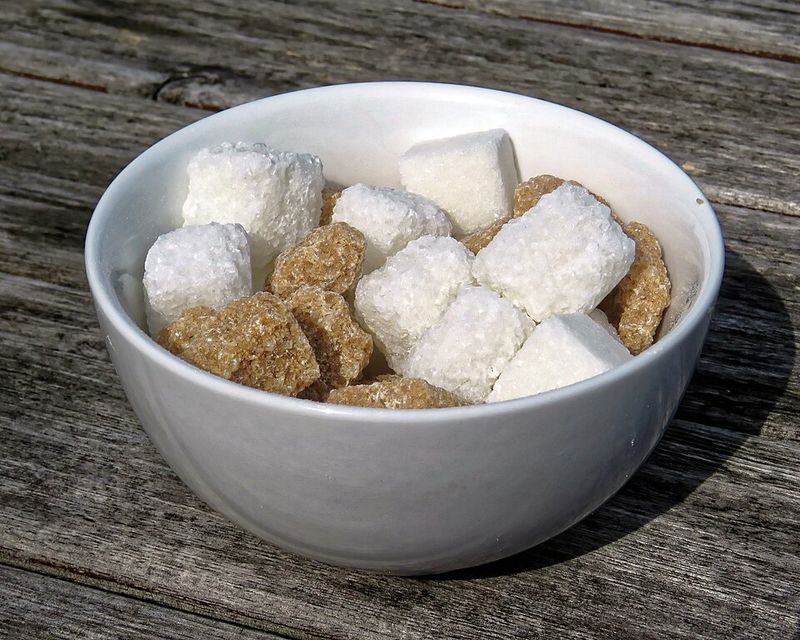
Sugar’s history moves fast from luxury item to world-altering commodity. For centuries after it was first cultivated in New Guinea and refined in India, sugar was rare enough that only wealthy households could afford it.
European contact with the Americas changed that equation dramatically and not always in ways worth celebrating.
Colonial plantation systems in the Caribbean and Brazil turned sugar production into a massive industry. That industry relied heavily on enslaved African labor, making sugar one of the clearest examples of how a single ingredient became entangled with some of history’s darkest chapters.
World History Encyclopedia notes that refined sugar production demanded intense labor under brutal conditions.
Once production scaled up, sugar flooded into everyday diets. It moved from royal tables into tea cups, bakeries, candy shops, and eventually processed food factories.
Today, sugar is everywhere in the food supply, often in forms people do not even recognize. Its journey from rare crop to global obsession reshaped both trade and taste.
Maize
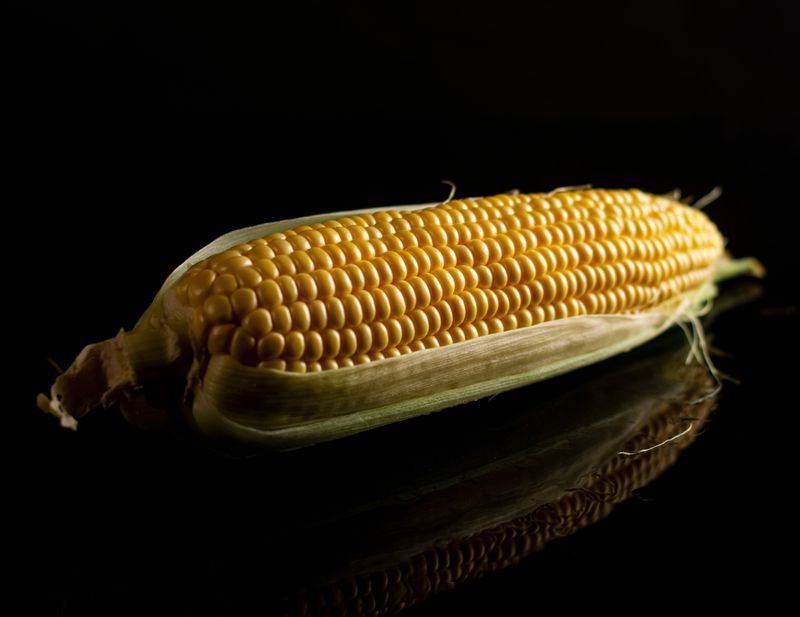
Corn as we know it did not always exist. Smithsonian research explains that ancient peoples in southwestern Mexico spent thousands of years selectively cultivating teosinte, a wild grass with small and sparse kernels, gradually transforming it into the recognizable maize crop that now feeds billions of people worldwide.
That process began around 9,000 years ago and stands as one of humanity’s most impressive agricultural achievements.
For the Maya and other Mesoamerican civilizations, maize was far more than food. It was identity, religion, and the center of their entire agricultural system.
Tortillas, tamales, ceremonial drinks, and ritual offerings all came from maize. Communities organized their calendars and spiritual practices around its growing seasons.
After European contact, maize spread rapidly because it grew well across many climates and produced reliable yields. Today it fuels human food, animal feed, cooking oil, corn syrup, and industrial manufacturing.
No other crop shows the bridge between ancient farming knowledge and modern global supply chains quite as clearly.
Potatoes
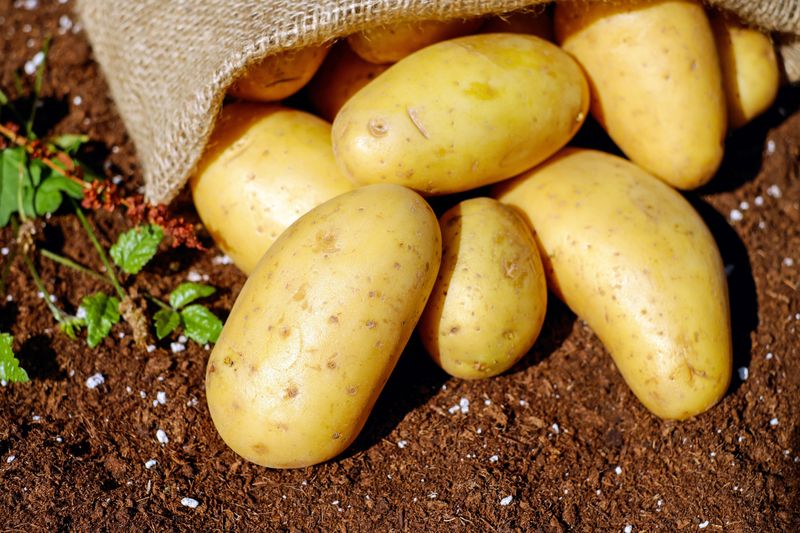
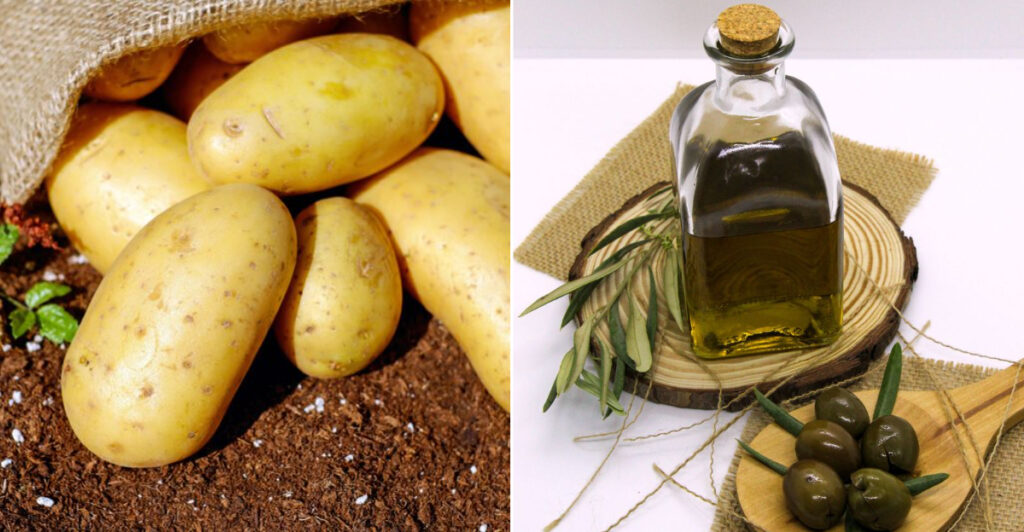
The potato started its global journey near Lake Titicaca in the Andes of South America, where communities first domesticated wild potato plants roughly 8,000 years ago. For centuries it stayed in the Americas, feeding Andean populations who developed hundreds of varieties suited to high-altitude growing conditions.
Spanish explorers eventually brought it to Europe, and from there it changed the world.
Potatoes mattered because they produced a large amount of food from relatively small plots of land and could grow in cold, difficult climates where other crops struggled. In Europe, they helped feed rapidly growing populations through the 1700s and 1800s.
Ireland became especially dependent on them, which made the catastrophic potato famine of the 1840s all the more devastating when blight struck the crop.
That famine showed the real danger of relying too heavily on a single food source. Today, potatoes remain a major global staple, appearing as fries, chips, dumplings, breads, soups, and countless other forms across almost every cuisine on earth.
Coffee
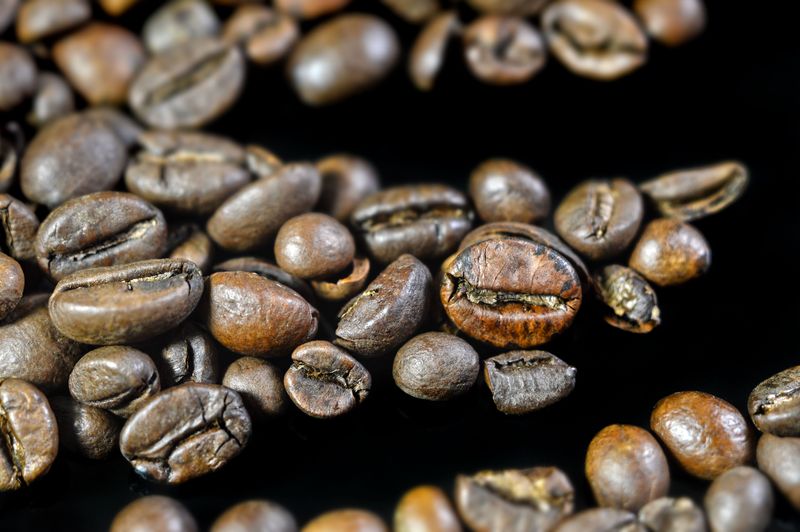
Coffee’s story begins in the highlands of Ethiopia, where the coffea plant grew wild before anyone thought to roast its seeds. The earliest firmly documented roasted-coffee culture developed in Yemen, where Sufi monks reportedly used the drink to stay alert during long nighttime prayers.
From Yemen, coffee spread through the Islamic world and eventually reached Europe by the 1600s.
What made coffee historically powerful was not just the drink itself. It was what happened wherever coffeehouses opened.
In the Ottoman Empire and across Europe, coffeehouses became public meeting places where merchants, writers, politicians, and thinkers gathered to argue, read newspapers, and conduct business. Lloyd’s of London famously grew out of a London coffeehouse.
The ideas exchanged over coffee helped shape the Enlightenment.
Coffee also became a major plantation crop tied to colonial economies in Yemen, Java, the Caribbean, and Latin America. Today it remains one of the world’s most traded commodities, still carrying traces of that long and complicated journey from Ethiopian hillside to global cup.
Tea
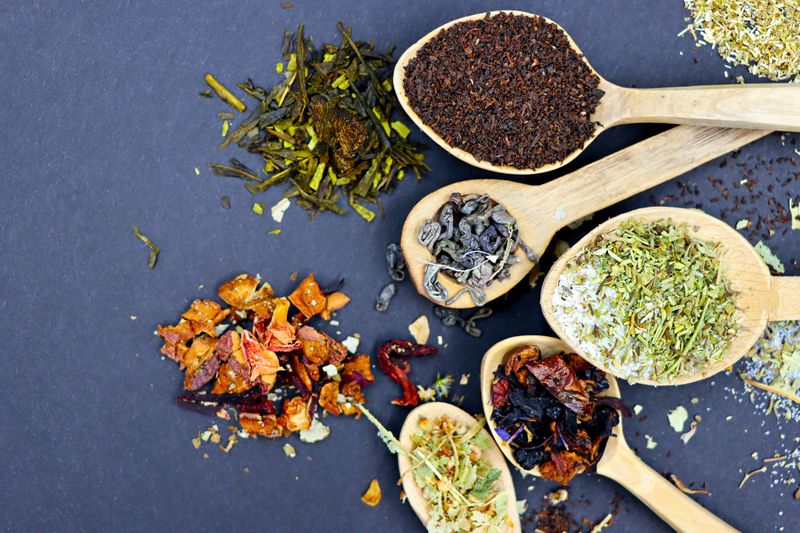
Tea started in China, where legend places its discovery thousands of years ago and where documented cultivation and preparation practices stretch back at least to the Tang dynasty. From China it moved through trade routes into Japan, Central Asia, the Middle East, and eventually into the hands of the British East India Company, which turned it into one of the most profitable commodities in global trade history.
Britain’s appetite for tea had enormous consequences. The East India Company’s monopoly on tea imports directly contributed to colonial tensions in North America, and the Boston Tea Party of December 16, 1773, became one of the most recognized acts of protest on the road to the American Revolution.
Tea was also connected to the Opium Wars, as Britain sought ways to balance its massive silver payments to China for tea.
From British afternoon tea to South Asian chai to Japanese matcha ceremonies, tea evolved differently in every culture it entered. Few beverages carry that kind of layered, world-spanning history while still being something billions of people enjoy every single morning.
Pepper
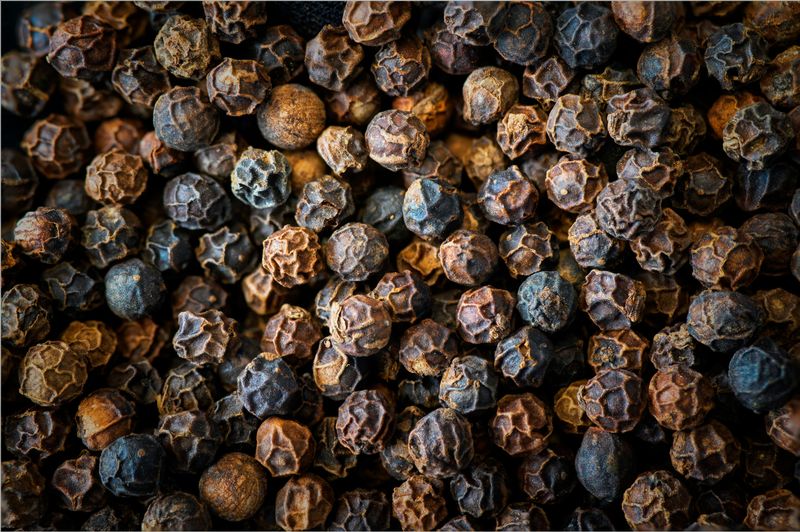
Black pepper was once valuable enough to use as currency and desirable enough to help reshape the world map. Its roots are firmly tied to the Malabar Coast of India, where it was cultivated and traded for thousands of years before reaching Mediterranean markets.
Smithsonian records describe Indo-Roman trade networks that carried pepper, gems, and aromatics across the Indian Ocean long before European exploration began.
European demand for pepper and other Asian spices grew intense by the medieval period. The overland routes connecting Asia to Europe were slow, expensive, and controlled by intermediaries who took large cuts of the profit.
That frustration pushed Portugal, Spain, the Netherlands, and Britain to fund dangerous sea voyages in search of direct routes to spice-producing regions.
Those voyages led directly to colonial expansion across Asia, Africa, and the Americas. Pepper’s flavor was the spark, but the consequences reached far beyond any kitchen.
Today it sits quietly in shakers everywhere, its remarkable past hidden in plain sight.
Olive Oil
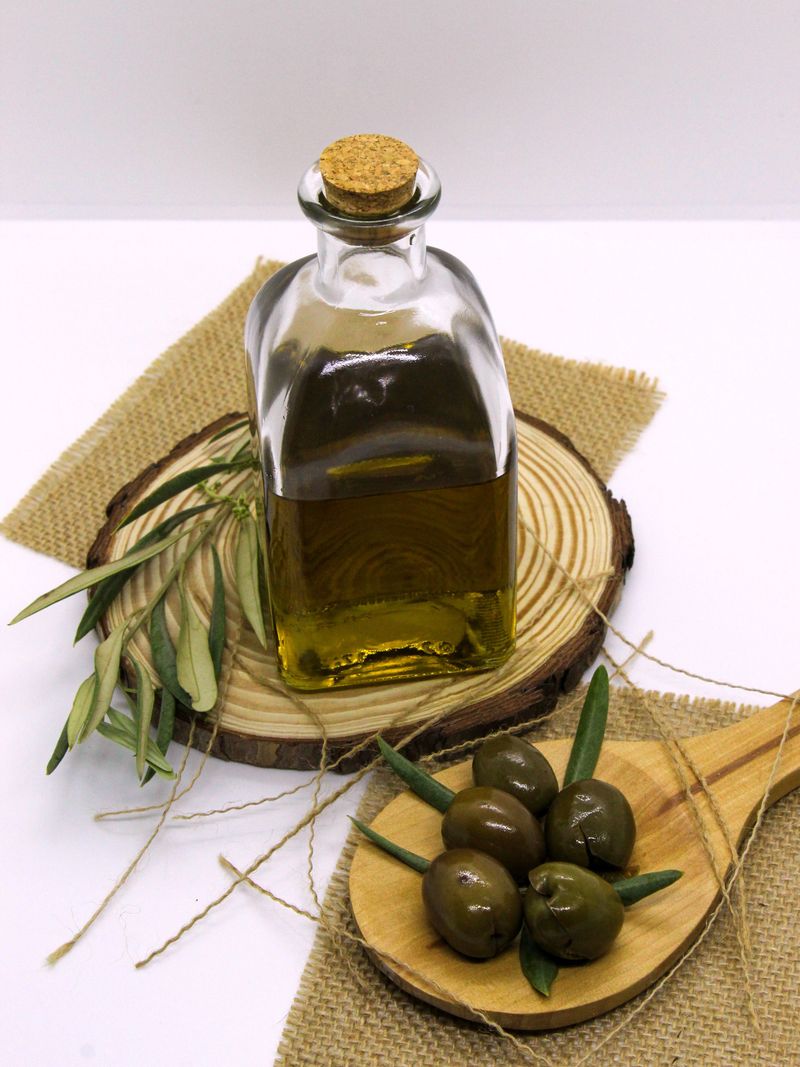
Olive oil did more work in the ancient Mediterranean world than any single product has a right to do. It served as food, lamp fuel, medicine, soap ingredient, athletic lubricant, and religious offering, all while also functioning as one of antiquity’s most valuable trade goods.
World History Encyclopedia describes olive cultivation and olive oil production as among the most successful industries of the ancient world.
Greek and Phoenician colonization spread olive cultivation across the Mediterranean basin, planting trees from the Levant to Spain. The Roman Empire then scaled olive oil production into a massive commercial operation, shipping it in clay amphorae to soldiers, cities, and trading posts across Europe, North Africa, and the Middle East.
Olive oil also carried deep symbolic meaning. It anointed kings and athletes, lit temple lamps, and appeared in religious texts across multiple traditions.
Today it sits at the center of Mediterranean cuisine and a global health food conversation, still carrying the cultural weight of thousands of years of use.
Share this story