Power alone was rarely enough to hold together an ancient civilization. Kings, pharaohs, and emperors across history understood that public trust required more than military strength. They needed people to believe their authority came from something greater than themselves, whether that was a god, the land, or the cosmos itself. Across thousands of years and dozens of cultures, elaborate ceremonies served exactly that purpose.
From the river valleys of Mesopotamia to the mountain peaks of the Andes, rulers staged rituals that fused religion, theater, and political messaging into one unforgettable event. These ceremonies were not decorative traditions. They were carefully designed systems of belief management, built to convince subjects that their ruler had been chosen, blessed, or even transformed by divine forces. What follows is a look at 12 of the most fascinating ceremonies ever created to turn a person into a sovereign, and to make that transformation feel permanent.
1. The Egyptian Pharaoh’s Coronation
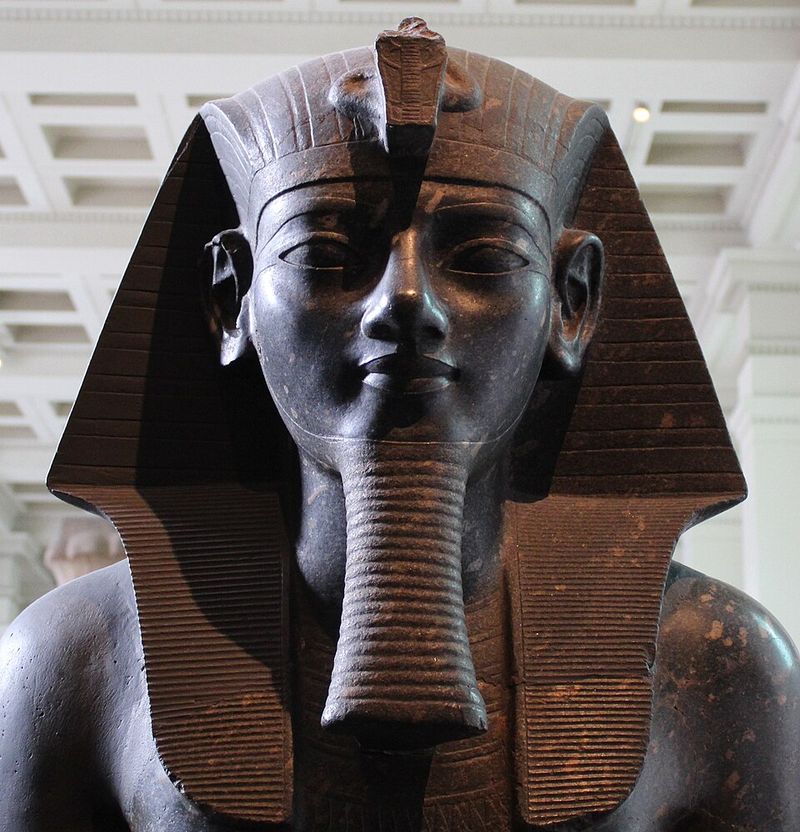
Few political transitions in the ancient world were as carefully choreographed as the transformation of an Egyptian prince into a living god. The coronation ceremony officially made the new pharaoh the earthly embodiment of Horus, the falcon deity associated with kingship and the sky.
The full process could span close to a year, beginning roughly seventy days after the predecessor’s death, a period deliberately aligned with the royal mummification timeline. The main ceremony took place in Memphis, the ancient capital, and included ritual purification, the formal proclamation of five dynastic titles, and the presentation of the Double Crown.
Each crown represented one half of the kingdom: the white crown for Upper Egypt and the red crown for Lower Egypt. Priests played the roles of deities during the rite itself. The crowns were considered living goddesses, believed to infuse the new pharaoh with supernatural authority, ensuring subjects understood that this ruler governed through divine selection, not personal ambition.
2. The Mesopotamian Sacred Marriage
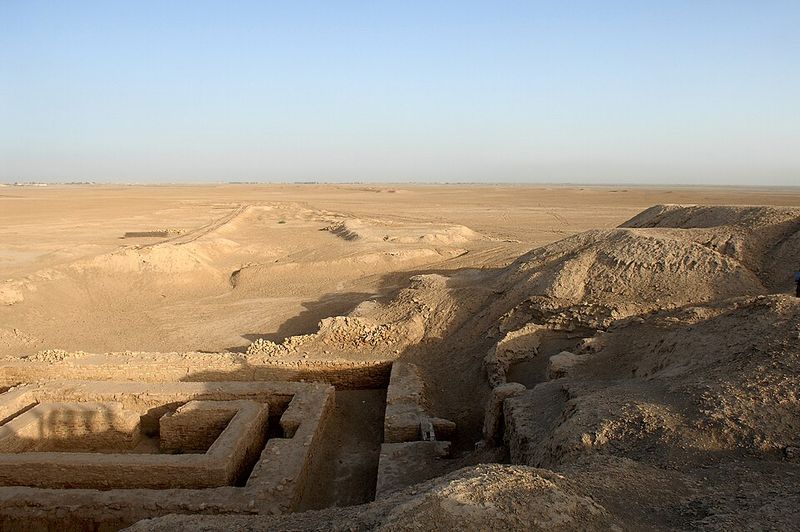
Long before political theory existed as a formal discipline, the rulers of ancient Sumer had already figured out that cosmic endorsement was the most powerful credential a king could claim. The Sacred Marriage ceremony, practiced as early as 3000 BCE in the city of Uruk, was built entirely around that idea.
The ritual involved the king symbolically uniting with Inanna, the goddess of fertility, love, and political power. In practice, a high priestess represented the goddess during the ceremony. Their symbolic union was understood to guarantee the fertility of the land, the health of livestock, and the prosperity of the entire community.
Many Mesopotamian kings later reinforced this connection by styling themselves as the “beloved” of Inanna or her Akkadian counterpart, Ishtar, in official royal inscriptions. The ceremony was not merely symbolic theater. It was a public contract between the ruler and the divine order, making his reign cosmically authorized rather than simply politically convenient.
3. The Babylonian Akitu Festival
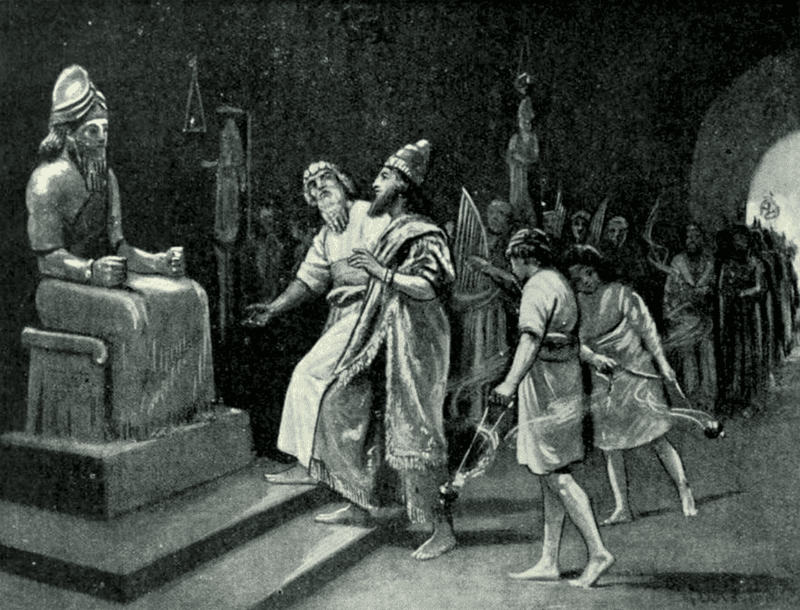
Every spring in ancient Babylon, the most powerful man in the empire had to submit to a ritual slap across the face. The Akitu Festival, a twelve-day New Year celebration dedicated to the god Marduk, was one of the ancient world’s most politically charged public ceremonies.
On the fifth day of the festival, the high priest stripped the king of his crown, scepter, and royal garments, leaving him bare before the divine statue. The priest then dragged the king by the ear, forced him to kneel, and struck him. If the king shed tears during this act, it was interpreted as proof that Marduk accepted his rule for another year.
The ritual was calculated and deliberate. It reminded the public, the priesthood, and the king himself that royal authority was borrowed from the gods, not owned outright. That annual reset kept the king’s legitimacy fresh and his relationship with divine authority publicly renewed and visible.
4. China’s Mandate of Heaven Rites
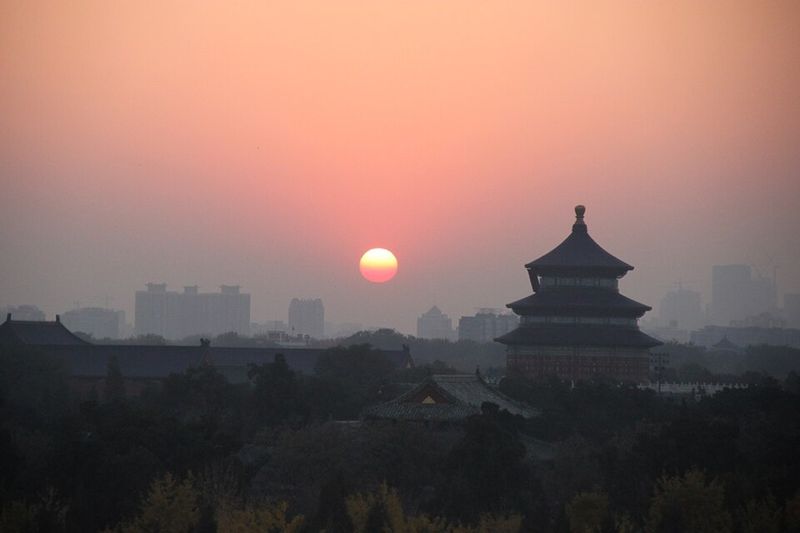
The Zhou dynasty, which rose to power around 1046 BCE, introduced a governing concept so durable it shaped Chinese political thought for nearly three thousand years. The Mandate of Heaven declared that Heaven, understood as a supreme moral force, granted the right to rule only to virtuous and just leaders.
The emperor held the unique title of Son of Heaven and served as the sole intermediary between the divine realm and humanity. To demonstrate that this mandate remained intact, emperors performed elaborate state rituals, most notably sacrificial ceremonies at the Temple of Heaven in the capital.
Good harvests, social stability, and military success were read as signs of continued divine approval. Floods, famines, and civil unrest were interpreted as Heaven withdrawing its endorsement, which made rebellion not just politically acceptable but cosmically justified. This framework gave ordinary people a theological reason to support a ruler during good times and an equally theological reason to support his removal during bad ones.
5. Roman Imperial Apotheosis
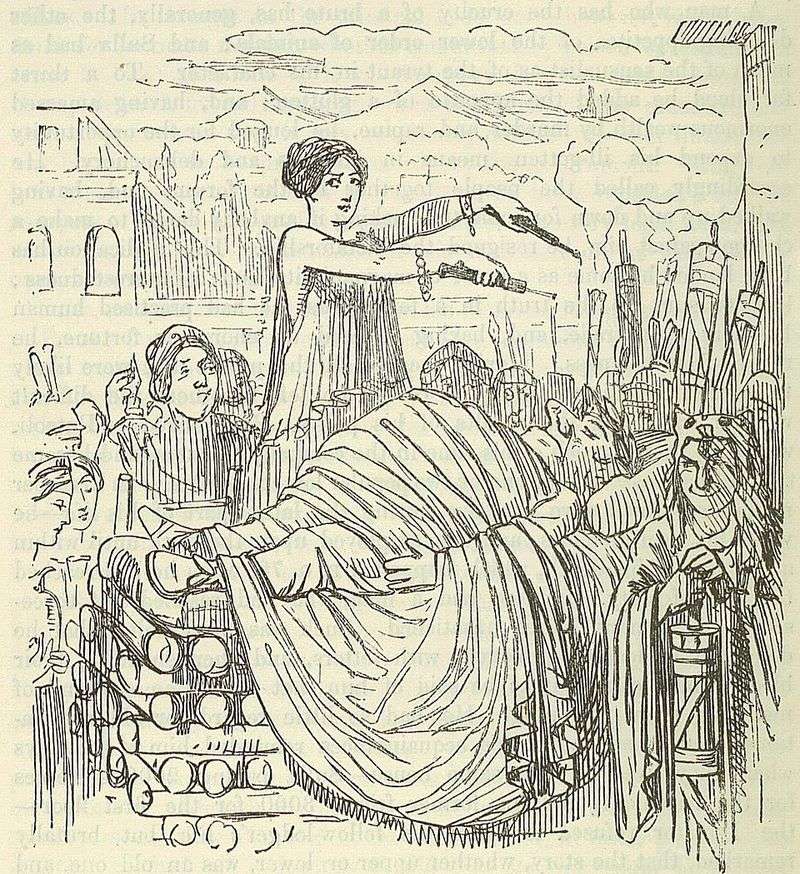
When a Roman emperor died, the Senate sometimes decided that death was not the end of his authority but the beginning of his divinity. The formal process of apotheosis, also called consecratio, transformed certain deceased emperors into official gods of the Roman state.
Public ceremonies marked the transition. A wax effigy of the emperor was displayed, mourned, and then placed atop an elaborate funeral structure. At the climax of the rite, an eagle was released, believed to carry the emperor’s soul directly into the heavens. The practice became a permanent fixture of imperial tradition following the deification of Julius Caesar.
The political benefit for the living emperor was substantial. By declaring his predecessor a god, the new emperor could present himself as the son of a divine figure, a title that carried enormous weight in a society where religion and governance were deeply intertwined. Apotheosis gave Roman imperial succession a sacred continuity that pure military succession alone could never provide.
6. The Persian Royal Investiture
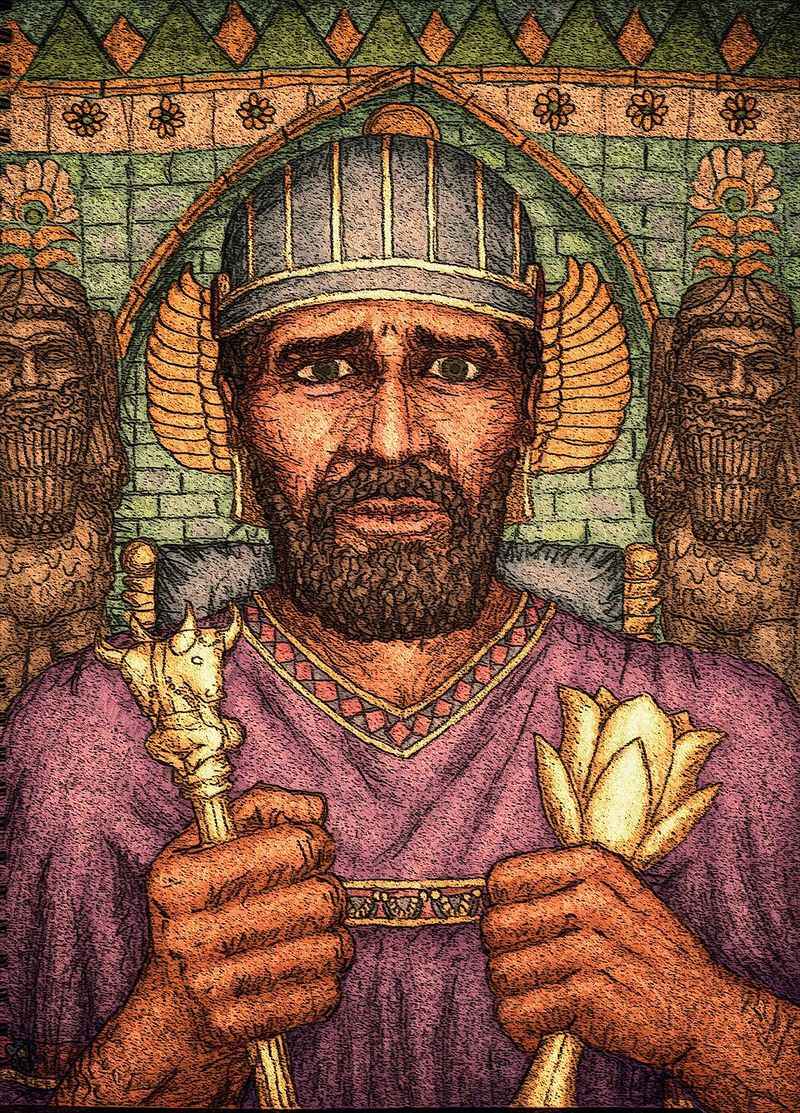
The Achaemenid kings of Persia ruled one of the largest empires the ancient world had ever seen, stretching from Egypt to Central Asia. Holding that together required more than logistics. It required a convincing story about where the king’s authority actually came from.
Royal investiture ceremonies were held at Pasargadae, the site chosen to honor Cyrus the Great, the empire’s founder. The ritual involved a symbolic transformation through clothing. The incoming ruler shed his fine garments to put on the simple horseman’s attire that Cyrus himself had worn before his rise to power.
He was then re-clothed in a new royal riding coat, presenting each new monarch as a Cyrus reborn. Stone reliefs across the empire depicted Ahura Mazda, the supreme deity, presenting the king with a ring or symbol of divine authority. These carved images were not decorative. They were permanent public declarations that the king’s authority had been personally granted by the highest power in the universe.
7. The Anointing of Kings in the Southern Levant
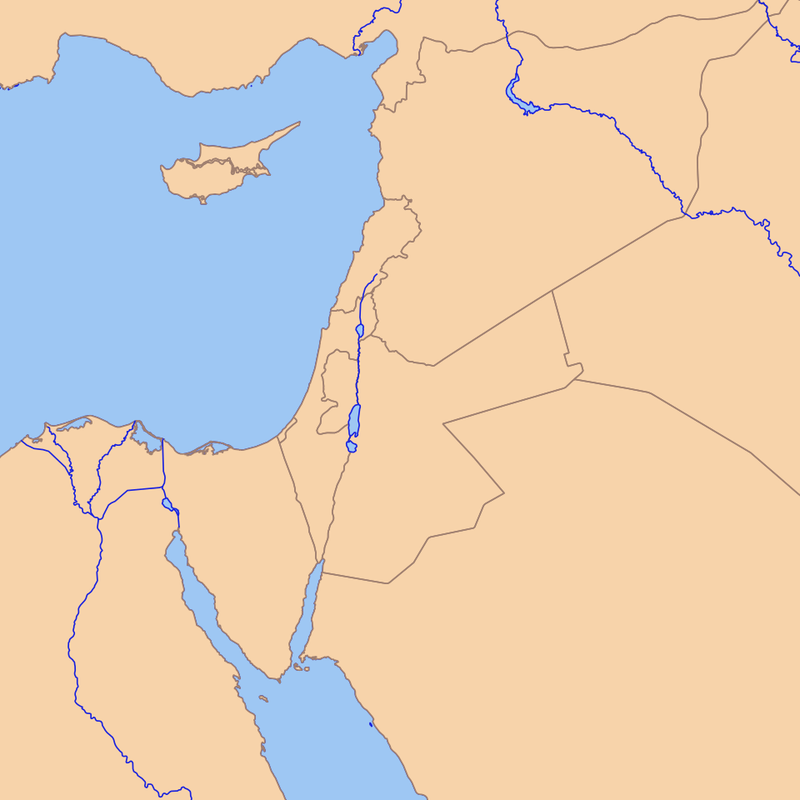
In the Iron Age kingdoms of the southern Levant, sacred anointing with oil became closely associated with royal authority in the Hebrew biblical tradition. Rather than simply marking a political leader, the ritual symbolized divine approval and the ruler’s responsibility to govern under God’s favor.
The Hebrew word māšîaḥ (“anointed one”) is the origin of the English word Messiah. According to the Hebrew Bible, the prophet Samuel anointed Saul and later David, establishing a model of kingship in which a ruler’s legitimacy came through divine selection rather than inheritance or military power alone.
Outside the Bible, however, the historical reality of this early united kingdom remains the subject of scholarly debate. While archaeological evidence confirms the existence of the later kingdoms of Israel and Judah, historians continue to disagree over the size, power, and even the nature of the kingdom traditionally associated with Saul and David. As a result, much of what is known about these early anointing ceremonies comes from the biblical narrative rather than independent contemporary records.
Regardless of how the earliest monarchy is interpreted, royal anointing became an enduring symbol of legitimate rule. The idea that sacred oil could publicly affirm a ruler’s divine right would later influence the coronation traditions of medieval Christian monarchs, where anointing remained one of the most significant parts of the ceremony.
8. The Maya Bloodletting Ritual
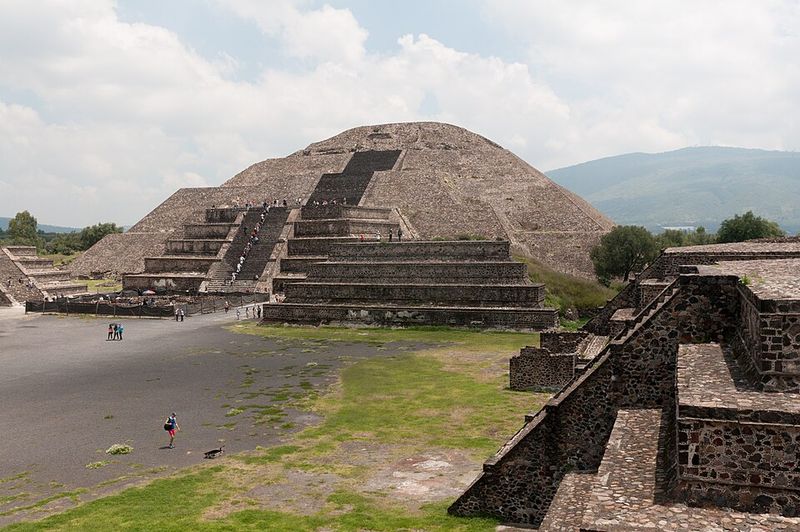
Among Classic Maya rulers, personal sacrifice was not a metaphor. It was a public act performed with obsidian blades, stingray spines, and thorny ropes, and it was considered one of the most powerful things a king or queen could do to prove their fitness to rule.
The practice, known in Maya texts as ch’ahb’, translated roughly as penance, involved rulers piercing soft tissue, often the tongue or other sensitive areas, to draw blood as a sacred offering to the gods and supernatural ancestors. Blood from royalty was considered uniquely potent because Maya rulers claimed divine lineage. Ordinary blood did not carry the same cosmic weight.
Collected blood was dripped onto bark paper, which was then burned. The rising smoke was believed to open a channel to the spirit world, allowing the ruler to receive guidance and renew divine relationships. Performing this ritual publicly was essential. It was visible proof that the ruler was willing to bear personal cost to sustain the cosmic order on behalf of their people.
9. The Aztec New Fire Ceremony
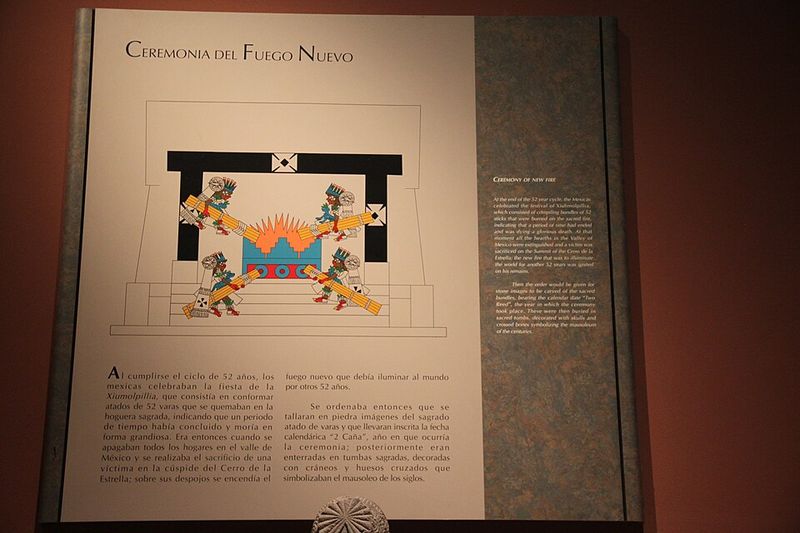
Every 52 years, the entire Aztec Empire held its breath. The New Fire Ceremony, called Xiuhmolpilli, marked the completion of a full calendar round, the point where the 260-day ritual calendar and the 365-day solar calendar realigned. Many Aztecs genuinely feared the sun would not rise again if the ceremony failed.
Preparations were extensive. Every fire in the empire was extinguished, from temple hearths to household cooking fires. Old household items were discarded. The empire went dark while priests climbed Mount Huixachtecatl outside Tenochtitlan.
At the summit, a human sacrifice was performed, and a new sacred fire was kindled directly in the chest cavity of the offering using a fire drill.
A brightly burning flame meant divine approval for another 52-year cycle. Runners immediately carried torches down the mountain to reignite fires at the Templo Mayor, then across the entire empire. Emperor Motecuhzoma II personally presided over the final ceremony in 1507 CE. His visible role in renewing the cosmos made his political authority feel cosmically inevitable.
10. The Celtic Inauguration Stone
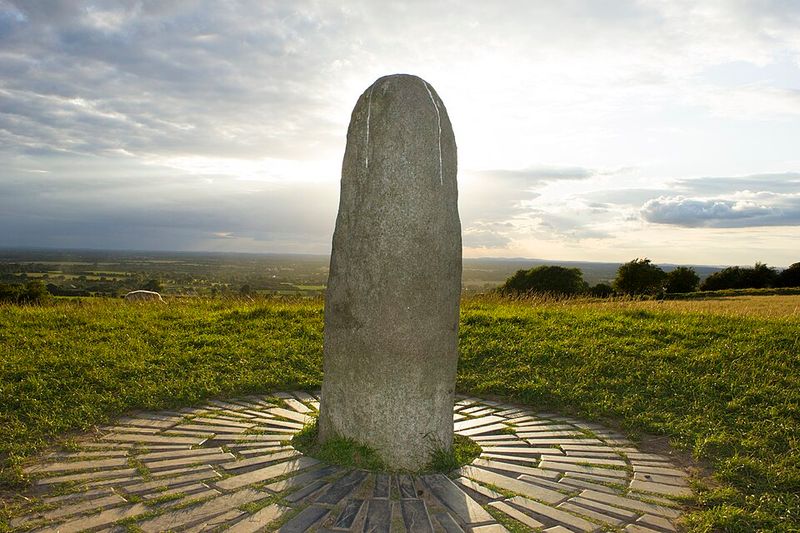
Somewhere around the Iron Age, the people of ancient Ireland developed a royal inauguration tradition that required the land itself to weigh in on the matter. Sacred stones, believed to embody the spirit of the territory, served as the final judge of a king’s legitimacy.
The most famous of these is the Lia Fail, the Stone of Destiny, located at the Hill of Tara in County Meath. Tradition held that the stone would cry out when the rightful king of Ireland stood upon it. A stone that stayed silent was understood to be rejecting the candidate entirely.
This ceremony was not simply folklore dressing for a political appointment. It reflected a deeply held belief that kingship was a relationship between a ruler and the land, not just a relationship between a ruler and the people. The king who passed the stone’s judgment had been accepted by the earth itself, a form of endorsement that no rival chieftain or political faction could easily argue against.
11. The Inca Festival of Inti Raymi
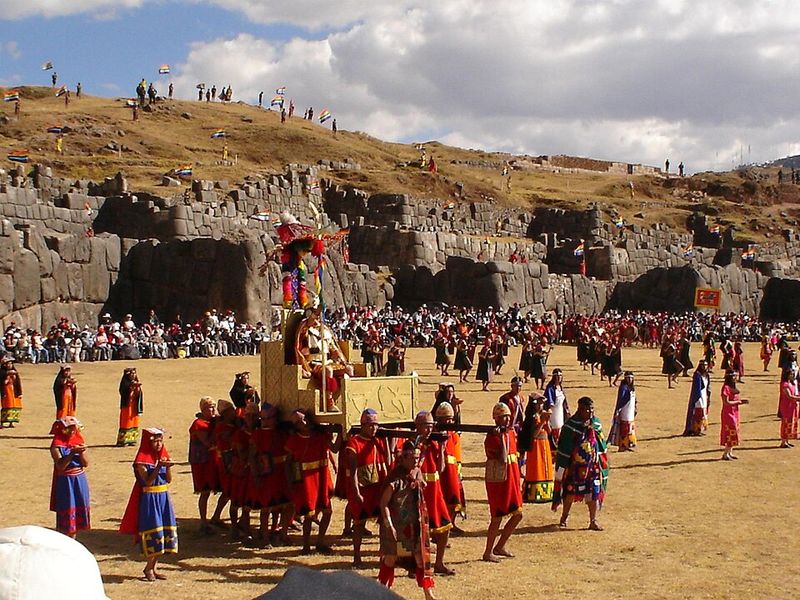
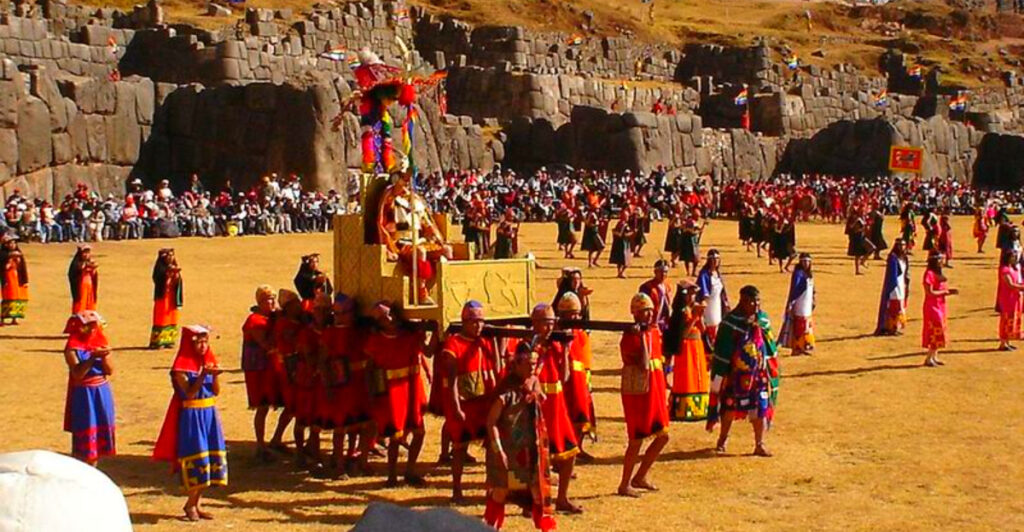
Emperor Pachacutec launched the Festival of Inti Raymi in the 15th century as a formal celebration of the winter solstice and a very public statement about who exactly the Inca ruler was in the cosmic hierarchy. The answer, according to Inca theology, was the son of the sun itself.
Held each year around June 21st in the capital city of Cusco, Inti Raymi drew thousands of attendees from across the empire. Delegations traveled from distant provinces to witness the ceremony, which included offerings of food, animals, and precious objects presented to the sun god Inti. The emperor’s visible participation was not optional theater. It was the theological point of the entire event.
By standing at the center of the ceremony, the Sapa Inca demonstrated his direct connection to Inti and his personal responsibility for ensuring the sun would return, crops would grow, and the empire would prosper. Inti Raymi also served a practical political function, reminding regional leaders across the Andes exactly where authority in the empire ultimately resided.
12. The Japanese Daijo-sai Enthronement Rite
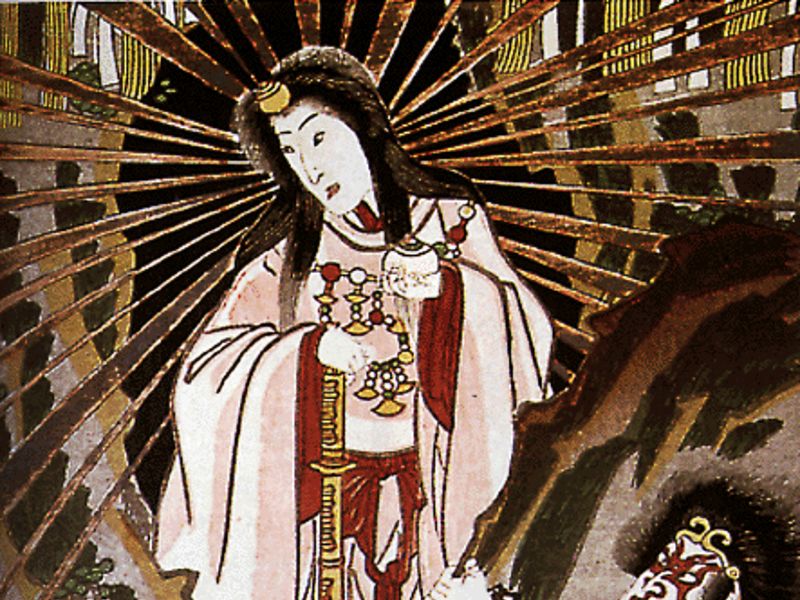
Japan’s imperial family traces its divine lineage directly to Amaterasu Omikami, the sun goddess and one of the most important figures in the Shinto tradition. The Daijo-sai ceremony exists specifically to activate and confirm that connection for each new emperor.
Performed in November following an imperial accession, the Daijo-sai is considered the most spiritually significant rite in the entire enthronement sequence. During the nighttime ceremony, the emperor offers newly harvested rice and other grains to ancestral deities. He then shares a ceremonial meal with them, a deeply intimate act that no other person in Japan can perform.
The ceremony is largely private, attended only by the emperor and a small number of female assistants. That privacy is part of its sacred weight. Unlike the public spectacle of many other legitimizing rituals on this list, the Daijo-sai derives its authority from exclusivity. Only the emperor can do this, and the fact that he does it successfully is itself the proof of his rightful place in Japan’s divine imperial lineage.
Share this story