Some corners of the world are completely off-limits, no matter how curious or adventurous you are. Governments, scientists, religious authorities, and military agencies all have reasons to keep certain locations sealed from the public.
These places hide prehistoric art, dangerous wildlife, sacred rituals, classified technology, and fragile ecosystems that could be damaged by a single uninvited footstep. Buckle up, because this list of forbidden destinations is stranger and more fascinating than any travel brochure you have ever read.
North Sentinel Island, India
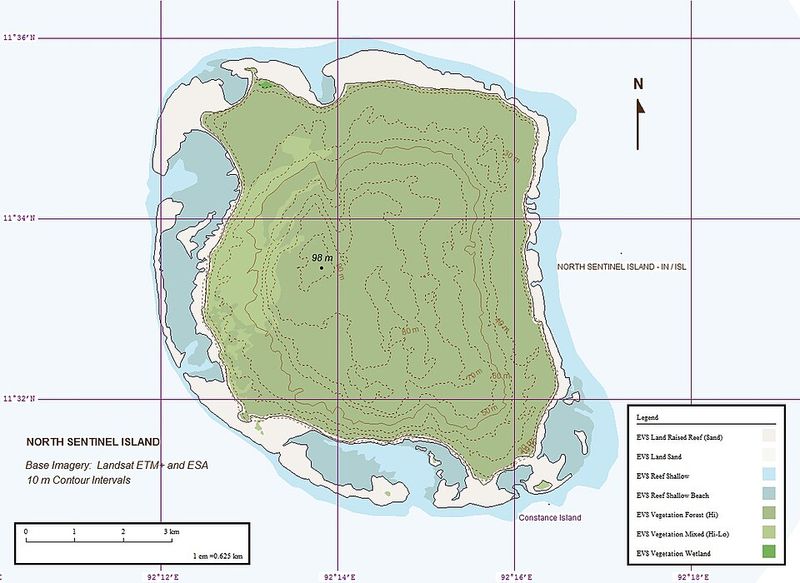
Somewhere in the Bay of Bengal, there is an island where the residents have made it perfectly clear that visitors are not welcome. North Sentinel Island is home to the Sentinelese, one of the last truly isolated Indigenous communities on Earth.
They have lived there for thousands of years, entirely cut off from the modern world, and they prefer to keep it that way.
India has made approaching the island illegal, and for good reason. Outside contact could expose the Sentinelese to common illnesses like the flu or measles, diseases their immune systems have never encountered and could not fight off.
The danger is not just theoretical.
In 2018, an American missionary illegally landed on the island and was killed. The Indian government did not pursue the case aggressively, acknowledging that the Sentinelese were defending their territory.
Their isolation is their protection, and the law backs them up completely. Respecting this boundary is not just a legal requirement.
It is a matter of basic human decency toward a community that has chosen its own path.
Surtsey Island, Iceland
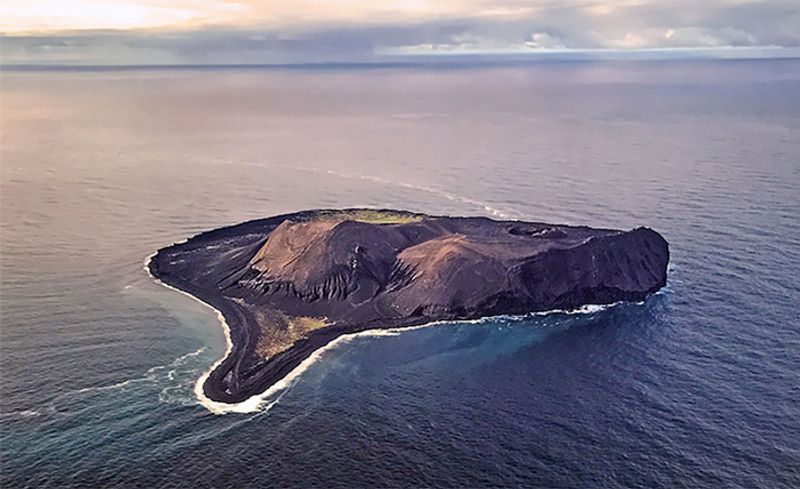
Born from fire and fury, Surtsey Island did not exist until 1963. Volcanic eruptions beneath the Atlantic Ocean pushed molten rock upward for nearly four years until a brand-new island broke the surface.
Scientists watching it form immediately recognized something extraordinary: a rare chance to watch life build itself from scratch on bare rock.
Since the eruptions ended, researchers have carefully documented every plant, bird, insect, and microorganism that has arrived on the island. Mosses came first, followed by grasses, then seabirds who brought seeds in their droppings.
The process is slow, fascinating, and entirely natural, which is exactly why humans are not allowed to interfere.
Landing on Surtsey without authorization is prohibited. Even diving near its shores or introducing any outside organism is banned.
Only a small rotating group of approved scientists may visit, and they take strict precautions to avoid accidentally bringing in foreign seeds or bacteria on their boots. Surtsey became a UNESCO World Heritage Site in 2008.
Watching it evolve from a barren lava field into a living ecosystem is one of science’s most valuable ongoing experiments, and outside interference would ruin everything.
Area 51, Nevada, USA
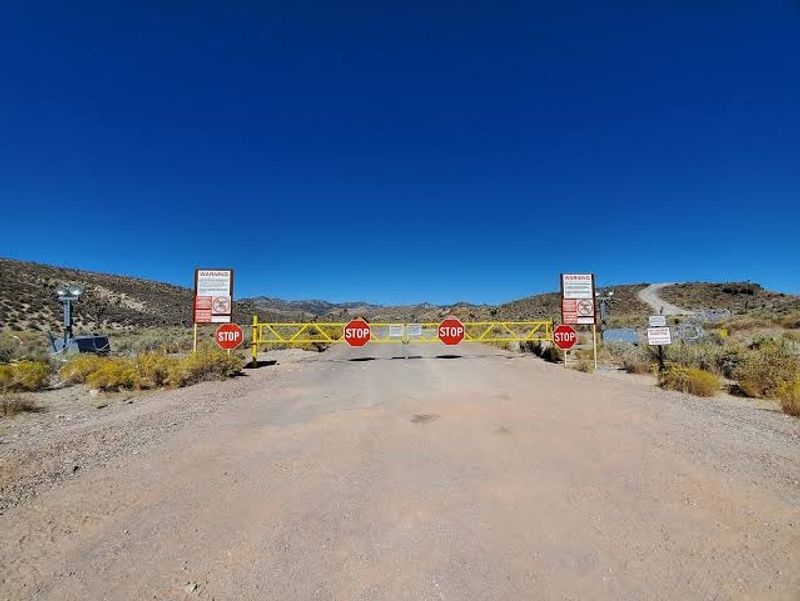
Few places on Earth have sparked more conspiracy theories, alien jokes, and late-night internet rabbit holes than a patch of Nevada desert known as Area 51. The U.S.
Air Force officially acknowledges the base exists, but what actually happens inside remains classified. Most credible evidence points to decades of testing experimental aircraft and advanced defense technology.
The boundary of the installation is clearly marked with warning signs, surveillance cameras, and security personnel who are authorized to use force. Crossing those lines is not a prank with minor consequences.
Trespassers face detention, federal charges, and fines that are very real and very serious.
The surrounding region has leaned into the mystery with full enthusiasm. The town of Rachel, Nevada, calls itself the UFO capital of the world, and the Extraterrestrial Highway draws tourists from around the globe.
A 2019 social media joke about storming the base went viral and briefly attracted hundreds of people to the area, none of whom actually got inside. You can stargaze, visit quirky roadside attractions, and enjoy the desert scenery.
Just stay on the public side of those signs.
Ilha da Queimada Grande, Brazil
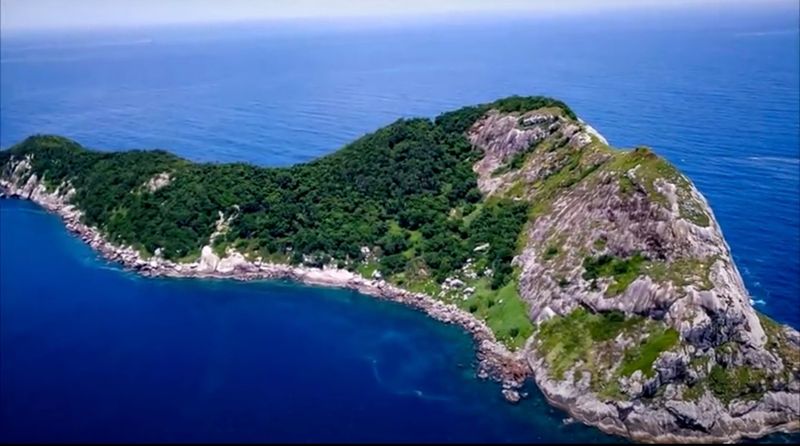
Locals on the Brazilian coast have a simple rule about the island they can see from shore: nobody goes there. Ilha da Queimada Grande, nicknamed Snake Island, earned that reputation honestly.
The golden lancehead viper lives nowhere else on the planet, and researchers estimate the island holds somewhere between 2,000 and 4,000 of them packed into a relatively small space.
The golden lancehead is not just venomous in the ordinary sense. Its venom can cause rapid tissue breakdown, and without treatment, a bite can be fatal within hours.
There are no hospitals on the island, no antivenom stations, and no quick way out if something goes wrong. The Brazilian government banned public access to protect both visitors and the snakes themselves.
The golden lancehead is a critically endangered species, partly because of illegal collection by exotic animal traffickers. Restricting access helps protect the remaining population.
Occasional visits by authorized scientists and the Brazilian Navy are permitted under controlled conditions. Researchers studying the viper’s unique biochemistry believe it could hold clues useful in developing future medicines.
So yes, the island is terrifying, but it is also scientifically remarkable in ways that make the restrictions entirely worthwhile.
The Original Lascaux Cave, France
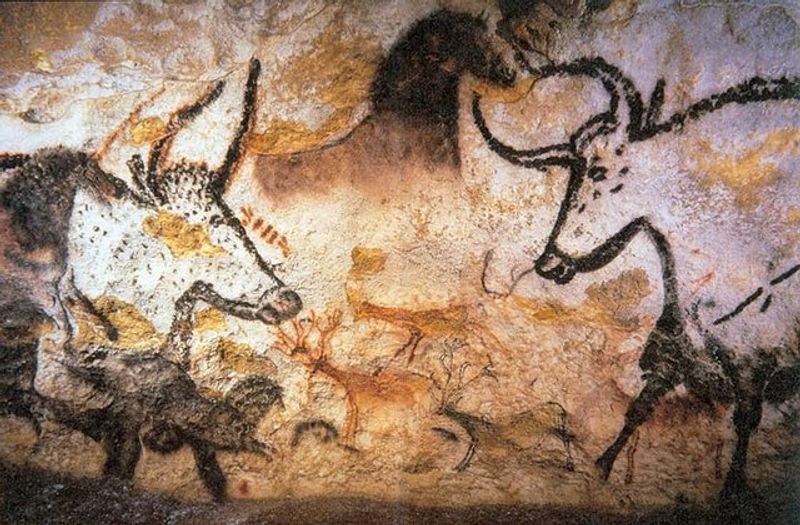
Painted roughly 17,000 years ago, the artwork inside Lascaux Cave is so vivid and detailed that the people who rediscovered it in 1940 initially thought someone had recently put it there. Horses, deer, bulls, and abstract symbols cover the walls in colors that survived millennia of darkness.
It is one of the most astonishing collections of prehistoric art anywhere in the world.
When the cave opened to tourists in 1948, visitors arrived by the thousands. Within just a few years, carbon dioxide from human breath, body heat, and introduced microorganisms began visibly damaging the paintings.
Green algae and white calcite deposits spread across surfaces that had survived ice ages without a scratch. The cave was closed to the public in 1963.
Today, access is strictly limited to conservation researchers and approved scientific personnel. Everyone else visits Lascaux IV, an extraordinarily detailed replica built nearby that uses the latest digital and physical reproduction technology to recreate the experience.
The replica is genuinely impressive and worth the trip. But the real cave, with its original paintings and ancient atmosphere, belongs now to scientists working to ensure it survives another few thousand years without further damage.
Chauvet Cave, France
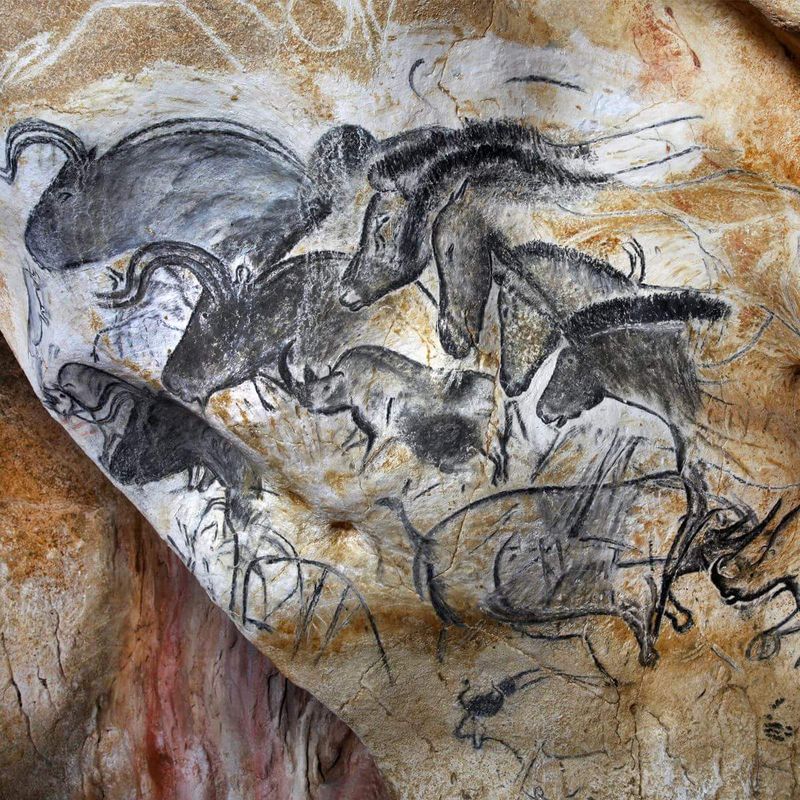
Chauvet Cave holds a quiet record that tends to stop people mid-sentence: some of its drawings are more than 36,000 years old, making them among the oldest known examples of figurative art on Earth. Lions, woolly rhinoceroses, mammoths, horses, and bears crowd the walls with a confidence and skill that feels almost impossible to explain given their age.
Unlike Lascaux, which was opened to tourists before scientists fully understood the risks, Chauvet was never made available to the general public after its discovery in 1994. Researchers acted immediately to protect it, limiting access to a small team of specialists who monitor conditions inside with extraordinary care.
Human breath alone can change the cave’s delicate humidity and temperature balance.
Visitors are directed to Chauvet 2, a full-scale replica opened in 2015 that recreates the cave’s layout, textures, and artwork with remarkable accuracy. Walking through it gives a genuine sense of the original’s scale and atmosphere.
Chauvet was designated a UNESCO World Heritage Site in 2014. The decision to protect it from tourism from day one is widely considered one of the smartest preservation choices in the history of archaeology, and the artwork inside remains in near-perfect condition as a result.
Qin Shi Huang’s Burial Chamber, China
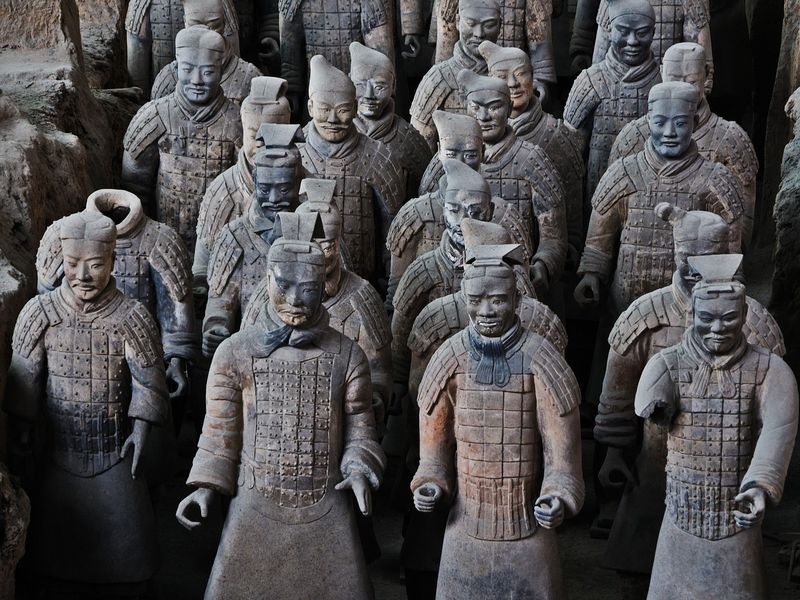
Millions of visitors travel to Xi’an every year to see the famous Terracotta Army, thousands of life-sized clay soldiers standing guard in underground pits. What most visitors do not realize is that the main event is still buried.
Beneath a large grassy mound nearby lies the actual burial chamber of Qin Shi Huang, China’s first emperor, and nobody has opened it yet.
Ancient historical records describe the chamber in extraordinary terms, mentioning rivers of mercury, ceiling maps of constellations, and elaborate mechanical traps designed to stop tomb robbers. Modern soil surveys have actually detected unusually high mercury concentrations around the mound, suggesting the ancient accounts may not have been entirely exaggerated.
Archaeologists and Chinese officials have deliberately chosen not to excavate the central chamber. Their reasoning is straightforward: current technology cannot guarantee the preservation of fragile organic materials, silk, wood, lacquer, and possibly even human remains once they are exposed to air.
Better to wait until the tools and methods are good enough to do it properly than to rush and destroy something irreplaceable. The Terracotta Army itself was accidentally discovered by farmers digging a well in 1974, which makes the unexcavated chamber feel even more tantalizing.
Svalbard Global Seed Vault, Norway
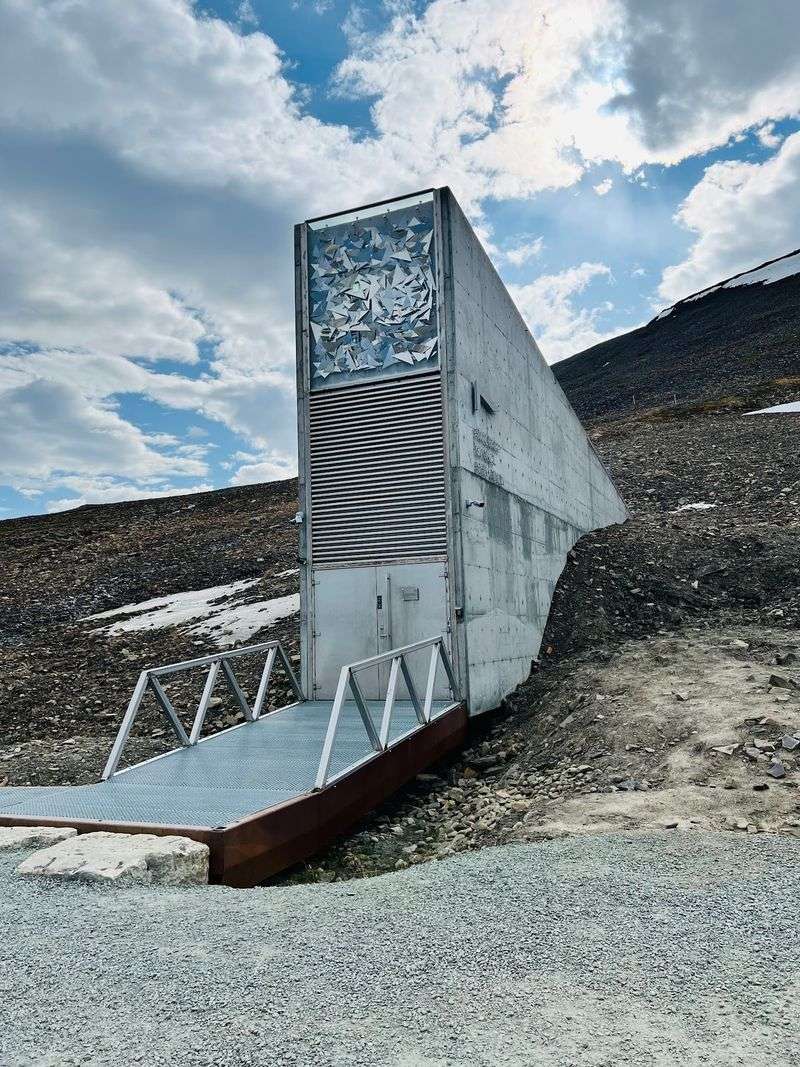
Carved into the frozen heart of an Arctic mountain on a remote Norwegian island, the Svalbard Global Seed Vault has one job: make sure humanity does not accidentally lose the ability to grow food. Inside its chilled tunnels, sealed packages from gene banks around the world store backup copies of hundreds of thousands of crop seed varieties.
It is essentially a planetary insurance policy.
The vault opened in 2008 and has already proven its value. When conflict damaged a gene bank in Syria, seeds that had been deposited in Svalbard were withdrawn and used to help restart agricultural research.
The system worked exactly as designed, which is reassuring given how much depends on it.
Access to the secure interior is tightly controlled, limited to authorized personnel and the institutions that have deposited seeds there. The general public cannot walk in and browse the collection.
However, the Norwegian government has made the exterior and entrance area publicly viewable, and a detailed official virtual tour is available online. The vault sits about 130 meters inside the mountain, maintained at minus 18 degrees Celsius.
Even if the cooling systems failed, the surrounding permafrost would keep seeds frozen for decades, which is exactly the kind of backup plan the whole project is built around.
Heard Island and McDonald Islands, Australia
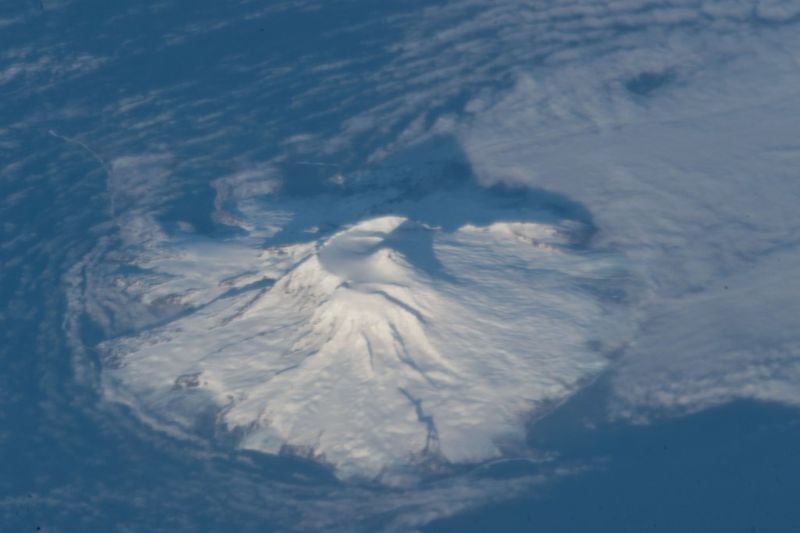
Getting to Heard Island and the McDonald Islands requires crossing some of the roughest ocean on the planet, and when you arrive, there is nothing there built for human comfort. No roads, no buildings, no infrastructure of any kind.
Just active volcanoes, glaciers, penguin colonies, and one of the most pristine wilderness environments left on Earth. The Australian government would very much like to keep it that way.
These territories sit deep in the Southern Ocean, roughly 4,000 kilometers southwest of Perth. Mawson Peak on Heard Island is an active stratovolcano, one of only two on Australian territory.
The surrounding waters and coastlines support enormous populations of seabirds, seals, and marine life that have had almost no contact with humans or the invasive species humans tend to carry with them.
Any expedition hoping to land must apply for government authorization and meet strict environmental conditions. Biosecurity requirements are serious: everything brought onto the island must be inspected and cleaned to prevent introducing foreign plants, insects, or pathogens.
Even with all those precautions, approved visits are rare and carefully supervised. Heard Island and the McDonald Islands became a UNESCO World Heritage Site in 1997, recognized for their extraordinary ecological value and their remarkable state of preservation.
North Brother Island, New York City
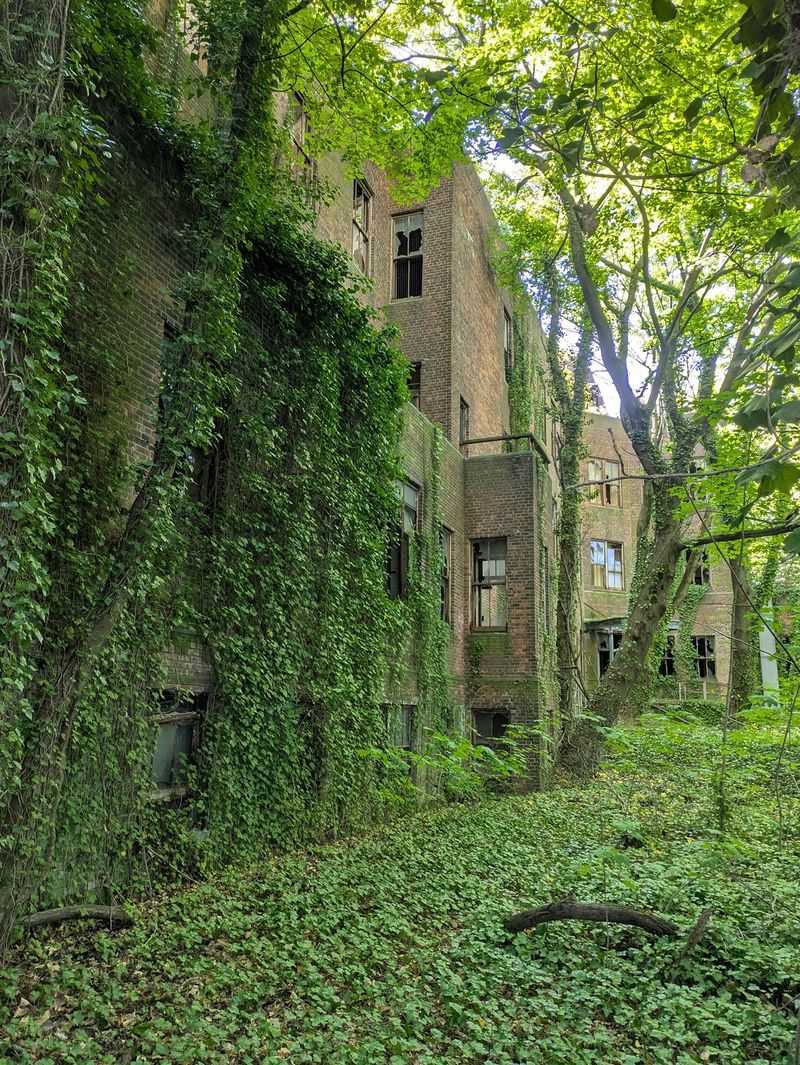
New York City is one of the most visited places on Earth, packed with tourists at almost every hour of the day. Yet just a short distance from the Bronx, in the middle of the East River, sits an island that almost nobody is allowed to visit.
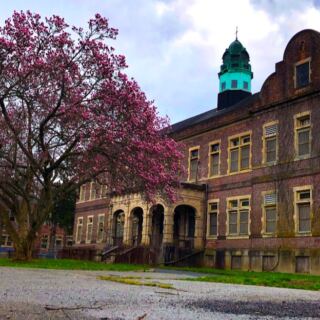
North Brother Island looks like nature reclaiming a ghost town, with crumbling hospital buildings disappearing under thick vegetation.
The island has a genuinely strange history. It once housed a quarantine hospital where Typhoid Mary, the famous asymptomatic typhoid carrier Mary Mallon, was held for years.
Later it became a hospital for veterans, then a controversial drug rehabilitation center that closed in the 1960s. Since then, the buildings have been slowly swallowed by trees and vines.
Today, North Brother Island serves as a protected nesting site for black-crowned night herons and other bird species. New York City Parks manages the island and does not permit public access.
The combination of unstable structures, sensitive wildlife habitat, and the city’s liability concerns makes unauthorized visits both dangerous and illegal. Researchers and journalists have occasionally received supervised access, and their photographs of the crumbling ruins surrounded by forest have made the island something of a legend among urban explorers who can only look from the water.
Fort Knox Bullion Depository, Kentucky
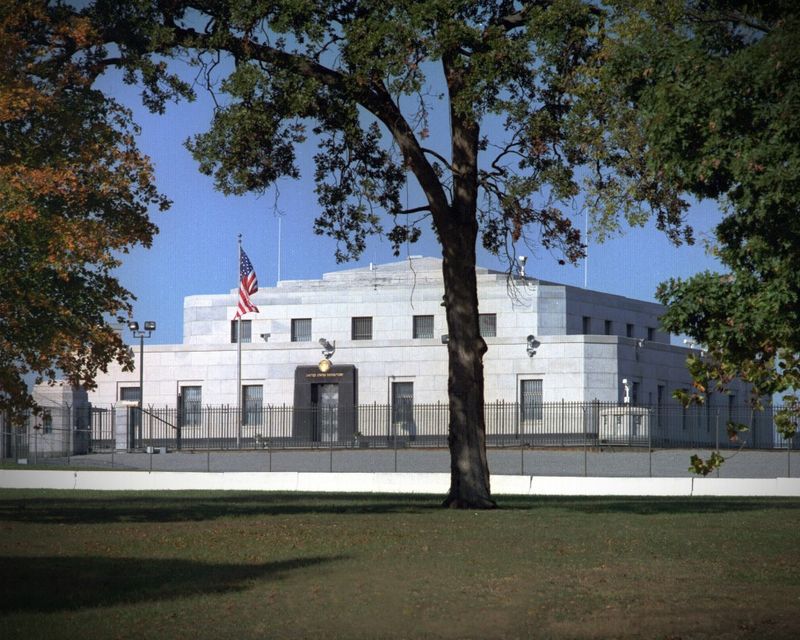
Somewhere inside a squat, heavily fortified granite building in Kentucky, stacked neatly behind a vault door that weighs more than 20 tons, sits a significant portion of the United States government’s gold reserves. Fort Knox has become such a powerful symbol of impenetrable security that the phrase ‘as safe as Fort Knox’ entered everyday speech.
The vault has never been robbed, and the government intends to keep that record intact.
Public tours are not offered, have never been offered, and show no signs of ever being offered. The U.S.
Mint, which oversees the depository, has allowed outsiders inside on only a small handful of extraordinary occasions throughout its entire history. In 1974, a group of journalists and members of Congress were invited in to address public speculation that the gold had secretly been removed.
It had not.
The facility sits within the larger Fort Knox military base, adding another layer of security and restricted access. Armed guards, surveillance systems, and physical barriers make the building essentially impossible to approach without authorization.
The exact amount of gold stored there is publicly reported by the U.S. Treasury, but everything else about the vault’s operations is kept strictly confidential.
Curiosity alone will not get you through that door.
Mecca, Saudi Arabia
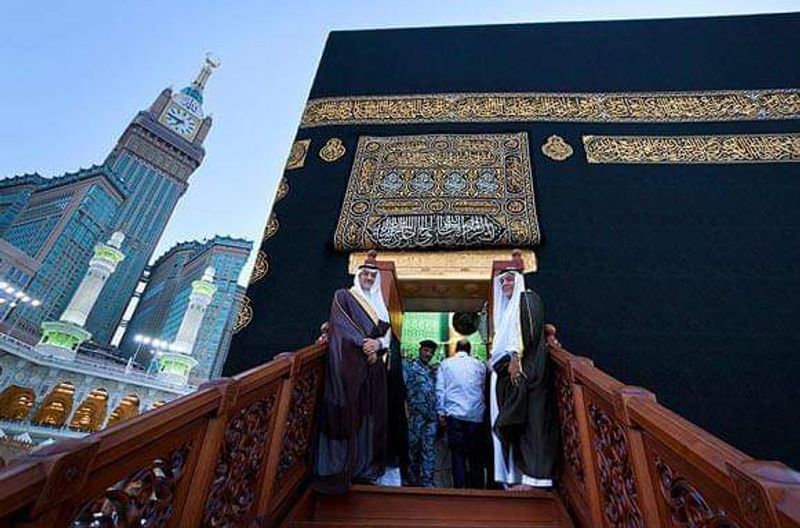
Every year, millions of Muslims from nearly every country on Earth make their way to a single city in western Saudi Arabia. Mecca is the holiest place in Islam, home to the Grand Mosque and the Kaaba, the cube-shaped structure toward which Muslims around the world face during daily prayers.
The scale of the annual Hajj pilgrimage is unlike any other gathering of people on the planet.
Non-Muslims are prohibited from entering Mecca entirely. The restriction is not a modern policy invented for security reasons.
It is rooted in Islamic religious law and has been in place for centuries. Road signs on the highways leading into the city direct non-Muslim travelers onto alternative routes, and checkpoints enforce the boundary seriously.
During Hajj, even the movement of authorized Muslim pilgrims is carefully managed through a permit system. The crowds are so enormous that crowd safety and logistics require constant, detailed planning.
Saudi authorities have invested heavily in infrastructure around the Grand Mosque to handle the volume, including massive expansion projects that have reshaped much of the historic city center. For Muslims, the journey to Mecca is one of the five pillars of their faith.
For everyone else, it remains a place that can only be understood from the outside.
The Inner Sanctuaries of Ise Jingu, Japan
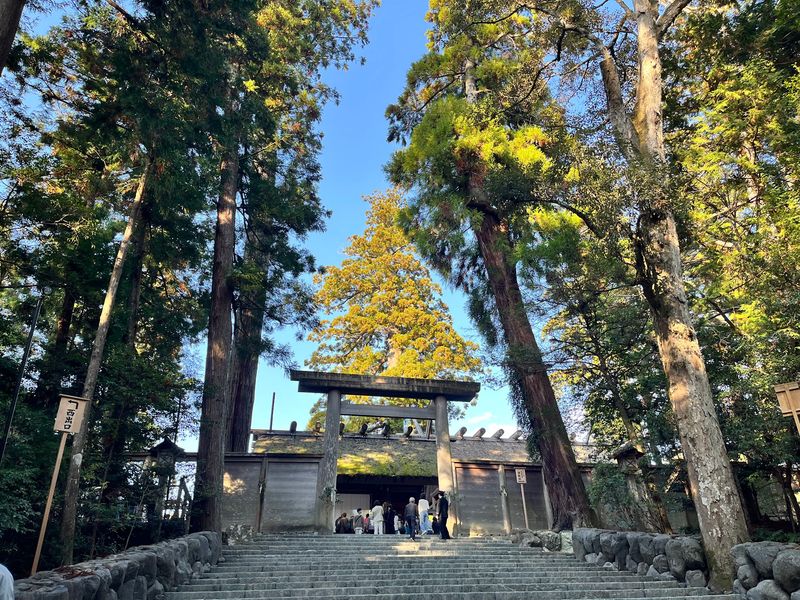
Tucked deep inside ancient cedar forests in Mie Prefecture, the Ise Jingu shrine complex has been a center of Shinto worship for more than 2,000 years. Visitors are genuinely welcome to walk the forested paths, cross the bridges, and approach the outer gates with respect and quiet reflection.
The atmosphere alone makes the journey worthwhile. But the most sacred inner structures are screened behind wooden fences, invisible to everyone except a very small number of priests and the Imperial family.
The innermost shrine, the Naiku, houses the sacred mirror known as the Yata no Kagami, one of the three Imperial Treasures of Japan. No photographs of the interior exist in public circulation.
The building is rebuilt completely every 20 years in a ceremony called Shikinen Sengu, preserving ancient construction techniques and renewing the sacred space. The last rebuilding took place in 2013.
Ordinary visitors stop at a designated point on a gravel path, bow, and offer prayers from a respectful distance. The restriction is not about keeping people away from something interesting.
It is about maintaining the spiritual integrity of a place that has been considered sacred across more than two millennia of Japanese history. The reverence surrounding Ise Jingu is itself part of what makes visiting the outer areas so quietly powerful.
Niihau, Hawaii, USA
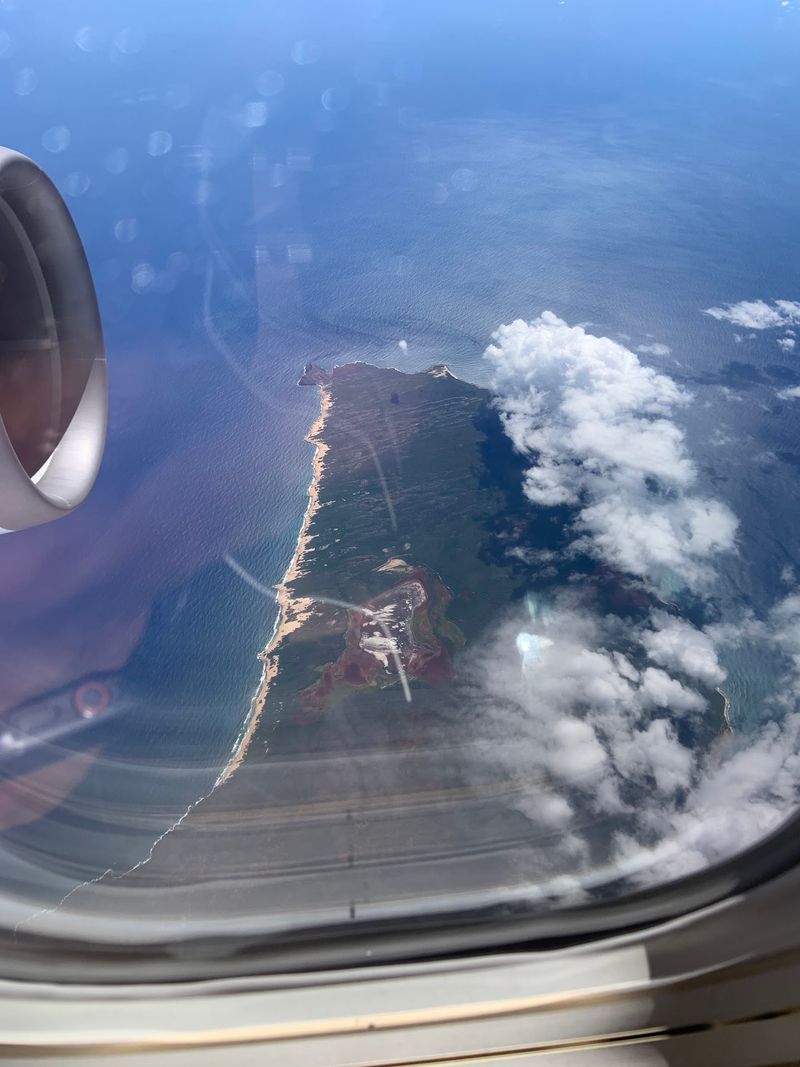
Hawaii’s smallest inhabited island sits just 17 miles southwest of Kauai, close enough to see on a clear day, yet almost completely unreachable without a personal invitation. Niihau has been privately owned by the Robinson family since 1864, when Elizabeth Sinclair purchased it from the Kingdom of Hawaii for $10,000.
The family has maintained a policy of strict privacy ever since, earning the island its enduring nickname: the Forbidden Island.
Around 70 to 130 Native Hawaiian residents live on Niihau, making it one of the last places where Hawaiian is spoken as a primary language in daily life. The Robinsons have long argued that limiting outside access protects both the community’s culture and its way of life from outside pressures.
Critics have occasionally questioned whether that reasoning holds up, but the policy remains firmly in place.
A small number of limited helicopter tours and hunting excursions have been offered over the years, landing on uninhabited parts of the island rather than in the residential community. Naval personnel have occasionally used the island during exercises.
But independent travelers cannot simply book a ferry ticket or charter a boat and explore freely. Niihau operates on its own terms, entirely separate from the tourism industry that defines the rest of Hawaii’s economy.
The Vatican Apostolic Archive, Vatican City
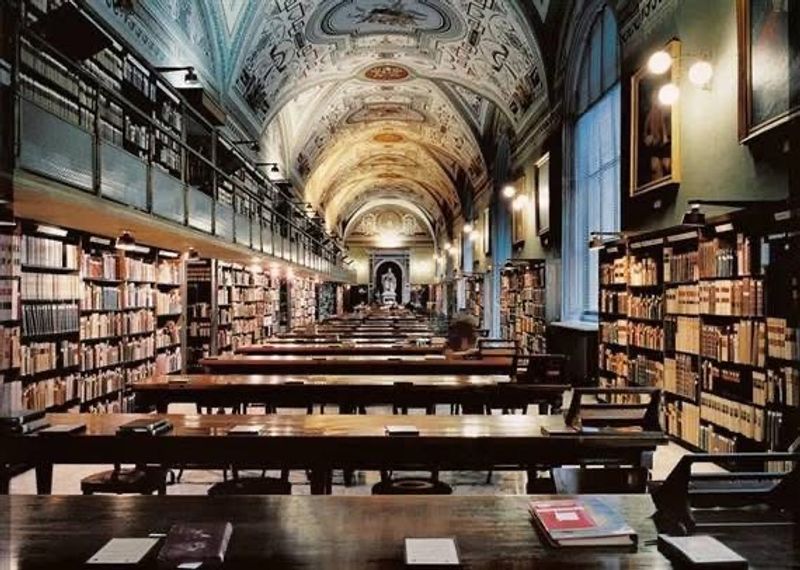
Hidden inside Vatican City, the Vatican Apostolic Archive holds roughly 85 kilometers of shelving filled with documents spanning more than twelve centuries. Letters from kings, records of Church councils, transcripts of famous trials, and centuries of papal correspondence are all stored here.
The archive’s old nickname, the Secret Archive, was a mistranslation of the Latin word for private, but the mysterious label stuck and has fueled dramatic rumors ever since.
The archive is not a library tourists can browse. Access is reserved for qualified scholars who submit formal research applications and demonstrate a legitimate academic need to consult specific documents.
Even approved researchers work in a supervised reading room and must request individual items rather than wandering freely through the stacks. The application process is thorough and selective.
Pope Francis renamed it the Vatican Apostolic Archive in 2019, partly to move away from the misleading secrecy associations. The Vatican has also opened certain historical periods to scholarly access over time, including records from the pontificate of Pius XII during World War II, which historians had long sought to examine.
The archive is genuinely one of the most significant historical collections in existence, but its value depends entirely on careful preservation and controlled access, not open-door tourism.
Share this story