Kansas has a reputation for wide open prairies and endless skies, but hidden among those grasslands is a surprisingly rich network of lakes and rivers just waiting to be paddled and fished. Some of these waters are crystal clear enough to spot bass swimming below your kayak. Others wind through dramatic limestone bluffs or wooded valleys that most people never even know exist. Whether you are a weekend angler chasing catfish or a paddler looking for a quiet cove to explore, Kansas delivers more than you might expect.
This list covers 13 of the best spots in the state for kayaking and fishing, ranging from the state’s largest reservoir to a historic prairie river that holds its own against any flatwater route in the Midwest. Each destination offers something a little different, so grab your paddle or your rod, and let’s see what Kansas is hiding beneath the surface.
1. Milford Lake, Junction City, Kansas
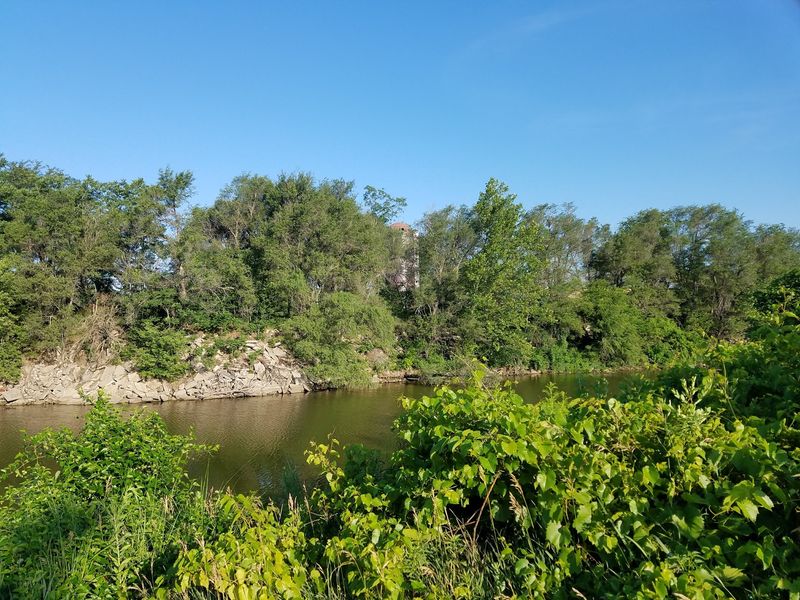
At 15,709 acres, Milford Lake is the largest lake in Kansas, and it wears that title with confidence. There is simply no shortage of room here, whether you are drifting through a quiet inlet by kayak or anchoring up at a productive fishing point.
Multiple public boat ramps, including those at Milford Lake State Park Marina and Milford Recreation Area, make getting on the water straightforward. Beginners will appreciate the calm, sheltered coves, while more experienced paddlers can take on the open expanse of the main lake.
Channel catfish, walleye, white bass, and crappie are the main targets for anglers, and fish tend to concentrate around the lake’s many coves and points. Wildlife viewing is a serious bonus here, with great blue herons, pelicans, osprey, and bald eagles all making regular appearances. Bring a camera along with your tackle box.
2. Clinton Lake, Lawrence, Kansas
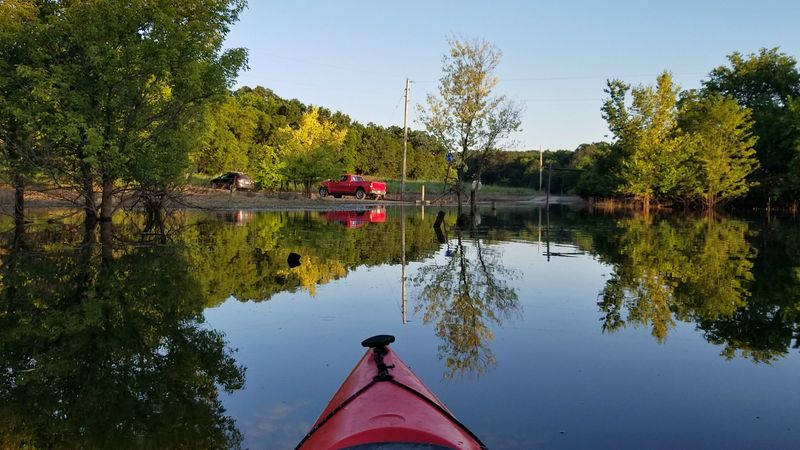
Just outside Lawrence, Clinton Lake spans roughly 7,000 acres with about 85 miles of shoreline, and its unusually clear water puts it among the top-tier lakes in the state. The steep, wooded hillsides surrounding the lake give it a character that feels more like the Ozarks than central Kansas.
Kayakers gravitate toward the quieter arms of the lake, where boat traffic is minimal and wildlife encounters are common. The clear water also means you can watch fish holding near submerged timber and rocky points before you even drop a line.
The fishery is impressively diverse, covering smallmouth and largemouth bass, walleye, crappie, white bass, channel catfish, and blue catfish. A stocked trout pond and a dedicated children’s fishing pond are also part of the state park setup. Spring crappie fishing along the shoreline, using minnows or small jigs, is a local tradition worth joining.
3. Kanopolis Lake, Kanopolis, Kansas
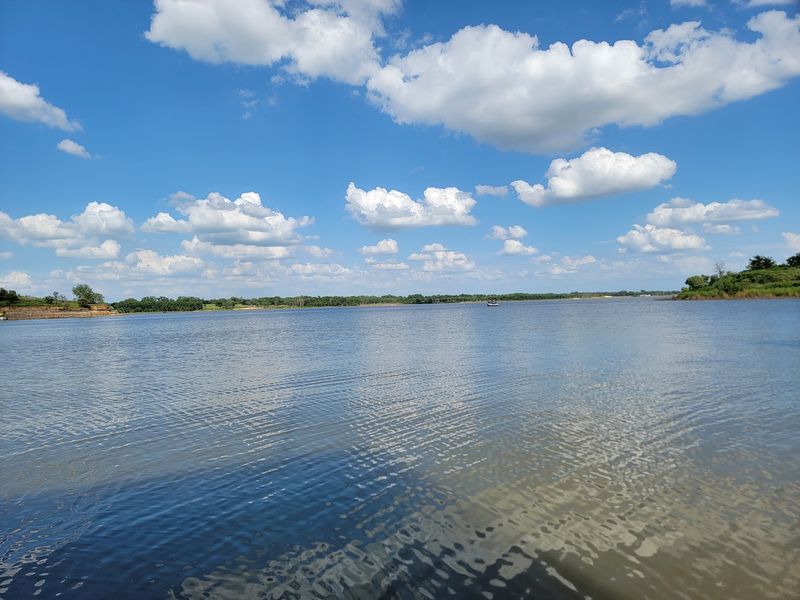
Tucked into the Smoky Hills of central Kansas, Kanopolis Lake offers a landscape that genuinely surprises first-time visitors. Sandstone bluffs, rolling hills, and cedar-dotted ridgelines frame a 3,400-acre reservoir that looks like it belongs somewhere farther west.
Three public access points at South Shore, Buzzard Bay, and Horsethief Canyon give kayakers multiple launch options, each with its own character. The calm, sheltered water makes Kanopolis a comfortable choice for beginners and families, while the varied shoreline keeps things interesting for experienced paddlers.
Fishing holds up well throughout the year, with saugeye, white bass, and channel catfish being the most targeted species. Largemouth bass, crappie, walleye, rainbow trout, and bluegill round out a solid list of options. Saugeye tend to hang around sandy bars and channel drop-offs, and night fishing near submerged structures consistently produces good results for catfish. Wildlife in the park includes deer, bald eagles, and wild turkeys.
4. Hillsdale Lake, Paola, Kansas
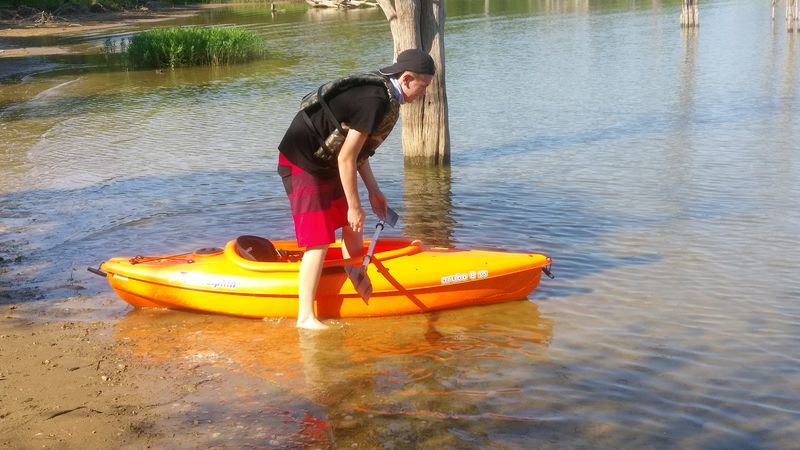
Hillsdale Lake carries a bold reputation among Kansas anglers: many consider it the best largemouth bass lake in the entire state. That claim gets backed up regularly by the fishing results coming out of this 4,500-acre reservoir south of the Kansas City Metro Area.
More than 70 percent of the standing timber in the reservoir basin was intentionally preserved to create fish habitat, which gives the lake an almost eerie beauty from a kayak. Seven boat ramp areas and 51 miles of shoreline mean you will rarely feel crowded, even on busy weekends.
Beyond bass, walleye, catfish, crappie, and bluegill are all well represented. The Tontzville Road bridge is a known hot spot for bass, and spring crappie fishing along the shore with minnows or small jigs tends to be very productive. Bald eagles, whitetail deer, and various waterfowl make regular appearances around the lake’s wooded edges.
5. Wilson Lake, Sylvan Grove, Kansas
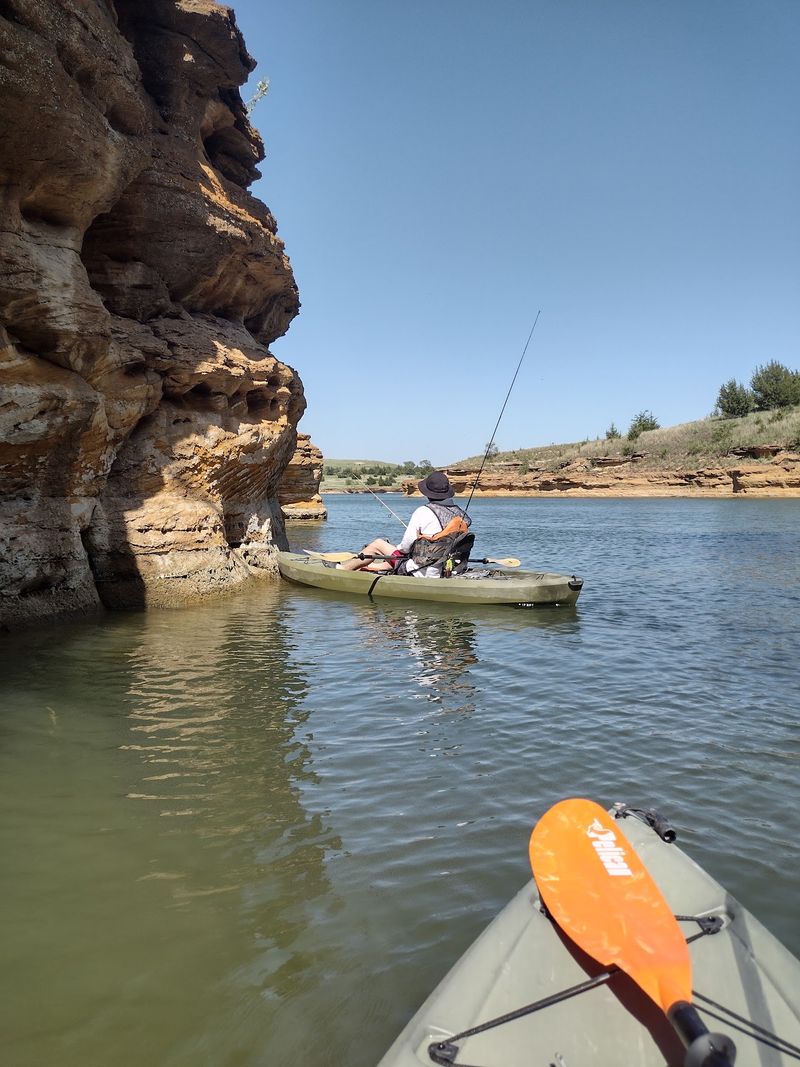
Clarity is the first thing anglers and paddlers notice at Wilson Lake, where the water is so transparent that bass fishing tournaments sometimes turn into a sight-fishing spectacle. Recognized widely as one of the clearest lakes in Kansas, the lake owes its remarkable water quality to the underlying Greenhorn Limestone geology.
Kayakers can launch from Wilson State Park or Wilson Elm Creek and explore sheltered coves that motorboats simply cannot reach. The rugged shoreline is lined with striking rock formations that make every paddle feel more like an adventure than a casual outing.
On the fishing side, striped bass, walleye, crappie, and smallmouth bass are all regulars here. Kayak rentals are available nearby at Knotheads Bait Shop, making access easy for first-timers. Bald eagles have also been spotted along the shoreline, giving you one more reason to keep your eyes up while your line is in the water.
6. El Dorado Lake, El Dorado, Kansas
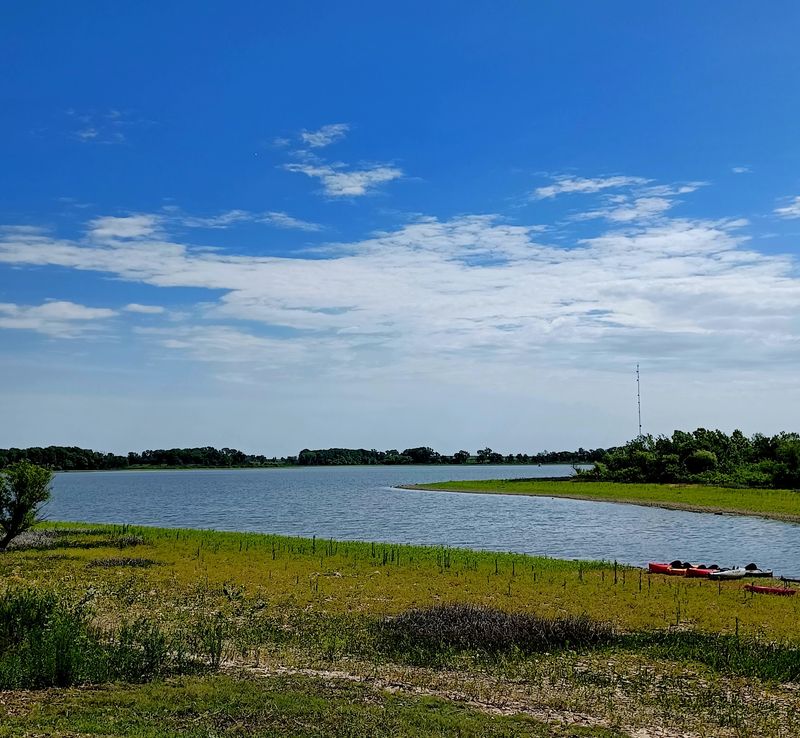
Butler County’s El Dorado Lake does not get as much national attention as some Kansas reservoirs, but serious anglers know exactly where to find it. Blue catfish, largemouth bass, and white crappie are the headline species here, and the lake’s mix of open water and sheltered coves keeps things interesting for both fishing and paddling.
The species list extends well beyond the headliners, covering black crappie, bluegill, channel catfish, flathead catfish, smallmouth bass, walleye, trout, and wiper bass. Anglers should note that specific creel limits apply, including a 25-inch minimum length for blue catfish and a special permit required to possess trout at the lake.
For catfishing, shrimp and worms are reliable bait choices that local anglers swear by. Kayakers of all experience levels will find the protected coves manageable and the open water sections rewarding for covering more ground. There is always another quiet corner to check around the next bend.
7. Cheney Reservoir, Cheney, Kansas

West of Wichita by just a short drive, Cheney Reservoir covers 9,550 acres and serves as the city’s primary water supply. That dual role has not stopped it from becoming one of the most productive fishing destinations in the region, particularly for walleye, white crappie, and channel catfish.
Spring is the busiest season, when winds push bait fish and game fish toward windward points and riprap areas. Summer calls for trolling or drifting across main-lake flats, while fall brings schools of white bass and wiper bass actively chasing shad near the dam and causeways.
Other species include flathead catfish, blue catfish, largemouth bass, striped bass, and white perch, giving anglers plenty of reasons to return across all four seasons. Kayakers will find calm sections along the expansive shoreline well suited for paddling, and three nature reserves bordering the reservoir add scenic value to every outing. Sailing is also popular here, which tells you something about the open-water character of this lake.
8. Tuttle Creek Lake, Manhattan, Kansas
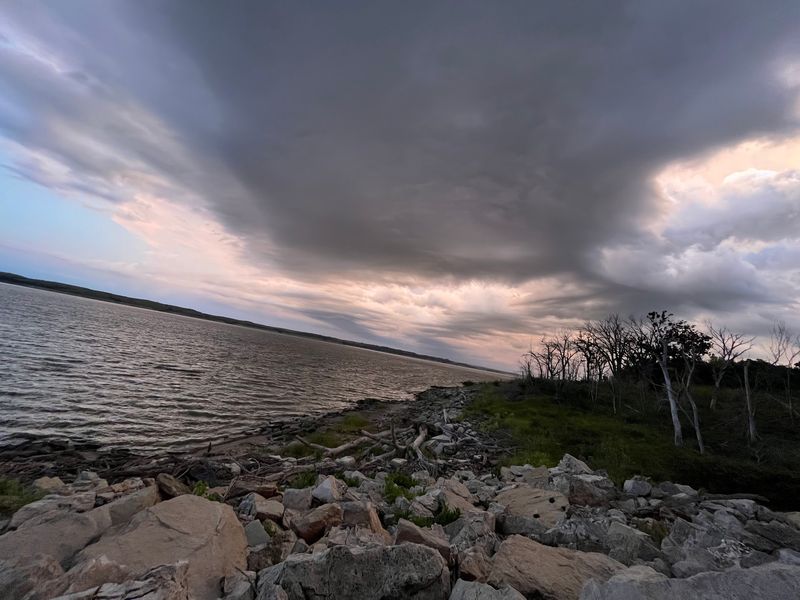
Kansas’s second largest impoundment, Tuttle Creek Lake covers 12,000 to 12,500 acres and offers nearly 100 miles of rugged, wooded shoreline. The northern Flint Hills setting, complete with flat-topped hills, limestone outcrops, and native grasslands, gives this lake a backdrop that stands out from most reservoirs in the state.
Beginners are well served by the Tuttle Creek River Pond, a calmer section within River Pond State Park where catfish, crappie, white bass, and saugeye congregate. Rainbow trout are stocked year-round in a feeder stream there, though a special trout stamp is required to keep them.
The main lake caters to more experienced paddlers, with multiple boat ramps and courtesy docks spread around the shoreline. Fishing options include channel catfish, flathead catfish, largemouth bass, walleye, blue catfish, and bluegill. Spring is prime time for master angler-class white bass and crappie. Bald eagles and great blue herons are frequent visitors to the wildlife area surrounding the lake.
9. Pomona Lake, Vassar, Kansas
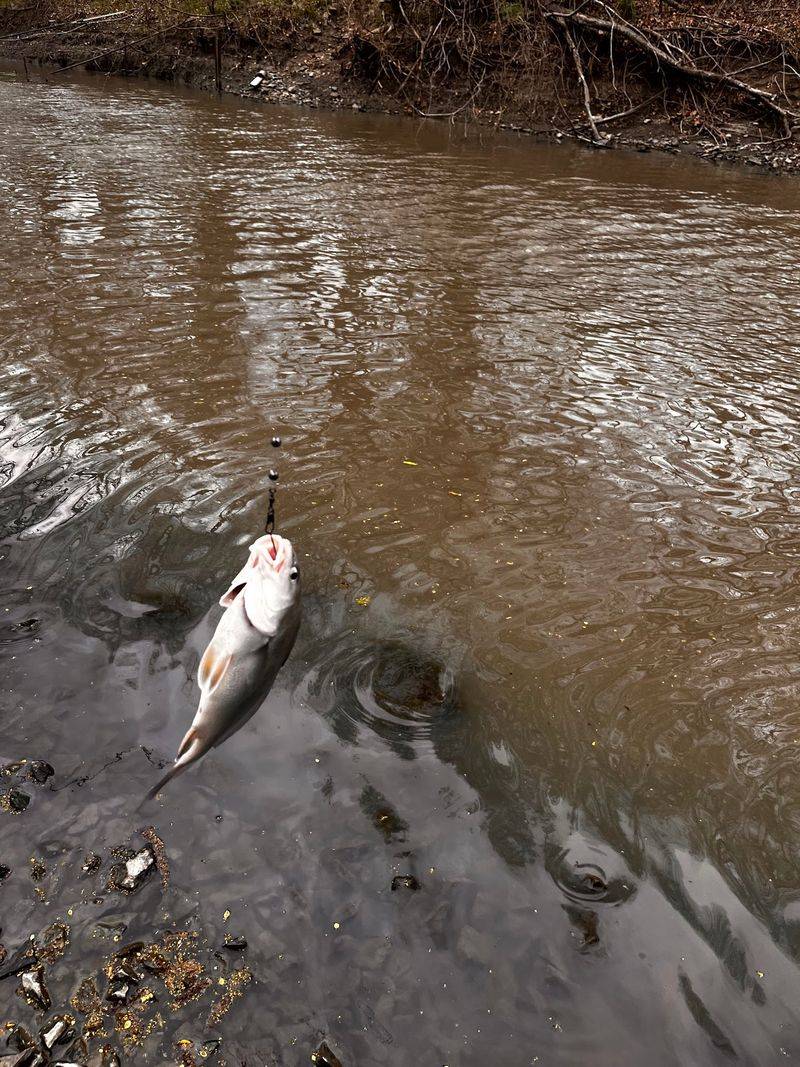
Pomona Lake carries the unofficial title of the Water Sports Capital of Kansas, and the 4,000-acre reservoir in Osage County takes that reputation seriously. Crystal clear water, 52 miles of picturesque coastline, and winding creek arms make it a natural fit for anyone who enjoys slow, exploratory paddling.
Completed in 1963 for flood control, the lake has long since found its identity as a recreational destination. Pomona State Park adds camping and picnic facilities that make it easy to turn a day trip into a full weekend on the water.
Crappie fishing is the main draw, with spring being the most productive season around brush piles, standing timber, and creek arms. The lake is also stocked with catfish, wiper, white bass, walleye, largemouth bass, and bluegill. Catfish, especially channels and flatheads, are regularly caught on the upper flats and in the creekier sections of the lake, with night fishing consistently delivering solid results.
10. Cedar Bluff Reservoir, Ellis, Kansas
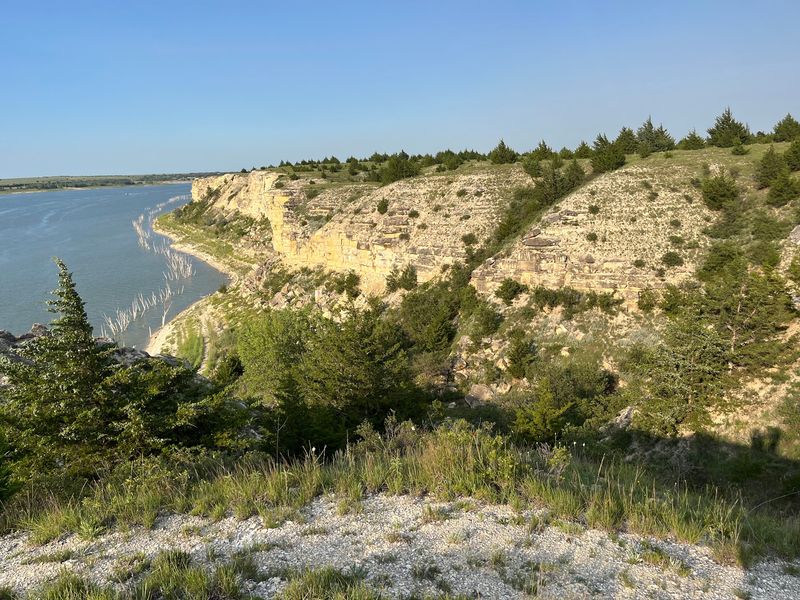
Western Kansas tends to get overlooked when people talk about scenic paddling, but Cedar Bluff Reservoir makes a strong argument for changing that habit. Dramatic limestone cliffs topped with cedar trees rise directly above the water, creating one of the most visually striking settings of any lake in the state.
The reservoir covers approximately 3,280 surface acres with 50 miles of shoreline, split between the more developed Bluffton Area on the north shore and the quieter Page Creek area on the south, which offers primitive camping and open scenery. Two boat ramps serve paddlers who bring their own watercraft.
Walleye, crappie, white bass, channel catfish, and wiper bass are the primary fishing targets. Largemouth bass fishing peaks during the pre-spawn and spawning periods from April through May, while spotted bass tend to hold along rocky shorelines and points. Spring and summer also bring wildflowers like yucca, coneflowers, and Indian blanket flowers blooming across the surrounding landscape.
11. Kansas River, Topeka, Kansas
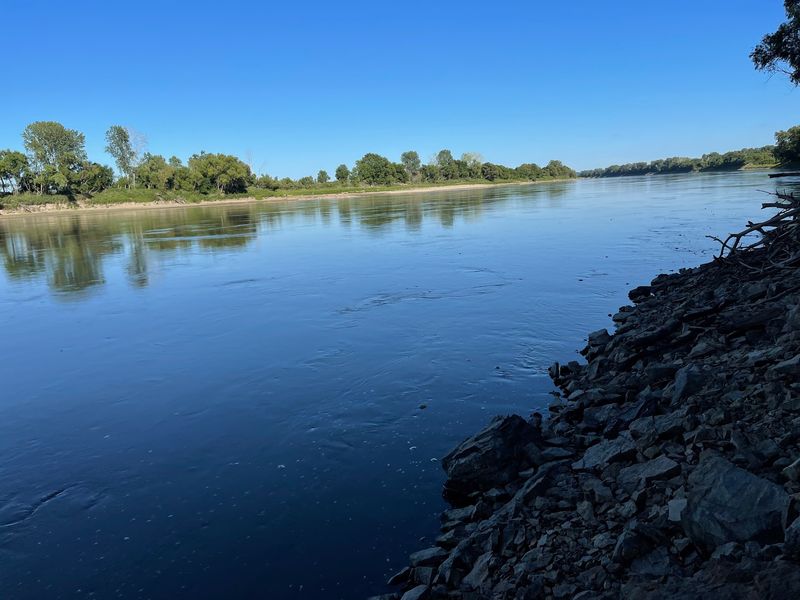
Known affectionately as the Kaw, the Kansas River holds the distinction of being the longest prairie-based river in the world, which is exactly the kind of quirky fact that makes a float trip feel more significant. The river carries a Class I difficulty rating, making it accessible to beginners while still offering enough variety to keep experienced paddlers interested.
The 30-mile section from Belvue to Topeka is especially popular, known for its tranquility and consistent wildlife sightings. Camping on sandbars is a common option during low water conditions, and the river is part of the National Water Trail System, with several public launch points along its length.
Channel catfish, blue catfish, and flathead catfish are the top fishing targets, but the Kaw also holds largemouth bass, walleye, white bass, sauger, and longnose gar. The river’s channel can shift significantly with flow changes, so paddlers should check current conditions before launching and always stay alert on the water.
12. Arkansas River, Wichita, Kansas
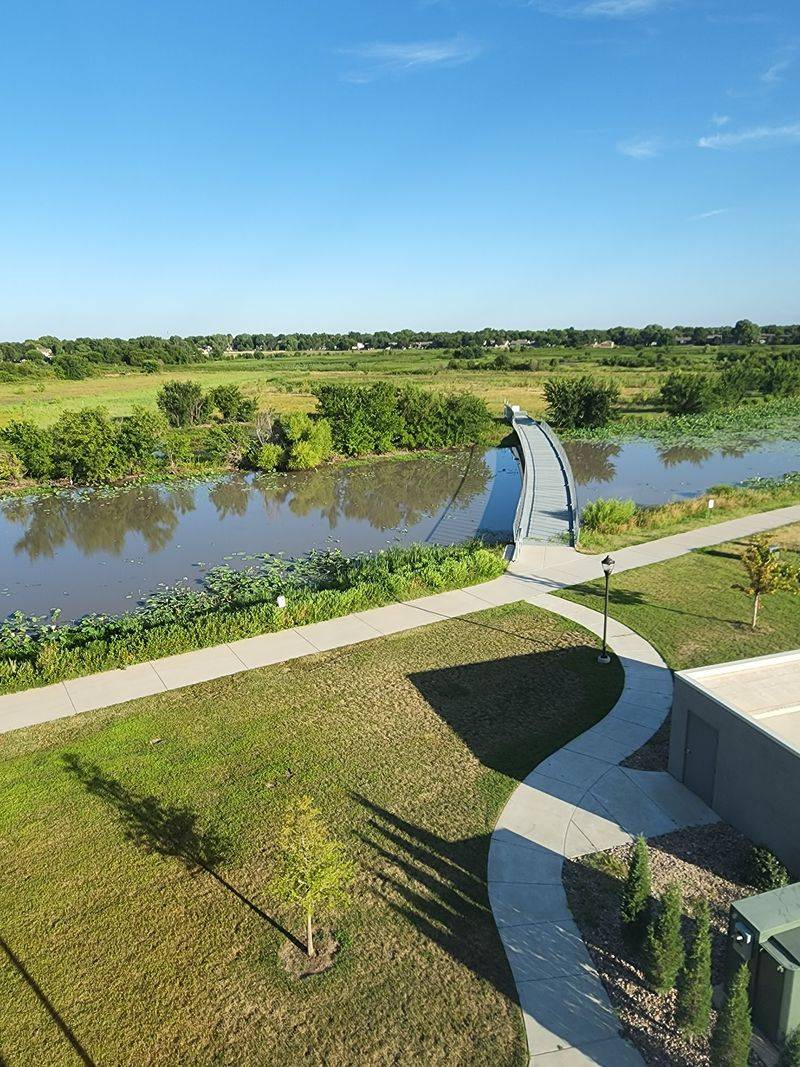
Not many rivers offer a paddling route that takes you directly through the heart of a major city, but the Arkansas River through Wichita does exactly that. Non-motorized watercraft are specifically permitted between the Lincoln Street Dam and the Amidon/Meridian Bridge, giving kayakers a clearly defined and accessible stretch of urban river to enjoy.
The Arkansas River Corridor Access Plan is actively working to develop 120 miles of the river for recreational use, and the National Park Service has designated it a National Water Trail. Water quality has improved substantially over recent decades thanks to better land management and treatment practices.
Anglers can target catfish, carp, and various bass species along the river, with conditions varying by season and flow. Paddlers are strongly advised to wear life preservers and check current water conditions before heading out. Public safety infrastructure, including signage and emergency access points, is part of the ongoing corridor development plan along this urban waterway.
13. Perry Lake, Perry, Kansas
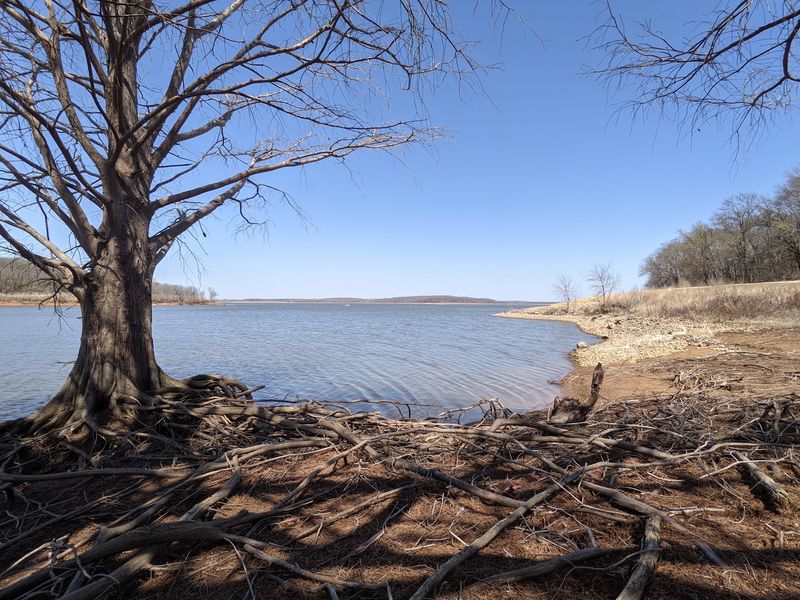
Bassmaster.com named Perry Lake one of America’s 100 Best Bass Lakes, and northeast Kansas anglers have been quietly nodding in agreement for years. The 11,000-acre federal reservoir features 160 miles of shoreline winding through densely forested rolling hills, making it one of the most scenic and productive lakes in the region.
Bass fishing, including smallmouth bass, is the headline attraction, with spring and early summer being the prime seasons when fish are most active near rocky shorelines, mudflats, and submerged vegetation. Crappie anglers do well with minnows or small jigs, while cut bait and stink bait are the go-to options for catfish.
The lake’s diverse habitat, covering woody cover, underwater structures, and open water, also supports walleye, sauger, white bass, and bluegill. Beyond the water, 27,000 acres of surrounding public land offer hiking and camping for visitors who want more than a single day on the lake. Perry Lake rewards those who take their time exploring it.
Share this story