America has no shortage of famous historic sites, but some of the most fascinating places in the country barely show up on the average traveler’s radar. While everyone knows about the Liberty Bell and the Lincoln Memorial, there are dozens of equally powerful spots scattered across the country that most people drive right past.
From ancient Native American cities to Cold War missile bunkers, these places hold stories that are just as important as anything you would find in a standard history textbook. This list covers 18 real, open, and genuinely worth-your-time historic sites that deserve a spot on your travel plan.
Cahokia Mounds State Historic Site, Illinois
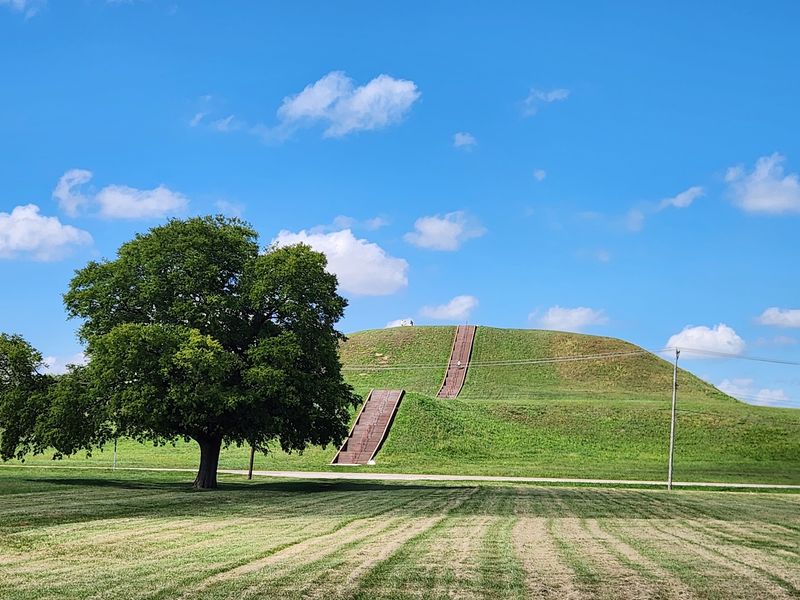
Before European settlers ever arrived in North America, a city larger than many medieval European towns stood along the Mississippi River in what is now southwestern Illinois. Cahokia Mounds is a UNESCO World Heritage Site and the largest pre-Columbian settlement north of Mexico, once covering roughly 1,600 hectares with about 120 earthen mounds.
The site grounds and trails are open daily from dawn to dusk, making it easy to visit on your own timeline. The Interpretive Center lobby is open Wednesday through Sunday while exhibit work continues inside.
Walking among the mounds, especially Monks Mound, which rises about 100 feet high, puts the scale of this ancient civilization into real perspective. There are no dramatic reconstructions or theatrical displays.
Just the land, the mounds, and the quiet weight of a civilization most Americans never learned about in school. That silence alone makes it unforgettable.
Fort Jefferson, Dry Tortugas National Park, Florida
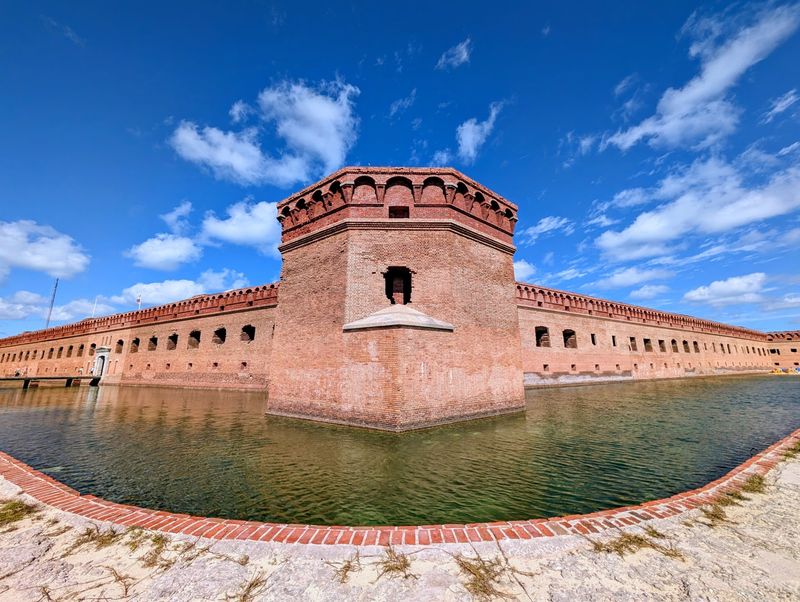
Getting to Fort Jefferson takes real effort, and that effort is exactly what keeps it feeling like a discovery. Located about 70 miles west of Key West, this enormous 19th-century coastal fortress sits inside Dry Tortugas National Park and is only reachable by boat or seaplane.
The official ferry service runs from Key West and carries visitors out to the park, where they can walk brick corridors, explore open parade grounds, and look out at some of the clearest blue water in Florida. The fort was built starting in 1846 and was never fully completed, which adds another layer of interesting history to the visit.
Because of the distance, crowds stay manageable compared to most Florida attractions. Snorkeling around the moat wall is popular, and the surrounding waters are part of the national park’s protected zone.
If you want a Florida history experience that feels genuinely off the beaten path, this is it.
Bodie State Historic Park, California
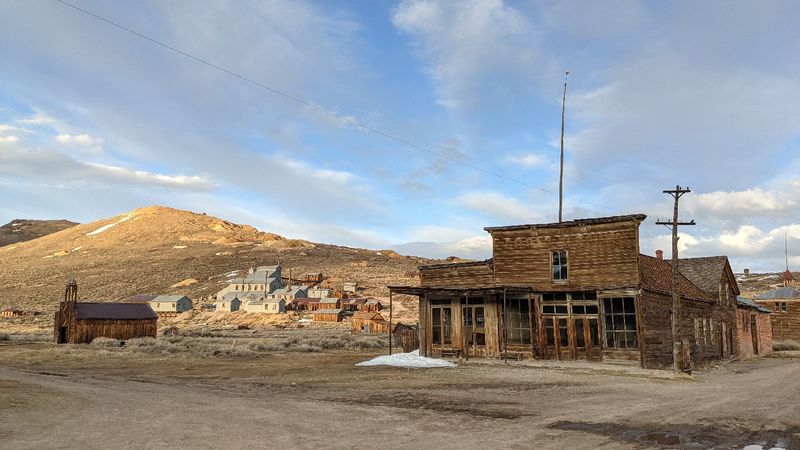
Bodie is not your typical ghost town gift-shop experience. California State Parks preserves this former gold-mining settlement in a state of “arrested decay,” meaning buildings are maintained just enough to keep them standing but left to show every year of weathering and abandonment.
At its peak in the late 1870s and early 1880s, Bodie had a population of around 8,000 people and roughly 2,000 structures. Today, about 200 structures remain, and walking the unpaved streets past a leaning church, a dusty saloon, and a schoolroom frozen in time is genuinely striking.
The park is open daily during posted hours, with winter access sometimes limited by snow at the high elevation of about 8,375 feet. No actors, no costumed guides, no scripted tours.
You simply walk through what remains and fill in the rest yourself. For history fans who prefer atmosphere over entertainment, Bodie delivers something rare and real.
Mutter Museum, Philadelphia, Pennsylvania
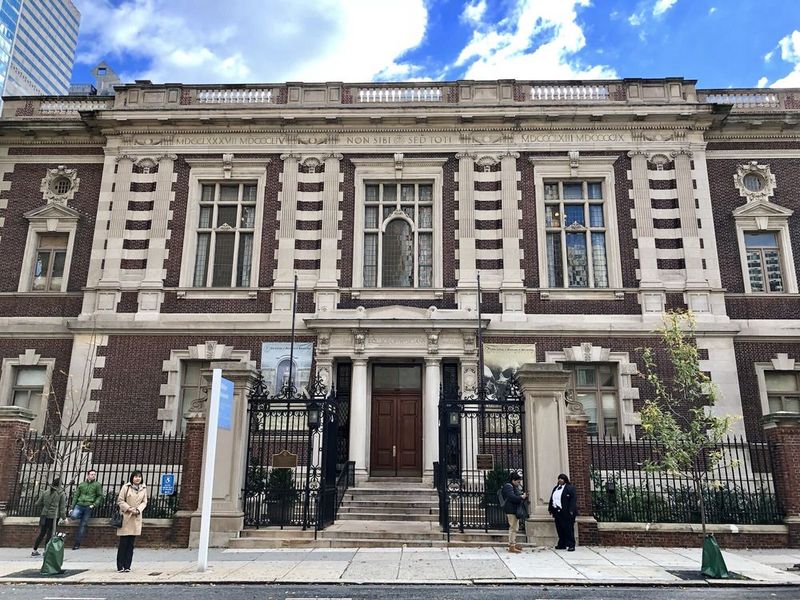
Medical history has a way of making people uncomfortable, and the Mutter Museum leans into that honestly. Located inside the College of Physicians of Philadelphia, this museum holds one of the most unusual collections in the country, covering anatomy, disease, and the history of medicine in ways that are detailed, sometimes unsettling, and genuinely educational.
The museum is open Wednesday through Monday from 10 a.m. to 5 p.m., with Tuesday evening hours available through September 1 according to its official schedule. Exhibits include preserved anatomical specimens, antique medical instruments, and collections related to historic diseases and medical conditions.
This is not a place for every traveler, but for those with an interest in science, history, or the development of modern medicine, it offers a perspective that standard history museums rarely touch. Philadelphia has no shortage of historic sites, but the Mutter stands apart for covering the human side of history in the most literal way possible.
St. Louis Union Station, Missouri
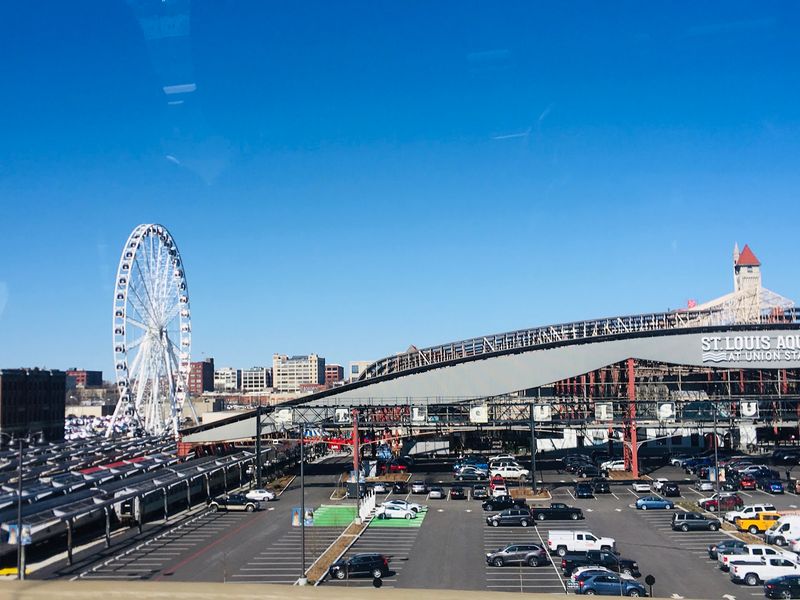
St. Louis Union Station opened in 1894 and was once the busiest railroad terminal in the world. The Romanesque Revival building, designed by Theodore Link, covers an entire city block and features a clock tower, a massive headhouse, and a train shed that stretches behind it like a cathedral of transportation.
Rail passenger service no longer runs through the station, but the building has been repurposed as a hotel, entertainment complex, and historic destination. Dining, attractions, and family activities now fill spaces that once held thousands of daily travelers.
For anyone interested in the golden age of American rail travel, the architecture alone tells a powerful story. The grand waiting room, the ornate stonework, and the sheer scale of the complex are reminders of how central the railroad was to American life and commerce.
It is a layered stop where the original history and the modern reuse exist side by side in a way that invites comparison.
Winchester Mystery House, San Jose, California
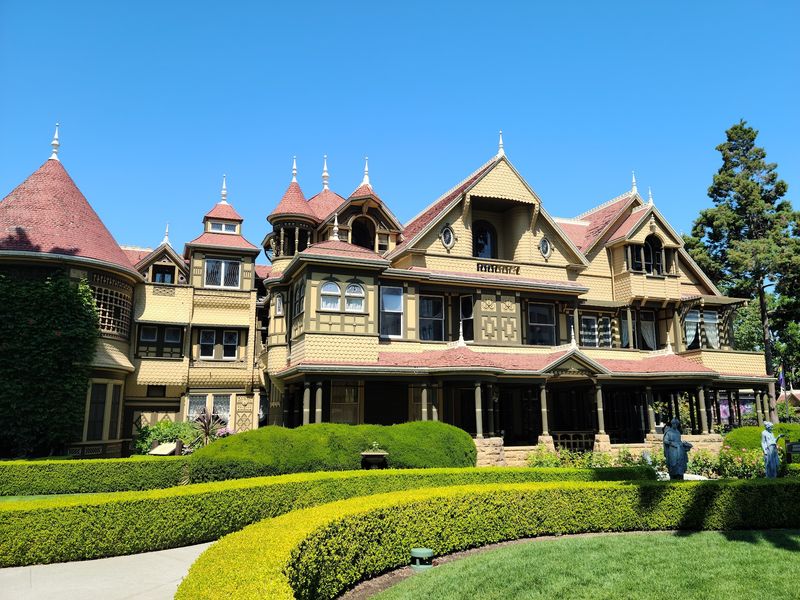
Sarah Winchester began building her San Jose mansion in 1884 and reportedly kept construction going around the clock for decades. The result is a 160-room Victorian estate with staircases that lead to ceilings, doors that open to walls, and a floor plan that seems designed to confuse rather than guide.
The house is open for tours, with multiple tour options listed on the official site for visitors who want different levels of access. The mansion’s architectural oddities are real and well-documented, and the stories attached to them have made it one of California’s most talked-about historic homes.
Beyond the ghost-story reputation, the Winchester Mystery House is a genuine piece of American architectural history tied to the Winchester Repeating Arms fortune, Victorian building culture, and one woman’s long and unusual relationship with her own home. The guided tours walk visitors through verified rooms and spaces while explaining the history behind what Sarah Winchester built and why it still puzzles people today.
Centralia, Pennsylvania
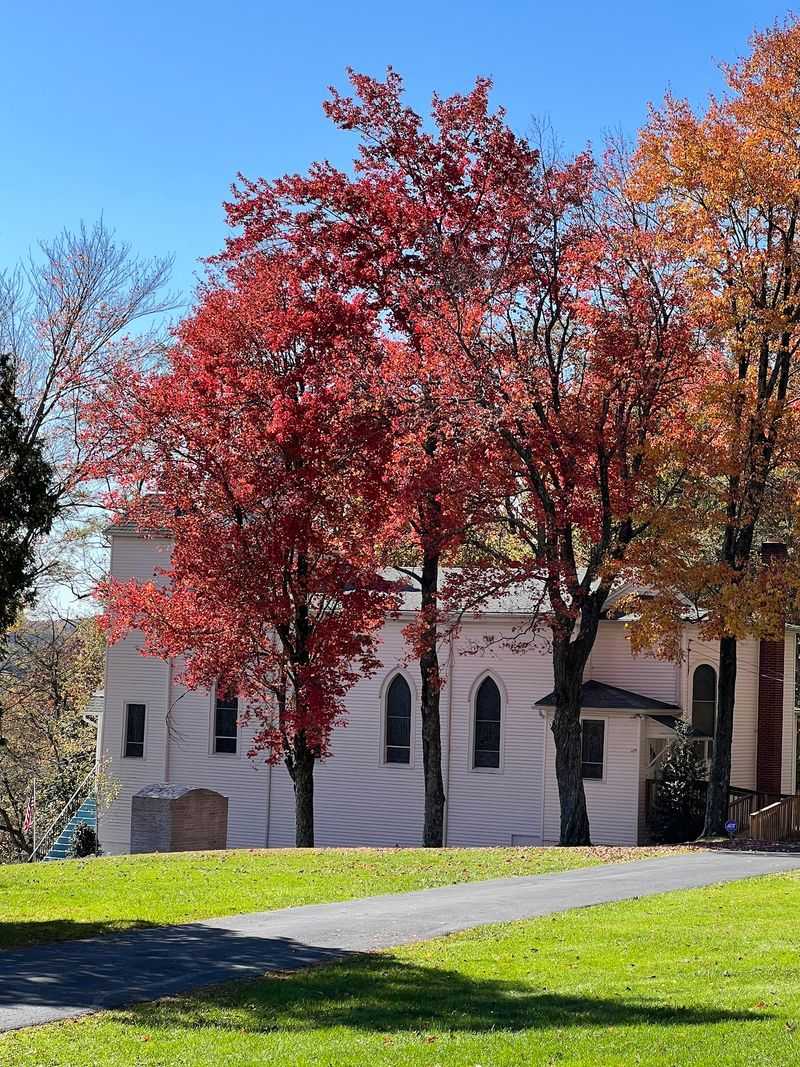
Centralia is one of the most sobering places in American history, but it requires a careful approach. An underground coal mine fire that started in 1962 has been burning beneath the borough ever since, leading to the gradual relocation of nearly the entire population and the demolition of most buildings.
Graffiti Highway, once a visible landmark from travel videos, was permanently buried in 2020. Most of the abandoned houses seen in older footage have since been demolished.
What remains is a largely empty landscape with visible steam vents, broken roads, and a few standing structures.
Visitors should follow posted warnings strictly and avoid trespassing on private or restricted land. The historical story of Centralia, a working-class coal town slowly lost to an underground fire, is genuinely powerful and worth understanding.
Approaching it with respect, awareness, and realistic expectations makes the visit meaningful rather than reckless. The history here is real, and it deserves to be treated that way.
Salton Sea State Recreation Area, California
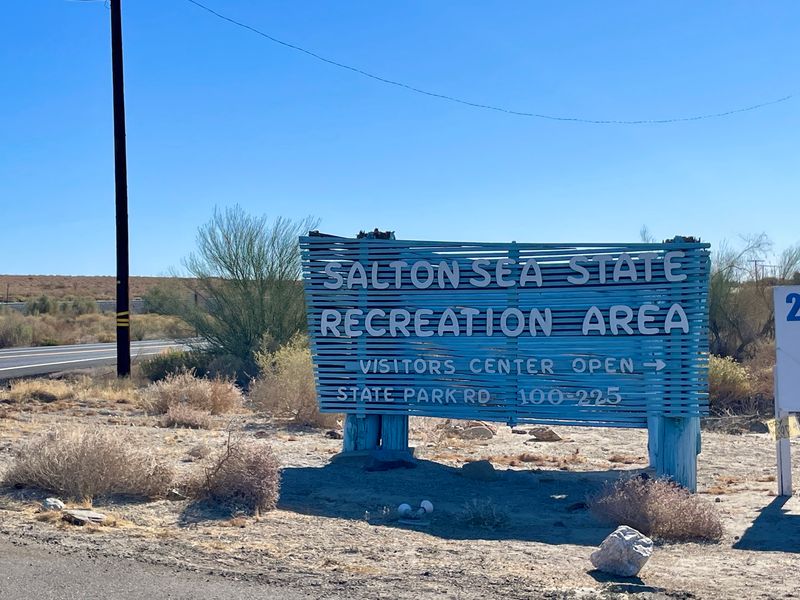
The Salton Sea carries a history that swings between ambition and decline. Created accidentally in 1905 when an irrigation canal broke and flooded the desert basin for nearly two years, it was later promoted as a resort destination in the mid-20th century before environmental problems began reshaping the landscape.
Today, the Salton Sea State Recreation Area is a managed California State Parks site with a visitor center and official information available for travelers. The area is known for birding, with hundreds of species recorded there because of its position along the Pacific Flyway migration route.
The shoreline has a quality that is hard to describe without seeing it. Receding water levels, exposed lakebed, and the remnants of old resort-era development create a setting that is both visually striking and historically layered.
Travelers who are drawn to environmental history, landscape photography, or places that tell complicated stories will find the Salton Sea unlike anything else in California.
Clermont State Historic Site, Germantown, New York
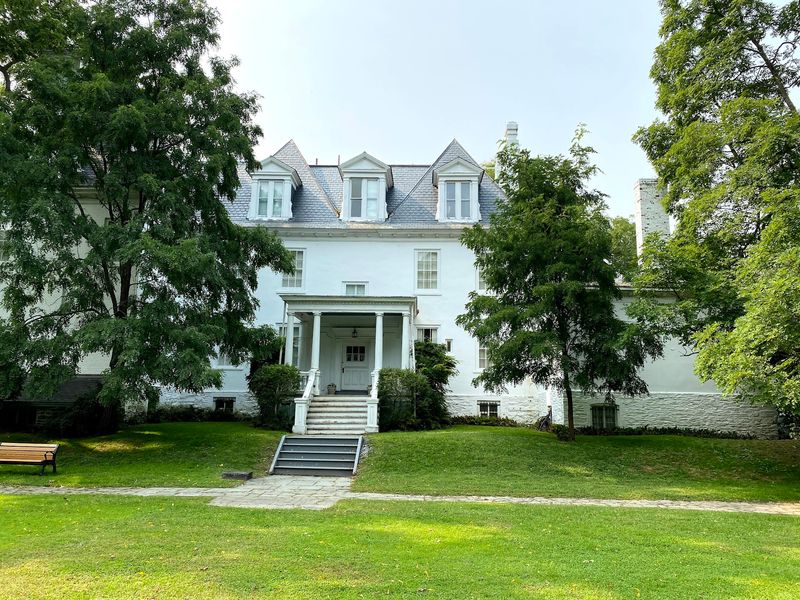
Clermont has been sitting quietly along the Hudson River since around 1740, and most travelers rushing between New York City and the Catskills never stop to notice it. New York State Parks describes the site as the Hudson River seat of the Livingston family, one of the most politically and socially prominent families in early American history.
The grounds and trails are open year-round from 8:30 a.m. to sunset, with visitor center hours available on select days. The formal gardens, river views, and historic landscape make it a strong destination for a slower, more reflective afternoon.
Robert Livingston, one of the five men who drafted the Declaration of Independence, was part of this family, and the estate reflects generations of influence on American law, politics, and Hudson Valley culture. For travelers who want Revolutionary-era history without large crowds or ticket lines, Clermont offers a genuinely peaceful and historically rich alternative to the region’s more promoted estates.
Abandoned Pennsylvania Turnpike, Pennsylvania
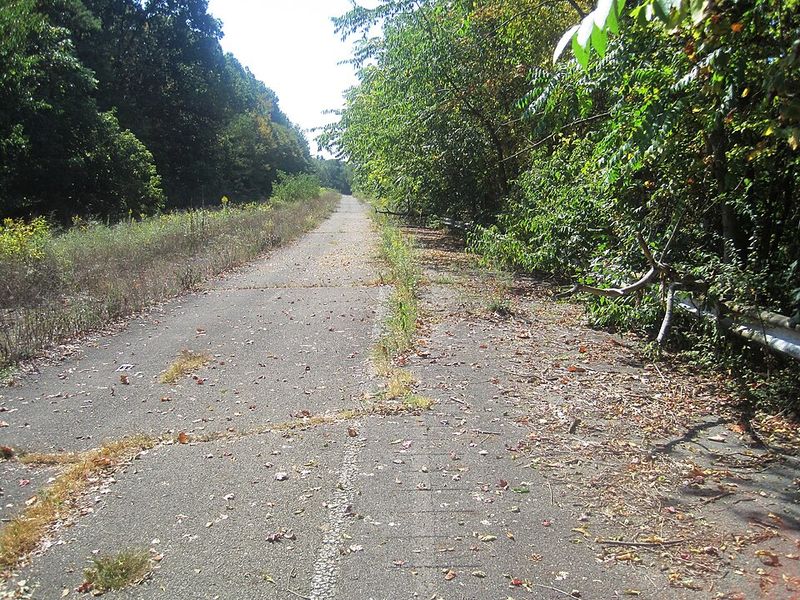
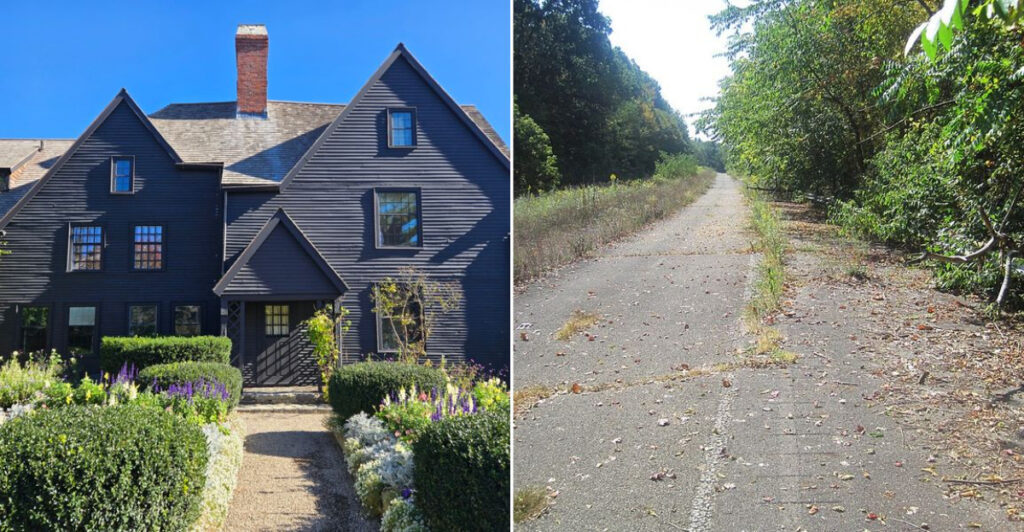
Between Fulton and Bedford counties in Pennsylvania, a stretch of the original Pennsylvania Turnpike has been sitting unused since 1968. The old roadway, including two tunnels, was bypassed when a newer route opened and has remained largely untouched ever since.
Fulton County describes the Pike2Bike initiative as a plan to develop this 8.5-mile section into a multi-purpose trail for cyclists, hikers, and history enthusiasts. The tunnels, which stretch hundreds of feet through the mountain rock, are a major draw for photographers and infrastructure history fans.
This is a self-guided, rough-trail experience rather than a staffed attraction. Visitors should bring lights for the tunnel sections, wear appropriate footwear, and prepare for uneven pavement throughout.
The appeal here is the combination of transportation history and physical exploration. Walking through a tunnel that once carried mid-century American highway traffic, now dark and silent, is the kind of experience that stays with you well after the drive home.
The Corn Palace, Mitchell, South Dakota
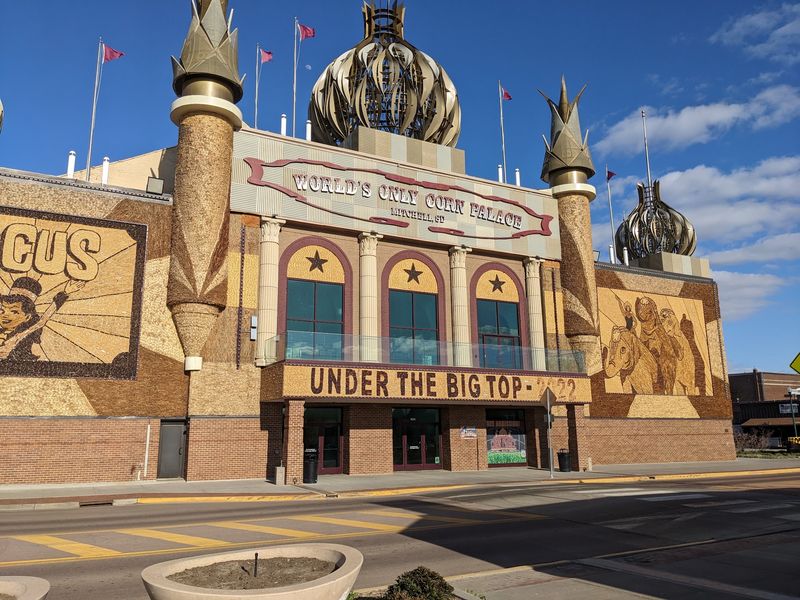
Every year, workers in Mitchell, South Dakota, cover the exterior of the Corn Palace with thousands of bushels of corn, grain, and native grasses to create large-scale murals that change with each new season. The tradition has been running in some form since 1892, which makes it one of the longest-running agricultural art traditions in the country.
The building itself is a Moorish Revival structure with onion-shaped domes and minarets, which makes the whole thing even more unexpected in the middle of the Great Plains. The official Mitchell site lists extended daily hours from Memorial Day through Labor Day, along with free admission and parking.
Some travelers see the Corn Palace as pure roadside novelty, and that is fair. But there is also a real cultural story here about South Dakota’s agricultural identity, community pride, and the way small towns create landmarks that outlast every trend.
It is the kind of stop that makes a road trip feel like an actual adventure rather than just miles between destinations.
The House of the Seven Gables, Salem, Massachusetts
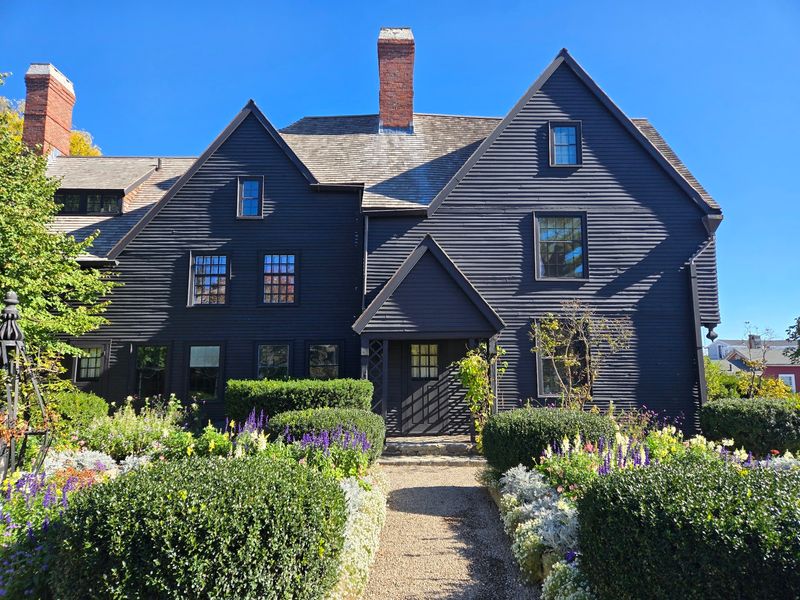
Salem’s witch-trial history gets most of the tourist attention, but the House of the Seven Gables sits right on the waterfront and tells a richer, more layered story about early New England life. The building dates to 1668 and is the oldest surviving 17th-century wooden mansion in New England.
The museum campus is a National Historic Landmark District with two acres of grounds, seaside colonial revival gardens, and several historic buildings. The connection to Nathaniel Hawthorne’s 1851 novel of the same name draws literary visitors, but the site also covers maritime Salem, early colonial architecture, and the history of historic preservation in America.
Tickets and tour information are available through the museum’s official site, and the grounds offer harbor views that most Salem visitors miss entirely by staying in the downtown historic district. For a town that can sometimes feel like it has been reduced to a single chapter of history, the House of the Seven Gables opens up several more worth reading.
Fort Ticonderoga, New York
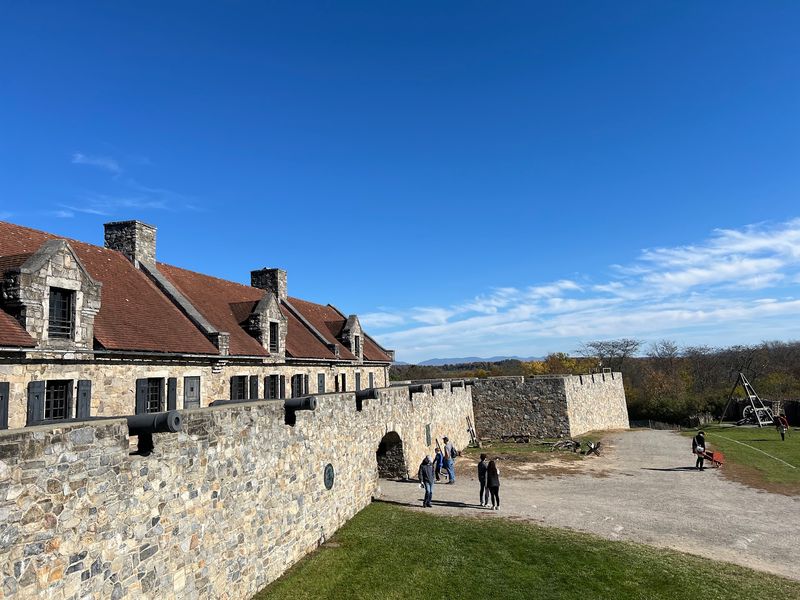
Fort Ticonderoga has one of the most strategically important locations in early American military history. Sitting between Lake George and Lake Champlain in upstate New York, it served as a critical chokepoint during both the French and Indian War and the American Revolution, changing hands multiple times over its history.
The site is open seasonally, with 2026 official hours listing Fort Ticonderoga and Mount Defiance open Tuesday through Sunday from May 2 to October 25. Visitors can explore the restored fort, museum galleries, historic landscape, kitchen gardens, and sweeping views over the lake.
The fort was captured by Ethan Allen and the Green Mountain Boys in May 1775, making it the site of one of the first American offensive military actions of the Revolution. That story alone is worth the drive to the Adirondack region.
The combination of dramatic scenery, layered military history, and well-preserved architecture makes Fort Ticonderoga one of the most atmospheric sites in the entire Northeast.
Pullman National Historical Park, Chicago, Illinois
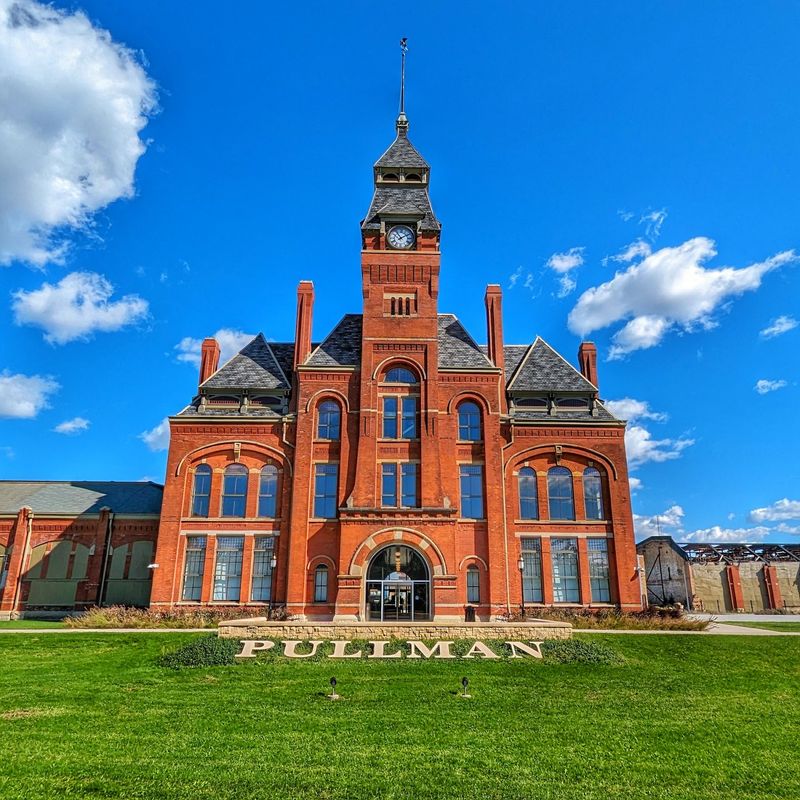
Most Chicago visitors spend their time downtown, but about 14 miles south of the Loop sits one of the most significant industrial and labor history sites in the country. Pullman National Historical Park preserves the planned company town built by George Pullman in the 1880s for workers who manufactured his famous railroad sleeping cars.
The National Park Service describes it as an active historic neighborhood where visitors are free to explore, with the Administration Clock Tower Building Visitor Center open to the public. The district’s story includes the landmark Pullman Strike of 1894, which became a defining moment in American labor history.
Unlike many historic sites that feel frozen in time, Pullman is still a living neighborhood. People live in the original worker housing, and the streets look much as they did in the late 19th century.
For travelers who want a Chicago experience that goes beyond the obvious, this park offers a quiet but genuinely important piece of the city’s identity.
USS Constellation, Baltimore, Maryland
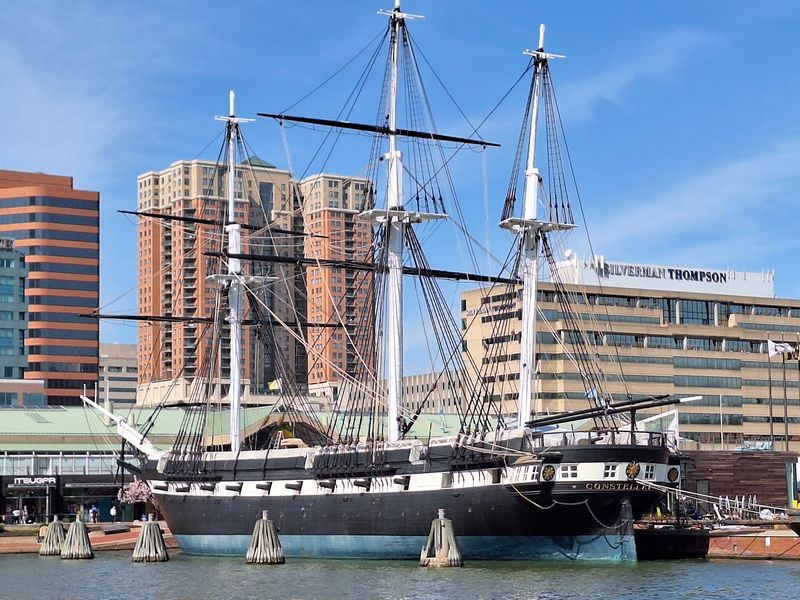
The USS Constellation is the last surviving Civil War-era naval vessel still afloat in the United States. Launched in 1854, it served in multiple capacities including patrolling the African coast to intercept slave ships before the Civil War and later as a relief vessel during the Irish Famine.
The ship is part of Historic Ships in Baltimore, located in the Inner Harbor, and is open to visitors with seasonal hours listed on the official site. Boarding the ship gives a direct sense of what 19th-century naval life actually looked like, from the gun deck to the cramped crew quarters below.
Baltimore’s Inner Harbor has plenty of modern attractions, but the Constellation offers something the newer stops cannot: a real, original artifact of American maritime and naval history that you can walk through, touch the rigging of, and stand on the deck of while looking out at the same harbor it has anchored in for generations.
Oregon Trail Ruts, Guernsey, Wyoming
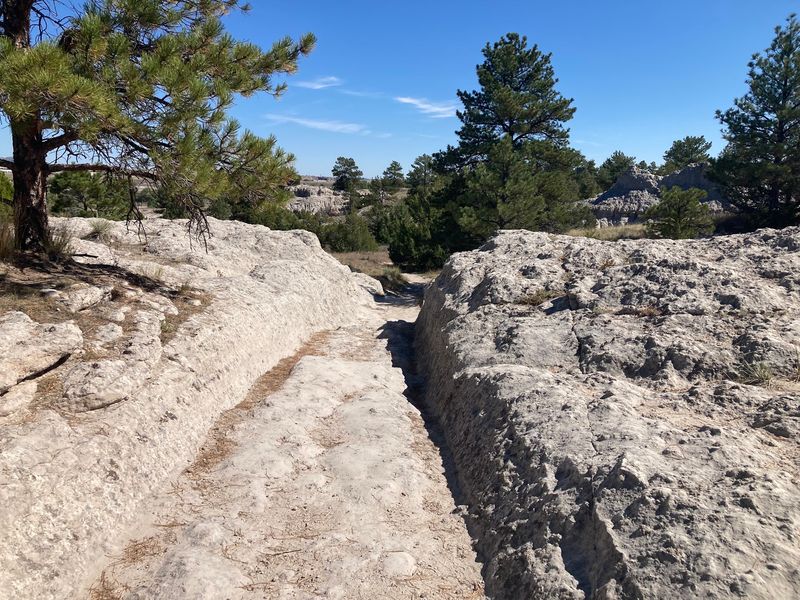
Few places in America make history feel as physically real as the Oregon Trail Ruts near Guernsey, Wyoming. Wagon trains heading west in the mid-1800s crossed a ridge of soft sandstone here so many times that the wheels carved ruts as deep as five feet into the rock.
The National Park Service notes this location as one of the most significant physical remnants of the great overland migration. Wyoming State Parks also describes the site as among the best-preserved evidence of the westward movement, with a short, accessible walk from the parking area to the ruts themselves.
There are no elaborate exhibits or visitor centers needed here. The ruts do all the explaining on their own.
Standing at the edge of those grooves and thinking about the thousands of families who passed through this exact spot with everything they owned, heading toward an uncertain future, puts the scale of American migration into perspective in a way that no museum display can fully replicate.
Minuteman Missile National Historic Site, South Dakota
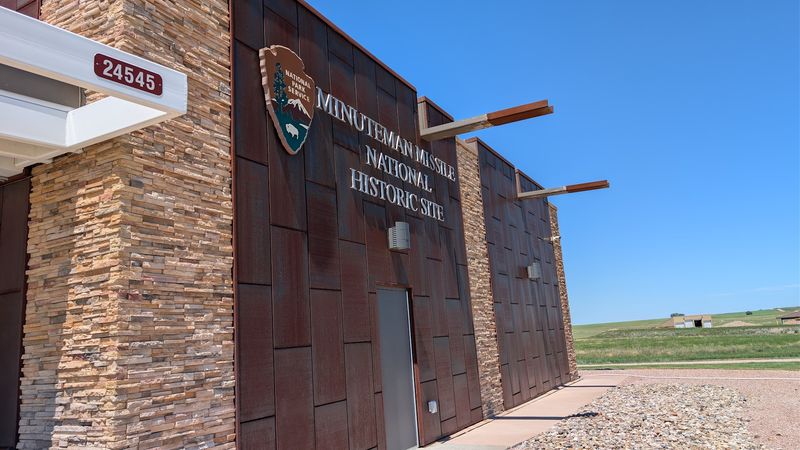
The Cold War may feel like distant history to younger travelers, but the Minuteman Missile National Historic Site in western South Dakota brings it back with remarkable immediacy. The National Park Service describes the park as three sites spread along a 15-mile stretch of Interstate 90, preserving actual launch facilities from the Minuteman II missile program.
The Delta-01 ranger-guided tour takes visitors 31 feet underground into the Launch Control Center, where two Air Force officers once sat on alert, ready to launch nuclear missiles on command. The equipment is original, the space is cramped, and the weight of what happened in rooms like this one is difficult to shake.
This is recent history, not ancient history. The Minuteman II missiles were deactivated as part of the START I treaty in the early 1990s, meaning some visitors are older than the era they are learning about.
For anyone curious about how close the world came to nuclear conflict and how ordinary people managed that responsibility, this site answers the question in a way no textbook can.
Jamestown Settlement, Virginia
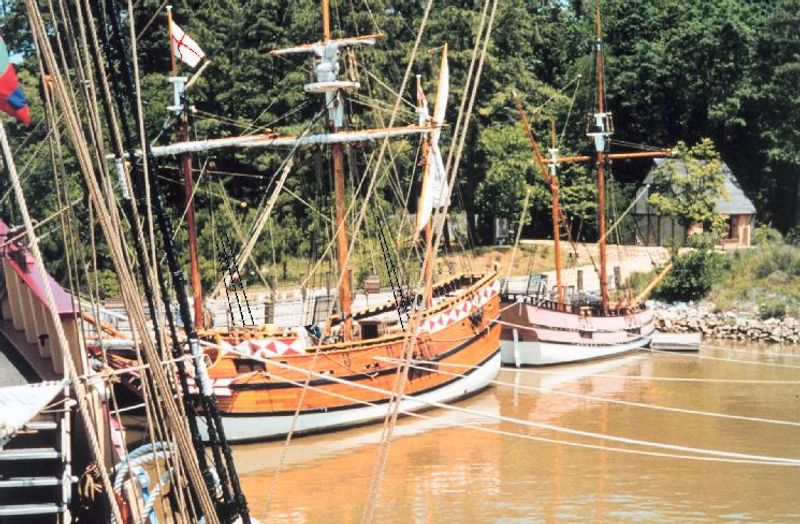
Jamestown Settlement sometimes gets overshadowed by Colonial Williamsburg just a few miles away, but it covers a chapter of American history that is older, more complicated, and in many ways more consequential. The museum is operated by the Jamestown-Yorktown Foundation and is open daily from 9 a.m. to 5 p.m. year-round, except Thanksgiving, Christmas, and New Year’s Day.
Visitors can explore indoor galleries and outdoor living-history areas that interpret the early 1600s, including recreated Powhatan village settings, English fort structures, and full-scale replica ships from the 1607 voyage. The museum covers Indigenous history, early English colonization, and the difficult realities of survival in ways that go well beyond the simplified version most people learned in school.
Nearby Historic Jamestowne, the actual archaeological site on Jamestown Island, is also open daily with a 9 a.m. to 5 p.m. visitor center schedule through the National Park Service. Visiting both in the same day gives a complete picture of what actually happened at the first permanent English settlement in America.
Share this story