Europe is home to some of the most comfortable, safe, and well-organized places to live anywhere on the planet. But great quality of life is about much more than a big paycheck.
Healthcare, safety, clean air, affordable housing, short commutes, and reliable public services all shape how enjoyable daily life actually feels. Based on Numbeo’s 2026 European Quality of Life Index, here are the 15 countries where life genuinely feels good.
Netherlands
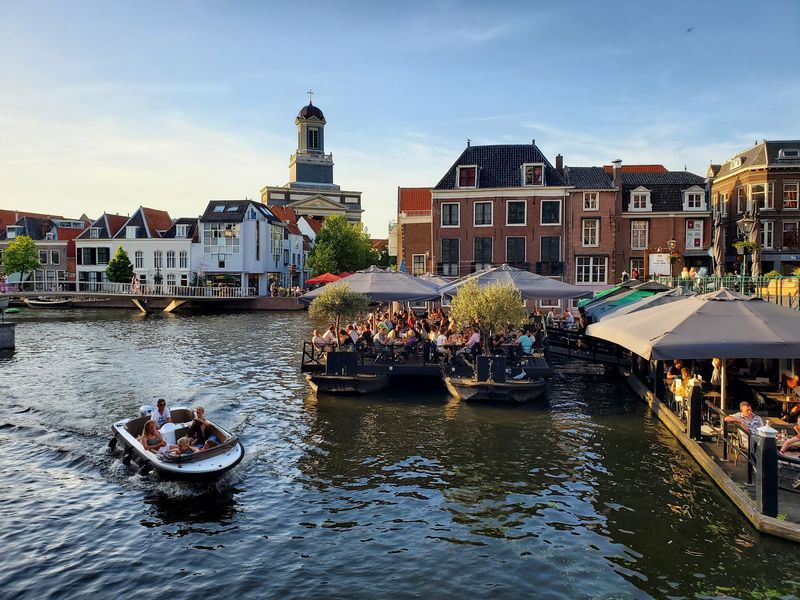
Cyclists weaving through canal-lined streets, markets buzzing with fresh produce, and trains running exactly on time – welcome to the Netherlands, Europe’s top-ranked country for quality of life in 2026. With a score of 213.6, it earns its place at the top through a combination of strong healthcare, high purchasing power, and some of the shortest commute times on the continent.
Dutch city planning is genuinely impressive. Even in densely populated areas, residents have easy access to parks, public transit, shops, and essential services without much hassle.
The cycling infrastructure alone makes daily errands feel almost effortless.
Housing pressure around Amsterdam and Utrecht is a real concern, and prices have climbed sharply in recent years. Still, the Netherlands continues to offer a lifestyle that blends mobility, safety, and everyday convenience in a way that few countries can match.
For people who value practical comfort over flashy luxury, it is hard to beat.
Denmark
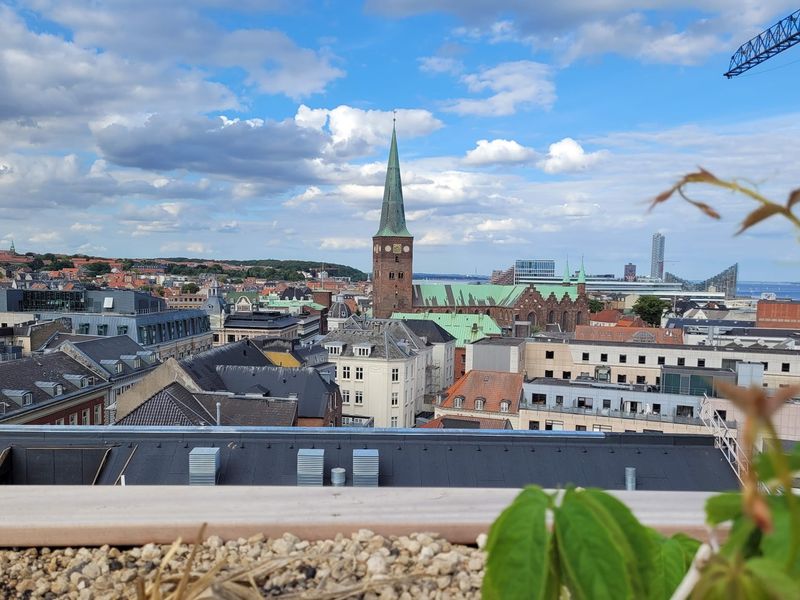
Hygge is a Danish word that roughly translates to cozy contentment, and honestly, it sums up life in Denmark pretty well. Scoring 212.2 on Numbeo’s 2026 index, Denmark earns second place thanks to exceptional purchasing power, dependable public services, and a workplace culture that genuinely respects personal time.
Healthcare is reliable, family support systems are generous, and communities are designed with cycling in mind. Danish cities feel both efficient and livable, which is a combination that is harder to achieve than it sounds.
Denmark also ranked third in the 2026 World Happiness Report, which suggests residents are not just surviving comfortably but actually feeling good about their lives. High taxes and consumer prices can pinch the wallet, but those contributions fund a social support system that covers healthcare, education, and childcare to a remarkable degree.
For families especially, Denmark offers a sense of security that money alone cannot buy.
Luxembourg
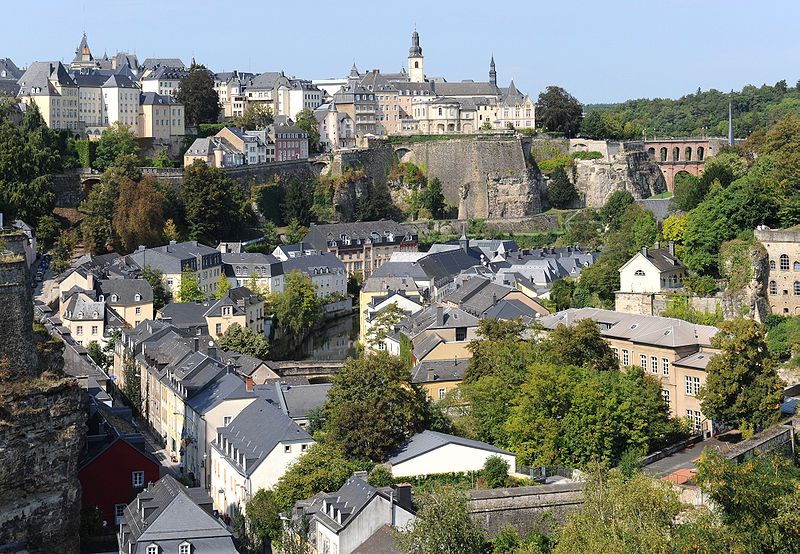
Tiny but mighty, Luxembourg punches well above its weight when it comes to quality of life. Ranking third with a score of 211.9, it holds the highest purchasing power score among the top-ranked countries, thanks largely to its well-paid international workforce and rock-solid political stability.
The country sits at a unique crossroads of Belgian, French, and German culture, making it genuinely multilingual and surprisingly cosmopolitan for a nation of fewer than 700,000 people. Forests, medieval castles, and scenic hiking trails are never more than a short drive away.
Cross-border living is common here, with many workers choosing to commute in from neighboring France, Belgium, or Germany where housing is more affordable. Luxembourg City itself can feel calm and highly organized, with excellent public services and a historic old town that rewards slow exploration.
Housing costs inside the country remain steep, but for those who can manage them, Luxembourg offers a polished and comfortable everyday life.
Switzerland
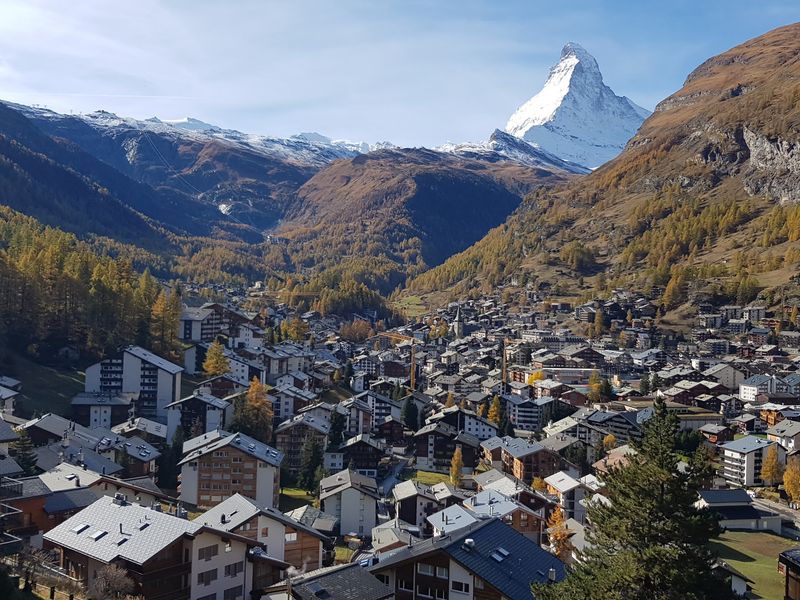
Few places on earth look quite as postcard-perfect as Switzerland, and remarkably, living there feels almost as good as it looks. Ranking fourth with a score of 206.2, Switzerland combines the continent’s strongest purchasing power with world-class safety, clean environments, efficient transportation, and breathtaking access to mountain and lake landscapes.
The trade-off is a cost of living that can make your jaw drop. Groceries, childcare, housing, and dining out all come with prices that shock first-time visitors.
Fortunately, local wages are high enough that many residents absorb these costs without too much difficulty.
Political stability here is almost legendary, and public infrastructure runs with a reliability that other countries study and quietly envy. Switzerland also placed tenth globally in the 2026 World Happiness Report, confirming that the good life here is not just a financial calculation.
For those who can afford it, Switzerland offers a level of everyday quality that is genuinely difficult to find anywhere else.
Finland
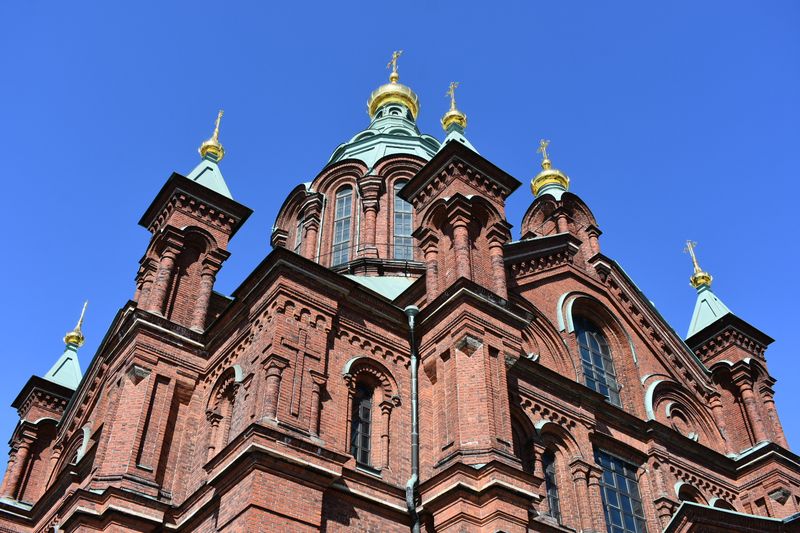
Finland has been named the happiest country in the world for multiple years running, and in 2026 it holds that title again. On Numbeo’s quality-of-life index it ranks fifth, backed by low pollution, strong safety scores, excellent healthcare, and a culture that genuinely treasures time spent outdoors.
Forests cover about 75 percent of the country’s land area, and access to lakes, trails, and open wilderness is practically a civic right. Saunas are not a luxury here – they are a way of life, found in homes, apartment buildings, and even some offices.
Winters are long, dark, and genuinely cold, which can be a challenge for newcomers from sunnier climates. The Finnish language also has a reputation for being notoriously tricky to learn.
Even so, residents benefit from efficient institutions, generous parental leave policies, quiet cities, and a social culture that respects personal boundaries and privacy. For people who value calm, nature, and a well-functioning society, Finland is hard to argue with.
Austria
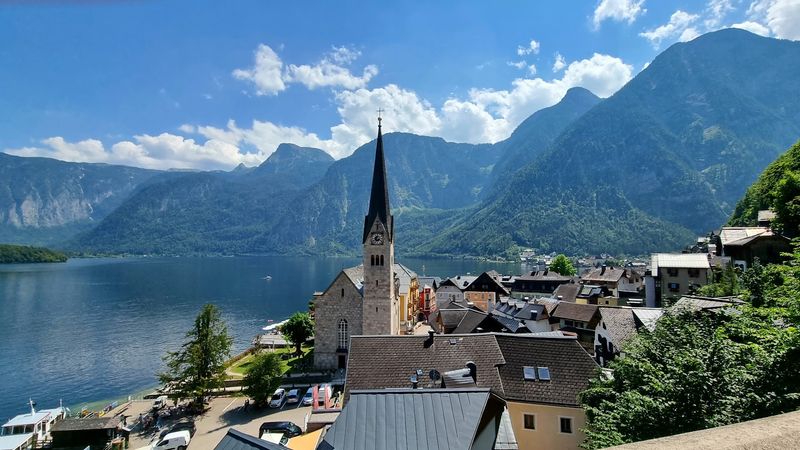
Vienna has topped global livability rankings so many times that it almost feels unfair to other cities. Austria as a whole ranks sixth on Numbeo’s 2026 index with a score of 199.8, performing especially well in healthcare, safety, commuting convenience, and environmental quality.
The capital blends sophisticated public services with gorgeous historic neighborhoods, world-class museums, and one of Europe’s most extensive public transportation networks. Residents can cross the city by subway, tram, or bus without ever needing a car.
Beyond Vienna, Austria offers a lifestyle that is genuinely hard to beat. Alpine ski resorts, vineyard-covered hillsides, glacial lakes, and compact regional cities like Salzburg and Graz provide variety for every kind of resident.
Austria’s central location in Europe also makes weekend travel to neighboring countries remarkably easy and affordable. Whether you prefer city culture or mountain air, Austria manages to deliver both without asking you to choose.
Germany
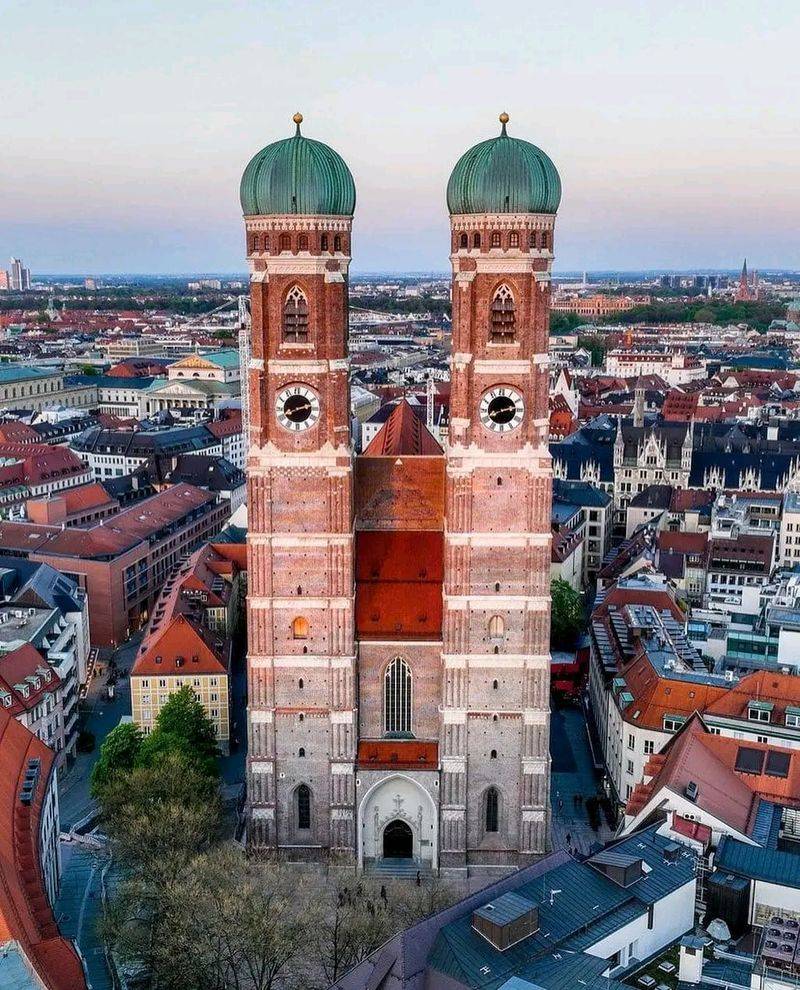
Germany’s quality of life is a story told differently depending on where you happen to be standing. The country ranks seventh overall, with strong purchasing power, solid healthcare access, and an employment market that spans manufacturing, engineering, technology, finance, and healthcare in impressive depth.
Munich offers high salaries and a polished urban lifestyle, but housing costs have climbed to levels that frustrate even well-paid residents. Smaller cities like Leipzig, Freiburg, or Erfurt can offer lower costs, shorter commutes, and a more relaxed pace without sacrificing cultural opportunities.
Germany placed 17th globally in the 2026 World Happiness Report, which is respectable but reflects some of the pressures residents face around housing, bureaucracy, and regional inequality. The transportation network, however, remains a genuine strength, with intercity rail connections making it easy to live in one city and work in another.
For people willing to explore beyond the obvious destinations, Germany rewards flexibility with a surprisingly varied quality of life.
Iceland
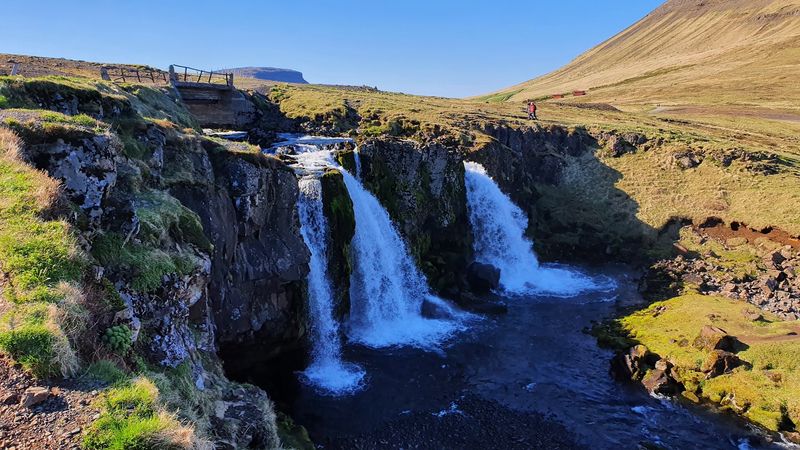
Imagine stepping outside your front door and being minutes away from a waterfall, a hot spring, or a glacier. That is not a vacation fantasy in Iceland – it is just a Tuesday.
Ranking eighth in Europe’s quality-of-life index and second in the 2026 World Happiness Report, Iceland offers a lifestyle shaped by extraordinary natural surroundings and genuinely low pollution levels.
Reykjavik handles most of the country’s employment, services, and cultural activity, but the wilderness never feels far away. Geothermal energy heats homes and swimming pools across the island, keeping utility costs manageable despite the remote location.
The challenges are real and worth knowing. Housing is limited, prices are high across most categories, and winter darkness can stretch on for a disorienting number of months.
The island’s geographic isolation also means fewer options for quick weekend travel to other countries. Still, for residents who love open space, clean air, and a tight-knit community where safety is almost taken for granted, Iceland delivers a quality of life that is genuinely one of a kind.
Norway
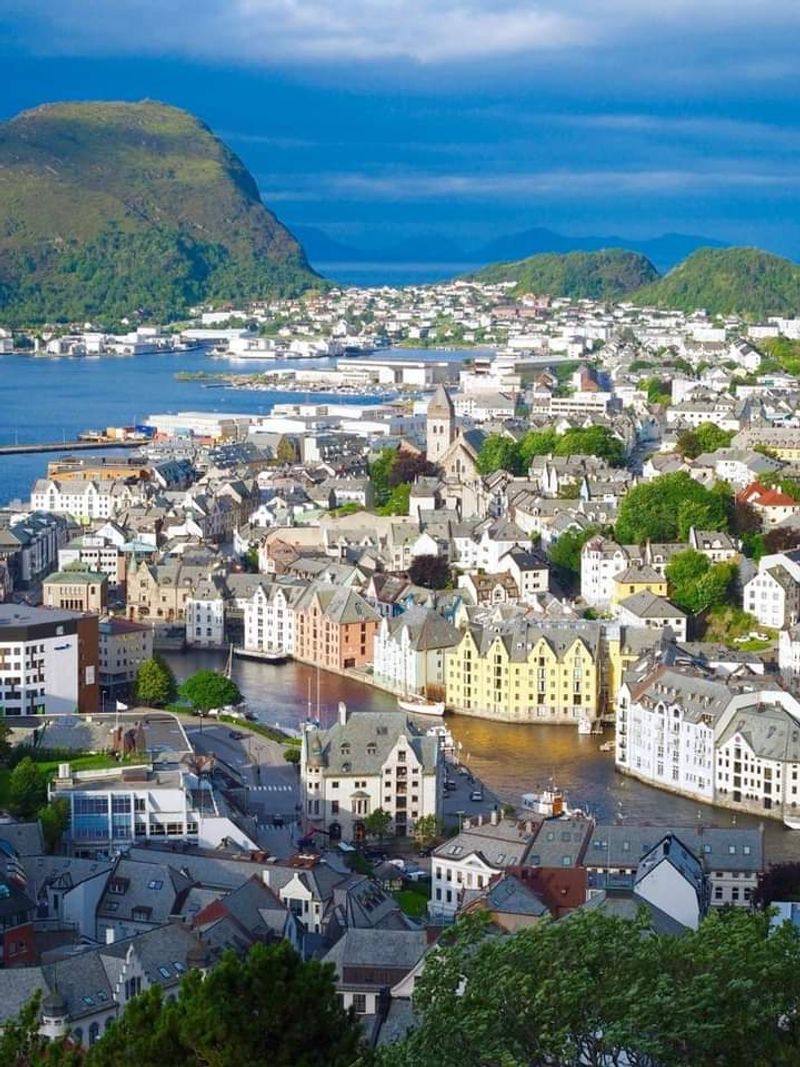
Norway sits in ninth place on Numbeo’s 2026 index and sixth in the global happiness rankings, which tells you something important: this is a country that consistently delivers on the fundamentals. High incomes, reliable healthcare, strong social protections, clean air, and spectacular outdoor access form the backbone of everyday life here.
Fjords, mountains, and forests are not background scenery in Norway – they are actively used by residents for hiking, skiing, kayaking, and fishing throughout the year. A cultural concept called friluftsliv, which means open-air living, shapes how Norwegians think about leisure and well-being.
Dining out and everyday services carry prices that can startle visitors from other European countries. However, wages are high enough that most residents manage comfortably, and the public institutions that support healthcare, education, and retirement are among the most dependable in the world.
Outside the major cities of Oslo, Bergen, and Trondheim, smaller communities offer quiet, safe, and closely connected ways of living that many residents genuinely treasure.
Estonia
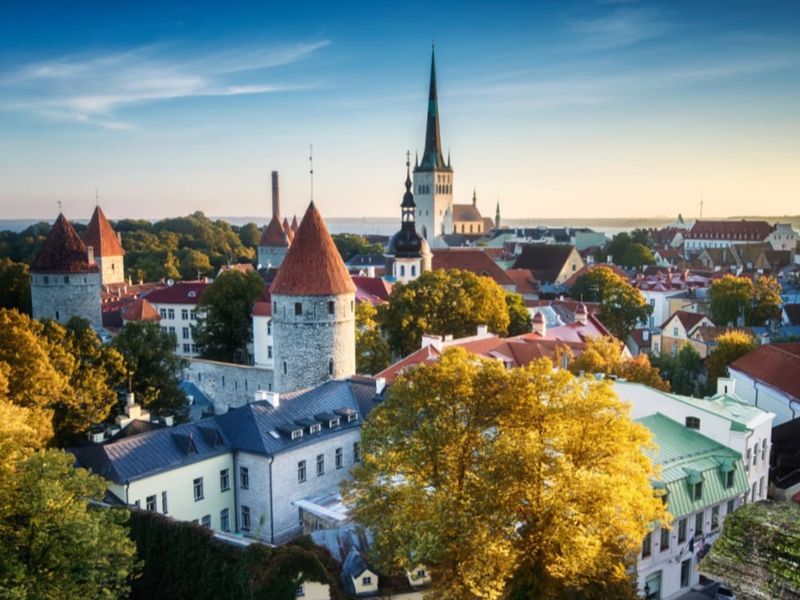
Estonia might be the most quietly impressive country on this list. Ranking tenth with a score of 190.7, it records Europe’s strongest safety score among the top 15 and punches far above its size in areas like digital public services, commuting convenience, and healthcare access.
Tallinn’s medieval old town is genuinely beautiful, with cobblestone streets and Gothic towers that look like a film set. But the city is also a genuine tech hub, home to the teams behind Skype and TransferWise, and known globally for its e-governance systems that let residents handle almost everything online.
Salaries remain lower than in Nordic or Western European countries, but everyday living costs are correspondingly more manageable. Forests cover more than half of the country, and the Baltic coastline offers easy escapes from city life.
For digital nomads, tech workers, or anyone seeking a safe, efficient, and affordable European base with real cultural character, Estonia deserves far more attention than it typically receives.
Sweden
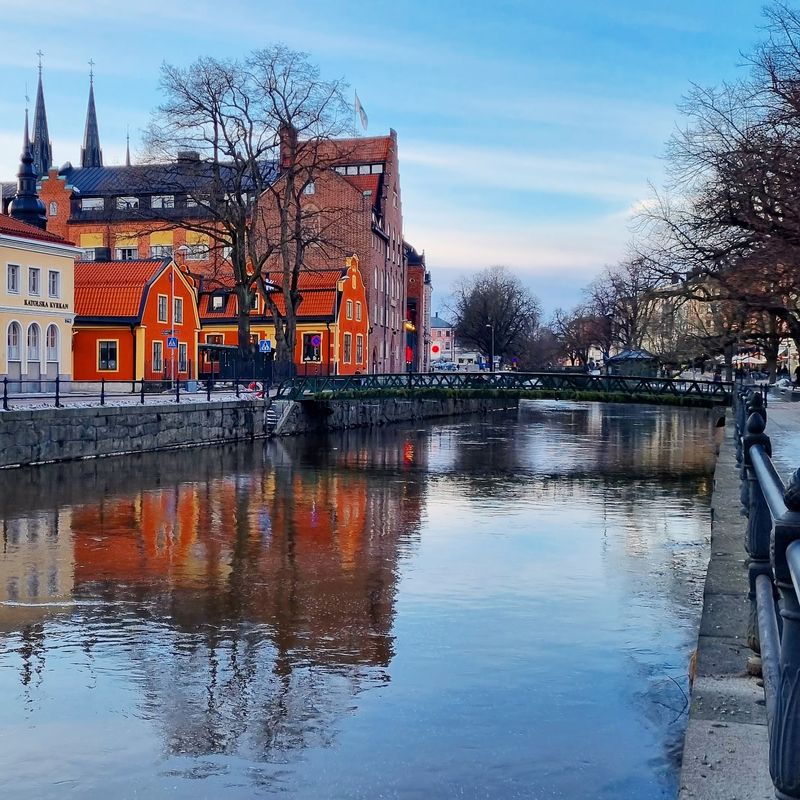
Sweden places 11th on Numbeo’s 2026 index but climbs to fifth in the World Happiness Report, which suggests that residents feel better about their lives than the combined index scores alone might indicate. High purchasing power, generous family support, strong environmental awareness, and easy access to nature are central to what makes Sweden work.
Stockholm, Gothenburg, and Malmo each offer strong employment markets and vibrant cultural scenes. Smaller towns and rural areas provide a quieter, more affordable pace of life where the connection to forests, lakes, and coastline is immediate and deeply felt.
Housing shortages and long waiting lists for rental apartments have been a persistent frustration, particularly in Stockholm. Concerns about crime in specific urban neighborhoods have also pulled some of Sweden’s index scores downward in recent years.
Even so, the country’s combination of social trust, parental leave policies, education quality, and outdoor lifestyle continues to make it one of the most genuinely appealing places to raise a family anywhere in Europe.
Spain
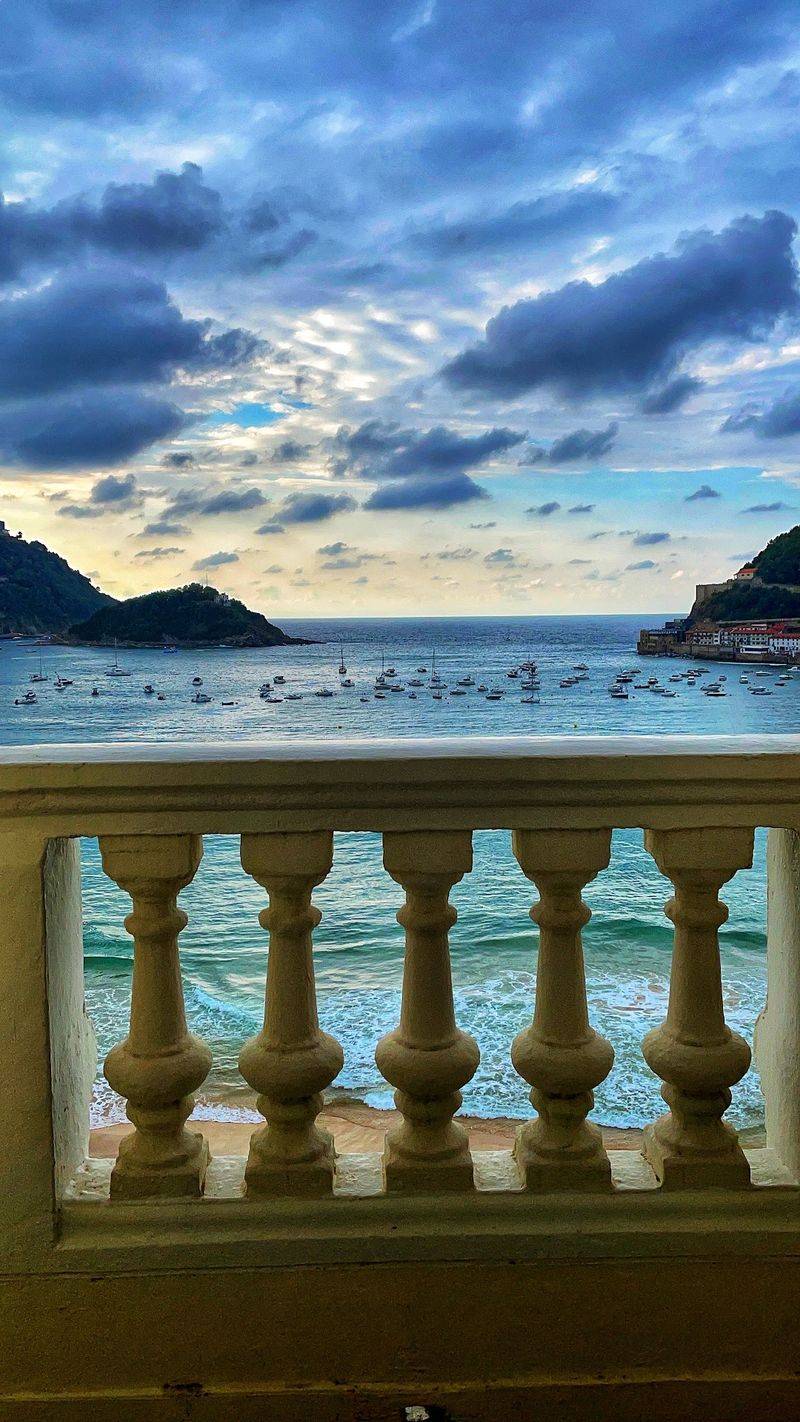
Sunshine, long lunches, and a social culture that treats the evening meal as a genuine event – Spain has a way of making daily life feel more enjoyable than it has any right to be. Ranking 12th on Numbeo’s 2026 index, it earns the highest climate score among all 15 countries on this list, and its healthcare system is widely respected across Europe.
The cost of living is noticeably lower than in northern Europe, making Spain especially appealing for remote workers, retirees, and anyone whose income stretches further in euros than it does back home. Walkable neighborhoods, reliable rail connections, and a food culture built around fresh local ingredients add daily pleasure that is hard to quantify.
Local salaries and employment opportunities can be less competitive than in Germany or the Netherlands, which remains a genuine challenge for young Spanish residents trying to build financial stability. Tourism has also pushed housing costs upward in Barcelona, Madrid, and coastal cities.
But for lifestyle, climate, and sheer daily enjoyment, Spain makes a compelling case that quality of life is about more than just income.
Slovenia
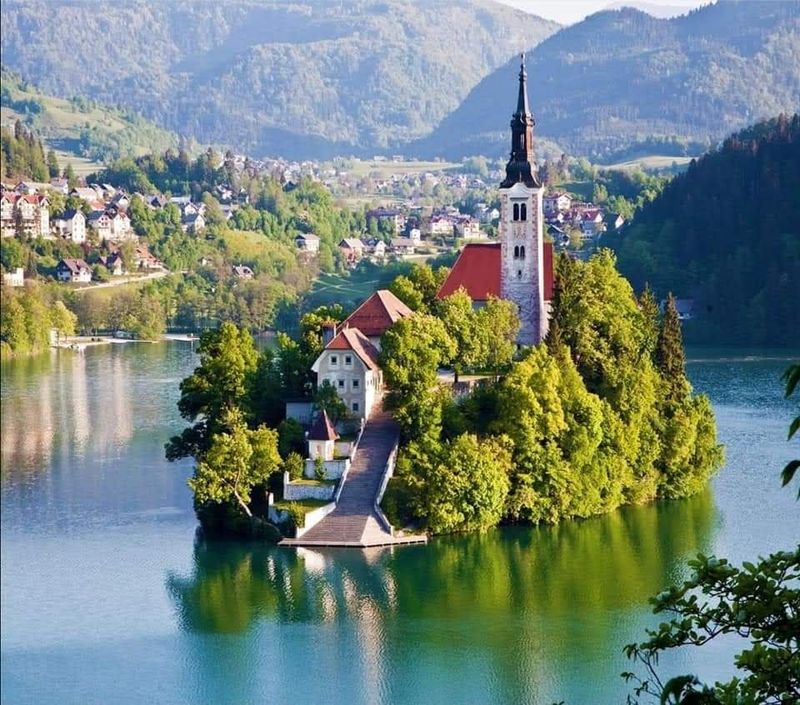
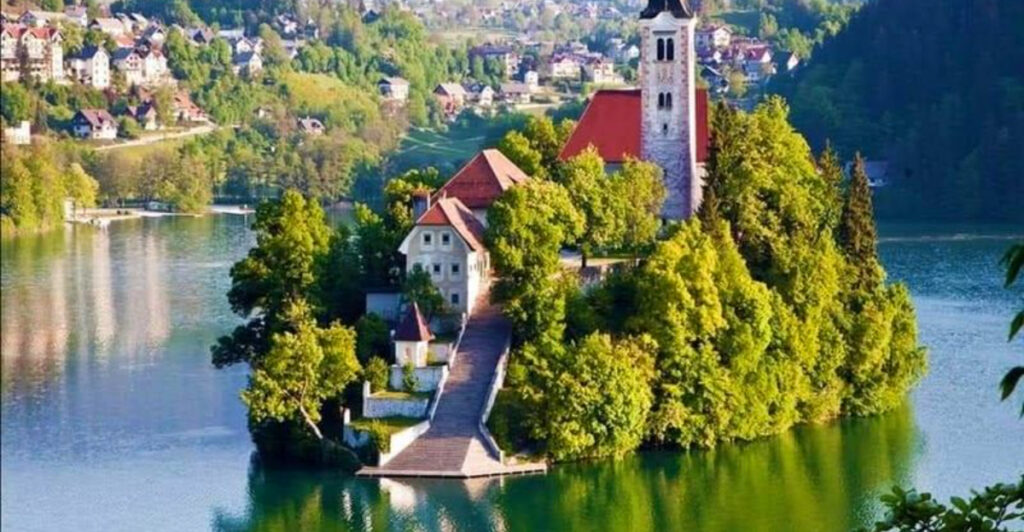
Slovenia is the kind of country that makes you wonder why more people are not talking about it. Ranking 13th on Numbeo’s 2026 index, it scores impressively for safety, low pollution, manageable commuting times, and immediate access to some of Central Europe’s most varied natural landscapes.
Within a two-hour drive from Ljubljana, residents can swim in the Adriatic Sea, hike in the Julian Alps, kayak on the Soca River, or explore the Karst caves near Postojna. That kind of geographic variety packed into a country the size of New Jersey is genuinely remarkable.
Ljubljana itself offers the cultural richness of a capital city without the overwhelming scale or traffic congestion of major European metropolises. The city center is largely pedestrianized, lined with outdoor cafes, bookshops, and local markets.
Slovenia also placed 18th in the 2026 World Happiness Report, ahead of several much wealthier nations. For anyone seeking a safe, green, and quietly confident place to live in Europe, Slovenia makes an exceptionally strong case.
Lithuania
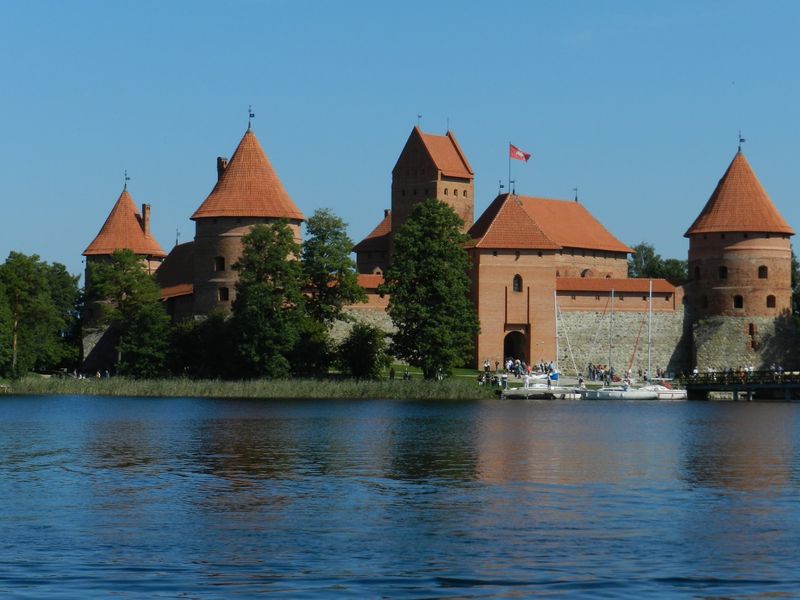
Lithuania has been quietly building a reputation as one of Eastern Europe’s most livable countries, and its 14th-place ranking with a score of 178.2 reflects real progress. Healthcare access has improved, infrastructure has been modernized, and a growing technology and business services sector has brought new employment opportunities and higher wages to Vilnius and other urban centers.
Vilnius itself is a genuinely underrated European capital. Its baroque old town is a UNESCO World Heritage Site, its cafe culture is thriving, and a startup ecosystem has taken root alongside the historic architecture.
Forests, rivers, and lakes sit just outside the city, offering easy weekend escapes without long drives.
Winters here are cold and can feel long, which is worth factoring in for anyone considering a move. Salaries still trail Western European levels in many sectors, though the gap has been narrowing steadily.
The lower cost of living makes Lithuania significantly more accessible than most alternatives on this list, and for people who value culture, nature, and a city that feels genuinely alive without being overwhelming, Vilnius consistently delivers.
Croatia
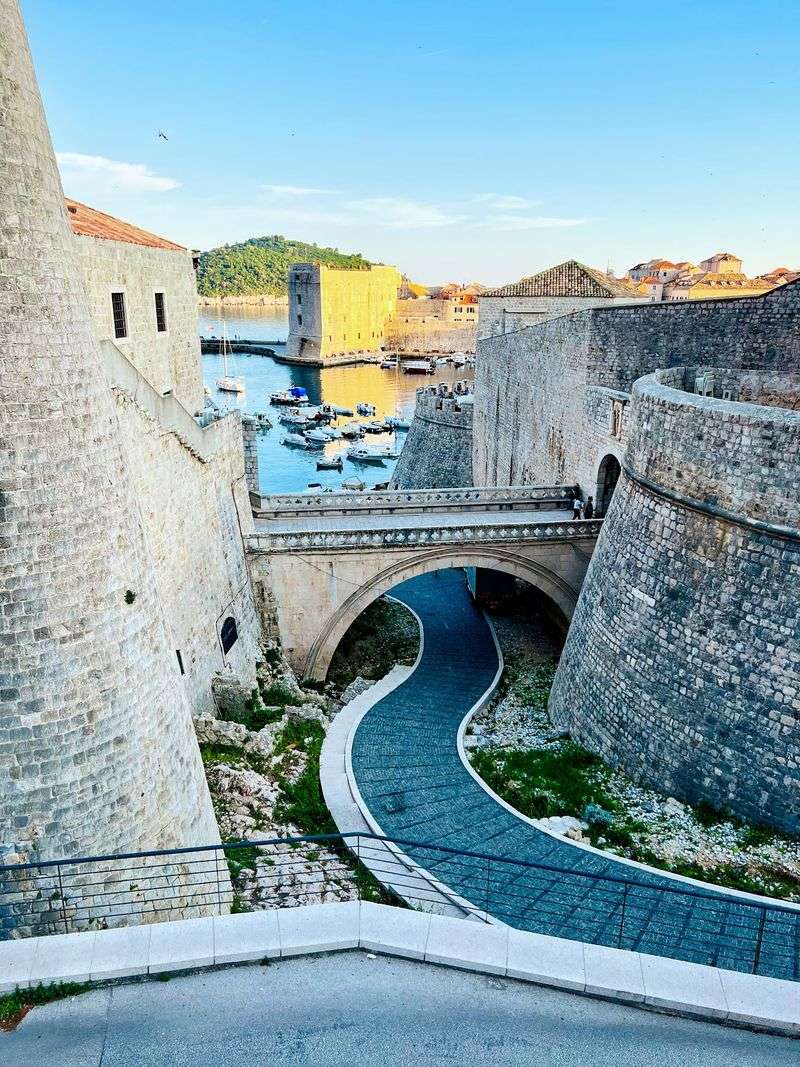
Croatia wraps up this list with a score of 176.6 and an argument that quality of life sometimes looks like a sun-warmed stone terrace above the Adriatic, a glass of local wine in hand, and absolutely nowhere to rush off to. It scores strongly for both safety and climate, and its combination of coastal beauty, island hopping, national parks, and historic towns is genuinely difficult to match in Europe.
Tourism has brought undeniable benefits to Croatia’s economy, but it has also pushed housing costs sharply upward in Dubrovnik, Split, and several popular island communities. Wages remain lower than in northern and western Europe, which creates real financial pressure for local residents trying to keep up with rising prices.
Outside the most visited destinations, life moves at a slower and more affordable pace. Strong family and community ties, mild Mediterranean weather for much of the year, and a food culture centered around fresh seafood and local produce contribute to a daily rhythm that many residents find deeply satisfying.
Croatia proves that quality of life does not always require the highest income or the most efficient bureaucracy.
Share this story