Some places just have a way of making you feel at home the moment you arrive. Whether it is a shopkeeper who offers directions without being asked or a cafe owner who remembers your order, genuine hospitality turns a good trip into an unforgettable one.
Across Europe, certain towns and cities have built strong reputations for exactly that kind of warmth. The destinations on this list have all earned recognition from travelers and residents alike for going above and beyond to make visitors feel welcome.
Montepulciano, Italy
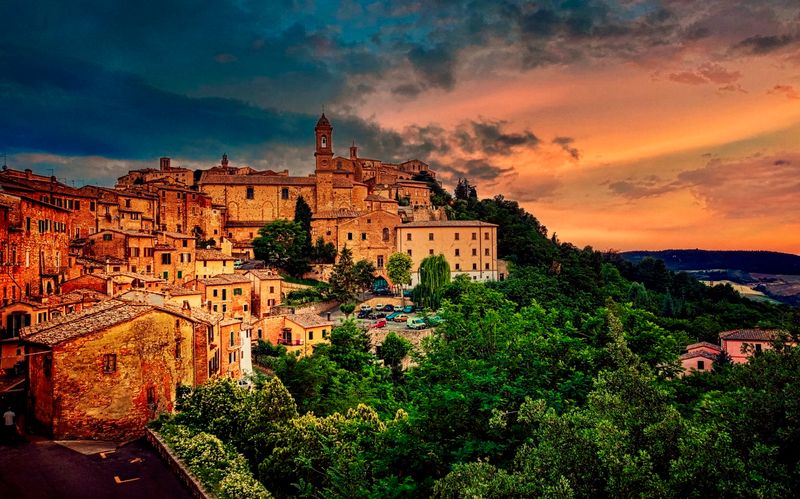
Sitting high above the Tuscan hills, Montepulciano looks like it was designed specifically to make visitors feel like they stumbled into a dream. The town earned a spot on Booking.com’s 2026 Traveller Review Awards as one of the most welcoming cities in the world, based on the share of local accommodation providers collecting outstanding guest reviews.
Family-run restaurants here do not just serve food – they tell stories about the land it came from. Owners often sit with guests, explain the history of Vino Nobile di Montepulciano, and recommend which winery to visit the next morning.
That personal touch is not a marketing strategy; it is simply how things are done.
Piazza Grande anchors the town center with a calm, unhurried energy that encourages lingering. Wine cellars built into the stone hillside offer tastings in rooms that have barely changed in centuries.
Montepulciano rewards slow travelers who are happy to wander without an agenda, chat with a butcher, and let the afternoon disappear entirely over a long glass of local red.
Porto, Portugal
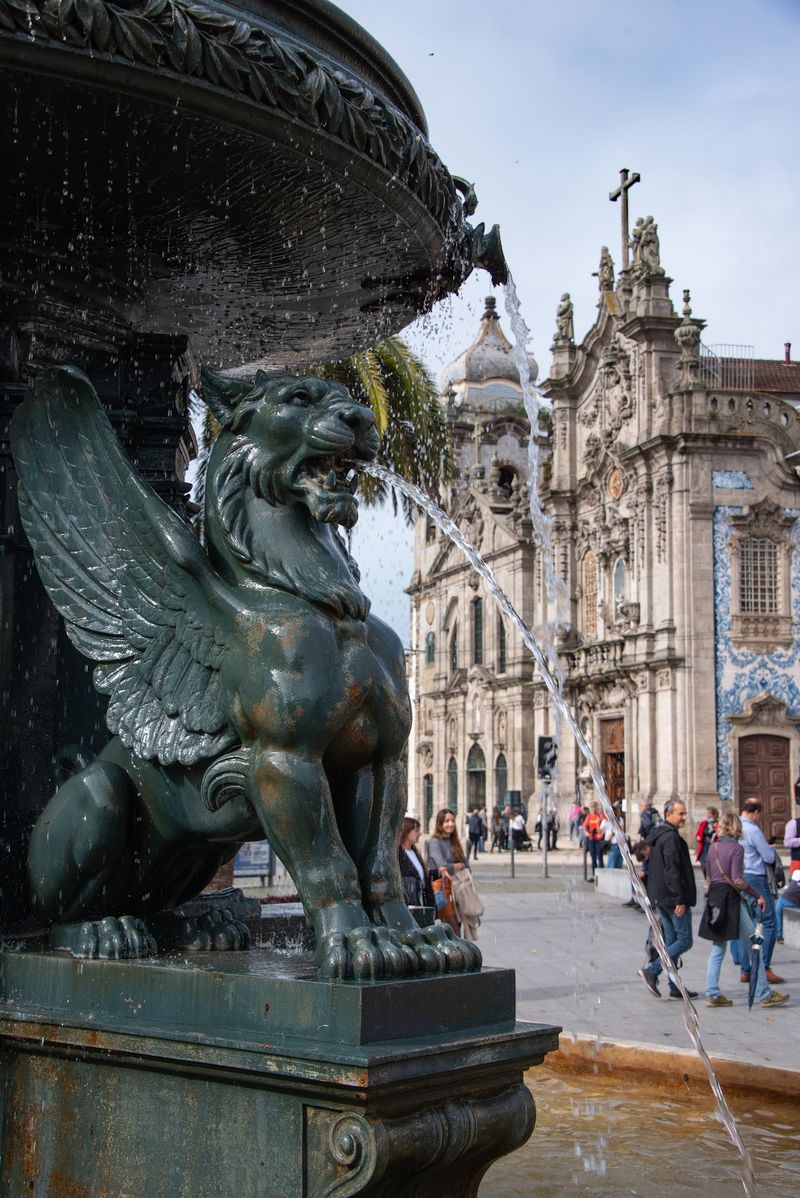
Porto topped Time Out’s resident survey as Europe’s friendliest city, with 85 percent of participating locals agreeing their home was genuinely welcoming. That is not a small number.
When the people who actually live somewhere are that enthusiastic about their own city’s warmth, visitors tend to notice it almost immediately.
Neighborhood cafes here feel like extensions of someone’s living room. Conversations start easily over a small cup of coffee or a glass of port wine, and locals rarely seem in a hurry to end them.
The fish markets, tiled church facades, and winding riverside streets all provide reasons to slow down and engage with the city at street level.
The Douro River waterfront draws crowds, but Porto’s friendliness is most visible in quieter residential neighborhoods away from the main tourist trail. A family-run restaurant in a back street, a bakery where the owner insists you try something new, a wine shop where the tasting turns into a half-hour conversation – these are the moments Porto is famous for.
First-time visitors frequently leave already planning their return.
Bilbao, Spain
Bilbao ranked second in the same international friendliness survey that put Porto at the top, and anyone who has spent an evening hopping between pintxos bars will understand why. The Basque tradition of moving from bar to bar, sampling small dishes and chatting with whoever is standing nearby, turns eating into a social sport.
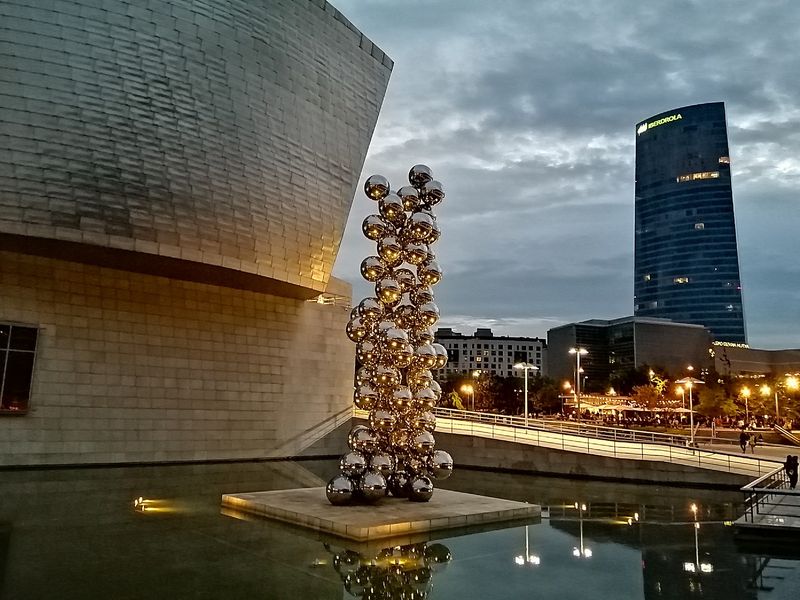
The city transformed dramatically after the Guggenheim Museum opened in 1997, attracting international attention and sparking urban renewal across the riverfront. What did not change was the sociable, unpretentious character of the people.
Locals are proud of their city and genuinely happy to share it with outsiders, often giving restaurant recommendations that are far better than anything in a guidebook.
Bilbao rewards curious travelers who are willing to explore beyond the museum. The old quarter, known as Casco Viejo, is packed with narrow streets, market stalls, and bars where the bartender will happily explain the difference between a gilda and a bacalao pintxo.
The city has a confident, relaxed energy that makes newcomers feel included rather than tolerated. Budget travelers will also appreciate that Bilbao’s food scene is excellent without being expensive.
Harrogate, England
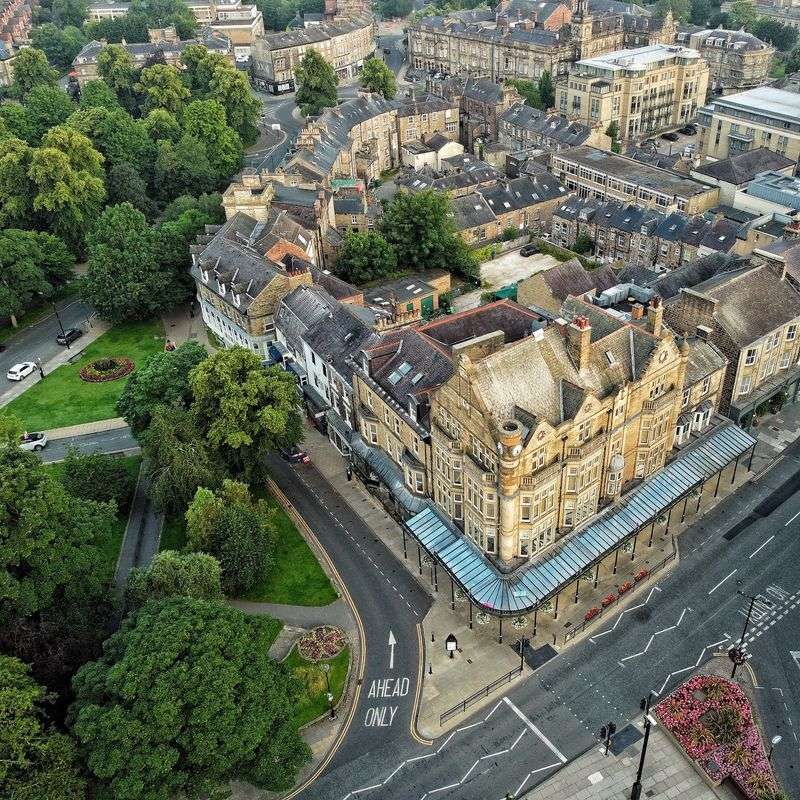
Harrogate has been welcoming visitors for centuries, and it shows. The Yorkshire spa town earned a place among Booking.com’s 10 most welcoming cities worldwide for 2026, making it one of only two European destinations on a genuinely global list.
That kind of recognition does not happen by accident.
The town built its identity around hospitality during the Victorian era, when wealthy visitors arrived to take the mineral waters. Tearooms, hotels, and independent shops grew up around the idea of making guests comfortable, and that tradition has never really faded.
Betty’s Cafe Tea Rooms, which has been operating since 1919, remains one of the most visited spots in town – a place where good service is treated as a matter of pride.
Harrogate’s compact center makes it very easy to navigate on foot. Gardens, antique shops, a weekly market, and a peaceful pace give it a character that feels restorative rather than exhausting.
Accommodation providers here consistently earn high marks from guests, which is exactly what caught Booking.com’s attention. For travelers who want a genuinely restful break with friendly locals and quality service, Harrogate delivers with quiet confidence.
Brighton, England
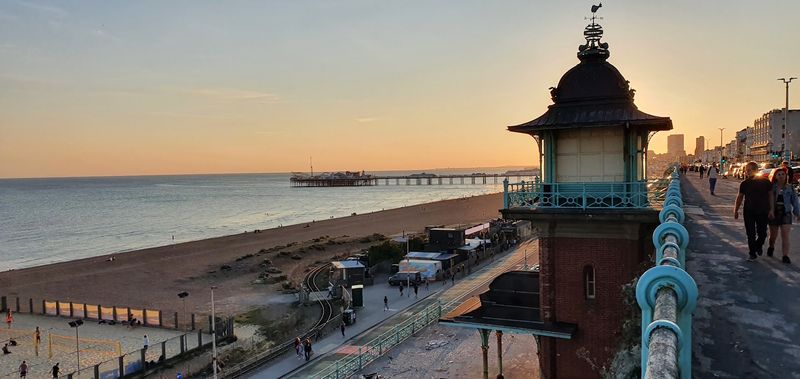
Brighton has always done things its own way, and residents seem to love it for exactly that reason. Time Out’s survey placed it among Europe’s friendliest cities after asking locals whether their home felt genuinely welcoming to outsiders.
The results reflected a city that takes real pride in being open, creative, and inclusive.
The seafront gives Brighton an immediately relaxed atmosphere. Street performers, pebble beaches, fish and chip shops, and the iconic pier create a seaside energy that encourages strangers to talk.
The Lanes, a maze of narrow shopping streets in the old town, are packed with independent retailers who are far more interested in chatting than hitting a sales target.
Brighton’s music scene, LGBTQ+ community, and arts culture attract a diverse mix of residents and visitors who collectively create a city where nearly everyone feels welcome. Weekend visitors arrive from London regularly, but Brighton never feels like it is simply performing for tourists.
The city has a genuine personality of its own, and locals are happy to share it. Even the bus drivers are famously chatty.
First-time visitors are often surprised by how quickly the city starts to feel familiar.
Lisbon, Portugal
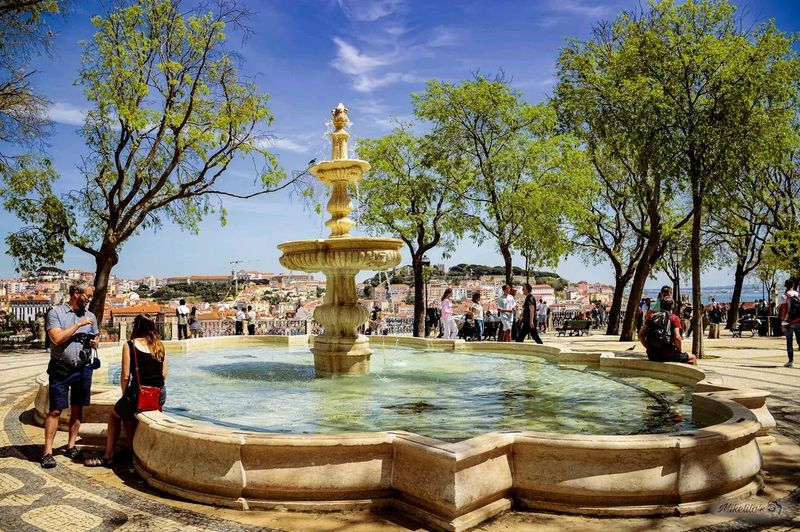
Lisbon moves at a pace that feels almost deliberately designed to encourage human connection. The Portuguese capital ranked among Europe’s friendliest cities in Time Out’s survey, and the reasons become clear within the first few hours of exploring.
Nobody here seems to be in a rush, which makes conversations feel easy and unhurried.
The city’s steep streets and scenic viewpoints, called miradouros, naturally slow people down. Sitting at a hilltop cafe watching the light change over the Tagus River, it is common to find a local sitting nearby who wants to talk about the neighborhood’s history or recommend a restaurant that does not appear in any tourist guide.
Those small, unplanned exchanges are what Lisbon’s hospitality is really built on.
Fado music venues in the Alfama district offer another layer of connection. These are intimate spaces where the music is emotional and the audience is expected to be quiet and respectful – a shared experience that feels genuinely communal.
Restaurant owners in Lisbon often explain dishes with real enthusiasm, as if they are sharing something personal. That generosity of spirit, more than any landmark, is what brings travelers back to this city again and again.
Belfast, Northern Ireland
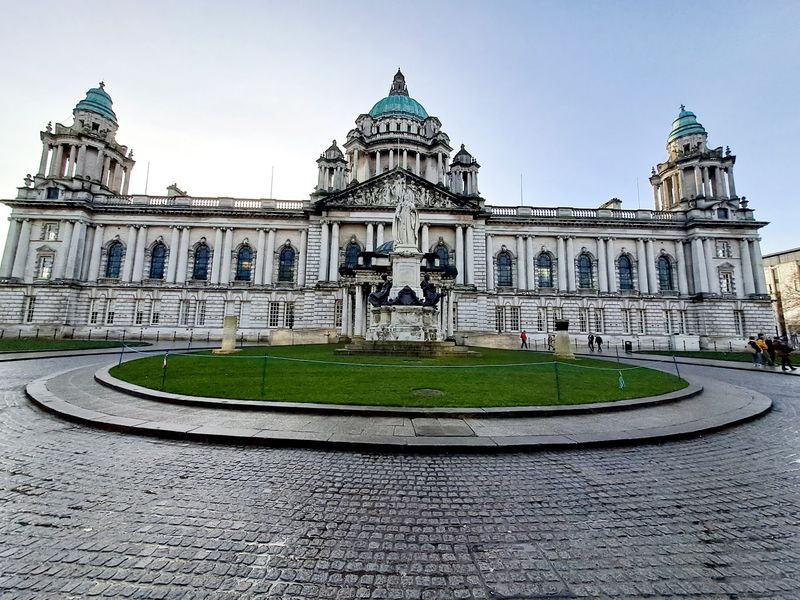
Ask anyone who has spent a weekend in Belfast what surprised them most, and the answer is almost always the same: the people. Northern Ireland’s capital has a storytelling culture that is practically built into the walls of its pubs, and locals have an extraordinary talent for making complete strangers feel like old friends within minutes.
Belfast appeared on Time Out’s list of Europe’s friendliest cities, one of three UK destinations to make the cut. The city has changed enormously over the past few decades, and there is a visible pride in how far it has come.
Visitors can explore the Titanic Quarter, Victorian covered markets, street art neighborhoods, and music venues – all with a warmth that feels completely unforced.
The pub culture here is central to the social experience in a way that goes beyond just drinking. Traditional music sessions happen regularly, and no one minds if a visitor pulls up a stool and listens for two hours.
Market traders, taxi drivers, and hotel staff all seem to operate with the same instinct: make the person in front of you feel genuinely looked after. Belfast has become one of Europe’s most talked-about city breaks for very good reason.
Klaipeda, Lithuania
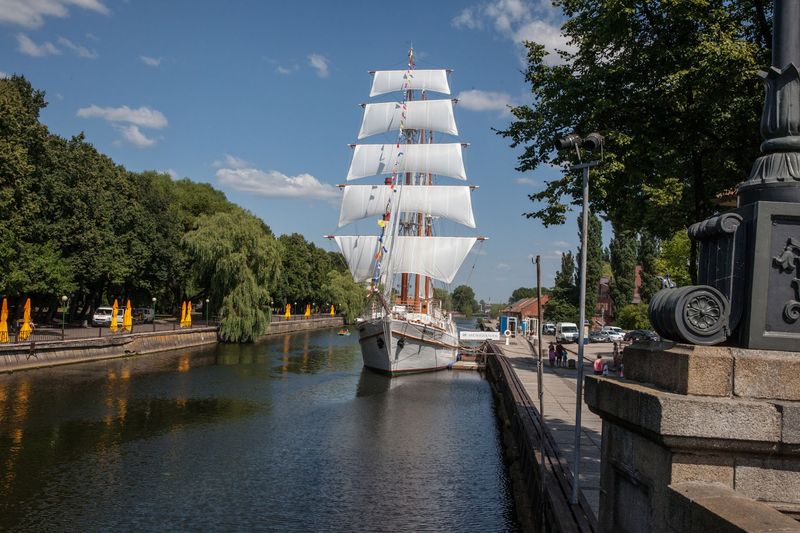
Klaipeda does not always appear on the well-worn European travel circuit, which is part of what makes it so refreshing. Lithuania’s main port city joined Montepulciano and Harrogate on Booking.com’s shortlist of the 10 most welcoming cities on the planet for 2026 – a remarkable achievement for a destination that many travelers have yet to discover.
The old town has a distinctive character shaped by centuries of German, Lithuanian, and Scandinavian influence. Half-timbered buildings, cobblestone squares, and a relaxed riverside atmosphere give it a charm that feels entirely its own.
Because the city sees fewer visitors than major European capitals, guesthouses and locally run cafes have more time and motivation to offer genuinely personal service.
A short ferry ride from Klaipeda leads to the Curonian Spit, a narrow strip of land with towering sand dunes, pine forests, and quiet fishing villages that are extraordinary to explore. The contrast between the port city’s energy and the spit’s peaceful beauty makes Klaipeda an ideal base for a few days.
Travelers who make the effort to visit consistently report that the warmth of local hosts is one of the highlights of their entire trip to the Baltic region.
Valencia, Spain
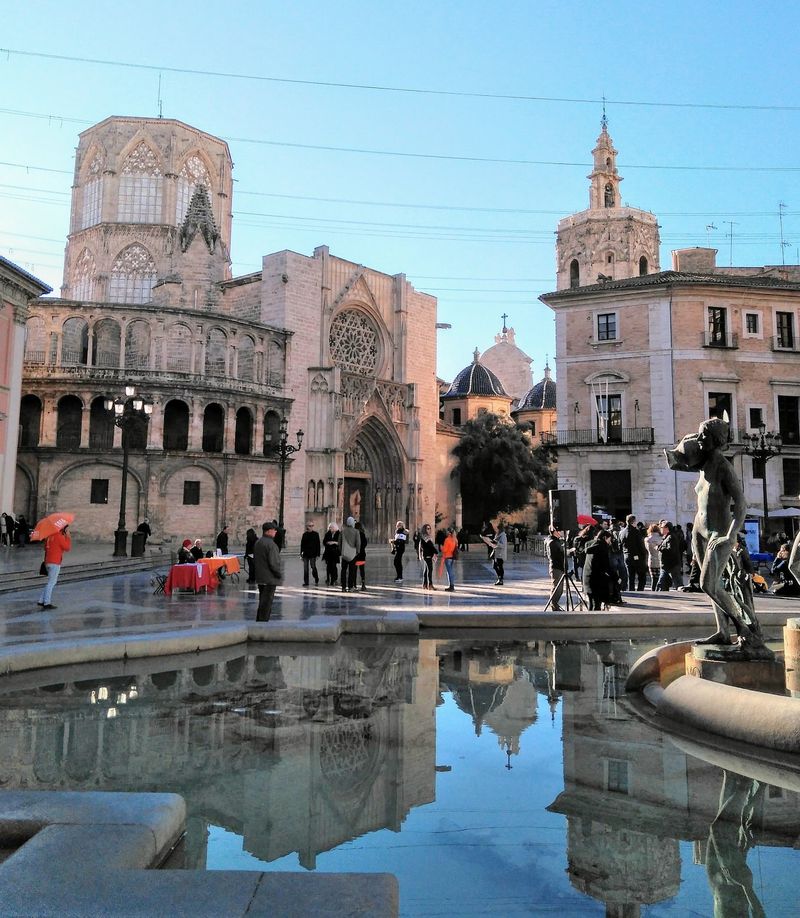
Valencia has a way of pulling visitors into its daily rhythms without any effort on anyone’s part. It appeared among Europe’s friendliest cities in Time Out’s survey, joining three other Spanish destinations – a result that says something meaningful about Spanish culture as a whole, but also about Valencia’s specific, sun-soaked personality.
The city’s social life revolves around food in a way that naturally creates connection. The Central Market, one of Europe’s largest fresh produce markets, is a place where vendors genuinely enjoy explaining what they are selling.
Long communal lunches, beachside restaurants, and neighborhood plazas that fill with people every evening all create an environment where visitors feel like participants rather than observers.
Valencia is also the birthplace of paella, and locals are very happy to discuss the authentic version at length – usually with strong opinions about which ingredients belong and which absolutely do not. The city’s Las Fallas festival in March is one of Europe’s most spectacular public celebrations, transforming entire neighborhoods into outdoor art installations that are eventually set on fire.
Even outside festival season, Valencia has a generous, sociable energy that makes it easy to spend a week there and leave feeling like you barely scratched the surface.
Glasgow, Scotland
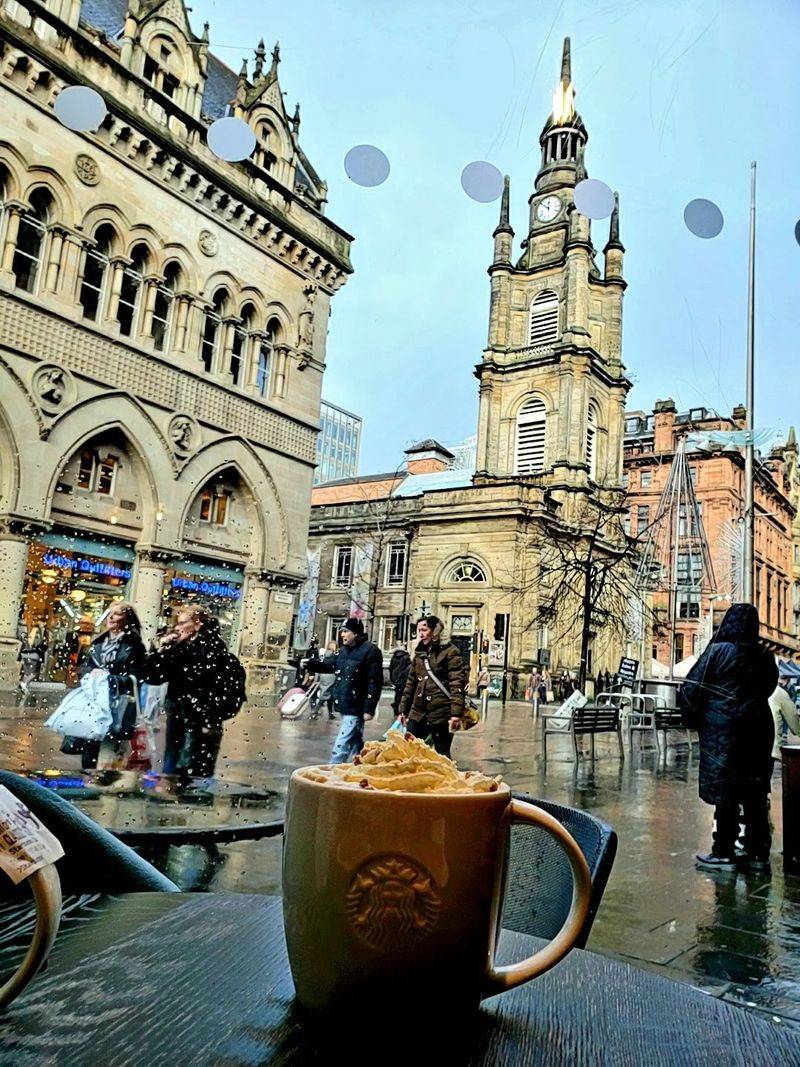
Glasgow has a well-earned reputation as one of the friendliest cities in the world, and the people who live there will be the first ones to tell you so – with a grin. The Scottish city appeared in Time Out’s European friendliness ranking, and its residents have an almost legendary willingness to chat with complete strangers about absolutely anything.
The city’s grand Victorian architecture provides an impressive backdrop, but it is the neighborhood pubs, live music venues, and independent markets that give Glasgow its real character. The comedy scene here is sharp, the music scene is world-class, and the food scene has improved dramatically over the past decade.
Locals take genuine pride in recommending the best spots, and their suggestions rarely disappoint.
Glasgow is also considerably more affordable than many comparable European cities, which means visitors can spend more time experiencing it rather than worrying about the budget. The West End, with its independent cafes and bookshops, offers a different energy from the city center.
Merchant City has excellent restaurants and a creative arts community. Wherever you end up, the chances are high that someone nearby will strike up a conversation, offer a recommendation, or simply make you laugh.
That is just how Glasgow works.
Seville, Spain
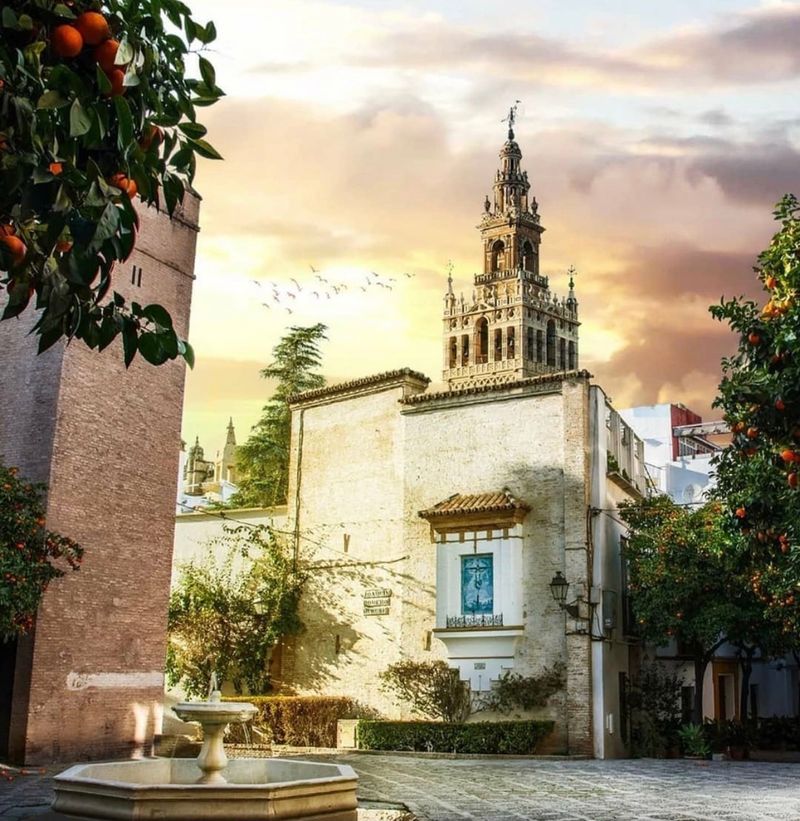
Seville operates on a social schedule that would baffle anyone from a northern European country. Dinner before 9pm is considered slightly unusual, tapas bars hit their peak energy around 11pm, and the streets in summer stay animated well past midnight.
Somehow, despite all of this, everyone seems completely relaxed. That is Seville’s hospitality in a nutshell.
The Andalusian capital was one of four Spanish cities to appear in Time Out’s friendliness ranking, giving Spain the strongest national showing on the entire European list. Seville’s outdoor culture, shaded patios, and neighborhood festivals create constant opportunities for visitors to interact with locals in completely natural settings.
Nobody is performing for tourists here; this is simply how the city lives.
The tapas culture is particularly generous. Many bars still serve a small free tapa with every drink ordered, a tradition that has largely disappeared in other Spanish cities.
Flamenco performances in intimate venues, horse-drawn carriages through the historic center, and the extraordinary scale of the Gothic cathedral all provide obvious highlights. But the most lasting memory for most visitors is simpler: sitting in a tiled courtyard on a warm evening, listening to conversation flow around them, feeling entirely at ease in a city that seems incapable of being unwelcoming.
Aarhus, Denmark
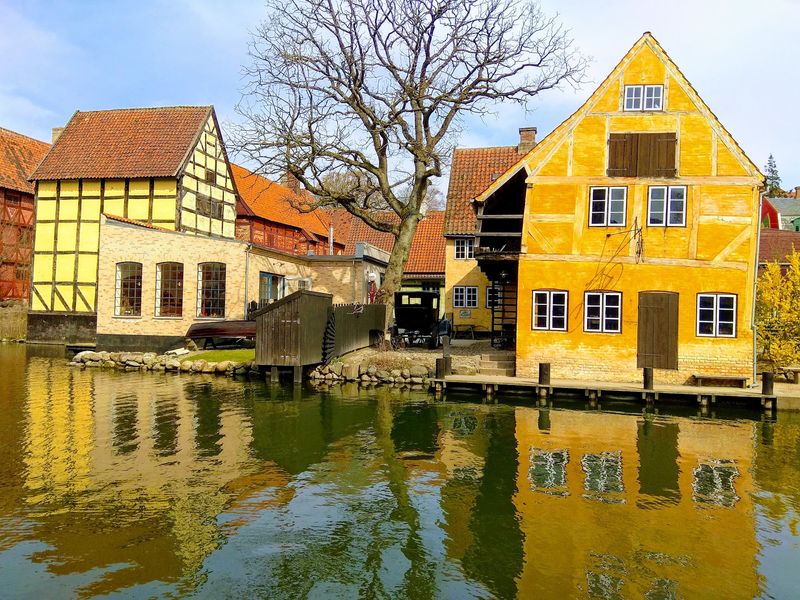
Denmark consistently scores near the top of global happiness surveys, and Aarhus gives that national reputation a very specific address. The city placed 10th in a 2026 study comparing 200 cities across measures including safety, visa accessibility, tourism services, and English language proficiency – a combination that makes it genuinely easy for international visitors to feel at home.
Aarhus is Denmark’s second-largest city, but it has a scale that feels manageable rather than overwhelming. A large university population keeps the energy youthful and curious, and the food market scene has grown significantly in recent years.
The Latin Quarter, with its independent shops and cafes, is the kind of neighborhood where you can spend an entire afternoon without noticing the time passing.
The ARoS art museum, with its famous rainbow panorama walkway on the roof, is one of the most visited attractions in Scandinavia. The open-air museum Den Gamle By recreates Danish town life across different historical periods, and the nearby beaches at Moesgaard are genuinely beautiful.
English is spoken almost universally in Aarhus, which removes a significant barrier for travelers who are still building their Danish vocabulary. That accessibility, combined with a relaxed and welcoming local culture, makes Aarhus a very easy city to enjoy.
Edinburgh, Scotland
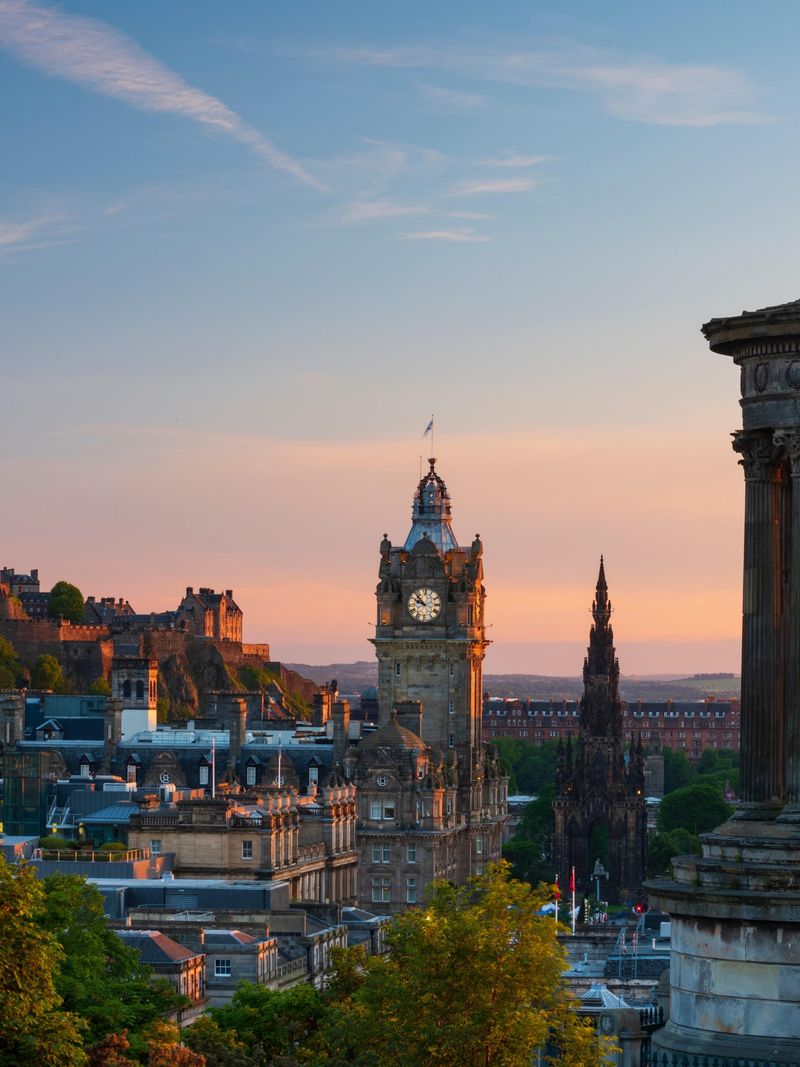
Edinburgh ranked 11th globally in a 2026 tourism-accessibility study that assessed 200 cities, and anyone who has navigated its combination of medieval closes, castle views, and well-run visitor infrastructure will understand why it scored well. The city is extraordinarily good at making first-time visitors feel oriented and welcomed, even when August festival crowds push the population to twice its usual size.
The Scottish capital has centuries of experience receiving international guests through its universities, festivals, and historic attractions. That familiarity shows.
Museum staff are knowledgeable and approachable, pub landlords are happy to explain the whisky menu for as long as you need, and the city’s tourism infrastructure is among the most organized in Europe.
Step away from the Royal Mile and Edinburgh reveals a quieter, more personal character. Stockbridge has independent bakeries and a Sunday market that feels genuinely local.
Leith has transformed into one of Scotland’s most exciting food destinations. Neighborhood bookshops, community-run cafes, and traditional pubs with no background music offer spaces where conversation is still the main event.
Edinburgh is a city that rewards curiosity, and the more you explore beyond the famous landmarks, the more warmth you tend to find tucked away in its lesser-known corners.
Brno, Czechia
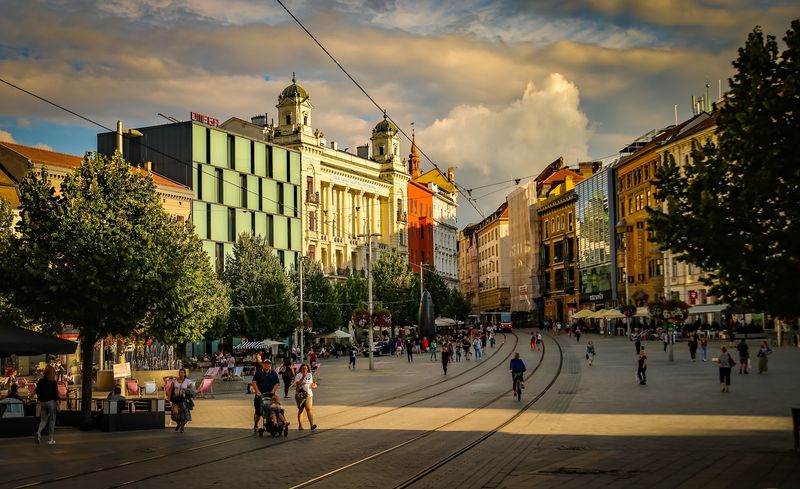
Brno has a quiet confidence about it that larger, more visited cities sometimes lose. It reached 20th place globally in the 2026 welcoming-city study, joining Prague as one of two Czech cities in the top 20.
The difference is that Brno achieves this without the relentless foot traffic that can make Prague’s historic center feel more like a theme park than a living city.
The student population, drawn by several major universities, gives Brno a lively, intellectually curious energy. Wine bars serving Moravian wines, independent coffee shops, weekend flea markets, and an active arts scene create a city that feels genuinely inhabited rather than curated for visitors.
Locals are accustomed to newcomers but not overwhelmed by them, which tends to produce a more relaxed and authentic kind of hospitality.
The city’s architecture is a fascinating mix of Gothic, Baroque, and functionalist modernism – Brno was actually a center of avant-garde design in the early 20th century. Villa Tugendhat, a UNESCO-listed modernist masterpiece, sits quietly in a residential neighborhood and can be visited without booking months in advance.
That ease of access, combined with genuinely affordable prices and an unpretentious local culture, makes Brno one of Central Europe’s most rewarding and underappreciated destinations for curious travelers.
Utrecht, Netherlands
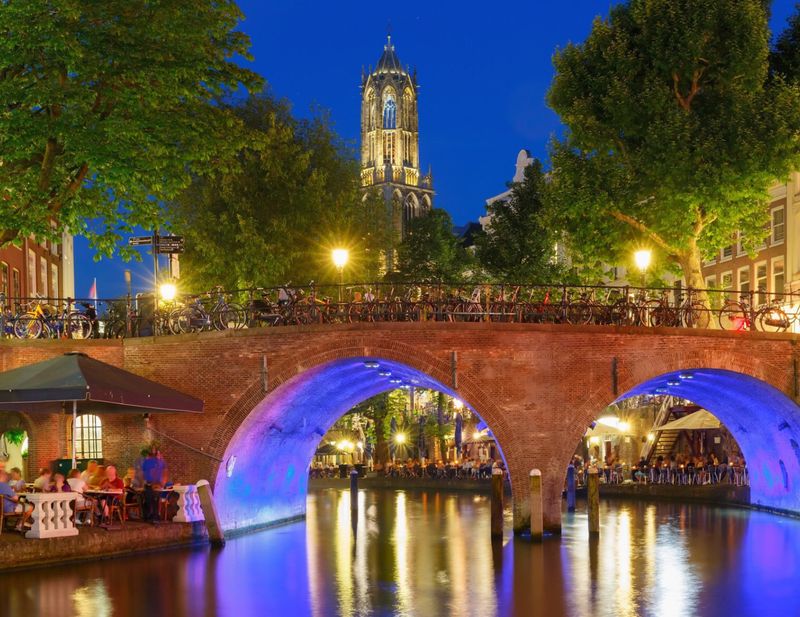
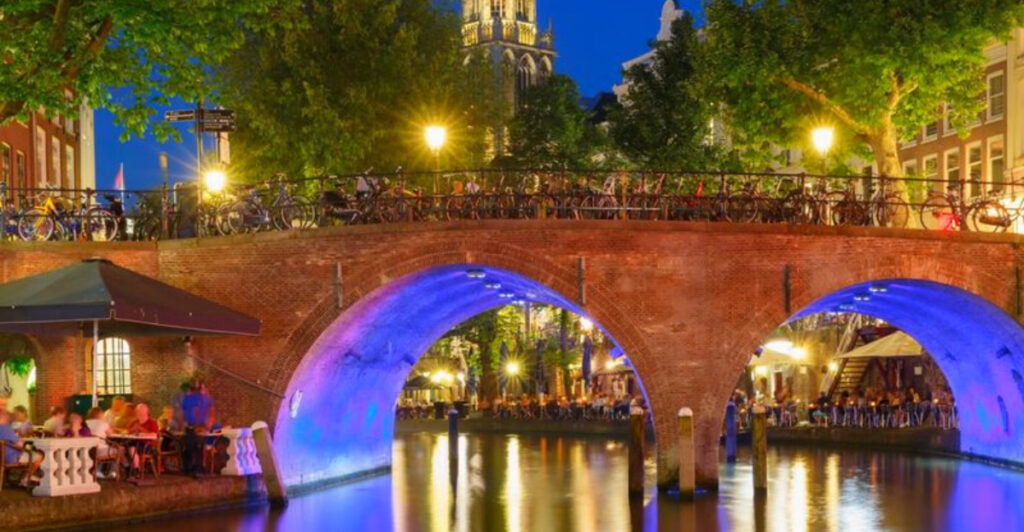
Utrecht has one of the most unusual canal systems in Europe. The city’s signature wharves sit at two levels, with a lower terrace right at the water’s edge where cafes and restaurants operate below street level.
It is a setup that practically forces people to slow down, sit close together, and enjoy a long afternoon beside the water. Hospitality, in Utrecht, is partly a matter of architecture.
The city ranked 12th globally in the 2026 city study, which assessed safety, visitor support, language accessibility, and ease of entry. English is spoken almost universally, cycling infrastructure is exceptional, and the compact center means most major attractions are reachable on foot or by bike within 20 minutes.
For visitors who find Amsterdam overwhelming, Utrecht offers a very appealing alternative just 30 minutes away by train.
Dom Tower, the tallest church tower in the Netherlands, anchors the historic center and rewards the climb with a spectacular view over the city’s rooftops and surrounding countryside. The university presence keeps the city culturally active year-round, with festivals, exhibitions, and music events filling the calendar.
Utrecht’s residents have a reputation for being direct, helpful, and genuinely friendly – a combination that makes even a short visit feel easy, comfortable, and well worth the journey.
Share this story