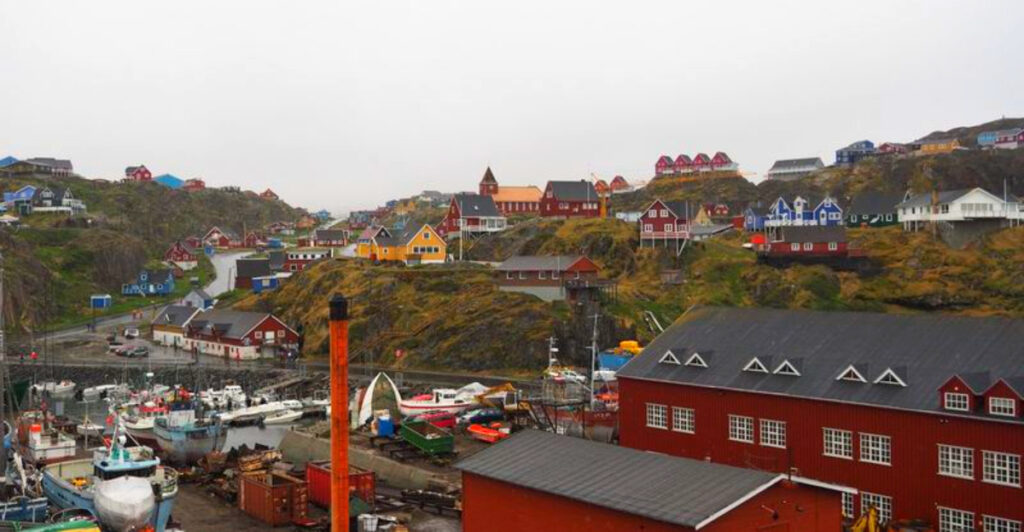
Most people picture the Arctic as a blank, frozen expanse with nothing but ice and the occasional polar bear giving you a suspicious look. The reality is far more interesting. Scattered across Greenland, northern Canada, Norway, and Alaska are real, living communities where people have carved out remarkable lives in one of the planet’s most extreme environments. Colorful houses line rocky shorelines, sled dogs wait patiently in snowy yards, and icebergs the size of office buildings drift casually past town.
These are not ghost towns or research camps. They are places with schools, shops, festivals, and histories that stretch back thousands of years. Some can be reached by regular flights, others require a bit more creative travel planning, and at least one is accessible by road for the first time in history. Each of the twelve communities in this article offers something genuinely different, and all of them welcome curious visitors who are ready to experience the Arctic on its own terms.
1. Longyearbyen, Svalbard, Norway
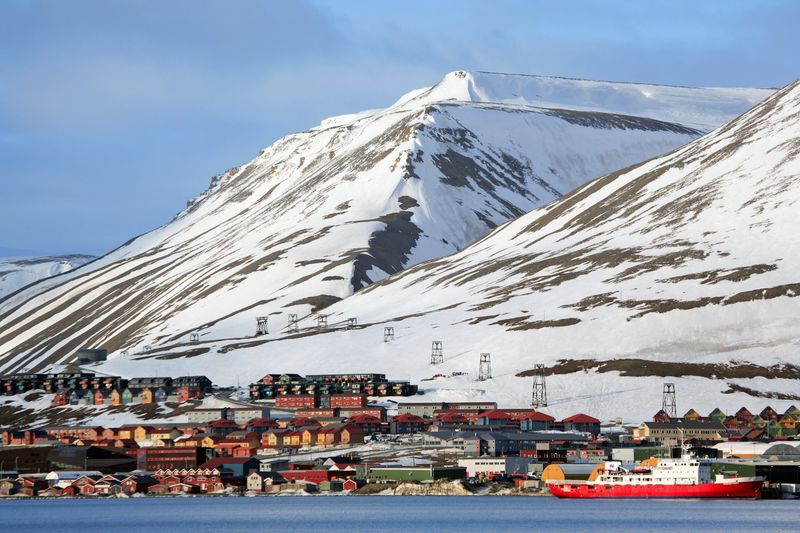
Polar bears outnumber people here, and that fact alone tells you everything about what kind of place Longyearbyen really is. Sitting at 78 degrees north, it holds the title of the world’s northernmost permanently inhabited town with regular commercial flights, which makes it surprisingly reachable for such an extreme address.
Guided glacier expeditions are among the most popular activities, taking visitors across vast ice fields that have shaped the island for centuries. Local museums document the region’s coal-mining past and the history of early polar explorers who used Svalbard as a launching point for ambitious expeditions into the unknown.
Winter brings the northern lights in full force, and the town’s position away from major light pollution makes for exceptional viewing conditions. Reindeer wander freely through the streets, completely unbothered by tourists with cameras. Norwegian, Russian, and international residents share this compact, colorful community, giving it a surprisingly multicultural character for a town perched at the top of the world.
2. Ilulissat, Greenland
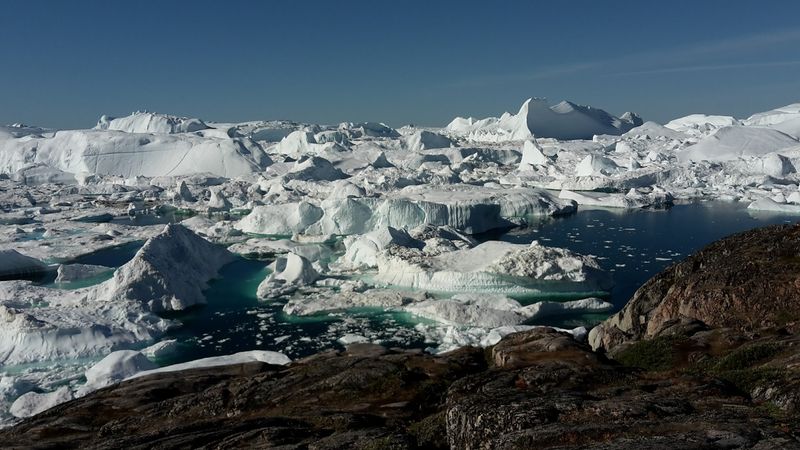
The icebergs here are not small. Some rise higher than a ten-story building above the waterline, and they parade endlessly out of the Ilulissat Icefjord into Disko Bay like a slow-motion procession of frozen giants. This UNESCO World Heritage site is fed by one of the most active glaciers on the planet, producing more ice per year than almost any other outlet glacier in Greenland.
Boat tours bring visitors face to face with these formations, and the scale of the experience is genuinely difficult to describe until you are actually floating beside one. Hiking trails along the fjord edge offer elevated viewpoints that put the whole spectacle into perspective.
The town itself has comfortable guesthouses and hotels, a well-regarded local museum housed in the childhood home of the famous explorer Knud Rasmussen, and a Greenlandic cultural scene that feels authentic rather than staged for tourism. Ilulissat manages the rare trick of being both dramatically remote and genuinely visitor-friendly.
3. Uummannaq, Greenland
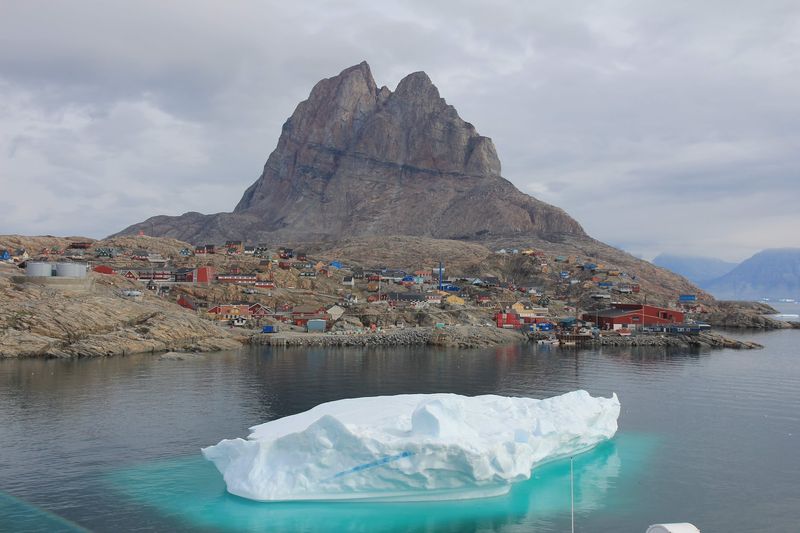
A heart-shaped mountain is a hard thing to ignore, and Uummannaq’s famous peak dominates the skyline so completely that the town was named after it. In Greenlandic, “uummannaq” means “the heart-shaped one,” which is about as poetic as geology gets.
The island setting means the water around town is almost always busy with icebergs drifting through the fjord, creating a backdrop that changes daily depending on wind, current, and season. Fishing boats remain the backbone of daily life here, and the harbor scene reflects a community that has not lost its connection to traditional Arctic livelihoods.
Dog sledding across the frozen sea ice is one of the signature winter experiences, and the distances covered can be genuinely impressive. History buffs will want to seek out the local church, one of the oldest in Greenland, and the small museum that houses the famous Qilakitsoq mummies, a collection of naturally preserved Inuit remains discovered nearby in 1972 that shed remarkable light on life in medieval Greenland.
4. Qaanaaq, Greenland
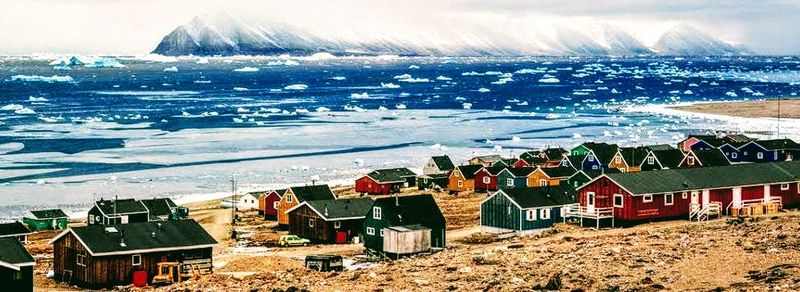
At roughly 77 degrees north, Qaanaaq sits so far up the map that most other Arctic communities feel practically tropical by comparison. This is one of Greenland’s northernmost inhabited places, and getting there involves flights from Ilulissat or Kangerlussuaq that are scheduled infrequently enough to require serious advance planning.
The reward for that effort is access to a community where Inuit hunting traditions are not a museum exhibit but an active, daily reality. Hunters still travel across the sea ice by dogsled to hunt narwhal, walrus, and seal using techniques refined over many centuries. Visitors who approach with genuine curiosity and respect are often welcomed into conversations about how this way of life is maintained in a rapidly changing world.
The landscape surrounding Qaanaaq is staggering in its scale. Vast sheets of sea ice extend toward the horizon, interrupted by pressure ridges and open leads of dark water. There are no crowds, no tourist infrastructure to speak of, and no buffer between the visitor and the raw Arctic environment. That is precisely the point.
5. Sisimiut, Greenland
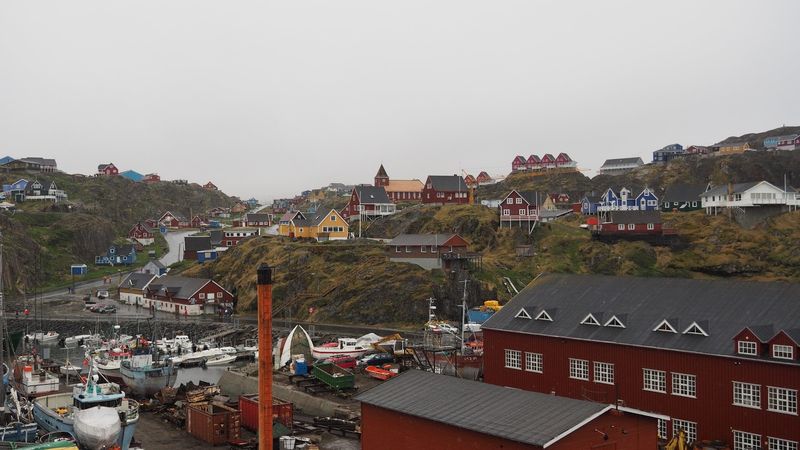
Greenland’s second largest town does not rest on its laurels. Sisimiut sits just north of the Arctic Circle and keeps visitors busy across every season with a range of activities that shift completely depending on when you arrive.
Winter is dog-sledding territory, and the tradition here runs deep. Teams of Greenlandic sled dogs pull sleds across frozen fjords and open tundra, following routes that local hunters have used for generations. Snowmobiling and ice fishing round out the cold-season lineup for those who want to cover more ground.
Come summer, the snow retreats and reveals a hiker’s landscape of rocky ridges, open valleys, and fjord views that stretch for miles. The Arctic Circle Trail, one of Greenland’s most celebrated multi-day treks, begins here and ends in Kangerlussuaq. The town’s vivid wooden homes, painted in the traditional Greenlandic palette of red, yellow, and blue, add a cheerful splash of color to a landscape that is otherwise entirely shaped by rock, water, and ice.
6. Ittoqqortoormiit, Greenland
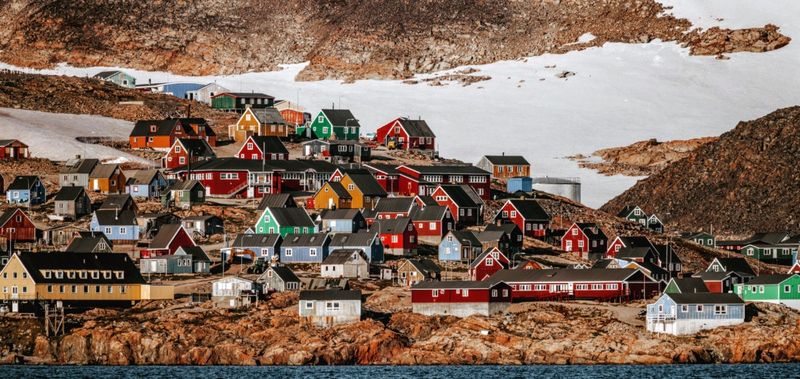
The name alone is an adventure. Ittoqqortoormiit, located on Greenland’s eastern coast near the mouth of Scoresby Sound, is one of the most isolated permanently inhabited places in the Northern Hemisphere, with a population hovering around just 350 people.
Scoresby Sound holds the record as the world’s largest fjord system, and the landscape it creates is extraordinary. Towering cliffs, deep blue water, and icebergs of every imaginable shape fill the view in every direction. Summer boat and kayak expeditions into the fjord system reveal hidden side channels, glaciers calving into the water, and wildlife that rarely encounters humans.
Reaching Ittoqqortoormiit typically involves a flight to Kulusuk, a domestic connection to Nerlerit Inaat, and then a helicopter transfer to the village itself. That multi-step journey filters out the casual traveler and ensures that those who arrive are genuinely committed to the experience. Polar bears, musk oxen, and Arctic foxes are regularly spotted in the surrounding wilderness, making this a top destination for wildlife photographers with patience and good gear.
7. Kangerlussuaq, Greenland
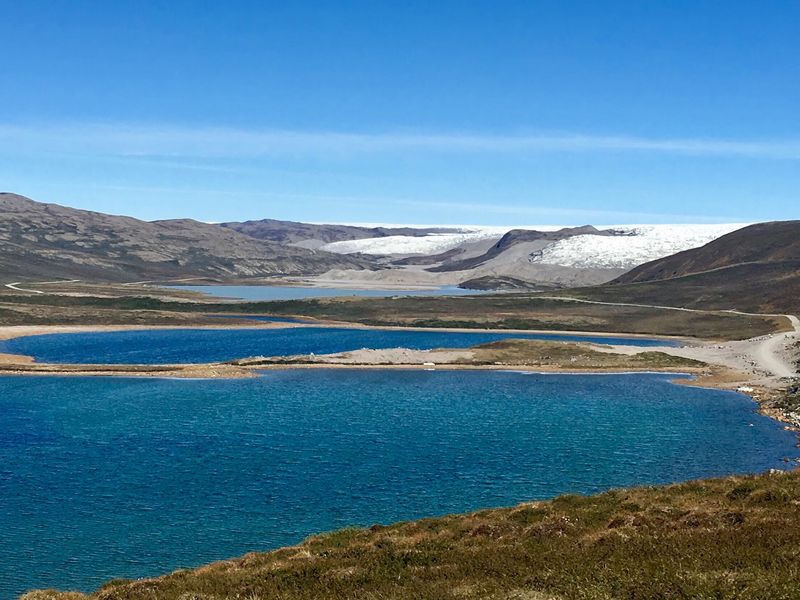
Originally built as an American air base during World War II, Kangerlussuaq has since reinvented itself as Greenland’s most practical gateway to the Arctic interior. The airport here handles more international traffic than almost anywhere else in Greenland, which makes it the logical starting point for many visitors exploring the island.
The most jaw-dropping excursion available is the drive to the edge of the Greenland Ice Sheet, which sits about 25 kilometers from town on a road accessible by vehicle. Standing at the margin of an ice mass that covers roughly 80 percent of Greenland’s total land area puts certain things in perspective very quickly.
Musk oxen roam the tundra around Kangerlussuaq in surprising numbers, and spotting them from the road or on guided tours is a reliable highlight. The town also benefits from exceptionally clear skies due to its inland position away from coastal moisture, making it one of the best spots in Greenland for northern lights viewing during the darker months of the year.
8. Tuktoyaktuk, Northwest Territories, Canada
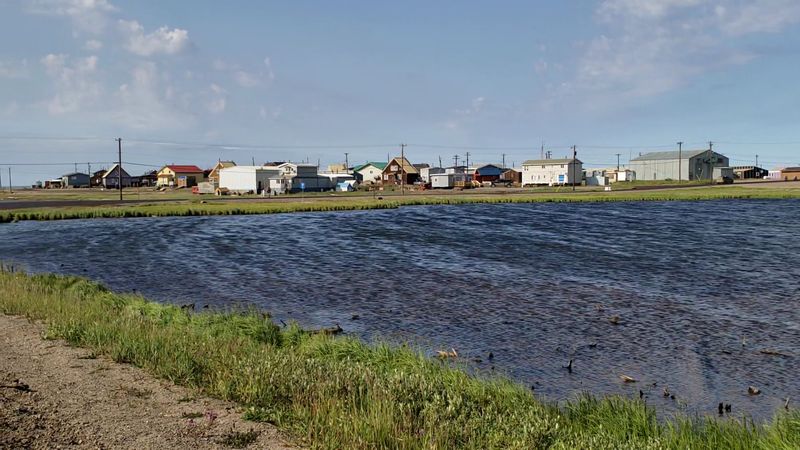
Until 2017, reaching Tuktoyaktuk required either a flight or a seasonal drive along an ice road that existed only in winter. The opening of the all-season Inuvik to Tuktoyaktuk Highway changed everything, making this Inuvialuit community the only Arctic Ocean settlement in Canada reachable by paved road year-round.
Road-trippers now make the journey specifically to stand at the water’s edge and confirm, with their own feet, that they have driven to the Arctic Ocean. It is one of those travel milestones that sounds simple but delivers a genuine sense of accomplishment.
The landscape around Tuktoyaktuk is defined by pingos, which are ice-cored hills that push up through the tundra and can reach heights of up to 50 meters. Ibyuk Pingo, one of the largest in the world, is located just outside town and is protected as a National Historic Site. The local Inuvialuit community shares its culture generously with visitors through guided tours, traditional food experiences, and storytelling sessions that connect the present to a very deep past.
9. Inuvik, Northwest Territories, Canada
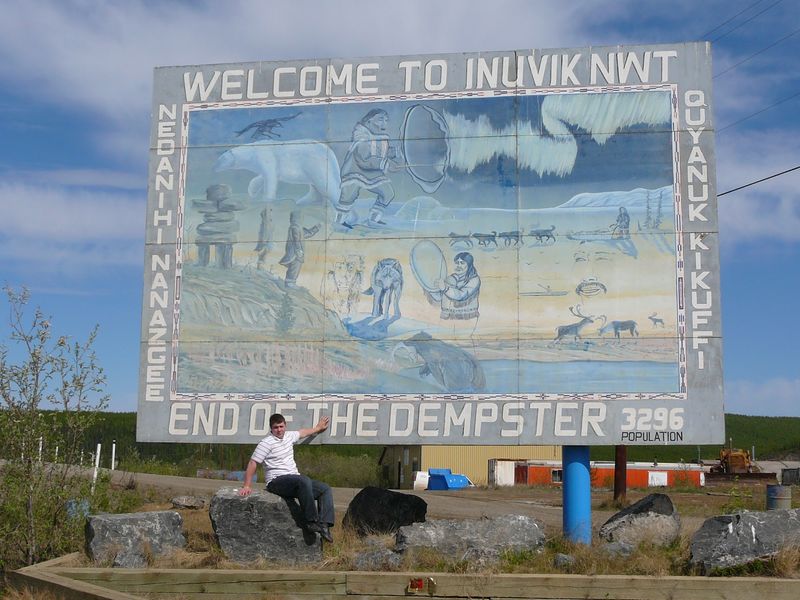
Built on permafrost in the late 1950s as a planned government community, Inuvik was designed from the ground up to function in Arctic conditions, and some of that design is still visible today. Buildings sit on pilings rather than foundations to avoid melting the permafrost beneath them, which gives the town a slightly elevated, purposeful look.
The most photographed structure in town is the Igloo Church, formally known as Our Lady of Victory Church, whose round white dome has become the unofficial symbol of Inuvik. The Western Arctic Regional Visitor Centre provides a thorough introduction to both Gwich’in and Inuvialuit cultures, history, and the ecology of the Mackenzie Delta region.
Inuvik’s position at the end of the Dempster Highway, one of Canada’s great road-trip routes, means many visitors arrive after driving north from the Yukon through boreal forest and open tundra. The town hosts the Muskrat Jamboree each spring, a community festival celebrating Indigenous traditions with games, music, and competitions that draw participants from across the region.
10. Utqiagvik, Alaska, United States
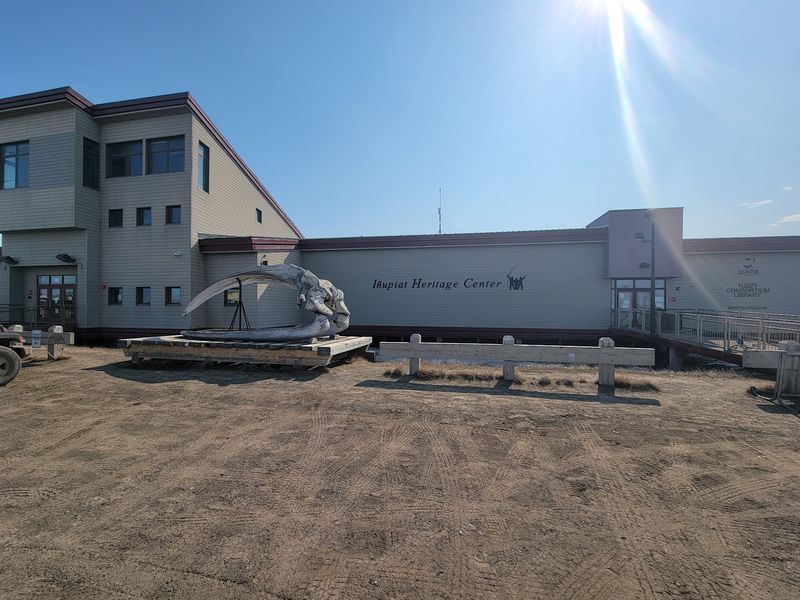
The northernmost city in the United States sits at 71 degrees north, where the sun does not rise for 65 days in midwinter and does not set for 82 days in summer. Utqiagvik, known until 2016 by its colonial name Barrow, operates on a schedule that has nothing to do with the clock and everything to do with the sun.
The Iñupiat people have lived in this area for more than 1,500 years, and their culture remains central to the community’s identity. Bowhead whale hunting, which takes place in spring and fall under a carefully regulated subsistence system, is a cornerstone of Iñupiat life and a profound expression of the community’s relationship with the Arctic Ocean.
Visitors can learn about this heritage at the Iñupiat Heritage Center, which houses cultural artifacts, historical records, and rotating exhibits developed in close collaboration with local community members. The physical experience of standing on the Arctic Ocean shore, knowing that the next landmass north is the geographic North Pole, has a way of making ordinary life feel very far away indeed.
11. Pond Inlet, Nunavut, Canada
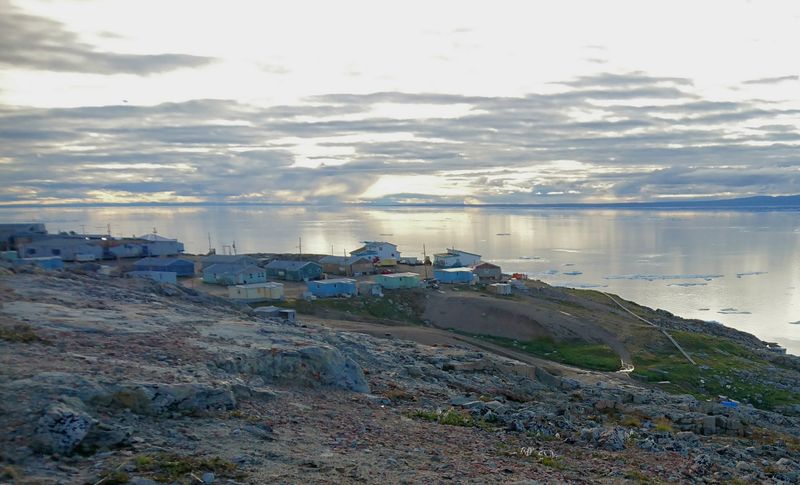
The nickname “Jewel of the North” gets applied to many places, but Pond Inlet might actually deserve it. The hamlet sits at the northern tip of Baffin Island, backed by the Oliver Sound mountains and fronted by Eclipse Sound, where the sea ice lingers well into summer and narwhals surface regularly in the open leads.
Wildlife viewing here is exceptional. The floe edge, where sea ice meets open water, is one of the best places in the Canadian Arctic to observe narwhals, beluga whales, ringed seals, and polar bears all within a single outing. Guided trips to the floe edge by snowmobile or boat are a major draw for naturalists and photographers.
Sirmilik National Park, one of Canada’s most remote protected areas, is accessible from Pond Inlet and encompasses glaciers, seabird colonies, and tundra landscapes that see very few human visitors each year. The local Inuit community, known as Mittimatalik in Inuktitut, offers cultural programs and guided experiences that provide meaningful context for the spectacular natural environment surrounding the town.
12. Grise Fiord, Nunavut, Canada
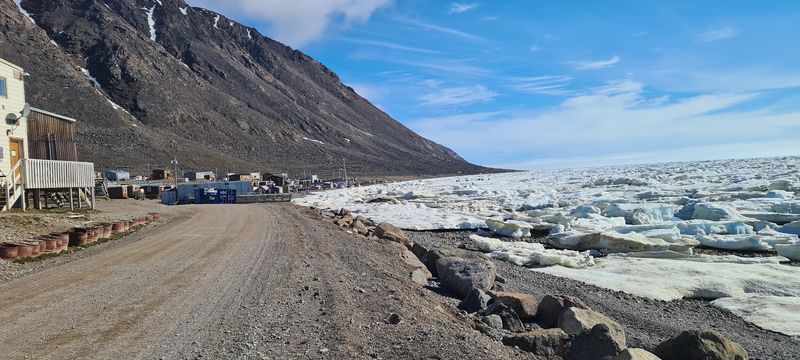
Canada’s northernmost civilian community has a population of around 130 people and sits on the southern shore of Ellesmere Island at 76 degrees north. The Norwegian explorer Otto Sverdrup named the surrounding waters in 1898 after the walruses he encountered, and the local Inuit name, Aujuittuq, translates to “the place that never thaws,” which is not an exaggeration.
Reaching Grise Fiord requires a flight through Resolute Bay, itself not exactly a hub of air traffic, making this one of the most logistically demanding destinations in the article. The effort involved acts as a natural filter, meaning visitors who arrive tend to be serious Arctic travelers who appreciate what they have found.
The landscape is dominated by mountains, glaciers, and sea ice that persists throughout much of the year. Polar bears, Arctic wolves, musk oxen, and walruses all inhabit the surrounding area. The Inuit community here has maintained its connection to the land through hunting and traditional practices despite the extraordinary isolation, and that resilience is something visitors consistently describe as the most lasting impression of their time in Grise Fiord.
Share this story