Throughout history, some leaders and warriors earned names so powerful that we still use them today. These nicknames were not handed out lightly; they were forged on battlefields, in throne rooms, and through acts that left entire nations speechless.
A great nickname could strike fear into enemies, inspire loyalty in followers, or simply capture what made a person truly unforgettable. Get ready to meet 15 historical figures whose nicknames tell a story all on their own.
1. Richard I of England – Richard the Lionheart
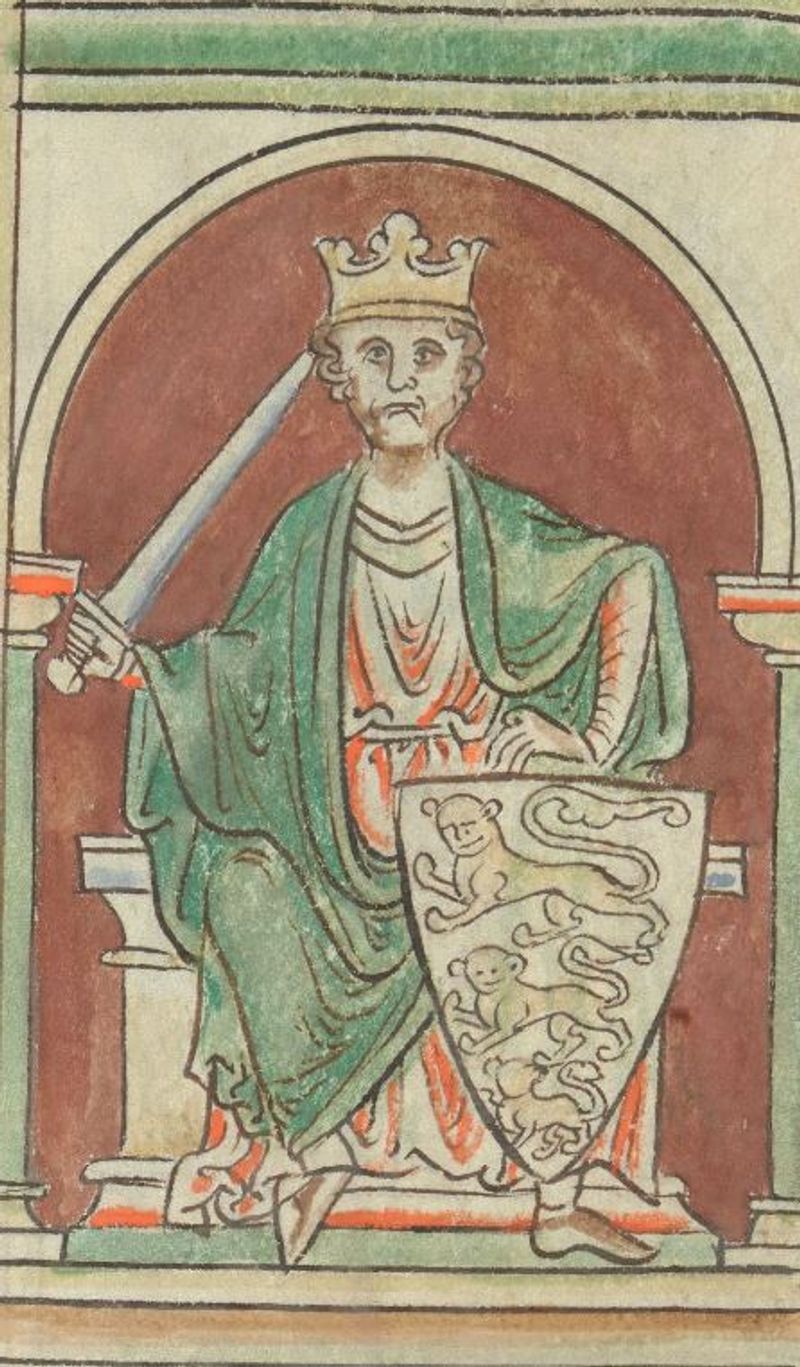
Few nicknames in history carry as much raw courage as “the Lionheart.” Richard I earned this title through his fearless leadership during the Third Crusade in the late 1100s. He charged into battle with a boldness that stunned both his allies and his enemies.
Born in 1157, Richard became King of England in 1189 and spent much of his reign fighting in the Holy Land. His military skill was so respected that even Saladin, his greatest opponent, reportedly admired him.
That kind of mutual respect between rivals speaks volumes about Richard’s reputation.
The nickname stuck because it perfectly matched the man. Richard was physically imposing, standing over six feet tall, and he led from the front rather than the back.
A lion was the perfect symbol for a king who fought like one.
2. Harald III of Norway – Harald Hardrada (Hard Ruler)
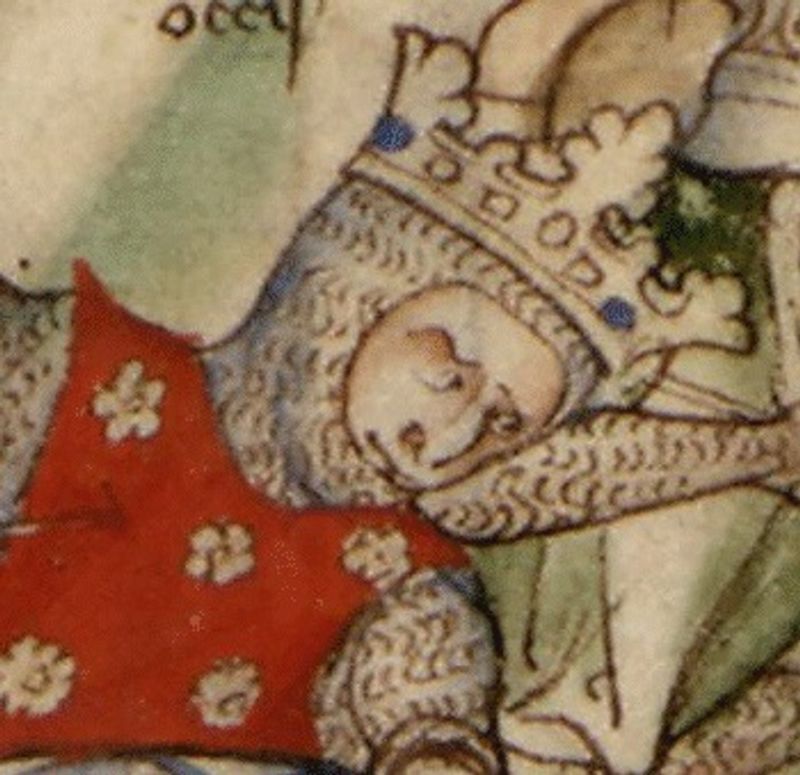
Harald Hardrada is one of history’s most fitting nicknames because the man truly lived up to every word of it. Harald III of Norway was a warrior king who spent decades fighting across Europe and the Byzantine Empire before claiming the Norwegian throne.
His life read more like legend than history.
Born around 1015, Harald served as a mercenary in the Varangian Guard for the Byzantine Emperor before returning north to seize power. He ruled Norway with an iron grip from 1046 until his death in 1066.
His reign was marked by fierce military campaigns and a refusal to compromise.
Harald met his end at the Battle of Stamford Bridge in England, just weeks before the famous Norman Conquest. He died the way he lived: charging forward.
The name “Hard Ruler” followed him to his last breath.
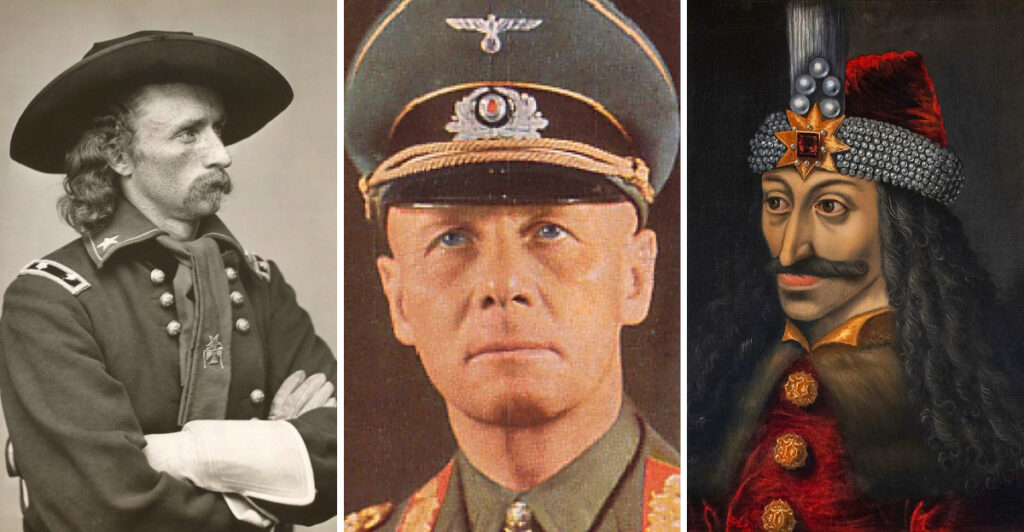
3. Vlad III of Wallachia – Vlad the Impaler
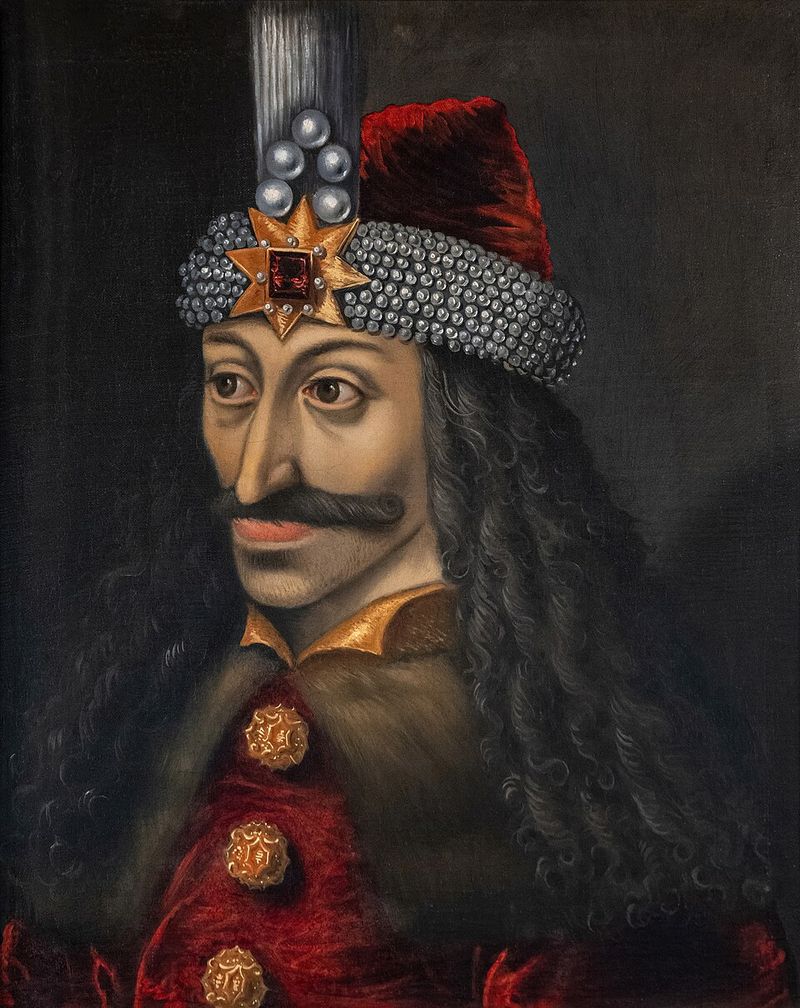
Some nicknames are earned through bravery. Others are earned through methods so extreme they become the stuff of nightmares.
Vlad III of Wallachia chose a particular form of execution so often and so publicly that it permanently attached itself to his name.
Ruling in the mid-1400s in what is now Romania, Vlad used impalement as both punishment and psychological warfare against invading Ottoman forces. His goal was to terrify enemies into retreat, and by many accounts, it worked.
Ottoman soldiers reportedly turned back after encountering the gruesome sight outside his borders.
Vlad was also a fierce defender of his people against foreign threats, which made him a complicated figure. He was both feared and respected at home.
Centuries later, his reputation inspired Bram Stoker’s Dracula, cementing his place in global culture far beyond anything he could have imagined.
4. William the Conqueror
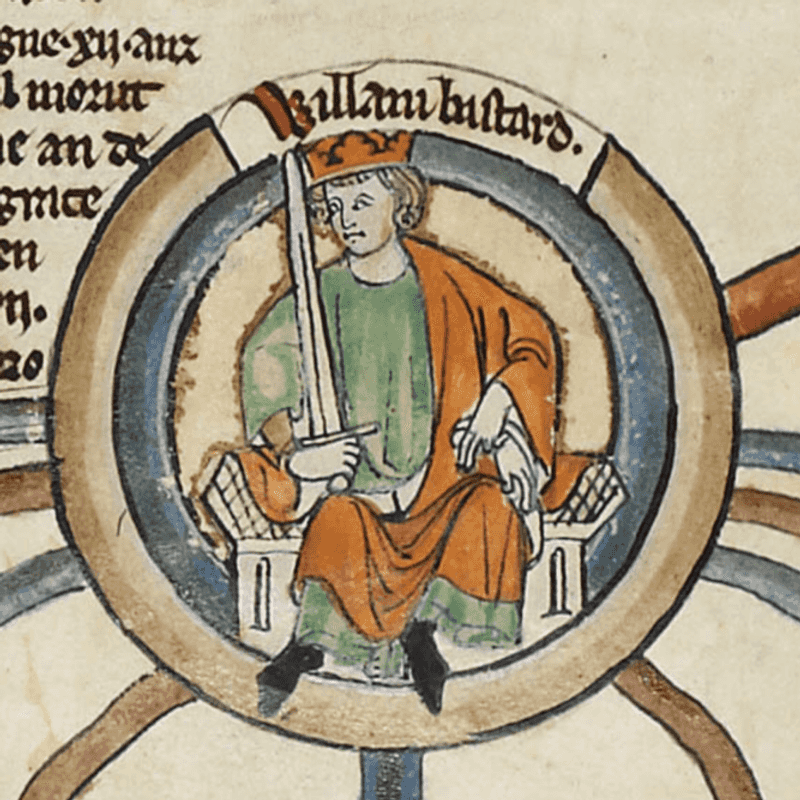
William earned his nickname in a single afternoon. On October 14, 1066, at the Battle of Hastings, he defeated the English King Harold II and changed the entire course of English history.
Before that day, he was Duke of Normandy. After it, he was king of England.
Born around 1028 as an illegitimate son of the Duke of Normandy, William fought hard for respect from an early age. His claim to the English throne was disputed, so he crossed the English Channel with thousands of soldiers and took what he believed was rightfully his.
The conquest reshaped English language, culture, and law for centuries. French words flooded the English vocabulary.
The feudal system tightened its grip. William ordered the Domesday Book, a full survey of English land and resources.
His nickname was not just a title; it was a permanent historical verdict.
5. Alexander III of Macedon – Alexander the Great
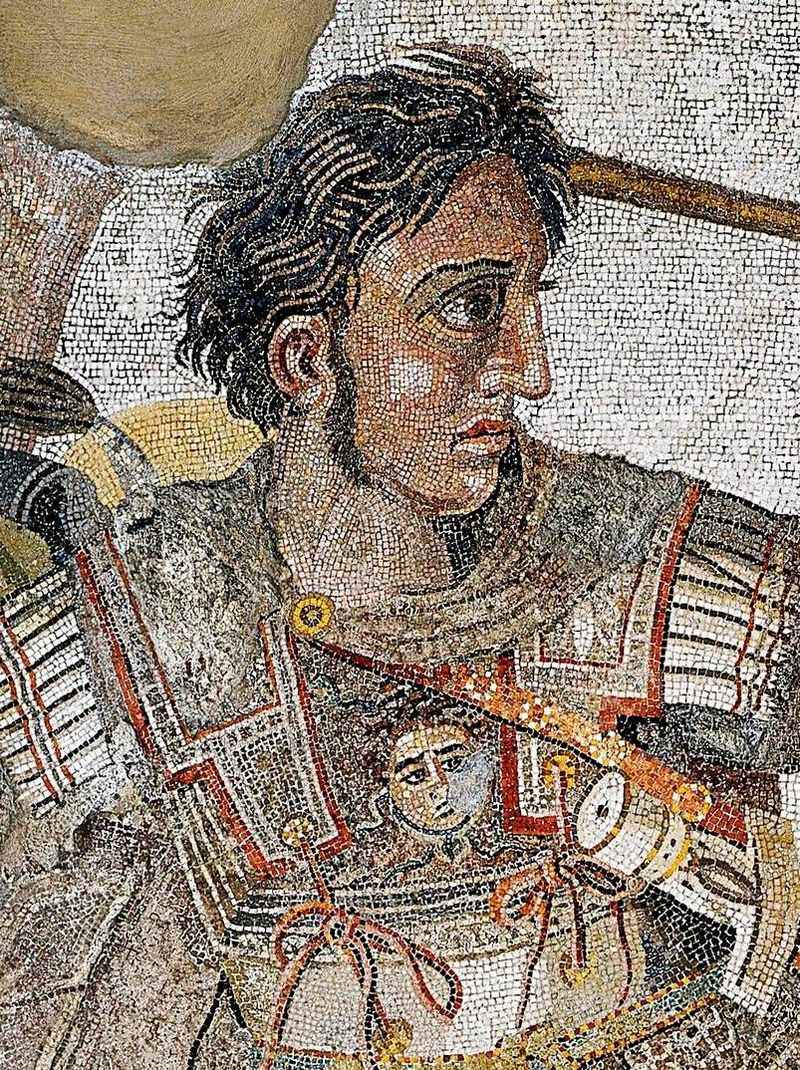
No nickname in history has proven as enduring or as well-deserved as “the Great.” Alexander III of Macedon built one of the largest empires the ancient world had ever seen, all before the age of 33. His ambition had no visible ceiling.
Born in 356 BC in Macedonia, Alexander was tutored by the philosopher Aristotle before inheriting the throne at just 20 years old. He then launched a military campaign that swept through Persia, Egypt, Central Asia, and into northwestern India.
Entire kingdoms fell within years of his arrival.
What made Alexander remarkable was not just conquest but curiosity. He encouraged cultural exchange across his empire, blending Greek, Persian, and Egyptian traditions.
Cities he founded, including Alexandria in Egypt, became centers of learning for centuries. His nickname was not given by admirers; it was earned battle by battle, mile by mile.
6. Suleiman I – Suleiman the Magnificent
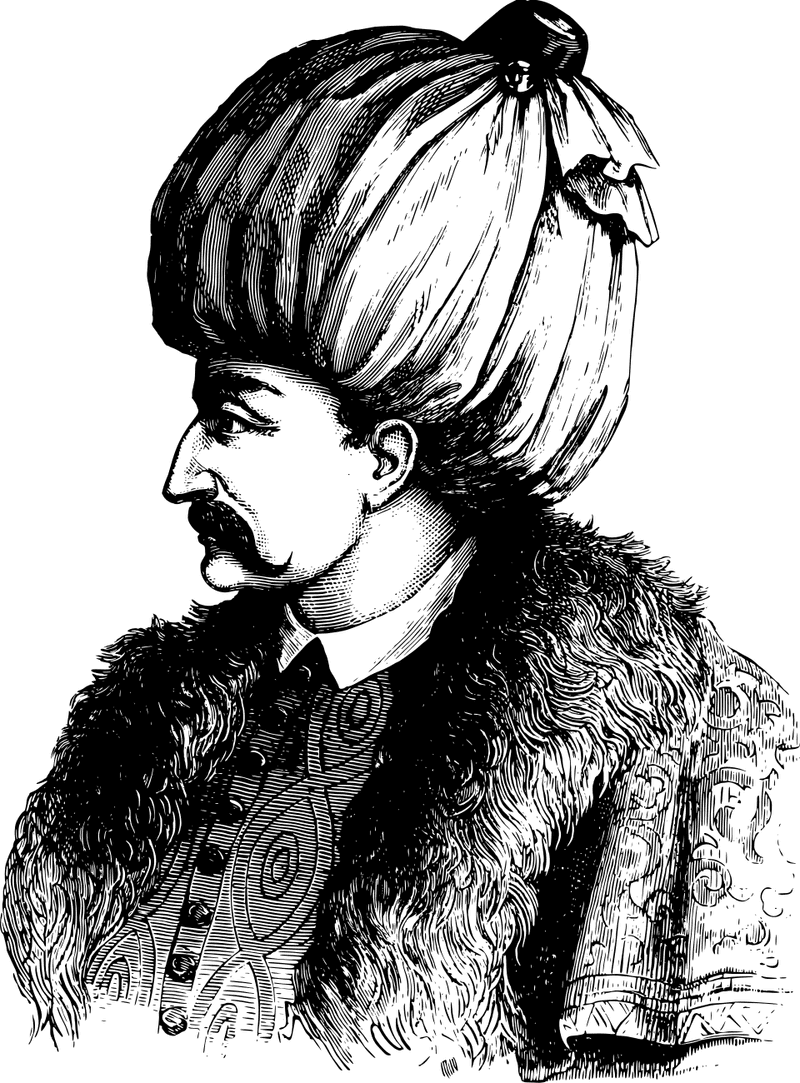
“The Magnificent” was not just a compliment; it was a description of an entire era. Suleiman I ruled the Ottoman Empire from 1520 to 1566, and during that time he transformed it into one of the most powerful and culturally rich empires on earth.
His subjects called him “the Lawgiver” for his sweeping legal reforms.
Suleiman oversaw the construction of some of the most stunning architecture in the Islamic world, including the Suleymaniye Mosque in Istanbul. He was also a poet and a goldsmith, bringing a creative depth to his reign that balanced his military ambitions.
The empire stretched from Hungary to the Persian Gulf under his rule.
European rulers used the word “magnificent” to describe the sheer scale of his court and power. It was a title born from awe.
Suleiman’s reign remains a high point in Ottoman history, studied and admired to this day.
7. Frederick I, Holy Roman Emperor – Barbarossa (Red Beard)
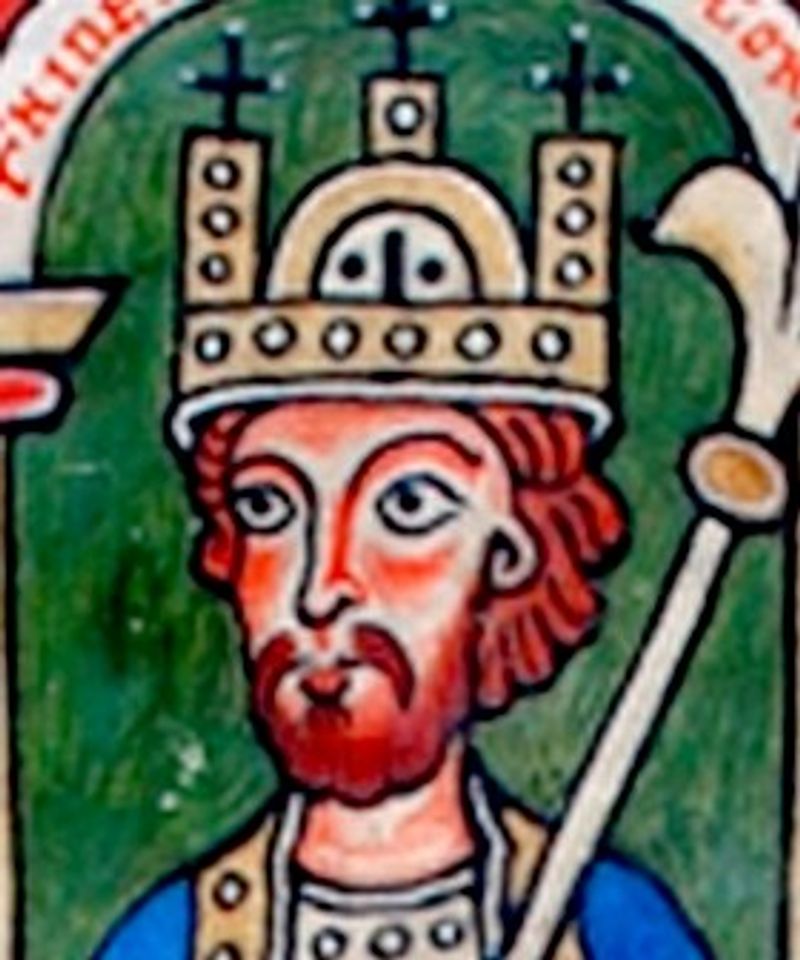
Frederick I earned his nickname the old-fashioned way: he simply had a very memorable beard. “Barbarossa” is Italian for “Red Beard,” and the name was given to him by his Italian subjects during his campaigns across the Italian peninsula in the 1100s. It stuck in a way that even his official title never quite did.
Beyond the beard, Frederick was one of the most ambitious rulers of medieval Europe. He was crowned Holy Roman Emperor in 1155 and spent decades trying to consolidate power across Germany and Italy.
His conflicts with Pope Alexander III became legendary in their own right.
Frederick died in 1190 while leading the Third Crusade, drowning in a river in what is now Turkey. German legend later claimed he was not dead but sleeping in a mountain, waiting to return when Germany needed him most.
That is the power of a truly great nickname.
8. Edward I of England – Longshanks
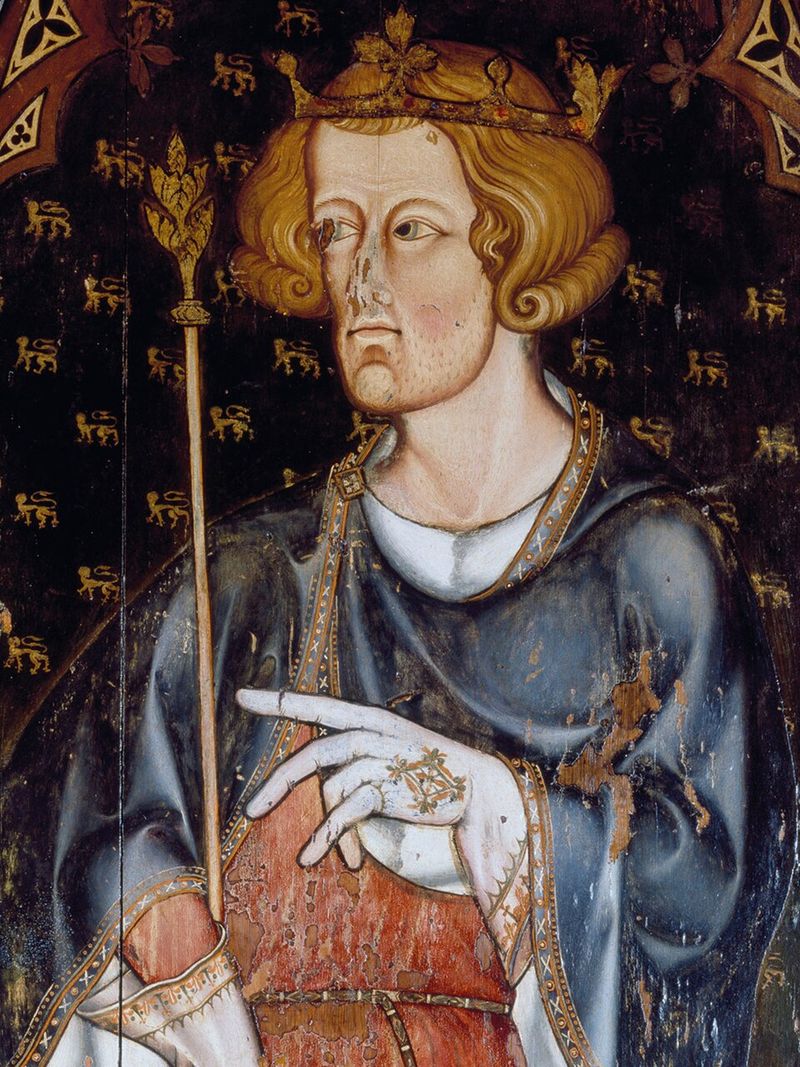
Edward I stood well over six feet tall at a time when the average man was considerably shorter. His unusual height earned him the nickname “Longshanks,” which simply means “long legs.” It was a physical description that also carried a certain commanding authority, because Edward was not just tall; he was dominant in every sense.
Reigning from 1272 to 1307, Edward reorganized English law, expanded parliamentary power, and launched aggressive military campaigns into Wales and Scotland. He conquered Wales and built a ring of massive castles to maintain control, many of which still stand today.
His campaigns in Scotland made him a villain in Scottish history.
The film Braveheart portrayed Edward as a cold and calculating ruler, and while Hollywood added drama, the historical record supports his reputation for ruthlessness. Longshanks was not a warm nickname, but it was an accurate one for a king who cast a very long shadow.
9. Ivan IV of Russia – Ivan the Terrible (the Formidable)
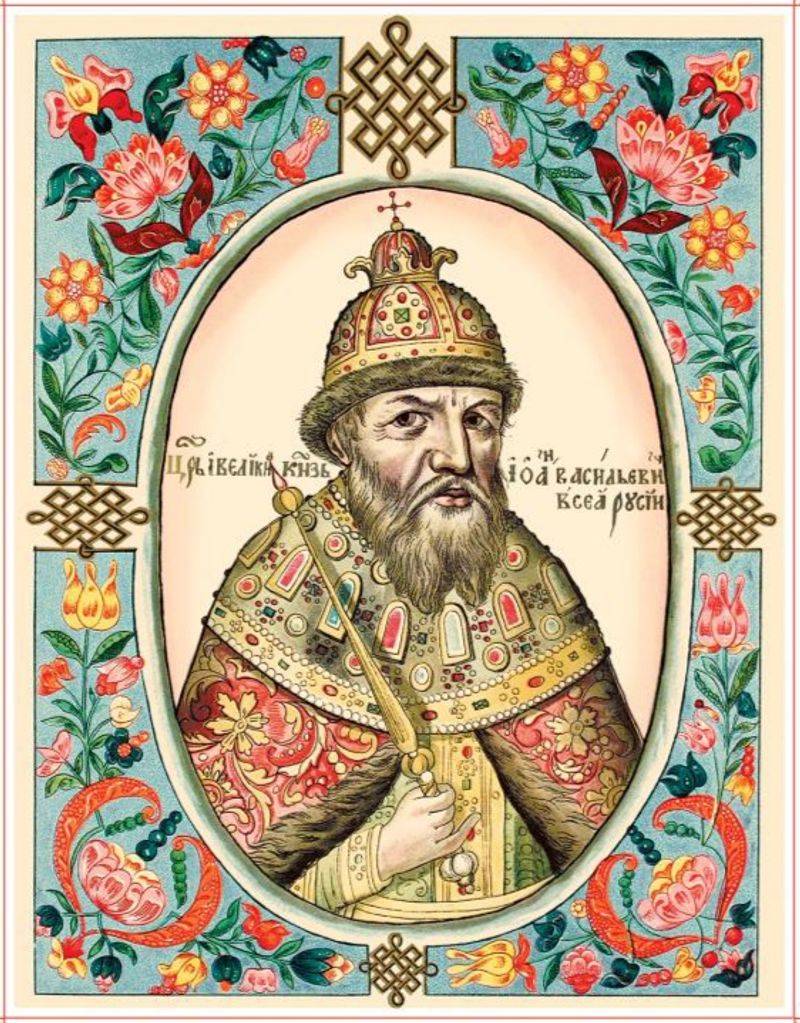
Here is a piece of history that often gets lost in translation. “Ivan the Terrible” is actually a mistranslation of the Russian word “Grozny,” which more accurately means “formidable” or “awe-inspiring.” The original meaning carried power and authority, not cruelty. Over time, Western translations leaned toward “terrible,” and the darker image took hold.
Ivan IV became the first official Tsar of Russia in 1547, taking the throne at just 16 years old. His early reign brought significant reforms, including a new legal code and expansion of Russian territory.
He was a complex ruler who could be both visionary and brutally violent.
His later years were marked by paranoia and erratic behavior, including the creation of a feared secret police force. He reportedly killed his own son in a fit of rage.
Whatever the correct translation, Ivan left a mark on Russia that historians are still debating today.
10. Thomas Jonathan Jackson – Stonewall Jackson
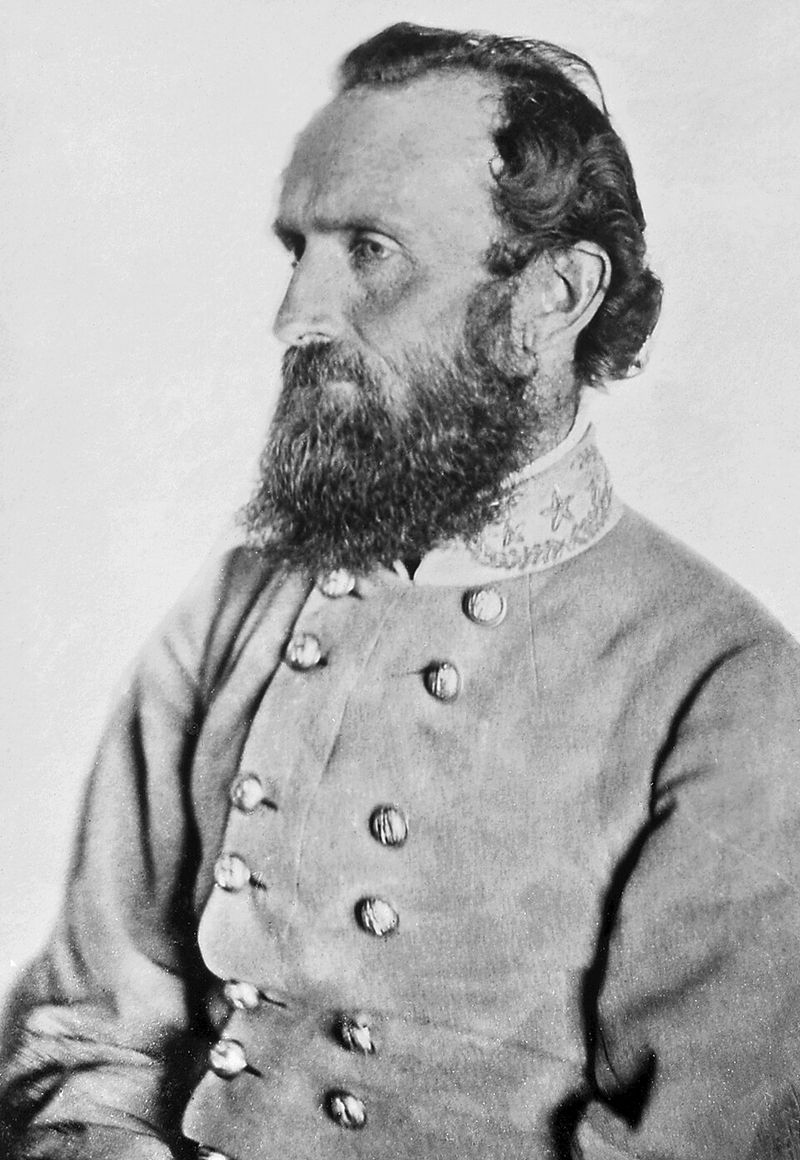
At the First Battle of Bull Run in 1861, Confederate forces were beginning to waver under heavy Union pressure. That is when General Barnard Bee reportedly pointed toward Thomas Jonathan Jackson and shouted something to rally his troops.
The exact words are debated, but the nickname that followed was not: Stonewall.
Jackson earned the name by holding his position on Henry House Hill with remarkable steadiness while chaos swirled around him. Whether Bee meant it as a compliment or a criticism of Jackson’s lack of movement is still argued by historians.
Either way, the name became a symbol of unshakable resolve.
Jackson went on to become one of the most celebrated military tacticians of the Civil War. His Shenandoah Valley Campaign is still studied in military schools.
He died in 1863 from friendly fire wounds, a tragic end for one of the Confederacy’s most gifted commanders. The nickname outlasted everything.
11. Erwin Rommel – The Desert Fox
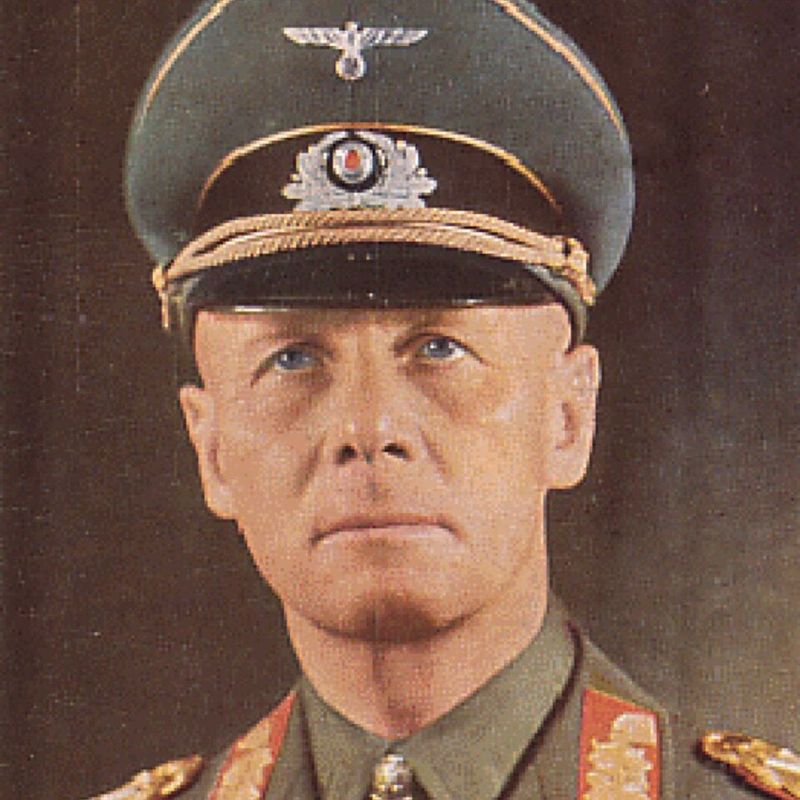
Cunning, fast, and nearly impossible to predict: those were the qualities that earned Erwin Rommel one of World War II’s most admired military nicknames. “The Desert Fox” captured his style of warfare perfectly. In the deserts of North Africa from 1941 to 1943, Rommel outmaneuvered British forces repeatedly with bold flanking moves and lightning-fast advances.
What made the nickname extraordinary was that it came largely from his enemies. British commanders and even Winston Churchill publicly praised Rommel’s tactical brilliance.
Being respected by the people trying hardest to defeat you is a rare kind of compliment.
Rommel commanded the Afrika Korps and pushed deep into Egypt before supply shortages and Allied pressure reversed his gains. He later served in France before being implicated in a plot against Hitler.
Given the choice between a public trial and suicide, he chose the latter in 1944. The Desert Fox had fought his last battle.
12. George Armstrong Custer – The Boy General
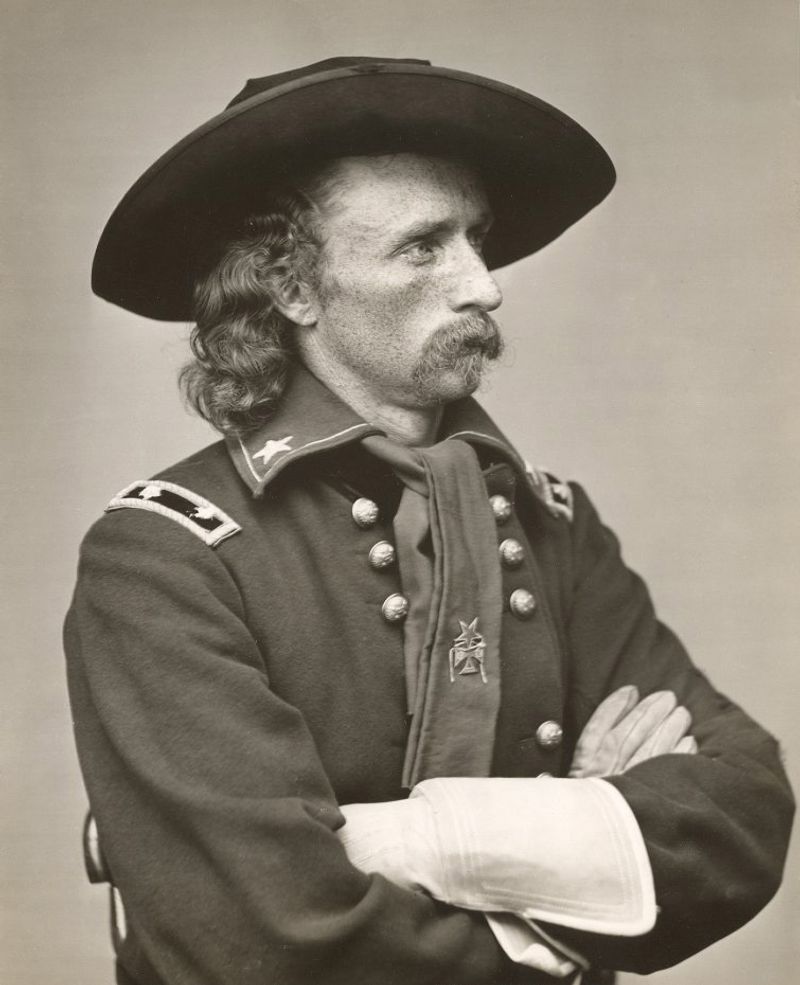
George Armstrong Custer was only 23 years old when he was promoted to the rank of Brevet Brigadier General during the Civil War, making him one of the youngest generals in the Union Army. The nickname “The Boy General” was almost unavoidable.
He looked young, acted boldly, and somehow kept surviving situations that should have ended him.
Custer graduated last in his class at West Point in 1861, but battlefield performance told a very different story. He had a natural instinct for cavalry tactics and a taste for dramatic, high-risk charges that often paid off.
His long blond hair and flashy uniforms made him instantly recognizable on and off the battlefield.
His fame peaked during the Civil War but his legacy was permanently shaped by his final battle. At Little Bighorn in 1876, Custer led 268 soldiers against a vastly larger force of Lakota and Cheyenne warriors.
None from his immediate command survived. The Boy General had finally run out of luck.
13. Charles Martel – The Hammer
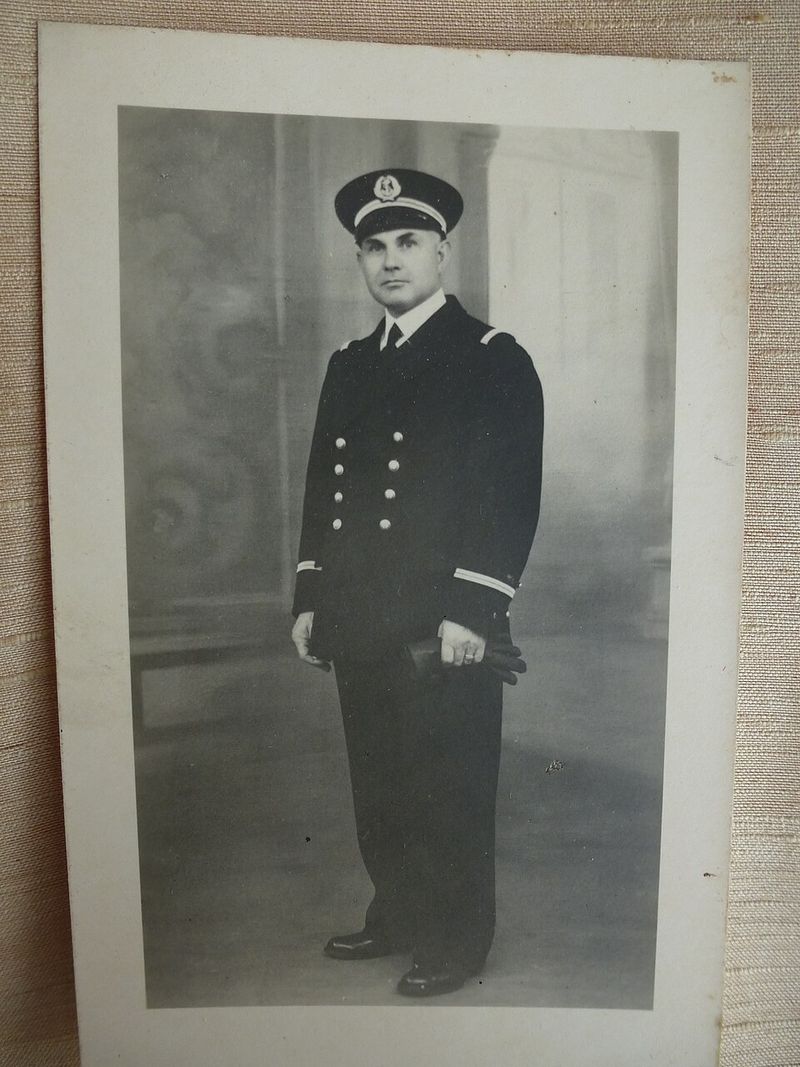
Charles Martel did not hold the title of king, but he wielded more real power than most kings of his era. As Mayor of the Palace of the Frankish kingdom in the early 700s, he was the true force behind the throne.
His nickname, “The Hammer,” came from the relentless, crushing force of his military campaigns.
His most celebrated moment came at the Battle of Tours in 732 AD, where he halted the northward advance of an Umayyad Muslim army into Western Europe. Many historians consider this one of the most consequential battles in European history.
Without Martel’s victory, the cultural and religious map of Europe might look very different today.
Martel also reformed the Frankish military, introducing a more effective cavalry force that would influence European warfare for generations. He was the grandfather of Charlemagne, making his family tree as impressive as his battlefield record.
The Hammer forged an empire before one even existed.
14. Edward of Woodstock – The Black Prince
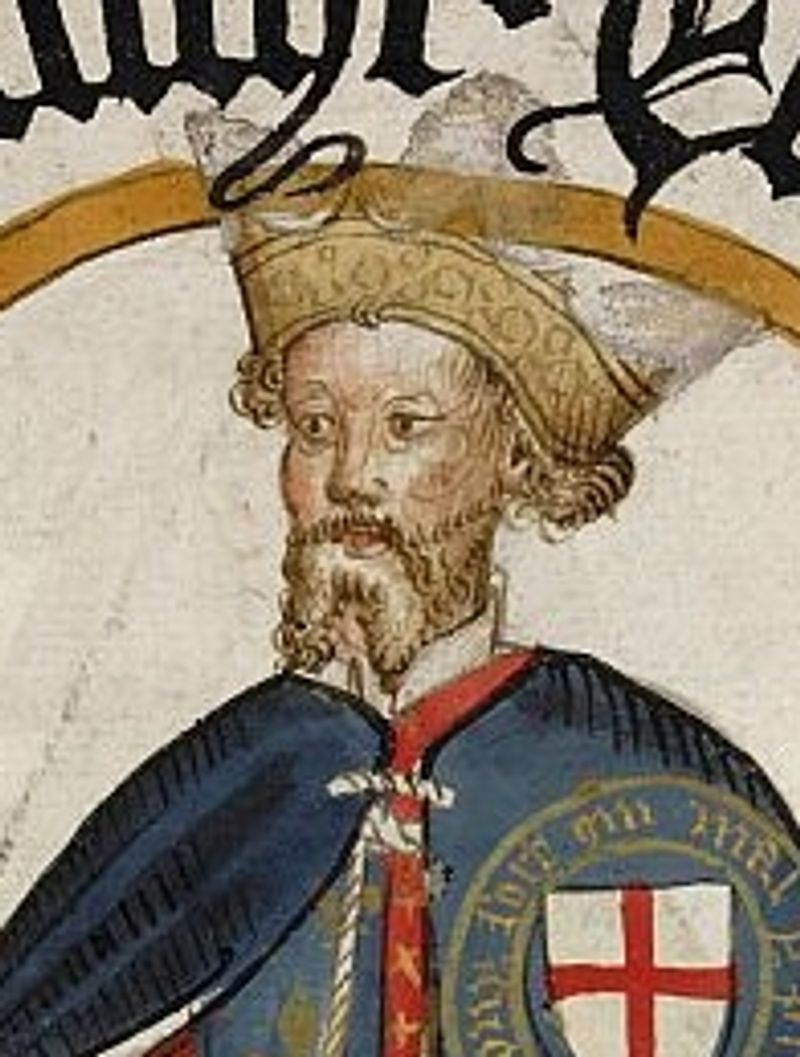
Edward of Woodstock never became king, but he fought like one. As the eldest son of King Edward III of England, he led English forces to stunning victories at Crecy in 1346 and Poitiers in 1356 during the Hundred Years War with France.
At Poitiers, he actually captured the French King John II, a military feat that stunned all of Europe.
The origin of “The Black Prince” is debated. Some historians believe it referred to his black armor.
Others suggest it came from French sources describing his fierce battlefield conduct. Whatever the origin, the name perfectly matched a man who was both chivalrous and formidable.
Edward died in 1376, a year before his father, meaning he never wore the crown despite being heir. His son eventually became Richard II.
The Black Prince left behind a reputation built entirely on battlefield glory, and that turned out to be more than enough to secure his place in history.
15. Pepin III of the Franks – Pepin the Short
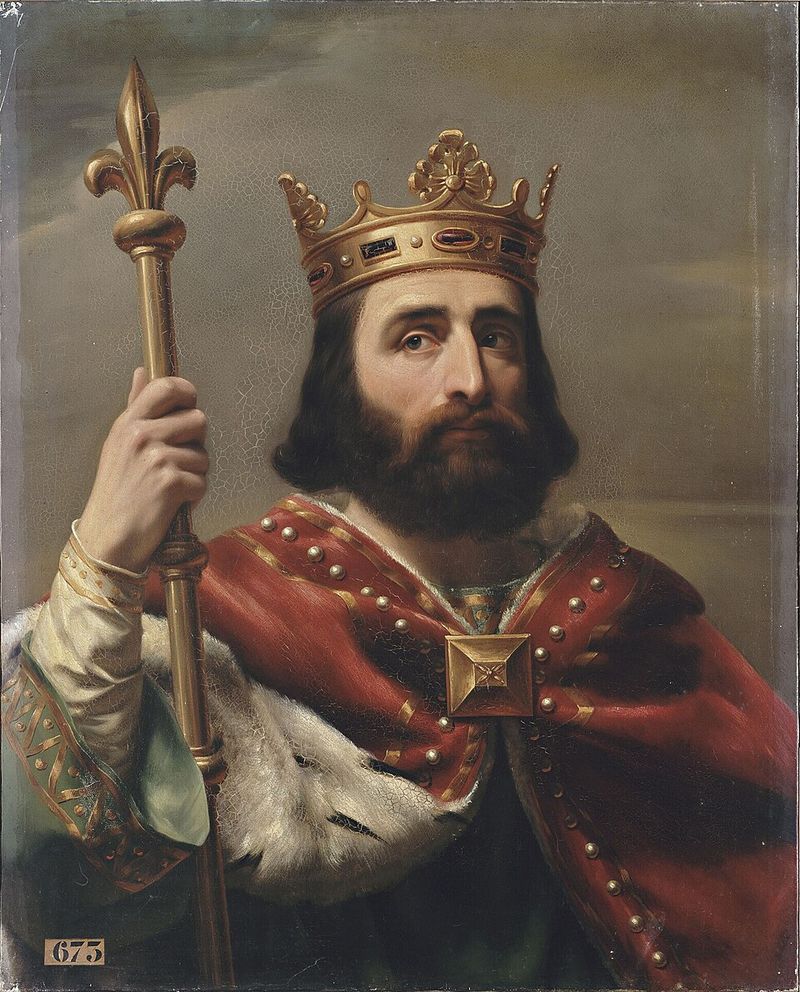
Not every great nickname comes from a battlefield exploit or a physical feat of strength. Sometimes history remembers you for something as simple as your height, or lack of it.
Pepin III, father of Charlemagne, was reportedly short in stature, and the nickname “the Short” followed him through the centuries.
What the nickname fails to capture is how significant Pepin’s reign actually was. He became the first king of the Carolingian dynasty in 751 after deposing the last Merovingian king.
He also forged a crucial alliance with the papacy, donating territory in central Italy to the Pope, a gift that helped create the Papal States.
Pepin ruled until 768 and laid the political and military groundwork that allowed his son Charlemagne to build one of medieval Europe’s greatest empires. Being remembered as “the Short” feels like a bit of an understatement for a man who changed the course of European history.
Height, it turns out, is not everything.
Share this story