Some people leave the world quietly, but others go out with words that people never forget. Throughout history, famous figures have made final requests that were surprising, funny, touching, or just plain odd.
These last wishes and dying words give us a rare glimpse into the personalities behind the history books. From philosophers asking for more light to generals daring enemy snipers, these stories are as unforgettable as the people who lived them.
1. Voltaire (1778) – Asked for More Light
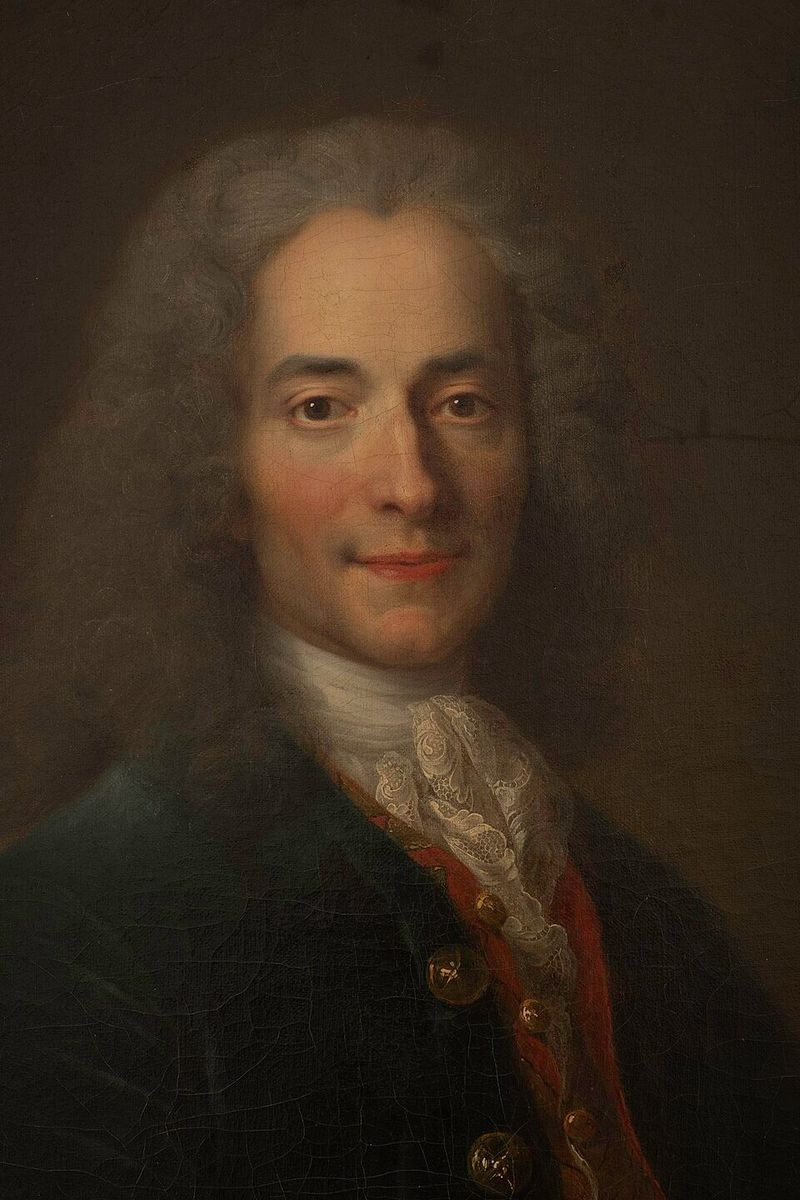
Few final words have sparked as much debate as those of the brilliant French philosopher Voltaire. As he lay dying in 1778, he reportedly pleaded for “more light,” a request that historians and scholars have puzzled over for centuries.
Was he asking someone to open the curtains, or was it a deeper, symbolic wish for clarity and knowledge?
Voltaire spent his entire life challenging ideas, questioning authority, and pushing for reason over superstition. It makes sense that even at the very end, his mind was still searching.
The phrase has been interpreted both literally and as a metaphor for enlightenment.
Whether the story is fully accurate or slightly embellished over time, it perfectly captures who Voltaire was as a thinker. His final request, real or legend, has become one of the most quoted deathbed moments in all of Western history.
2. King Charles II of England (1685) – Apologized for Taking So Long to Die
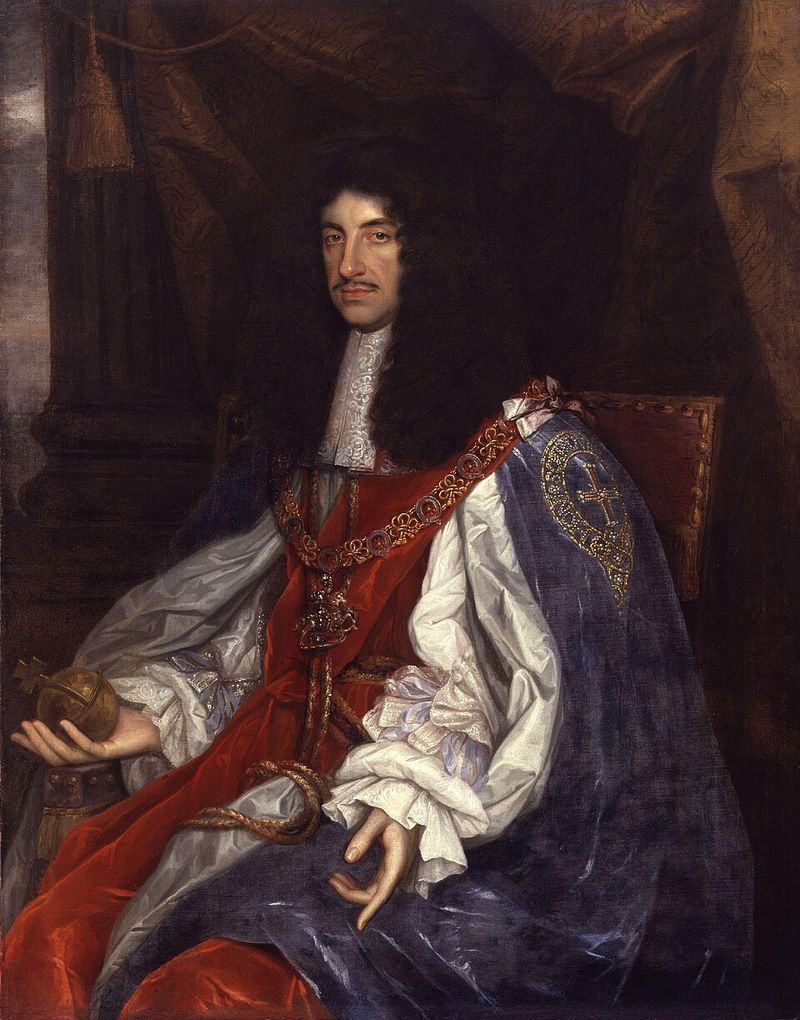
King Charles II of England had a reputation for charm and wit, and he held onto both until the very end. As he lingered through a painful final illness in February 1685, he reportedly turned to those gathered around his bed and asked them to forgive him for “being such an unconscionable time in dying.”
It was a remarkably self-aware and even humorous thing to say in such a serious moment. Charles had always been known for his easy-going personality and sharp sense of humor, and his final apology reflected exactly that.
Even as his body failed him, his character stayed intact.
Historians note that Charles suffered through several days of difficult medical treatments before passing. That he used his last energy to make a lighthearted apology rather than a grand speech says everything about the kind of king, and man, he truly was.
3. Marie Antoinette (1793) – Asked Forgiveness for Stepping on Her Executioner’s Foot
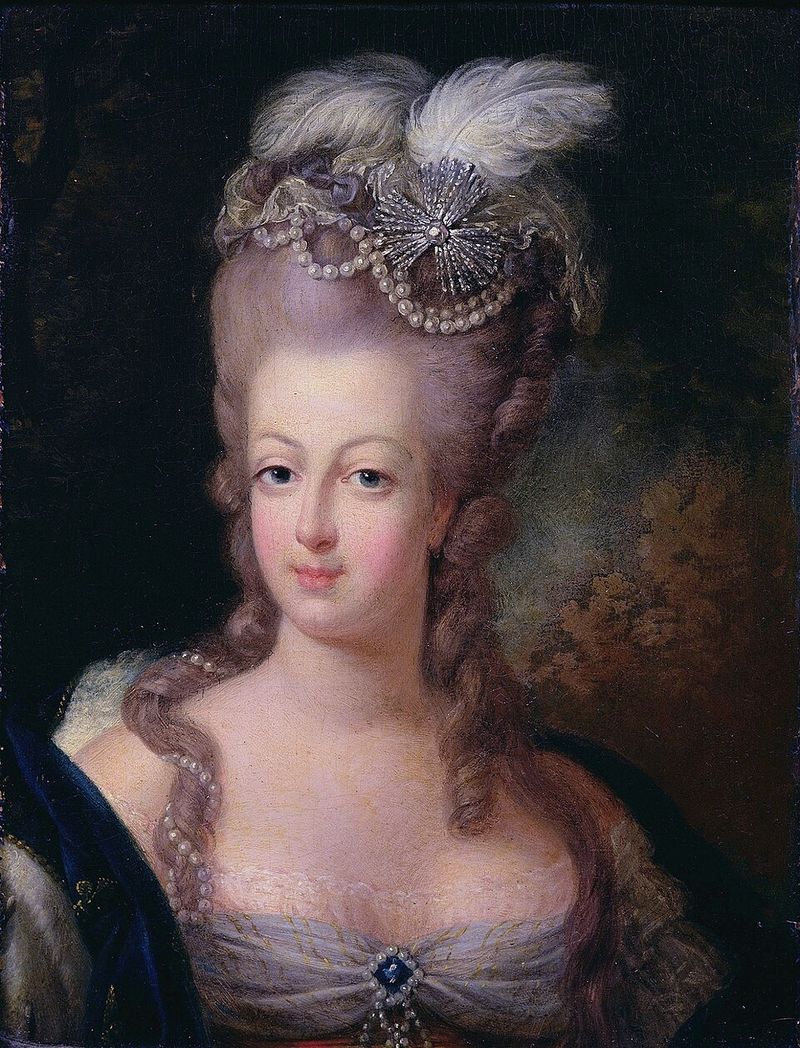
Marie Antoinette walked to the guillotine on October 16, 1793, having already endured the loss of her husband, her freedom, and her former life as Queen of France. In her final moments on the scaffold, she accidentally stepped on the foot of her executioner, Charles-Henri Sanson, and immediately turned to him and said, “Pardon me, sir.
I did not do it on purpose.”
For many people, that small act of politeness in the face of death is one of the most humanizing moments in history. She was about to be executed, yet she still found it important to be courteous.
It speaks to the kind of upbringing she had, one rooted in formal manners and grace.
That brief, quiet apology has stayed with historians for over 200 years. It reminds us that even in the most terrifying moments, a person’s true character has a way of showing through.
4. John Sedgwick (1864) – Wanted His Men to Stop Ducking
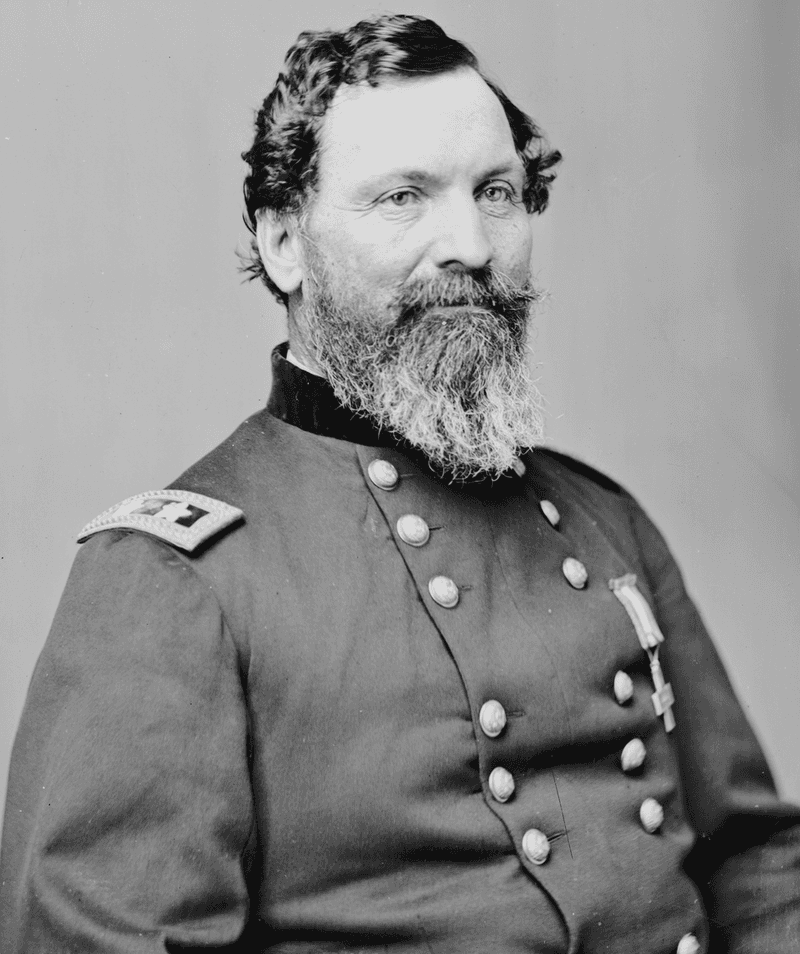
Union General John Sedgwick had a bold personality, and on May 9, 1864, during the Battle of Spotsylvania Court House, that boldness cost him his life. When he noticed his soldiers ducking to avoid Confederate sniper fire, he reportedly scolded them, saying they “couldn’t hit an elephant at this distance.”
Moments later, he was shot just below his left eye by a Confederate sharpshooter and died instantly. His last words became one of the most darkly ironic quotes in American Civil War history.
Soldiers and historians have repeated them ever since as a cautionary tale about overconfidence on the battlefield.
Sedgwick was well-liked by his troops and known for his steady, fearless leadership. The tragedy of his death was not just the loss of a respected general, but the fact that his final act was trying to keep his men calm.
History remembered him for both his courage and that unforgettable final line.
5. Thomas B. Marsh (1800s) – Requested His Coffin Remain Open
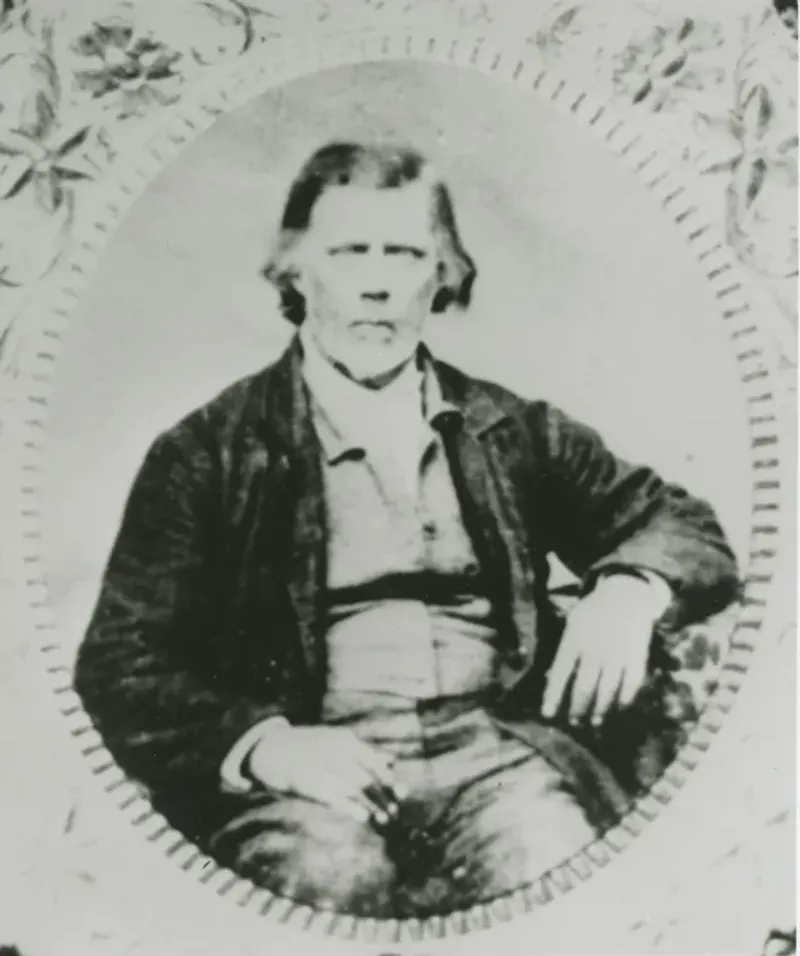
Thomas B. Marsh, one of the early leaders of the Latter-day Saint movement, reportedly made a simple but deeply personal request before his death: he wanted his coffin left open so that friends and family could see him one final time.
It was a wish rooted in connection, a desire to remain present even in death.
Marsh had lived a complicated life. He had once left the church he helped build, only to return years later after much reflection.
His story is one of pride, regret, and eventually, reconciliation. Wanting an open casket was, in many ways, consistent with his lifelong need for transparency and human connection.
Open casket funerals were not unusual in 19th-century America, but the personal reasoning behind his request made it stand out. It was less about tradition and more about one man wanting to say a proper, visible goodbye to the people who mattered most to him.
6. Harriet Tubman (1913) – Asked for a Hymn to Be Sung
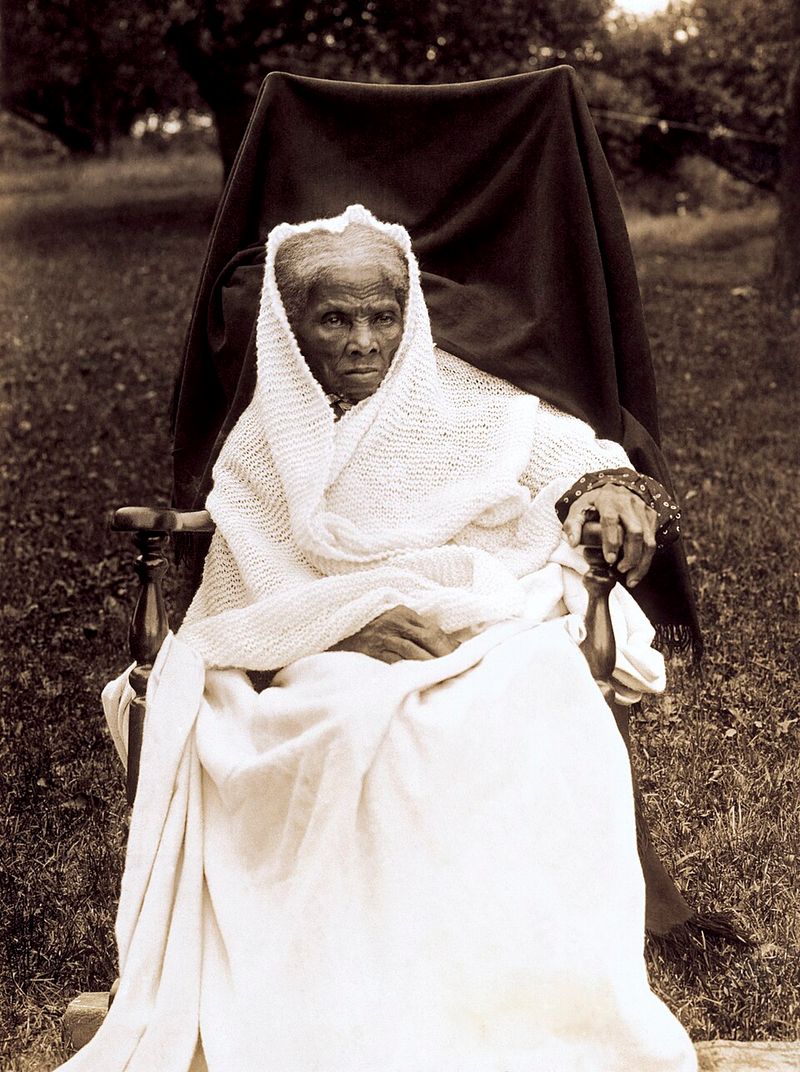
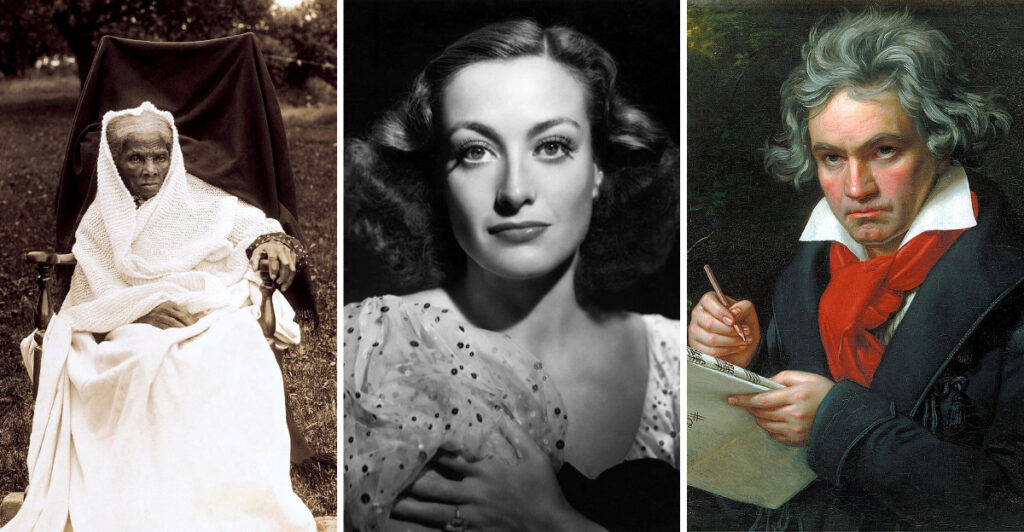
Harriet Tubman spent her life fighting for the freedom of others, and she faced her final moments with the same quiet strength that defined her entire life. As she lay dying in March 1913, she gathered those around her and asked them to sing “Swing Low, Sweet Chariot,” a beloved spiritual hymn with deep roots in the African American faith tradition.
The choice of song was not accidental. “Swing Low, Sweet Chariot” had long been associated with freedom, hope, and the promise of a better life beyond earthly suffering. For Tubman, who had risked everything to lead hundreds of enslaved people to freedom through the Underground Railroad, it was a profoundly fitting farewell.
She reportedly told those gathered, “I go to prepare a place for you,” before passing away. Her final request was not for riches or recognition, but for music, community, and faith.
That tells you everything about who she was.
7. Ludwig van Beethoven (1827) – Asked for Wine
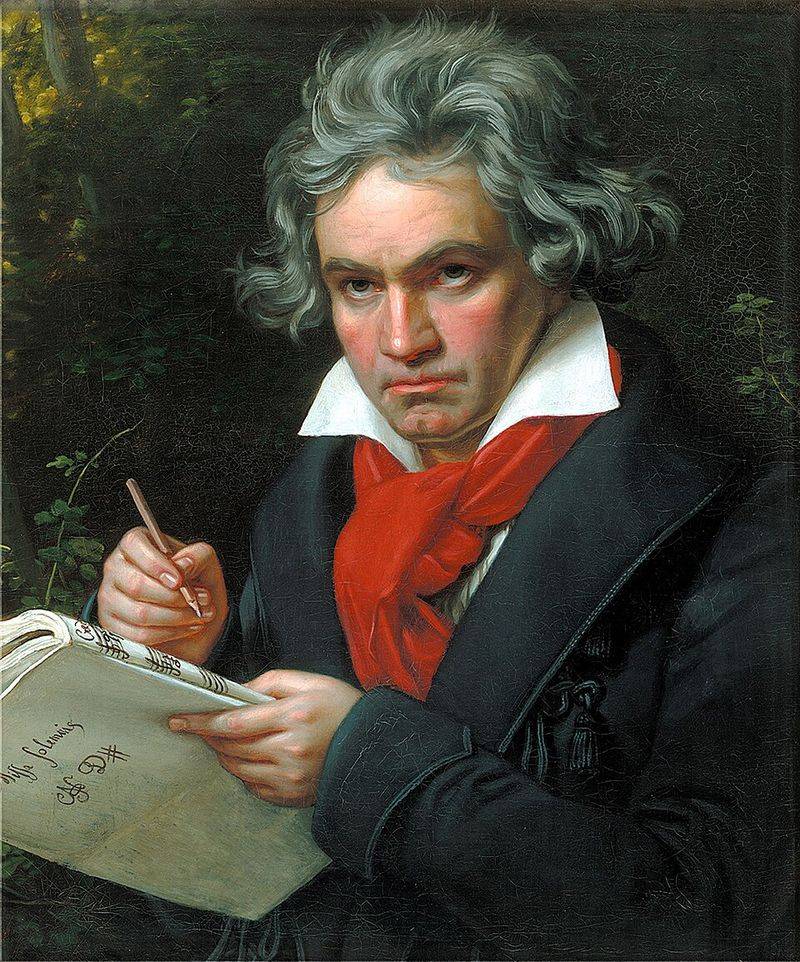
Ludwig van Beethoven composed some of the most powerful music the world has ever heard, and he spent his final weeks in considerable pain from liver disease. When a case of wine arrived as a gift from his publisher, he reportedly looked at it and murmured, “Pity, pity, too late,” knowing he was too weak to enjoy it.
He had been requesting wine during his illness, perhaps hoping it would give him some strength or comfort. The image of one of history’s greatest composers lamenting that his wine arrived just a little too late is both sad and strangely relatable.
It brings the legendary figure down to a very human level.
Beethoven died on March 26, 1827, during a thunderstorm. Witnesses said he raised his fist toward the sky just before passing, which felt very much in keeping with his fierce, uncompromising spirit.
Even his exit from the world seemed dramatic and fitting for a man of his enormous talent.
8. Pancho Villa (1923) – Asked Not to Let His Death Be Forgotten
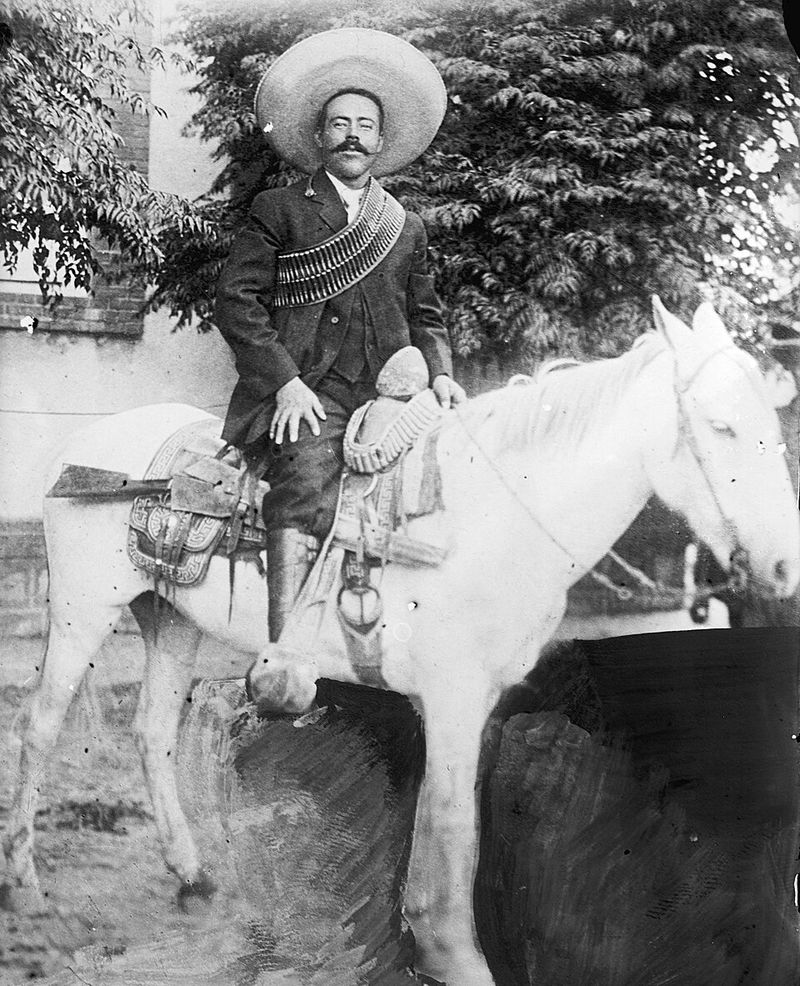
Pancho Villa, the legendary Mexican revolutionary, was ambushed and shot on July 20, 1923, while driving through the town of Parral. As he lay mortally wounded, he reportedly turned to a bystander and said, “Don’t let it end like this.
Tell them I said something.”
That last plea is both funny and heartbreaking. Here was a man who had led armies, evaded capture for years, and become a symbol of revolution, and in his final seconds, he was worried that he had not left behind a proper last quote.
It reveals a very human vanity mixed with a genuine desire to be remembered.
Villa’s life was full of bold, dramatic gestures, so it makes sense that even his dying words were about legacy. Whether the quote is entirely accurate or slightly shaped by legend over time, it has stuck around because it captures something real about the man and his outsized personality.
9. Henry Ward Beecher (1887) – Asked That the Windows Be Opened
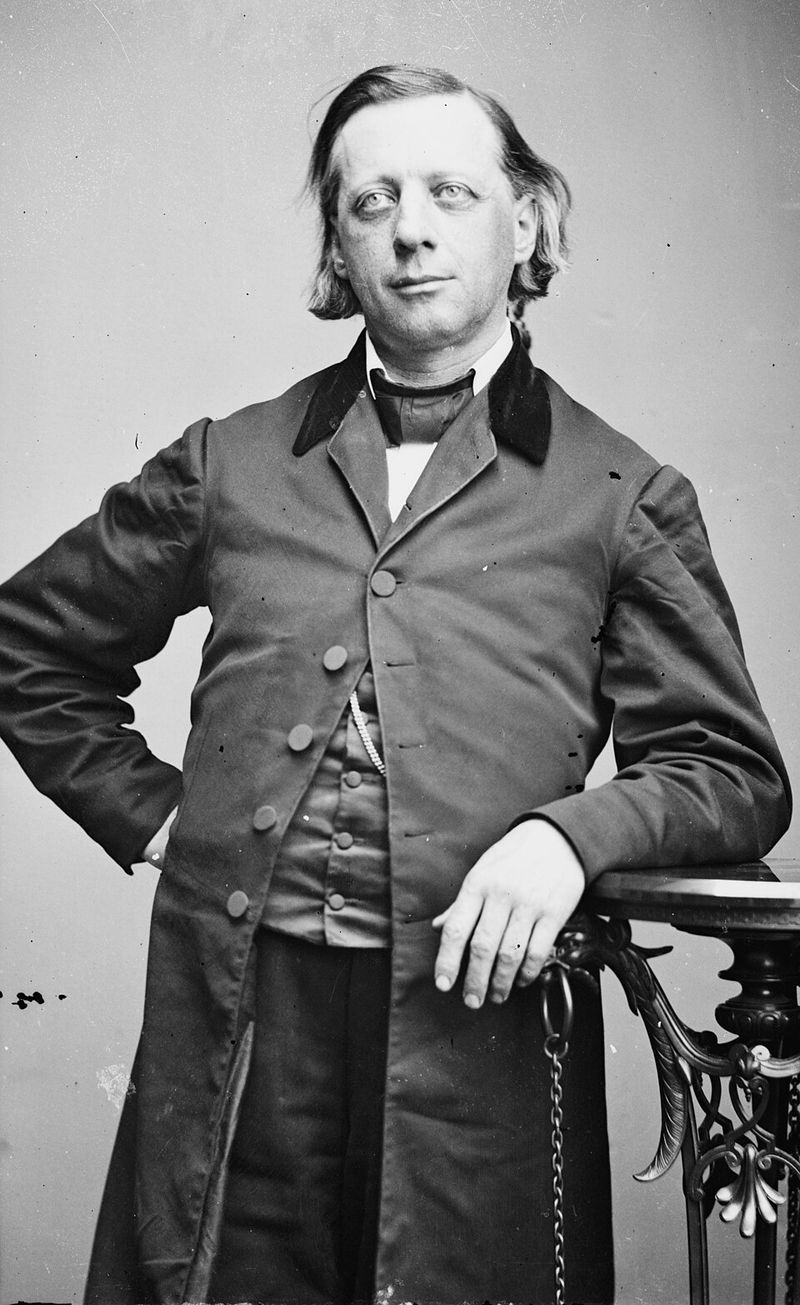
Henry Ward Beecher was one of the most famous preachers in 19th-century America, known for his passionate sermons, his opposition to slavery, and his larger-than-life presence. When he was dying in March 1887, his final reported request was a simple one: he wanted the windows opened so that fresh air could come in.
There is something poetic about a man who spent his life speaking about breath, spirit, and renewal asking for a breath of fresh air at the very end. Whether the request was purely physical or carried some deeper meaning, it has been remembered as a fittingly calm and gentle final wish from a man who was anything but quiet during his lifetime.
Beecher had survived enormous controversy and public scrutiny throughout his career. That his final moments were marked by such a quiet, modest request suggests that beneath all the drama and fame, there was a man who simply wanted peace in his last hours.
10. Oscar Wilde (1900) – Complained About the Wallpaper
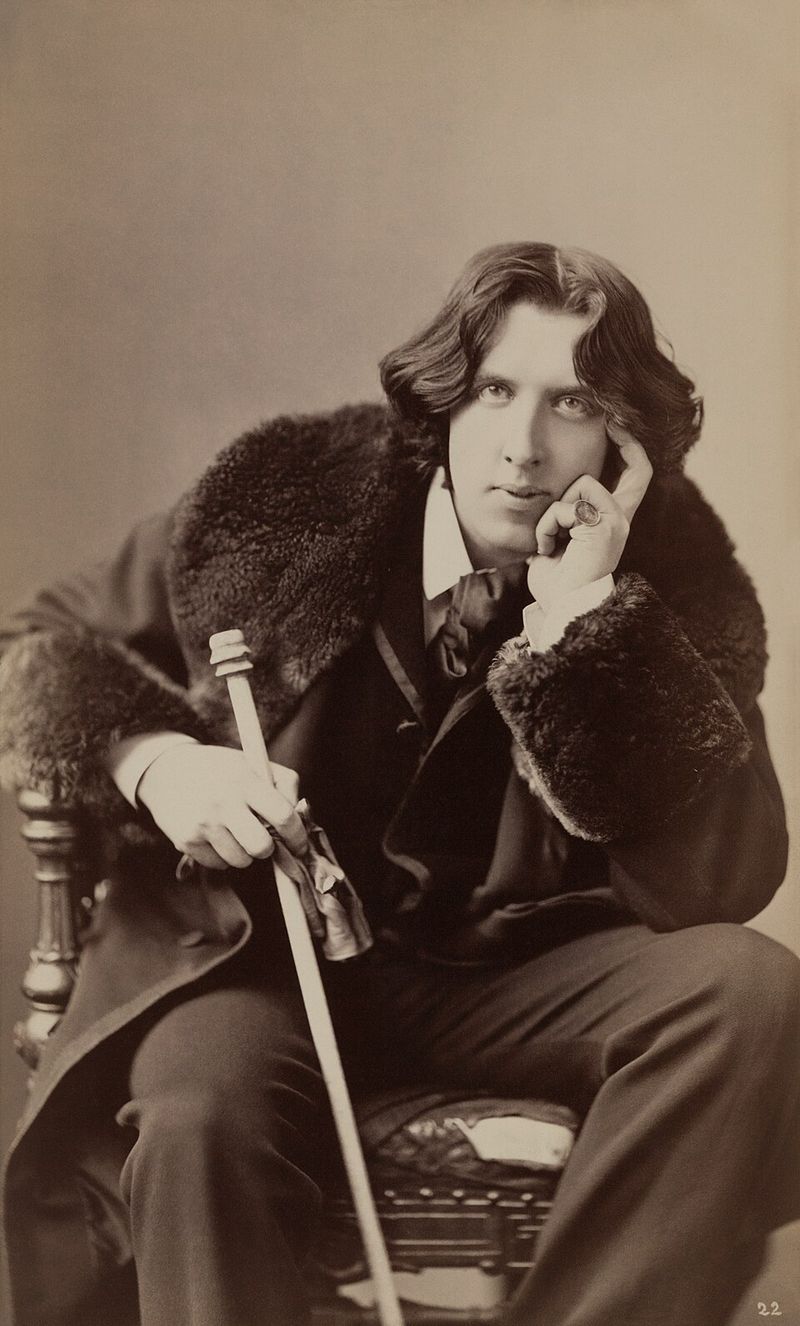
Oscar Wilde never lost his sharp tongue, not even on his deathbed. Lying in a cheap Paris hotel room in November 1900, he reportedly looked at the room’s garish wallpaper and quipped, “Either that wallpaper goes, or I do.” Wilde died shortly after, and the wallpaper, as far as history records, stayed.
The line is so perfectly Wilde that some historians suspect it may have been polished or invented after the fact. But whether he said it exactly that way or not, it has become one of the most celebrated last words in literary history.
It captures his wit, his love of beauty, and his refusal to take even death too seriously.
Wilde had fallen from great fame to poverty and exile in his final years. That he could still find the energy for a clever joke in his final hours says a great deal about his spirit.
For Oscar Wilde, the performance never really stopped.
11. George V of the United Kingdom (1936) – Requested a Proper News Announcement
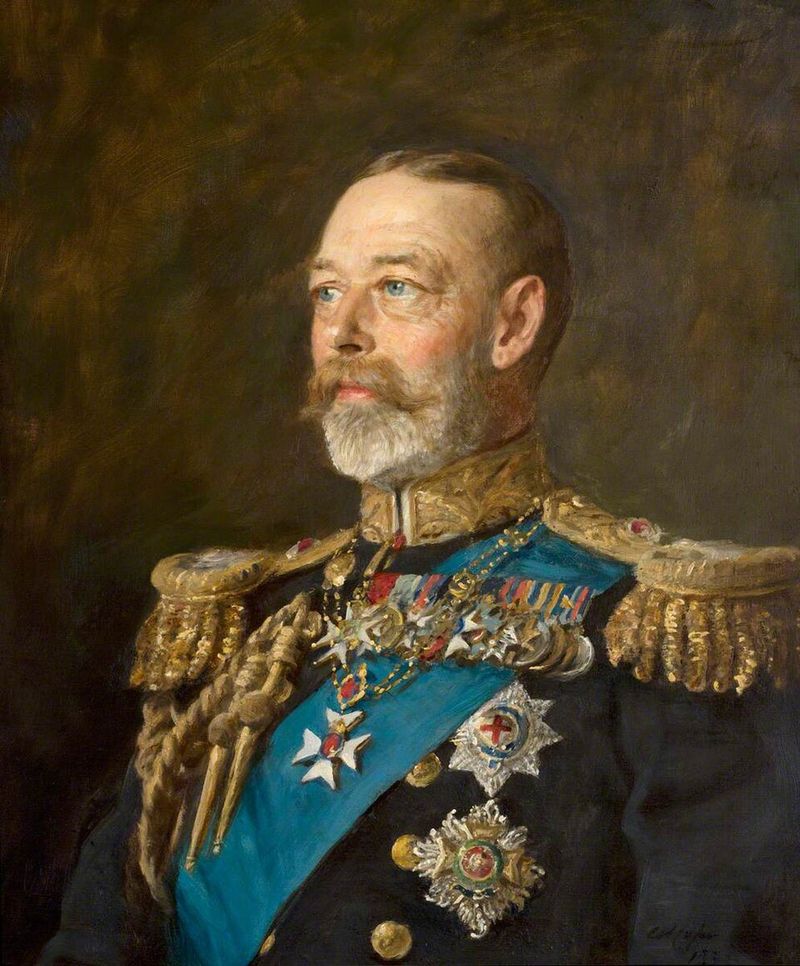
King George V of the United Kingdom died on January 20, 1936, but the timing of his death announcement turned out to be surprisingly managed. His physician, Lord Dawson of Penn, reportedly made sure the king’s passing would be announced in the morning edition of The Times rather than in a lesser evening paper.
Dawson actually noted this in his diary, revealing that the death was timed with the press in mind.
This request, or at least the decision made around it, was about preserving royal dignity. The Times was considered the most prestigious newspaper in Britain, and it was felt that the king deserved to have his death reported there first.
It was a very British concern about propriety, even at the moment of death.
The story became more complicated years later when Dawson’s diary revealed additional details about the circumstances of the king’s final hours. What seemed like a simple press preference turned out to be one of history’s more quietly controversial deathbed decisions.
12. Anton Chekhov (1904) – Asked for Champagne
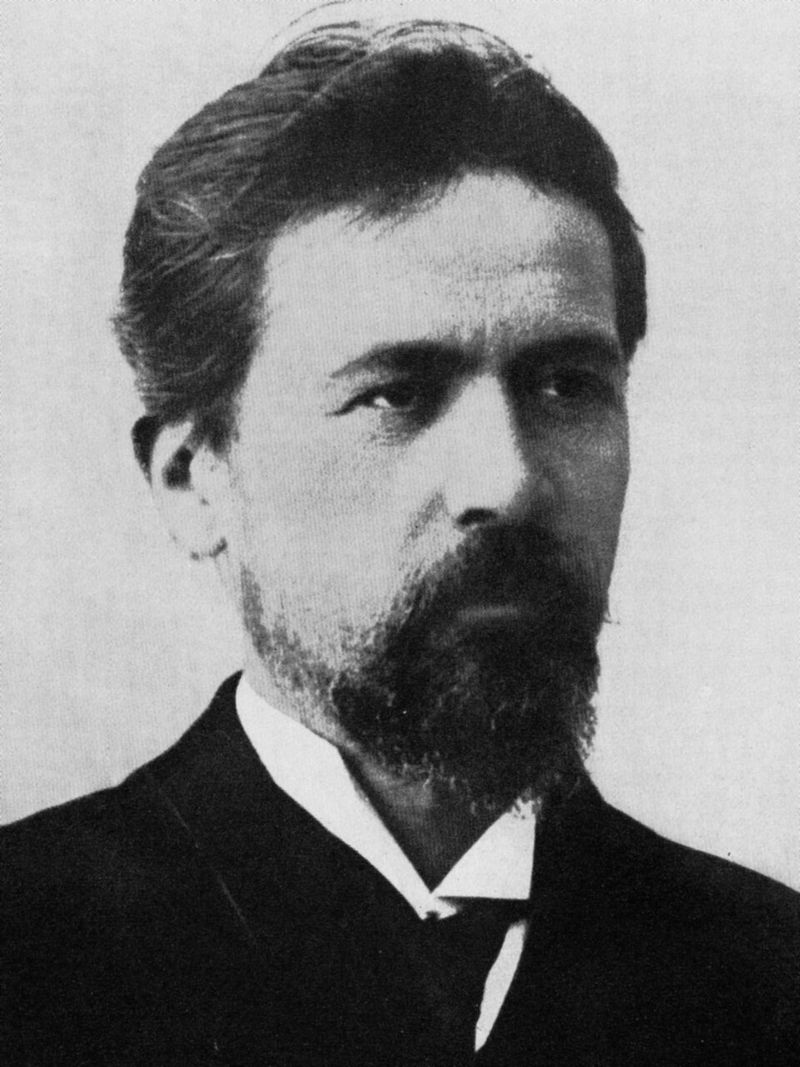
Anton Chekhov, one of the greatest short story writers and playwrights in history, faced death with a quiet kind of grace that almost seemed scripted from one of his own stories. On the night of July 14, 1904, a doctor was called to his room at a spa hotel in Badenweiler, Germany, where Chekhov was staying due to his worsening tuberculosis.
When the doctor arrived, Chekhov reportedly told him, “I am dying,” and then asked for a glass of champagne. He drank it slowly, lay back down, and passed away peacefully.
His wife, the actress Olga Knipper, was present and later described the moment as surprisingly calm and almost beautiful.
The story has become one of literature’s most famous deathbed scenes. There was no dramatic speech, no final lesson, just a man who loved life asking for one last small pleasure.
For Chekhov, that quiet dignity was entirely consistent with the understated humanity that filled all of his writing.
13. Benjamin Franklin (1790) – Asked to Change His Position in Bed
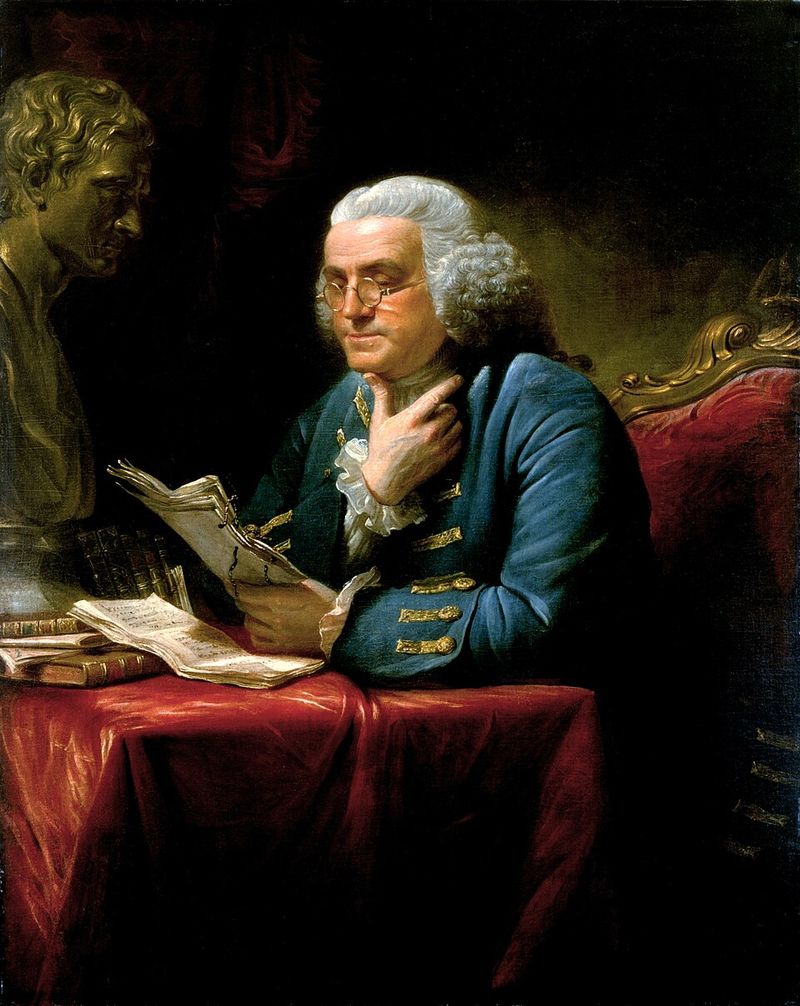
Benjamin Franklin, one of America’s founding fathers and one of the most inventive minds of the 18th century, spent his final days in Philadelphia suffering from pleurisy. When his daughter suggested he shift his position in bed so he could breathe more easily, he replied, “A dying man can do nothing easy.”
Before that exchange, he had reportedly asked to be moved so he could lie more comfortably. It was a small, practical request, very much in character for a man who spent his life solving everyday problems with clever solutions.
Even at 84, Franklin was thinking about efficiency and comfort rather than grand final speeches.
Franklin died on April 17, 1790, and was mourned across two continents. His final exchange is remembered not because it was dramatic, but because it was so perfectly him: practical, a little wry, and completely human.
For a man of such enormous legacy, a simple request to shift positions feels just right.
14. Joan Crawford (1977) – Asked Her Housekeeper Not to Pray
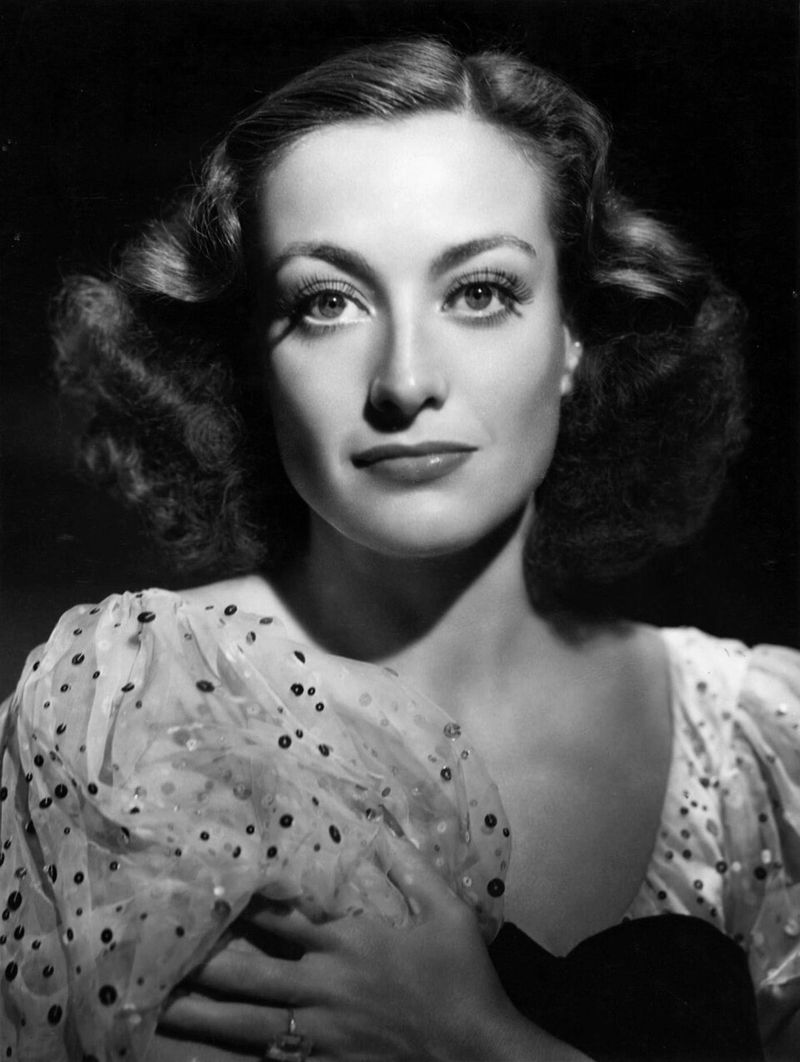
Joan Crawford was known throughout her career for being fiercely in control, on screen and off. Even in her final moments, that iron will did not waver.
When her housekeeper began praying aloud by her bedside, Crawford reportedly snapped, “Don’t you dare ask God to help me.”
She died shortly after, on May 10, 1977. The quote has been repeated countless times since, partly because it sounds so completely like Crawford and partly because it raises interesting questions about faith, pride, and the desire to face the end on your own terms.
Whether she meant it as defiance or simply did not want the fuss, no one can say for certain.
Crawford’s life was full of contradictions, great glamour alongside reported cruelty, enormous success alongside personal turmoil. Her final words fit neatly into that complicated picture.
Even facing death, she refused to let anyone else take the wheel. That stubbornness, for better or worse, defined her until the very last breath.
15. Sir Walter Raleigh (1618) – Asked to Inspect the Executioner’s Axe
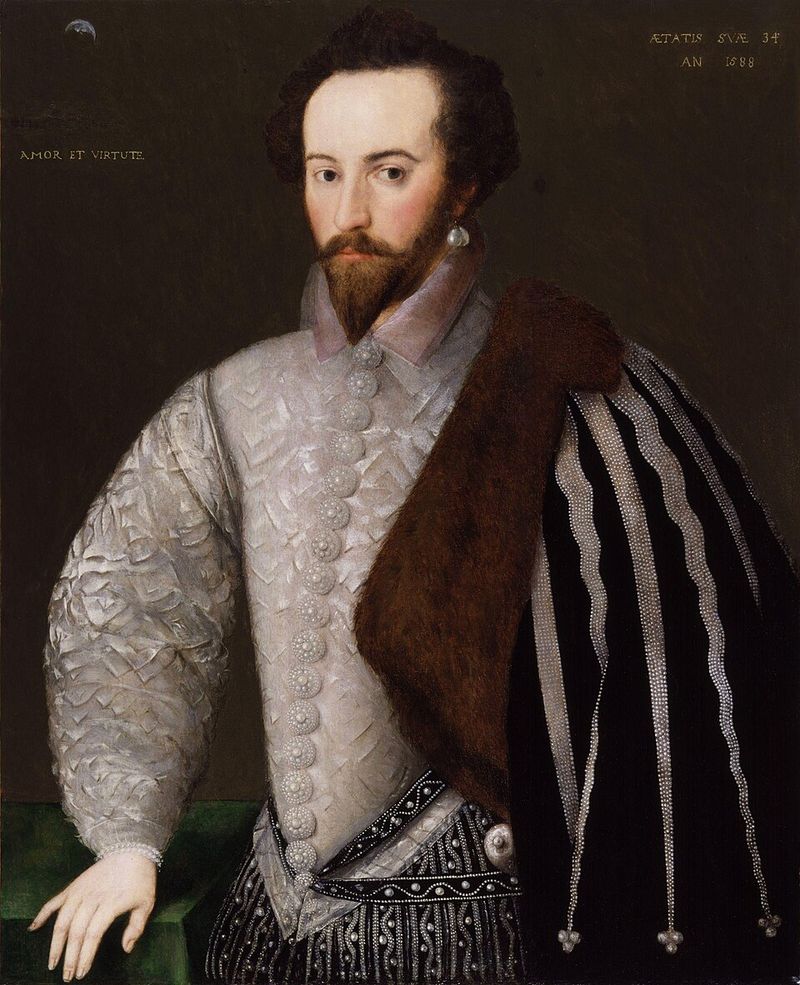
Sir Walter Raleigh, the English explorer, poet, and courtier, was executed on October 29, 1618, after years of imprisonment in the Tower of London. Before placing his head on the block, he asked to examine the executioner’s axe.
He ran his thumb along the blade, nodded, and reportedly said, “This is a sharp medicine, but it is a physician for all diseases.”
The moment was both darkly humorous and deeply brave. Raleigh was facing death after a lifetime of adventure, political intrigue, and royal favor followed by royal betrayal.
Rather than beg for mercy or break down, he chose to face the axe with wit and composure.
Witnesses at the execution described him as calm and even cheerful. When someone suggested he should face east toward Jerusalem as he knelt, Raleigh reportedly replied that it did not matter which way the heart pointed as long as it pointed toward God.
His final request to inspect the axe remains one of history’s most composed and memorable exits.
Share this story