American food history is full of names that never made it into textbooks, and that is a problem worth fixing. Behind many of the dishes, techniques, and food systems that feel ordinary today, there are Black innovators, chefs, farmers, and inventors whose contributions shaped what lands on your plate.
Some of them cooked for presidents. Others rebuilt farming communities, invented machines, or wrote cookbooks that preserved knowledge that might otherwise have been lost.
This list brings together 6 people whose work still echoes through American kitchens, grocery stores, restaurants, and farms, and whose stories deserve far more attention than they usually get.
George Washington Carver Changed Southern Agriculture Through Peanuts And Crop Rotation
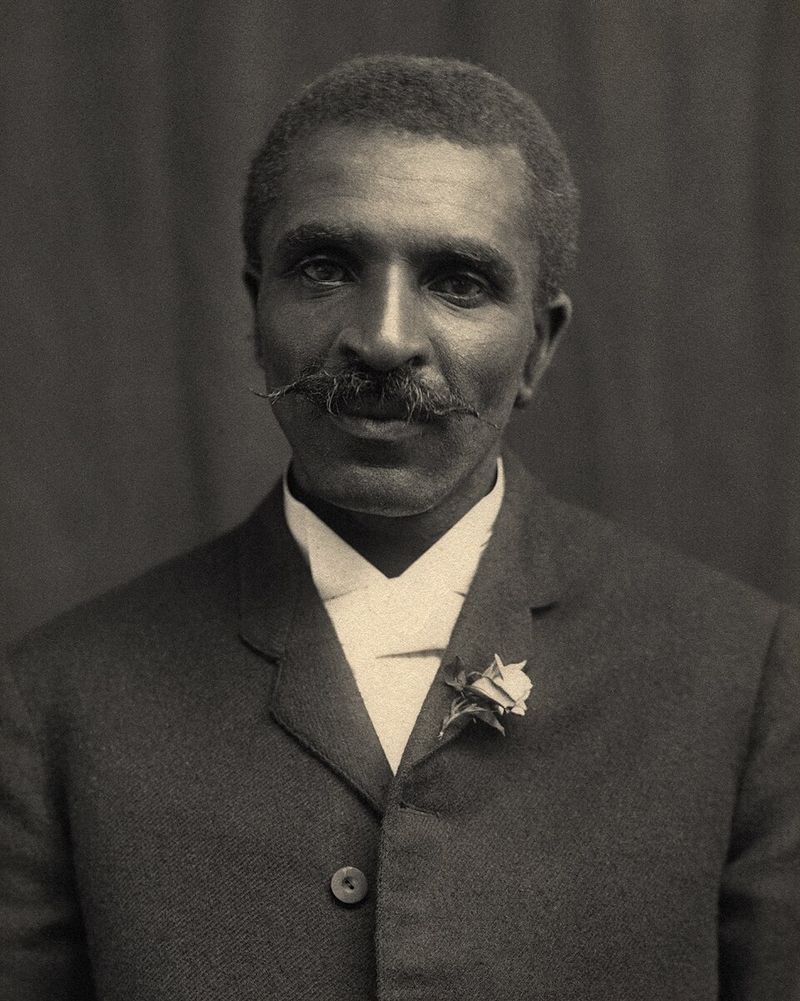
Most people learn that George Washington Carver loved peanuts, but the real story is about soil. Decades of cotton farming had stripped Southern land of nutrients, leaving many farmers with fields that could barely produce a harvest.
Carver, working at Tuskegee Institute, promoted crop rotation using soil-enriching plants like peanuts and sweet potatoes to restore what cotton had taken away. He also published practical agricultural bulletins written in plain language so everyday farmers could actually use the advice.
One common myth is that Carver invented peanut butter. He did not.
But he did help make peanuts a serious agricultural crop in the South, which changed what farmers grew and what families ate. His work was less about any single food and more about teaching communities how to survive and rebuild through smarter farming.
That kind of thinking still matters in conversations about soil health and food security today.
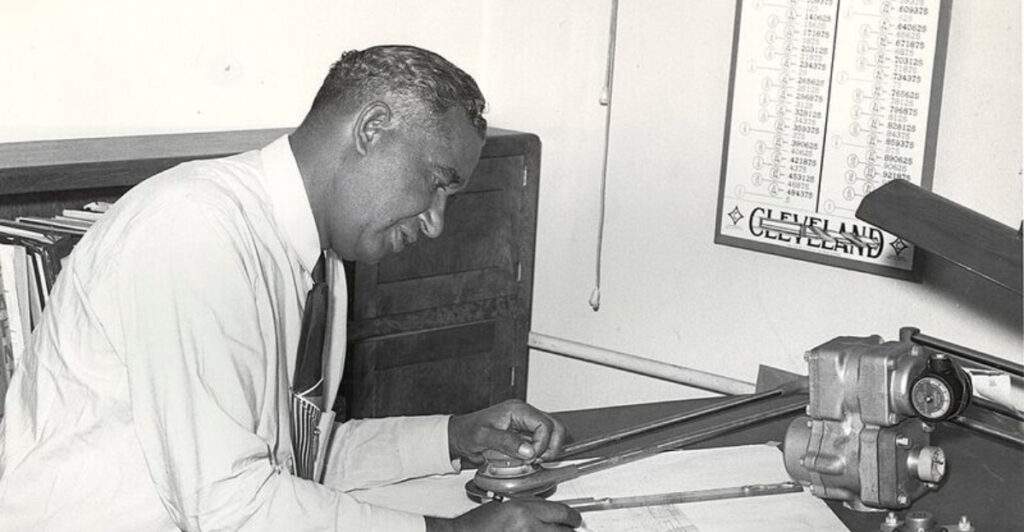
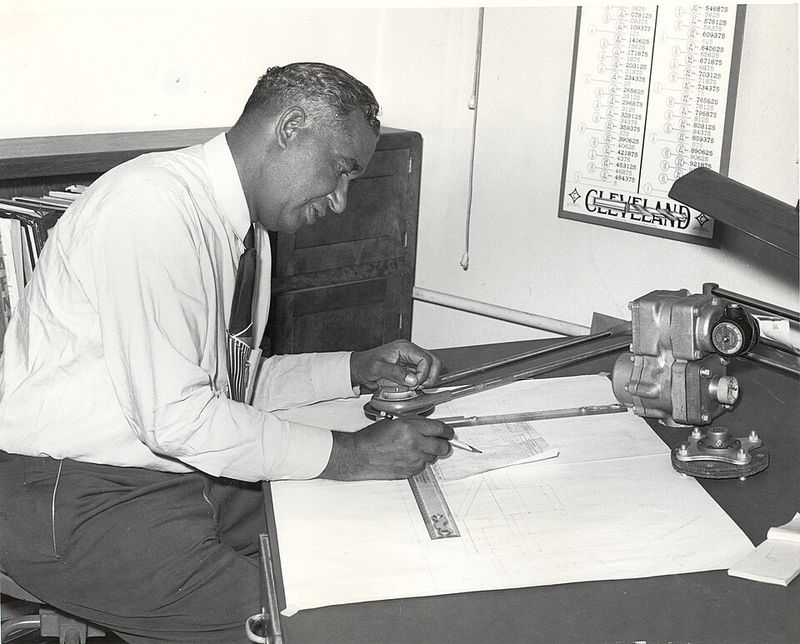
Frederick McKinley Jones Made Fresh Food Travel Farther
Think about the last time you bought fresh strawberries in winter or found a full seafood counter at a grocery store far from the coast. That kind of access did not happen by accident.
Frederick McKinley Jones helped make it possible by developing practical mobile refrigeration technology that allowed perishable foods to travel long distances without spoiling. His work transformed how meat, dairy, produce, and frozen goods moved from farms and processors to stores, hospitals, and military supply chains.
Jones co-founded Thermo King and held numerous patents across his career. His contributions reshaped the entire cold-chain system that modern food distribution depends on.
Before his innovations, fresh food access was far more limited by geography and season. His legacy shows up in supermarket aisles every single day, even if his name is rarely printed on the packaging.
Jones is one of those inventors whose work became so embedded in daily life that people stopped noticing it was ever invented at all.
Leah Chase Turned Dooky Chase’s Into A Creole And Civil Rights Landmark
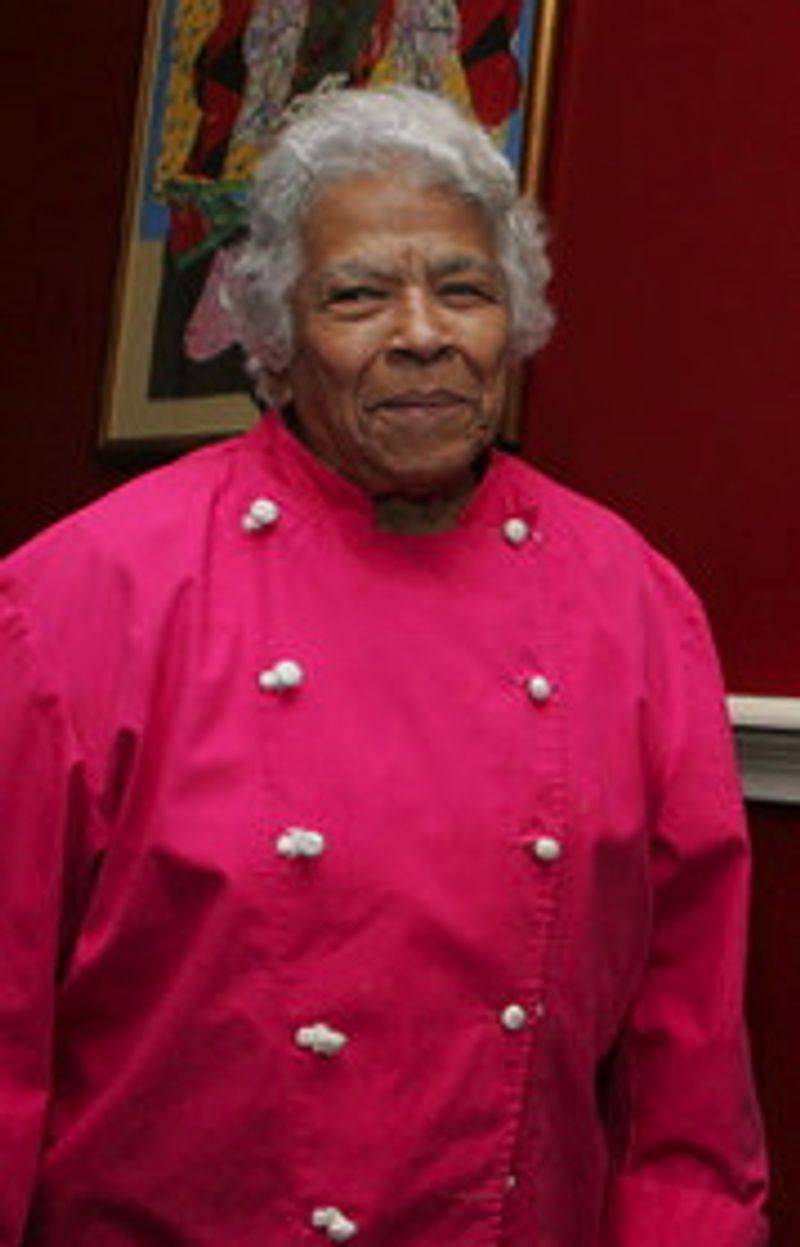
Leah Chase did not just run a restaurant. She ran one of the most important gathering places in New Orleans during one of the most turbulent periods in American history.
Dooky Chase’s Restaurant began as a family po’boy and lottery shop in 1941 before Chase helped transform it into a full sit-down restaurant and cultural institution.
During the Civil Rights Movement, Dooky Chase’s was one of the few places in segregated New Orleans where mixed-race groups could meet legally and safely. Freedom Riders, NAACP members, and organizers found a home there.
The restaurant’s official history documents this role clearly.
Chase was also a serious chef known for her Creole cooking, and she became one of the most recognized culinary figures in Louisiana. Presidents visited.
Artists came. The food was the anchor, but the space meant something larger.
Dooky Chase’s is still operating today, continuing to serve the city Chase spent her life feeding and protecting.
Norbert Rillieux Made Sugar Refining Safer And More Efficient
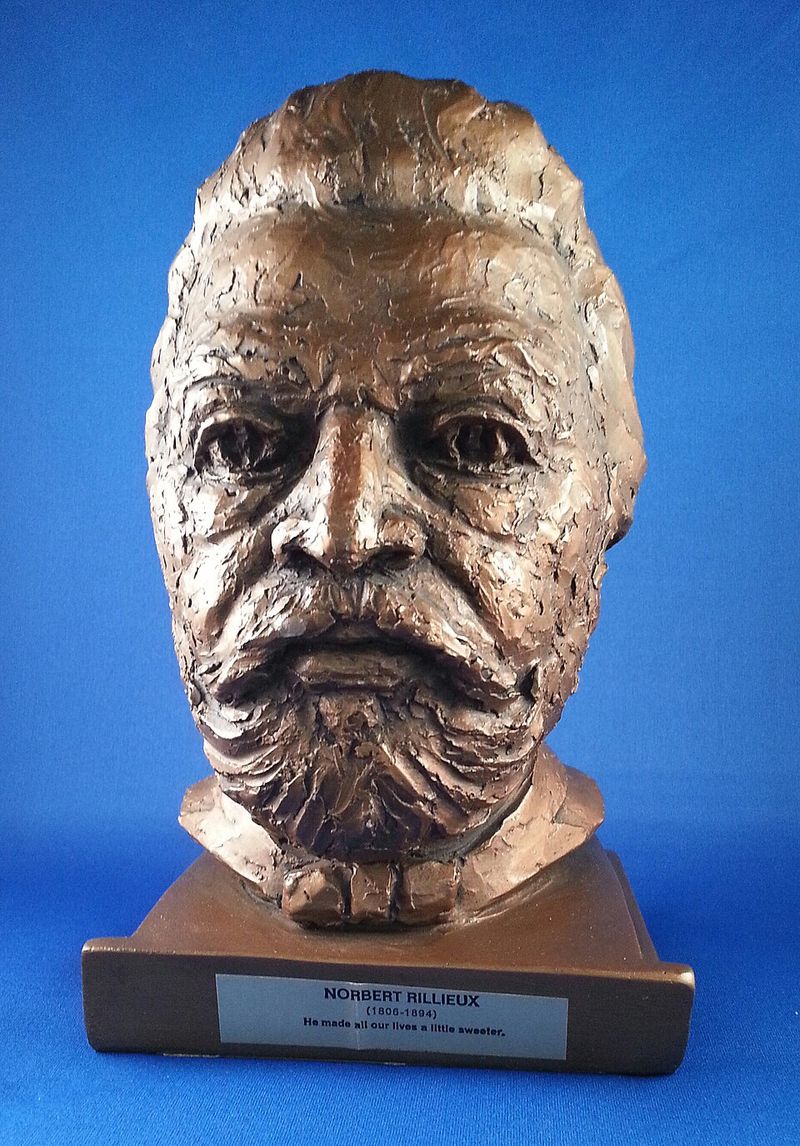
Sugar is one of the most common ingredients in American kitchens, and Norbert Rillieux is one of the main reasons it became so widely available and affordable. His invention of the multiple-effect evaporator under vacuum transformed the way sugarcane juice was processed into refined sugar.
The American Chemical Society recognizes Rillieux as one of the earliest chemical engineers in American history and credits his system with making sugar refining safer, more efficient, and less wasteful. Before his innovation, the process was physically dangerous and often inconsistent.
Rillieux was born in New Orleans in 1806 to a French engineer father and an enslaved mother. He studied engineering in Paris and returned to Louisiana to apply his training.
His invention had a direct effect on the sugar industry across the American South and beyond, lowering production costs and improving quality. Every bag of refined sugar in a grocery store carries a trace of the engineering problem he solved more than 170 years ago.
Alfred L. Cralle Invented The Ice Cream Scoop And Changed Dessert Service Forever
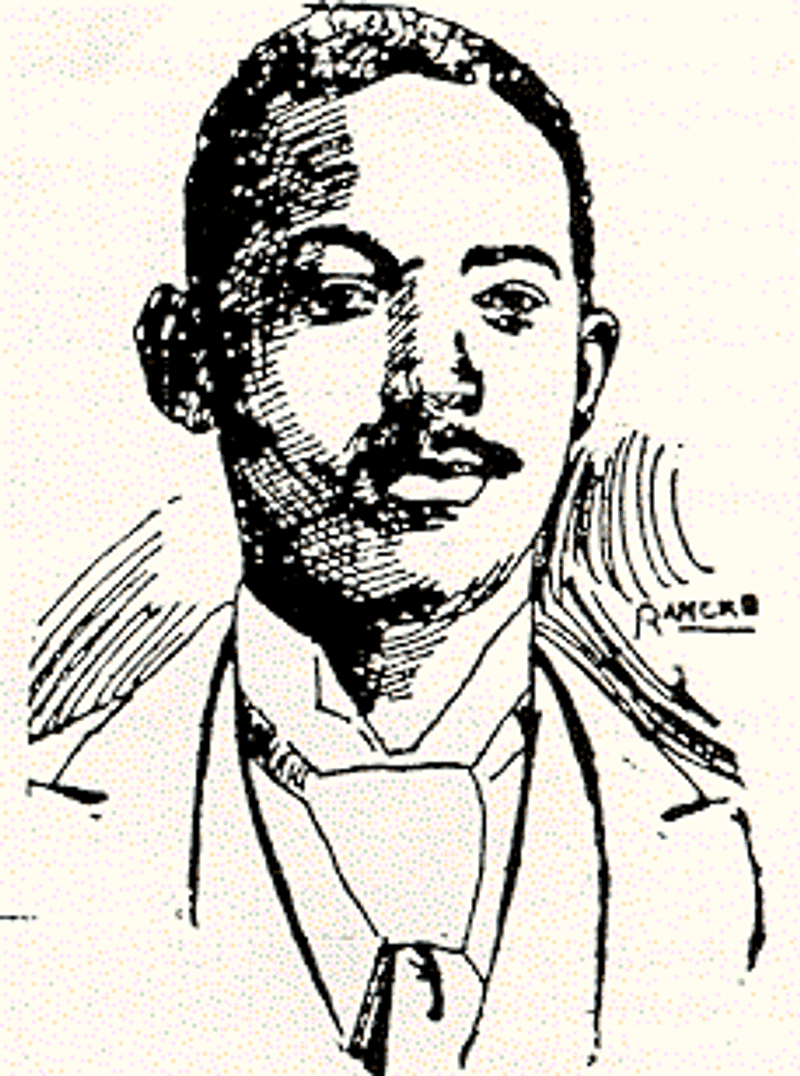
Few kitchen tools are as universally recognized as the ice cream scoop, and Alfred L. Cralle is the man who patented it.
In 1897, Cralle received a patent for an ice cream mold and disher, a mechanical device designed to scoop and release ice cream cleanly without sticking to the server’s hand or requiring a second tool.
Before his invention, serving ice cream was a messier, slower process. Cralle’s design solved a practical problem in a simple, elegant way, and it became the model for the scoops used in parlors, restaurants, and home kitchens ever since.
Cralle was a Pittsburgh businessman who identified a real gap in how a popular dessert was being served and built a tool to fix it. His patent is documented and verifiable, yet his name rarely comes up in conversations about American food history.
The next time someone serves a clean, perfectly rounded scoop of ice cream, that moment has Cralle’s ingenuity behind it.
James Hemings Helped Bring French Technique Into Early American Cooking
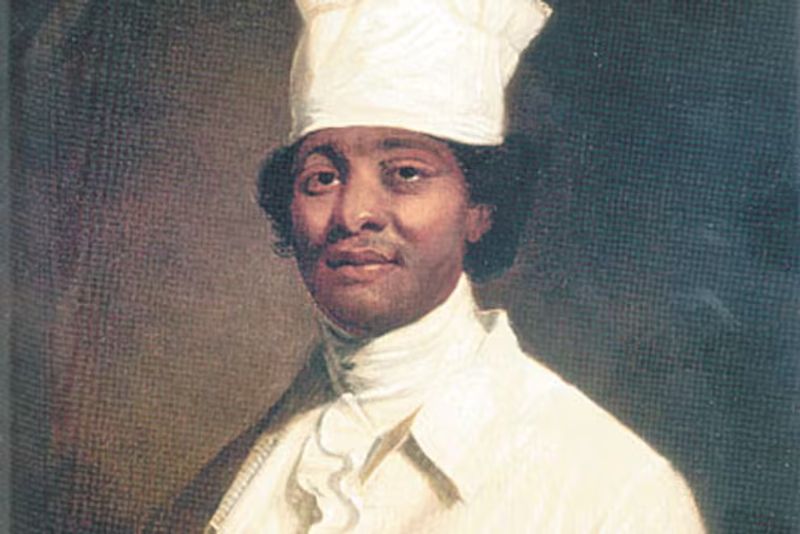
James Hemings trained as a chef in Paris during the 1780s while accompanying Thomas Jefferson on a diplomatic trip to France. Monticello’s historical records describe him as Jefferson’s head chef for seven years, working across households in Paris, New York City, and Philadelphia.
His French culinary training had real consequences for American food. Hemings is credited with helping introduce dishes like macaroni and cheese, ice cream preparations, and French cooking methods into the American dining tradition.
These were not minor additions. They became embedded in how Americans ate for generations.
Yet Hemings was enslaved, which means he mastered an entire professional culinary tradition under conditions that gave him no legal freedom. His story complicates the way famous dishes get remembered.
Credit tends to follow power, not skill. Hemings negotiated his freedom in 1796 on the condition that he train a replacement chef.
He deserves recognition as one of the most technically accomplished cooks in early American history.
Share this story