Towering giraffes, majestic tigers, playful lemurs, guided wildlife tours, and unforgettable up-close animal encounters have made this small Kansas zoo one of the state’s most surprising family attractions. Visitors come for hands-on experiences, knowledgeable guides, exotic animals from around the world, safari-style adventures, and the chance to connect with wildlife in ways that few larger zoos can offer. It’s the kind of place where every stop reveals another remarkable animal just a few feet away.
The experience extends far beyond the exhibits. Family ownership, a commitment to endangered species conservation, interactive VIP encounters, peaceful countryside surroundings, and more than 100 animal species have helped this wildlife sanctuary earn a devoted following among animal lovers of all ages. Every visit offers another opportunity to learn, explore, and create memories that last long after the tour ends.
Here’s why Safari Zoological Park has become one of Kansas’ most unique attractions and a must-visit destination for anyone who loves extraordinary wildlife experiences.
Where Exactly This Zoo Calls Home
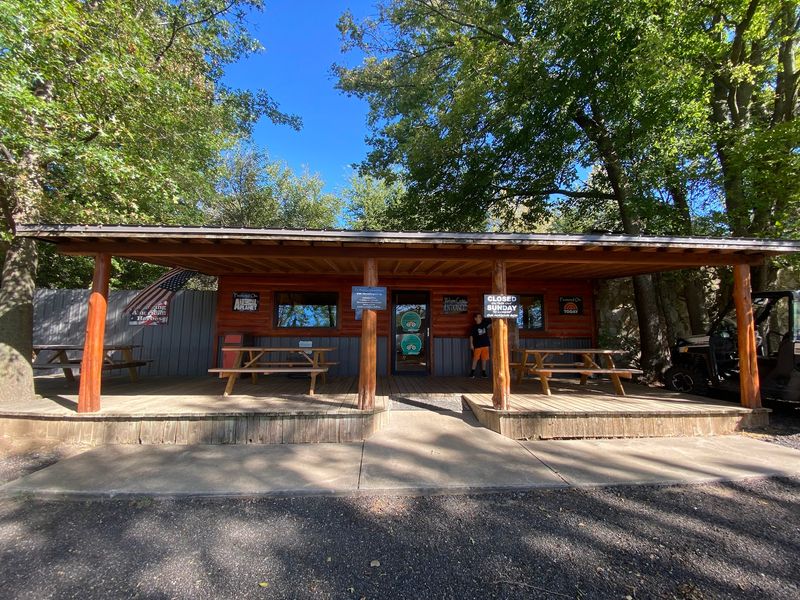
A small zoo tucked into the rolling countryside of southeastern Kansas is not something most road-trippers expect to find, but Safari Zoological Park at 1751 A County Rd 1425, Caney, Kansas 67333, is exactly that kind of wonderful surprise. Caney sits in Montgomery County, a quiet corner of the state that most people drive through without stopping.
The park is family-owned and has roots going back to 1989, when it was formally established as a refuge for endangered species. It opened its gates to the public around 1997, and it has been growing steadily ever since.
The setting feels rural and unhurried, which actually adds to the experience. There are no massive crowds, no confusing parking structures, and no long lines snaking around concrete corridors. What you get instead is a relaxed, personal atmosphere where the focus stays entirely on the animals and the people who love them.
The Story Behind This Family-Run Sanctuary
Not every zoo starts with a grand plan. Safari Zoological Park began as a personal animal collection that gradually grew into something far bigger than anyone likely expected. By 1989, it was formally organized as a refuge focused specifically on protecting endangered species.
That conservation-first mindset shapes everything about how the park operates today. The animals are not just attractions; they are residents who receive dedicated, round-the-clock care from a team that genuinely treats this work as a calling rather than a job.
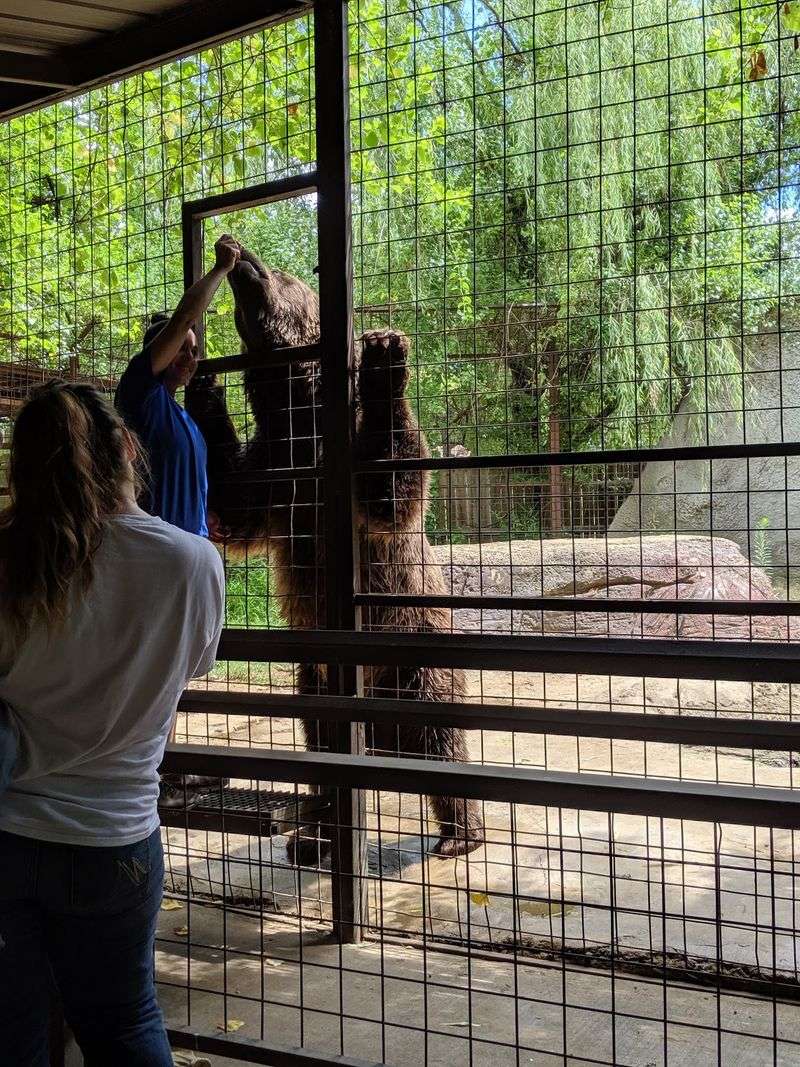
The family ownership structure keeps things refreshingly personal. There is a warmth here that large institutional zoos rarely manage to replicate, and you feel it the moment you arrive. The owner himself is known for memorable moments with the animals, including a legendary interaction with the park’s bear that has become a highlight guests talk about long after they head home. That kind of hands-on dedication is rare, and it shows in every corner of the park.
Over 100 Species Packed Into One Compact Park
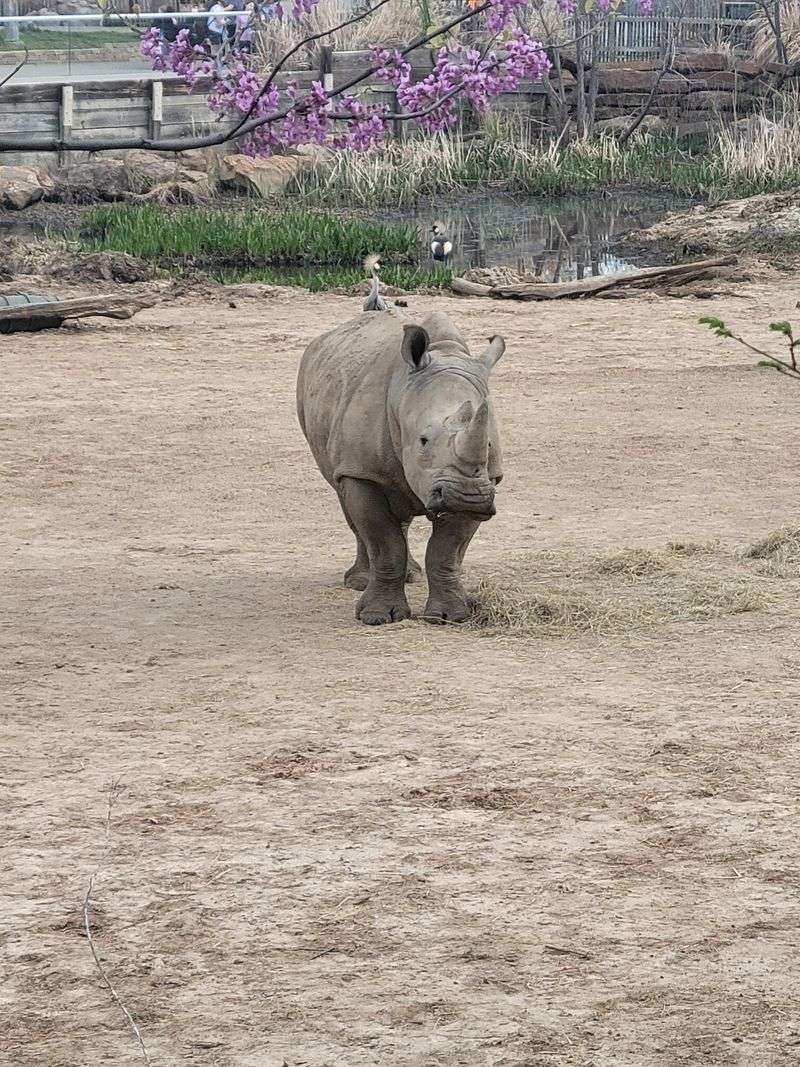
For a small-town zoo, the species count here is genuinely impressive. Safari Zoological Park is home to approximately 100 species, and the variety covers an enormous range of the animal kingdom.
Large cats like lions and tigers share the grounds with bears, wolves, foxes, and primates. Giraffes stretch their necks above the tree line while sloths hang in slow-motion contentment nearby. Lemurs, anteaters, and tropical birds fill in the gaps with color and personality.
What makes this variety feel special is that the enclosures are designed to reflect natural habitats as closely as possible. Nothing feels like an afterthought. Each exhibit is thoughtfully arranged so animals have space to behave naturally, and guests can observe them at a genuinely close range.
With over 24 distinct animal exhibits on the property, a single two-hour tour covers a remarkable amount of ground. You leave feeling like you have traveled across multiple continents without ever boarding a plane.
The Guided Tour That Changes Everything
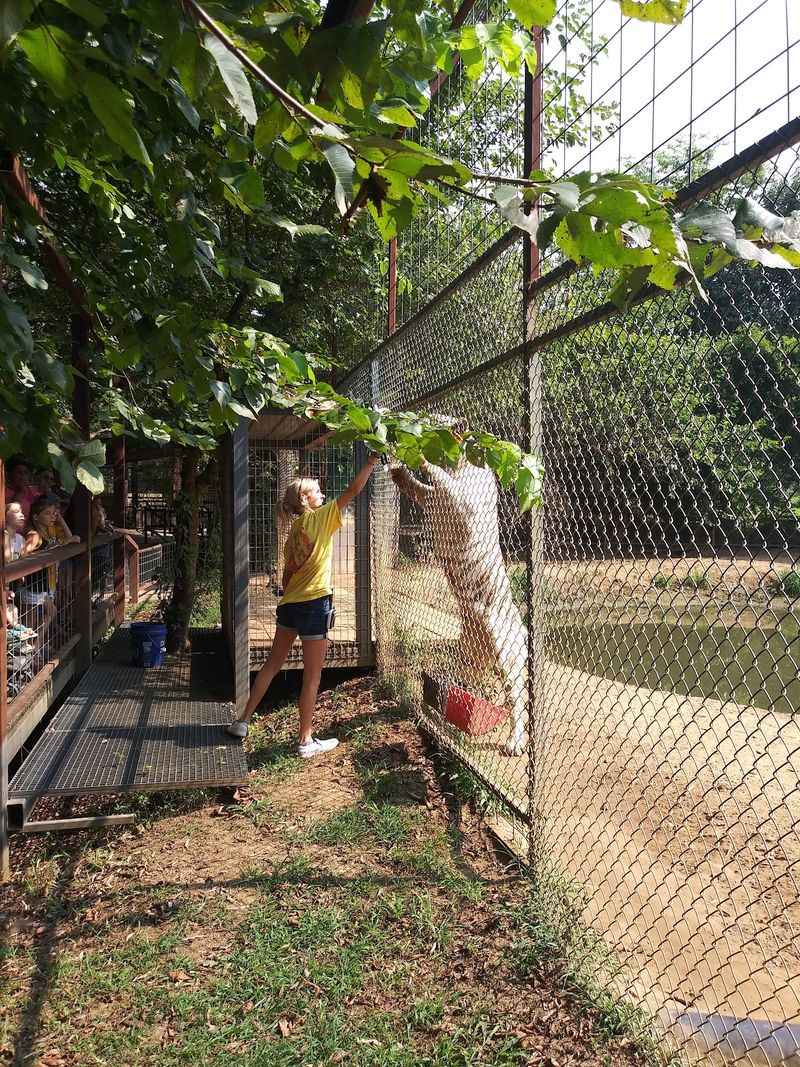
A self-guided stroll through a zoo can be enjoyable, but the guided tours at Safari Zoological Park operate on a completely different level. Each tour runs approximately two hours and is led by knowledgeable staff who clearly love what they do.
The guides share detailed information about each species, covering diet, behavior, natural habitat, and conservation status in a way that feels conversational rather than like a lecture. Questions are welcomed enthusiastically, and no one feels rushed.
The closeness to the animals during the tour is the part that catches most visitors off guard. You are not peering through distant barriers or squinting at something far away. The proximity is real, and it creates moments that stick with you long after the drive home.
Tour guides have even been known to crack a well-timed joke or two, keeping the energy light and fun for guests of all ages. The combination of humor, expertise, and genuine animal access makes this tour format hard to beat.
Standing Eye to Eye With a 600-Pound Tiger
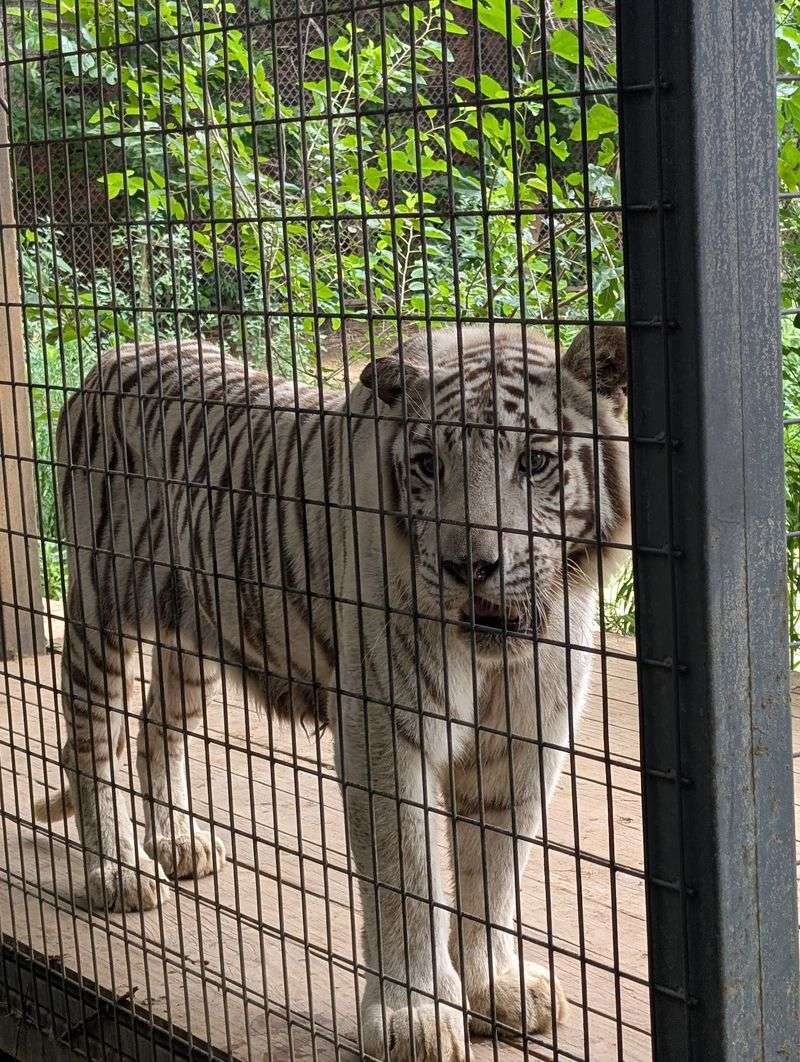
There is a specific moment that almost every visitor mentions when describing their time at Safari Zoological Park, and it involves a tiger. At roughly 600 pounds, the big cats here are not shy, and the setup allows guests to get close enough to feel the full weight of that encounter.
Looking a tiger in the eyes from just a short distance away is a genuinely different experience from watching one pace behind thick glass at a conventional zoo. The sounds, the presence, and the sheer size of the animal land differently when the space between you is minimal.
Lions and cougars also make their voices heard during tours, and the calls carry across the park in a way that reminds you exactly where you are. Hyenas add their unmistakable sounds to the mix, creating a sensory experience that no video can fully capture.
If large cats are what draw you to zoos in the first place, this park will give you more than you bargained for.
The VIP Experience That Lets You Hold the Animals
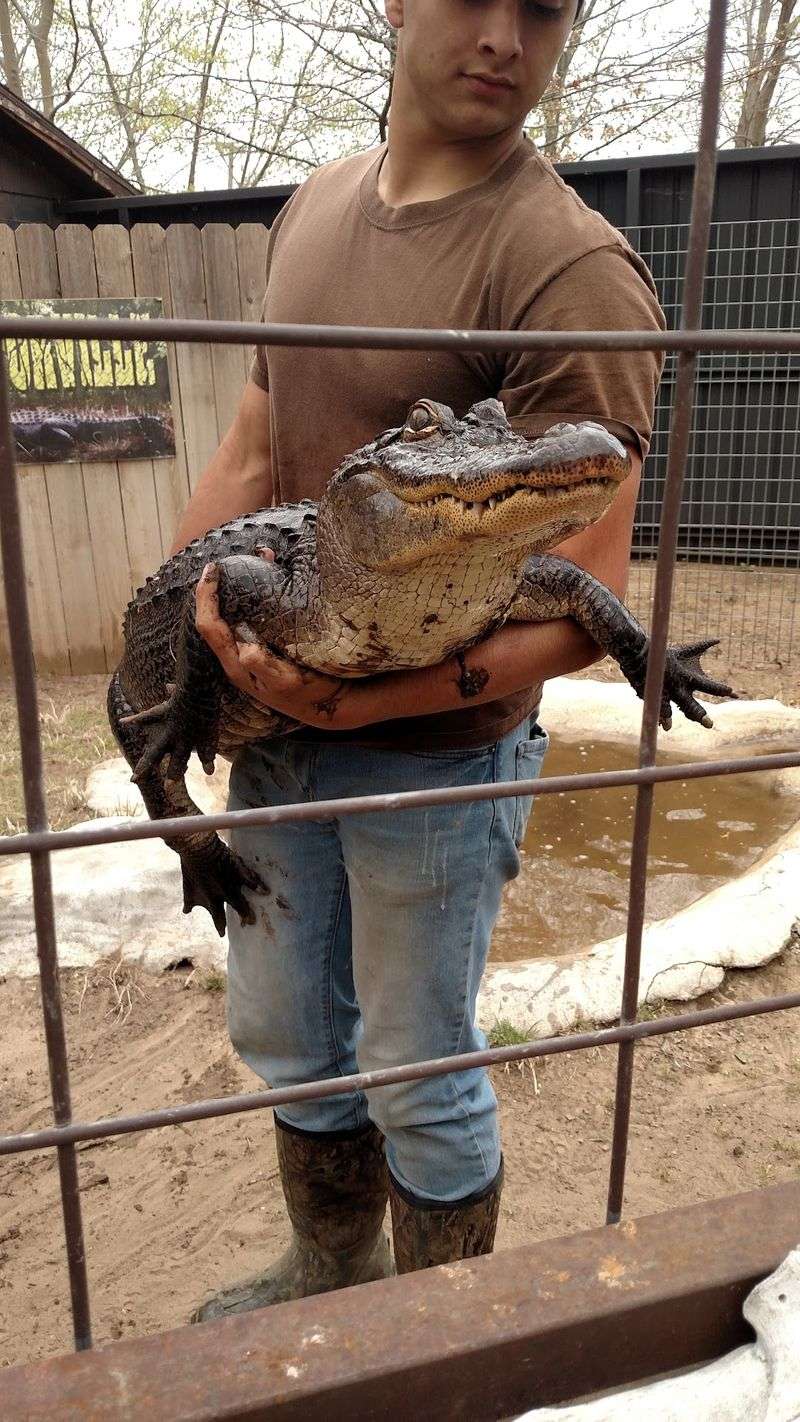
Standard admission gets you an already impressive tour, but the VIP packages take the experience to a whole new level. Starting at around $30, these upgraded options include a feed sack for interactive animal feeding and hands-on encounters with some of the park’s friendliest residents.
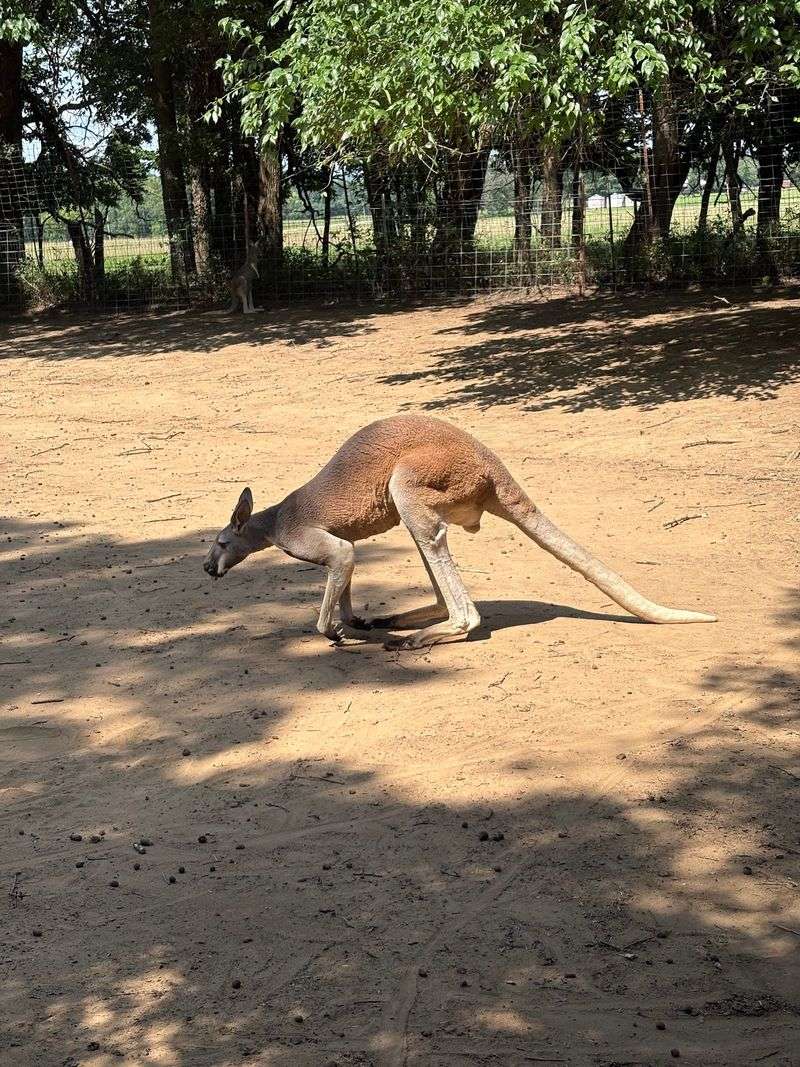
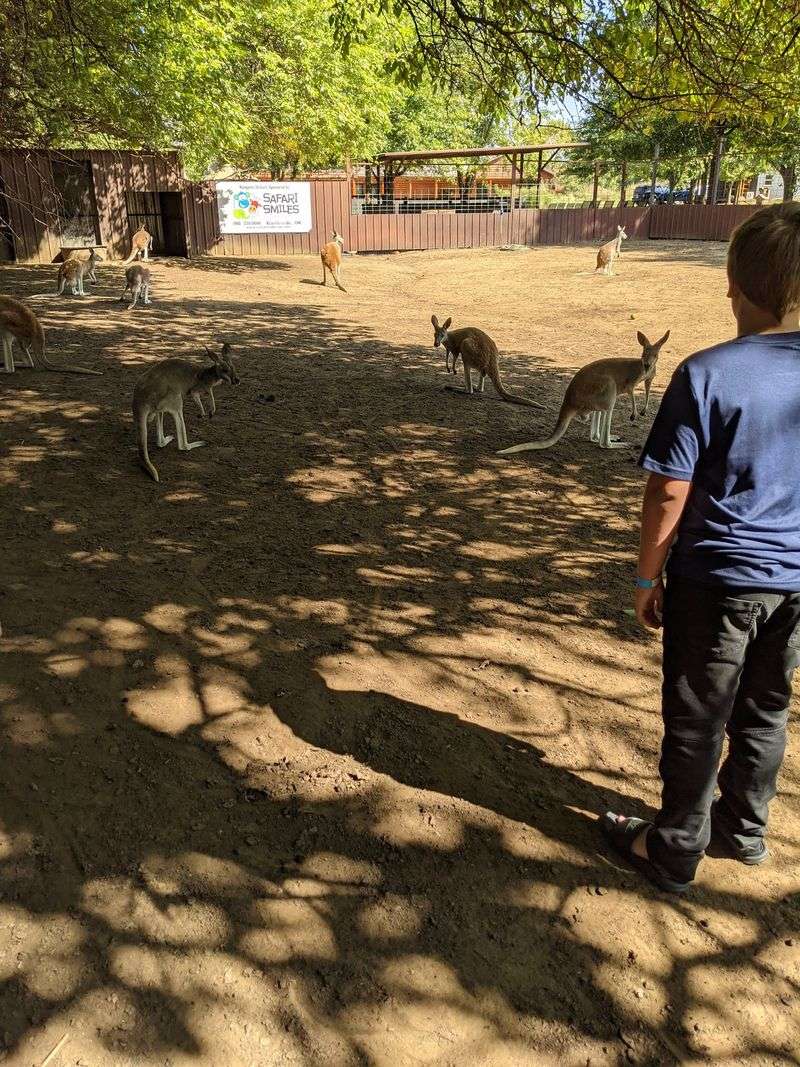
Guests have held lizards, bearded dragons, snakes, lemurs, baby kangaroos, and even alligators during these sessions. Hedgehogs and giant tortoises also make appearances, offering photo opportunities that look almost unbelievable when you show them to friends later.
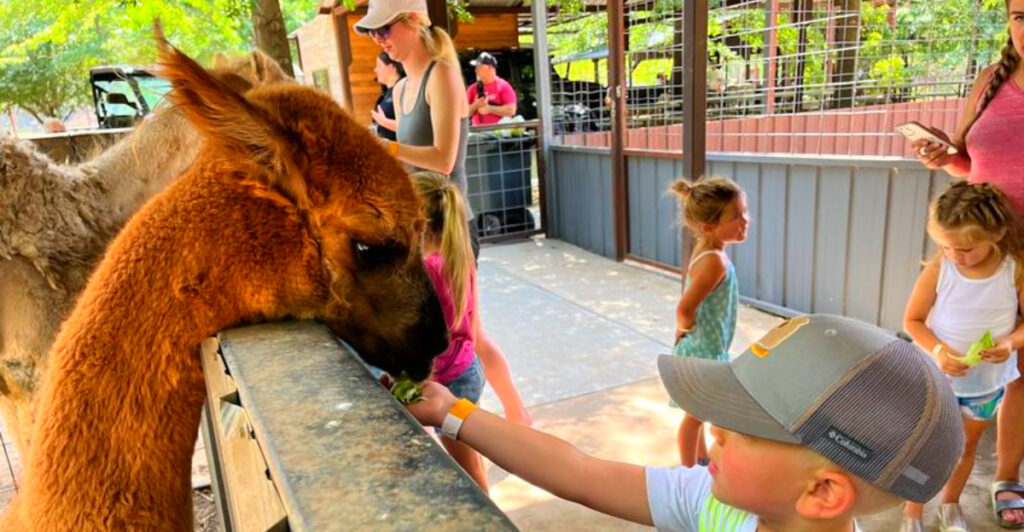
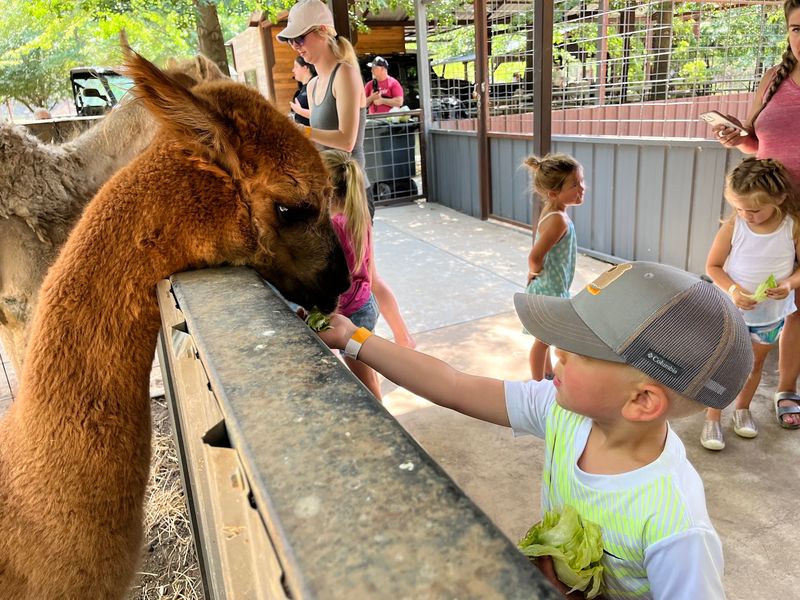
Feeding animals is another highlight included in select packages. Sloths, it turns out, are enthusiastic fans of sweet potatoes, and watching one come to life for a snack is one of those unexpectedly charming moments that you simply cannot plan for.
The extra cost is consistently described as money well spent by families who splurge on the upgrade. The memories created during these hands-on sessions are the kind that children and grandparents alike end up talking about for years afterward.
Wells Drive and the Safari-Style Road Experience
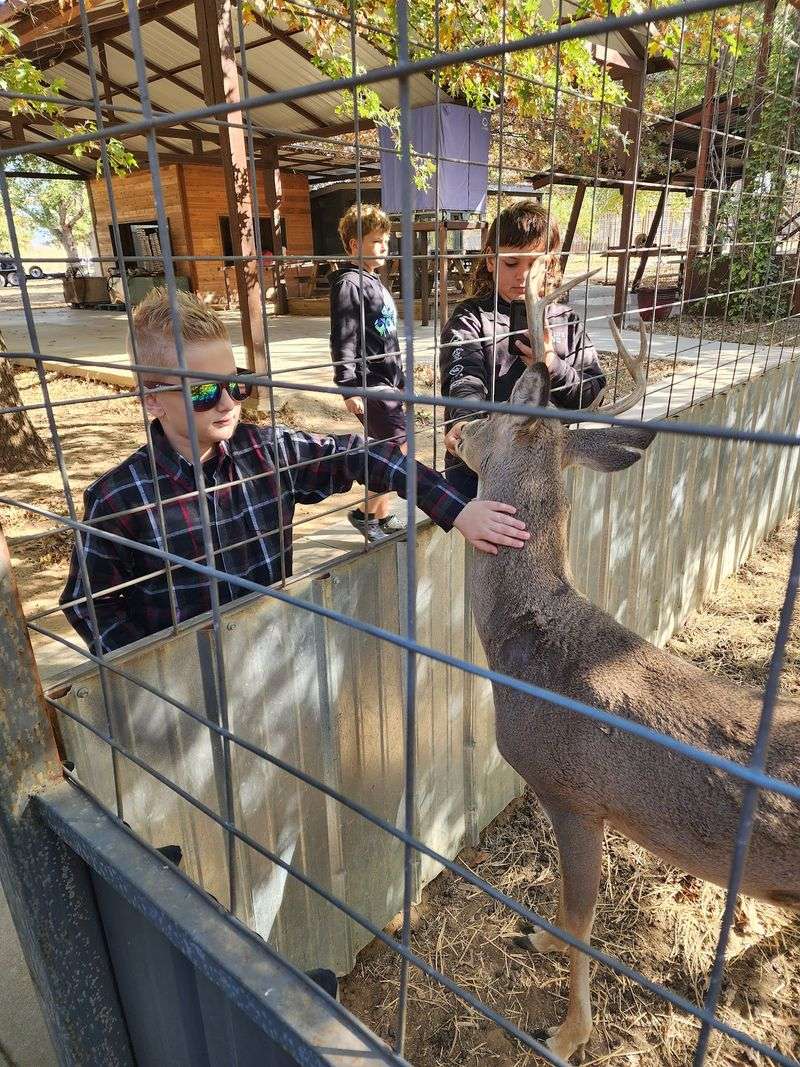
One of the most distinctive features at Safari Zoological Park is a section called Wells Drive, and it delivers something genuinely different from the rest of the tour experience. This one-way road allows guests to drive their own vehicles slowly past exhibits featuring bison, elk, llama, deer, and other hoofstock.
The animals are kept safely behind fencing, but the drive-through format creates a safari-like atmosphere that feels miles away from a traditional zoo visit. Rolling down your window and watching a bison graze just a short distance from your car has a calming, almost cinematic quality to it.
For families with young children who might be getting restless after a long walking tour, Wells Drive offers a welcome change of pace. Everyone gets to stay comfortable while still enjoying close views of large, impressive animals.
It is also a great spot for photography, since the open sightlines and natural surroundings make for cleaner, more dramatic images than you typically get in enclosed exhibit areas.
How the Park Keeps Animals Happy and Healthy
Animal welfare sits at the center of everything Safari Zoological Park does. The enclosures are designed to reflect each species’ natural environment as closely as possible, which means animals have room to move, explore, and behave in ways that feel authentic rather than performative.
The staff’s knowledge of each animal goes well beyond basic facts. They understand individual personalities, feeding preferences, and behavioral quirks that come only from years of daily care. That depth of familiarity is visible during every tour, where guides speak about the animals with the kind of affection usually reserved for pets.
The facilities are consistently noted for being clean and well-maintained, which reflects a genuine commitment to quality rather than just appearance. A park with animals this diverse requires constant effort behind the scenes, and the team here puts in that work every single day.
Admission fees go directly toward the animals’ care, so every ticket purchased contributes to keeping this sanctuary running and expanding.
Ticket Prices, Hours, and What to Know Before You Go
Planning ahead makes a real difference at Safari Zoological Park. Adult admission is $14.95, seniors over 60 and children aged 2 to 12 pay $12.95, and children under 2 as well as adults over 90 get in free. Military discounts are available, which is a thoughtful touch.
VIP packages start at $30 and typically include a guided tour plus a feed sack for interactive animal experiences. A parking fee of approximately $5 may also apply, so bringing a little extra cash is a good idea.
The park operates Monday through Saturday from 10 AM to 2 PM and is closed on Sundays. Hours are relatively short, so arriving early is strongly recommended, both to see the animals at their most active and to make the most of the full two-hour tour.
One important note: the park may not open during bad weather, so calling ahead at +1 620-515-2886 before making the drive is always a smart move.
Tips for Getting the Most Out of Your Visit
A few practical details can turn a good visit into a great one. Comfortable walking shoes are a must, since the tour covers varied terrain and the grounds require a fair amount of movement across different exhibit areas.
Bringing a camera or making sure your phone is fully charged is highly recommended. The photo opportunities here are unlike anything you will find at a conventional zoo, especially during feeding times and VIP animal encounters. The closeness of the animals makes for images that actually look dramatic rather than distant and blurry.
Guests are welcome to bring picnics, and the park has designated areas including a Tree House where families can relax between tour segments. That option makes it easy to turn the visit into a full, leisurely day rather than a quick stop.
Given the park’s stellar 4.9-star rating across hundreds of reviews, the consensus is clear: arrive early, consider the VIP upgrade, and plan to leave with a camera full of photos and a genuine sense of wonder.
Share this story