America has plenty of landmarks worth visiting, but some of the most unforgettable ones are tied not to great victories or artistic triumphs, but to the darkest chapters in the nation’s history. From a theater in Washington, D.C., where a president was shot, to a remote Wisconsin lodge where federal agents fumbled a high-profile arrest, these places carry stories that still spark debate, curiosity, and genuine awe more than a century later. What makes these sites so compelling is that they are not just preserved buildings or plaques on a wall. They are physical proof that history happened right there, on that floor, behind that door, at that very corner.
Whether you are a history buff, a true crime enthusiast, or simply someone who appreciates a good story with real stakes, this list has something that will genuinely surprise you. Read on to discover all 13 locations.
1. Ford’s Theatre, Washington, District of Columbia
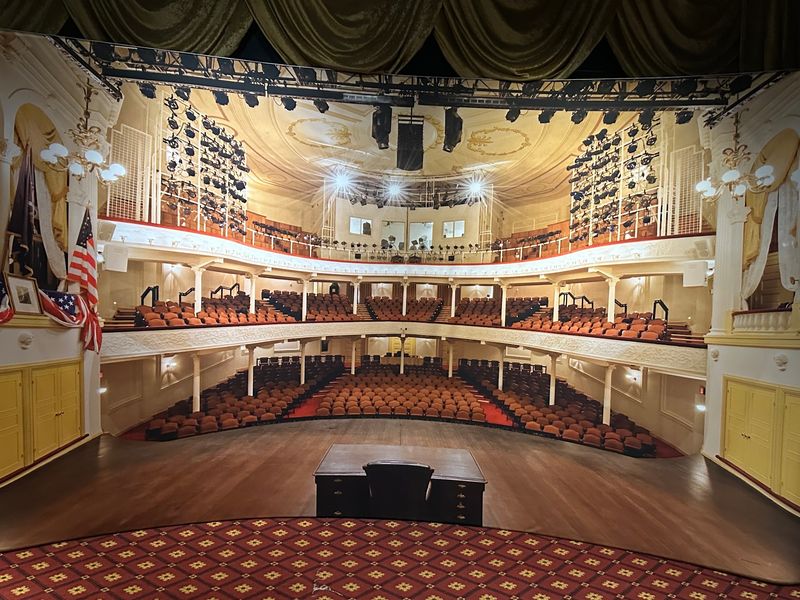
On the night of April 14, 1865, a sold-out audience at Ford’s Theatre had no idea they were witnessing one of the most consequential moments in American history. John Wilkes Booth, a well-known actor and Confederate sympathizer, fired a single shot into the back of President Abraham Lincoln’s head during a performance of “Our American Cousin.” The bullet rendered Lincoln unconscious instantly, and he never regained awareness.
Today, the theater functions as both a working performance venue and a National Historic Site, a genuinely rare combination. Visitors can tour the museum, stand near the flag-draped presidential box, and walk across the street to the Petersen House. The museum covers the broader conspiracy Booth organized, which also targeted the vice president and secretary of state.
Ford’s Theatre closed for 103 years after the assassination before reopening in 1968 with full restorations. A related education center opened nearby in 2012, adding further historical depth to the visit.
2. Petersen House, Washington, District of Columbia
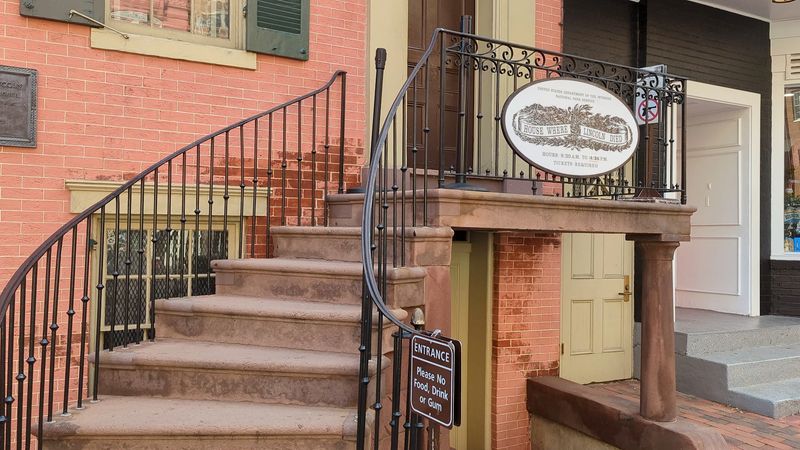
A modest brick townhouse built around 1849 by German immigrant tailor William Petersen became an unexpected footnote in American presidential history. After Lincoln was shot at Ford’s Theatre, doctors determined he was too fragile to be moved to the White House, so he was carried across the street and placed in a small first-floor bedroom. Because Lincoln stood 6 feet 4 inches tall, he had to be laid diagonally across the bed to fit.
He remained there for nine hours before passing away at 7:22 a.m. on April 15, 1865. Secretary of War Edwin Stanton used the back parlor as a temporary command post, questioning witnesses and coordinating the government’s response in real time.
None of the furniture in the house today is original, but every piece is an accurate 1865 period reproduction. The Petersen family sold the house in 1878 after the intense public attention disrupted their business, and Congress purchased it in 1896.
3. The Lizzie Borden House, Fall River, Massachusetts
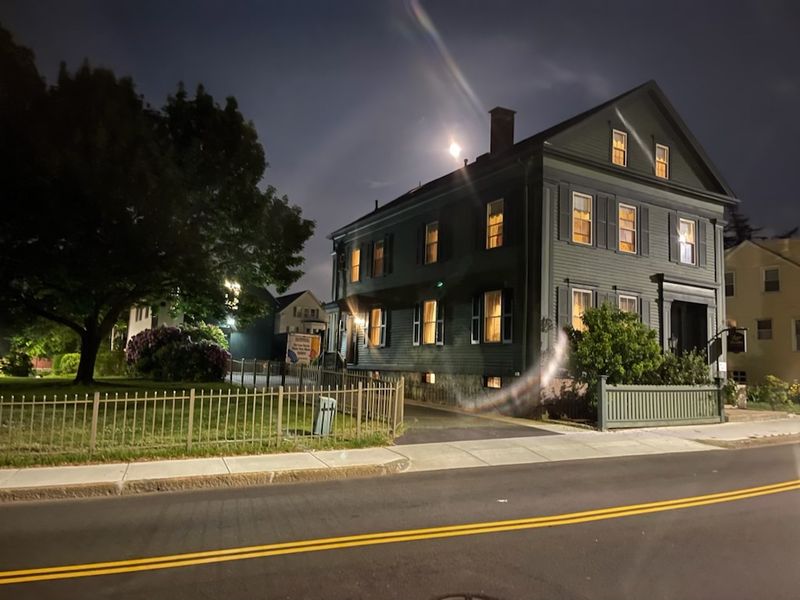
Few American homes carry the kind of notoriety that clings to this Victorian property in Fall River, where a double axe murder in August 1892 produced one of the country’s most enduring unsolved mysteries. Andrew and Abby Borden were found inside the home, and their daughter Lizzie was famously acquitted at trial despite widespread public suspicion. The case has never been conclusively resolved.
Today, the carefully preserved Victorian home welcomes visitors for guided tours and overnight stays. Guests can explore the rooms directly connected to the investigation, including the parlor where Andrew Borden’s body was discovered. The house is furnished with period pieces that reflect life in a prosperous late 19th-century household.
The authentic architecture and the genuinely unresolved nature of the crime keep visitors returning year after year. History enthusiasts and true crime followers alike are drawn to the peculiar combination of domestic ordinariness and profound, lingering mystery that defines the Lizzie Borden House.
4. Eastern State Penitentiary, Philadelphia, Pennsylvania
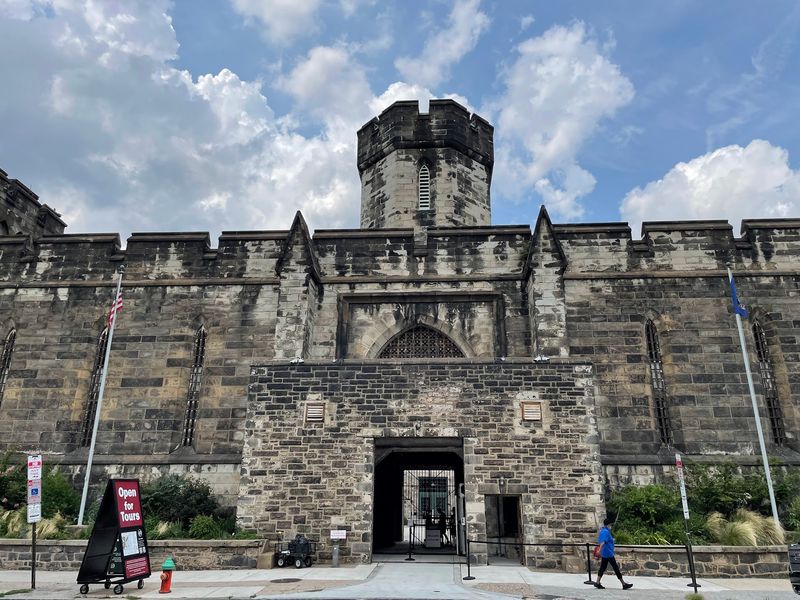
When Eastern State Penitentiary opened in 1829, it was considered the most expensive and most copied building in the United States, a radical experiment in criminal reform built around total solitary confinement. The wagon-wheel floor plan, with seven cellblocks radiating from a central hub, influenced the construction of over 300 prisons worldwide. It was a concept, not just a building.
Among its most famous residents was Al Capone, who spent seven months here on a concealed weapons charge. His cell, reportedly furnished with rugs, artwork, and a radio, stood in stark contrast to the bare conditions endured by most inmates. The prison abandoned its strict isolation policy by 1913 due to overcrowding and operated as a congregate facility until closing in 1970.
Today, visitors can tour vaulted cellblocks and decaying corridors, explore exhibits on American criminal justice reform, and see Capone’s famously comfortable cell. The site draws history lovers and architecture enthusiasts in equal measure.
5. Alcatraz Island, San Francisco, California
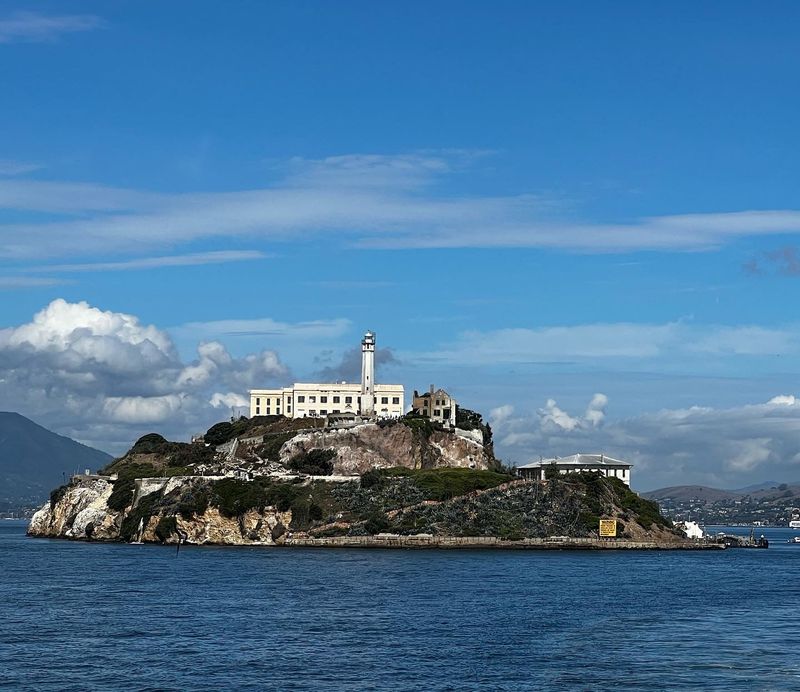
Surrounded by the cold, fast-moving waters of San Francisco Bay, Alcatraz earned its reputation not just as a prison but as a symbol of absolute inescapability. The island housed some of the federal system’s most dangerous and escape-prone inmates, including Al Capone and George “Machine Gun” Kelly, individuals whose records at other facilities made ordinary prisons seem inadequate.
Visitors reach the island by ferry, and the journey itself adds a layer of understanding about why the location was chosen. The remarkably preserved cellblocks, narrow corridors, and individual cells give a clear picture of daily life for those confined here. Exhibits cover famous escape attempts, including the 1962 breakout by Frank Morris and the Anglin brothers, which remains officially unsolved.
The panoramic views of the San Francisco skyline from the island create a jarring contrast with the grim purpose of the structures around you. Alcatraz remains one of the most visited historic destinations in the entire country, drawing over 1.4 million visitors each year.
6. Villisca Axe Murder House, Villisca, Iowa
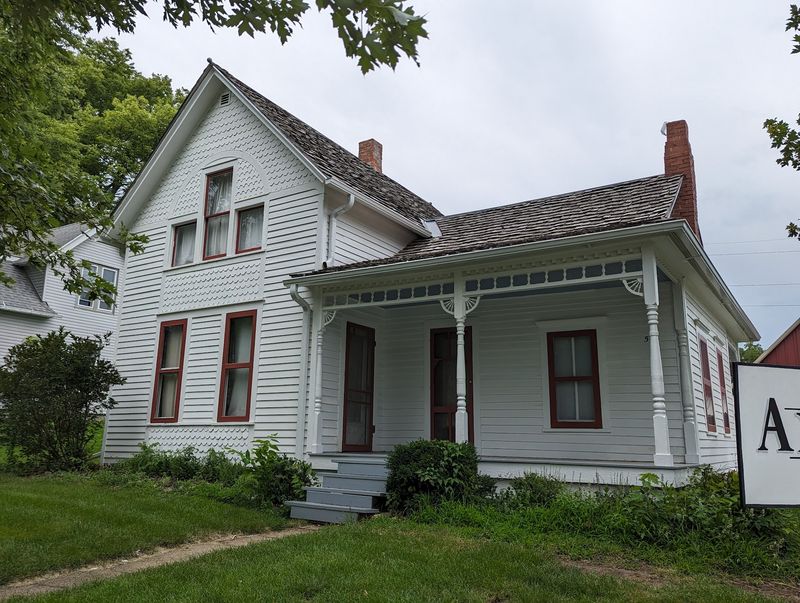
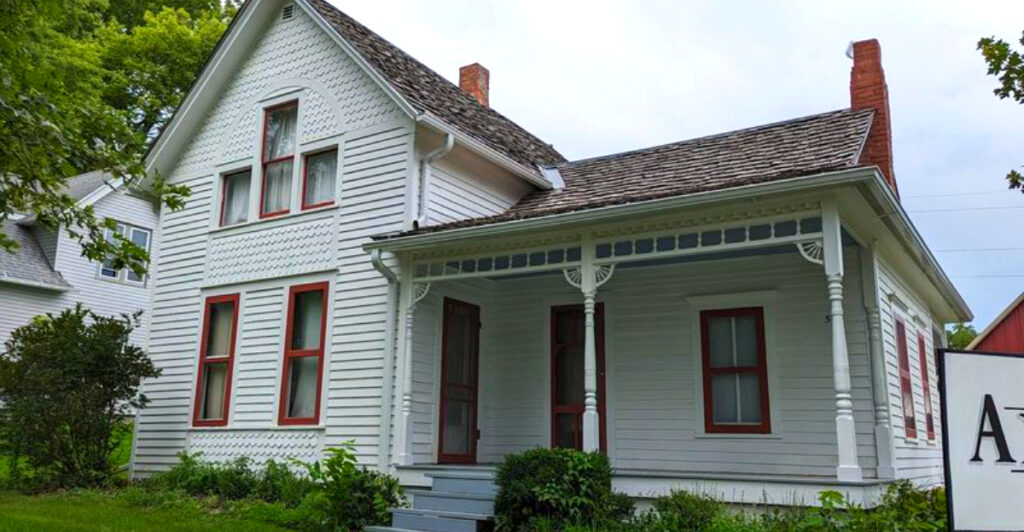
A quiet June night in 1912 turned a small Iowa farming community upside down when eight people, including the entire Moore family and two overnight guests, were murdered inside this modest white farmhouse. No one was ever conclusively convicted of the crime, and the lack of a clear motive has kept researchers and history buffs guessing for over a century. The case remains officially unsolved.
The Villisca Axe Murder House has been carefully restored to reflect its early 20th-century appearance, giving visitors an unusually complete and accurate look at rural Iowa life during that era. Guided tours walk guests through the rooms where the victims were found, with attention to historical detail throughout.
For the particularly brave, overnight stays are available. The property’s commitment to period-accurate restoration makes it one of the most recognizable historic crime sites in the entire Midwest, a place where the weight of an unanswered question hangs over every corner.
7. Dealey Plaza National Historic Landmark District, Dallas, Texas
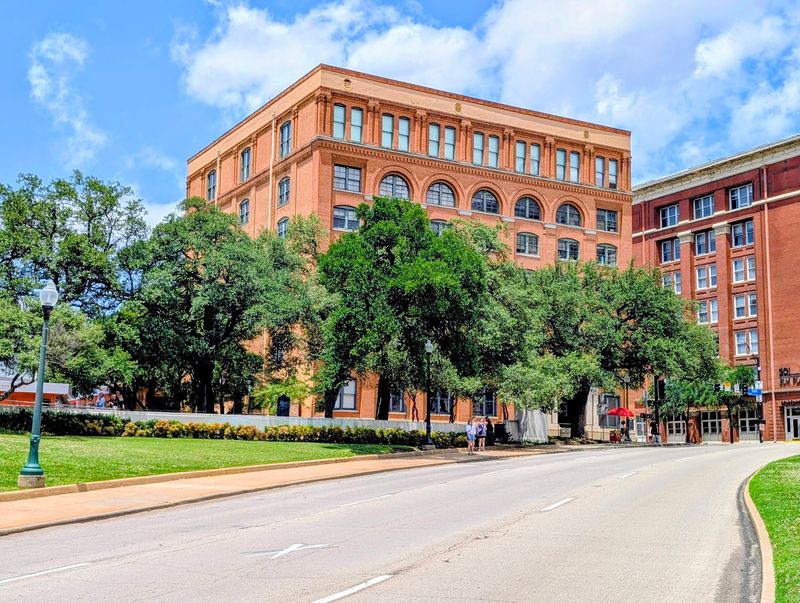
Before November 22, 1963, Dealey Plaza was simply a tidy downtown park, completed in 1940 as a Works Progress Administration project meant to serve as a welcoming gateway to the city. Within minutes of President John F. Kennedy’s motorcade passing through, it became one of the most analyzed and debated crime scenes in world history. Nothing about the plaza would ever be ordinary again.
Today, visitors can walk the exact streets where Kennedy’s car traveled, view the former Texas School Book Depository building, and read interpretive plaques that explain the sequence of events. The area is strikingly recognizable from the countless photographs and films taken that day.
The grassy knoll on the north side of Elm Street, a term coined by reporter Merriman Smith, continues to attract visitors with questions the Warren Commission never fully put to rest. The district was officially designated a National Historic Landmark on the 30th anniversary of the assassination in 1993.
8. The Sixth Floor Museum at Dealey Plaza, Dallas, Texas
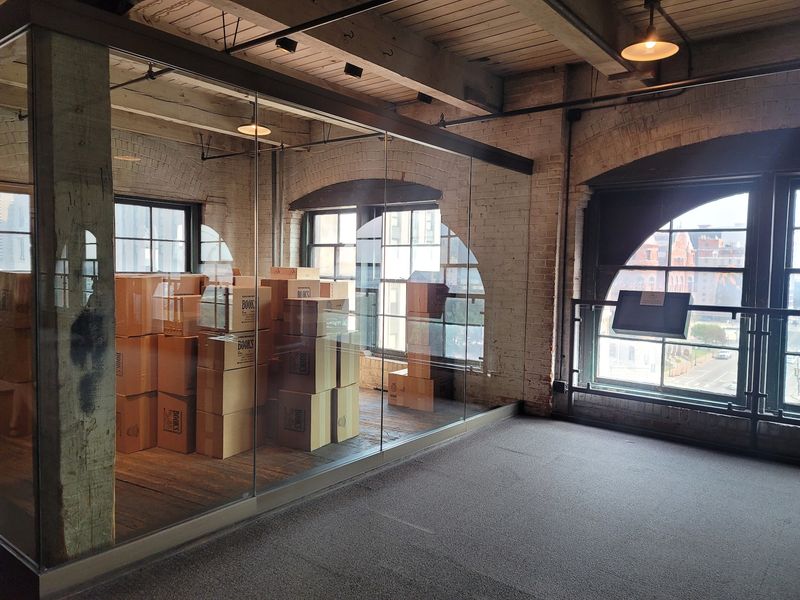
From the sixth floor of what was once a busy warehouse, one of the most consequential crimes in American political history unfolded in a matter of seconds. The Sixth Floor Museum now occupies that space, turning the former Texas School Book Depository into a carefully curated institution dedicated to President Kennedy’s life, legacy, and assassination. The main exhibit is titled “John F. Kennedy and the Memory of a Nation.”
The southeast corner window, from which Lee Harvey Oswald fired, has been accurately recreated based on crime scene photographs taken immediately after the shooting. Visitors can view it up close, which provides a sobering sense of scale and proximity. Large windows throughout the floor offer direct sightlines to Dealey Plaza below.
The museum features photographs, films, artifacts, and investigative records covering the assassination, Oswald’s background, and the broader political climate of the early 1960s. A self-guided visit typically takes about 90 minutes and consistently earns praise for its factual, balanced approach.
9. Bonnie and Clyde Ambush Museum, Gibsland, Louisiana
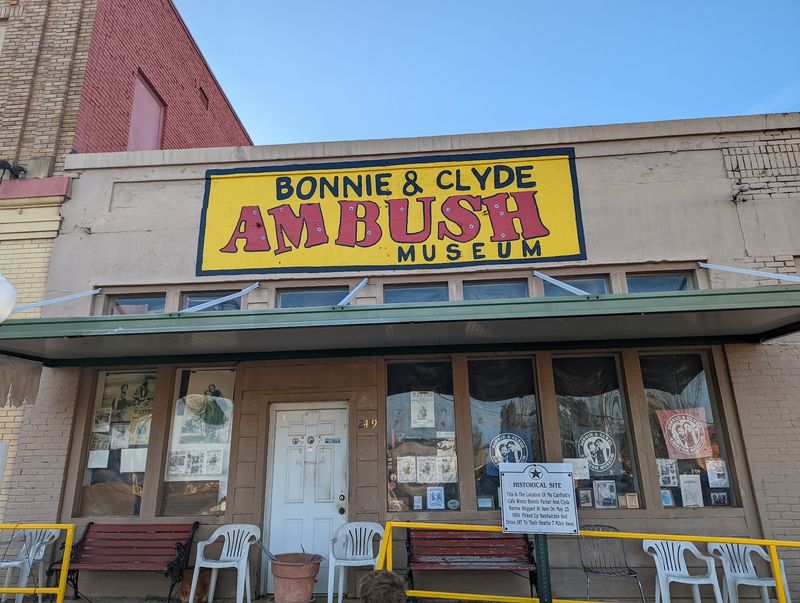
The building that once housed Ma Canfield’s Cafe in Gibsland, Louisiana, holds a peculiar distinction: it was reportedly the last place Bonnie Parker and Clyde Barrow stopped for a meal before the law caught up with them on May 23, 1934. The museum that now occupies the space was founded by Boots Hinton, whose father Ted Hinton was part of the six-officer posse that carried out the ambush just south of town.
Inside, visitors find photographs, personal belongings, and artifacts connected directly to the couple’s two-year crime spree. Items on display include Clyde Barrow’s shoes, Bonnie Parker’s hats, and a piece of shattered glass from their car. The collection is specific and tangible, not just general Depression-era memorabilia.
A historical marker identifying the actual ambush site on Louisiana Highway 154 stands about eight miles south of Gibsland. The town holds an annual festival each May commemorating the event, drawing visitors who remain genuinely fascinated by the story of America’s most famous outlaw duo.
10. Oklahoma City National Memorial & Museum, Oklahoma City, Oklahoma
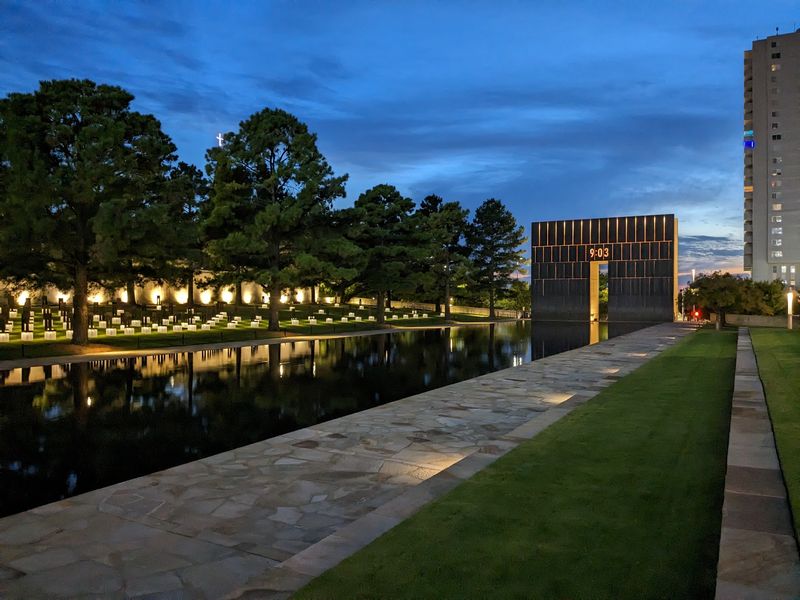
On April 19, 1995, a truck bomb destroyed the Alfred P. Murrah Federal Building in downtown Oklahoma City, killing 168 people and injuring hundreds more in what remains the deadliest domestic terrorist attack in American history carried out by a U.S. citizen. The site has since been transformed into one of the country’s most thoughtfully designed memorials, honoring those who were lost while providing a space for reflection and education.
The outdoor Symbolic Memorial features 168 empty chairs arranged in rows, each made of glass, bronze, and stone, representing every individual who was killed. A reflecting pool runs through the center of the memorial grounds, and the Gates of Time frame the moment of the explosion at 9:02 a.m.
The museum documents the criminal investigation, the community’s recovery, and the lasting national impact of the bombing through artifacts, personal stories, and interactive exhibits. The combination of solemn outdoor space and detailed indoor exhibits makes it one of the most complete memorial experiences in the country.
11. Little Bohemia Lodge, Manitowish Waters, Wisconsin
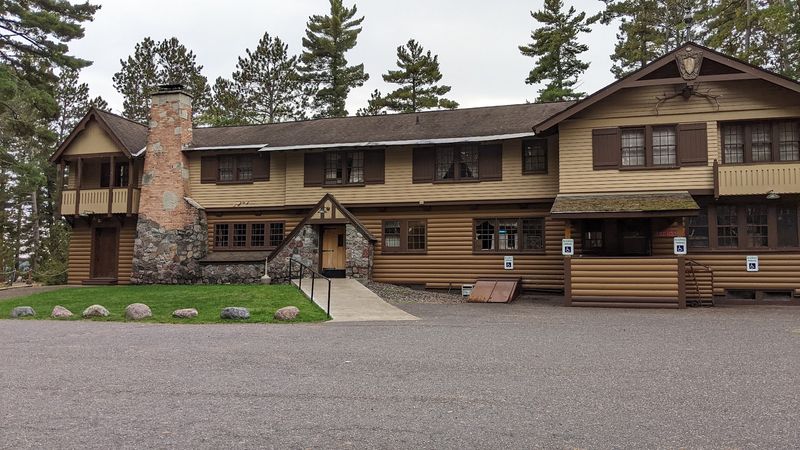
Tucked away in the pine forests of northern Wisconsin, the Little Bohemia Lodge looks like exactly the kind of quiet retreat where nothing dramatic ever happens. That reputation was permanently shattered in April 1934, when FBI agents surrounded the property in an attempt to capture John Dillinger and his gang, only to have the entire group slip away in the confusion. The botched raid became one of the most embarrassing moments in early federal law enforcement history.
The failed operation actually helped reshape how the Bureau of Investigation operated, pushing leadership to overhaul its training and tactical approach. In a roundabout way, Dillinger’s escape from this remote Wisconsin lodge contributed to the development of the modern FBI.
Today, visitors can eat at the still-operating lodge restaurant while looking at displays and artifacts connected to the 1934 shootout. The building still shows physical evidence of the gunfight, making it one of the few historic crime sites in the country where the damage itself is part of the exhibit.
12. St. Valentine’s Day Massacre Wall at The Mob Museum, Las Vegas, Nevada
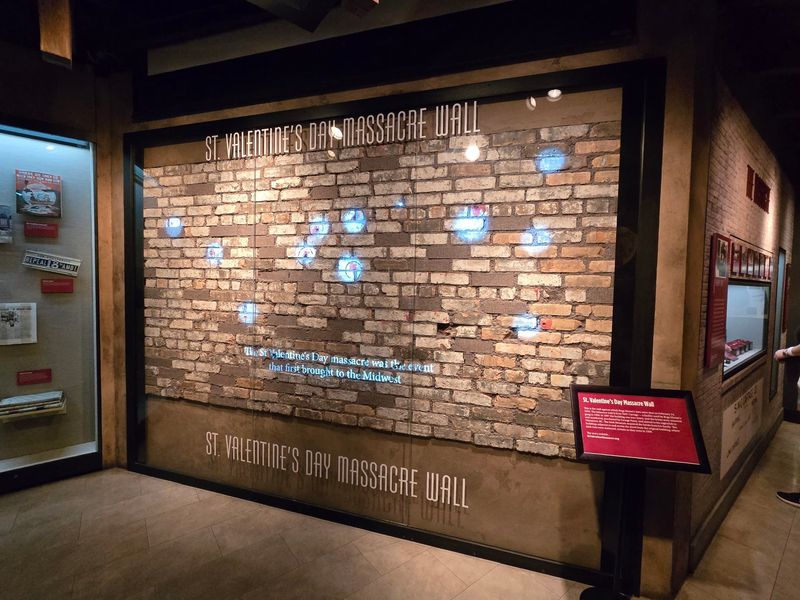
On the morning of February 14, 1929, seven men associated with George “Bugs” Moran’s North Side Gang were lined up against a garage wall in Chicago and shot by assailants dressed as police officers. The attack, widely attributed to Al Capone’s organization, was a turning point in the violent struggle for control over Chicago’s criminal networks during the Prohibition era. The wall where it happened is now in Las Vegas.
The Mob Museum acquired the actual brick wall from the demolished Chicago garage and displays it as a central exhibit. Seventy rounds were fired from Thompson submachine guns and one from a sawed-off shotgun during the attack, and the bullet damage is still visible in the preserved bricks.
Standing in front of this wall is a different kind of museum experience than reading a placard or watching a film. The physical evidence of the event, real bricks from a real crime scene, makes the St. Valentine’s Day Massacre feel far less distant than a history book ever could.
13. John Dillinger Museum at Indiana Welcome Center, Hammond, Indiana
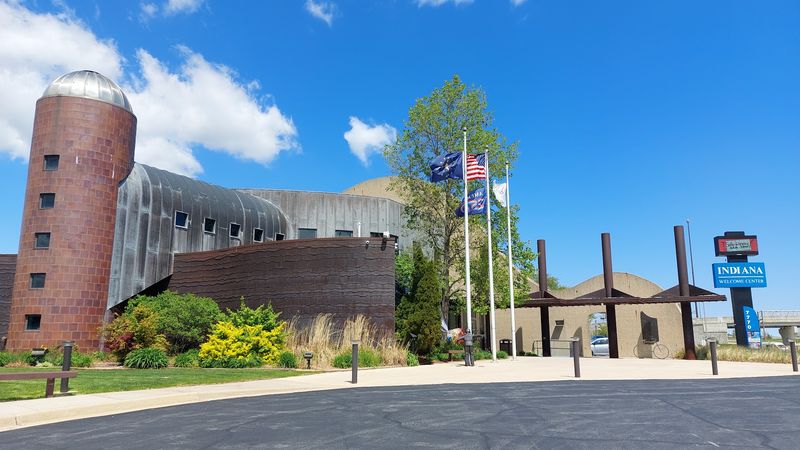
Calling John Dillinger simply a bank robber undersells how thoroughly he dominated newspaper headlines during the early 1930s. Declared Public Enemy Number One by the FBI, Dillinger and his associates robbed at least a dozen banks across the Midwest and staged multiple prison escapes before his story came to an end in Chicago in 1934. The John Dillinger Museum in Hammond takes a measured look at all of it.
Authentic artifacts, period firearms, historical documents, and reconstructed scenes give visitors a concrete sense of how Dillinger operated and why he became such a cultural fixture during the Great Depression. The exhibits are careful to place his criminal career within the broader context of widespread economic hardship, bank failures, and public frustration with financial institutions.
Rather than presenting Dillinger as a folk hero, the museum examines how his notoriety pushed the federal government to expand and professionalize its law enforcement capabilities. For history lovers, it is a surprisingly nuanced stop that rewards more than a quick walk-through.
Share this story