The Holocaust was one of the darkest chapters in human history, claiming the lives of six million Jewish people and millions of others. Many well-known public figures carry personal connections to this tragedy through family members who managed to survive.
Their stories remind us that history is not just something found in textbooks but lives on through real people and their families. Learning about these connections helps us remember why it is so important to honor the past and keep these stories alive.
1. Natalie Portman
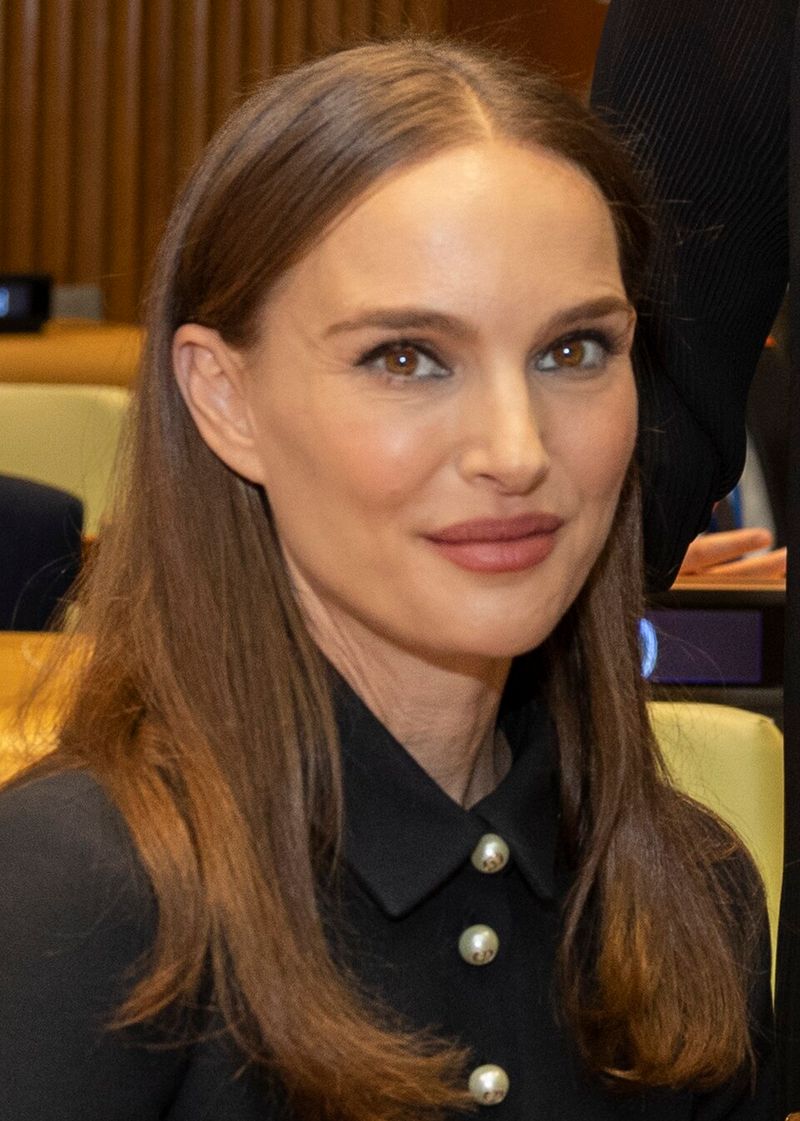
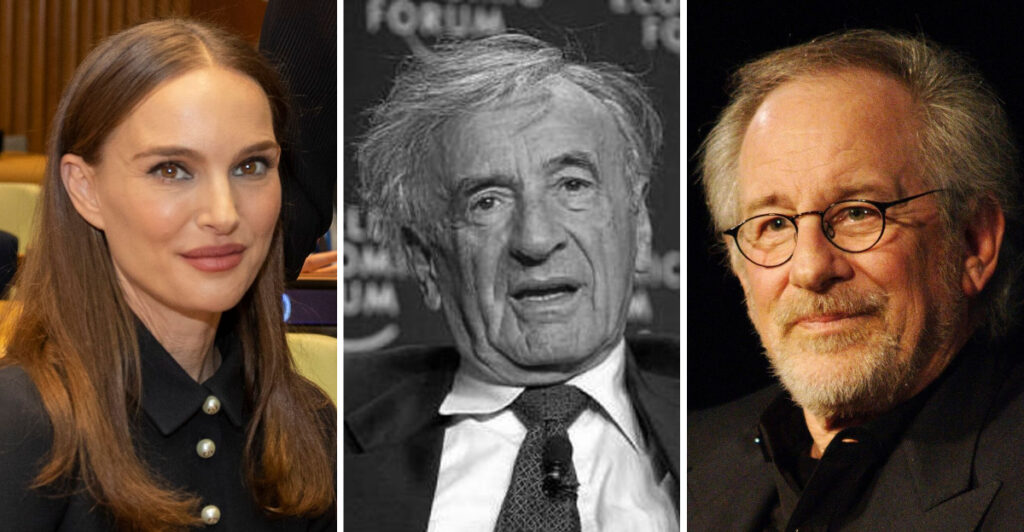
Natalie Portman, the Oscar-winning actress known for films like “Black Swan” and “V for Vendetta,” has spoken openly about her family’s connection to the Holocaust. Her paternal grandparents survived Nazi-occupied Europe, and that history has deeply shaped her sense of identity and purpose.
Portman was born in Jerusalem, Israel, and her Jewish heritage has always been central to who she is. She has used her platform to raise awareness about antisemitism and the importance of Holocaust remembrance.
In interviews, she has credited her grandparents’ resilience as a source of personal strength. Their survival story is a reminder that behind every famous face, there are often generations of hardship and courage.
Portman continues to honor that legacy through her advocacy work and public statements on human rights issues around the world.
2. Scarlett Johansson

Scarlett Johansson is one of Hollywood’s biggest stars, but few people know the weight of history she carries through her maternal Jewish family. Members of her family survived the Holocaust after fleeing Europe, and that story has remained an important part of her personal identity.
Johansson has spoken about her Jewish roots in various interviews, noting that her family’s history of survival and resilience has given her a deeper appreciation for life. Her mother, Melanie Sloan, comes from a Jewish family with European roots.
Growing up with knowledge of what her ancestors endured gave Johansson a grounded perspective that goes far beyond Hollywood. She has been involved in charitable work and social causes, partly inspired by the values passed down through her family.
Knowing where you come from, she has suggested, is a powerful foundation for everything you do in life.
3. Steven Spielberg
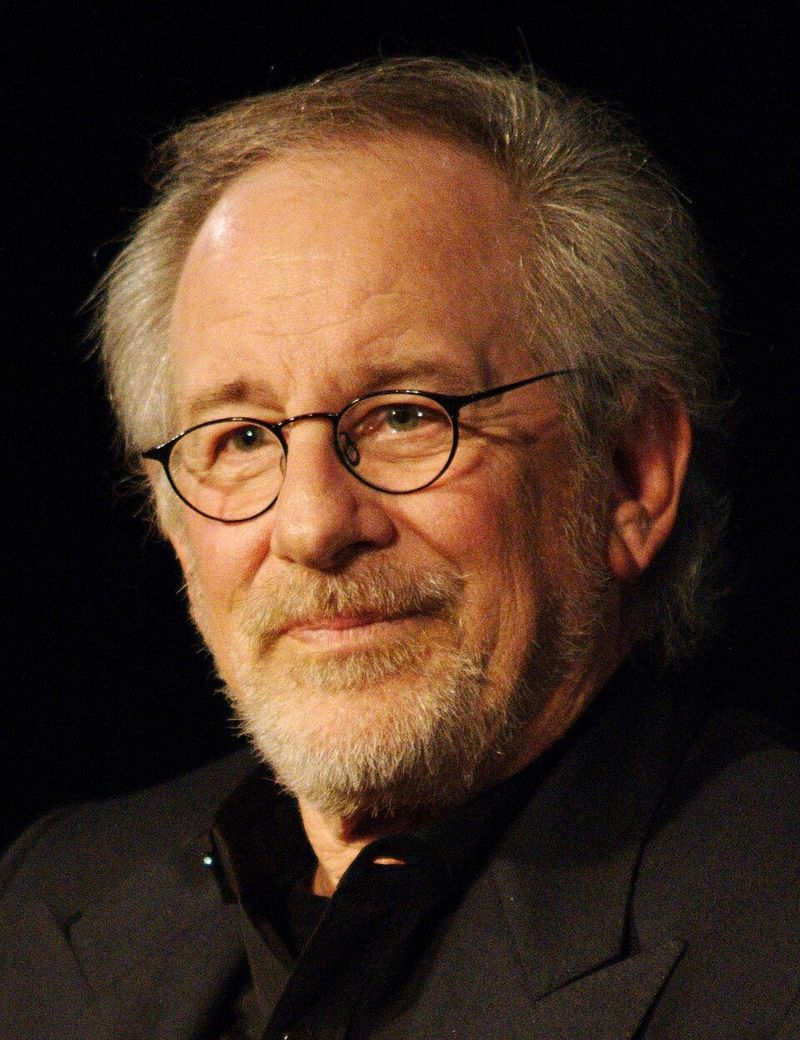
Few filmmakers have done more to preserve Holocaust memory than Steven Spielberg, and his commitment to that cause is deeply personal. Several relatives on both sides of his Jewish family survived Nazi persecution, giving him a direct connection to one of history’s greatest tragedies.
That connection inspired him to direct “Schindler’s List” in 1993, a film that won seven Academy Awards and is widely considered one of the most important movies ever made. After completing the film, Spielberg founded the USC Shoah Foundation, which has recorded more than 55,000 testimonies from Holocaust survivors and witnesses.
His work goes beyond filmmaking. Spielberg has dedicated significant time and resources to ensuring that survivor stories are preserved for future generations.
His personal family history turned into a lifelong mission, proving that art and memory can work together in powerful and lasting ways.
4. Wolf Blitzer
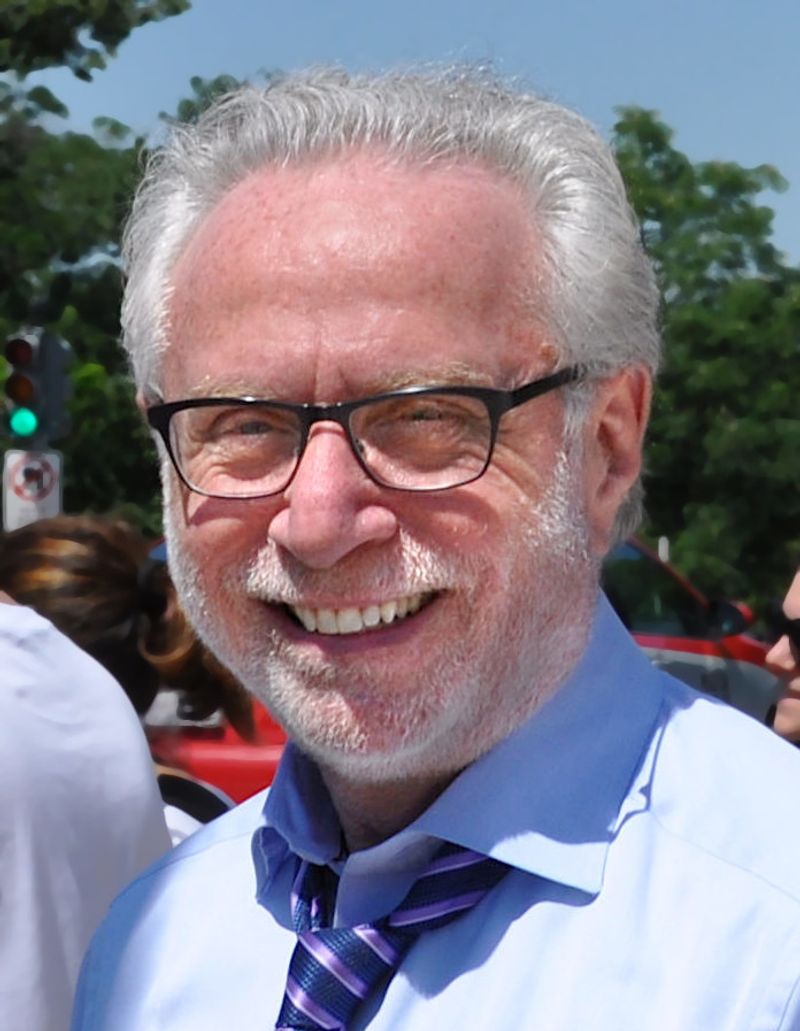
Wolf Blitzer is one of the most recognized faces in American television news, having anchored CNN programs for decades. What many viewers may not know is that both of his parents were Holocaust survivors, making his connection to that history exceptionally direct and personal.
His parents, David and Cesia Blitzer, survived the Nazi genocide and eventually immigrated to the United States, where Wolf was born in Buffalo, New York, in 1948. Growing up in a household shaped by survival gave him a profound understanding of world events and human suffering.
Blitzer has spoken publicly about his parents’ experiences and how those stories influenced his drive to pursue journalism and truth. He visited concentration camp sites in Poland as part of his personal journey to understand what his family endured.
His career has always carried the quiet weight of that inherited history.
5. Dr. Ruth Westheimer
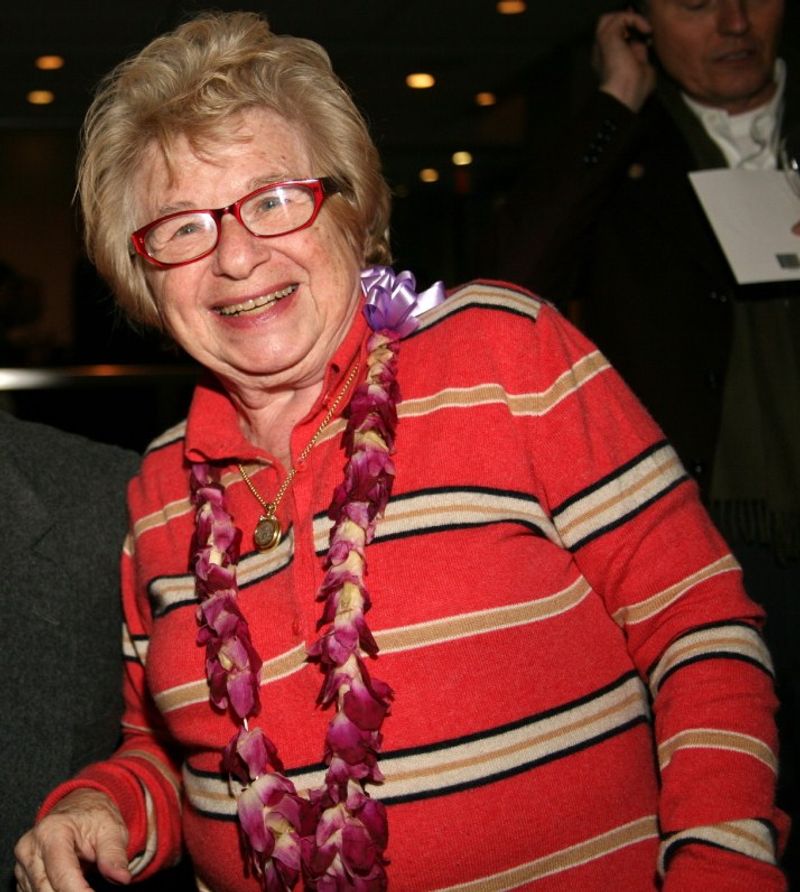
Dr. Ruth Westheimer became famous as America’s most beloved sex therapist, but her early life was marked by extraordinary loss and survival. She herself survived the Holocaust as a child through the Kindertransport, a rescue mission that brought Jewish children from Nazi-controlled Europe to safety in Britain and other countries.
Born Karola Ruth Siegel in Germany in 1928, she was sent to Switzerland on a Kindertransport at age ten. Tragically, her parents, grandparents, and most of her family did not survive the Holocaust.
She carried that grief throughout her life while still building a career defined by warmth and openness.
Dr. Ruth often spoke about how surviving the Holocaust shaped her desire to help people live fully and without shame. Her story is one of remarkable transformation, from a child refugee to a cultural icon who helped millions talk more honestly about human connection and love.
6. Roman Polanski
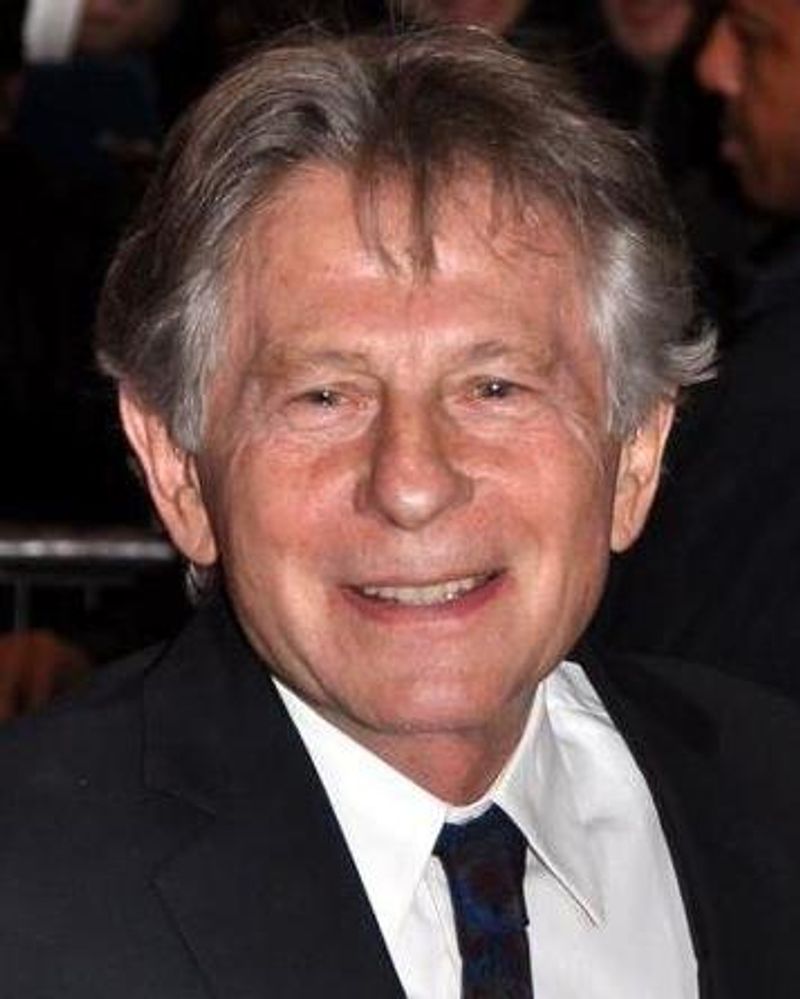
Roman Polanski is one of cinema’s most controversial and celebrated directors, known for films like “Rosemary’s Baby” and “The Pianist.” His own life reads like a harrowing story, as he survived the Holocaust in Poland as a young boy, escaping the Krakow Ghetto at the age of eight.
His mother died in the Auschwitz concentration camp, a loss that haunted him for the rest of his life. His father, however, survived the Mauthausen concentration camp in Austria, making their reunion after the war one of the most emotionally significant moments of Polanski’s childhood.
Polanski’s film “The Pianist,” released in 2002, drew heavily from his own memories of surviving the war in Poland. The film won three Academy Awards, including Best Director.
His survival story is inseparable from his art, giving his work a raw emotional depth that only lived experience can produce.
7. George Soros
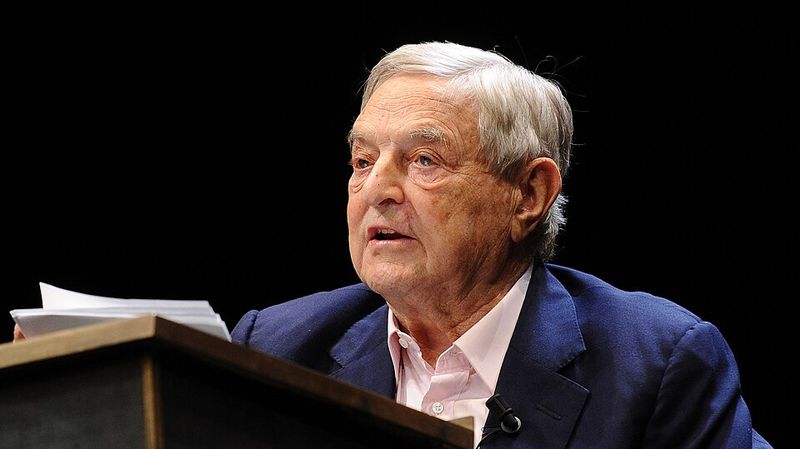
George Soros is one of the world’s most well-known billionaires and philanthropists, but his story begins in one of history’s darkest periods. As a teenager in Nazi-occupied Hungary, Soros and his family survived by using false identities, a dangerous strategy that required constant vigilance and courage.
His father, Tivadar Soros, was a key figure in securing forged documents for the family and even helped other Jews in Budapest survive the Nazi occupation. George was fourteen years old when the war ended, and the experience of living under fascism left a permanent mark on his worldview.
Soros has spoken about how surviving the Holocaust shaped his belief in open societies and the dangers of authoritarian rule. He later founded the Open Society Foundations, a global network that promotes democracy and human rights.
His early survival story became the foundation for a lifetime of political and humanitarian engagement.
8. Elie Wiesel
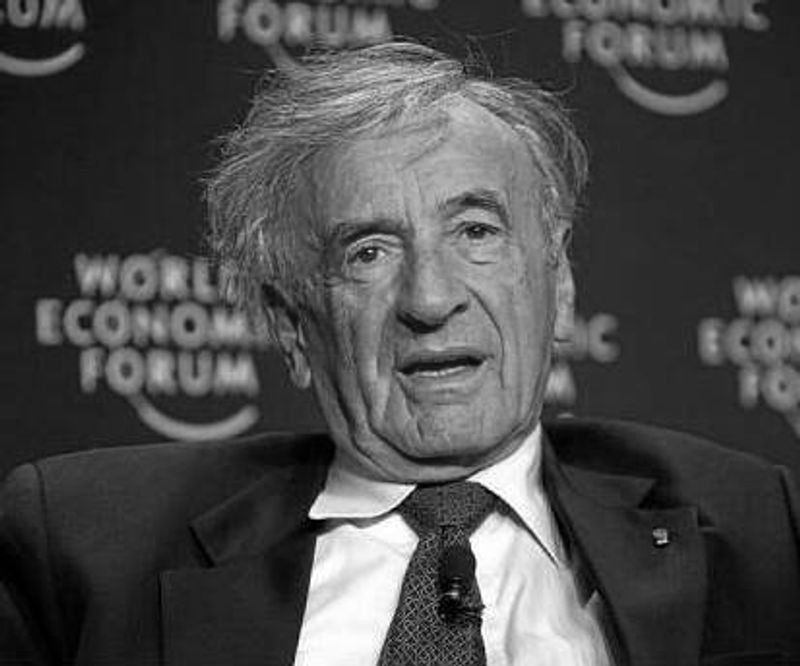
Elie Wiesel is one of the most important voices in Holocaust memory, best known for his memoir “Night,” which describes his experiences in the Auschwitz and Buchenwald concentration camps. What is less widely known is that his sisters Hilda and Bea also survived Auschwitz, making their reunion after the war a deeply emotional chapter of his story.
Wiesel was born in 1928 in Sighet, Romania, and was deported with his family to Auschwitz in 1944. His mother and youngest sister perished there, but Hilda and Bea survived and were eventually reunited with Elie after liberation.
Wiesel went on to win the Nobel Peace Prize in 1986 and spent decades speaking out against genocide, hatred, and indifference. His sisters’ survival gave him a connection to family and continuity that helped sustain him through years of grief and advocacy.
He passed away in 2016, leaving behind an extraordinary legacy.
9. Mila Kunis

Mila Kunis, the actress beloved for her roles in “That ’70s Show” and “Black Swan,” was born in Chernivtsi, Ukraine, and her family carries a significant connection to Holocaust history. Her maternal grandparents survived the Holocaust before eventually settling in the Soviet Union, where Mila grew up before immigrating to the United States as a child.
Kunis has spoken about her Jewish heritage with pride, noting that her family’s history of survival in Eastern Europe has given her a strong sense of identity. She immigrated to Los Angeles with her family at age seven, speaking no English, and built one of the most successful acting careers of her generation.
Her grandparents’ survival story is a quiet but powerful thread running through her life. Kunis has become an outspoken supporter of Jewish causes and has used her celebrity platform to speak out against antisemitism in recent years.
10. Geddy Lee

Geddy Lee, the legendary frontman, bassist, and vocalist of the rock band Rush, carries a deeply personal connection to the Holocaust. Both of his parents were survivors of Nazi concentration camps, making his family story one of extraordinary endurance.
His mother, Mary Weinrib, survived the Bergen-Belsen concentration camp, and his father, Morris Weinrib, survived Auschwitz. They met after liberation and eventually immigrated to Canada, where Geddy was born in 1953.
He grew up hearing his parents’ stories and understanding from an early age the weight of what they had endured.
In 2023, Geddy Lee published a memoir titled “My Effin’ Life,” in which he wrote movingly about his parents’ Holocaust experiences and how those stories shaped his sense of self. His career with Rush produced some of rock music’s most ambitious and enduring work, all built on a foundation of hard-won family resilience.
11. Gene Simmons
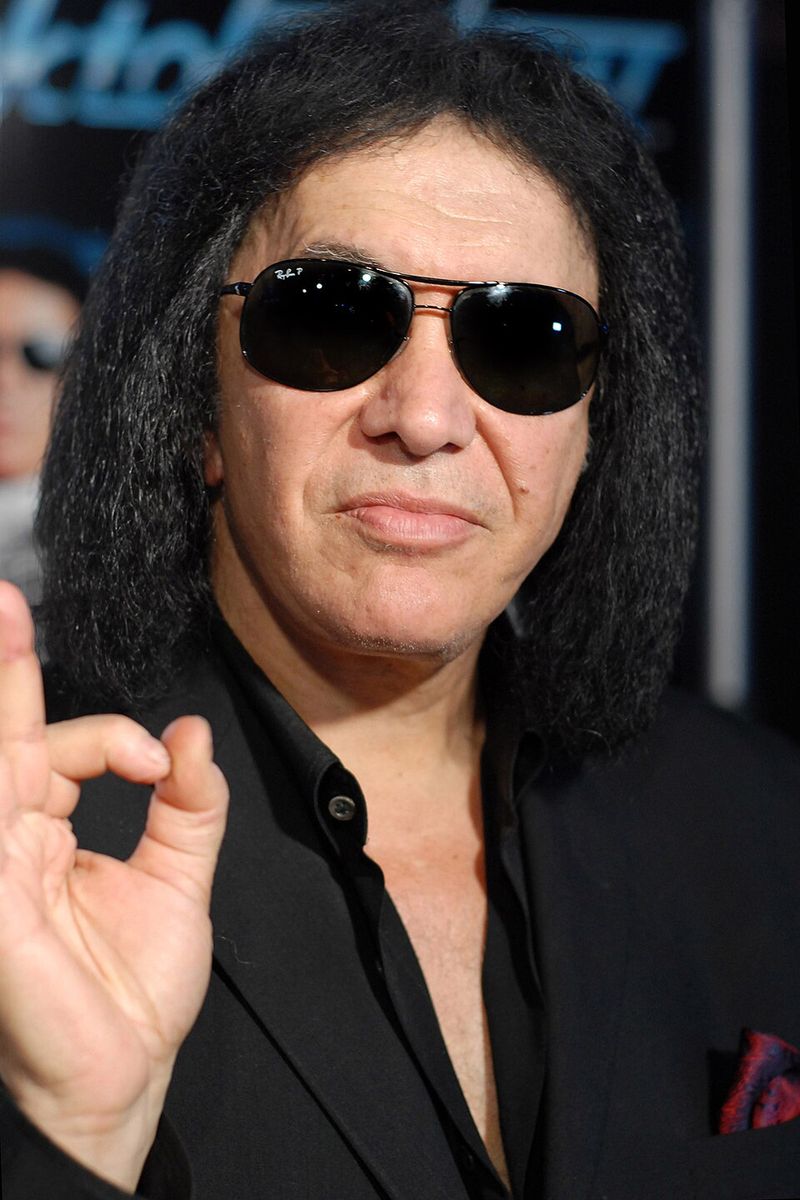
Gene Simmons, co-founder of the iconic rock band KISS, was born Chaim Witz in Haifa, Israel, and his mother’s survival story is one of the most remarkable in rock music history. His mother, Florence Klein, survived Nazi concentration camps during World War II before eventually making her way to Israel.
Simmons has spoken about his mother’s experiences with deep emotion, describing how she rarely talked about the camps but carried the scars of that time throughout her life. She was one of the few members of her family to survive, and her resilience became a defining influence on her son.
Growing up with a mother who had survived the worst humanity had to offer gave Simmons a fierce drive and an appreciation for life that shaped his personality and his career. He immigrated to the United States with his mother as a child and went on to become one of rock’s most recognizable figures.
12. Harry Belafonte
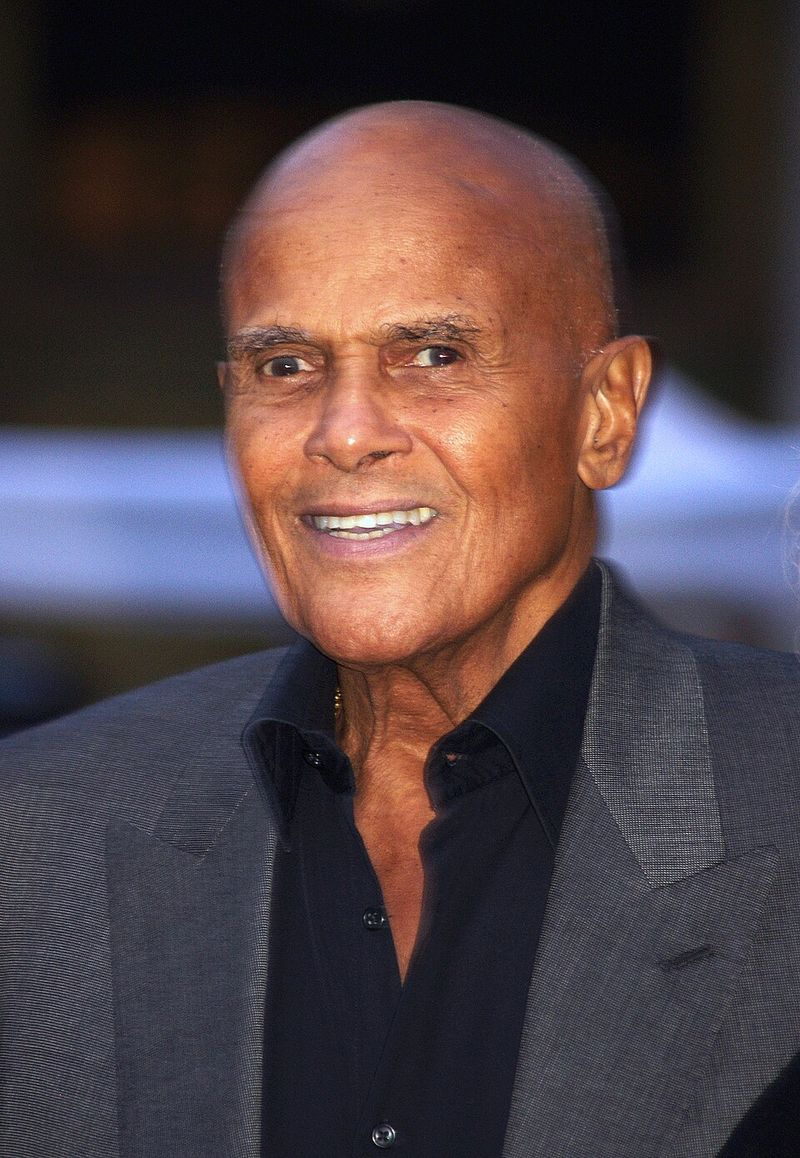
Harry Belafonte was a trailblazing entertainer and civil rights activist whose life was filled with extraordinary human connections. His personal tie to the Holocaust came through two paths: his mother once helped rescue a Jewish family fleeing Nazi persecution, and his wife Pamela Frank was the daughter of Holocaust survivors.
Belafonte grew up in poverty in Harlem and Jamaica, and his mother’s act of helping a Jewish family escape danger left a lasting impression on him. That story reinforced his belief in standing up for the persecuted, regardless of background or religion.
His marriage to Pamela Frank brought the Holocaust even closer to home, connecting him personally to survivor families. Belafonte spent his life fighting for civil rights, economic justice, and human dignity, drawing on a worldview shaped by both Black American history and the broader history of human suffering.
He passed away in April 2023 at age 96.
13. Buddy Elias
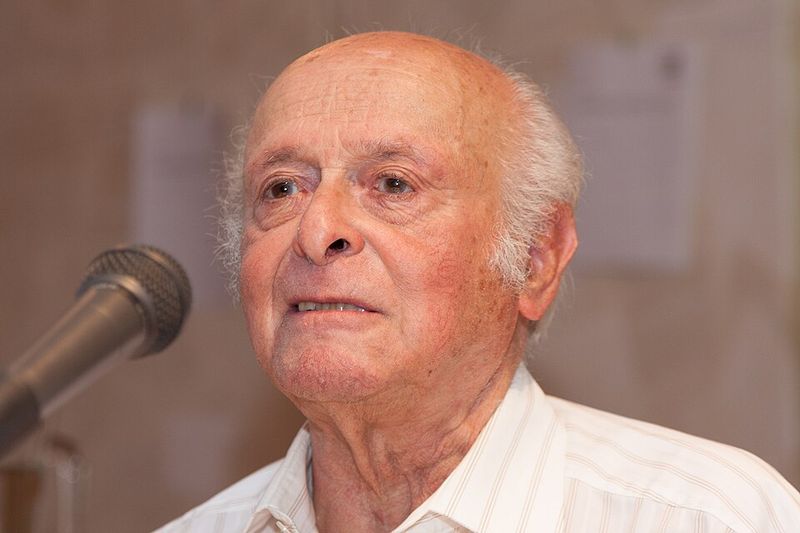
Buddy Elias holds a unique place in Holocaust history as the first cousin of Anne Frank and the last known close relative of the Frank family. An actor and ice skater by profession, he also served as president of the Anne Frank Fonds, the foundation established in Basel, Switzerland, to manage Anne Frank’s legacy.
While Anne Frank and her sister Margot died in the Bergen-Belsen concentration camp in 1945, Buddy and his parents had escaped to Switzerland before the war, which allowed them to survive. He spent much of his life as a living connection between the world and Anne Frank’s story.
Buddy Elias devoted decades to speaking about Anne Frank, keeping her memory alive through personal testimony and public appearances. He passed away in 2015 at the age of 89.
His life bridged the gap between one of history’s most famous victims and the generations who grew up reading her diary.
14. Madeleine Albright
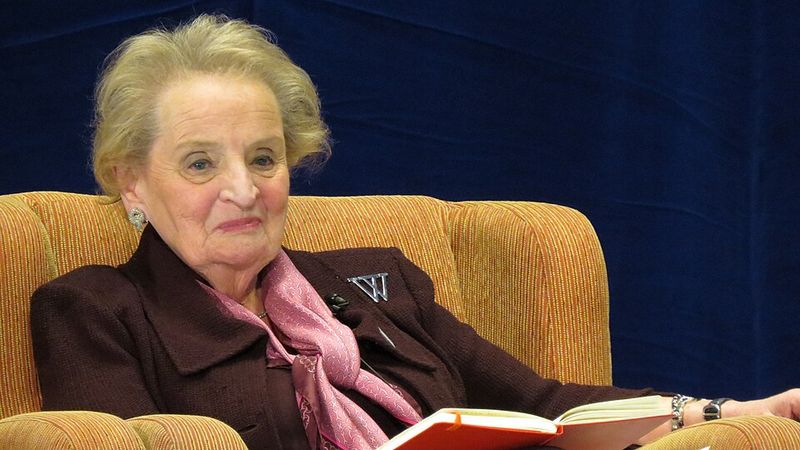
Madeleine Albright made history as the first woman to serve as U.S. Secretary of State, but her personal history was shaped by one of the twentieth century’s greatest tragedies.
Several members of her Jewish family survived the Holocaust after escaping Czechoslovakia, though many others did not.
Albright was raised Catholic and did not learn until 1997, after she had already become Secretary of State, that her family was Jewish and that three of her grandparents had died in Nazi concentration camps. The discovery was a stunning revelation that changed how she understood her own life story.
Despite not knowing this history for most of her life, Albright became a passionate advocate for human rights and democracy on the world stage. She later wrote about her family’s history in her 2012 book “Prague Winter.” Albright passed away in March 2022, leaving behind a legacy of service, resilience, and a deeply layered personal history.
15. Jerry Springer
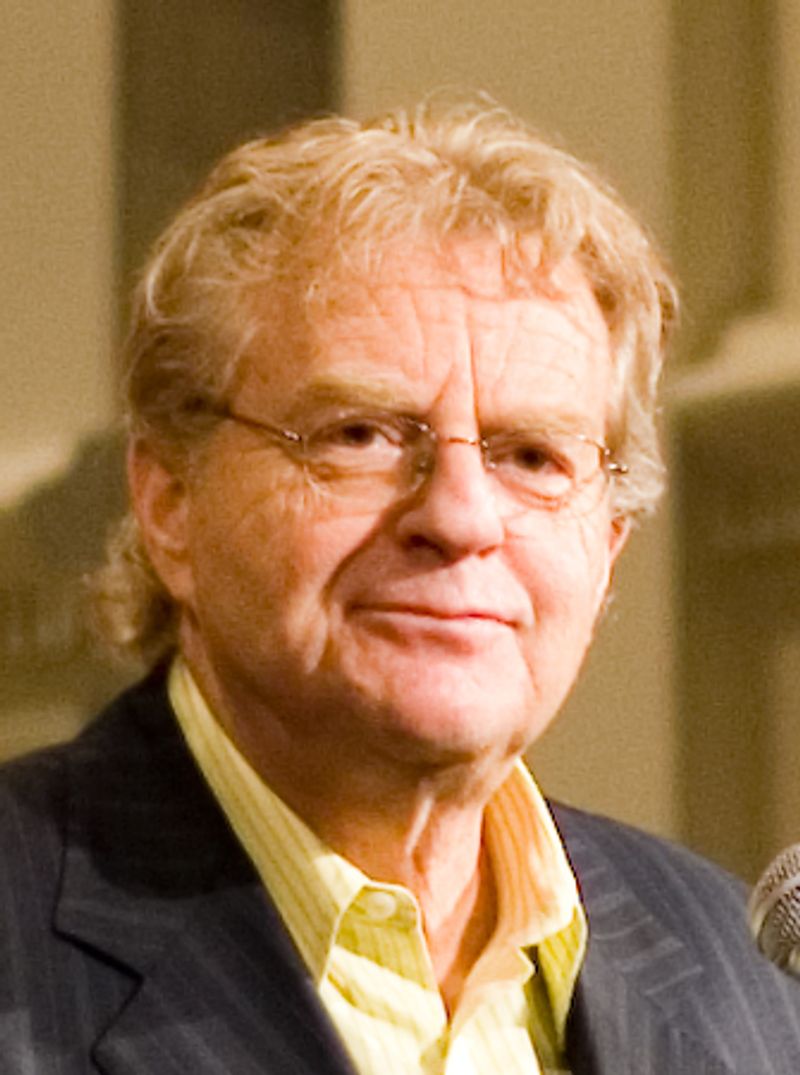
Jerry Springer was best known as the host of a wildly popular and often outrageous television talk show, but his family’s background was rooted in one of history’s darkest chapters. Both of his parents survived the Holocaust after escaping Nazi Germany, and Jerry was born in a London Underground station in 1944 during a German bombing raid.
His parents, Richard and Margot Springer, were German Jews who fled to England before the war’s end. The family later moved to the United States, where Jerry grew up in Queens, New York.
He went on to earn a law degree, work in politics, and eventually become one of television’s most recognizable personalities.
Springer rarely talked about his family’s Holocaust history on his show, but in interviews he acknowledged how deeply it shaped his values and his appreciation for freedom. He passed away in April 2023, leaving behind a life story far more layered than his television persona suggested.
Share this story