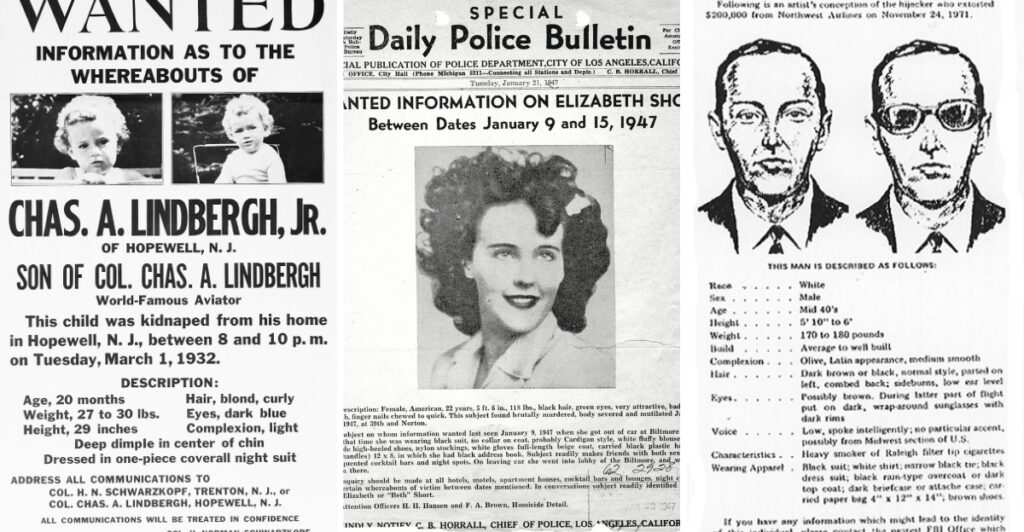
Some crimes leave a mark on history that never fully fades. They spark national conversations, change laws, and stay in the public memory for generations.
From unsolved mysteries to high-profile trials, these cases shaped the way Americans think about justice, safety, and the darker side of human behavior. Here is a look at 15 of the most notorious crimes ever committed on American soil.
1. The Assassination of President John F. Kennedy (1963)

On November 22, 1963, President John F. Kennedy was shot and killed while riding in a presidential motorcade through Dealey Plaza in Dallas, Texas.
He was 46 years old. Lee Harvey Oswald was arrested as the primary suspect shortly after the shooting.
Two days later, Oswald himself was shot and killed by nightclub owner Jack Ruby before he could stand trial. That twist deepened public suspicion and fueled decades of conspiracy theories.
The Warren Commission officially concluded that Oswald acted alone, but many Americans have never fully accepted that finding.
The assassination shook the entire country. It was one of the first major tragedies broadcast live on national television, bringing grief directly into American living rooms.
Decades of investigations, books, and documentaries have kept the case alive, making it one of the most analyzed events in modern history.
2. The Lindbergh Baby Kidnapping (1932)
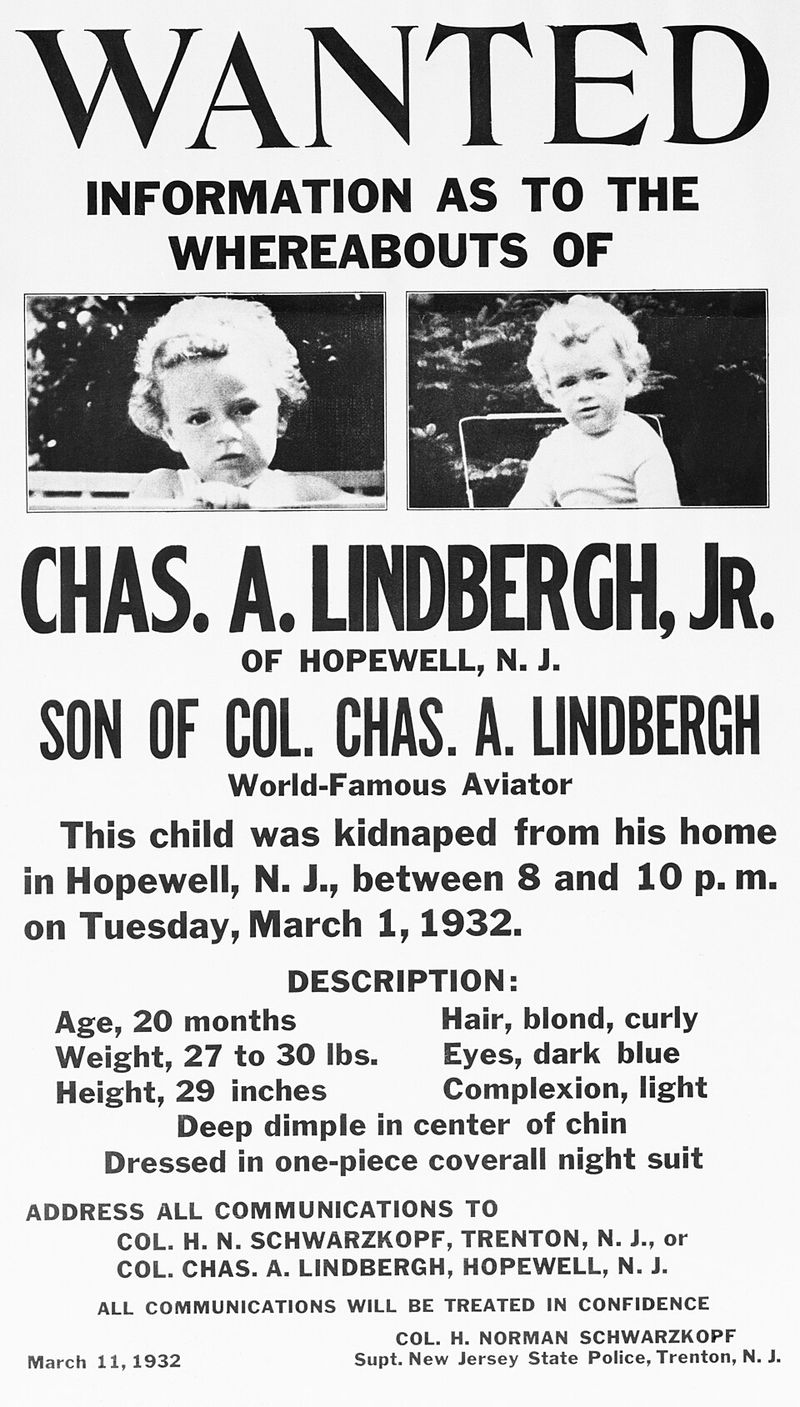
Charles Lindbergh was one of the most famous men in America when his 20-month-old son, Charles Jr., was taken from his crib on the night of March 1, 1932. A ransom note was left behind, and the nation watched in horror as the story unfolded.
Tragically, the baby’s body was discovered just miles from the family home about two months later. A German immigrant named Bruno Hauptmann was eventually arrested, tried, and executed for the crime, though some historians still question whether the full truth was ever revealed.
The case changed American law forever. Congress passed the Federal Kidnapping Act, also known as the Lindbergh Law, making kidnapping a federal crime when the victim is taken across state lines.
The tragedy transformed how the U.S. government responds to child abductions and remains a landmark moment in criminal justice history.
3. The Manson Family Murders (1969)
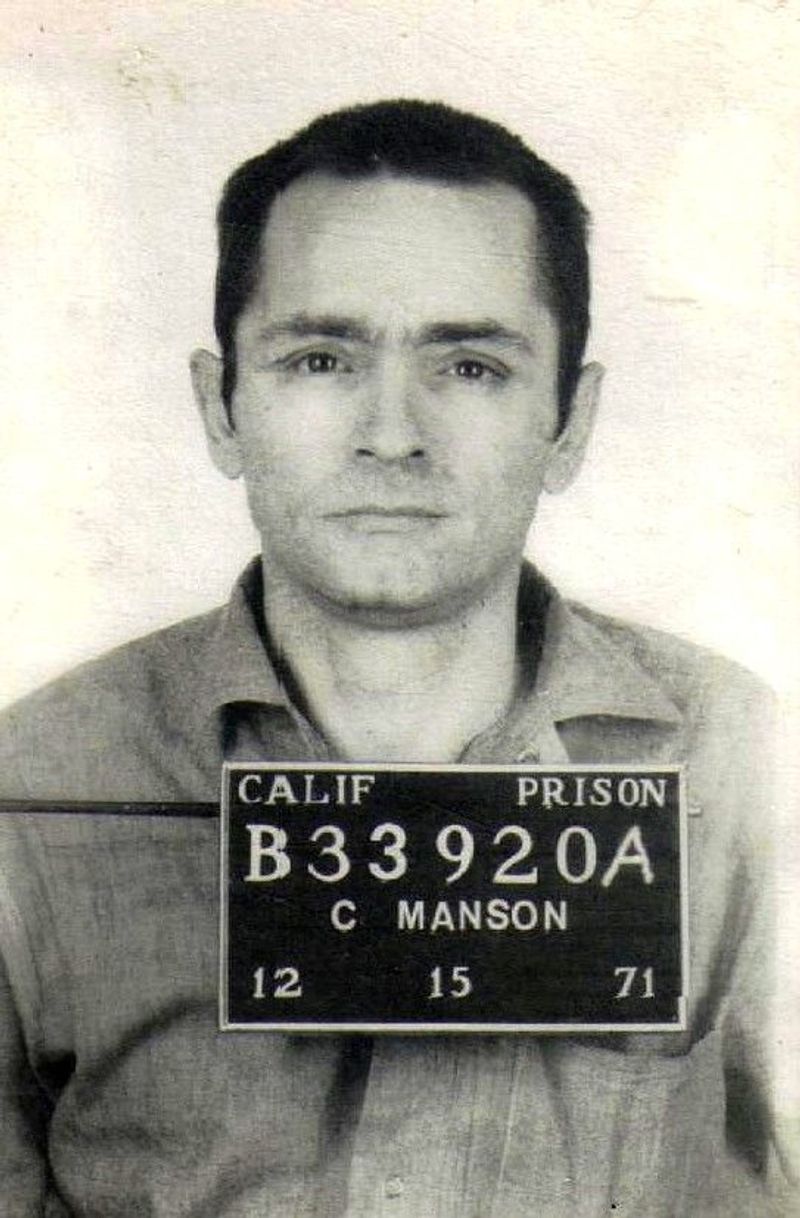
Over two nights in August 1969, members of a cult led by Charles Manson carried out a series of brutal killings in Los Angeles. The victims included actress Sharon Tate, who was eight months pregnant at the time, along with six others.
The attacks were random and savage, sending shockwaves across the country.
Manson himself did not physically commit the murders. Instead, he directed his devoted followers, who believed he had almost god-like authority over them.
The group had been living together on a ranch outside Los Angeles, isolated and deeply under Manson’s influence.
Manson and several followers were convicted and sentenced to death, though those sentences were later commuted to life in prison after California temporarily abolished the death penalty. Manson died in prison in 2017 at age 83.
His name became permanently linked to the dangers of cult manipulation and blind obedience.
4. The Zodiac Killer Case (1968-1969)
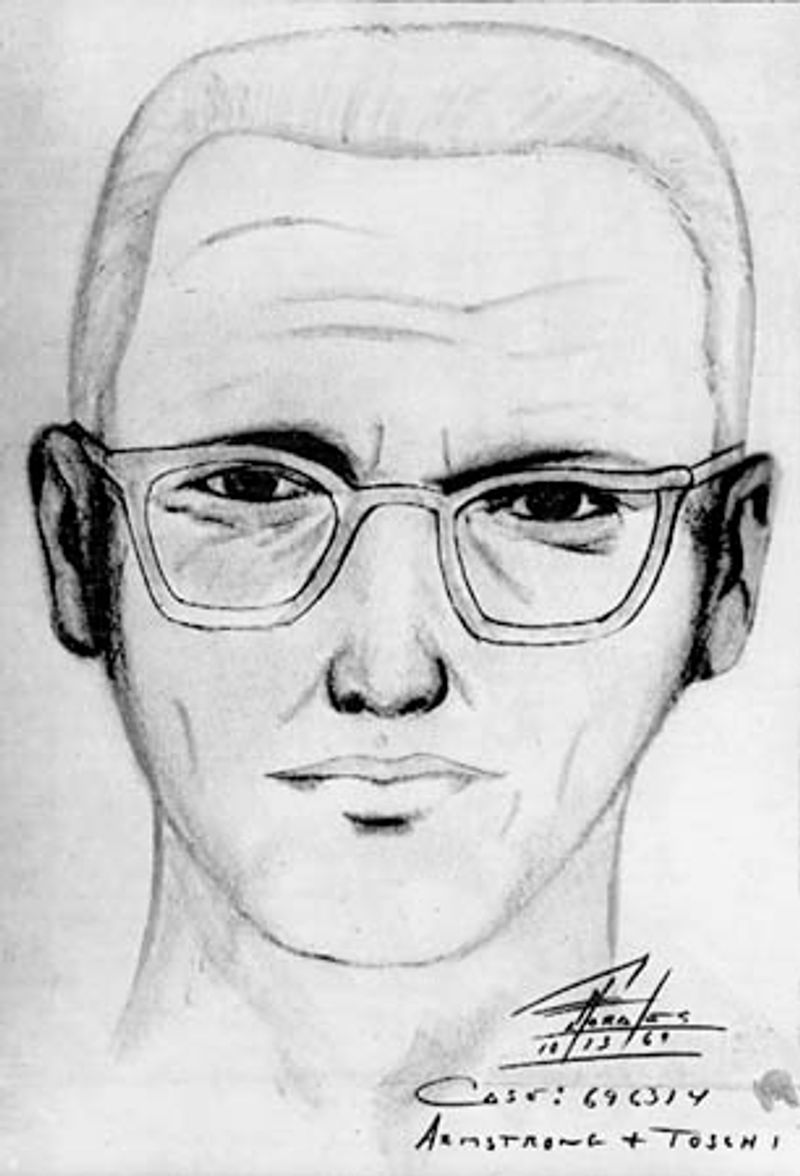
Few criminals have captured the public imagination quite like the Zodiac Killer. Active in Northern California during the late 1960s, this unidentified killer claimed responsibility for at least five murders, though he boasted of killing as many as 37 people in taunting letters sent to police and newspapers.
What made the case especially chilling was the killer’s habit of sending coded messages, some of which remained unsolved for decades. One cipher, known as the 340-character cryptogram, was finally cracked by a team of amateur code-breakers in 2020, more than 50 years after it was written.
Despite one of the most extensive investigations in California history, the Zodiac was never officially identified or arrested. Several suspects have been named over the years, but none were ever charged.
The case remains open, a haunting reminder that some crimes resist every effort to bring them to justice.
5. The Black Dahlia Murder (1947)
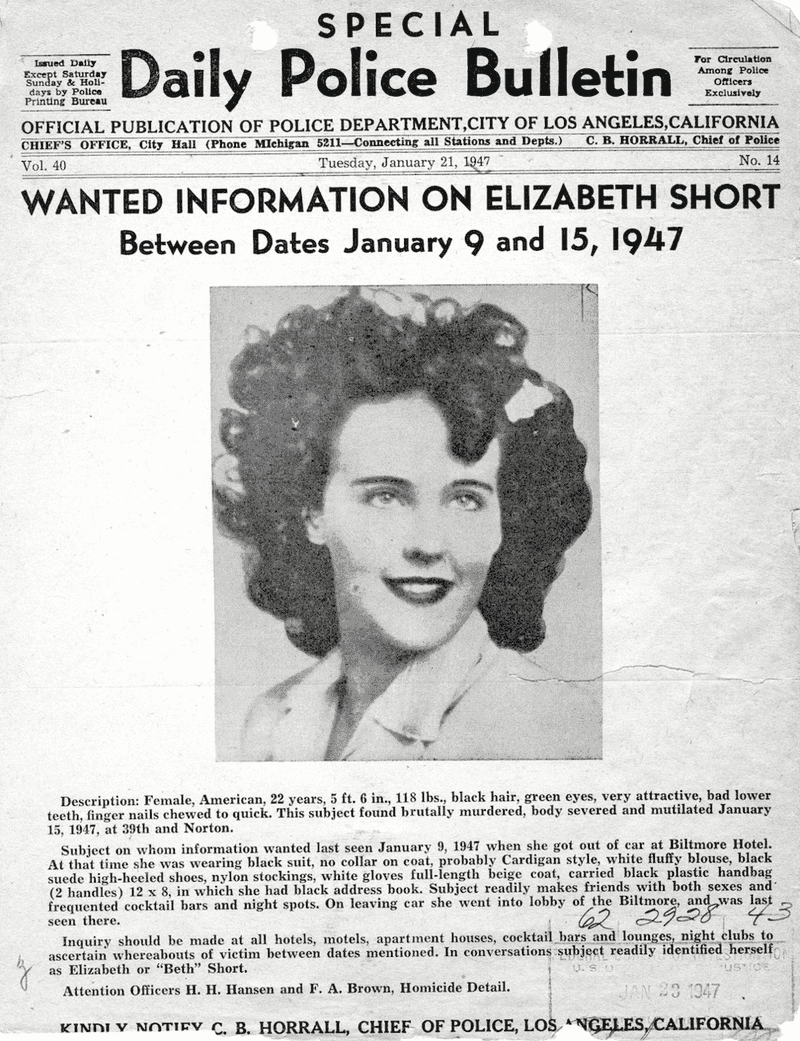
On January 15, 1947, a woman walking through a vacant lot in Los Angeles made a horrifying discovery. The body of 22-year-old Elizabeth Short had been left there, meticulously posed and severed at the waist.
The Los Angeles press quickly nicknamed her the Black Dahlia, and the story became front-page news across the country.
Short had moved to California hoping to break into the film industry. Her murder was not just shocking because of its brutality, but also because it revealed how vulnerable young women could be in a city full of broken dreams.
Investigators received hundreds of tips and even false confessions, but the case was never solved.
More than 75 years later, the Black Dahlia murder remains one of the most famous cold cases in American history. Dozens of books and films have revisited the story, each offering new theories but no definitive answers about who killed Elizabeth Short.
6. The Oklahoma City Bombing (1995)
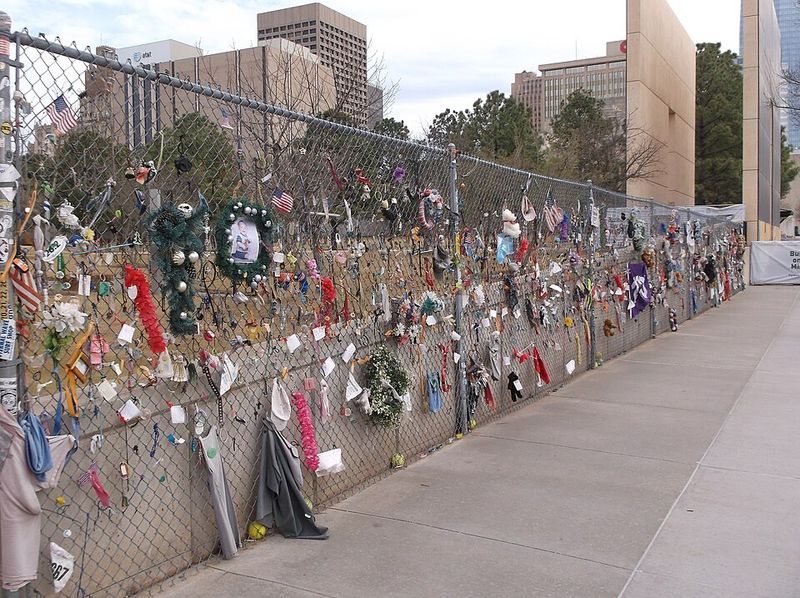
At 9:02 a.m. on April 19, 1995, a massive truck bomb exploded outside the Alfred P. Murrah Federal Building in Oklahoma City.
The blast killed 168 people, including 19 children who were in a daycare center inside the building. It was the deadliest act of domestic terrorism in U.S. history at the time.
Timothy McVeigh, a U.S. Army veteran with extreme anti-government views, carried out the attack.
He was motivated in part by the federal raids at Ruby Ridge and Waco, which he saw as government overreach. McVeigh was arrested, convicted, and executed in 2001.
His accomplice, Terry Nichols, received life in prison.
The bombing changed how America thinks about threats from within its own borders. It led to major changes in federal building security and counter-terrorism policy.
A national memorial now stands where the building once was, honoring each of the 168 victims with an empty chair.
7. The Unabomber Bombings (1978-1995)
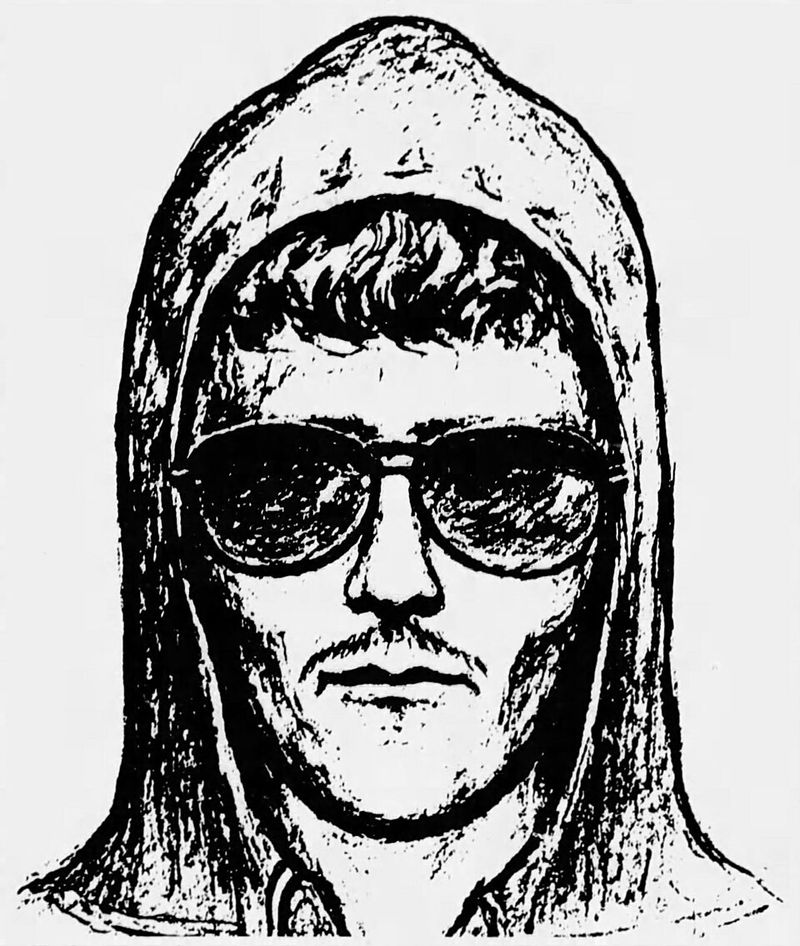
For nearly 17 years, a mysterious bomber known as the Unabomber sent homemade explosive devices to universities and airlines across the United States. Ted Kaczynski, a former math professor who had retreated to a remote Montana cabin, was responsible for 16 bombings that killed three people and injured 23 others.
What made the case so difficult was that Kaczynski left almost no traceable evidence. The FBI spent millions of dollars and years of effort trying to identify him.
The breakthrough came when Kaczynski demanded that his 35,000-word anti-technology manifesto be published. His brother recognized his writing style and turned him in.
Kaczynski was arrested in 1996 and pleaded guilty to avoid the death penalty. He was sentenced to life in prison without parole and died in 2023.
His case raised serious questions about the line between genius and madness, and the dangers of extreme ideological isolation.
8. The D.B. Cooper Skyjacking (1971)
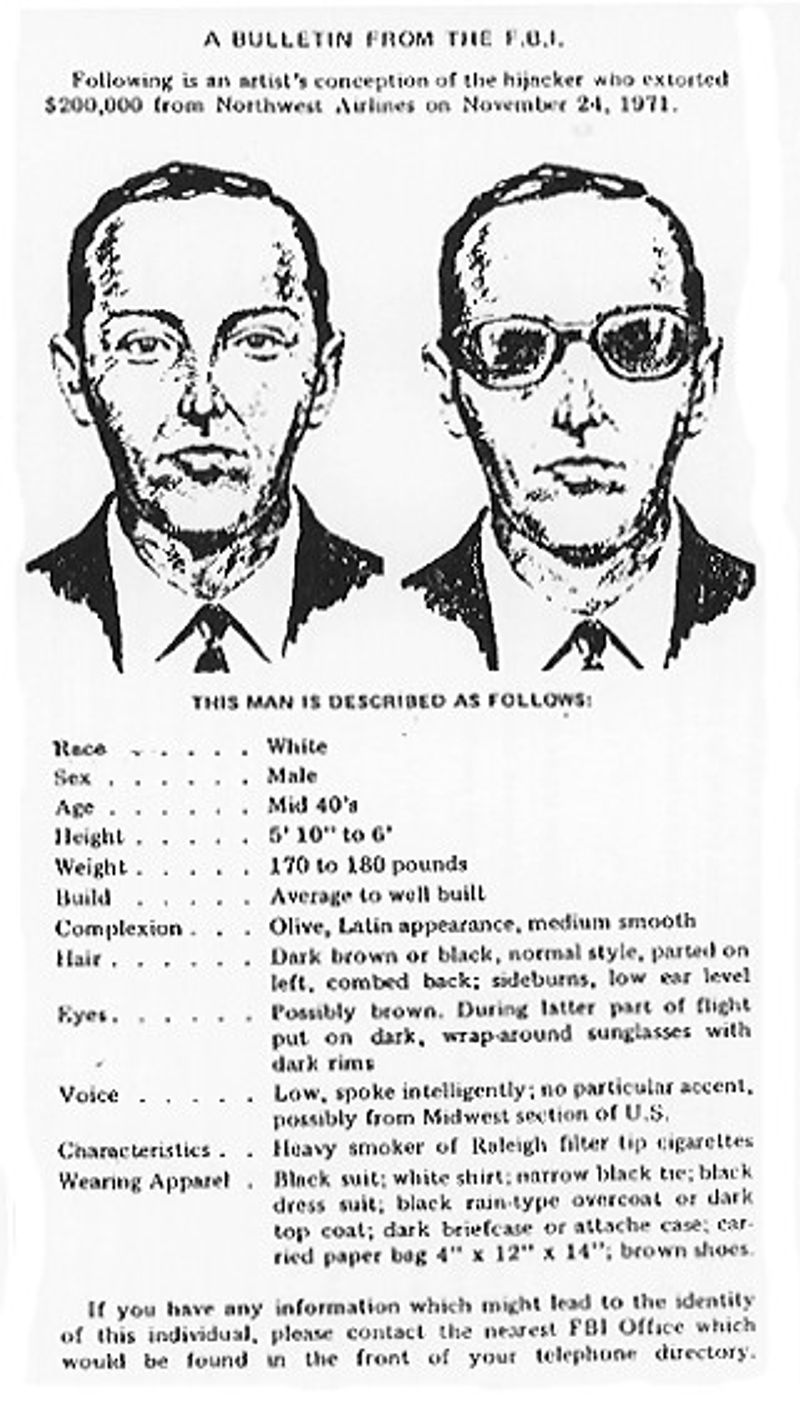
On November 24, 1971, a man using the name Dan Cooper boarded a Northwest Orient flight from Portland to Seattle. He passed a note to a flight attendant claiming he had a bomb, and demanded $200,000 in cash along with four parachutes.
Authorities complied, and the passengers were released during a stop in Seattle.
What happened next has never been explained. Cooper ordered the plane to fly toward Mexico at low altitude.
Somewhere over the dense forests of the Pacific Northwest, he strapped on a parachute, grabbed the money, and jumped into the darkness. He was never seen again.
The FBI investigated the case for 45 years before officially suspending active investigation in 2016. It remains the only unsolved case of air piracy in U.S. commercial aviation history.
A small bundle of the ransom bills was found along a riverbank in 1980, but no other trace of Cooper has ever surfaced.
9. The O.J. Simpson Murder Case (1994-1995)
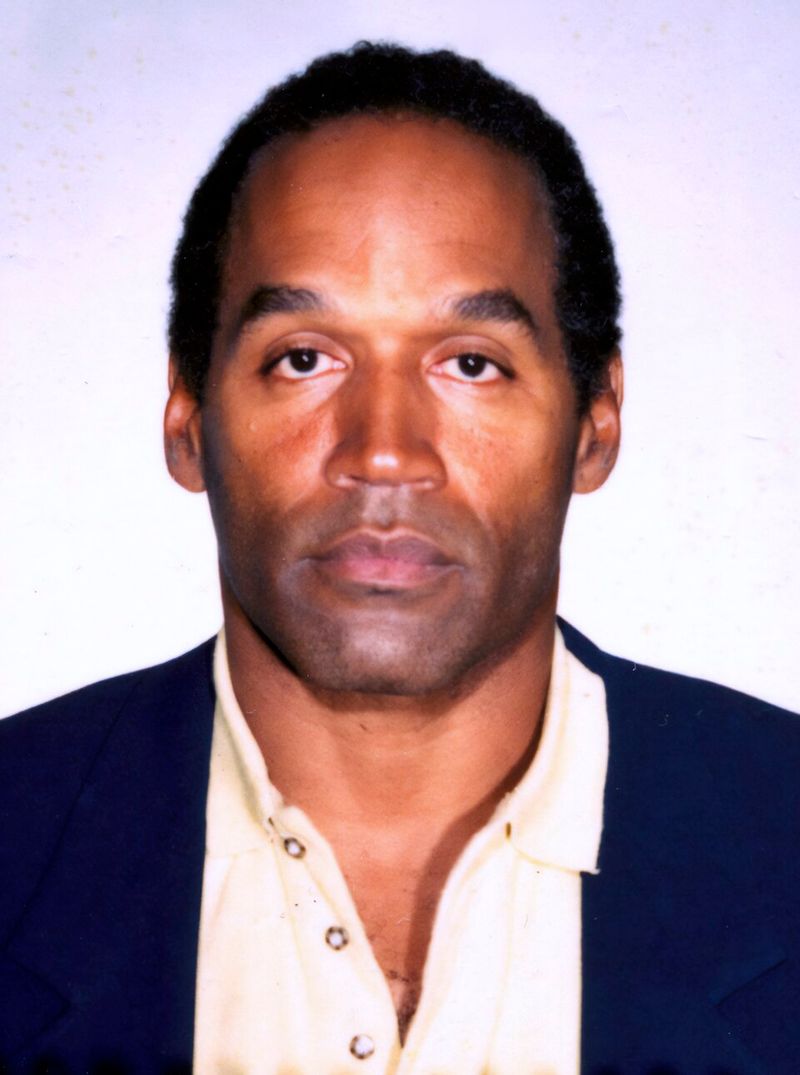
On June 12, 1994, former NFL star O.J. Simpson’s ex-wife Nicole Brown Simpson and her friend Ronald Goldman were found stabbed to death outside her Los Angeles home.
Simpson quickly became the prime suspect, and what followed was one of the most dramatic legal spectacles in American history.
The nationally televised trial lasted nine months and drew an audience of millions. It exposed deep racial divisions in America, with many Black Americans viewing the case through the lens of police misconduct, while many White Americans believed Simpson was guilty.
The verdict, delivered on October 3, 1995, shocked much of the country when Simpson was acquitted.
He was later found liable in a civil trial and ordered to pay $33.5 million to the victims’ families. Simpson died in April 2024.
The case permanently changed how Americans view celebrity, race, and the criminal justice system, and its influence on media coverage of trials continues today.
10. The JonBenet Ramsey Murder (1996)
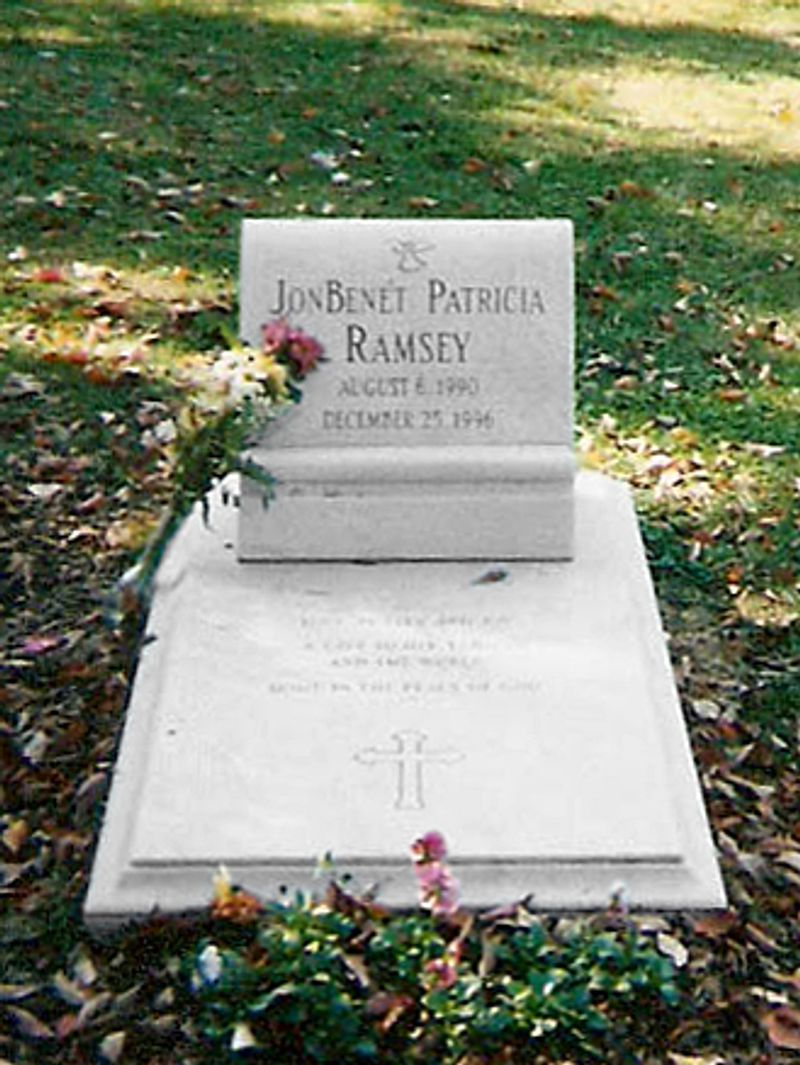
On the morning of December 26, 1996, Patsy Ramsey called 911 to report that her six-year-old daughter JonBenet was missing and that a ransom note had been found in their Boulder, Colorado home. Hours later, JonBenet’s body was discovered in the basement by her father.
She had been strangled.
The case drew intense media coverage partly because of JonBenet’s participation in child beauty pageants, which raised uncomfortable questions about how young children are sometimes presented in the public eye. Suspicion initially fell on the parents, but they were never charged, and DNA evidence later pointed to an unknown male.
The Boulder Police Department has never made an arrest. Advances in DNA technology have kept the case active, and investigators have said they are still pursuing leads.
JonBenet’s murder remains one of the most publicized unsolved child homicide cases in American history, sparking ongoing debate about the investigation’s early missteps.
11. The Boston Marathon Bombing (2013)
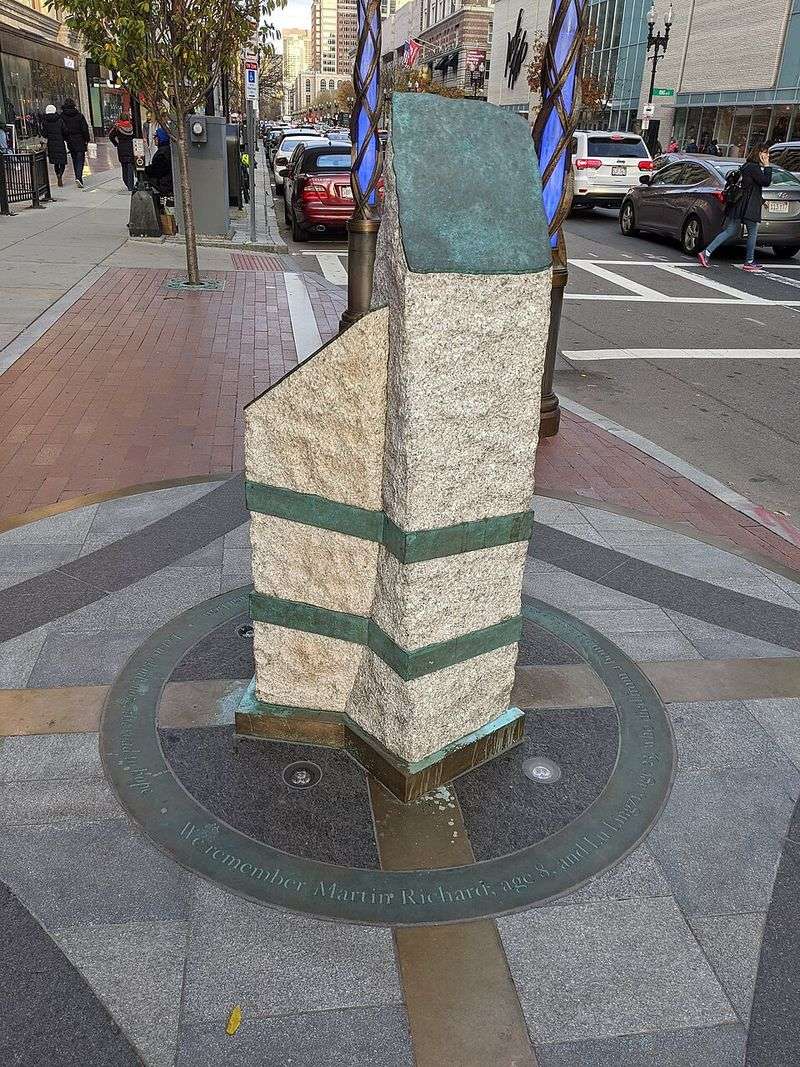
April 15, 2013, was Patriots Day in Massachusetts, one of the most festive days of the year in Boston. Thousands of runners and spectators lined Boylston Street to celebrate the finish of the Boston Marathon.
At 2:49 p.m., two homemade pressure cooker bombs exploded near the finish line, killing three people and injuring more than 260 others, many of whom lost limbs.
Brothers Dzhokhar and Tamerlan Tsarnaev were identified as the bombers through surveillance footage. During the manhunt that followed, they killed an MIT police officer.
Tamerlan died in a confrontation with police, while Dzhokhar was captured hiding in a boat in a Watertown backyard.
Dzhokhar Tsarnaev was convicted on all 30 counts against him and sentenced to death. The attack strengthened Boston’s spirit rather than breaking it, giving rise to the phrase “Boston Strong.” It also led to major security changes at large public events across the country.
12. The BTK Killer Case (1974-2005)
BTK stood for Bind, Torture, Kill, and the man behind those letters terrorized Wichita, Kansas, for more than 30 years. Dennis Rader committed his first murders in January 1974, killing four members of the Otero family in their home.
He went on to claim nine more victims before going quiet for years at a time.
What made Rader uniquely disturbing was his ordinariness. He was a church president, a Cub Scout leader, and a code enforcement officer.
He lived among his neighbors without raising suspicion. He also taunted investigators with letters and packages, craving recognition for his crimes.
His downfall came when he sent a floppy disk to police in 2004, believing it could not be traced. Metadata on the disk led investigators directly to him.
Rader pleaded guilty in 2005 and is currently serving 10 consecutive life sentences. His case remains a chilling reminder that evil can hide in plain sight.
13. The Night Stalker Murders (1984-1985)
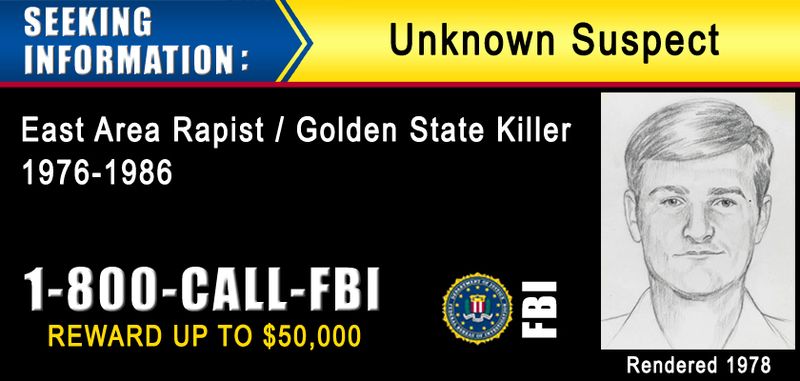
Between June 1984 and August 1985, a serial killer known as the Night Stalker broke into homes across Southern California, killing at least 14 people and assaulting many others. Richard Ramirez struck at random, targeting victims of all ages in both Los Angeles and San Francisco, creating widespread panic throughout the region.
Ramirez was brazen and unpredictable. He left Satanic symbols at some crime scenes and made no attempt to target a specific type of victim.
Residents bought extra locks, guard dogs, and firearms. Hardware stores reported record sales as communities tried desperately to protect themselves from someone who seemed to strike without pattern or warning.
He was finally caught in August 1985 after residents in East Los Angeles recognized him from news coverage and physically detained him until police arrived. Ramirez was convicted of 13 murders and sentenced to death.
He died in prison in 2013 while awaiting execution, never showing remorse for his crimes.
14. The Atlanta Child Murders (1979-1981)
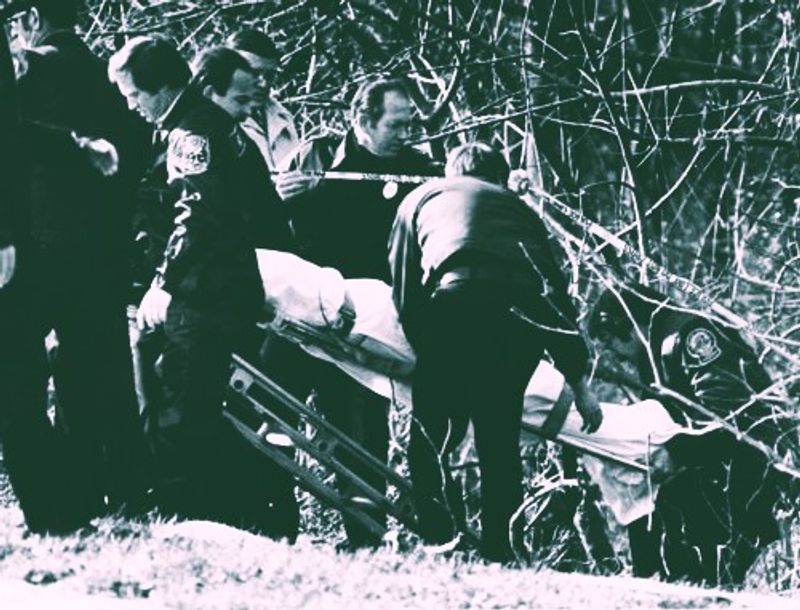
Between 1979 and 1981, at least 28 children and young adults were murdered in Atlanta, Georgia. The victims were predominantly young Black males from low-income neighborhoods.
The killings went on for nearly two years before a suspect was identified, and the slow response from authorities drew sharp criticism from the Black community and civil rights leaders.
Wayne Williams, a 23-year-old music promoter, was arrested in 1981 after being stopped on a bridge near where a body was later found in the river. He was convicted of two adult murders, and authorities attributed most of the child killings to him as well, though he was never charged with those cases specifically.
Williams has maintained his innocence for decades. In 2021, Atlanta’s mayor reopened the investigation, citing advances in forensic technology.
The case remains one of the most painful chapters in Atlanta’s history, raising questions about race, justice, and whether the full truth was ever told.
15. The Tylenol Cyanide Murders (1982)
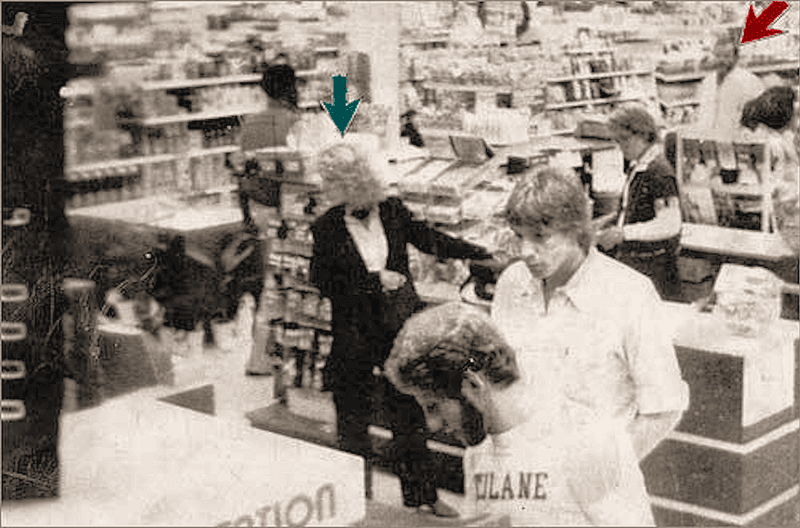
In late September 1982, seven people in the Chicago area died after taking Extra-Strength Tylenol capsules that had been laced with potassium cyanide. The victims ranged in age from 12 to 35 and had no connection to each other.
All they had in common was that they had taken Tylenol purchased from local stores.
The case triggered a nationwide panic. Johnson and Johnson recalled 31 million bottles of Tylenol and offered free replacements.
The FBI and FDA launched massive investigations, but the person responsible was never identified or charged. It remains one of the most consequential unsolved crimes in American consumer history.
The lasting impact of the case changed everyday life for everyone. Before 1982, most over-the-counter medicines had no tamper-proof seals.
After the murders, Congress passed the Federal Anti-Tampering Act, and the FDA required tamper-resistant packaging for all consumer products. Every sealed medicine bottle you open today exists because of those seven victims.
Share this story