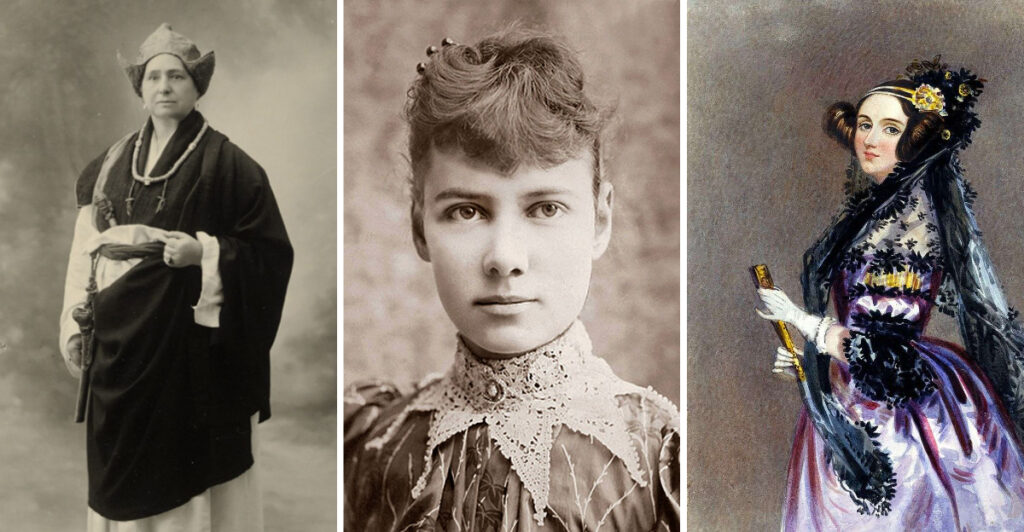
Throughout history, certain women have stood out not just for what they achieved, but for how boldly they lived. From ancient queens to modern inventors, these women broke rules, crossed borders, and changed the world in ways that still matter today.
Their stories are filled with courage, smarts, and a refusal to be overlooked. Get ready to meet 12 of the most fascinating women who ever lived.
1. Cleopatra VII
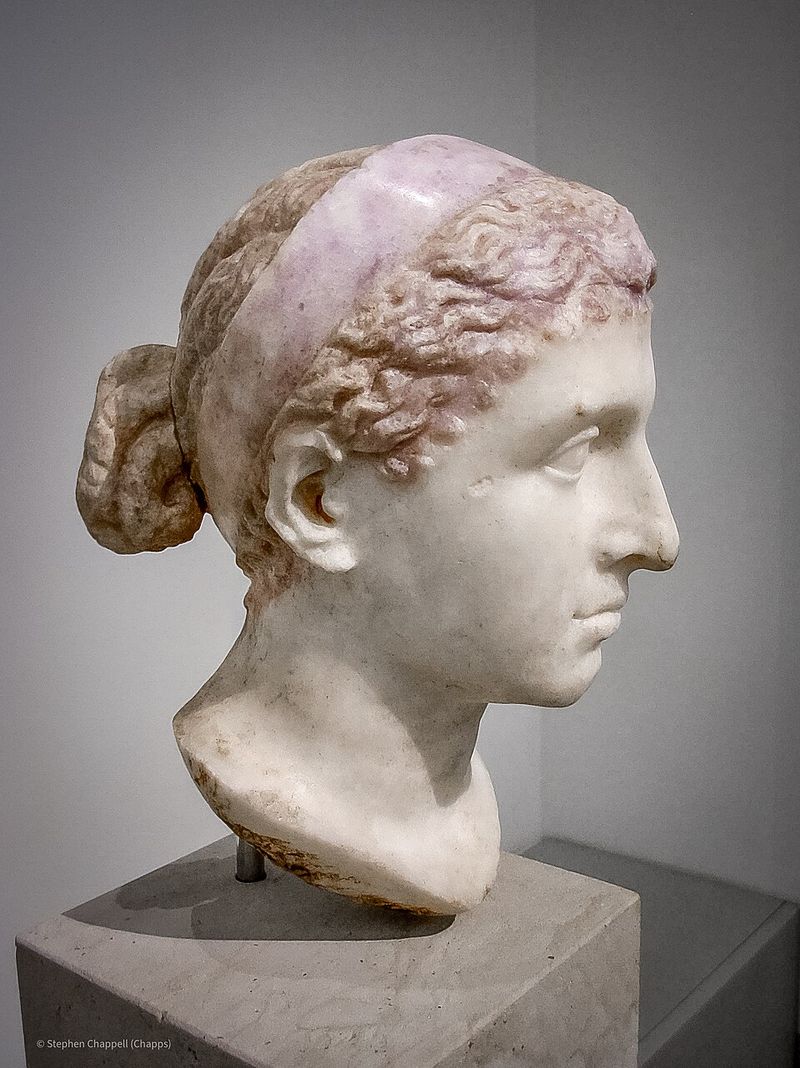
Few rulers in history have captured the world’s imagination quite like Cleopatra VII. She became queen of Egypt at just 18 years old and immediately proved she was far more than a figurehead.
Cleopatra was sharp, strategic, and fiercely determined to keep Egypt independent.
What set her apart from most rulers of her era was her extraordinary gift for languages. She reportedly spoke nine languages, including Egyptian, which was rare for a ruler of her Greek-descended dynasty.
This skill made her a powerful diplomat who could negotiate directly with foreign leaders without an interpreter.
She formed famous alliances with Roman leaders Julius Caesar and Mark Antony, using politics and personal influence to protect her kingdom. Though Egypt eventually fell to Rome after her death, Cleopatra’s legacy as a brilliant, multilingual queen who commanded respect across empires has never faded.
2. Joan of Arc
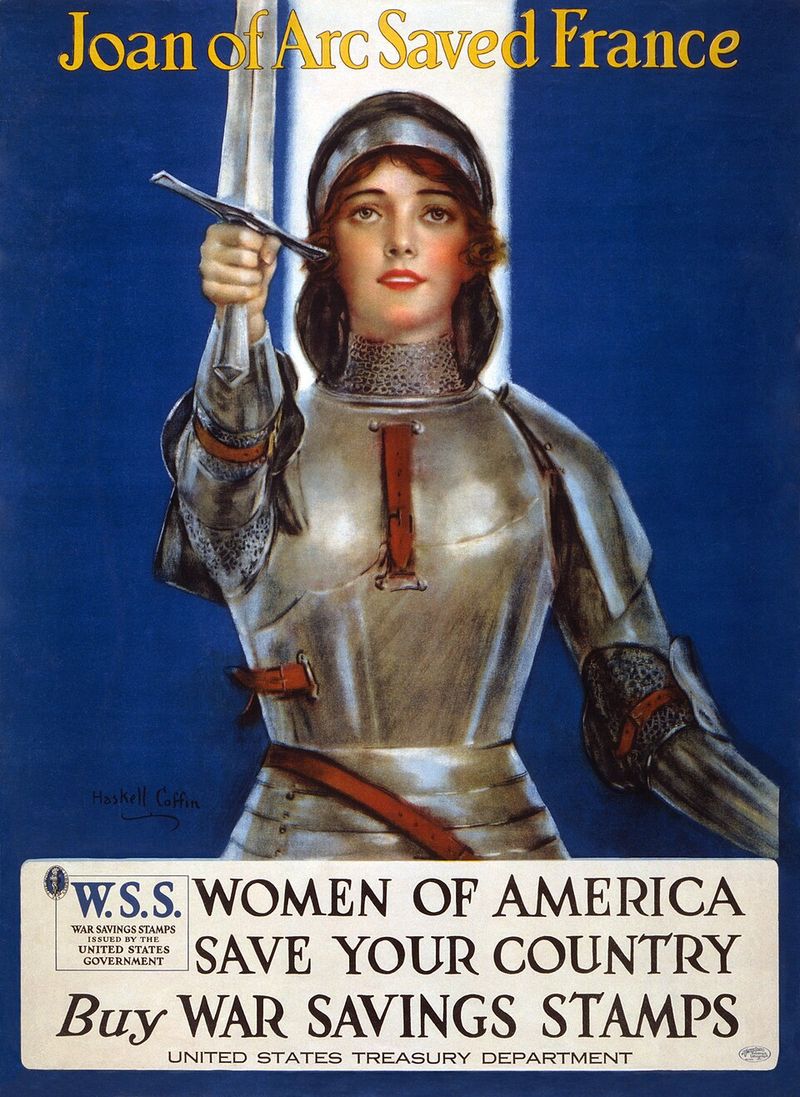
Born into a peasant family in rural France, Joan of Arc had no military training, no noble title, and no obvious reason to lead an army. Yet by the time she was 17, she was doing exactly that, and winning.
She claimed to hear divine voices guiding her to help France reclaim its throne from English control.
Her confidence and conviction inspired French soldiers who had grown weary and defeated. Under her leadership, the French army achieved a critical victory at Orleans in 1429, turning the tide of the Hundred Years’ War.
It was a moment that changed French history forever.
Captured by English-allied forces and tried for heresy, Joan was executed at just 19 years old. She was later declared a saint by the Catholic Church.
Her story remains one of the most powerful examples of courage against impossible odds in all of recorded history.
3. Harriet Tubman
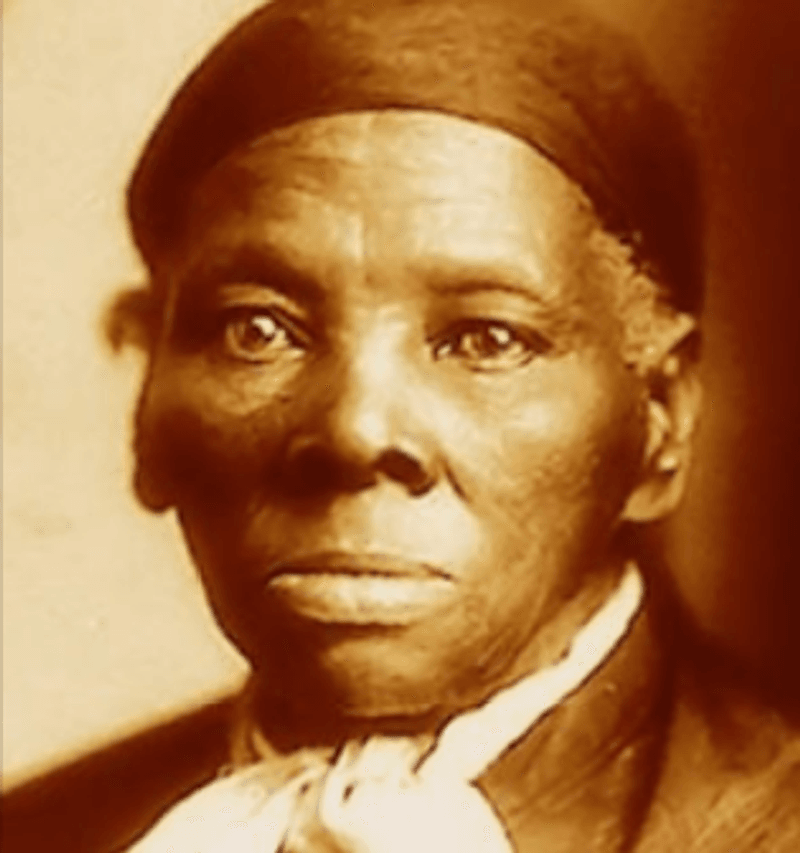
Harriet Tubman escaped slavery in 1849 and immediately turned around to help others do the same. Over the next decade, she made approximately 13 missions back into slave territory and guided roughly 70 enslaved people to freedom through a secret network known as the Underground Railroad.
She never lost a single person under her care.
Tubman earned the nickname “Moses” because, like the biblical figure, she led her people out of bondage. She was fearless, resourceful, and carried a pistol, partly to protect the group and partly, it was said, to discourage anyone from turning back out of fear.
When the Civil War began, she served the Union Army as a spy and scout, using her knowledge of back roads and waterways to gather intelligence. Harriet Tubman’s life was defined by a fierce commitment to freedom that never wavered, no matter the personal risk.
4. Amelia Earhart
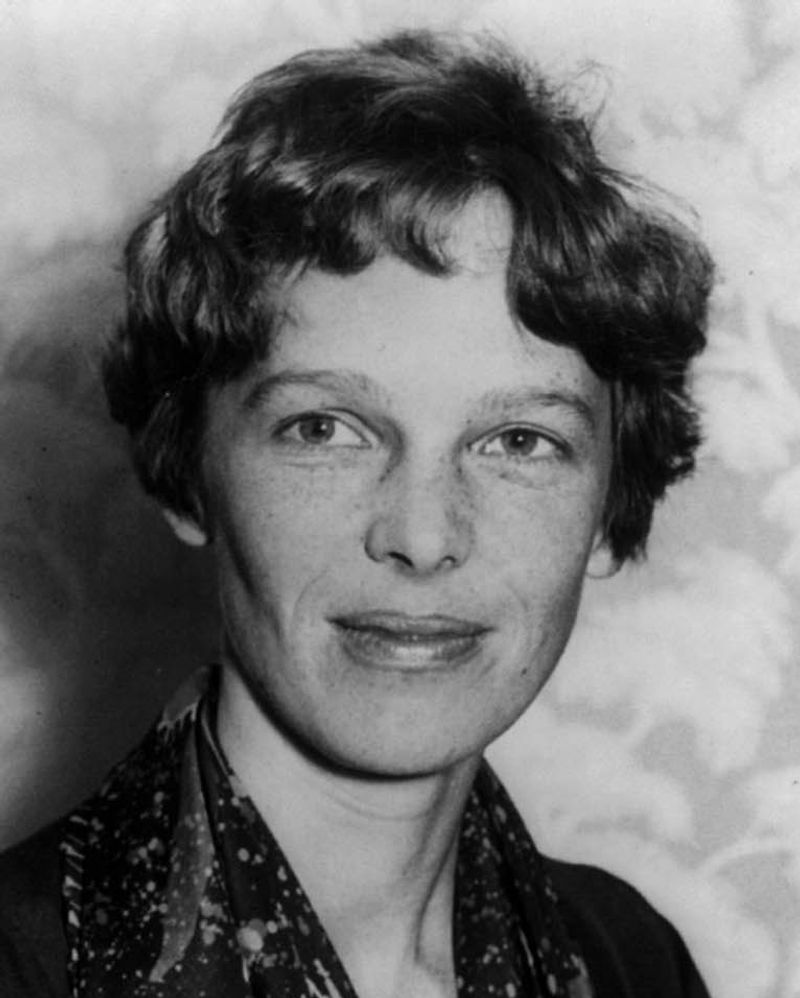
Amelia Earhart took her first airplane ride at age 23 and immediately knew flying was her calling. She saved up money working multiple jobs to pay for flying lessons, and within a year, she had broken her first altitude record.
Earhart was not just a pilot; she was a symbol of what women could do when given the chance.
In 1932, she became the first woman to fly solo across the Atlantic Ocean, completing the journey in just under 15 hours. The feat made her an international celebrity and a hero to millions of young women around the world who saw her as proof that the sky had no limits.
Her disappearance in 1937 during an attempted round-the-world flight remains one of aviation’s greatest unsolved mysteries. Despite her fate, Earhart’s legacy as a trailblazing pilot who refused to let gender define her limits continues to inspire people everywhere.
5. Marie Curie
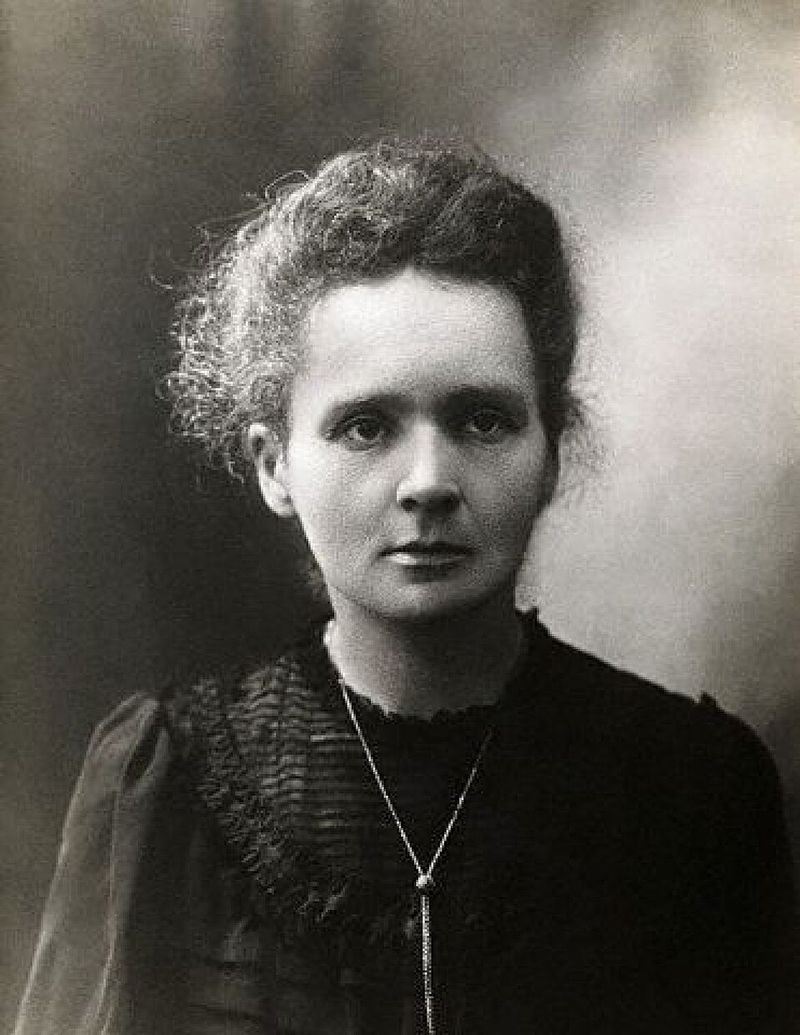
Marie Curie grew up in Poland at a time when women were not allowed to attend university there. Determined to pursue science, she moved to Paris, studied at the Sorbonne, and graduated at the top of her class.
Her hunger for knowledge was relentless, and her results were extraordinary.
She discovered two new elements, polonium and radium, and coined the term “radioactivity.” Her research fundamentally changed how scientists understood matter and energy. In 1903, she became the first woman to win a Nobel Prize, sharing it in Physics.
Then in 1911, she won a second Nobel Prize, this time in Chemistry, making her the first person ever to win the award in two different scientific fields.
Curie worked tirelessly through poverty, discrimination, and personal loss. She eventually died from aplastic anemia, a condition likely caused by years of radiation exposure from her own groundbreaking experiments.
Her dedication to science remains unmatched.
6. Hedy Lamarr
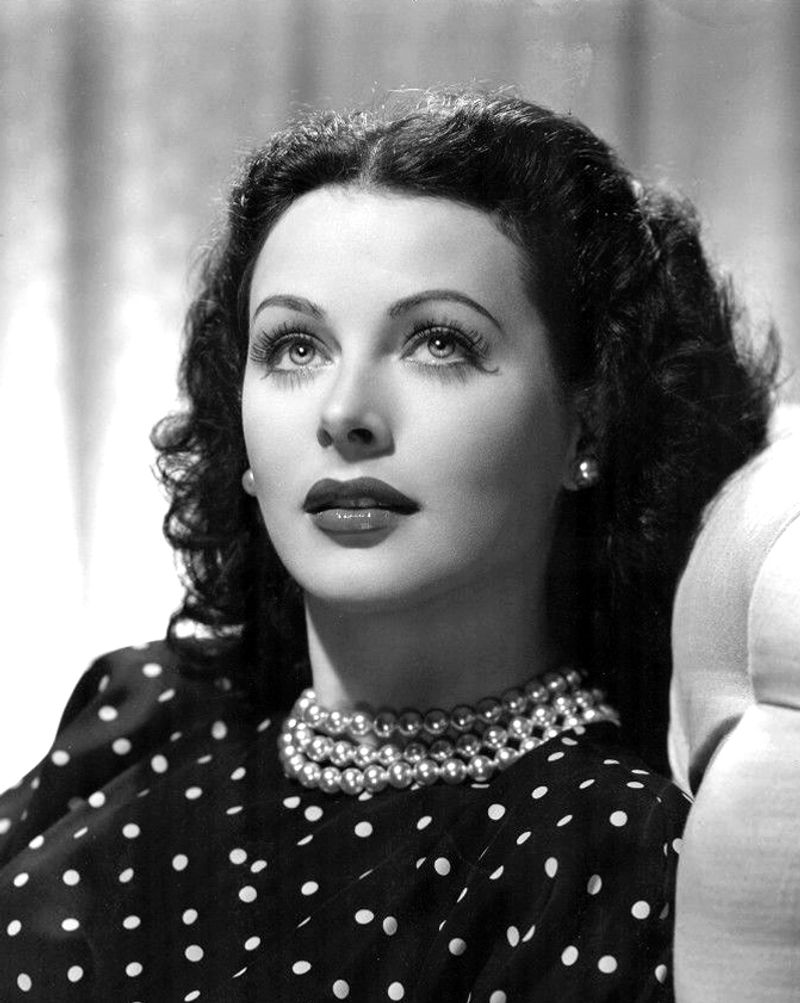
Most people in the 1940s knew Hedy Lamarr as one of Hollywood’s biggest stars, described at the time as one of the most beautiful women in film. What almost nobody knew was that behind closed doors, she was quietly working on an invention that would eventually help shape the modern world.
During World War II, Lamarr co-developed a “frequency-hopping” signal system designed to make radio-guided torpedoes harder for enemies to detect or jam. The idea was ahead of its time by decades.
The U.S. military did not adopt it right away, but the core concept later became foundational to technologies like Wi-Fi, Bluetooth, and GPS.
She received no financial reward for her invention during her lifetime and was largely uncredited until the 1990s. Lamarr’s story is a striking reminder that brilliance does not always come packaged the way people expect, and that inventors can hide in plain sight.
7. Sacagawea
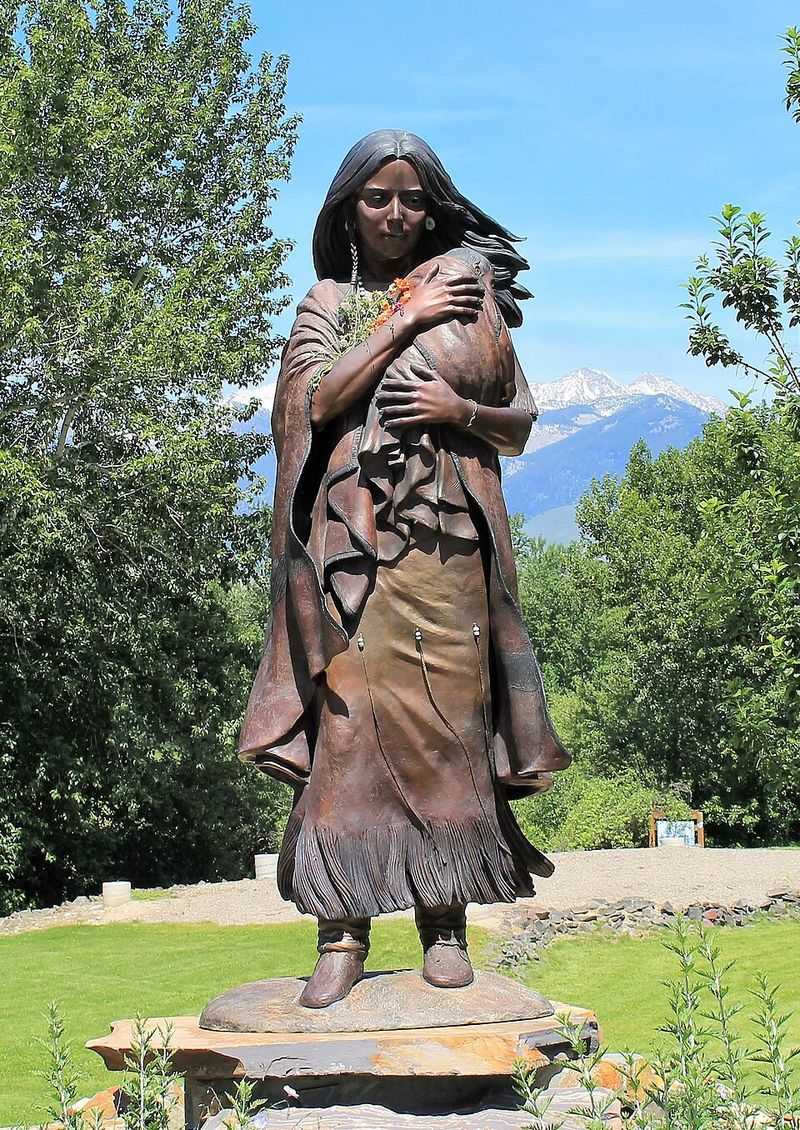
When the Lewis and Clark Expedition set out to explore the western United States in 1804, Sacagawea was only about 16 years old and pregnant with her first child. She joined the expedition as a guide and interpreter, traveling thousands of miles through unfamiliar and often dangerous terrain with a newborn strapped to her back.
Her presence was invaluable in ways that went beyond navigation. When the group encountered Indigenous nations along the route, Sacagawea’s identity as a Shoshone woman signaled peaceful intentions and helped open doors that might otherwise have stayed firmly shut.
She also helped the expedition obtain horses from her own people, a critical contribution to their journey’s success.
Sacagawea’s calm under pressure and deep knowledge of the land made her one of the expedition’s most important members. She is now honored on the U.S. dollar coin, a recognition long overdue for her remarkable role in American history.
8. Boudica
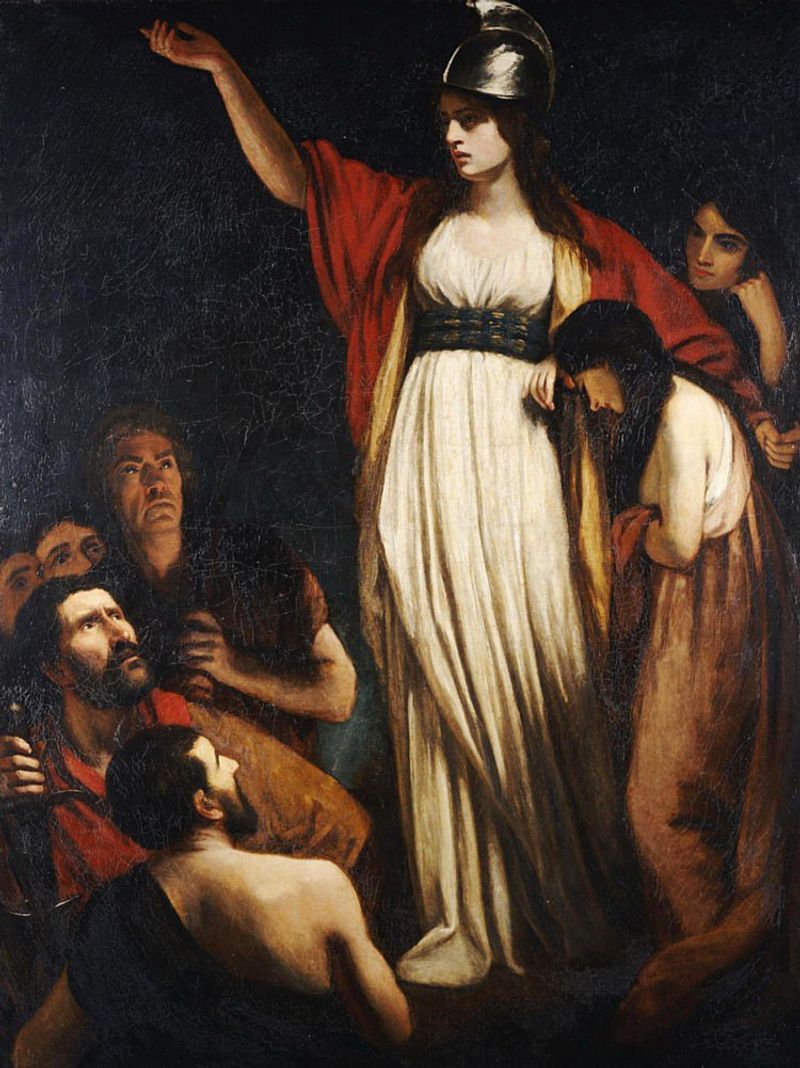
Around A.D. 60, a queen named Boudica led one of the most dramatic uprisings the Roman Empire had ever faced. She ruled the Iceni tribe in what is now eastern England, and when Roman forces seized her land, flogged her, and mistreated her daughters after her husband’s death, she responded with a fury that shook an empire.
Boudica united several British tribes and led an army estimated at tens of thousands of warriors. Her forces destroyed three major Roman cities, including Camulodunum, Londinium, and Verulamium, which are known today as Colchester, London, and St. Albans.
Roman historians recorded that her army showed no mercy.
The Romans eventually regrouped and defeated her forces in a final battle. Rather than face capture, Boudica is believed to have taken her own life.
Her rebellion stands as one of history’s most powerful examples of resistance against oppression, and she remains a British national symbol of defiance.
9. Nellie Bly
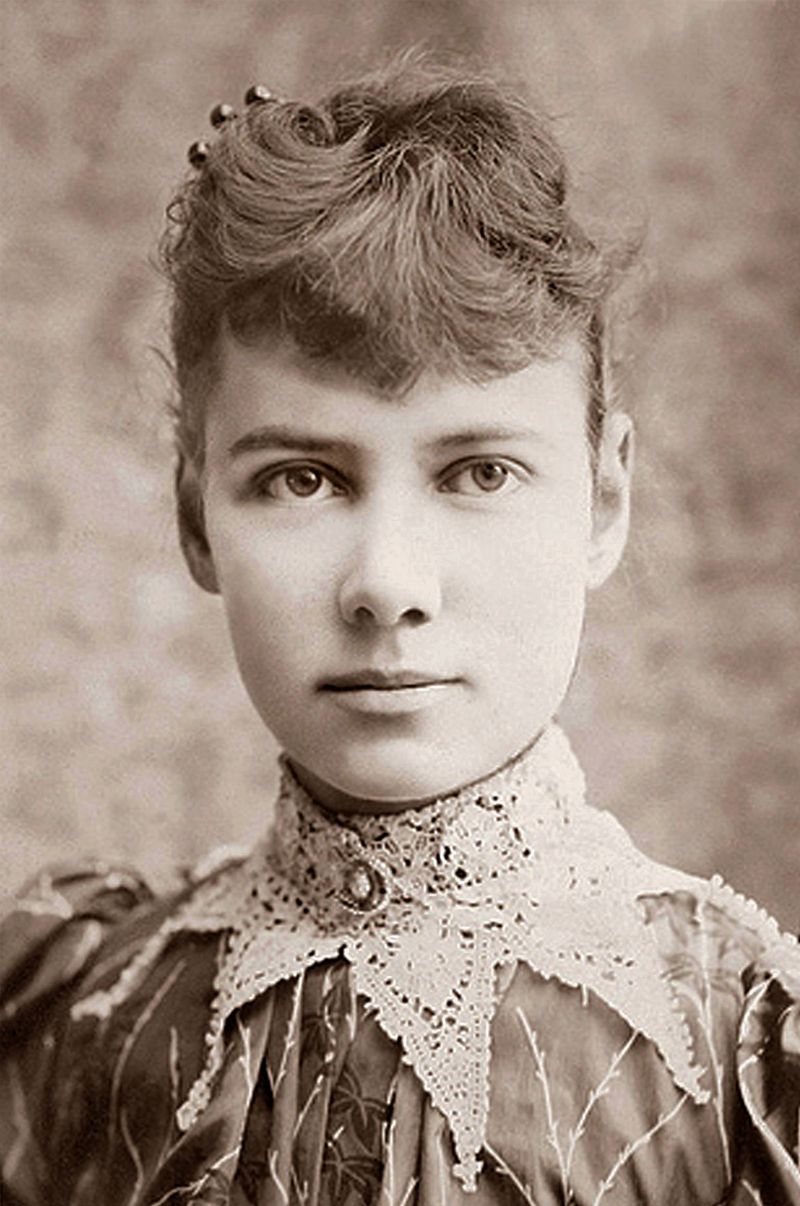
Nellie Bly got her first newspaper job by writing a fiery response to a column that argued women belonged only in the home. That bold move set the tone for an entire career built on going where no journalist had gone before.
She became one of the most fearless reporters of the 19th century.
Her most famous investigation involved going undercover inside a New York psychiatric institution in 1887. She faked mental illness to get admitted and then documented the horrific conditions patients endured, including filthy facilities, physical abuse, and near starvation.
Her exposé led to major reforms in how mental health patients were treated.
Not content with that achievement, Bly then circled the entire globe in just 72 days in 1889, beating the fictional record set by Jules Verne’s character Phileas Fogg. Adventurous, sharp, and completely self-driven, Nellie Bly redefined what journalism could look like when a woman held the pen.
10. Josephine Baker
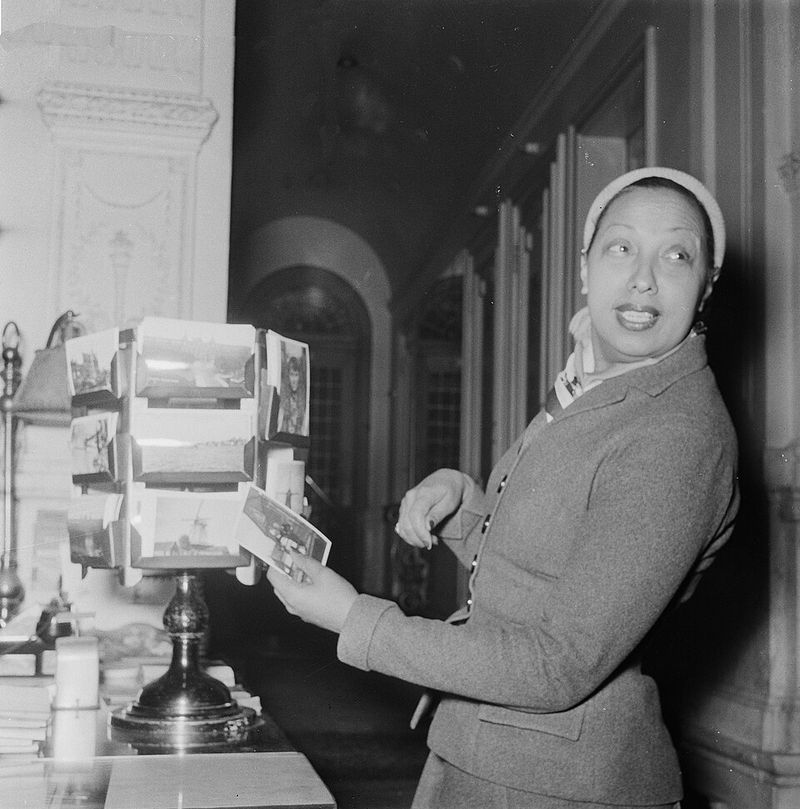
Josephine Baker grew up in poverty in St. Louis, Missouri, and found her way to Paris as a young dancer in the 1920s. France embraced her in a way that America, with its rigid racial segregation, never had.
She became the toast of Paris, a headline performer whose shows were legendary for their energy, style, and pure joy.
But Baker was far more than an entertainer. When World War II broke out, she used her celebrity status as cover for intelligence work with the French Resistance.
She smuggled secret information written in invisible ink on her sheet music and, at times, hidden in her underwear. Her courage during the war earned her French military honors, including the Croix de Guerre.
After the war, she returned to the United States and became an active voice in the civil rights movement, refusing to perform for segregated audiences. Josephine Baker lived a life that was, in every sense, extraordinary from start to finish.
11. Ada Lovelace
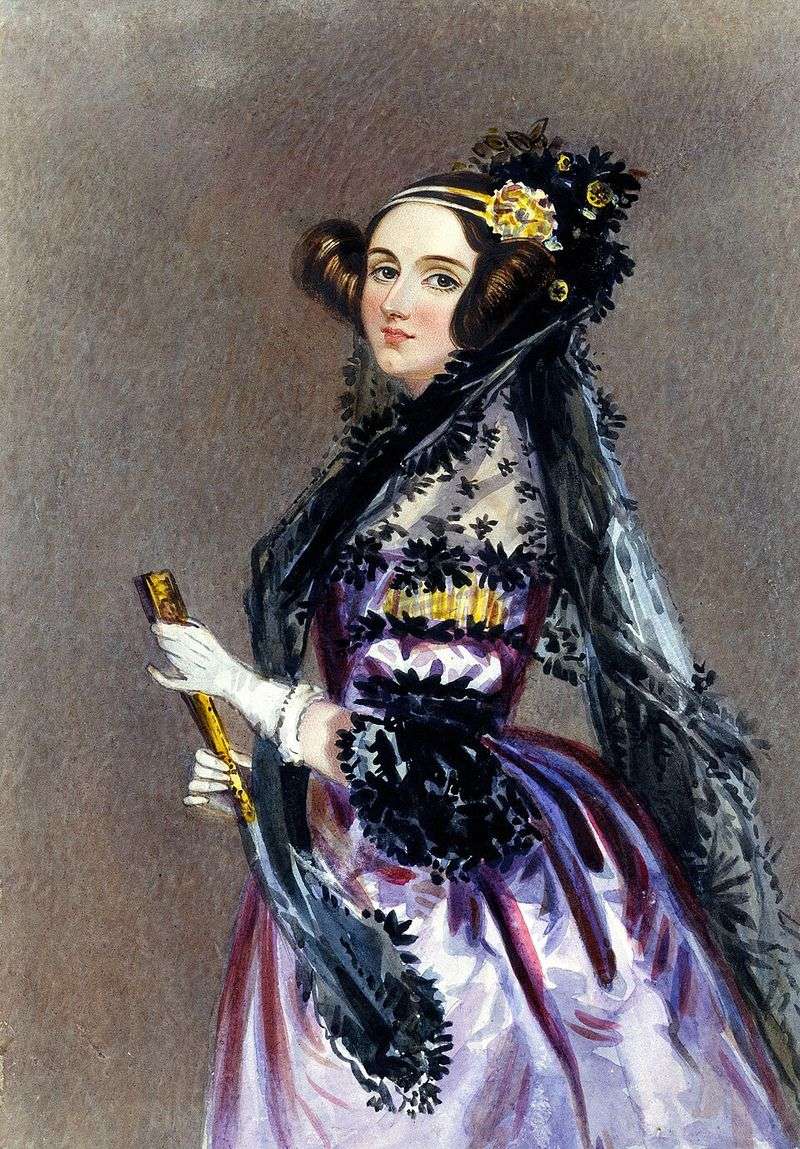
Ada Lovelace had an unusual upbringing for a girl in 1800s England. Her mother, worried that Ada might inherit what she called the “dangerous” poetic temperament of her famous father, Lord Byron, pushed her toward mathematics from an early age.
That decision, though made out of fear, helped create the world’s first computer programmer.
In the 1840s, Lovelace worked alongside inventor Charles Babbage, who was designing a mechanical computing machine called the Analytical Engine. While translating an article about the machine from French to English, she added her own detailed notes, which were three times longer than the original article.
Those notes included what historians now recognize as the first computer algorithm ever written.
She also imagined that such machines could go far beyond number-crunching, predicting uses that would not become reality for over a century. Ada Lovelace saw the future of computing before anyone else even knew it existed.
12. Alexandra David-Neel
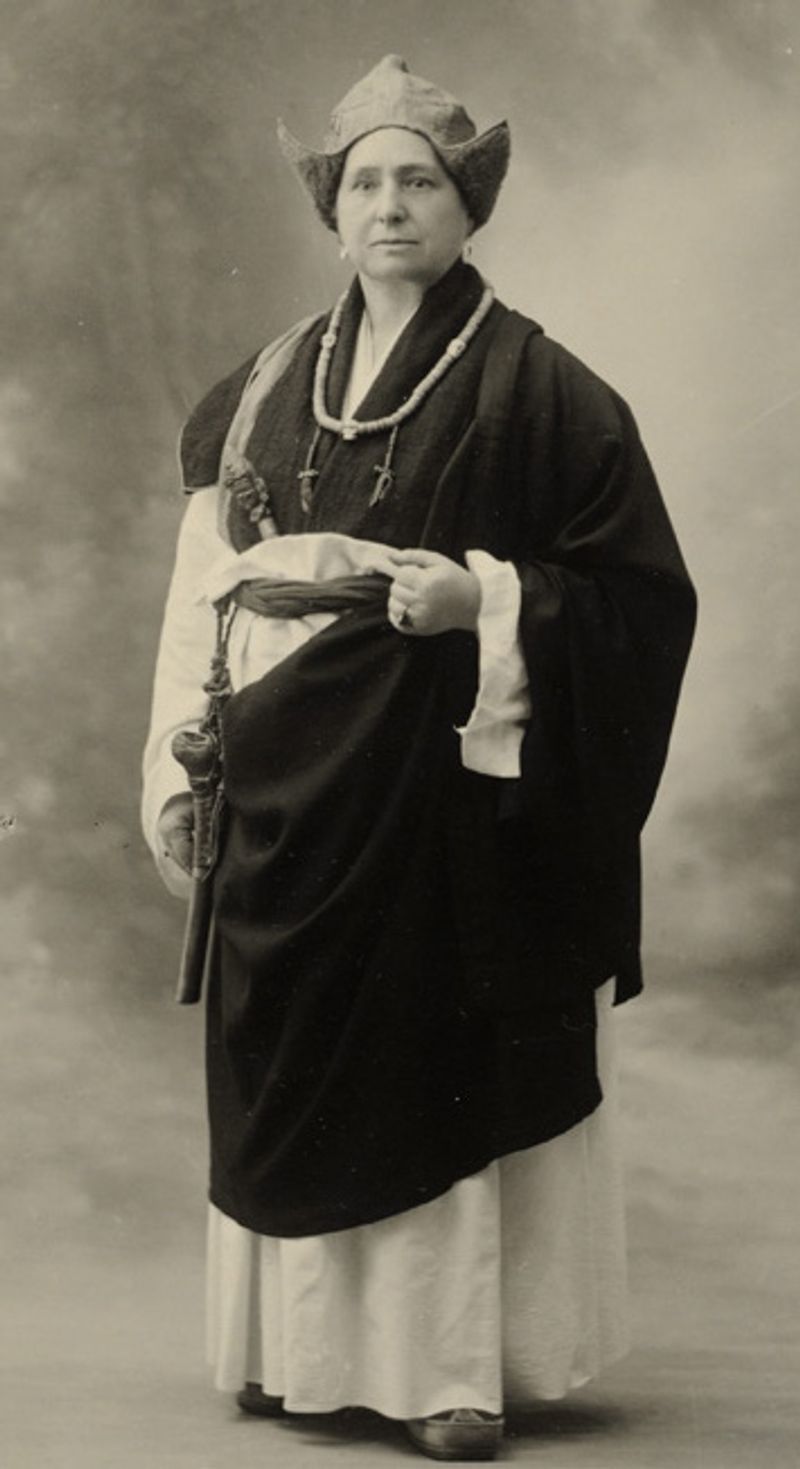
Alexandra David-Neel was already in her 50s when she accomplished the feat that would make her famous forever. In 1924, disguised as a Tibetan beggar and traveling through freezing mountain passes in the dead of winter, she became the first European woman known to enter Lhasa, Tibet’s forbidden holy city.
The journey took months and pushed her to her physical limits.
Long before that historic trek, David-Neel had already lived a remarkable life. She was an opera singer, an anarchist writer, a Buddhist scholar, and a fearless solo traveler at a time when women were expected to stay close to home.
She studied Buddhism directly under Tibetan monks and spent years living in mountain hermitages.
She wrote more than 30 books about her travels and Buddhist philosophy, and she continued exploring well into her 80s. Alexandra David-Neel proved that age, gender, and borders are no match for a truly unstoppable curiosity about the world.
Share this story