There is a wooden grist mill sitting beside a mountain stream in the Virginia highlands that has been photographed so many times it practically has its own fan club. Visitors pull over, grab their cameras, and spend far longer than they planned just staring at the waterwheel turning against a backdrop of misty ridges.
The mill sits in a tiny community perched at roughly 2,900 feet elevation, where the Blue Ridge Parkway meets a historic highway and time genuinely seems to slow down. What surprises most people is how much there is to discover once they step away from that first iconic shot.
Where the Blue Ridge Parkway Meets Meadows of Dan
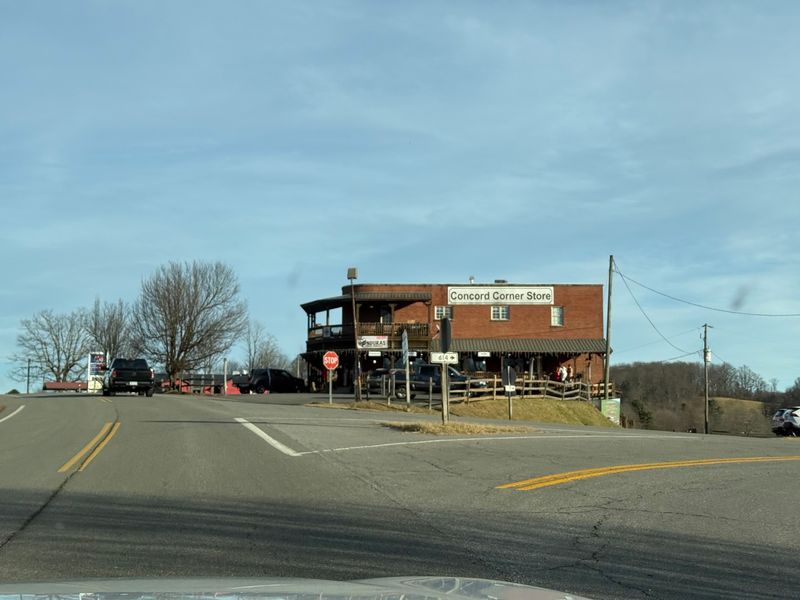
Most crossroads in rural Virginia are just stop signs and cornfields. The intersection at Meadows of Dan is something else entirely.
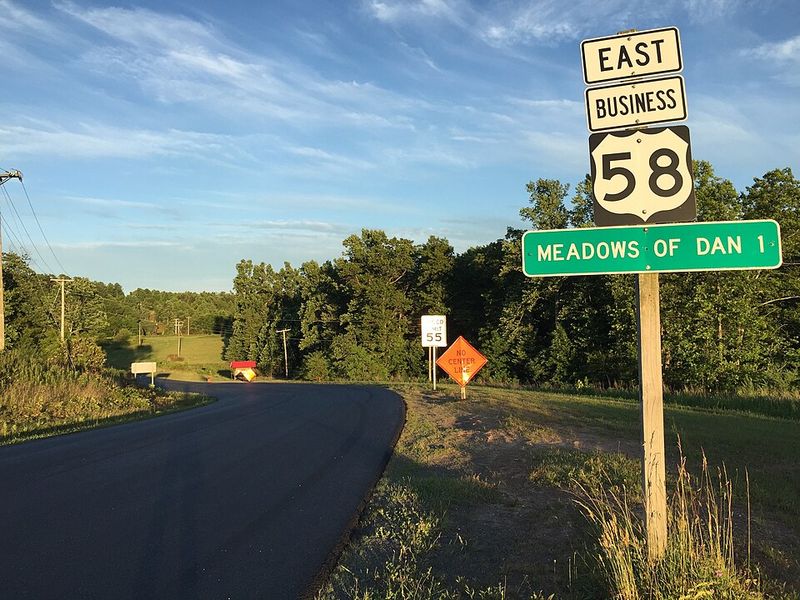
This small unincorporated community in Patrick County, Virginia, sits at the point where the Blue Ridge Parkway crosses U.S. Route 58, one of the most scenic highways in the entire state.
The elevation here hovers near 2,900 feet, which means the air is noticeably cooler, the mornings are misty, and the light hits the surrounding ridgelines in a way that photographers chase for hours.
Meadows of Dan, Virginia 24120, is not a town with a mayor or a downtown grid. It is a community defined by its landscape, its elevation, and its position along two iconic American roads.
That combination alone makes it worth the drive, but the real draw is waiting just a short distance away along the parkway.
The Mill That Stopped Everyone in Their Tracks
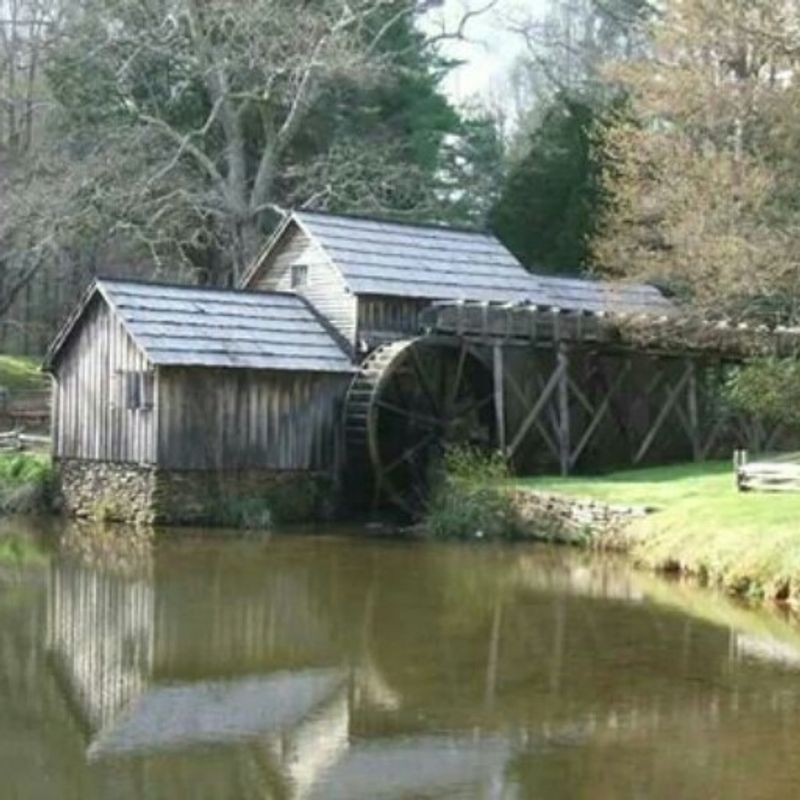
Mabry Mill is the reason most people first hear about this corner of Virginia. Built in the early 1900s by Ed Mabry and his wife Lizzie, the mill was used for grinding grain, sawing lumber, and processing leather.
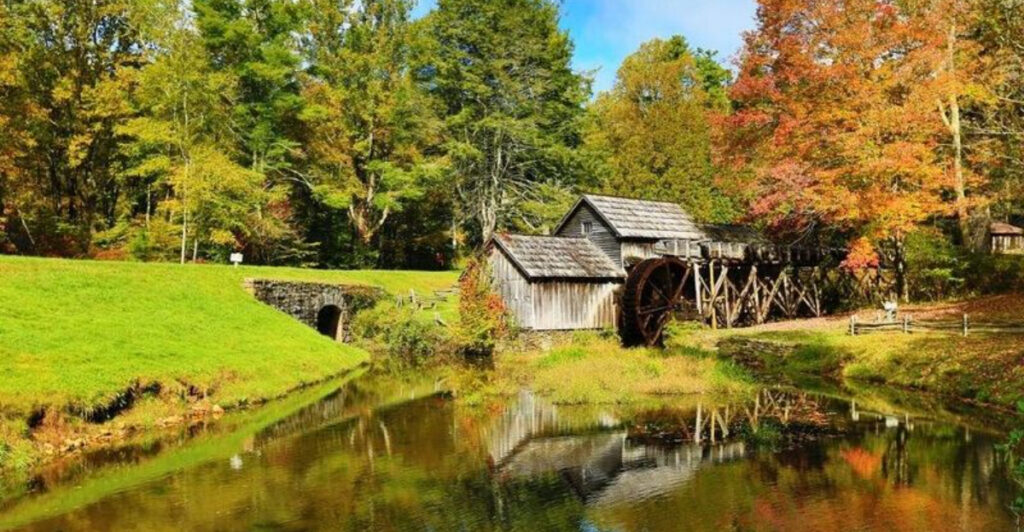
The structure itself is a weathered wooden building connected to a working waterwheel, and it sits beside a small millpond that reflects the surrounding trees like a mirror on calm mornings. The National Park Service has called it one of the most photographed spots along the entire Blue Ridge Parkway, and once you see it in person, that claim makes complete sense.
What makes the mill feel different from other historic landmarks is how lived-in it looks. Nothing about it feels staged or over-restored.
The wood is genuinely old, the wheel genuinely turns, and the whole scene genuinely earns every photograph taken of it.
Ed and Lizzie Mabry: The Story Behind the Structure
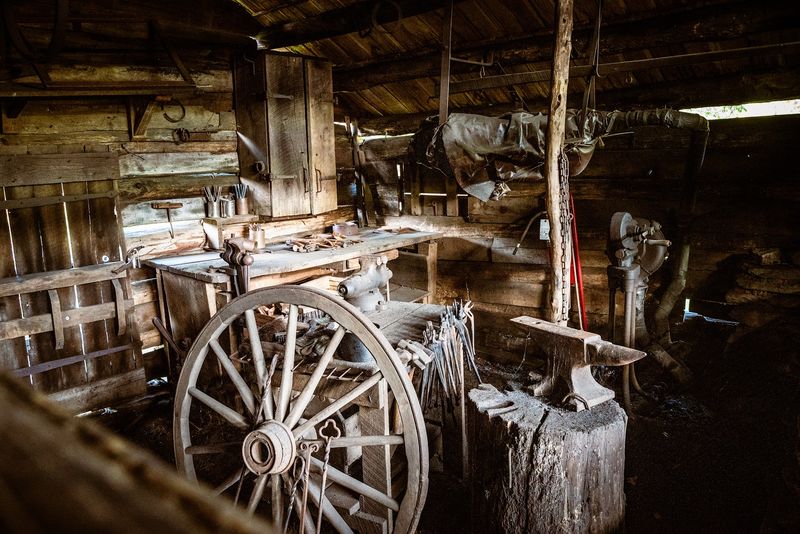
Ed Mabry spent years building and expanding his mill operation largely by hand. He and Lizzie ran the mill as a working business serving the surrounding mountain community, where neighbors brought their grain to be ground into cornmeal and flour.
Ed was known as a skilled craftsman who built and repaired much of the machinery himself. After both Ed and Lizzie passed, the property eventually came under the care of the National Park Service, which preserved it as a living history site along the Blue Ridge Parkway.
That history gives the mill a weight that goes beyond its visual appeal. Knowing that a real family worked this land, relied on this waterwheel, and served their neighbors here for decades makes standing beside the millpond feel genuinely meaningful.
The Mabry story is quietly told through the landscape itself, and it rewards visitors who take the time to learn it.
The Millpond That Photographers Cannot Leave
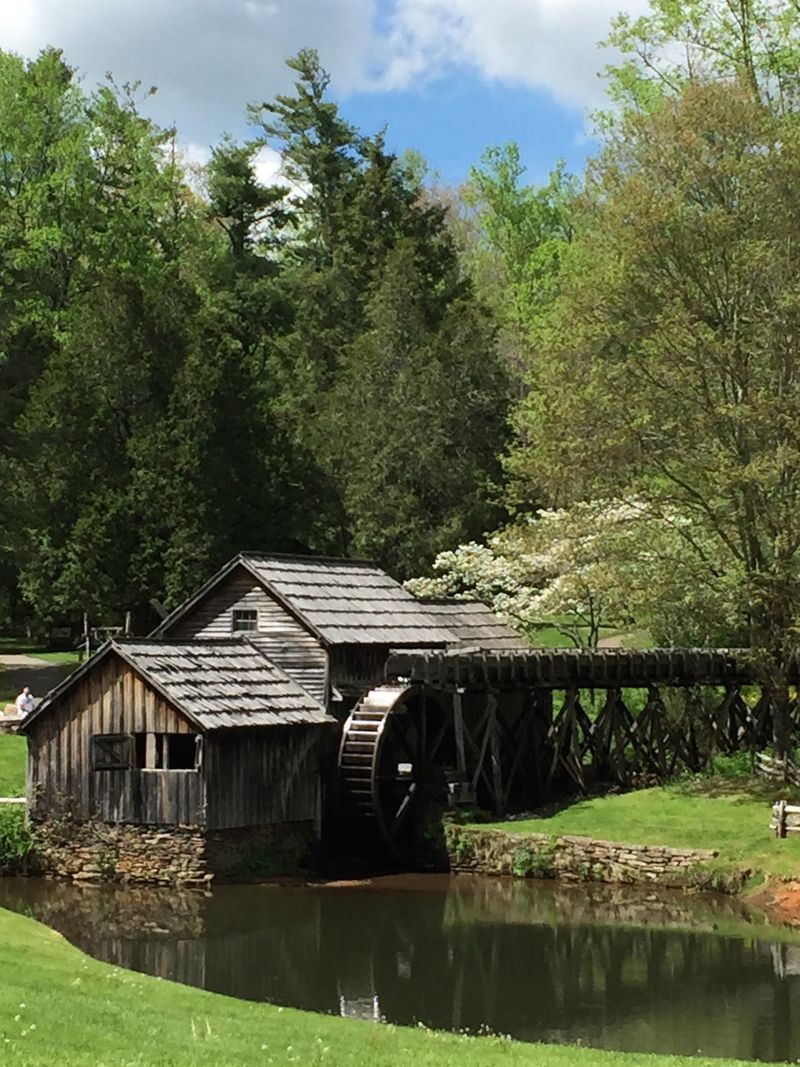
The millpond at Mabry Mill is arguably as famous as the mill itself. On calm mornings, the water reflects the wooden structure and surrounding trees so cleanly that some photographs look almost symmetrical.
Photographers who know the spot arrive before sunrise to catch the mist rising off the water while the light is still soft and golden. The reflection shifts with the seasons, turning from deep green in summer to a riot of orange and red in October, then to bare gray branches in winter, each version offering something completely different.
What many casual visitors miss is how the pond changes throughout a single day. The morning mist burns off, the light shifts, shadows move across the water, and the whole mood of the scene transforms.
Spending even an hour here across different times of day reveals why photographers keep coming back rather than moving on after a single shot.
Fall Color Along the Parkway Near Meadows of Dan
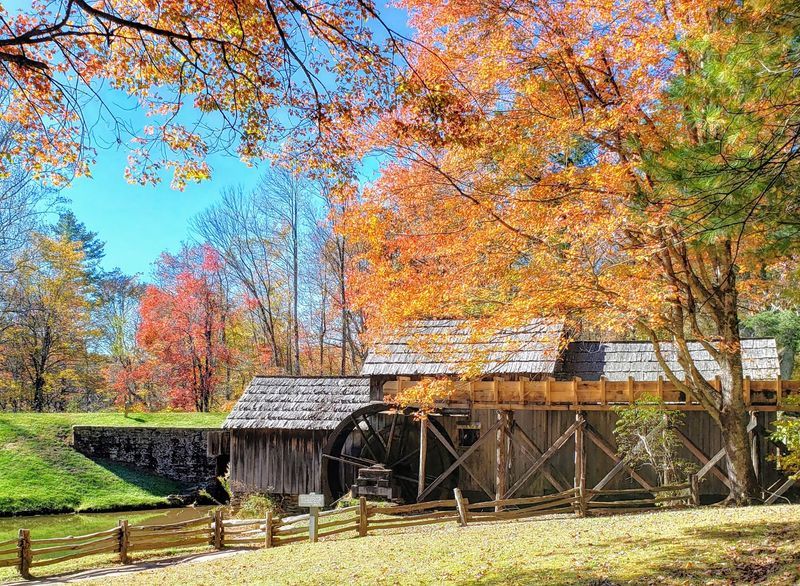
The stretch of Blue Ridge Parkway near Meadows of Dan is widely considered one of the best places in Virginia to experience fall foliage. The elevation means the color change often arrives earlier here than in the valleys below, and the open ridgeline views let you see the color spreading across entire mountainsides at once.
Peak color typically arrives in mid to late October, though the exact timing shifts slightly from year to year depending on temperature and rainfall. Driving slowly along the parkway during this window feels genuinely cinematic, with the road curving through tunnels of orange, red, and gold.
The combination of the mill, the millpond, and the fall color creates one of the most visually concentrated experiences on the entire parkway. Visitors who time their trip right often describe it as the single most beautiful drive they have taken anywhere in the American South.
Living History Demonstrations at the Mill
The National Park Service brings the mill’s history to life through seasonal living history demonstrations that show visitors how mountain communities once worked. Craftspeople demonstrate traditional skills including blacksmithing, woodworking, and grain milling using period-appropriate tools and techniques.
Watching cornmeal get ground between stone wheels is surprisingly hypnotic. The smell of fresh-ground grain, the sound of the wooden machinery, and the sight of the waterwheel turning all combine into something that feels genuinely educational without ever feeling like a classroom.
These demonstrations typically run on weekends during the warmer months, and the schedule can vary by season. Checking the National Park Service website before visiting ensures you catch the full experience rather than arriving on a quiet weekday when the mill is beautiful but still.
Either way the setting is worth the stop, but the demonstrations add a layer of understanding that photographs alone cannot provide.
Hiking Trails Around the Mill and Meadows
A short trail loops around the mill complex and follows the stream that feeds the millpond, giving visitors a chance to see the property from multiple angles rather than just the famous roadside view. The walk is easy and takes about twenty to thirty minutes at a relaxed pace.
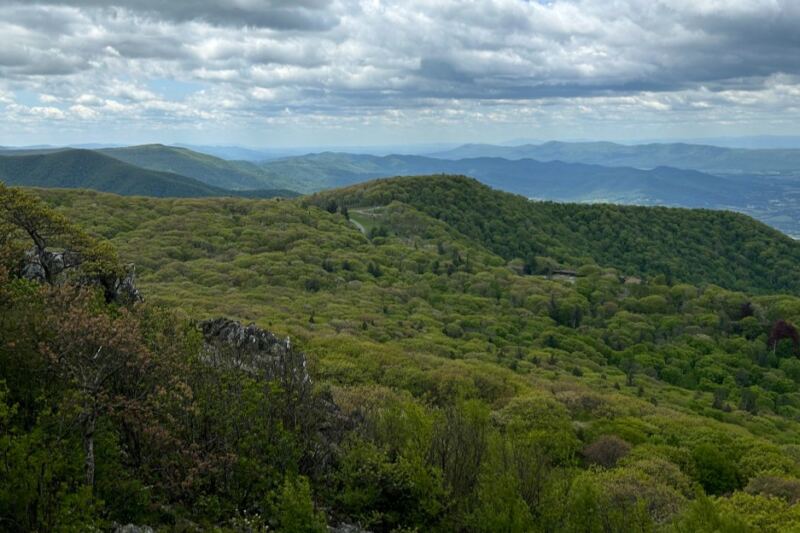
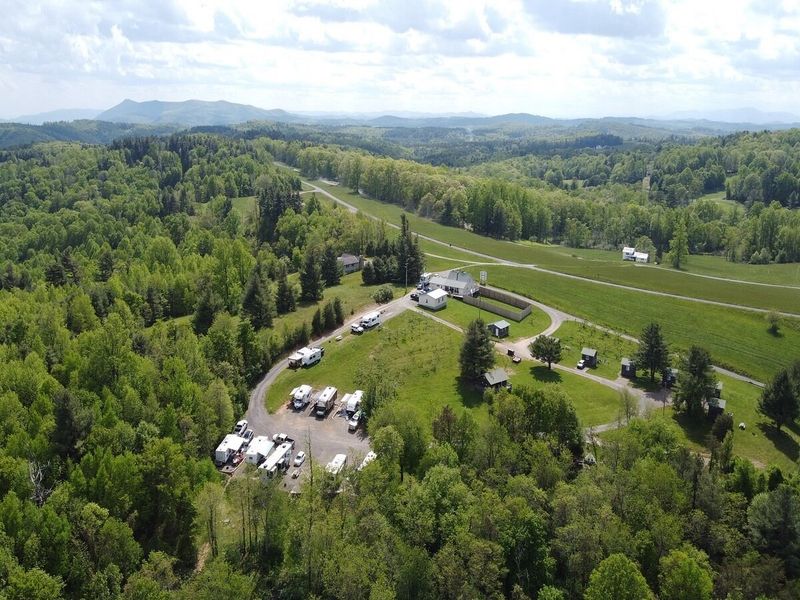
The surrounding area along the parkway offers additional trail options that range from short nature walks to longer ridge hikes with open views across Patrick County and beyond. The terrain here is characteristic of the southern Blue Ridge, with dense hardwood forest, rocky outcroppings, and occasional meadow openings that explain how Meadows of Dan got its name.
Even the short loop trail around the mill reveals details that the parking area view misses entirely, including the millrace channel that directs water to the wheel and the small outbuildings that once supported the Mabry family’s operation. Slow walkers often enjoy it most.
The Parkway Restaurant and Camp Store Experience
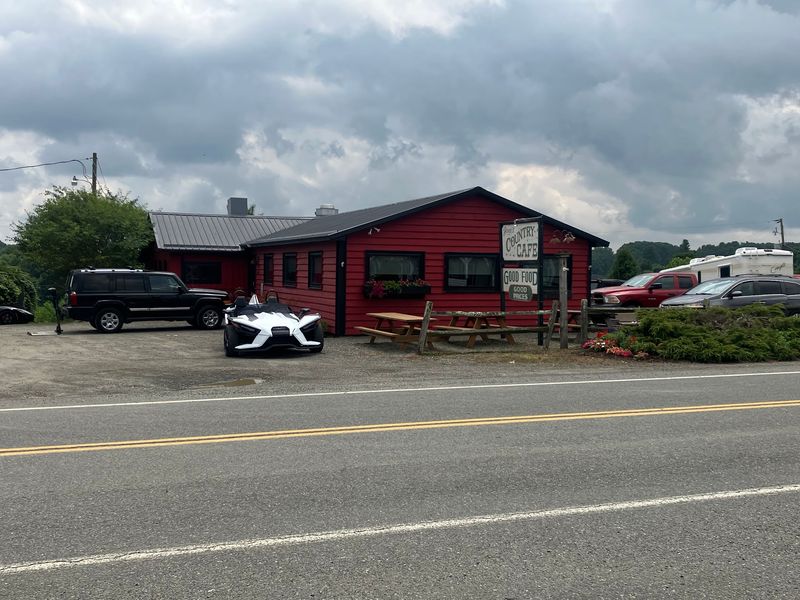
Near the mill, a camp store and restaurant have long served travelers along this stretch of the parkway, offering a chance to grab a meal or supplies without driving far from the scenic corridor. The food leans toward traditional Southern mountain cooking, with cornmeal-based items that feel entirely appropriate given the milling history just steps away.
Buckwheat pancakes made from freshly ground meal have been a signature offering in the area, connecting the culinary experience directly to the working history of the mill itself. There is something satisfying about eating food made from grain ground the same way it was ground here for generations.
The camp store carries basic provisions, snacks, and souvenirs, making it a practical stop for parkway travelers who want to extend their drive without leaving the mountain. The porch seating, when available, offers a relaxed way to absorb the surroundings before getting back on the road.
Patrick County: The Landscape That Surrounds the Mill
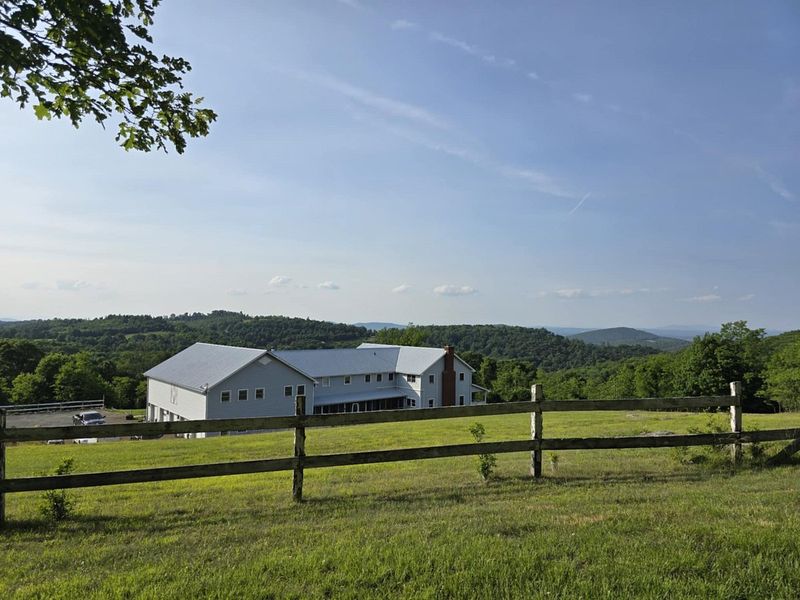
Patrick County wraps around Meadows of Dan with a landscape that feels genuinely unhurried. Family farms occupy the broader valleys, while forested ridges rise sharply on all sides, and the overall impression is of a place that has not been in a hurry to change.
The county seat of Stuart sits about 25 miles south, but the character of the land near Meadows of Dan is distinctly high-country. The cooler temperatures support apple orchards and livestock farms that would struggle at lower elevations, and the views from the open meadows stretch across multiple ridgelines on clear days.
Driving the county roads that branch off from U.S. Route 58 near Meadows of Dan reveals a side of Virginia that most interstate travelers never see.
The barns are old, the fields are green, and the mountain light on late afternoons creates the kind of scenery that makes people genuinely reconsider where they want to live.
Why the Mill Photograph Is So Hard to Improve Upon
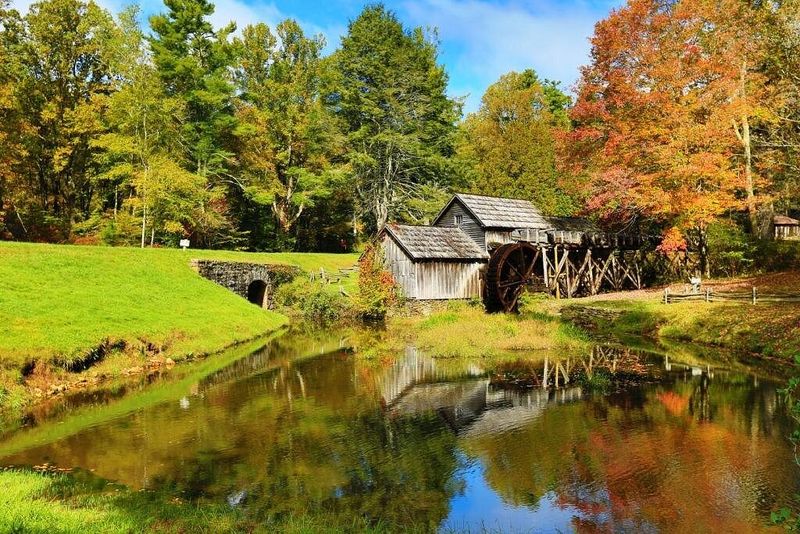
There is a reason the Mabry Mill image appears on postcards, calendars, travel guides, and social media feeds year after year. The composition practically designs itself.
The waterwheel anchors the left side of the frame, the mill building fills the center, and the millpond provides a natural foreground that mirrors everything above it.
Professional photographers and phone camera users alike end up with surprisingly similar images because the scene is so well-structured that it almost guides the eye automatically. That is rare in landscape photography, where great compositions usually require significant effort and patience to find.
What keeps the image fresh across decades of reproduction is that the natural elements keep changing. The light, the season, the water level, the leaf color, and the morning mist all vary enough that no two photographs are truly identical.
The bones of the composition stay the same while the mood shifts constantly, which is why people keep coming back to shoot it again.
Planning Your Visit to Meadows of Dan and Mabry Mill
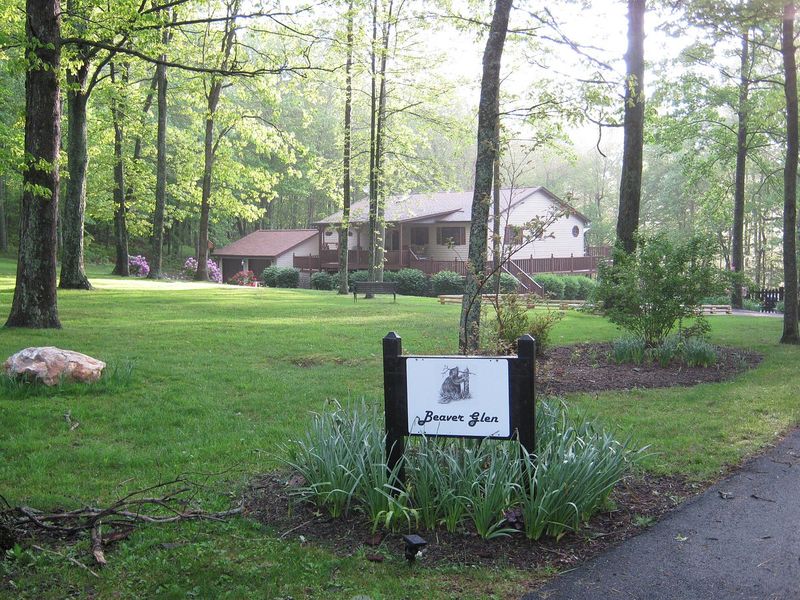
Getting to Meadows of Dan is straightforward from either direction on U.S. Route 58 or via the Blue Ridge Parkway itself.
The community sits at milepost 176 of the parkway, which serves as a useful reference when planning a longer parkway drive that includes multiple stops.
The mill area has a dedicated parking lot, restroom facilities, and interpretive signage that provides historical context before you reach the water’s edge. Arriving early on weekday mornings during peak fall season gives the best chance of having the millpond reflection mostly to yourself.
The surrounding area rewards visitors who plan to spend at least a half day rather than a quick stop. The trail loop, the camp store, the parkway overlooks nearby, and the rural county roads all add up to a genuinely full morning or afternoon.
Meadows of Dan is the kind of place that works best when you are not in a hurry to leave it.
Share this story