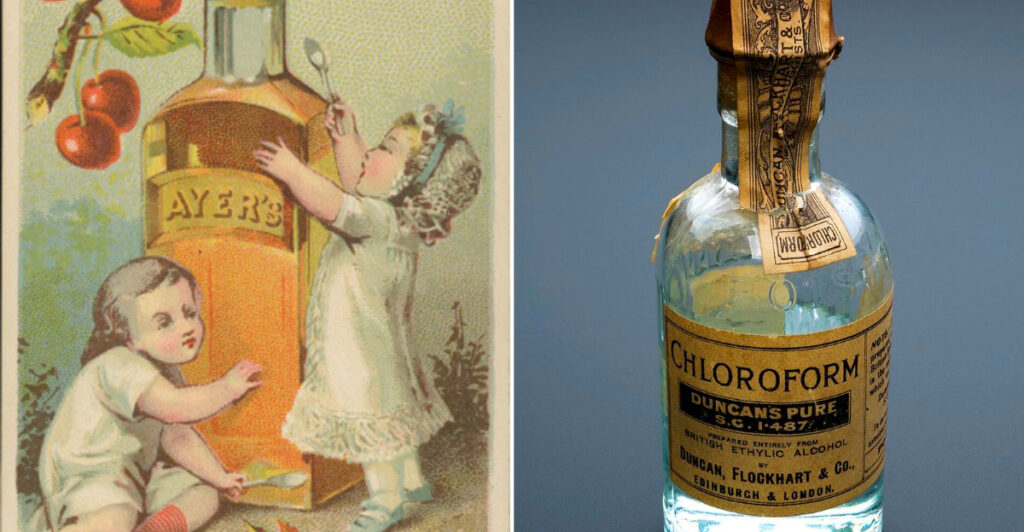
Victorian medicine occupied a strange middle ground between ancient tradition and emerging science. Doctors in the 1800s were beginning to understand germs, anesthesia, and sanitation, but dangerous ideas from previous centuries still shaped everyday medical care. Patients could be handed powerful narcotics for a cough, exposed to toxic metals for chronic conditions, or subjected to treatments that left them weaker than before. Some remedies offered genuine relief, but their risks were poorly understood or simply ignored.
Others created entirely new health problems while appearing to treat the original complaint. The 19th century was also a period of real breakthroughs, which makes the persistence of these harmful treatments all the more striking. What follows is a look at 15 treatments from the Victorian era that reveal just how hazardous a visit to the doctor or pharmacy could sometimes be, and why understanding them still matters today.
1. Mercury for Syphilis
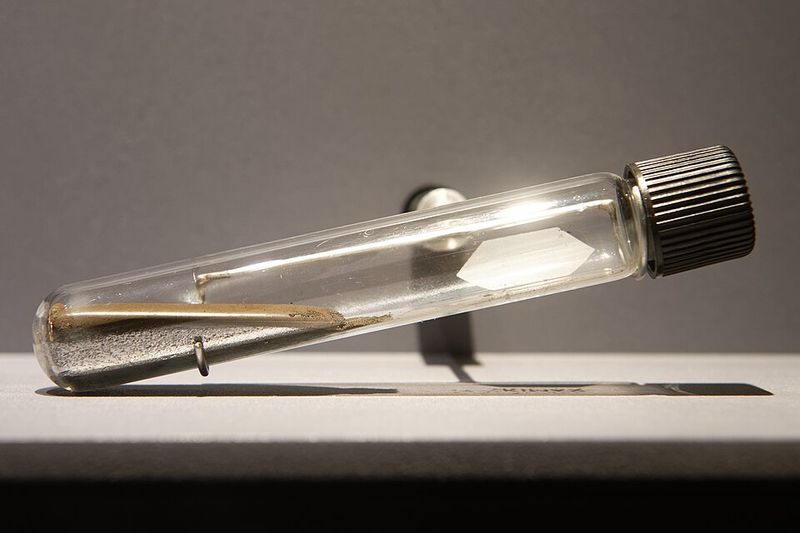
Long before Queen Victoria took the throne, mercury was already the standard weapon against syphilis, and the practice refused to disappear throughout the 19th century. Physicians administered it in ointments, pills, and fumigation treatments, convinced it could drive the disease from the body.
Mercury is a potent neurotoxin. Repeated exposure triggered excessive salivation, painful mouth ulcers, tooth loss, tremors, and kidney damage that could outlast the original illness by years.
A grim saying of the era captured the situation plainly: a night with Venus could mean a lifetime with Mercury. With truly effective treatment still decades away, Victorian patients faced a bleak choice between a devastating disease and a cure that steadily poisoned them from the inside out.
2. Laudanum for Almost Everything
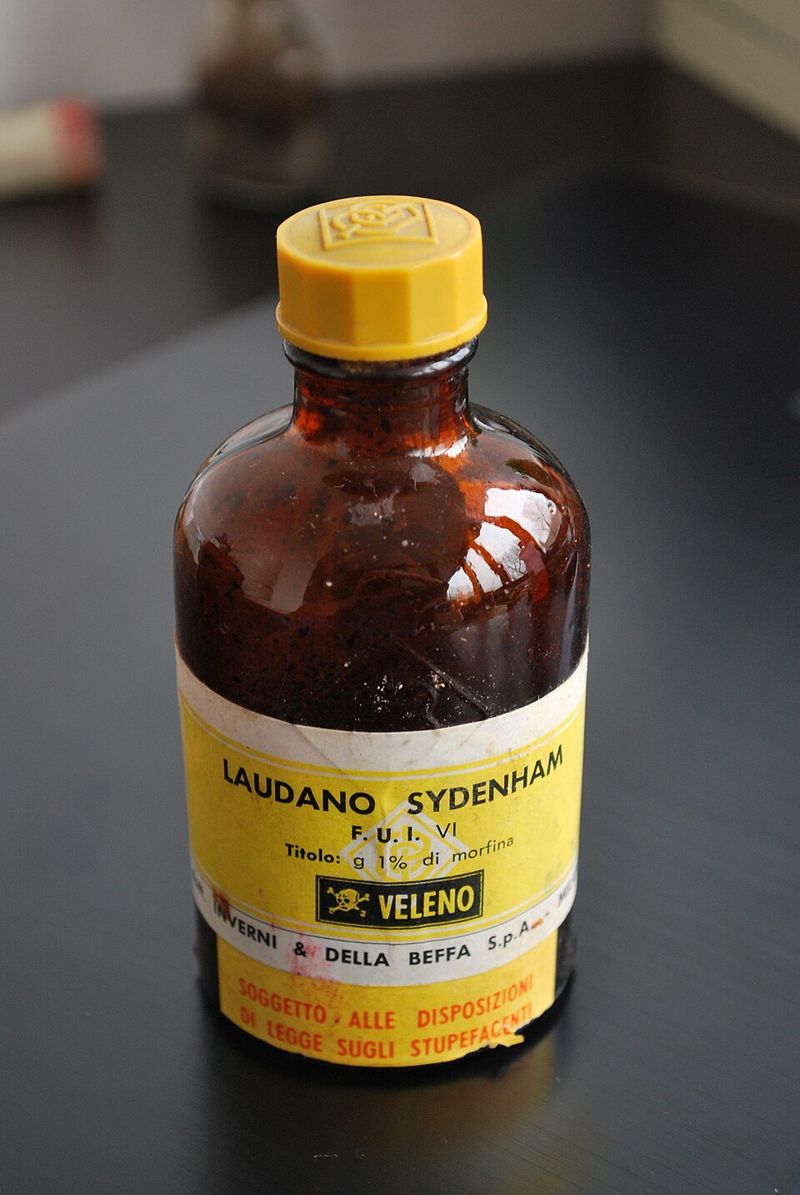
Few medicines in history achieved the domestic ubiquity that laudanum enjoyed during the Victorian era. An opium preparation dissolved in a liquid base, it was prescribed for pain, coughing, diarrhea, sleeplessness, and a long list of other complaints that had little in common beyond patient discomfort.
Opium genuinely suppresses pain and coughing, so patients experienced real relief, which reinforced laudanum’s reputation as a reliable household staple. That effectiveness masked a serious problem.
Regular use produced physical dependence and increasing tolerance, pushing users toward higher doses over time. Excessive amounts could dangerously suppress breathing. Available without a prescription for much of the Victorian period, laudanum became one of the era’s most accessible medicines and one of its most hazardous, fueling a quiet addiction epidemic that went largely unrecognized for decades.
3. Arsenic as a Tonic
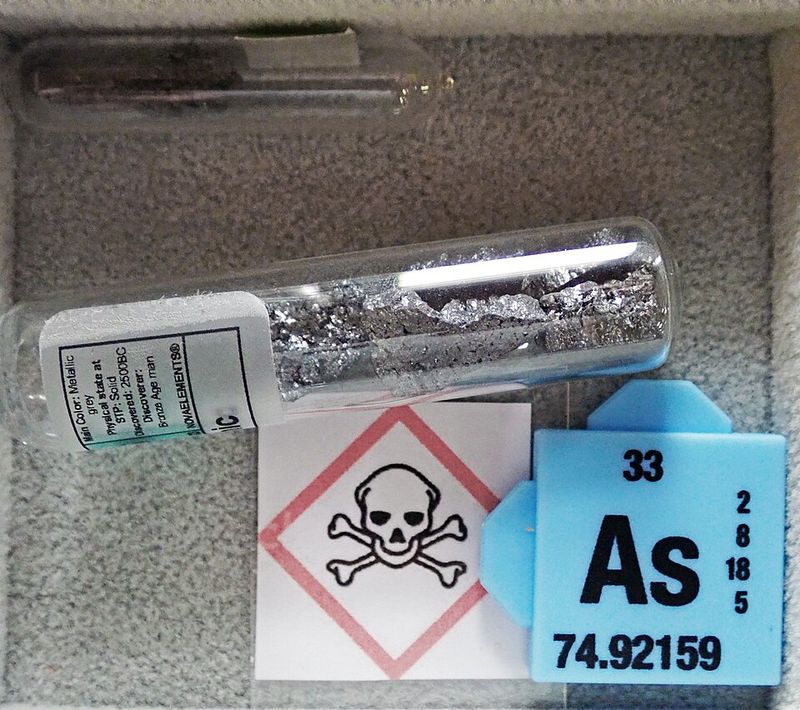
Arsenic today is practically synonymous with deliberate poisoning, yet throughout the 19th century it appeared in respectable medical preparations sold as tonics and restoratives. Fowler’s Solution, a potassium arsenite preparation introduced in 1786, remained in active medical use well into the Victorian period.
Doctors prescribed it for a variety of conditions, and arsenic did eventually prove useful in very specific medical contexts. The problem was that repeated exposure allowed toxic levels to accumulate in the body.
Patients could develop severe gastrointestinal distress, unusual skin changes, and nerve damage that worsened gradually over time. Because arsenic is odorless and tasteless, its effects were easily misattributed to other causes. Patients seeking a health boost often ended up accumulating a secondary poisoning problem while believing they were following sound medical advice.
4. Bloodletting for a Weakened Patient
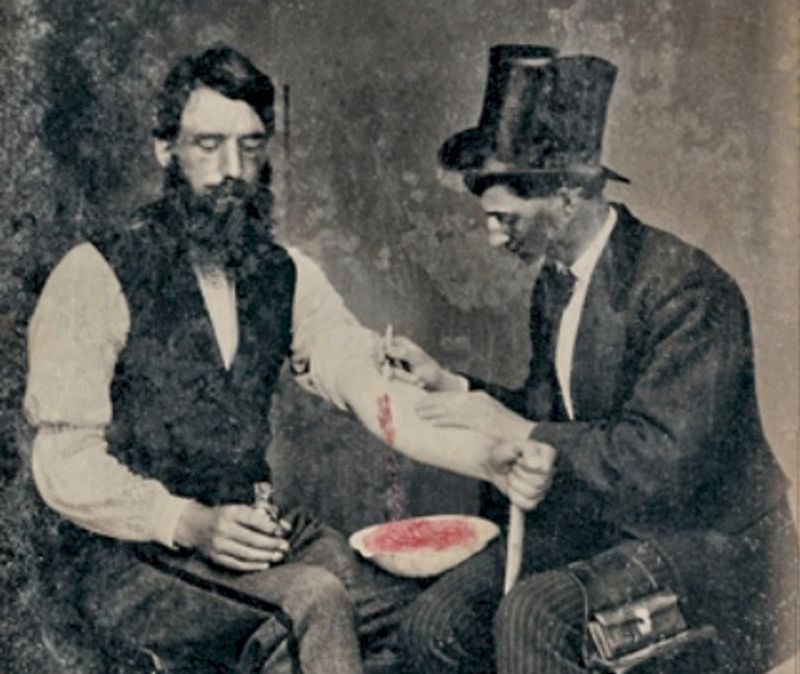
Bloodletting had already begun losing credibility by the time the Victorian era arrived, but its decline was gradual rather than sudden. Rooted in humoral theory dating back to ancient Greece, the practice held that removing blood could restore balance within a sick body.
Physicians either opened a vein directly or applied medicinal leeches depending on the situation. The obvious flaw was that the patients most likely to receive this treatment were already weakened by illness.
Removing significant amounts of blood from someone who could least afford to lose it worsened anemia, dropped blood pressure, and left critically ill patients in a more precarious state than before treatment began. As physiology became better understood through the 19th century, the medical community steadily withdrew its endorsement, though the practice did not vanish entirely until well after midcentury.
5. Calomel for Constipation and Other Complaints
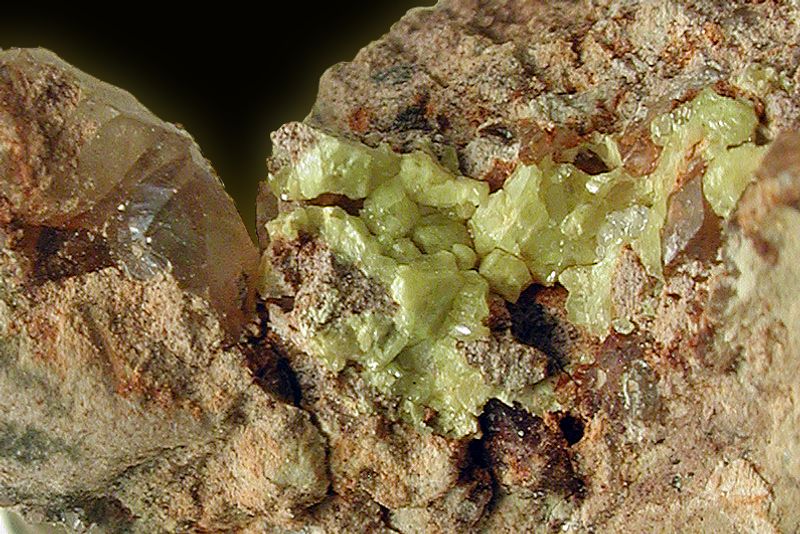
Calomel, a mercury chloride compound, earned a reputation in the 18th and 19th centuries as something close to a universal cure. Physicians prescribed it as a purgative for constipation and reached for it in cases of syphilis, cholera, typhoid, and even infant teething discomfort.
Its dramatic ability to stimulate bowel movements convinced both patients and doctors that something powerful was happening inside the body, which reinforced its continued use despite growing concerns.
The mercury content told a different story. Repeated doses caused painful mouth inflammation, ulcerated gums, excessive salivation, and tooth loss. These symptoms were sometimes mistaken for signs that the medicine was working rather than recognized as mercury poisoning. Calomel was actively creating a second illness while giving the appearance of treating the first, a pattern that took decades of medical observation to fully expose.
6. Opium for Children’s Coughs and Sleeplessness
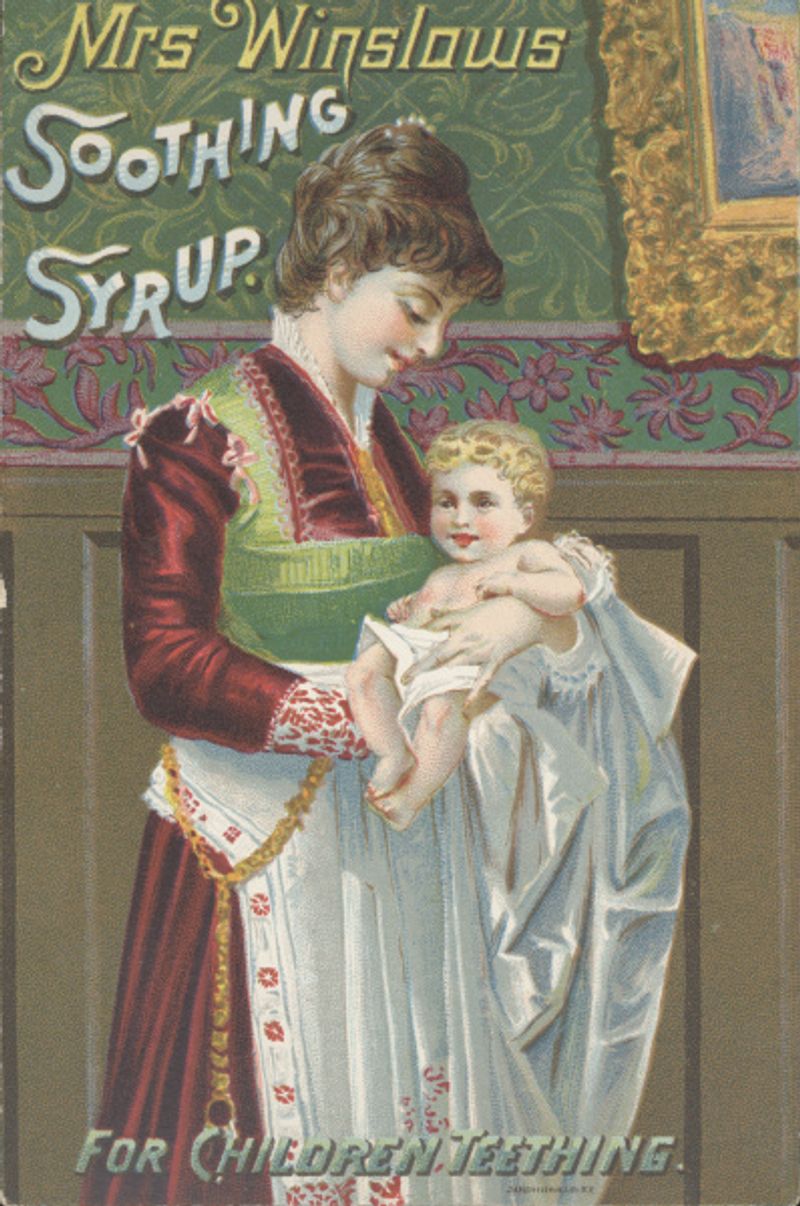
Opiate preparations marketed specifically for infants and young children were a commonplace feature of 19th-century pharmacy shelves. Products such as Godfrey’s Cordial and Mrs. Winslow’s Soothing Syrup contained morphine or other opiates and were sold to parents as reliable solutions for crying, teething pain, diarrhea, and restless sleep.
They did quiet children effectively, and that very effectiveness was the core of the danger. Opiates depress the central nervous system, and an excessive dose can slow breathing to a fatal level.
Children are considerably more vulnerable to this effect than adults. In the absence of standardized dosing or modern pharmaceutical regulation, caregivers administered these preparations without understanding their true potency. Some infant fatalities recorded during the period as starvation were likely connected to opiate suppression of the feeding drive rather than any shortage of food.
7. Chloroform for Childbirth
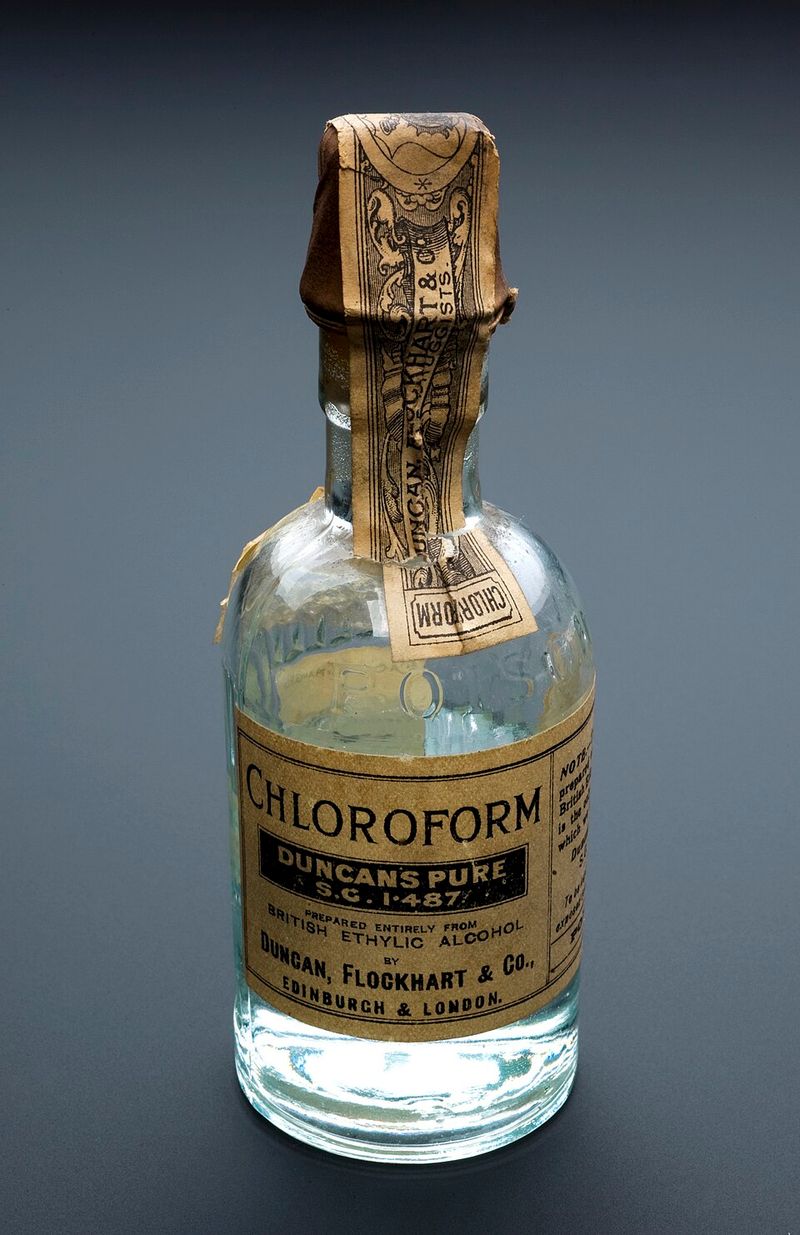
Chloroform was one of the Victorian era’s most genuinely transformative medical tools, offering patients relief from surgical and obstetric pain that had previously been considered unavoidable. Queen Victoria’s use of it during the births of Prince Leopold in 1853 and Princess Beatrice in 1857 helped shift public opinion and made obstetric anesthesia socially respectable across British society.
The problem was not the goal but the margin for error. Chloroform has a narrow safety window, and an excessive dose could trigger cardiac arrhythmias or respiratory failure.
Early practitioners administered it without the monitoring equipment or pharmacological understanding available in modern operating rooms. Precise dosage control was genuinely difficult under those conditions. Chloroform represented effective medicine carrying real risks, and Victorian medicine was still in the early stages of learning how to use it without inadvertently harming the patients it was meant to help.
8. Cocaine for Pain and Other Conditions

Cocaine entered Western medical practice during the 1880s and was greeted with genuine scientific enthusiasm. Its ability to produce local anesthesia made it valuable for eye, nose, and throat procedures, and physicians quickly began exploring further applications across a range of conditions.
Some medical professionals promoted it broadly, and it appeared in commercial preparations available to ordinary consumers. The pace of adoption significantly outran the available understanding of its properties.
Cocaine proved highly addictive and capable of causing serious cardiovascular and neurological harm with repeated use. As clinical reports of dependence and toxicity accumulated through the 1890s, the initial optimism gave way to a more cautious and eventually restrictive attitude. What had looked like a versatile pharmacological breakthrough revealed itself to be a substance requiring far more careful management than Victorian medicine was equipped to provide at the time of its introduction.
9. Bromides for Nervous Conditions
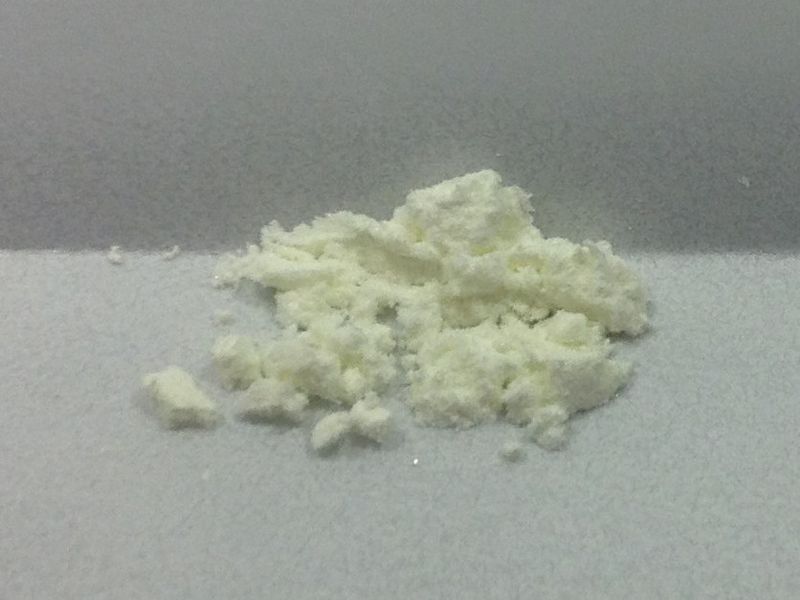
Victorian physicians classified a broad range of symptoms, including anxiety, agitation, insomnia, and seizures, under the general category of nervous conditions. Bromide salts, particularly potassium bromide, became widely adopted as sedatives and anticonvulsants during the second half of the 19th century.
Potassium bromide was genuinely the first medication to demonstrate reliable effectiveness against epileptic seizures, which gave bromides a legitimate medical standing. The trouble arose with long-term or high-dose use.
Bromide clears the body slowly and accumulates over time, which means patients using it regularly could gradually develop bromism without obvious warning signs. Symptoms included confusion, lethargy, impaired coordination, skin eruptions, and psychiatric disturbances that could be mistaken for worsening mental illness. A patient being treated for a nervous complaint might end up experiencing new neurological problems caused directly by the medicine prescribed to relieve the original ones.
10. Antimony to Make Patients Vomit

The concept of heroic medicine, popular in the 18th and early 19th centuries, held that dramatic physical intervention was necessary to expel disease from the body. Antimony compounds were among the substances chosen to produce these forceful reactions, with tartar emetic being one of the most widely used.
The compound delivered exactly what its name promised: intense vomiting, often violent and prolonged. To a physician trained in heroic medicine, such a dramatic response looked like proof that treatment was working.
Antimony is a toxic heavy metal. Large or repeated doses caused severe vomiting, diarrhea, dangerous dehydration, and cardiovascular strain that could push an already ill patient toward crisis. The treatment prioritized visible physical reaction over actual recovery, and the patient’s body bore the full cost of that approach. By the mid-Victorian period, heroic medicine was losing ground, but not before antimony had done considerable damage.
11. Strychnine as a Stimulant
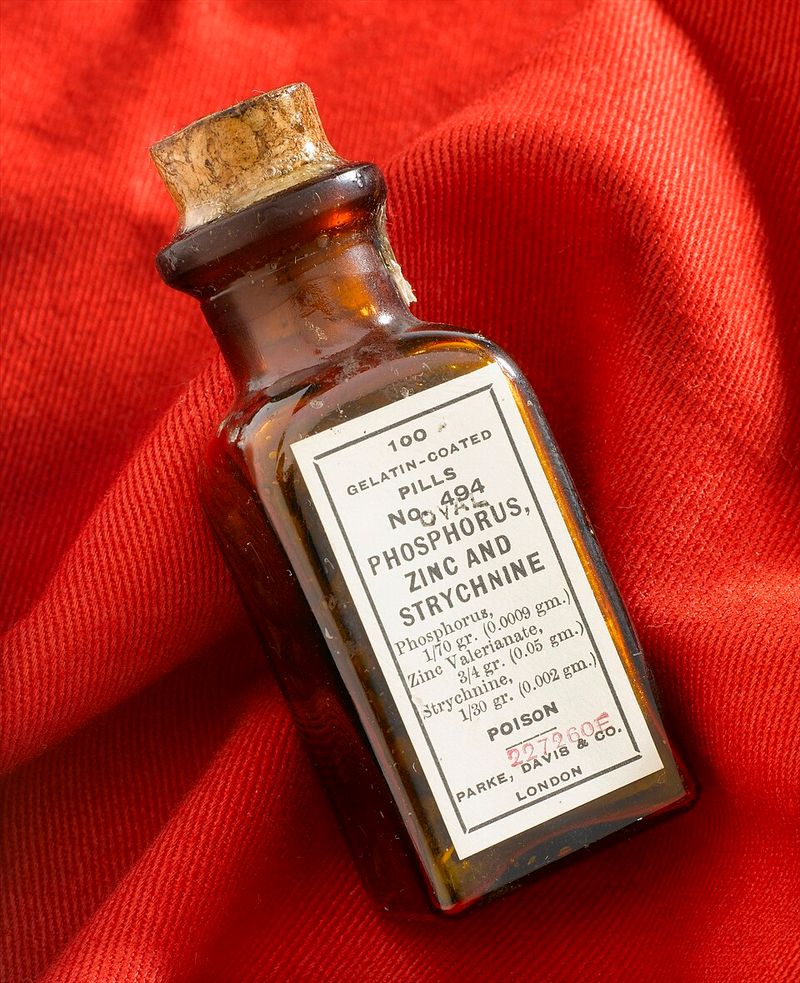
Most people today know strychnine exclusively as a poison, but 19th-century physicians saw potential in it as a therapeutic stimulant. In very small quantities, it was incorporated into medicinal preparations intended to invigorate patients with low energy or sluggish bodily function.
The margin between a pharmacologically active dose and a lethal one was frighteningly narrow, and Victorian practitioners had no precise tools for measuring that boundary consistently.
Strychnine poisoning causes severe, uncontrolled muscle spasms and convulsions, typically while the affected person remains fully conscious. Respiratory muscles can be involved, making severe cases potentially fatal. Strychnine’s presence in Victorian medicine illustrated a recurring pattern of the era: substances with measurable physiological effects were put into medical use well before the toxicological knowledge and dosing precision existed to make their use genuinely safe for patients receiving them.
12. Lead-Based Medicinal Preparations
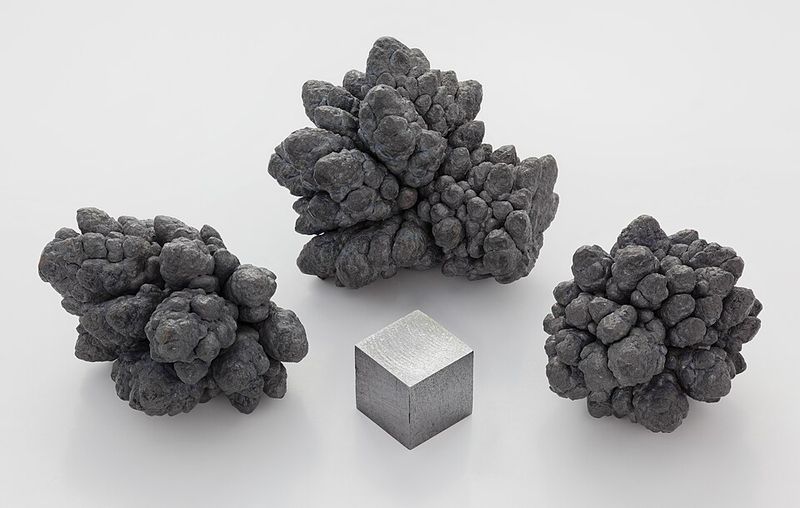
Lead had been part of human medicine for centuries before the Victorian era, and the 19th century did not entirely break that tradition. Certain lead compounds were applied externally for their astringent properties, and lead acetate appeared in preparations used to treat skin conditions and inflammation.
The danger of lead is its tendency to accumulate in the body with repeated exposure, even at levels that seem minor individually. Chronic poisoning can damage the nervous system, kidneys, and digestive tract.
Children face the greatest neurological risk, with effects that can be lasting and severe. Victorian physicians recognized occupational lead poisoning as a documented hazard, yet medicinal exposure continued alongside lead’s presence in household paint, pipes, and food packaging. Patients using lead-containing remedies were often trading one manageable complaint for the slow, systemic harm of heavy metal accumulation over time.
13. Tobacco Smoke Enemas
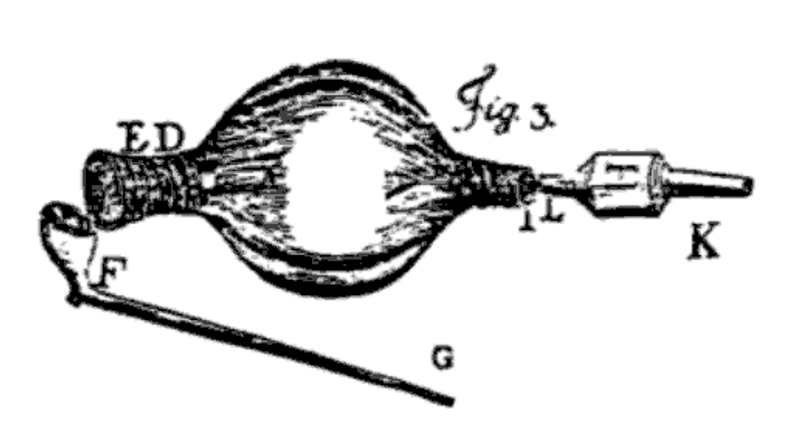
This procedure is often placed squarely in the Victorian era, but its actual peak of use came earlier, during the 18th century. The practice involved directing tobacco smoke into the rectum, primarily as a resuscitation technique for people recovered from near-drowning.
Dedicated kits containing bellows and rectal tubes were placed along waterways in parts of Britain, treating the method as a legitimate emergency intervention. The theoretical basis was that smoke provided warmth and stimulation sufficient to revive an unconscious person.
By the Victorian period, increasing skepticism within the medical community had significantly reduced its use, and it was largely abandoned as experimental science gained influence over traditional practice. Its place on this list is earned not because Victorians practiced it widely, but because it illustrates the older, evidence-free traditions they were in the process of leaving behind as the century progressed.
14. Carbolic Acid Before Doctors Mastered the Dose
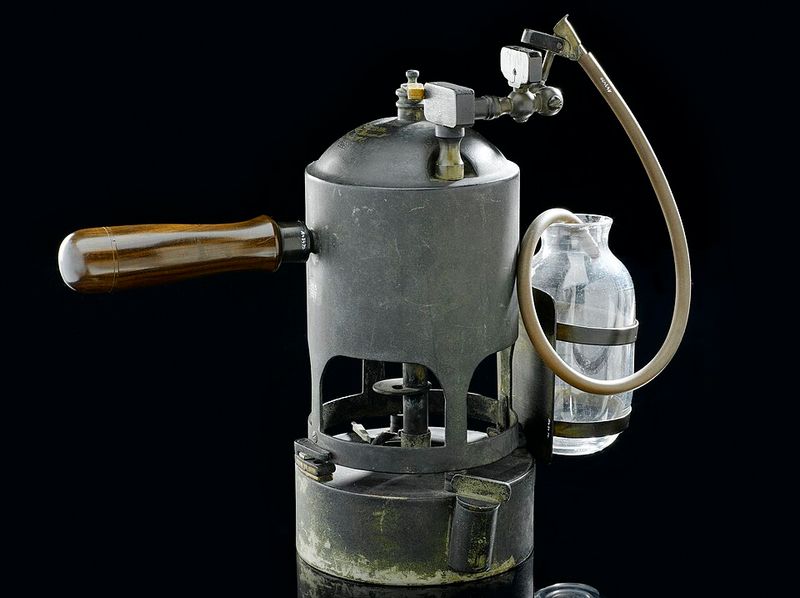
Joseph Lister’s work promoting carbolic acid, known chemically as phenol, as a surgical antiseptic in the 1860s stands as one of the 19th century’s most important medical contributions. Postoperative infection had been claiming patients at alarming rates, and antiseptic technique changed that reality significantly.
Phenol itself, however, is a corrosive and toxic chemical. Early antiseptic procedures exposed both patients and medical staff to concentrated solutions and fine sprays that caused skin irritation and chemical burns.
Unlike most treatments on this list, Lister’s method represented genuine progress rather than misguided tradition. The danger arose not from the treatment’s ineffectiveness but from the challenge of handling a powerful chemical before medicine had developed the protocols to minimize exposure while preserving the antiseptic benefit. The harm was a consequence of learning, not ignorance, which places it in a different category from the other entries here.
15. Patent Medicines Packed With Secret Ingredients
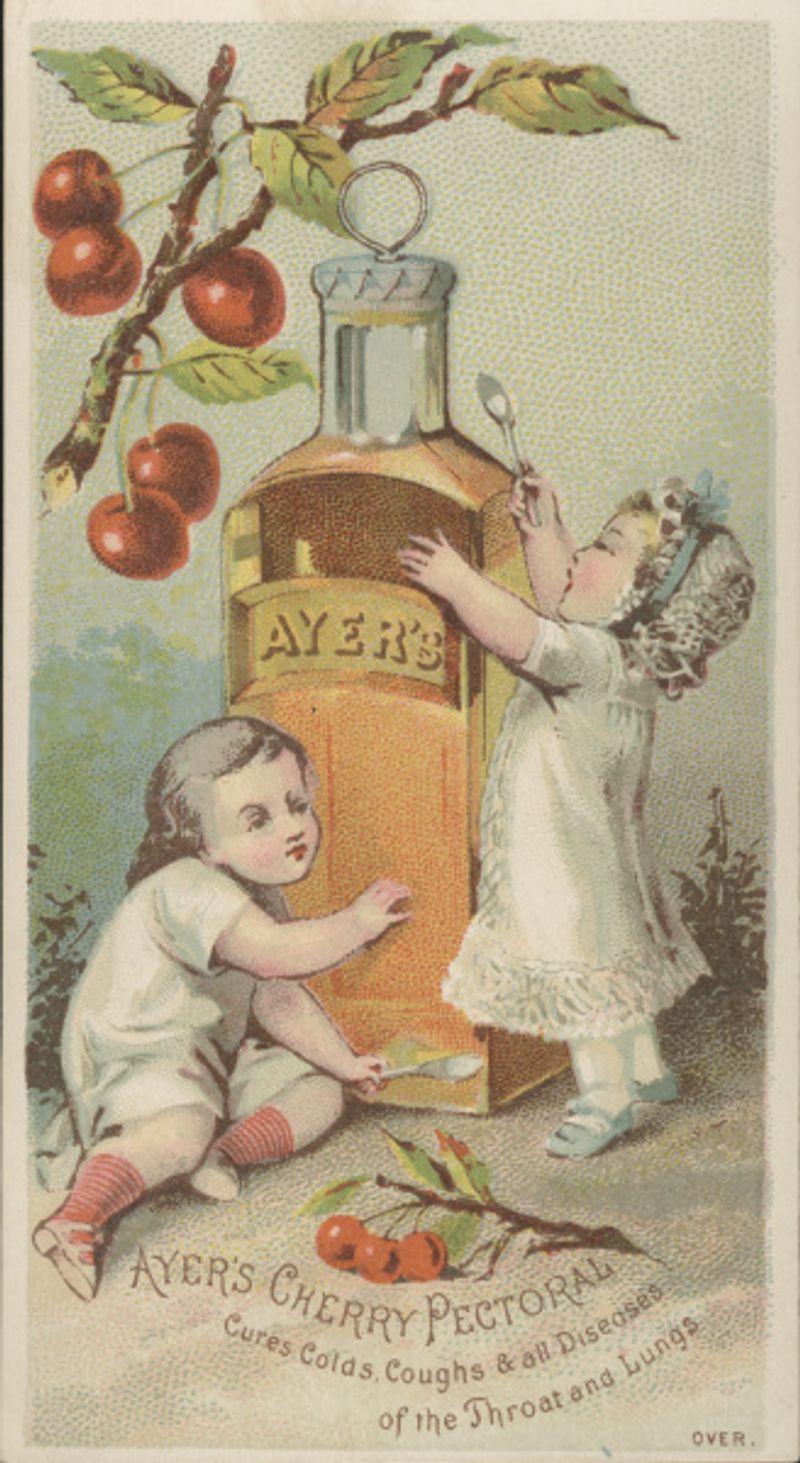
The Victorian patent medicine market was one of the era’s most colorful and hazardous phenomena. Manufacturers promoted their proprietary preparations with sweeping claims, promising relief from conditions as varied as gout, consumption, cancer, and nervous exhaustion, often in the same advertisement.
Consumers had no reliable way to know what a bottle actually contained. Many preparations included opiates, stimulants like cocaine, or other potent ingredients that produced temporary symptom relief without addressing any underlying disease.
Loose governmental regulation and aggressively misleading advertising created ideal conditions for questionable products to thrive. A medicine that made someone feel better for a few hours could build a loyal customer base while quietly fostering dependence or masking a worsening condition. The colorful bottles lining Victorian pharmacy shelves might contain something useful, something inert, or something capable of producing a serious new problem entirely unrelated to the original complaint.
Share this story