Just minutes from one of southern New Hampshire’s busiest highways, Horse Hill Nature Preserve offers more than 560 acres of forests, wetlands, and peaceful trails. Visitors can hike, mountain bike, explore historic stone walls, and watch for wildlife around scenic Lastowka Pond.
With free parking, no admission fee, and miles of trails to explore, the preserve feels surprisingly remote despite its convenient Merrimack location. It’s an ideal escape for hikers, families, cyclists, and anyone looking for a quiet dose of nature close to town.
Where to Find It and How to Get There
Horse Hill Nature Preserve sits at 184 Amherst Rd, Merrimack, NH 03054, in Hillsborough County, right in the heart of southern New Hampshire. Getting there is straightforward, and that ease of access is one of the first things you notice. The preserve is only about five minutes from the highway, which means you can go from bumper-to-bumper traffic to forest trail in almost no time at all.
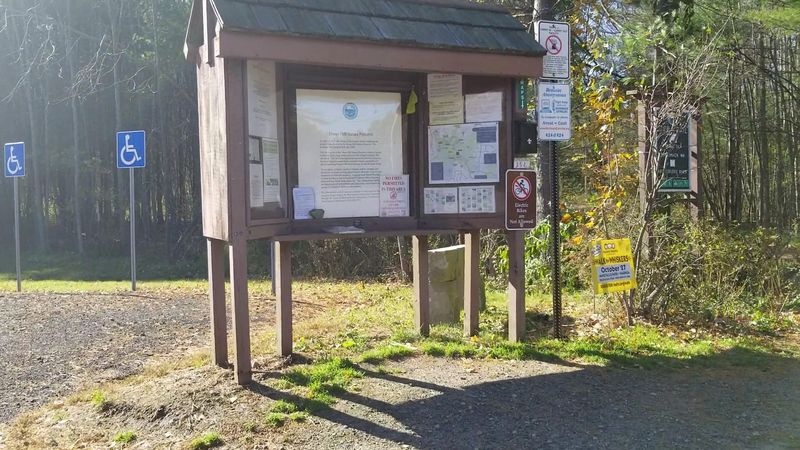
The parking lot is large, paved, and free to use. It can handle everything from compact cars to full-size horse trailers, which tells you something about how seriously the town takes multi-use access here. An information kiosk near the entrance stocks trail maps, so you do not need to plan obsessively in advance.
The preserve is open 24 hours a day, every day of the year, with no admission fee. That combination of zero cost and zero time restrictions makes it one of the most accessible outdoor spaces in the region.
The Story Behind the Land
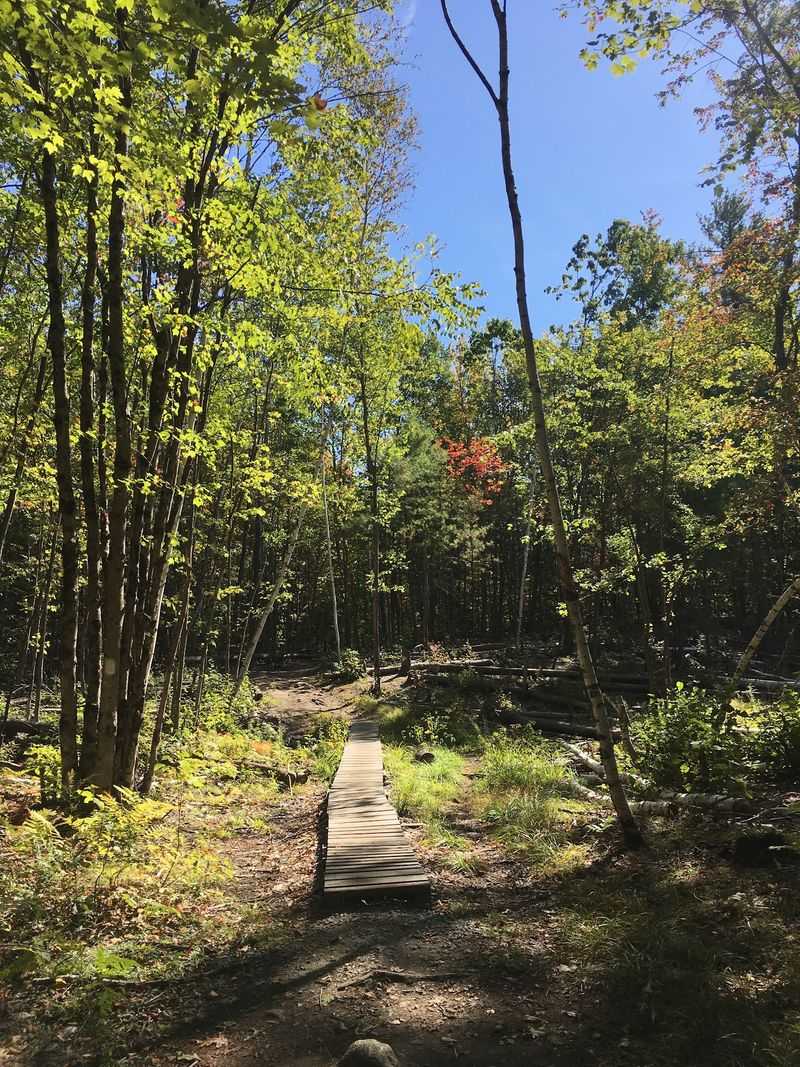
The town of Merrimack purchased this property in April 2002 after recognizing its value for wildlife habitat, wetlands, and water resources in the 2002 Town Master Plan. That decision turned out to be one of the better conservation moves in the region’s recent history. Before the town stepped in, the land had been cleared for pasture and logged multiple times over the decades.
Because of that repeated clearing, the forest here is relatively young, with most trees between 20 and 60 years old. That youthfulness actually works in the preserve’s favor, since the canopy is open enough to let sunlight reach the forest floor, fueling an impressive variety of plant life below.
The preserve takes its name from Horse Hill, one of two prominent hills within its boundaries. The other is Blodgett Hill, named for one of the early settler families who farmed this land long before it became protected open space. Their legacy is still written into the landscape.
Colonial Ghosts and Stone Wall Secrets
One of the most unexpected discoveries on the Loop Trail is the foundation of a house that once belonged to a Captain Spaulding, positioned near a stretch of the Old Kings Highway. This colonial road once connected Keene to Portsmouth, and a well-preserved section of it still crosses the southeast corner of the preserve today.
Around the old foundation, lilacs, honeysuckles, hawthorns, and Niagara grapes continue to grow wild, stubbornly outlasting the walls that once surrounded them. There is something quietly remarkable about finding a flowering lilac bush deep in the woods, blooming right where someone’s front yard used to be.
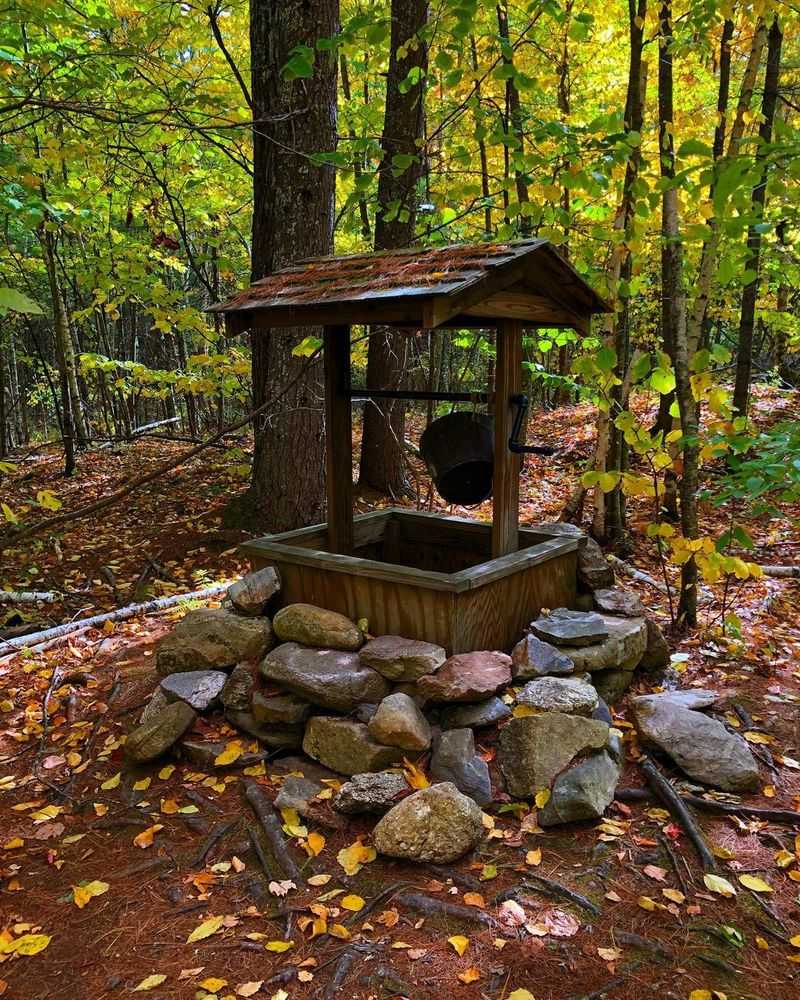
Two hand-dug, stone-lined wells also survive on the property. The Lastowka Well is still functional today, a holdover from the original pasture and farming era. Stone walls thread through the forest in all directions, marking old field boundaries that the trees have long since reclaimed. History here is not displayed on signs; it is simply growing back.
The Loop Trail That Most People Start With
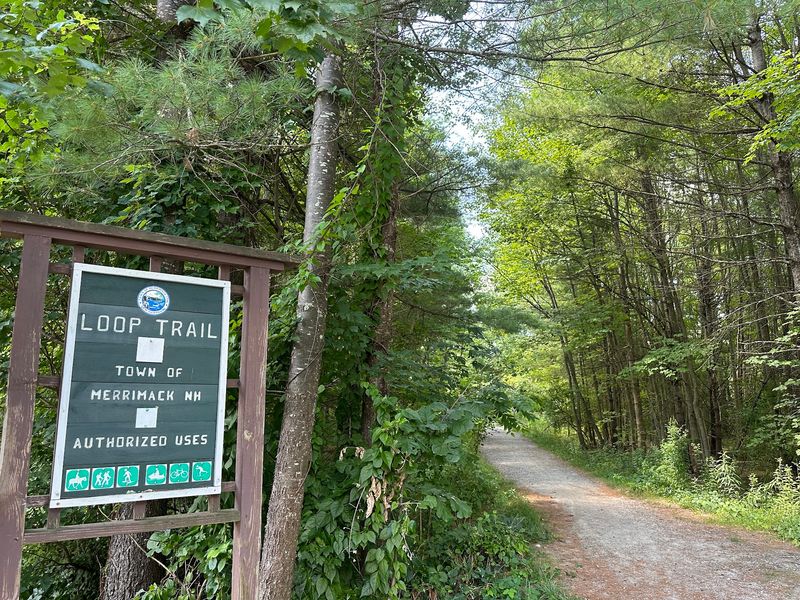
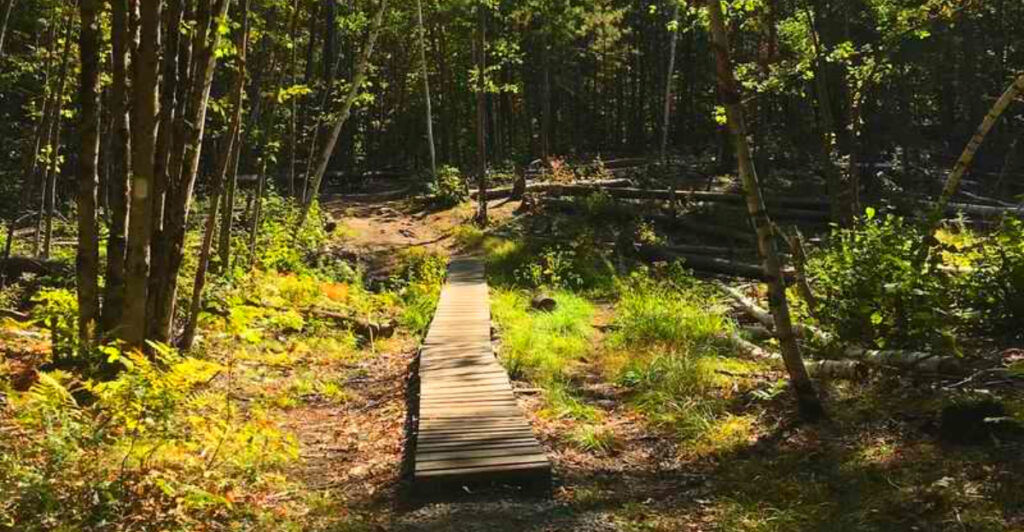
The Loop Trail is the natural starting point for first-time visitors, and for good reason. This 4.2-mile route is marked with white squares on trees throughout, making it easy to follow even if you are not an experienced navigator. Most people complete it in about two hours at a comfortable pace.
The terrain moves through a mix of wide, flat paths and gentle slopes, with a couple of hillier stretches that keep things interesting without becoming punishing. The trail passes Lastowka Pond, which is arguably the most scenic stop on the entire route, and also connects to the Watson Overlook for a short detour worth taking.
Families with young children often use the section between the parking lot and Lastowka Pond, which is flat enough to manage with a stroller. Beyond that point, the trail gets more varied. Trail junctions are marked with tall green and white wooden signs, so getting turned around is less likely than you might expect in 563 acres of forest.
Lastowka Pond and Its Busy Beaver Residents
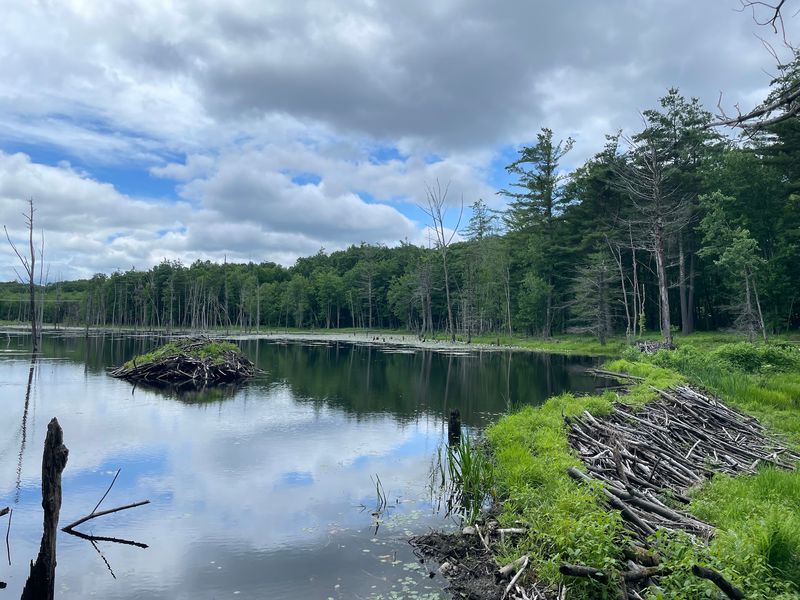
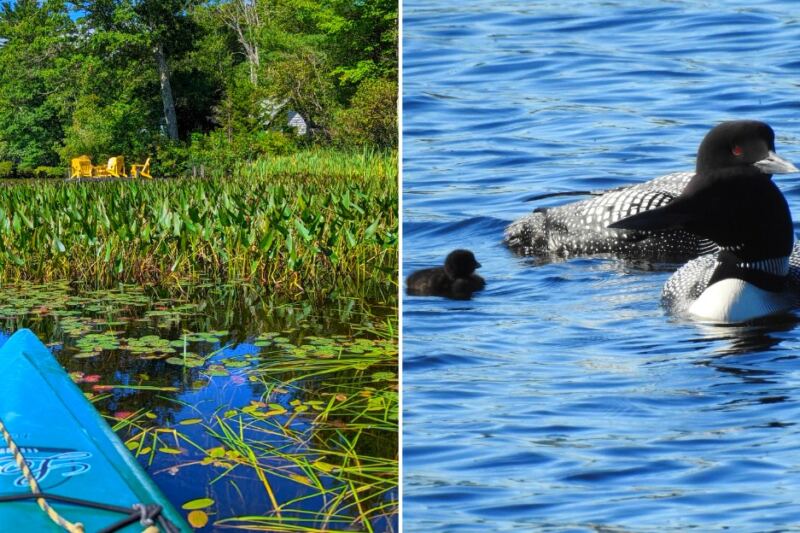
Lastowka Pond is the kind of place that stops you mid-stride. Beaver dams stretch across the water, lodges rise from the surface, and the shoreline is dotted with freshly gnawed birch stumps. The beavers here are not shy about their work, and the evidence of their engineering is visible from multiple points along the trail.
The pond also hosts blue herons, which nest in the tall trees surrounding the water and form a small rookery. Ribbon snakes, frogs, and turtles round out the wildlife scene, especially in warmer months when the pond edges are busy with activity. Watching a great blue heron stand perfectly still at the water’s edge while beavers splash nearby is the kind of moment you do not forget quickly.
The Watson Overlook, just off the Loop Trail near the pond, offers a bench dedicated to Harold Watson and a clear view of two large beaver dams and the tranquil water beyond. That bench gets used a lot, and nobody who sits there seems to be in a hurry to leave.
Mountain Biking Trails That Earn Their Reputation
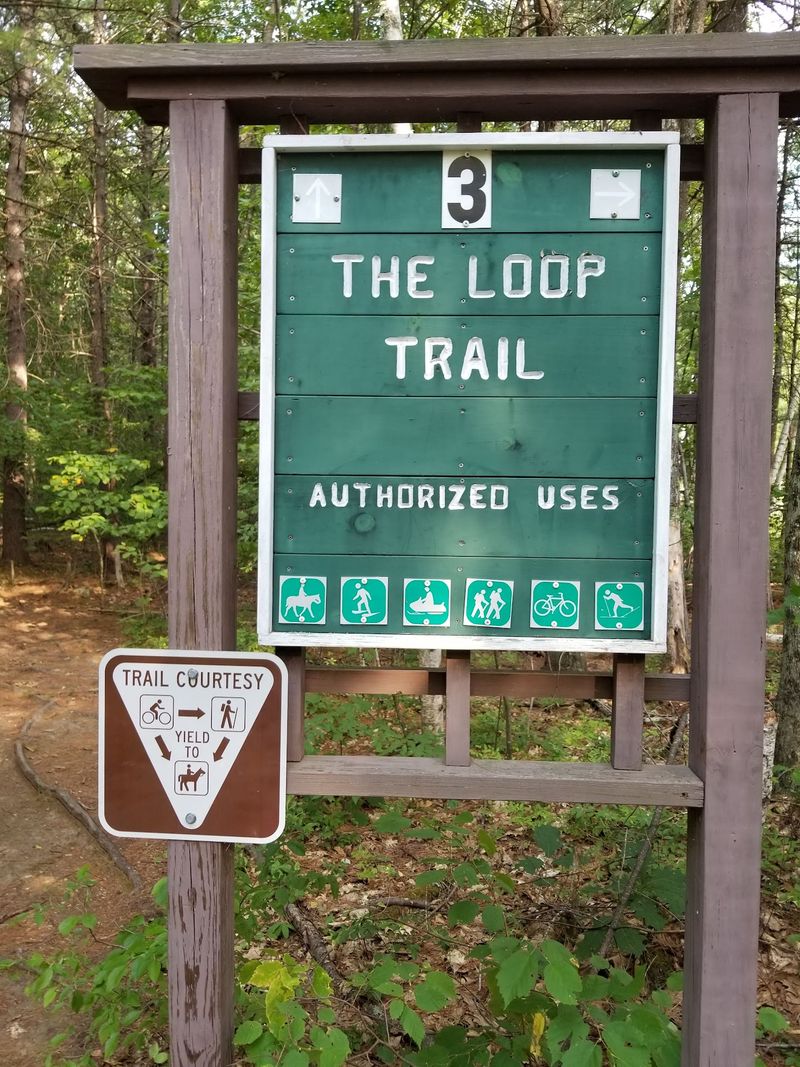
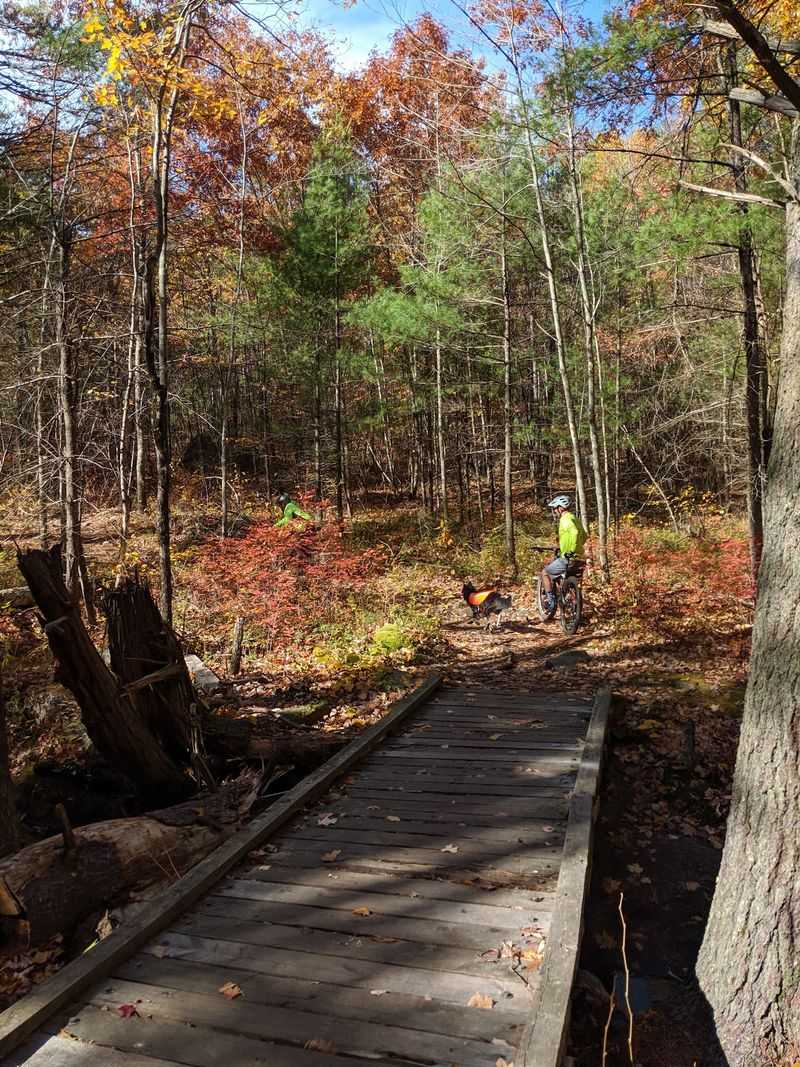
Horse Hill has built a genuine reputation in the mountain biking community, and the trail network backs that up. The preserve offers 26 designated mountain biking trails spread across roughly 18 miles, with options ranging from wide, flowy doubletrack to tight, technical singletrack that demands real bike-handling skill.
Trails like Twister deliver rolling, twisty terrain that keeps riders constantly adjusting. Outer Ledges steps things up with technical rock features and switchbacks. Horse Hill Summit involves steep climbing, and Blodgett Hill Bypass is a winding, technical ascent that rewards riders who push through it. Dark Matter, found in the section just past the main lot, is consistently praised as one of the best trails in the preserve for pure flow over packed dirt.
The Loop Trail doubles as a mellow doubletrack option for riders who want distance without heavy technical demands. With so many trail personalities packed into one preserve, it is rare to visit twice and have the same experience, which is exactly the kind of variety that keeps riders coming back.
What Grows Wild Here Will Surprise You
The berry situation at Horse Hill is genuinely impressive. Blueberries, huckleberries, blackberries, raspberries, partridgeberries, winterberries, and wild grapes all grow within the preserve, particularly in the open areas where trails cross powerline easements. The increased sunlight along those corridors creates ideal conditions for fruiting shrubs to thrive.
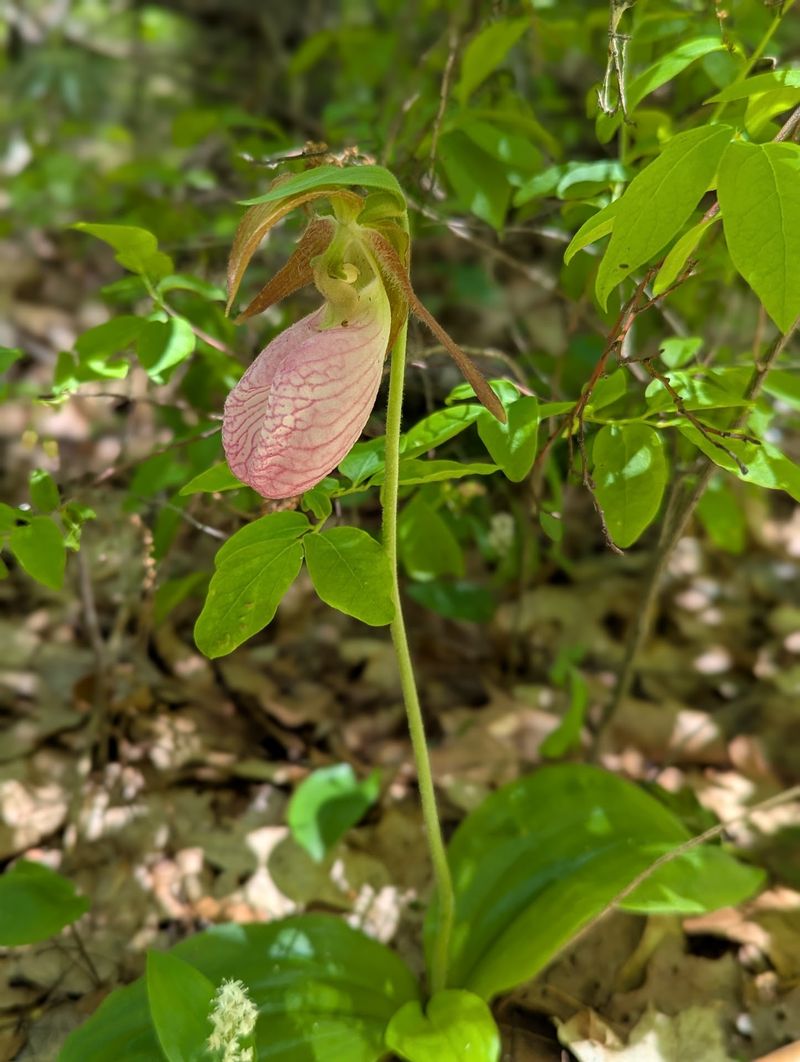
Spring brings a different kind of reward. Wildflowers like pink lady slipper, fringed polygala, wild oats, Indian pipe, and bluets appear along the trails as the forest wakes up. Finding a pink lady slipper orchid beside a hiking path is the sort of thing that makes you slow down and actually look at where you are walking.
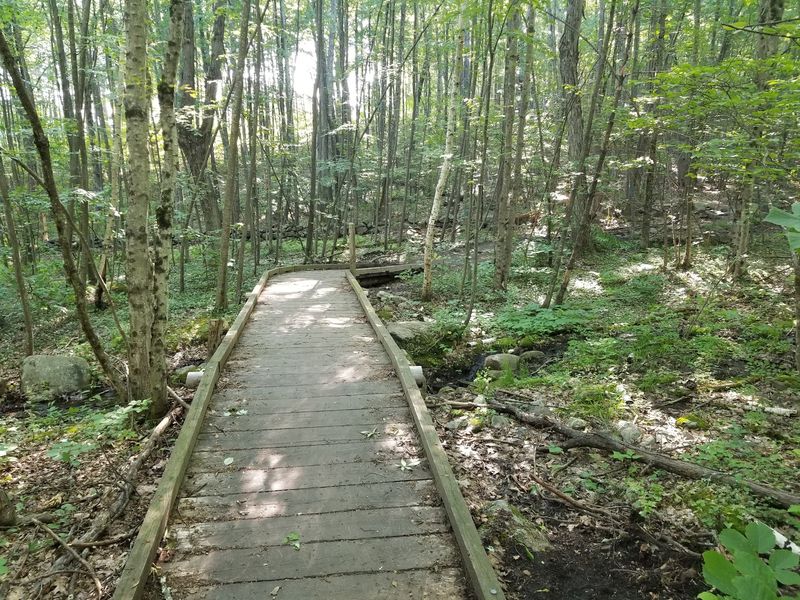
Ferns spread thickly under the mixed hardwoods and pines throughout the preserve, and the powerline easement creates a distinct shrubland habitat that contrasts nicely with the shaded forest sections. The variety of plant communities packed into 563 acres means the preserve looks and feels noticeably different depending on the season you visit, which is reason enough to return more than once.
The Two Hills Worth Climbing
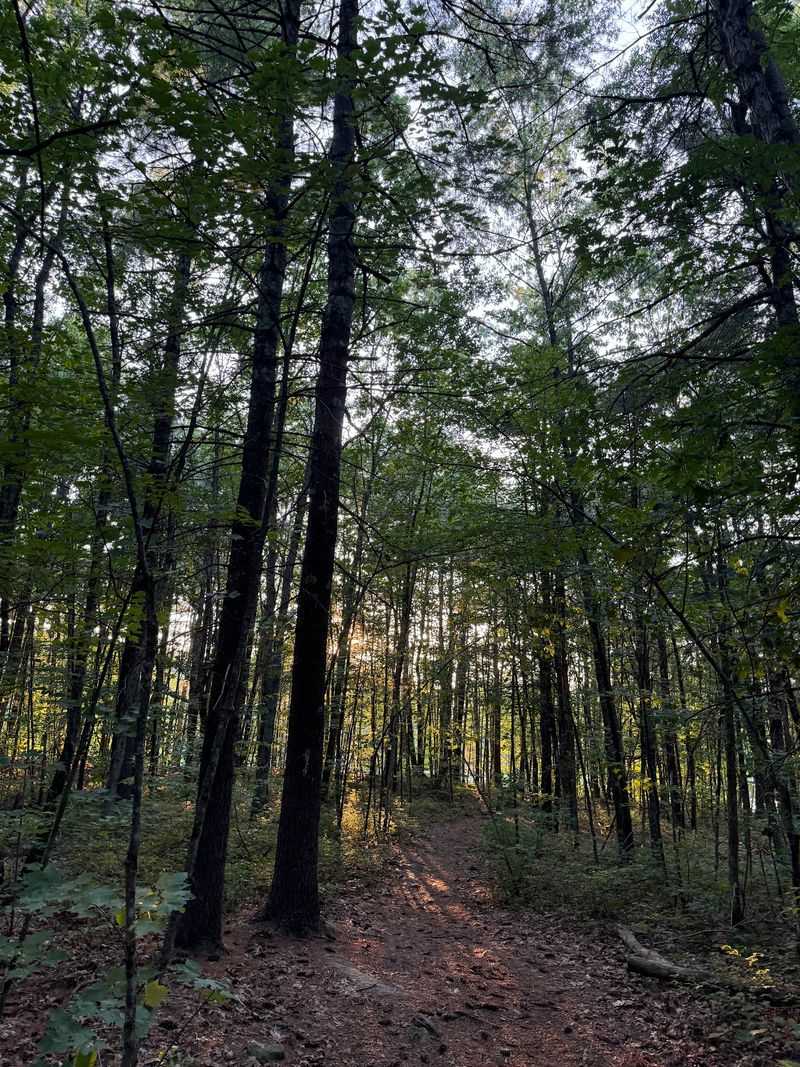
The preserve contains two notable hills, and both have their own character. Horse Hill reaches 385 feet and gives the preserve its name. Blodgett Hill, named for one of the early farming families who worked this land, climbs to 423 feet and stands as the highest point in the preserve.
Neither hill is a brutal climb, but both offer the kind of elevation change that makes the legs aware they are working. The trails leading up to each summit pass through forest that shifts gradually as you gain height, and the views from the upper sections reward the effort with open sightlines over the surrounding woodland.
The young age of the forest, mostly trees between 20 and 60 years old, means the canopy does not block everything. Sunlight reaches the slopes in patches, and on a clear day the hilltop areas feel noticeably brighter and more open than the lower trails. The climb to Blodgett Hill in particular has become a quiet favorite among regulars who know this preserve well.
Wetlands That Bring the Landscape to Life
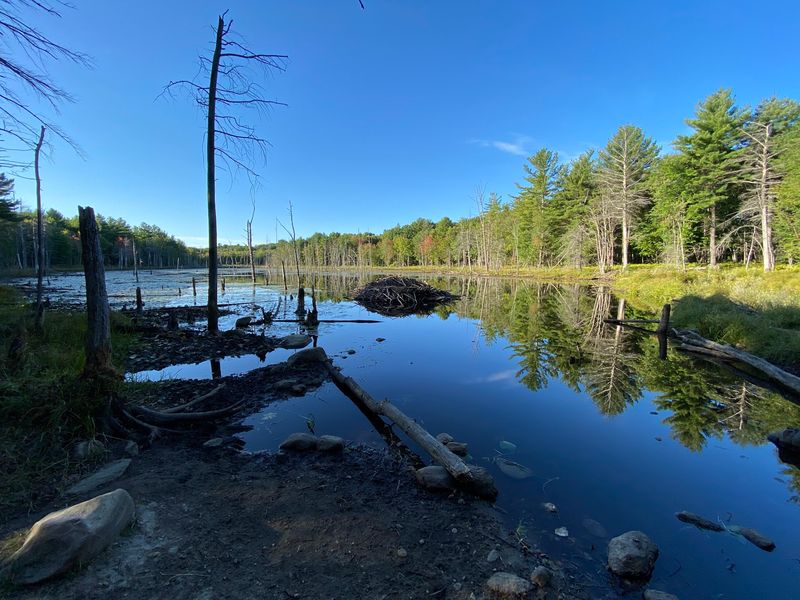
Roughly 60 of the preserve’s 563 acres are wetlands, and that number understates how much those wet zones shape the entire experience of visiting. Streams, ponds, and swamps thread through the property, creating habitat transitions that keep the landscape from ever feeling monotonous.
White Pine Swamp, found deeper within the preserve, is a quieter corner that attracts waterfowl and rewards visitors who take the time to explore beyond the main Loop Trail. The combination of still water, dense pine cover, and bird activity makes it feel like a completely different world from the open hilltop trails.
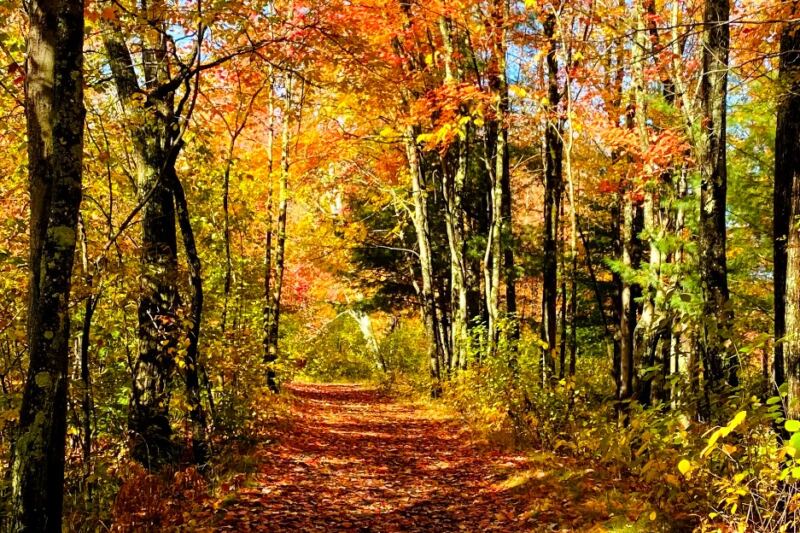
In autumn, the wetland areas become some of the most visually striking spots in the preserve. The foliage reflects off the pond surfaces, and the contrast between the dark water and bright orange and yellow leaves is the kind of scene that makes people stop and reach for their phones. Those moments are free, and they happen every year without fail.
Four Seasons, Four Completely Different Experiences
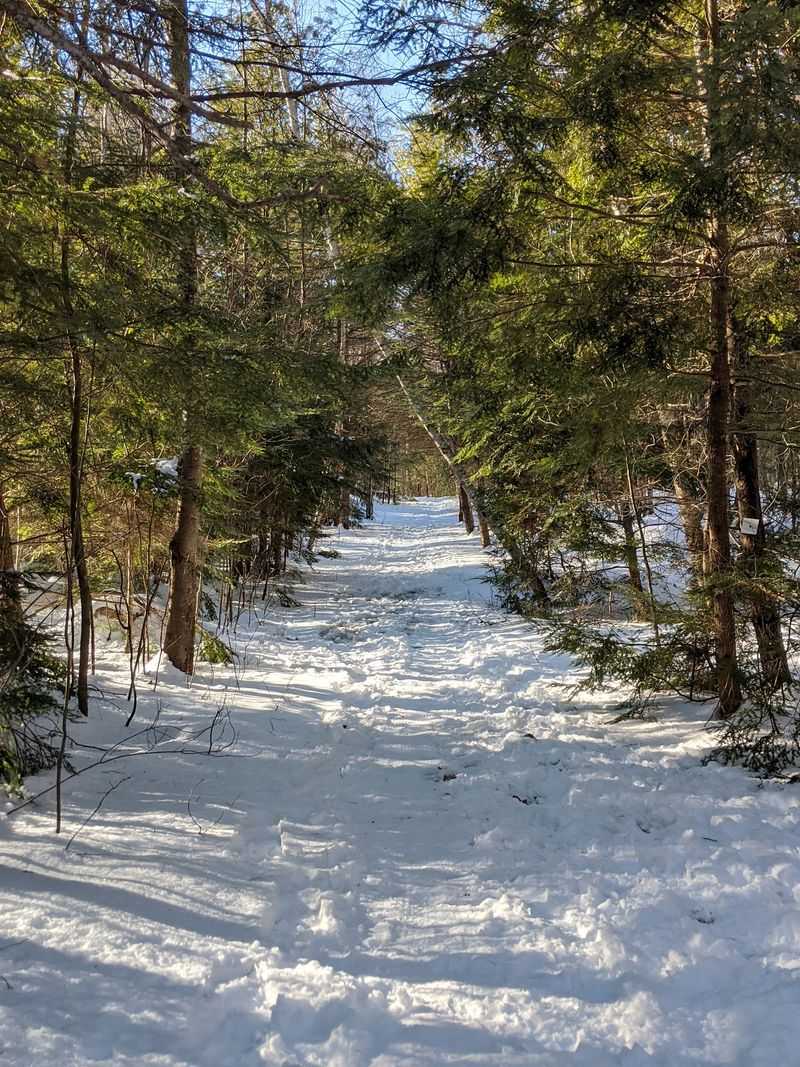
One of the less obvious strengths of Horse Hill is how well it holds up across all four seasons. Spring brings wildflowers and active wildlife, with beavers and herons especially visible around Lastowka Pond as the ice clears. Summer shifts the focus to berry picking along the powerline easements and longer evening hikes in the warm light.
Fall is when the wetlands and mixed forest really perform. The foliage here is not the manicured kind you see in tourist brochures; it is wild and dense and genuinely colorful, especially around the pond edges. Winter opens up a different set of activities entirely, with snowshoeing, cross-country skiing, snowmobiling, and fat tire biking all permitted on the trails.
The preserve’s open 24-hour policy means winter sunrises and early morning snowshoe walks are entirely possible without worrying about gates or closing times. Each season essentially offers a new version of the same trails, which is a practical reason to keep this place on your regular rotation year-round.
Practical Things to Know Before You Go
A few practical details make the difference between a smooth visit and a frustrating one. There are no public restrooms at the preserve itself, so planning ahead matters. The nearest options are Shaw’s grocery store, Wasserman Park, and Buckley’s Bakery and Cafe, all within five to nine minutes by car.
Dogs are welcome on the trails but must stay under control, and owners are expected to carry out all waste. The preserve is also open to hunting, including archery events, so wearing hunter orange during hunting season is a genuine safety consideration rather than just a suggestion.
Trail maps are available at the kiosk near the parking lot and can also be downloaded online before you arrive. Geocaching is permitted, with multiple caches hidden throughout the property for those who enjoy that kind of treasure hunt. Class 1 e-bikes are allowed, but ATVs and motorized vehicles are not. Knowing those rules before arriving keeps the experience enjoyable for everyone sharing the trails.
Why This Place Keeps Drawing People Back
A 4.7-star rating from 356 reviews on Google Maps is not something a mediocre park earns. Horse Hill keeps pulling people back because it consistently delivers something genuine: real forest, real wildlife, real quiet, and real variety, all within a short drive of one of the busier stretches of southern New Hampshire.
The preserve is the largest protected open space in the Town of Merrimack, and that scale means you can visit a dozen times and still find a trail section or a seasonal detail you missed before. There is also a small community feel to the place. A little free library at the park entrance has been noted by more than one visitor, a small touch that says something about the kind of people who care for this spot.
Whether you come for a two-hour loop, a full day of mountain biking, or a quiet winter snowshoe, the preserve meets you where you are. That flexibility, combined with no cost and no time limits, is why Horse Hill keeps showing up on more people’s regular trail lists.
Share this story