The Pacific Ocean covers more of the Earth’s surface than all of the world’s landmass combined, and scattered across it are some of the most extraordinary islands on the planet. From French Polynesia’s famously blue lagoons to the rugged cliffs of Kauai and the whale-filled waters of Tonga, these destinations offer experiences that are genuinely hard to find anywhere else.
Some are well-known names that live up to every expectation, while others are quieter stops that reward travelers willing to go a little farther off the usual path. Whether you are drawn to history, hiking, marine life, or simply sitting somewhere beautiful with nothing urgent to do, this list covers fourteen Pacific islands that are absolutely worth the long journey to reach them.
Bora Bora, French Polynesia
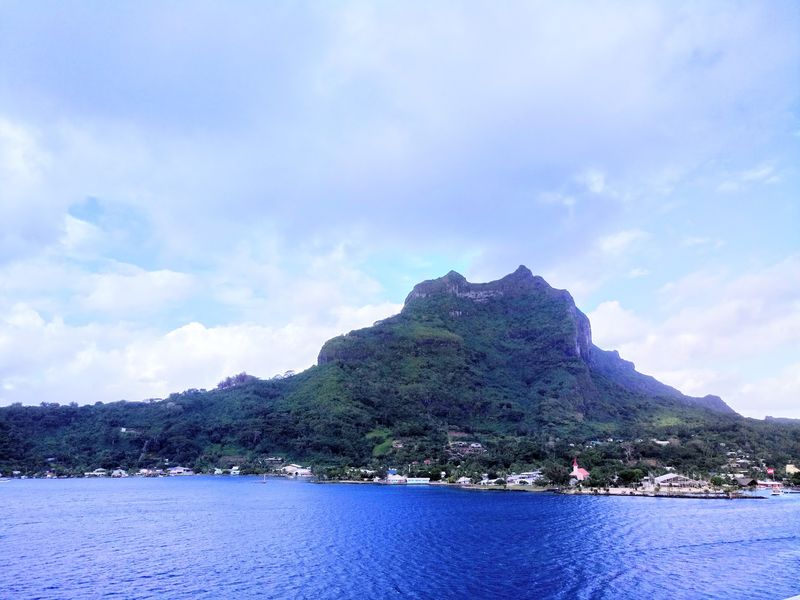
Few places on Earth have a reputation as immediately recognizable as Bora Bora, and the view from a lagoon boat confirms why. The water surrounding this French Polynesian island is an almost surreal shade of blue, shifting between turquoise and deep sapphire depending on depth and time of day.
Mount Otemanu rises dramatically from the island’s volcanic center, giving Bora Bora a backdrop that appears in countless travel photographs for good reason. Most of the classic experiences here happen on or near the water: lagoon tours, snorkeling around coral gardens, and organized excursions to encounter rays and reef sharks.
Matira Beach offers one of the island’s most accessible stretches of sand for those wanting a simpler afternoon. Tahiti Tourisme provides current ferry and transportation details for reaching Bora Bora from Tahiti.
Seeing that lagoon from the water makes the long flight feel entirely reasonable.
Moorea, French Polynesia
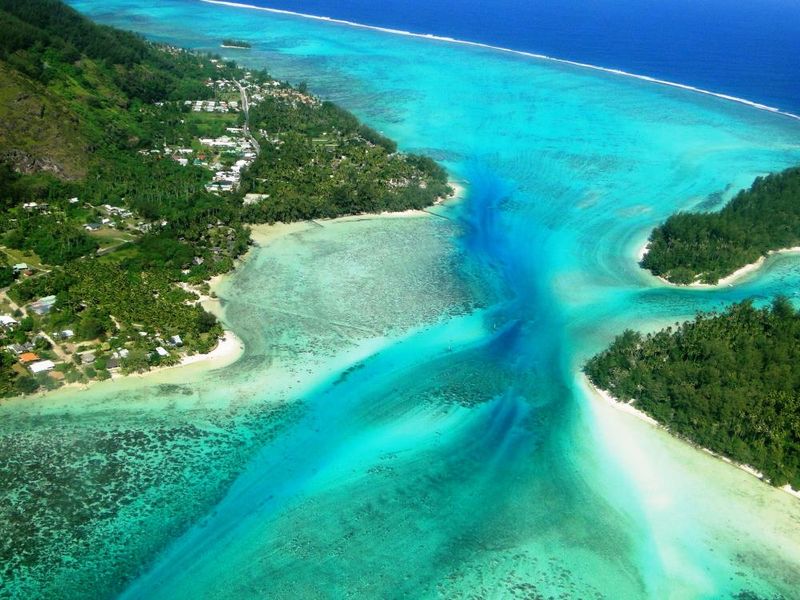
Just 17 kilometers northwest of Tahiti, Moorea is one of those islands that earns its reputation through sheer variety rather than one single attraction. The combination of jagged volcanic peaks, sheltered bays, and a vivid lagoon gives it a visual energy that feels completely different from a flat, sandy atoll.
Regular ferry services connect Moorea with Tahiti, with crossings typically taking between 25 and 45 minutes depending on the operator. That accessibility makes it an easy addition to any French Polynesia itinerary without requiring an extra flight.
Snorkeling with rays and reef sharks is among the most popular activities, while hiking through the mountainous interior offers a genuinely different perspective on the island. Cook’s Bay and Opunohu Bay are two of the most photographed spots on the island.
Moorea works especially well for travelers who want their Pacific trip to feel like more than just a resort stay.
Rarotonga, Cook Islands
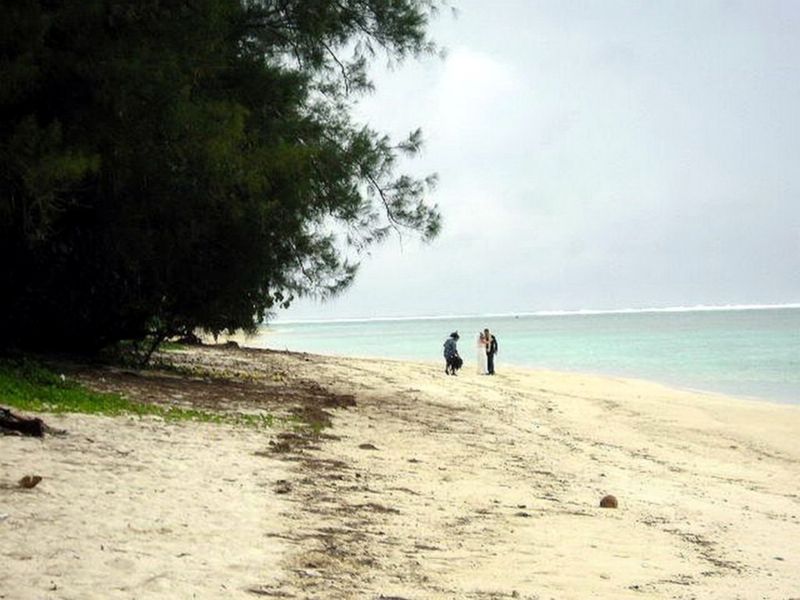
Rarotonga is small enough that you can drive around the entire island in under an hour, yet it packs in beaches, mountains, a reef lagoon, and a genuinely lively local food scene. The Cook Islands Tourism Corporation currently lists more than 100 cafes and restaurants around the island, which is an impressive number for a place this size.
Getting around is straightforward. Visitors can rent scooters, hire cars, or use the local bus that circles the island in both directions.
The mountainous interior adds real hiking options for travelers who want something beyond beach time.
Rarotonga also functions as the natural starting point for exploring the wider Cook Islands. Flights connect it with outer islands including Aitutaki, and current tourism resources specifically promote island-hopping as part of a Cook Islands visit.
For a first stop in this part of the Pacific, Rarotonga offers a confident and accessible introduction to the region.
Aitutaki, Cook Islands
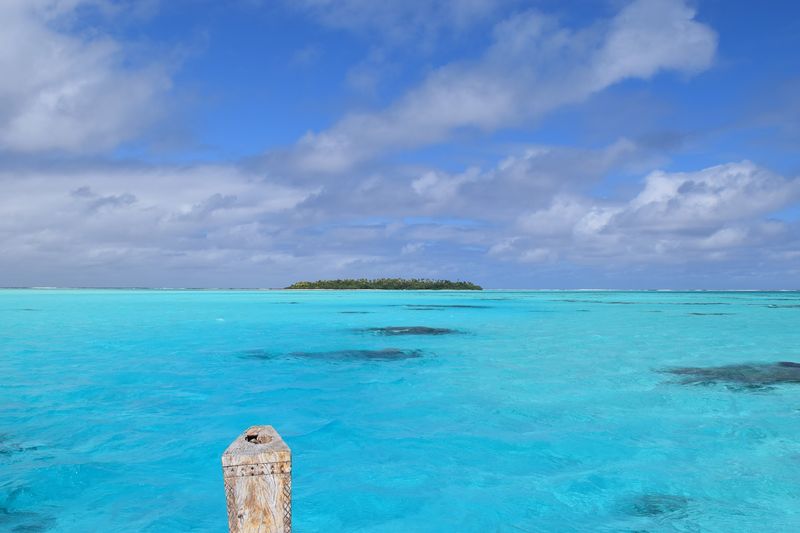
Aitutaki’s lagoon has a reputation for being one of the most photogenic bodies of water in the entire Pacific, and aerial photographs of it tend to stop people mid-scroll. The color of the water sits somewhere between electric turquoise and pale aquamarine, depending on the angle and time of day.
The island sits roughly 220 kilometers from Rarotonga and is reached by a flight of about 50 minutes. Surrounding the lagoon are approximately 15 motu, which are small sandy islets scattered around the reef edge.
Lagoon excursion boats visit several of them in a single day trip.
Staying overnight rather than treating Aitutaki as a quick day excursion is a much better approach if the schedule allows. Current Cook Islands tourism listings include accommodation ranging from smaller guesthouses to villas and resorts.
Notably, Aitutaki is also home to the only overwater bungalows in the Cook Islands, which adds a distinct appeal for travelers seeking that classic Pacific experience.
Viti Levu, Fiji
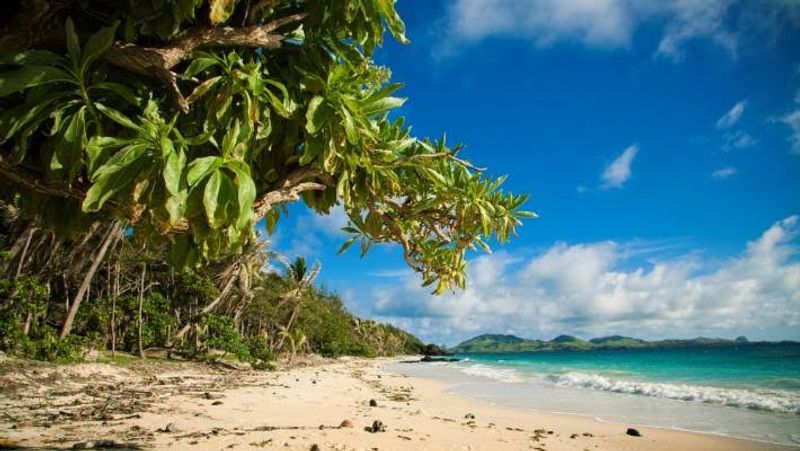
Viti Levu is where almost every international journey into Fiji begins, and it is a much bigger and more varied island than many first-time visitors expect. It contains Nadi, the country’s main tourism gateway, and Suva, the capital, along with the Coral Coast stretching along the southern shoreline.
Tourism Fiji reports that more than 70 percent of Fijians live on Viti Levu, which gives the island a cultural depth and everyday energy that smaller resort islands simply cannot offer. Travelers can explore reefs and beaches along the Coral Coast, spend time in Nadi’s busy tourism zone, or head to Suva for markets, museums, and urban Fijian life.
Road trips across different parts of the island reveal sugarcane fields, highland villages, and coastal communities that feel far removed from resort life. Fiji’s tourism industry is clearly active: the country recorded 79,724 international visitor arrivals in April 2026 alone.
Viti Levu rewards travelers who take the time to look beyond the airport.
Vanua Levu, Fiji
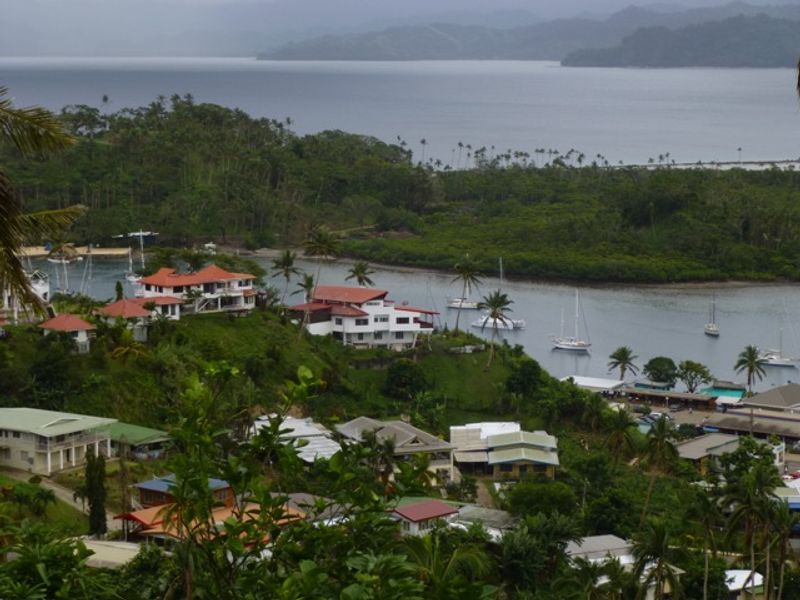
Vanua Levu is Fiji’s second-largest island and one of the country’s quieter, less-trafficked destinations. The town of Savusavu sits along a sheltered bay and serves as the island’s main hub, known for its relaxed pace and proximity to some exceptional diving.
Tourism Fiji specifically highlights the reefs around Savusavu, the Namena Marine Reserve, and Natewa Bay, which the tourism authority describes as the largest bay in the South Pacific. That alone gives serious divers and snorkelers a strong reason to make the trip north from Viti Levu.
Beyond the water, the island offers hot springs, pearl farms, waterfalls, and kayaking opportunities through coastal mangroves. Secluded beaches are scattered around the island, and the overall atmosphere runs noticeably slower than Fiji’s busier resort regions.
Vanua Levu is a strong pick for travelers who want Fiji’s tropical scenery and marine life without the crowds that come with the country’s most popular destinations.
Upolu, Samoa
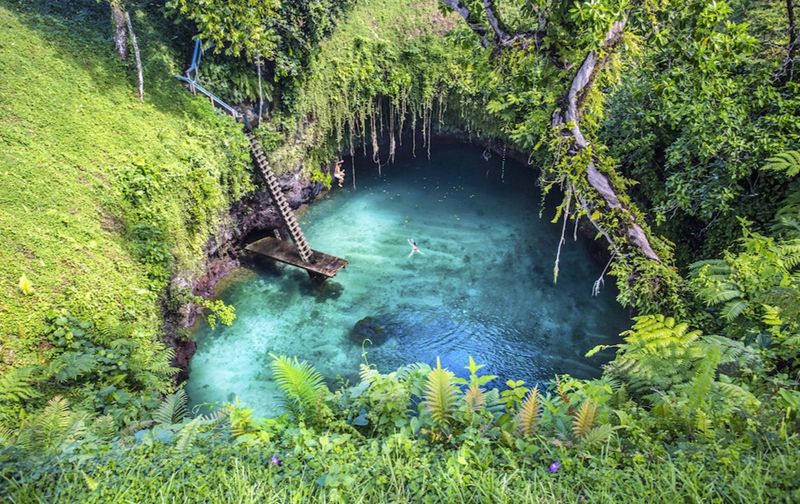
Upolu delivers a genuinely well-rounded introduction to Samoa because it combines the capital city of Apia with mountains, beaches, natural swimming holes, and traditional village culture, all within a manageable and accessible island. International visitors generally arrive here by air or sea, making it the natural entry point for a Samoa trip.
The interior of the island rises into forested mountains, while the coastline alternates between sandy beaches and dramatic rocky sections. Natural swimming areas, including To Sua Ocean Trench, have become widely recognized attractions that draw visitors from across the island.
Village life remains an active part of daily experience on Upolu, and travelers who spend time outside Apia quickly encounter a pace and culture that feels genuinely distinct from other Pacific destinations. Samoa’s official tourism authority provides current transportation, accommodation, and visitor information for the island.
For a first visit to Samoa, Upolu offers both practicality and a strong sense of what makes this corner of Polynesia worth the journey.
Savaii, Samoa
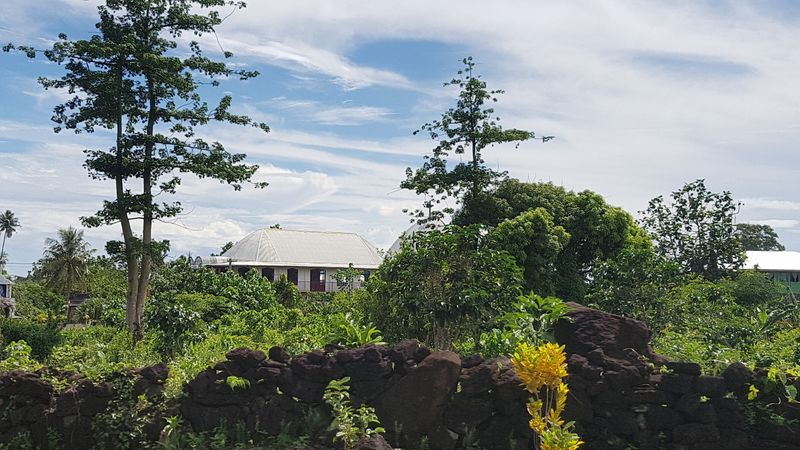
A ferry ride from Upolu delivers travelers to Savaii, and the change in atmosphere is immediately noticeable. This is Samoa’s largest island, measuring roughly 80 kilometers long and 40 kilometers wide, with a mountainous interior that includes 1,858-meter Mount Silisili, the highest peak in the Samoan archipelago.
The population is considerably smaller here than on Upolu, which gives the island a slower, more open character. Lava fields from relatively recent volcanic activity create some of the most visually striking landscapes in the Pacific, covering sections of the coastline in hardened black rock alongside turquoise water.
Waterfalls, blowholes, and coastal villages round out the experience for travelers willing to explore beyond the obvious stops. Samoa Shipping Corporation currently operates passenger and vehicle ferry services between the two islands, and beachfront accommodation and local tour services are available on Savaii.
This island rewards travelers who are genuinely interested in slowing down.
Efate, Vanuatu
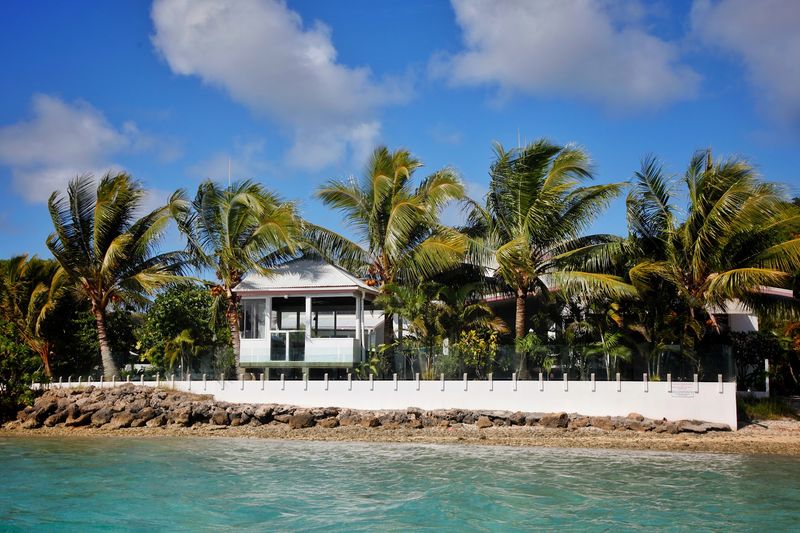
Efate is where most visitors to Vanuatu land, and Port Vila functions as one of the more livable and interesting capital cities in the Pacific. Markets, waterfront restaurants, and a mix of French and Melanesian cultural influences give the town a personality that is worth spending at least a day exploring before heading out around the island.
Beyond Port Vila, Efate has beaches, lagoons, coastal communities, and access to smaller offshore islands. Hideaway Island is one of the most popular short trips, reached by a brief ferry ride from Mele Beach.
The island has a marine sanctuary and an underwater post office that visitors can actually use.
The Vanuatu Tourism Office maintains an active visitor information center in Port Vila and promotes a range of beach and marine experiences around Efate. The island works particularly well for travelers who want adventure and exploration during the day without giving up access to comfortable accommodation and dining in the evenings.
Espiritu Santo, Vanuatu
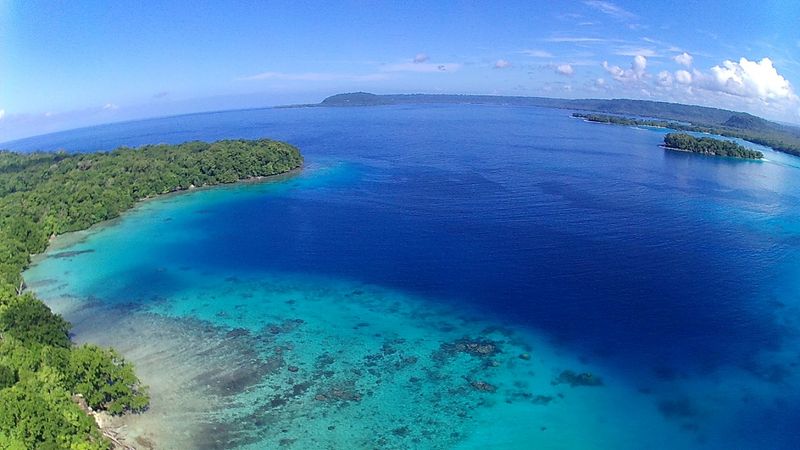
Espiritu Santo, commonly called Santo, is Vanuatu’s largest island and carries a distinctive combination of natural beauty and World War II history that sets it apart from most Pacific destinations. Champagne Beach is one of its most celebrated coastal spots, known for pale sand and exceptionally clear turquoise water along the northeast coast.
Blue holes are another signature feature of Santo. These freshwater pools, fed by underground springs and surrounded by jungle, have a vivid blue color that photographs almost impossibly well.
The Vanuatu Tourism Office promotes Santo heavily as a diving destination, and the underwater landscape here includes genuine wartime wreck diving.
The SS President Coolidge, a large American troopship that was sunk during World War II, rests in shallow enough water to be accessible to recreational divers. The Vanuatu Tourism Office’s Santo branch in Luganville confirms an active visitor infrastructure on the island.
Santo rewards travelers who want more than one reason to make the trip.
Tongatapu, Tonga
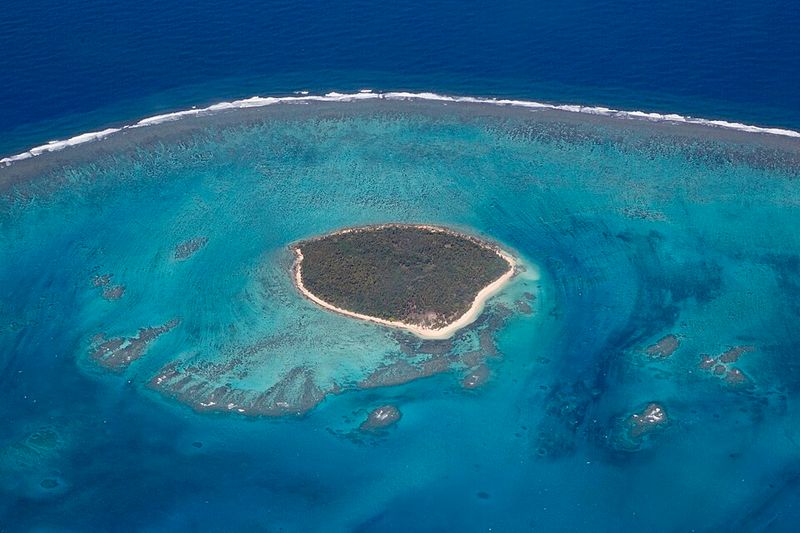
Tongatapu is the kind of Pacific island that surprises travelers who expect the experience to be entirely about beaches and lagoons. As Tonga’s main island and home to the capital Nukualofa, it carries a weight of history and living culture that is genuinely rare in this part of the world.
Tonga remains the Pacific’s only monarchy, and the island reflects that through its royal landmarks, ancient stone tombs, and ceremonial sites. The Ha’amonga a Maui trilithon is one of the most remarkable archaeological structures in Polynesia, built from coral limestone blocks estimated to weigh around 40 tons each.
Local markets, the Royal Palace area, and dramatic coastal scenery including the Mapu a Vaea blowholes round out the experience. Tonga Tourism’s current website provides active accommodation listings and sightseeing information for Tongatapu.
For travelers who want their Pacific journey to include something genuinely educational alongside the scenery, Tongatapu earns a strong place on the itinerary.
Vavau, Tonga
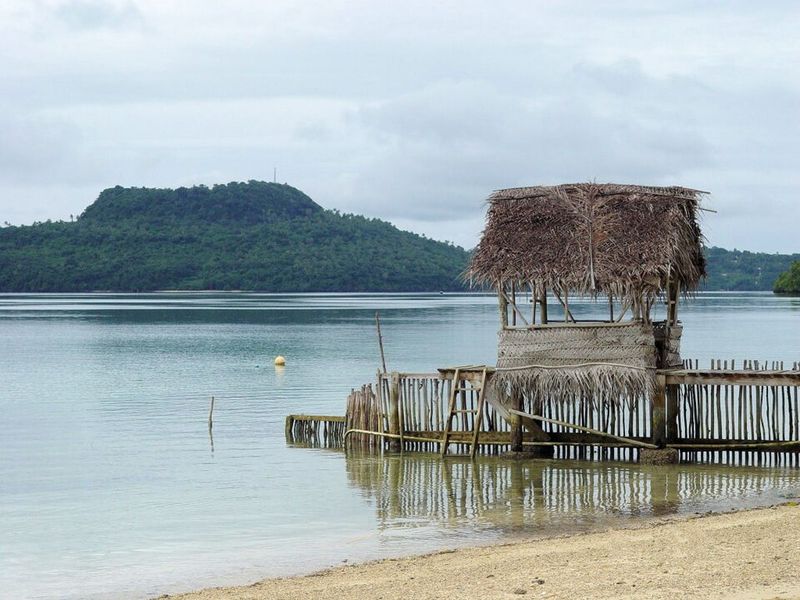
Vavau sits in the northern part of the Tongan archipelago and operates on a completely different energy from Tongatapu. The island group is a collection of sheltered bays, smaller islands, and open Pacific water that draws sailors, divers, and wildlife enthusiasts from around the world.
The biggest draw is the humpback whales. Each year between July and October, humpback whales migrate to the warm Tongan waters to breed and raise their calves, and Vavau is one of the few places on Earth where responsible swimming with humpbacks is permitted with licensed operators.
Tonga’s tourism authority promotes these experiences specifically through reputable tour companies.
Tonga Tourism confirms that domestic air services connect Tongatapu with Vavau, making the journey practical rather than complicated. Snorkeling, diving, boating, and island-hopping by kayak or charter boat fill out the rest of the calendar.
For travelers whose ideal Pacific trip involves spending serious time on the water, Vavau is a compelling destination.
Babeldaob, Palau
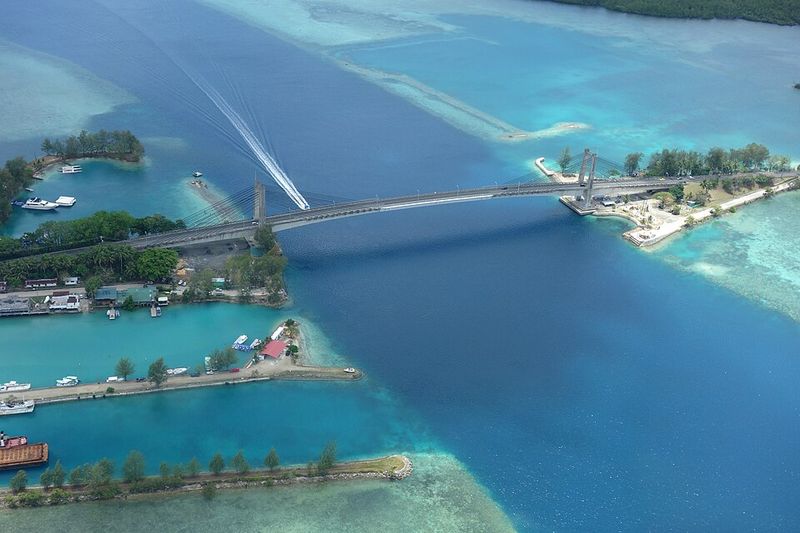
Palau is internationally celebrated for its underwater world, but Babeldaob, the country’s largest island, makes a case for spending meaningful time above the waterline too. The island is connected to the Koror area by the Japan-Palau Friendship Bridge, and a sealed highway runs through much of its interior, making exploration straightforward.
The Palau Visitors Authority actively encourages travelers to explore Babeldaob for hiking, cultural sites, and archaeological remains. The Badrulchau stone monoliths in the island’s north are among the most intriguing ancient structures in Micronesia, with large basalt stones arranged in rows whose original purpose remains a subject of research and local tradition.
Historic stone paths, remnants of Japanese occupation from World War II, and traditional bai meeting houses add further layers to the island’s story. Palau’s official visitor website currently provides itineraries and trip-planning resources covering Babeldaob.
The island proves that Palau’s appeal extends well beyond its famous dive sites and jellyfish lake.
Kauai, Hawaii
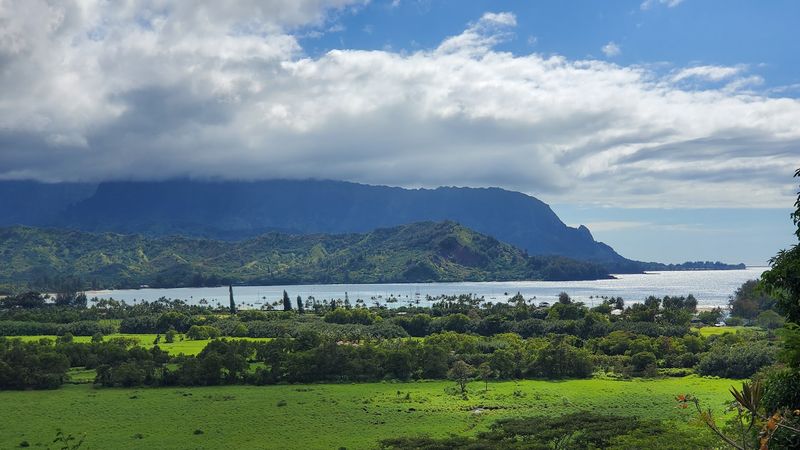
Kauai is the kind of island that makes even experienced travelers stop and reconsider what a Pacific destination can look like. The Na Pali Coast alone, with its deeply carved sea cliffs rising hundreds of meters from the ocean, represents some of the most dramatic coastal scenery in the entire Hawaiian archipelago.
The island’s high rainfall and ancient volcanic geology have produced a landscape of waterfalls, lush ridgelines, and river valleys that feel genuinely wild. Waimea Canyon, sometimes called the Grand Canyon of the Pacific, cuts through the western part of the island and can be explored by road or on foot from various trailheads.
Hawaii’s official tourism organization provides dedicated Kauai planning resources covering accommodation, dining, activities, and responsible travel guidelines. State visitor data confirms Hawaii’s tourism industry remains highly active in 2026.
Kauai suits both travelers looking for a relaxed coastal retreat and those who would rather spend their days kayaking, hiking, and seeking out viewpoints that require a little effort to reach.
Share this story