Delaware might be the second-smallest state on the map, but it has a remarkable habit of packing more into a short drive than most states manage in a full road trip. On any given afternoon, you could be climbing a World War II observation tower, wandering a 1,000-acre estate, or watching hundreds of migratory birds settle onto a salt marsh the size of a small town. The variety here is genuinely surprising, and the distances between adventures are short enough that you can actually pick two or three destinations without feeling rushed. Whether your idea of a great afternoon leans toward history, wildlife, coastal scenery, or hands-on military history, Delaware has a specific, well-maintained destination waiting for you.
The twelve places listed below are all currently active, visitor-friendly, and compact enough to explore without burning an entire day. Read on, and start planning.
1. Cape Henlopen State Park, Lewes, Delaware
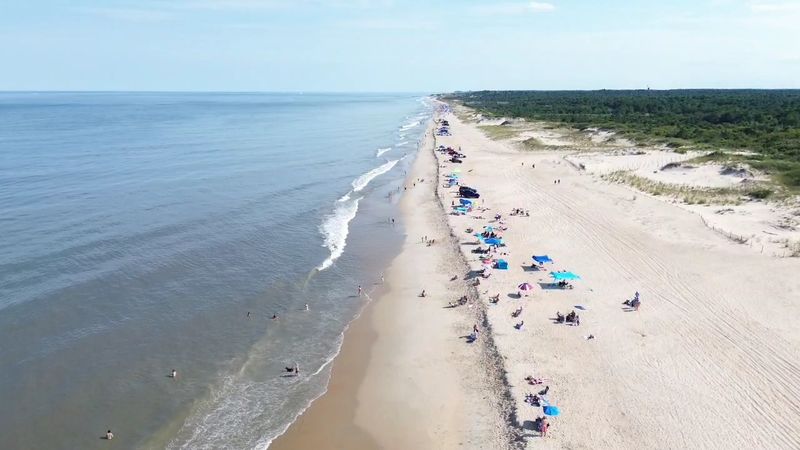
William Penn designated this land for public use in 1682, which makes Cape Henlopen one of the oldest public spaces in the entire country. That fact alone gives every visit a quiet sense of historical weight that most state parks simply cannot match.
The park covers 5,450 acres and includes sandy beaches, coastal dunes, maritime forest, and wetlands, all within a single connected landscape. Eight trails run through the property, some pet-friendly and some handicap accessible, giving visitors real flexibility in how they spend their time.
Fort Miles, a World War II defensive installation, sits within the park and includes restored bunkers and a climbable observation tower. The Seaside Nature Center adds marine aquariums and a borrow-a-bike program for those who want to cover more ground. The Gordons Pond Trail connects to Rehoboth Beach over a scenic three-mile route, making it easy to extend the afternoon in a satisfying direction.
2. Nemours Estate, Wilmington, Delaware

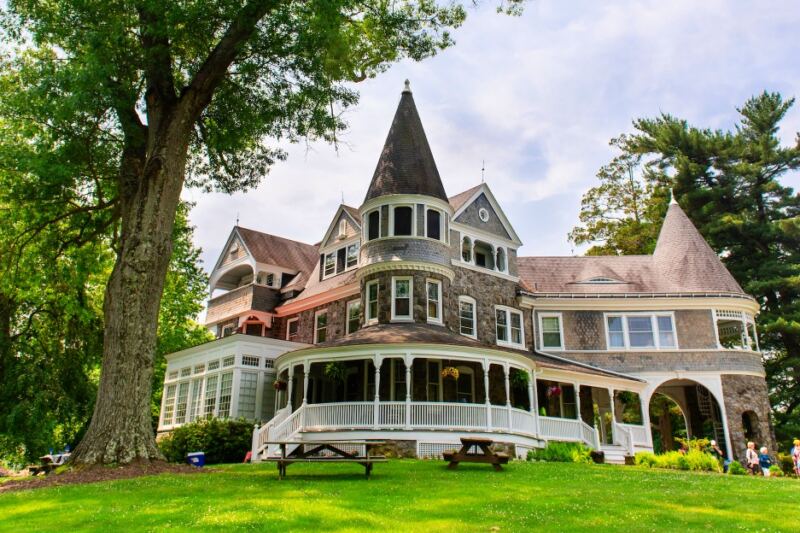
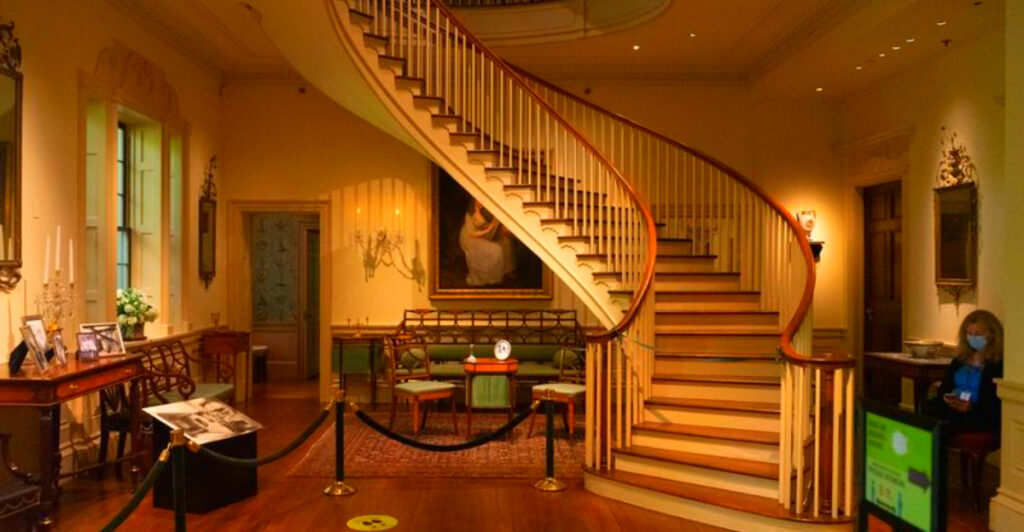
Alfred I. du Pont built this 105-room mansion between 1909 and 1910, modeling it on a French chateau in the Louis XVI architectural style. The structure covers nearly 47,000 square feet across four floors, and the name itself comes from a French town connected to the du Pont family’s ancestry going back several generations.
Inside, the rooms hold rare 18th-century French furniture, antique rugs, tapestries, and artworks ranging from 16th-century religious pieces to works by European masters and early American artists. A Louis XVI musical clock dating to around 1785 is one of the more unusual items in the collection.
The formal gardens stretch one-third of a mile along the main vista and draw direct inspiration from Versailles. Features include a Reflecting Pool with 157 jets, Sunken Gardens, and the Temple of Love, which shelters a statue of Diana. The estate is open for self-guided tours Tuesday through Sunday between May and December, with the last entry at 4 p.m.
3. Hagley Museum, Wilmington, Delaware
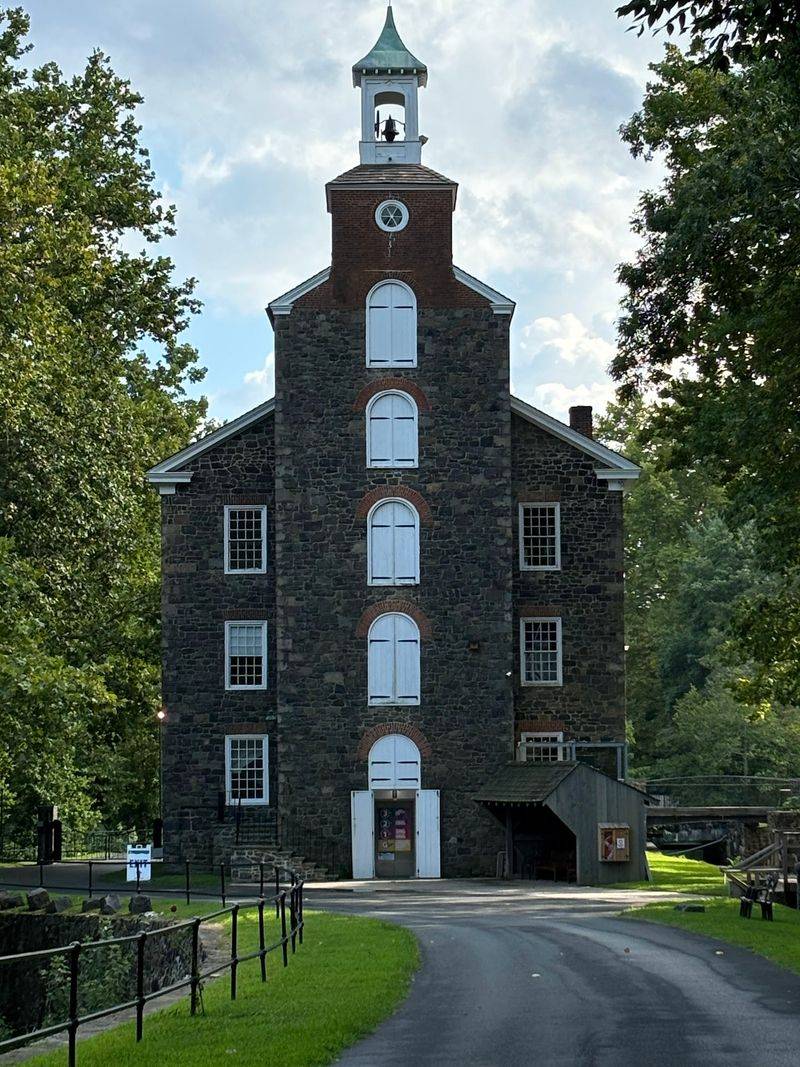
Few museums in the mid-Atlantic can claim a founding story quite like this one. E. I. du Pont established his gunpowder works on this Brandywine River site in 1802, and the 235-acre property still holds the massive stone structures where that manufacturing once happened at an industrial scale.
Demonstrations run on working 19th-century machinery, including a water-powered turbine, eight-ton iron roll mills, a coal-fired steam engine, and a gunpowder testing process that gives visitors a concrete sense of how dangerous and precise early industrial chemistry could be. The Georgian-style Eleutherian Mills, the du Pont ancestral home filled with American folk art and family pieces, is included with general admission.
A separate exhibition called “Nation of Inventors” broadens the focus beyond the du Pont story to cover 19th-century American innovation more generally. The museum is typically closed Wednesdays, with group tours available year-round from 9:30 a.m. to 4:30 p.m. The riverside setting keeps the whole experience from feeling like a standard indoor exhibit visit.
4. Delaware Art Museum, Wilmington, Delaware

The museum opened in 1912 as a tribute to American illustrator Howard Pyle, and that origin still shapes the collection today. Pyle’s work anchors the American Illustration gallery, but the holdings extend well beyond one artist to cover over 12,000 pieces spanning American and British art from the 19th century to the present.
Dedicated galleries cover Early American Art, Pre-Raphaelite Art, and Contemporary Art, with a notable concentration of work from the British Pre-Raphaelite Brotherhood. The Helen Farr Sloan Library, art classrooms, and a museum store round out the indoor offerings without overwhelming the space.
Outside, a nine-acre sculpture garden holds nine contemporary sculptures and a labyrinth, giving visitors a reason to spend time outdoors as well as in. The museum is open Wednesday through Sunday from 10 a.m. to 4 p.m., with extended Thursday evening hours from April through December when general admission is free. On-site parking is also free, which is a genuinely pleasant surprise for a city museum.
5. Winterthur Museum, Garden & Library, Winterthur, Delaware
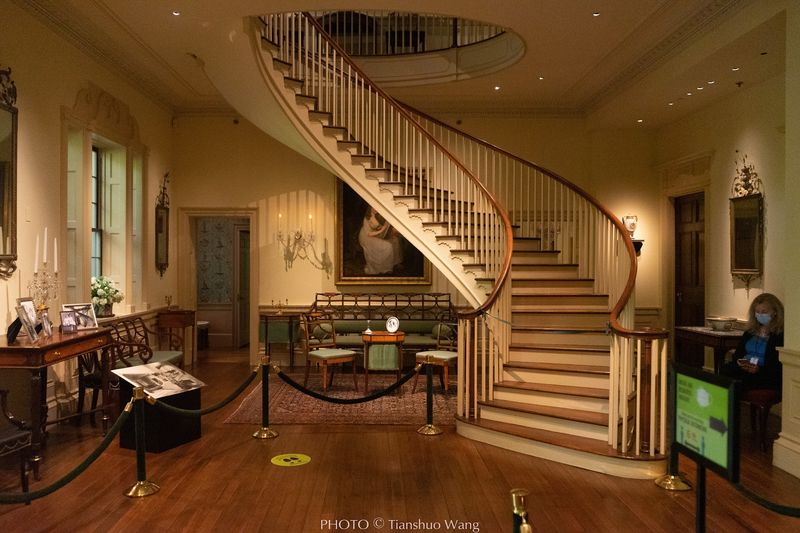
Henry Francis du Pont did not simply collect American decorative arts. He arranged over 90,000 objects across a 175-room house in a way that makes the entire building feel like a living document of American craftsmanship from roughly 1640 to 1860.
The collection spans Shaker furniture, opulent 18th-century masterworks, early American paintings, and objects identified as the work of enslaved individuals, making the historical picture more complete than most house museums attempt. Self-guided tours of the major entertaining spaces are available, and garden tram tours offer a relaxed way to cover the 60-acre naturalistic garden.
Twenty-five miles of marked paths wind through rolling meadows, woodlands, and seasonal bloom displays that shift from early spring through fall. The Enchanted Woods children’s garden adds a playful element for younger visitors. With 1,000 acres total, even a focused two-hour visit here leaves plenty to discover on a return trip.
6. Brandywine Creek State Park, Wilmington, Delaware
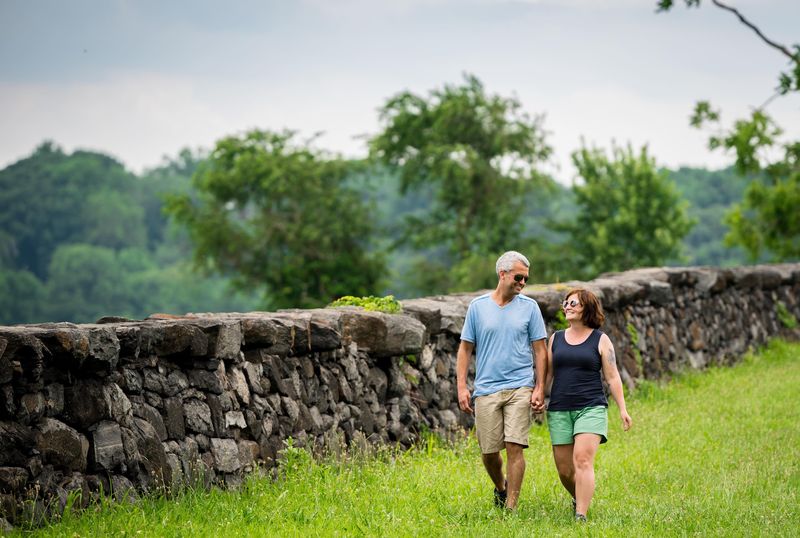
The grey stone walls running through this park were not built for decoration. They date to the late 1800s when the property functioned as a du Pont family dairy farm, and they give the landscape a structured, almost European quality that sets it apart from most state parks in the region.
Brandywine Creek State Park protects Delaware’s first two nature preserves: Tulip Tree Woods, featuring a stand of 190-year-old tulip poplars, and Freshwater Marsh. Fourteen miles of trails support hiking, biking, and horseback riding, while the open fields accommodate picnics, kite flying, and disc golf in the warmer months.
Brandywine Creek itself invites tubing, canoeing, kayaking, and fishing when conditions allow. Birding is a particularly rewarding activity here, with migrating hawks visible from mid-September through mid-November. A Nature Center with interactive exhibits and a wildlife observation area adds educational depth for visitors who want more context about what they are seeing. Entrance fees apply from March through November.
7. Bombay Hook National Wildlife Refuge, Smyrna, Delaware
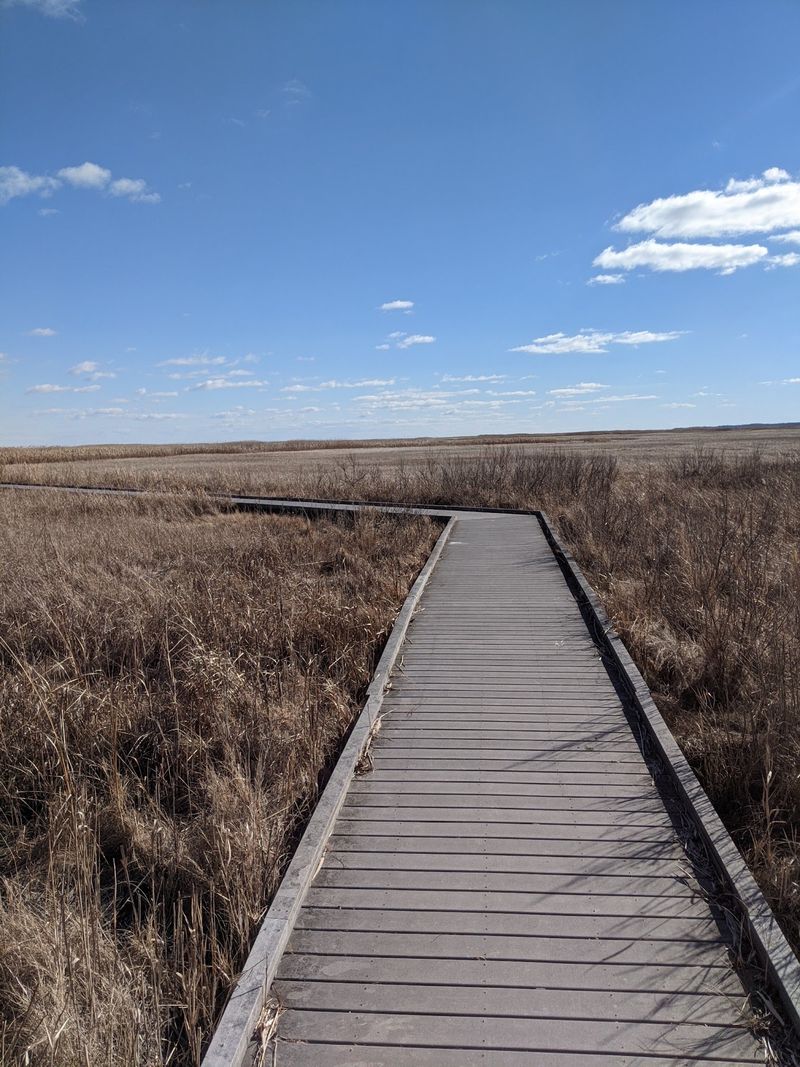
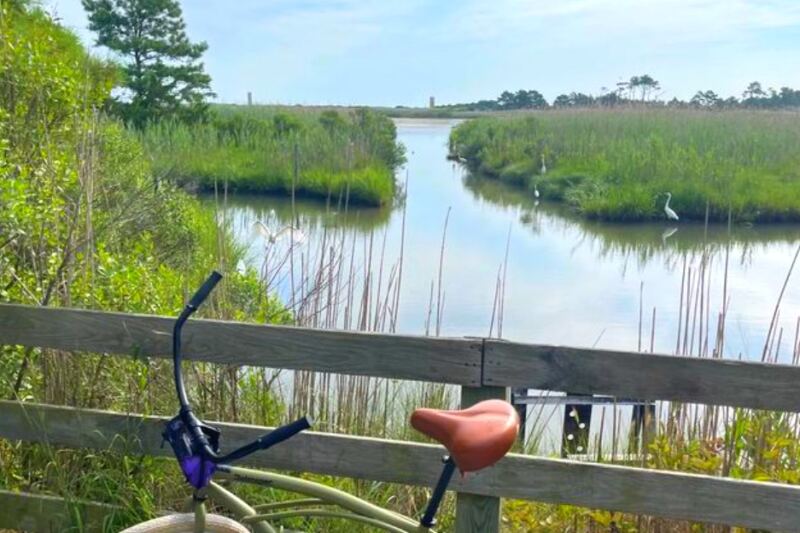
Established in 1937, Bombay Hook holds one of the largest remaining stretches of tidal salt marsh in the entire mid-Atlantic region. The refuge covers approximately 16,000 acres along Delaware Bay and carries designations as both a Ramsar Wetland of International Importance and a Globally Important Bird Area.
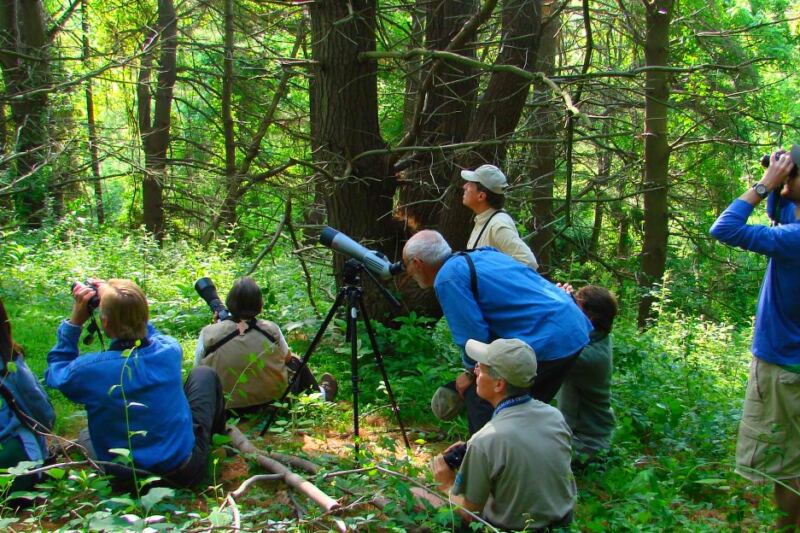
The habitat variety here is considerable, ranging from tidal salt marshes and freshwater impoundment pools to fields and forests. A total of 278 bird species have been recorded at the refuge, making it Delaware’s best-known birding destination and a critical stop along the Atlantic Flyway for migratory and wintering waterfowl.
The 12-mile wildlife drive allows visitors to cover the auto tour loop by car or bicycle, pausing at five walking trails and three observation towers for closer views. A new visitor center opened in late 2023 and operates daily year-round from 9 a.m. to 4 p.m. Bringing binoculars is strongly recommended, and stopping often at the towers pays off in a way that driving straight through simply does not.
8. Delaware Seashore State Park, Rehoboth Beach, Delaware
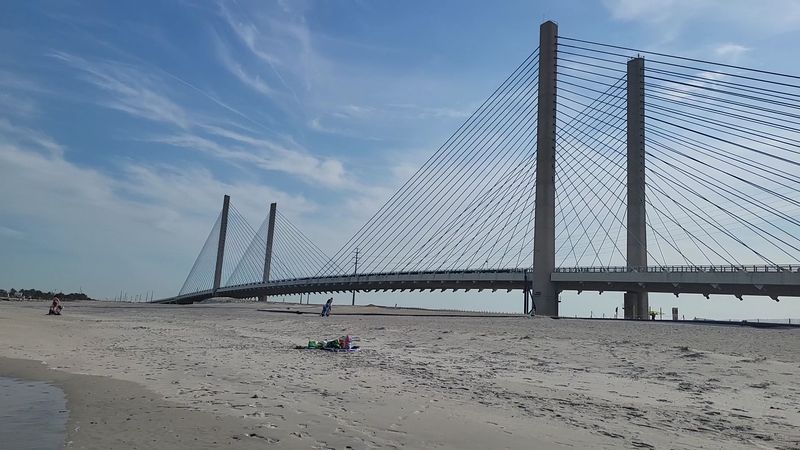
Delaware Seashore State Park sits in a genuinely useful geographical position. It occupies the barrier strip between the Atlantic Ocean and Rehoboth Bay, centering on the Indian River Inlet area, which means visitors get ocean views on one side and calmer bay water on the other within the same compact park boundary.
The park provides a quieter coastal experience than the resort towns flanking it, making it an appealing option for anyone who wants the open-air feeling of a beach outing without the crowds that come with peak-season Rehoboth Beach or Dewey Beach. The inlet itself is a popular fishing spot, and the surrounding area supports swimming, kayaking, and general beachcombing.
Even a two-hour stop here delivers a genuine change of scenery from inland Delaware. The park connects to a broader network of coastal state lands, so motivated visitors can extend their route significantly. Checking current conditions at the inlet before arrival is a practical habit, since water activity and access can shift with seasonal patterns.
9. Fort Delaware State Park, Delaware City, Delaware
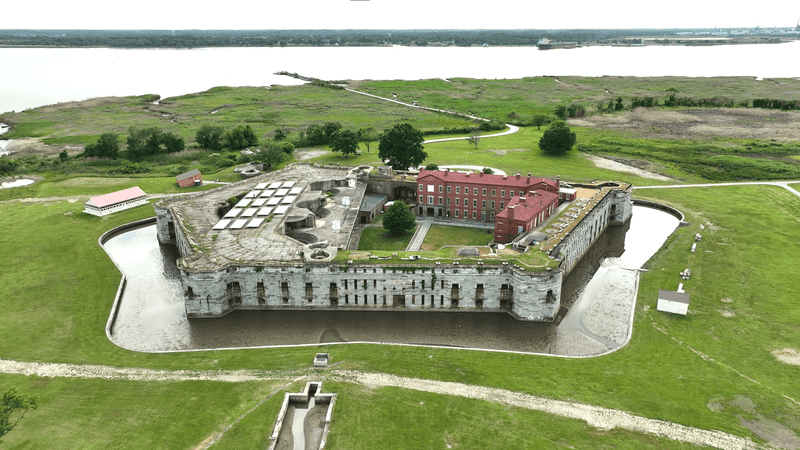
Getting to Fort Delaware is already part of the adventure. The only way to reach the fortress on Pea Patch Island is by a half-mile ferry ride from Delaware City, and that short crossing across the Delaware River does a surprisingly effective job of separating the visit from everyday life on the mainland.
The granite and brick fortress was constructed in 1859 and served as a Union prison camp during the Civil War, at one point holding over 10,000 Confederate prisoners. A tram carries visitors from the island dock to the fort entrance, where costumed reenactors recreate life during the summer of 1864 with hands-on historical programming. Watching an 8-inch Columbiad cannon fire a live gunpowder charge tends to be a crowd highlight.
Pea Patch Island is also a significant nesting ground for herons, egrets, and ibis, with the Prison Camp Trail leading to a heronry observation platform. The ground floor of the fort and the tram are both accessible for visitors with mobility needs. Access is seasonal, so confirming the current schedule before heading out is genuinely important here.
10. First State Heritage Park, Dover, Delaware
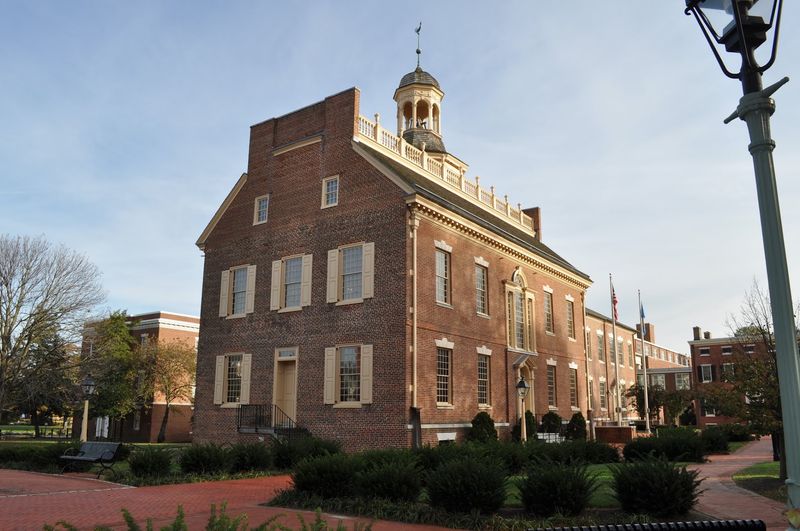
Delaware’s first urban park without boundaries is an unusual concept, and First State Heritage Park earns that description honestly. Rather than being enclosed by a fence or defined by a single entrance, the park weaves together a cluster of historic sites around The Green in downtown Dover, letting visitors move freely between them at their own pace.
The Dover Green itself was laid out in 1717 under William Penn’s plan and played a direct role in events leading to the American Revolution and the ratification of the Constitution. Key sites within the park include the Old State House, Legislative Hall, the Delaware Public Archives, the Johnson Victrola Museum, and the Biggs Museum of American Art.
Costumed interpreters lead thematic walking tours Thursday through Saturday at 11 a.m. and 2 p.m., departing from the John Bell House. Free tours run on the first Saturday of each month. Seasonal lantern-lit programs and craft workshops add variety throughout the year. The Old State House is open Wednesday through Sunday from 10 a.m. to 3 p.m.
11. Air Mobility Command Museum, Dover, Delaware

More than 35 aircraft fill the Air Mobility Command Museum’s collection, and the scale of the hardware makes an immediate impression before a single exhibit label is read. Cargo planes, aerial refuelers, helicopters, fighters, and a B-17 are all represented, covering a broad sweep of military aviation history in one location.
The museum traces the development of military airlift and aerial refueling operations from their earliest forms to the present day. Indoor exhibits provide context for the aircraft outside, walking visitors through the logistics, technology, and human stories behind some of the largest and most complex flight operations in military history.
Admission is free, and parking is free, which makes this one of the more financially painless afternoon stops in all of Delaware. The museum is located at Dover Air Force Base, and while access procedures apply, the visitor experience is straightforward and well-organized for families, aviation fans, and curious road-trippers who had no idea this collection even existed until they looked it up.
12. Lewes Canalfront Park, Lewes, Delaware
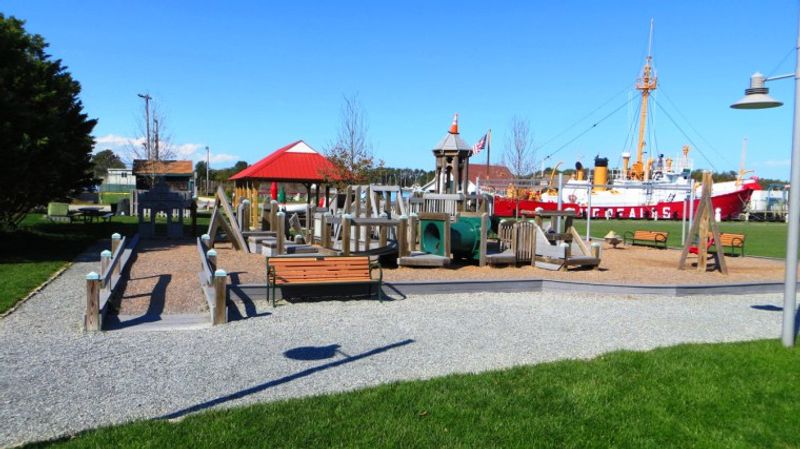
Dutch settlers established homes and launched fishing vessels from this exact stretch of canal bank in 1631, which makes Lewes Canalfront Park one of the more historically layered three-acre parcels anywhere in Delaware. The park was re-established as a community focal point in 2010 and has been drawing steady visitor activity ever since.
The layout includes a cedar boardwalk, a sheltered fishing pier, a canal overlook deck, a village green, lighted walkways with benches, shaded arbors, a playground, and a boat ramp for kayaks and canoes. The 1938 Lightship Overfalls and the historic Lewes Life Saving Station sit directly adjacent, adding two more points of interest without requiring visitors to move their car.
Year-round programming includes free outdoor movies, plays, and concerts, while city tennis and pickleball courts sit just beside the park boundary. A 28-space metered parking lot and restroom facilities keep the logistics manageable. With historic Lewes immediately beyond the park’s edge, this compact waterfront space makes a genuinely satisfying final stop on an afternoon along the Delaware coast.
Share this story